The Manuscripts
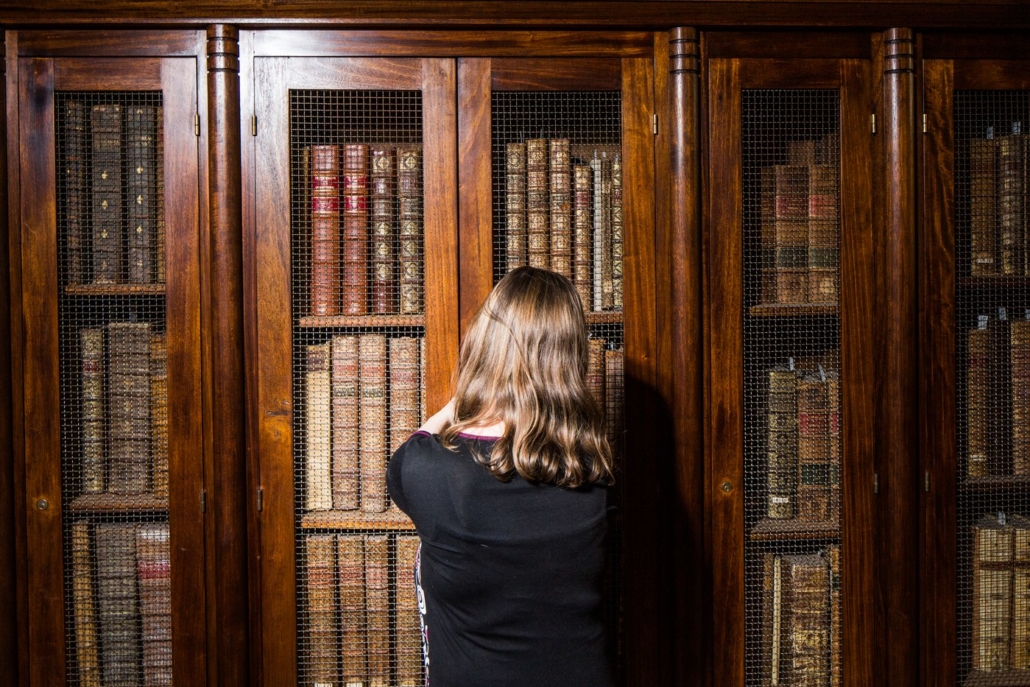
The manuscript collection is the library’s greatest treasure and what makes it truly unique: it is absolutely exceptional to find such a comprehensive collection of texts from all fields within a medical school.
In the medieval period, literature predominates: classical works, but also chivalric romances—such as *Perceval* by Chrétien de Troyes and the two *Romans de la Rose*—as well as Italian poets like Dante and Petrarch. Next come the religious manuscripts: richly illustrated Bibles, Qur’ans, theological treatises by Gregory the Great and Isidore of Seville, large hagiographic volumes, breviaries, and missals.
The essential medical manuscripts are here: Hippocrates and Galen, Avicenna, Rhazes, and Albucasis (in two illuminated copies, one of which is in the Gascon language). But medieval authors are just as well represented, with the *Chirurgies* by Guy de Chauliac and Roger de Parme (a veritable comic book intended for apprentice physicians and surgeons) and the works of Arnaud de Villeneuve. A project to study and showcase these manuscripts through digitization is currently underway.
Next come the social sciences (law, history, and geography), and finally the exact and natural sciences (astronomy, zoology, chemistry, and, of course, alchemy). The same diversity is evident in the languages used (Latin, of course, but also Greek, Arabic, Italian, the Langues d’Oïl, and the Langues d’Occitane, etc.) and in the physical appearance of the manuscripts—ranging from richly decorated volumes to annotated working documents—offering a broad overview of the various forms of writing during this period.
Access
Free access
Tram: Line 1, Albert 1er Stop
Public transportation: Buses No. 6, 7, or 16: “Peyrou” stop
General admission: Henri IV Blvd. Nearby paid parking ("Pitot")
Practical Information
Self-guided individual tours – Ongoing (during the entire opening period)
Self-guided group tours – Ongoing (during the entire opening period)
Guided group tours – By request
Educational tours
Accessing Historical Publications
Did you know?
A number of ancient manuscripts and documents have been digitized in high quality. You can view them online here: https://www.scdi-montpellier.fr/patrimoine/folia-la-bibliotheque-numerique/corpus-numerises
Can't find the book you're looking for?
You can submit a request to view the heritage collections of the Historical Medical Library by emailing the following address: patrimoine-ecrit@umontpellier.fr
Printed Materials
However, the collection of printed works is in no way inferior to that of manuscripts in terms of value and interest. While medicine predominates here (45%), the humanities, sciences, history, and geography account for comparable proportions (13 to 17%). The significant proportion of bibliographic and general works (11% of the total) clearly demonstrates the commitment to equipping the library with sufficient reference and research materials.
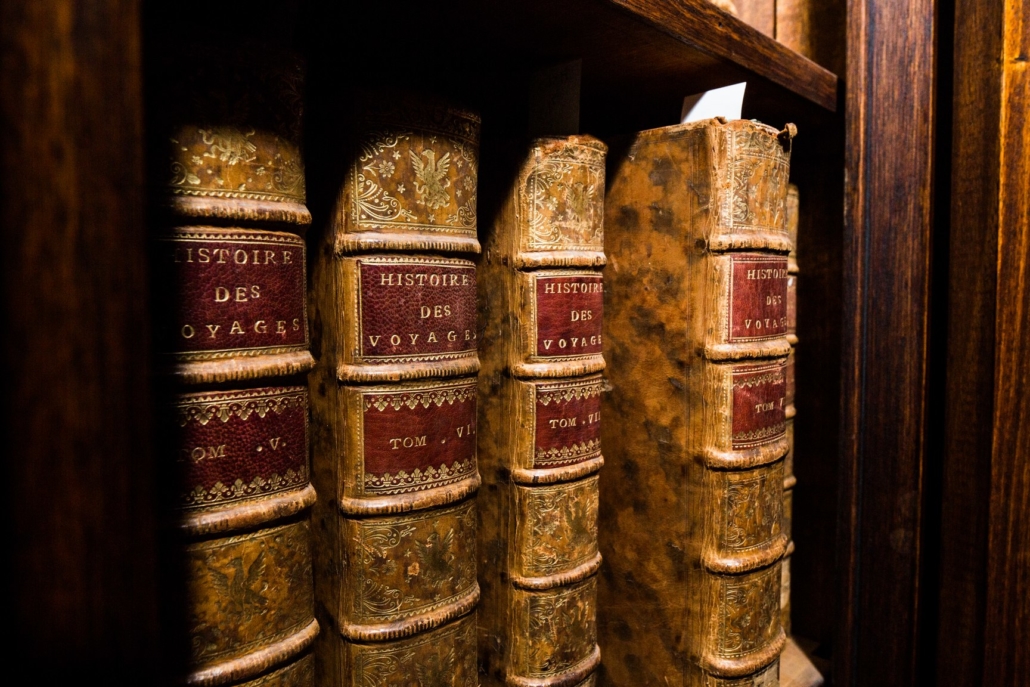
One will therefore find all the major dictionaries and encyclopedias—including those by Diderot and d’Alembert—grammars in more than thirty languages—including Gaelic and Tibetan—major travel accounts from around the world, ancient literature (particularly in Aldine editions) as well as classical literature, philosophy, and so on. The sciences are well represented, featuring not only the major ancient authors but also the works of all the great scholars of the Ancien Régime, from Copernicus to Condorcet and from Olivier de Serres to Lavoisier, not to mention Buffon and Gesner with their famous illustrations.
But the finest part, as we’ve said, is the medical collection, which spans from Vesalius to Ambroise Paré and from Harvey to Laennec, including the “Montpellier scholars” Astruc, Barthez, and Théophile de Bordeu, as well as, more recently, Flourens and Jeanbrau. It is undoubtedly one of the richest collections after that of the Paris Interuniversity Medical Library.
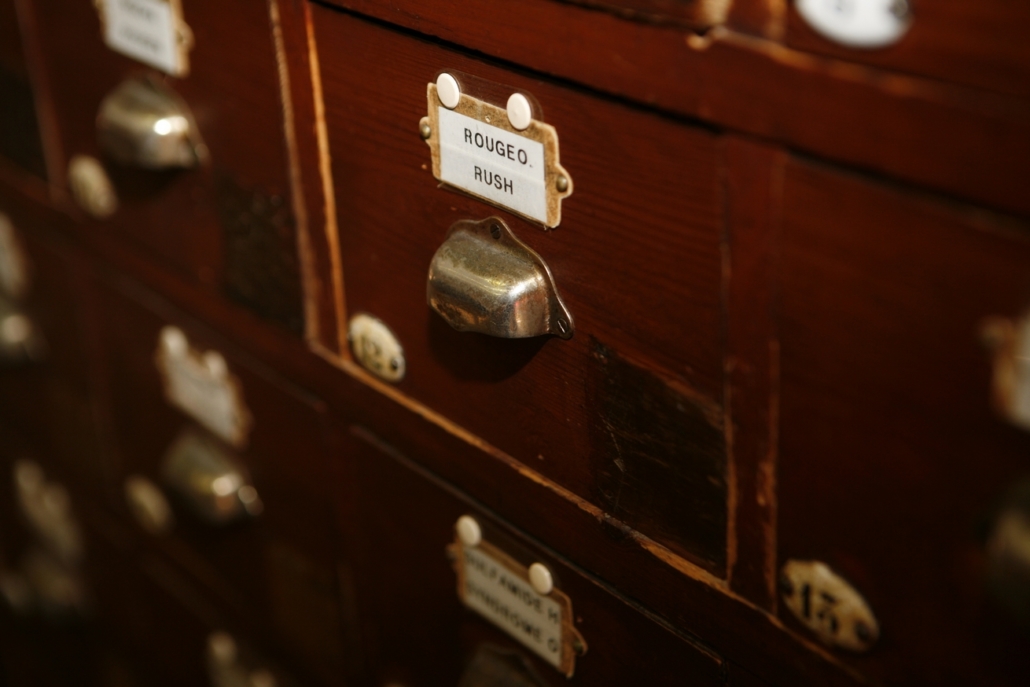
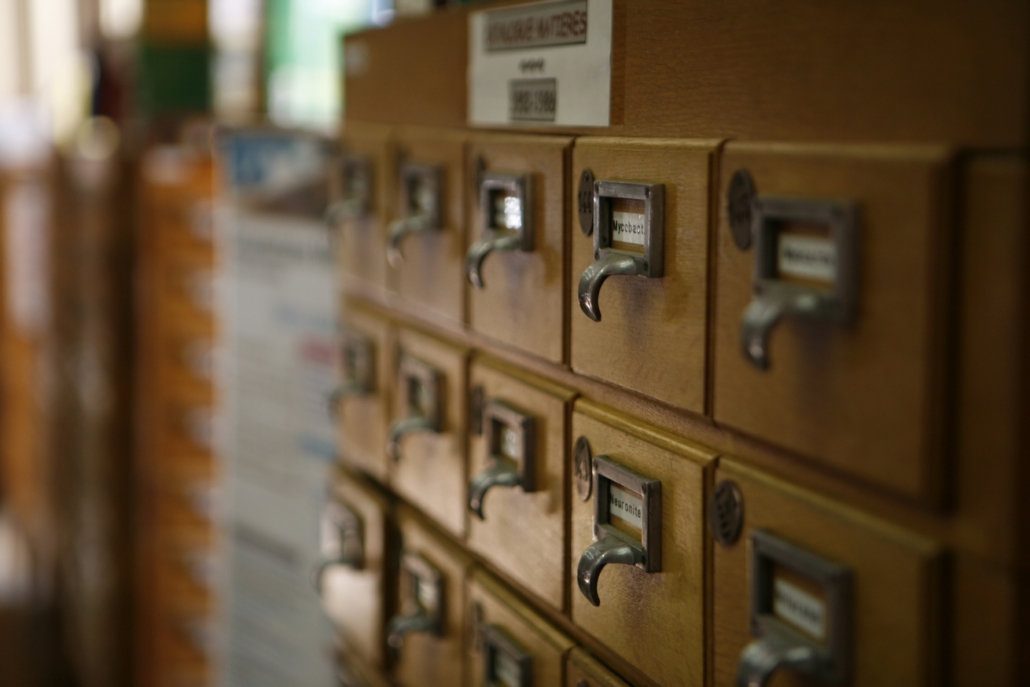
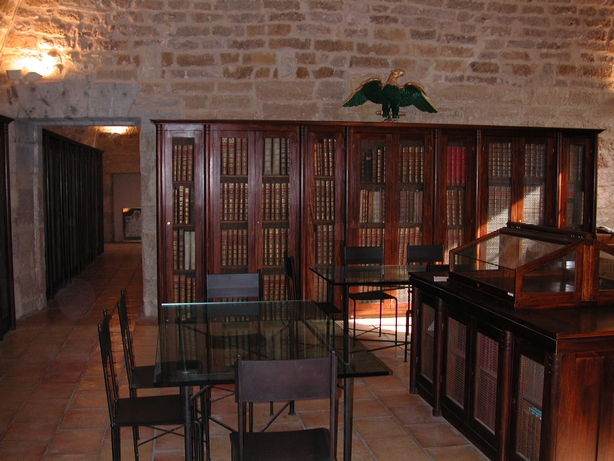
The library also houses other types of historical documents: old medical dissertations from Montpellier and Paris dating back to the 17th century, old periodicals, and, finally, the School’s archives dating back to the Middle Ages, including enrollment registers that allow us to admire the handwritten signatures of famous students such as Michel de Notre-Dame and Théophraste Renaudot—not to mention, of course, the most famous of all, François Rabelais.
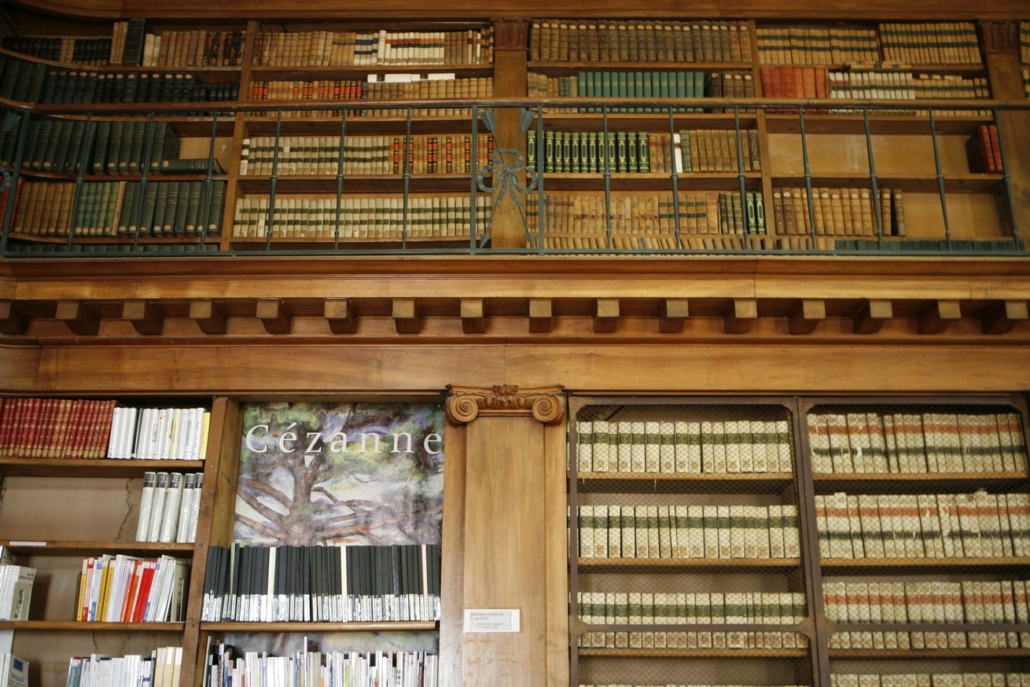
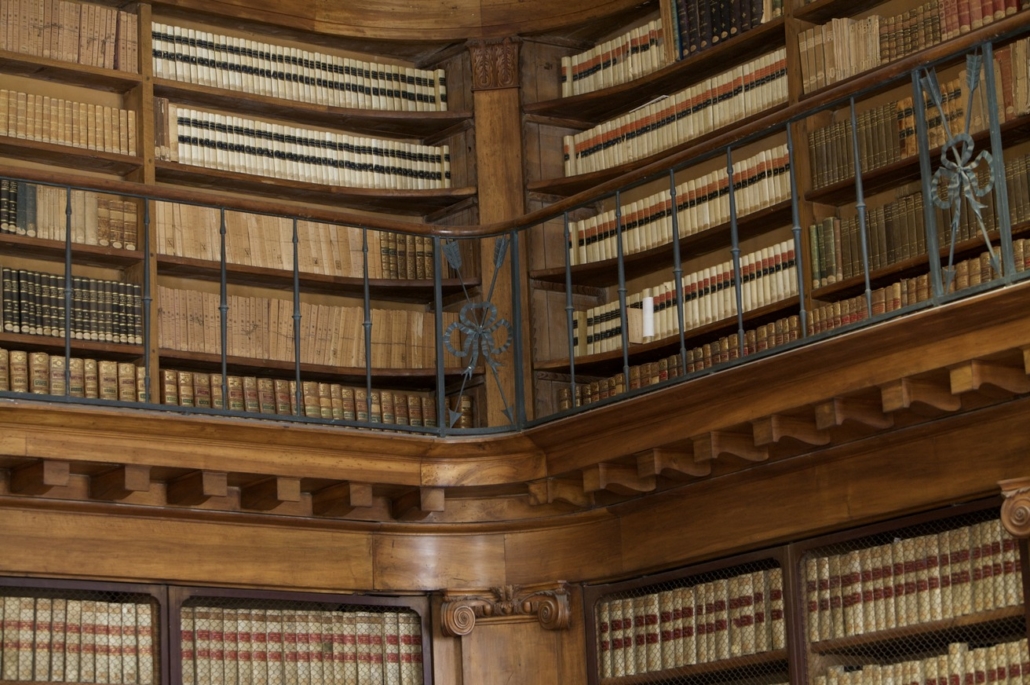
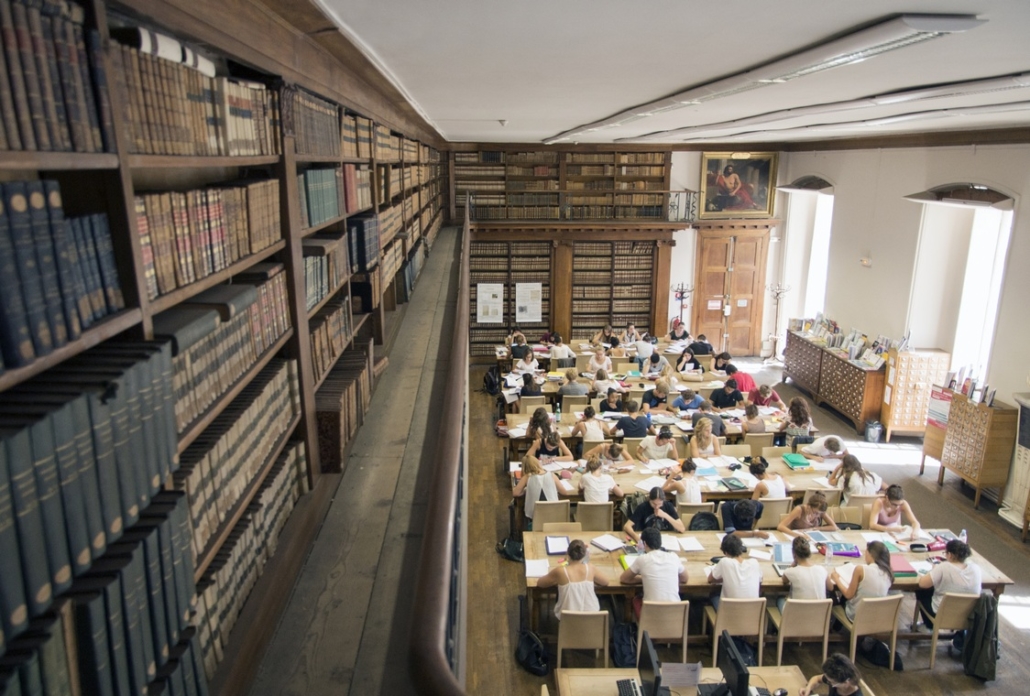
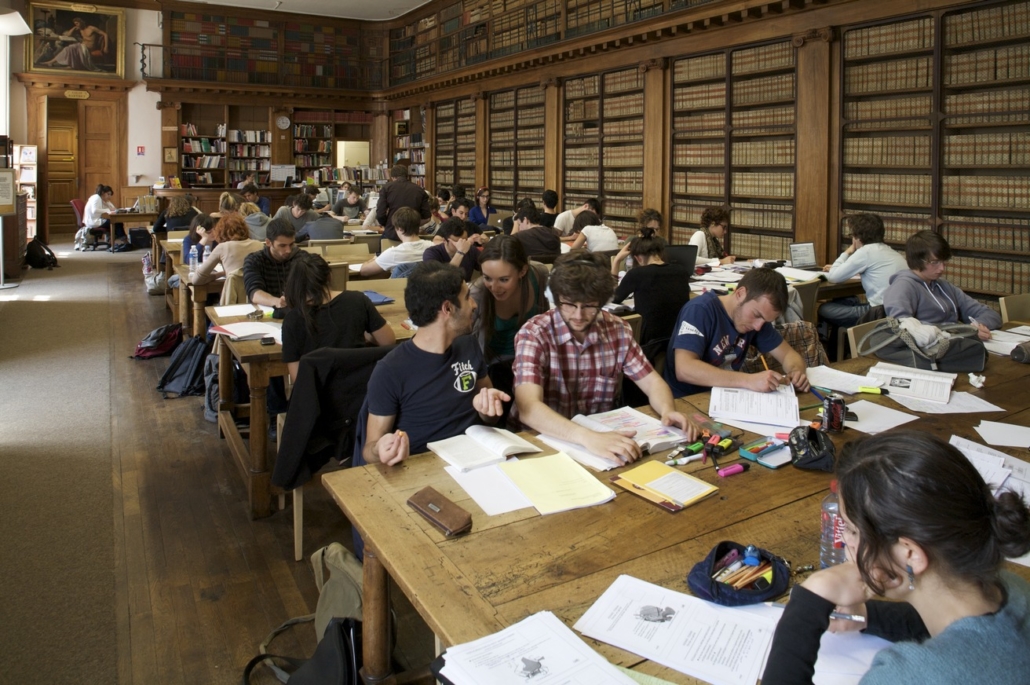
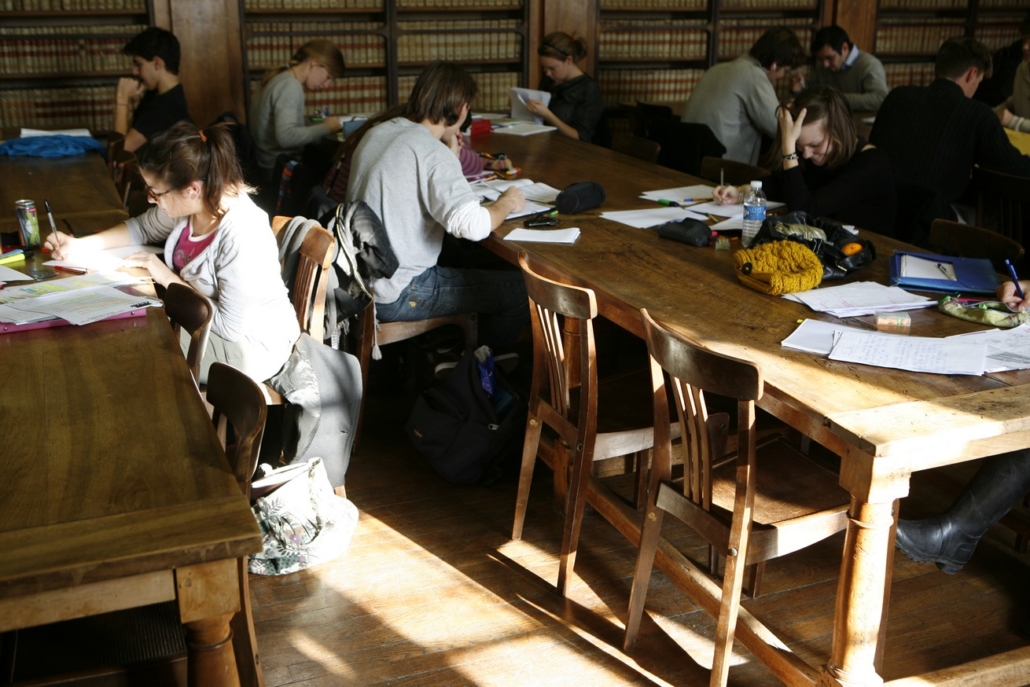
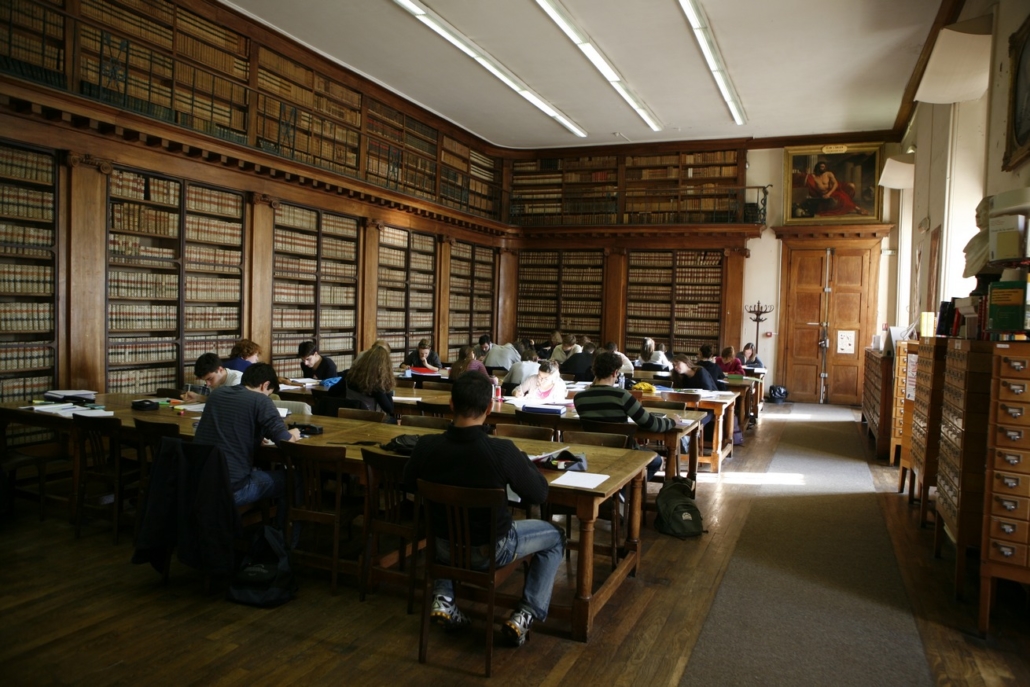
Today, the University Library houses all medical collections (books, theses, and periodicals) dating back to the 1990s on nine linear kilometers of shelving. Since the opening in 1993 of the Medical Education Unit library near the hospitals, regular acquisitions have focused on undergraduate students, who are welcomed into the historic reading room with its warm wood paneling. Another room is reserved for researchers to consult the heritage collections.
Cantor and musician

In 2000, the Library produced the multimedia CD-ROM “Cantor et musicus,” the first example of how our historical collection has been made accessible through digitization. Featuring excerpts from 43 manuscripts—including two masterpieces of medieval music and illumination: the 11th-century Tonaire and, above all, the 13th-century Chansonnier—the CD-ROM reproduces all the notated music in the collection, while a selection of illuminations depicting musical instruments provides a colorful, soundscape-like counterpoint. The websiteManuscrits-bumed.cines.frcomplements the CD-ROM.
Follow us