After winning the MUSE Take-Off 3 award, Drs Herrero and Bonnel presented the PREPABLOC training course at the "Recherche Et Innovation Chirurgicale 2021" session of the French National Academy of Surgery. The course was awarded the prize for pedagogical innovation! A look back at this unique training program.


PRÉPABLOC: training for tomorrow's operating room professionals

Project construction

The launch of PREPABLOC is the result of a co-creation process initiated by Dr. Herrero and supported by Dr. Ferrandis. A multi-professional, multi-disciplinary team was put together, comprising :

  • The teaching team of the CHU IBODE school,
  • Heads of Clinics-Assistants at CHU and ICM hospitals,
  • LIRMM teams,
  • Gypsotherapist at the University Hospital Emergency Department. 


Training program

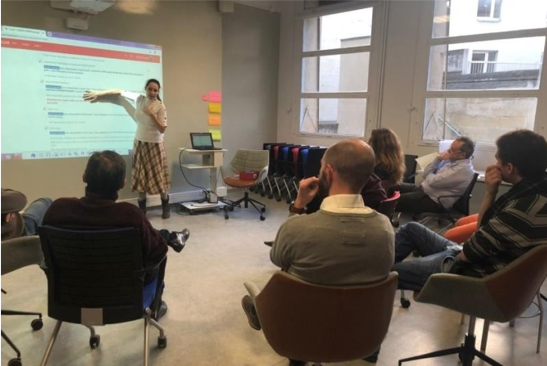
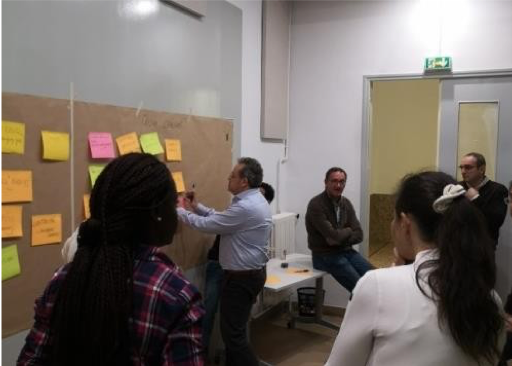
Proposed and coordinated by the Innovation Extractor, this is an innovation marathon in the form of a competition between teams of around ten people. Creativity sessions enable teams to design useful projects in record time, and to learn how to "pitch" them at the end of the week. The five themes were stress, communication, the surgical education of tomorrow, the attractiveness of the OR professions and inventing an Escape Game.

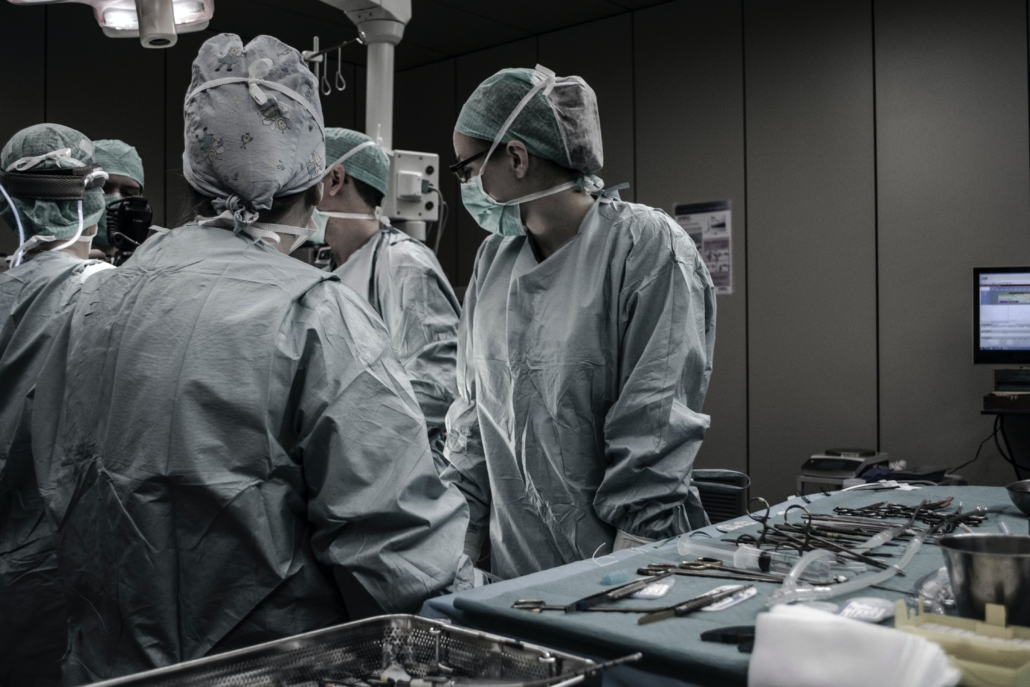
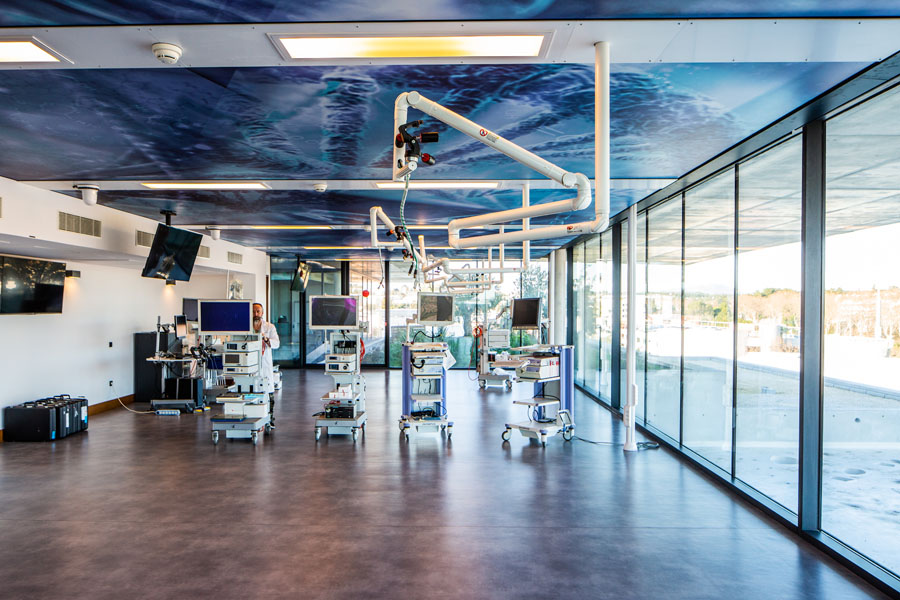
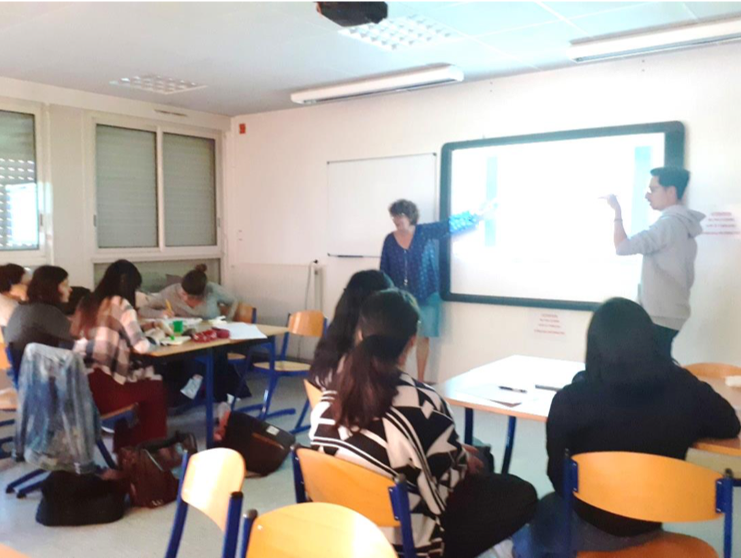
Future IBODEs, tutors to tomorrow's surgeons, had the chance to take part in a variety of theoretical and practical workshops over the course of a congress-style week. The heads of the IBODE school focused their presentations on hygiene and instrumentation. The Heads of Clinic-Assistants from the CHU andICM led theory classes, giving accounts of their work as hospital surgeons, running workshops on suturing and surgical knots, and allowing students to test their skills on a laparoscopic console. LIRMM teams also collaborated on the high-tech hospital simulation platform on the Arnaud de Villeneuve campus, which Dr. Debien and his teams bring to life on a daily basis. A workshop was also dedicated to the creation of plaster casts with Christophe, the gypsotherapist in charge of the CHU's emergency department.


The objectives of this course  
  • Training students before they arrive for their internships

    To be able to offer all medical students structured, harmonized training prior to their arrival in hospital surgical internships or emergency departments.

  • Reducing student stress

    As well as that of the supervisors who welcome them into the blocks and who, in addition to the time needed to train them on top of their workload, were always worried about seeing them make mistakes due to a lack of knowledge of this oh-so-controlled environment.

  • Raise awareness that harmonious teamwork is a key to success

    This will benefit both the patient and the serenity of a demanding workplace.

  • Encouraging vocations for these professions

    With objective information.

  • Early introduction to project-based innovation methodology

    Po ensure that students know how to create, structure and present projects in line with their ambitions for their professional and scientific future.

A project supported by MUSE

This project was made possible thanks to the financial support of MUSE (Montpellier University of Excellence) through a call for projects " Take OFF 3 " won in June 2020 with the active help of the Innovation Extractor (Dr. Christophe BONNEL and Anaïs CAUSSE). The team at MUSE's Centre d'Innovation Pédagogique (CSIP) has also contributed to the project, with the creation of a fun, interactive card game and the scripting of an "Escape Game" to be offered next year.


PREPABLOC: a highly successful training course

Project success

The creation of this Free Teaching Unit was a success with the students. Indeed, founded by a multi-professional and multi-disciplinary team, this project was particularly well received by an interested public made up of students in their 3th year medical students, LIRMM engineering students (Roboticians) and IBODE students (Operating Room Nurses).


The future of PREPABLOC

The students particularly appreciated the experience and the winning project on the surgical education of tomorrow is currently being studied with a view to giving it a future. The Nîmes teaching teams, already well versed in these concepts, are already in the loop to adapt it, and the PREPABLOC team will be sharing its experience with all those in France who wish to draw inspiration from it, in accordance with the wishes of the academy.


In 2020, Docteur Favier and Docteur Debourdeau once again took part in MUSE's call for projects. They are the winners of the Take Off 4 competition, which rewards innovation in teaching.

A pedagogical innovation for safety

Physicians and surgeons perform invasive procedures to diagnose and treat pathologies. These gestures require a long and rigorous apprenticeship, mainly carried out during residency (from the 7th year of medical studies, at the time of specialization).

The quality of medical-technical and surgical procedures must be at the heart of training, as it has an impact on patient health and safety. The technical training of medical and surgical interns must therefore include prior learning to ensure the safety of patients, trainees and supervisors alike.

Change factors

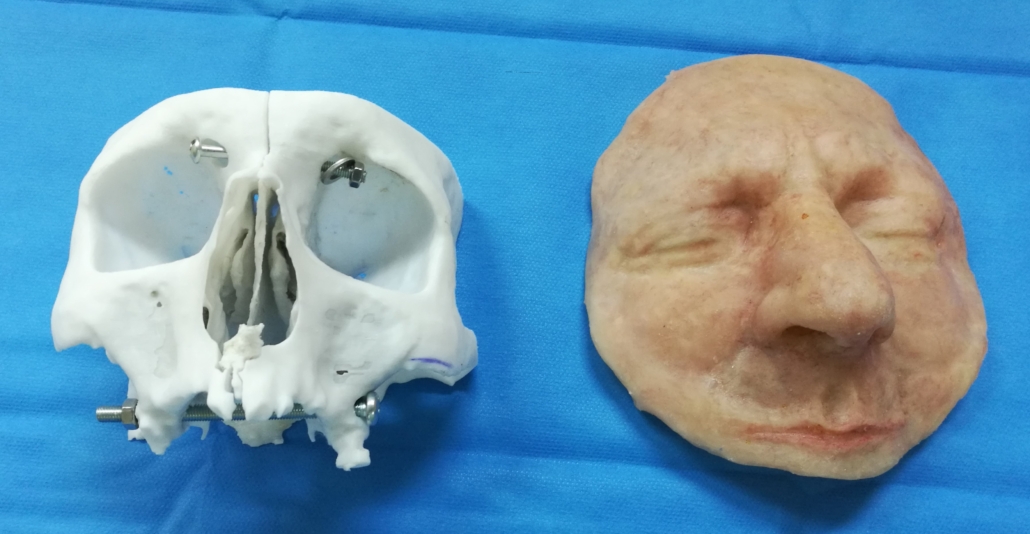
 The use of training on anatomical parts has been widely exploited, but this training modality is limited by the availability of parts. Another limiting factor is the difficulty of maintaining the realistic appearance of the digestive and respiratory tracts on these biological models.

The simulator as a solution

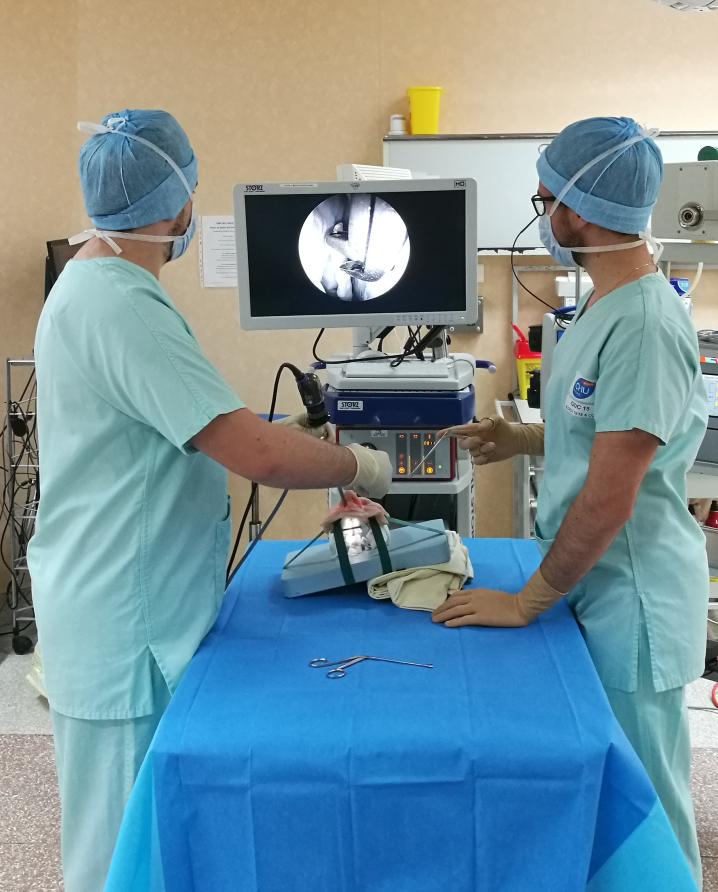
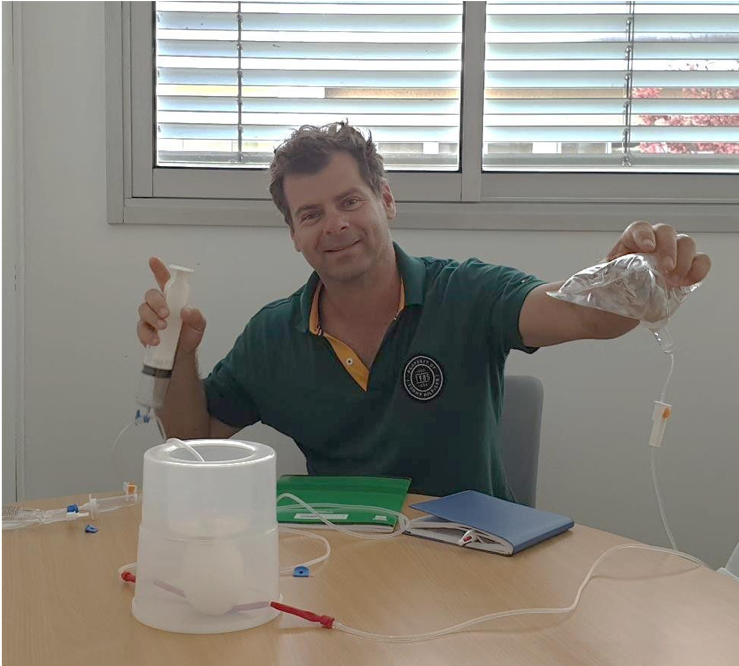
Learning on a simulator meets safety requirements, since students are not in direct contact with patients during the initial simulations, the right to make mistakes is allowed, and supervisors can give students greater latitude in practice, with pedagogical feedback during dedicated training times that are more numerous and easier to implement. This learning method also eliminates the biological risks associated with the use of anatomical parts.

Specific areas concerned

As simulation is a very expensive and time-consuming tool to set up, Drs Favier and Debourdeau carried out preliminary studies to find out in which areas simulation could be most useful.

According to their research, simulation training is necessary for the following procedures:

Proven effectiveness

These procedural simulators have been scientifically validated for initial training and have proven their effectiveness. A total of 220 interns in the Montpellier-Nîmes area (20 gastroenterologists, 18 ENT specialists, 6 neurosurgeons, 6 maxillofacial surgeons, 15 pulmonologists, 125 intensive care anesthetists and 20 oncologists) will benefit from these devices.

A continuation of the previous project

Remember, in one of our previous articles, we talked about Doctors Favier and Debourdeau, who were winners of a previous MUSE Take Off. This project involved the development of an application called SPART APP, to assess the technical skills of interns.

This project is a continuation of the Spart-APP project. In future, this application, which can measure the technical progress of interns, could be combined with a simulation platform. This platform will enable us to reinforce learning in real time for students experiencing difficulties, in an active and dynamic teaching approach.

In 2020, Doctor Valentin FAVIER, in collaboration with Doctor Antoine Debourdeau, once again took part in the MUSE call for projects aimed at supporting the pedagogical transformation of training courses. His project, entitled "Application de Suivi Pédagogique de l'Apprentissage et Réalisation des gestes Techniques en médecine" (Application for Pedagogical Monitoring of Learning and Performing Technical Gestures in Medicine), won the award.

Genesis of the project

The quality of physician training is a public health issue in order to care population for years to come. Medical competence is a long process, during which the student must master both theoretical and technical skills. Medical interns must learn the gestures and procedures that will form the basis of their medical practice over the 4 to 6 years of their internship. Theoretical knowledge is frequently assessed by theoretical examinations.

At present, medical interns carry out their clinical internships according to a predefined syllabus, divided into semesters, and obtain their diploma of specialized studies at the end of their course with the defense of a dissertation. 

Nevertheless, during their internshipmedical students work full-time in the hospital, and their training at training at the university is reduced to a few days a year. to a few days a year.

However, the validation of the medical curriculum does not take the intern's technical skills into account, and there are few tools for tracking their acquisition and observing the learner's progress as he or she progresses through internships.

It was against this backdrop that Doctors Favier and Debourdeau decided to set up an application to track the progress of healthcare students' technical skills.

The birth of SPART APP

SPART-App is a project that provides medical interns, their trainers and the educational supervisor with a mobile application to record every procedure performed during their internship (e-carnet). This pilot project concerns the specialties of anesthesia-intensive care, gastroenterology, ENT and maxillofacial surgery. Its objectives are as follows:


  • For the learnerFor the learner, this e-carnet enables real-time monitoring of progress (success rate, learning curve), highlights areas for improvement, and alerts the training manager to any lack of practice.

  • For the supervisorFor the supervisor, this tool can be used to identify the difficulties experienced by the learner, to clarify and find solutions to blocking points, and to build a debriefing.

  • For the training managerIt will enable them to adapt teaching objectives on a case-by-case basis to the difficulties encountered by students, to identify training shortcomings (notably the number of gestures) in order to alert supervisors, and to propose concrete, personalized solutions to the student and his or her supervisory team.

Application: a strategic choice

The formatThe dematerialized format, via an off-network application, eliminates the need for procedure books, which are not regularly annotated. Interns can evaluate their actions immediately afterwards, on their smartphones.

Each intern will have a student account, specific to his or her specialty. On this account, the intern can enter each procedure performed over time, detailing the gesture, success or failure, and difficulties encountered. With the data entered into the application, it is possible to track the student's learning curve.

The supervisor of the procedure performed may, if he or she wishes, validate the intern's assessment of the procedure, and use it as a basis for a debriefing debriefing. The teacher will have at his disposal the data of each intern he supervises. This will enable the teaching supervisor (head of department) to ensure that a sufficient number of procedures have been carried out by each intern, and to identify interns in difficulty, so as to provide them with greater support.

The impact of START APP

Thanks to this project, Dr. Favier hopes to change the way people learn technical skills, and generate short-, medium- and long-term impacts.

  • In the short term, SPART-app will enable us to take stock of current technical training in medicine and surgery. At present, this training is subjective and varies from one trainer to another. This project would be a tool for objectivizing and rationalizing student follow-up.

  • In the medium term, this system will enable students to to monitor progress and orientate their training course and skills. The project could also be extended to courses other than those mentioned above. This pedagogical innovation could then be rolled out nationwide under the impetus of the University of Montpellier.

    In scientific terms, the data collected from this application will be used to carry out pedagogical studies in each of the specialties concerned, with the aim of assessing the impact of interventions (including simulation, a component also being studied by Dr. Favier) on the acquisition of technical skills, in order to guide changes in teaching practices in a rational way.

  • In the long term,this pedagogical transformation will lead to improved practices at local and national level, with a real impact on improving patient safety by reducing the risk of technical errors.

At present, Drs Favier and Debourdeau's project is progressing and should be launched shortly.

In 2018, Doctor Valentin FAVIER took part in the MUSE call for projects aimed at supporting the pedagogical transformation of training courses. His project, entitled "Learning anatomy and surgery through simulation and 3D printing", won the award.

What is MUSE "Take-Off"?

The MUSE project Montpellier University of Excellence "mobilizes the strengths of 16 institutions towards a common ambition: to create a research-intensive thematic university in Montpellier, internationally recognized for its impact in fields related to agriculture, the environment and health, likely to become an academic partner for all the members of the consortium, to which they will have strong links and which they will be able to draw on.

Through these "Take Off" calls for projects, the I-SITE MUSE supports the pedagogical transformation strategies of the institutions and components of the MUSE consortium. In 3 years, the I-SITE MUSE has mobilized €6 million to support pedagogical innovations through this program. The project "Learning anatomy and surgery through simulation and 3D printing" is one of the projects selected for Take-Off #1. Find out more in this article!


Improving learning through simulation: Dr Favier's challenge

Healthcare simulation is a major objective for medical training in the 21st century. To improve the safety of clinical practices and teaching, the French National Authority for Health(HAS) presented a report in 2012 outlining the prospects for the development of healthcare simulation in France.

But what are surgical simulators?

Surgical simulators are an integral part of this concept. They can be used to train young surgeons in surgical equipment, anatomy and operating techniques, but are also useful for refresher courses in continuing medical education. A major benefit also lies in the possibility of developing new surgical techniques, by enabling more experienced operators to perform innovative approaches or test new instruments.

Project objectives

The project is aimed at surgical interns, who will be able to practice on these simulators. Work in progress is now focusing on several objectives:

  • Improved segmentation of bone structures and pathological processes from CT images to obtain 3D objects.

  • Improved biomechanical characterization of the human skull base using innovative mechanical tests dedicated to this problem. A better understanding of biomechanics will improve the realism of materials used in simulation.

  • Test the simulator on the target audience (ENT surgical interns) on a large scale using the simulation platform at the Faculty of Medicine, and in collaboration with the Nancy-Lorraine School of Surgery.

A project made possible by MUSE

As winner of the project, Doctor FAVIER received a €10,000 grant from MUSE. This was used to advance his surgical simulator project. In particular, it was used to

  • The remuneration of a Master 2 trainee in computer science to research and create algorithms to set up the simulation.
  • Mechanical testing of the simulation platform.
  • Purchase of materials for simulation and 3D printing.

In 2018, Doctor Fares GOUZI took part in the MUSE call for projects aimed at supporting the pedagogical transformation of training courses. He emerged as the winner with his project entitled "Laboratoire Numérique de sciences précliniques".


What is MUSE "Take-Off"?

The MUSE project Montpellier University of Excellence "mobilizes the strengths of 16 institutions towards a common ambition: to create a research-intensive thematic university in Montpellier, internationally recognized for its impact in fields related to agriculture, the environment and health, likely to become an academic partner for all the members of the consortium, to which they will have strong links and which they will be able to draw on.

Through these "Take Off" calls for projects, it supports the pedagogical transformation strategy of the institutions and components of the MUSE consortium. In 3 years, the I-SITE MUSE has mobilized €6 million to support pedagogical innovations through this program. The "Laboratoire Numérique de Sciences Préclinique" project is one of those selected for Take-Off #1. Find out more in this article!

Docteur Gouzi's project is in line with MUSE's intentions

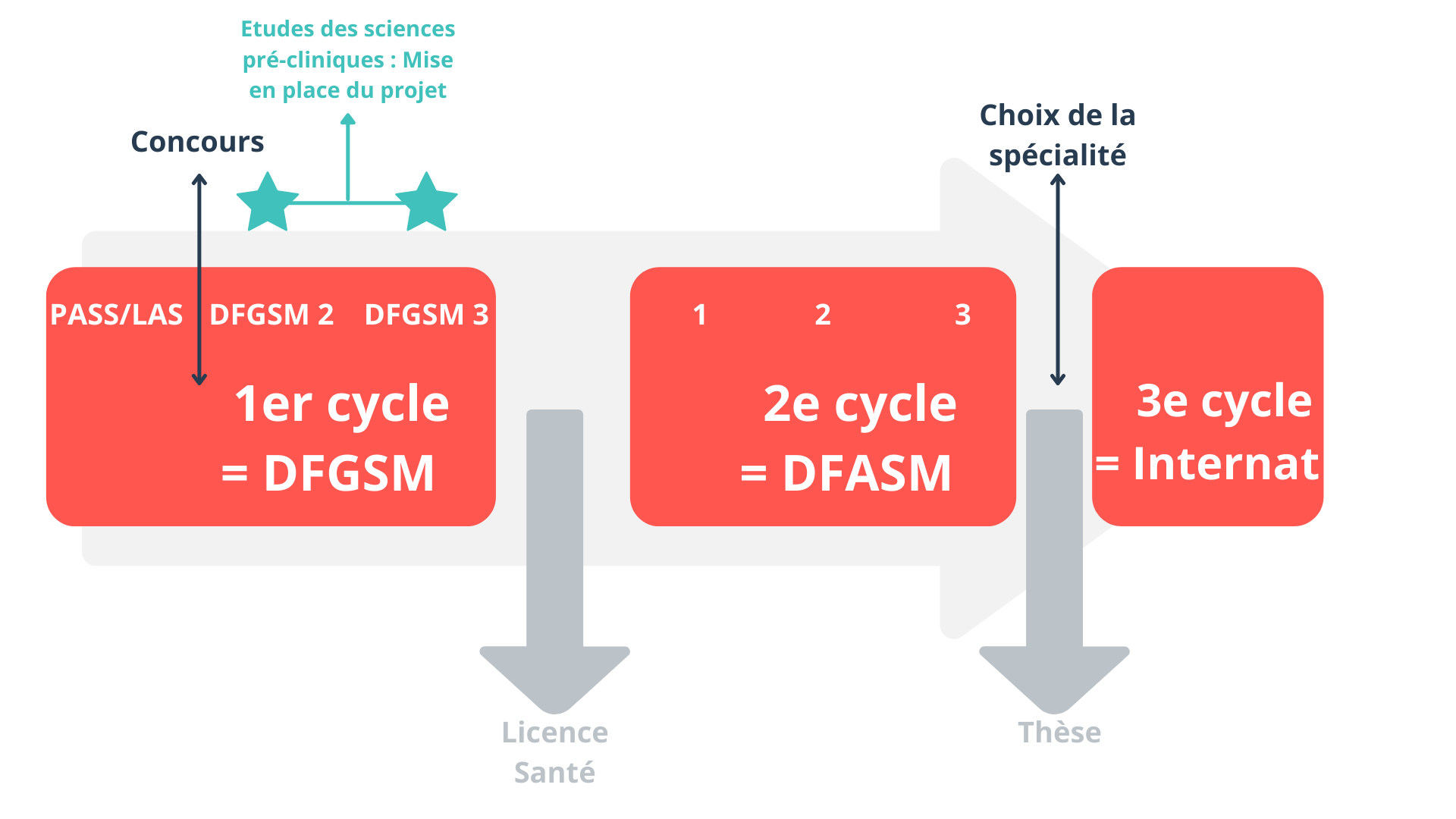
Dr. Gouzi was one of the winners of MUSE's Take Off 1 project, aimed at supporting pedagogical transformation. To better understand Doctor Gouzi's project, we need to start by understanding what pre-clinical sciences are. These pre-clinical disciplines form the basis of the1st cycle of health studies. There are seven of them: Anatomy, Histology, Embryology, Biophysics, Physiology, Cell Biology, Biochemistry... and they are studied in the 2nd and 3rd years of health studies.

Before Dr. Gouzi's project was set up, pre-clinical disciplines were mainly studied through lectures. These lectures accounted for 77% of their courses in these disciplines.


Teachers at the heart of the project

To bring his project to fruition, Dr. Gouzi, who also teaches physiology, mobilized his medical and teaching colleagues to form the Groupe de Réflexion pour l'Enseignement des Sciences Pré-Cliniques en Santé (GRESP). Together, they created the Groupe de Réflexion pour l'Enseignement des Sciences Pré-cliniques en Santé (GRESP), a group of a dozen volunteer teachers who met twice a month for several hours over the course of a year to reflect on the project.


A reorganization project

As mentioned above, lectures have come to dominate the teaching of health studies. The GRESP project aims to reorganize teaching and integrate more practical work and tutorials. To implement the project, the teachers have chosen the Teaching Unit entitled "Respiratory Apparatus", which is a UE studied in the 2nd year of health studies. The ultimate aim is to combine active teaching with a multi-disciplinary approach.


But then, what is it? :


  • Active teaching

    Active pedagogy aims to involve students in the learning process. Instead of simply listening and digesting information, students reflect, manipulate, annotate and interact with each other and with the teacher. This practice requires the formation of smaller groups of students. This is why, with the GRESP project, lectures have been reduced from 77% to 34%, to make way for more practical work and directed teaching.

  • Multidisciplinarity

    Multidisciplinarity is the coexistence of several disciplines working on the same subject. In the case of the GREPS project, this was achieved by completely reorganizing the various courses in the "Respiratory Apparatus" EU. Students no longer study the seven pre-clinical disciplines separately, but rather simultaneously. Courses have been broken down by organ, and each discipline is dealt with simultaneously through a particular organ.

A long process of setting up


To technically implement this project, the GREPS members made a number of modifications:

- As mentioned above, they first changed the ratios of the different types of courses, considerably reducing the number of hours of lectures, replacing them with practical work and tutorials. However, the total number of hours has remained unchanged, to avoid increasing student workload and to comply with the current reform.

- Then they modified the course content to incorporate more active teaching and multi-disciplinarity. To achieve this, a number of new features were introduced:

  • The creation of teaching scenarios for the various subjects in the "Respiratory equipment" course.

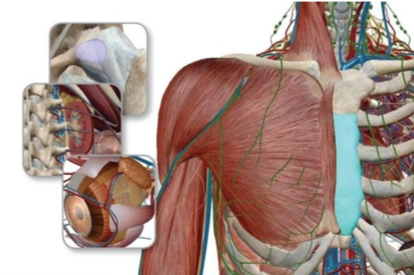
  • Thanks to the creativity of the teachers, they were also able to set up digital tools to illustrate the different scenarios (e.g. visiblebody: a digital tool representing a human body in 3D where each part of the body can be removed, analyzed and dissected, enabling students to do practical anatomy work online and free of charge).

  • The creation of a space on Moodle: with a space that takes up the structuring by objective and allows students to work from home, on a regular basis.

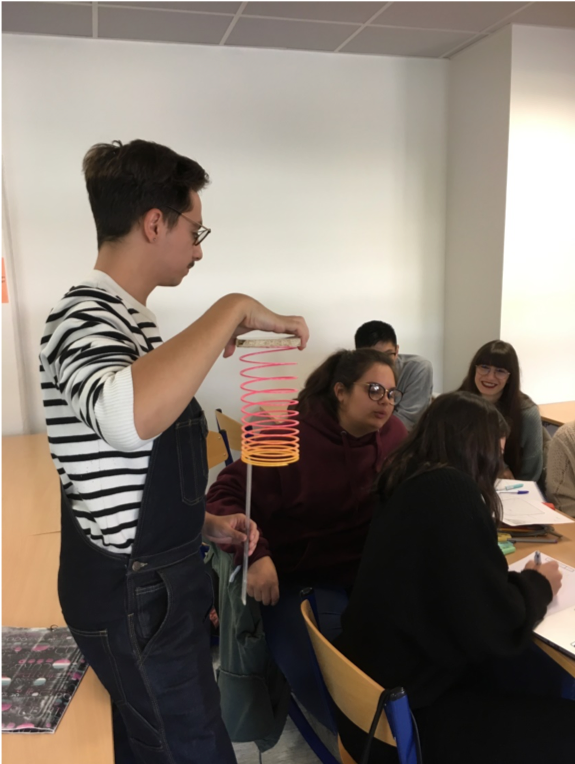
  • The use of non-digital tools such as models to help students understand more easily than with a diagram.

  • Use of videos: e.g. live syncope: students have to think about what happened to find out what caused the syncope. They then check their hypotheses using the software provided.

A useful pedagogical transformation

  • The aims of this project are to develop students' pre-clinical science skills by introducing them to reasoning and the experimental approach. But also by making them think and understand things more dynamically.

  • The aim, for those involved in the project, was also to restore meaning and coherence to pre-clinical science instruction. They wanted to create a logical learning path from which students would be able to extract more knowledge.

But does it work?


A project underway since 2019

This project, effective since 2019 within the Faculty of Medicine of Montpellier-Nîmes, has enabled the realization of many other things:

  • Firstly, this project is a pilot for the hybridization of teaching. Although this was not the main objective at the outset, the courses taught in this teaching unit are both distance and face-to-face. In the face of the current health crisis, it provides an example of how to redesign courses in a hybrid way.
  • At the same time, this project is a pilot for the new reform. In fact, the new PASS/LAS reform for access to health studies has led to changes in the 2nd and 3rd years. If the effectiveness of active pedagogy and multidisciplinarity can be proven, this model can be transferred to other teaching units, faculties or branches.
  • Finally, from a scientific point of view, the evaluations that have been or will be carried out will enable us to prove the usefulness, in terms of learning, of such a project.