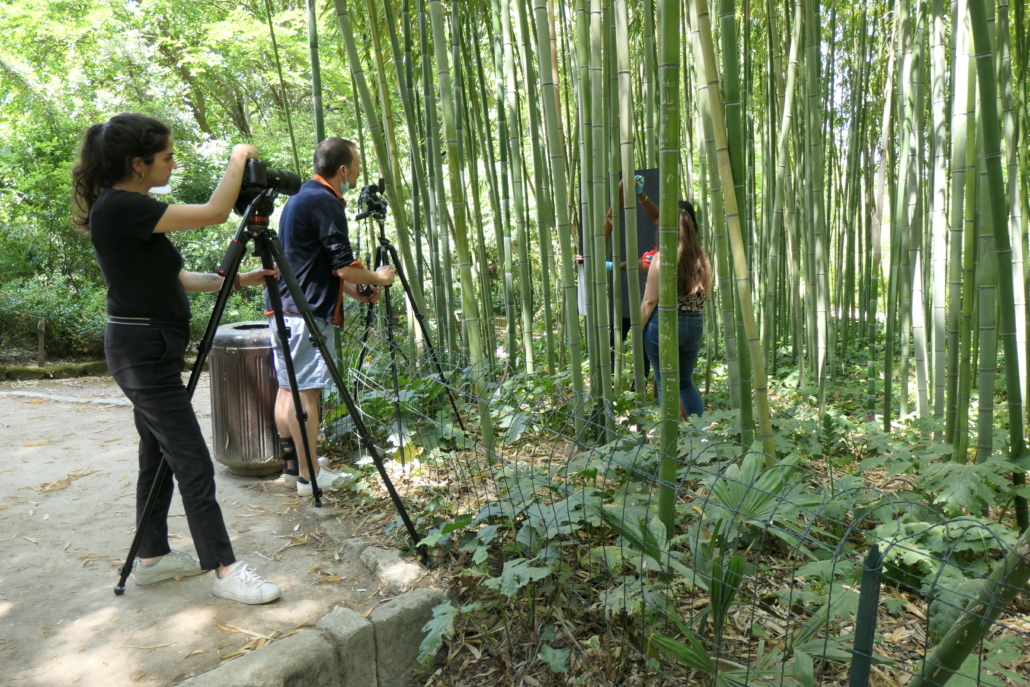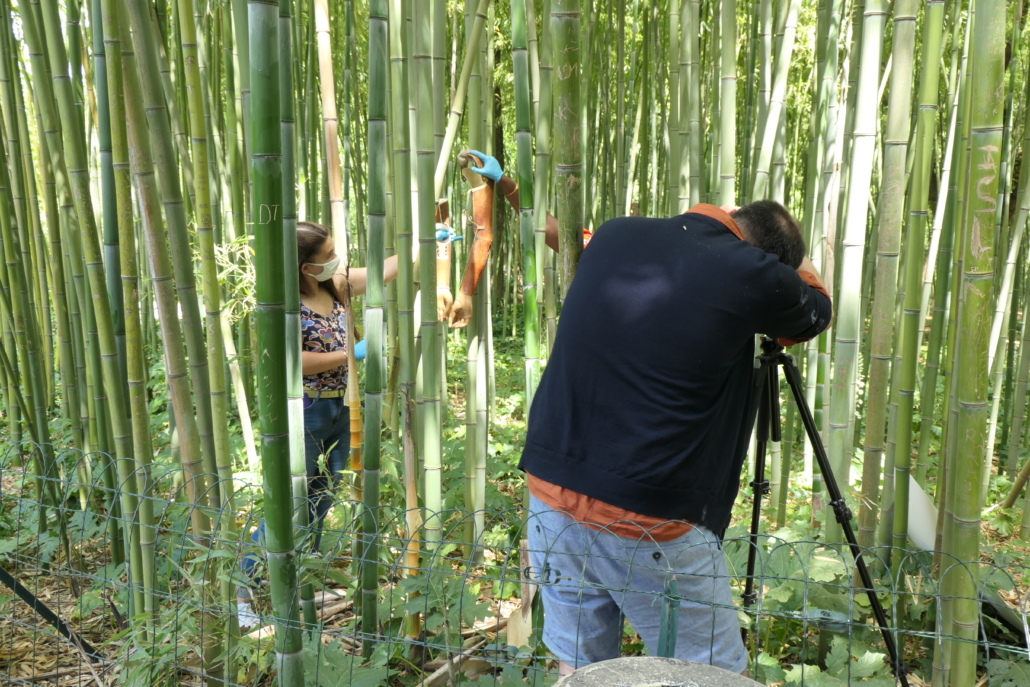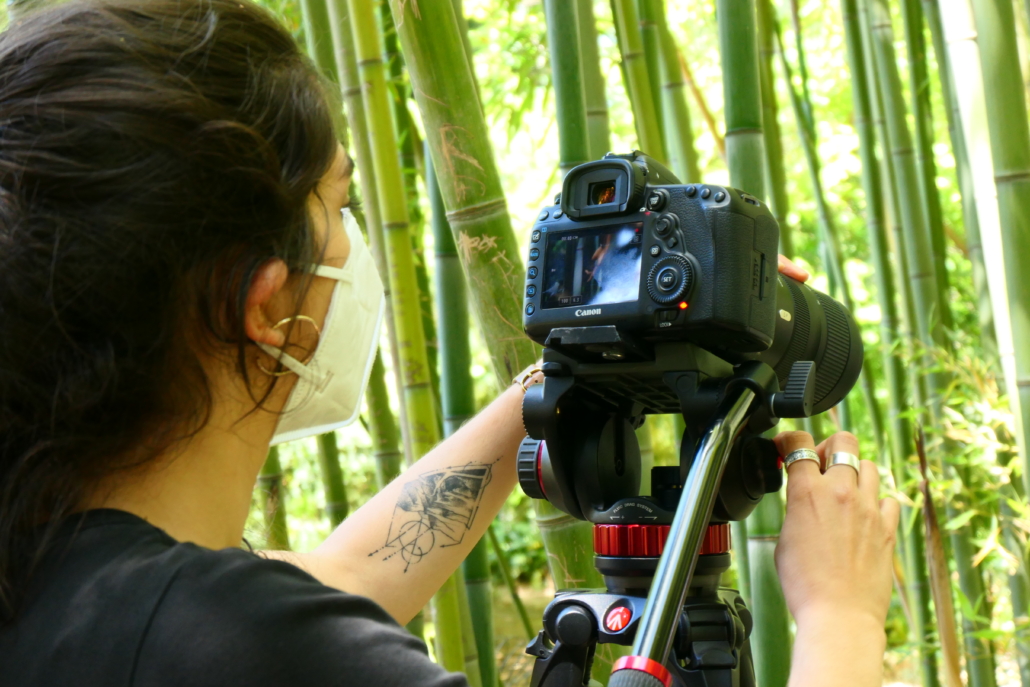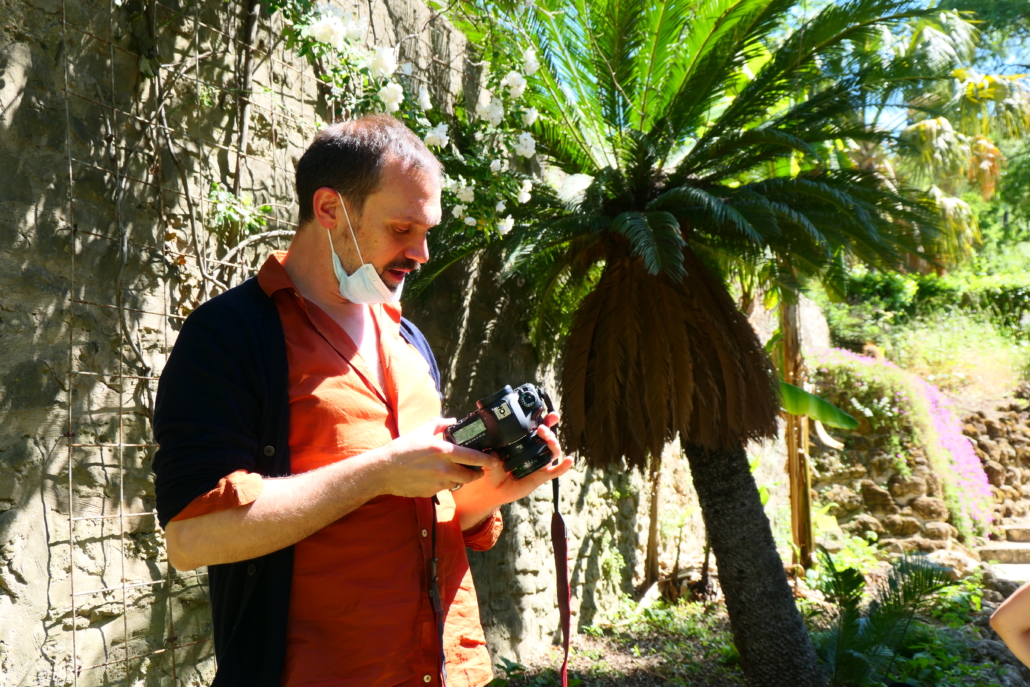
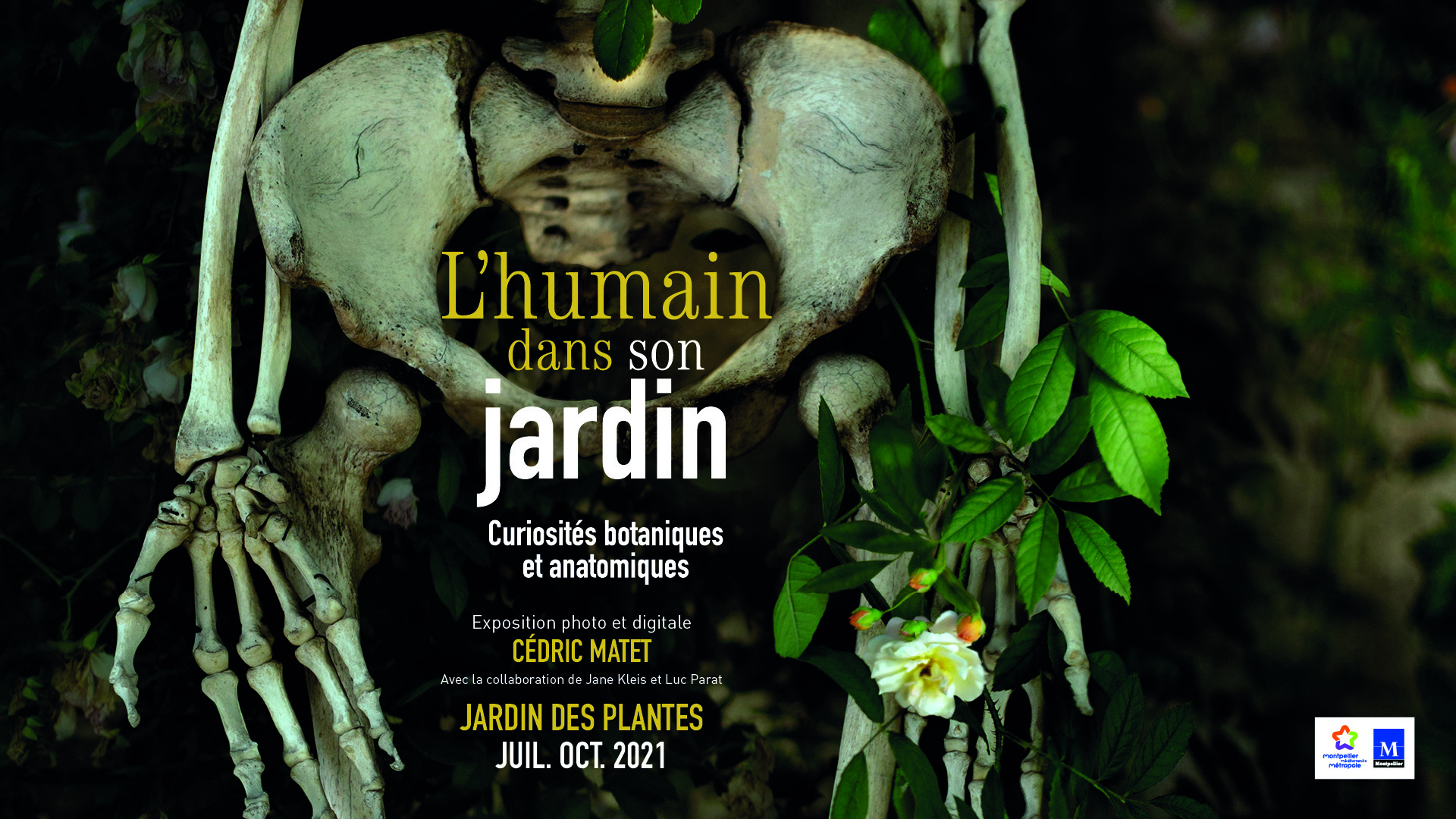
As part of the 800th-anniversary celebrations, a photography exhibition will take place from July 10 to October 10. Curated by renowned photographer CédricMATET, it will be held at the Jardin des Plantes. In 2020, this photographer also curated the exhibition “Behind the Masks,” whichfeatures200 portraits of medical personnel.
Practical Information
“People in Their Gardens”
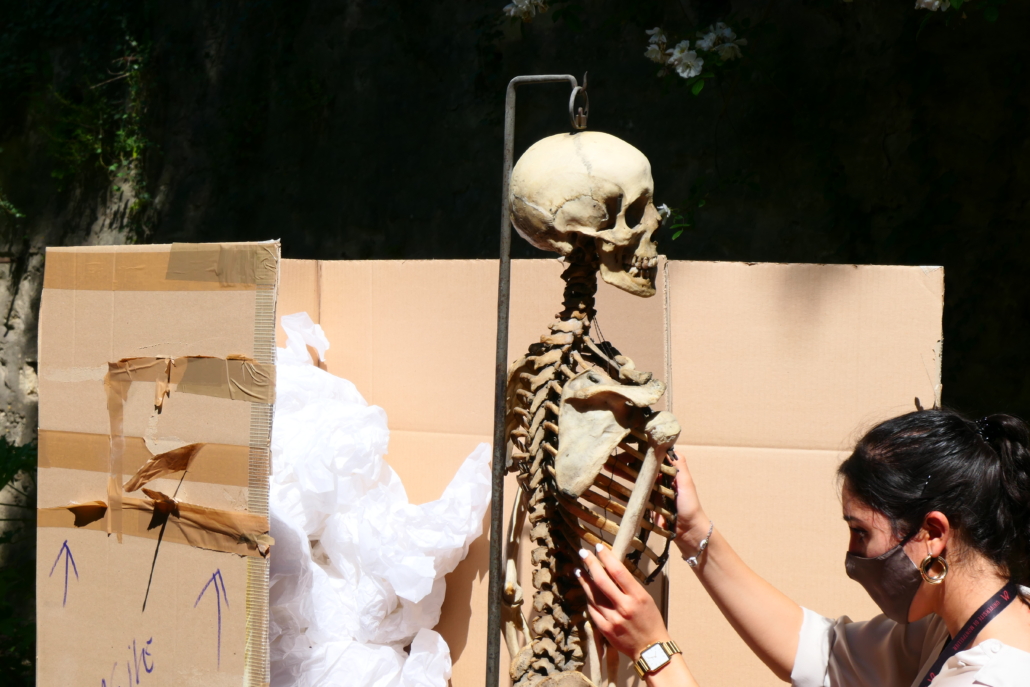
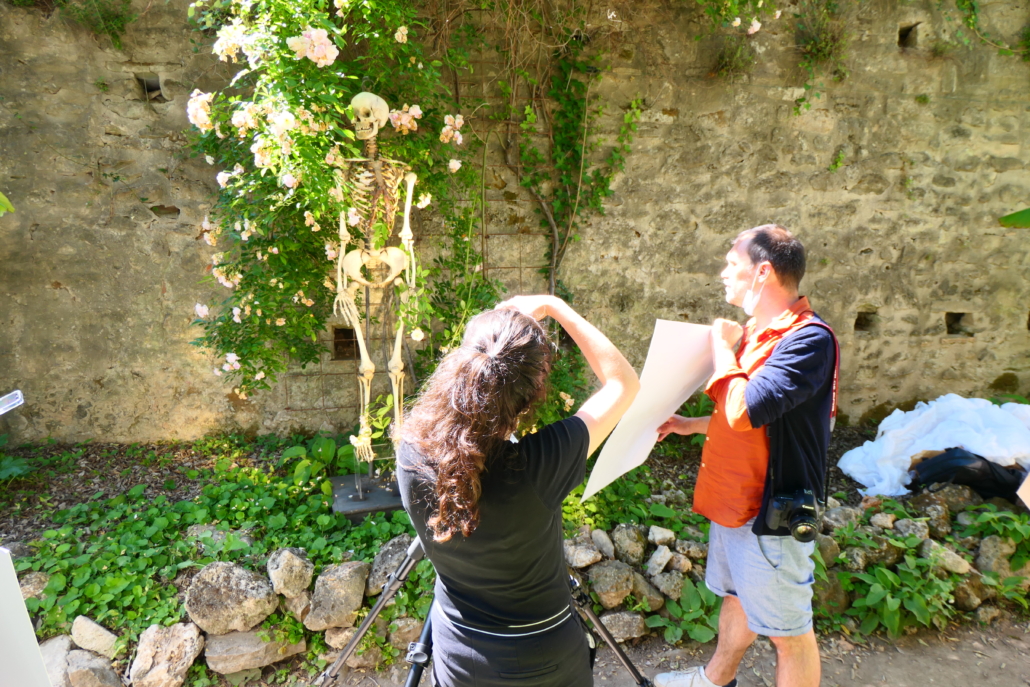
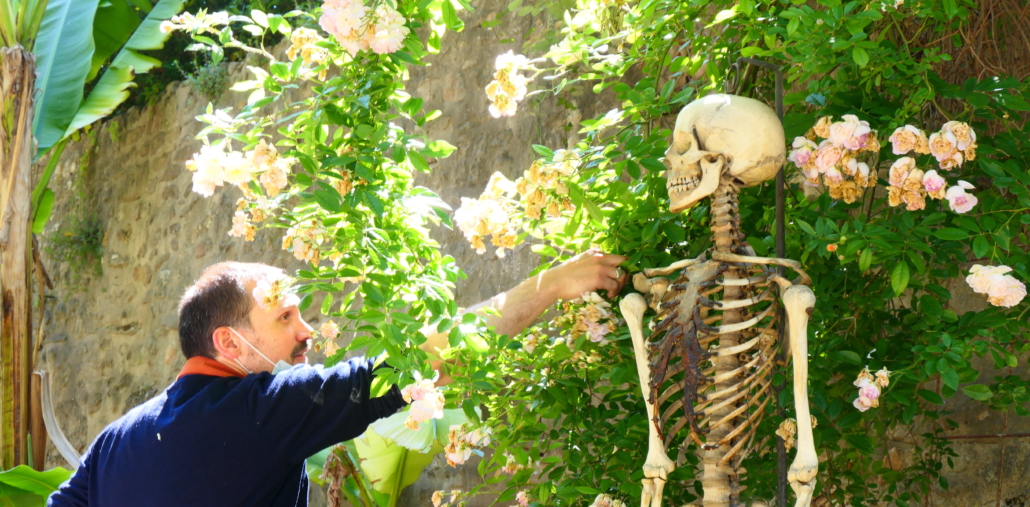
The title of the exhibition is fundamentally linked to itscontent. In fact, for this exhibition, the artist chose to work with anatomical specimens from the Faculty’s anatomy museum. To better understand his project, we interviewed the photographer.
What is your background?
I’m originally fromSète. I attended a design school in Montpellier that is now called ESMA. After that, I enrolled at the Gobelins School of Visual Arts in Paris. Later, I went back to school to earn a master’s degree in Urban Planning and Sustainable Development because I’m interested in cities. In the meantime, I’ve been working in art direction and design at various communications agencies.
What interests me is connecting art to the city, to maps, to cartography, and to people. In my view, an artist must be rooted in their context: urban, political, and human.
Can you tell us about the “Behind the Masks” project?
It was GéraldCHANQUES, a professor at the faculty and a doctor atSaint EloiHospital, who contacted me and proposed this project. I wanted to convey a vision ofwhat healthcare providers and their commitments can be.
How would you describe yourself?
If I had to define myself and my work, I would talk abouttransdisciplinarity. I am a photographer, but I’m also a visual artist; I enjoy working with a variety of materials and collaborating with people from different fields.
Can you tell us about your new exhibition, “Man in His Garden”?
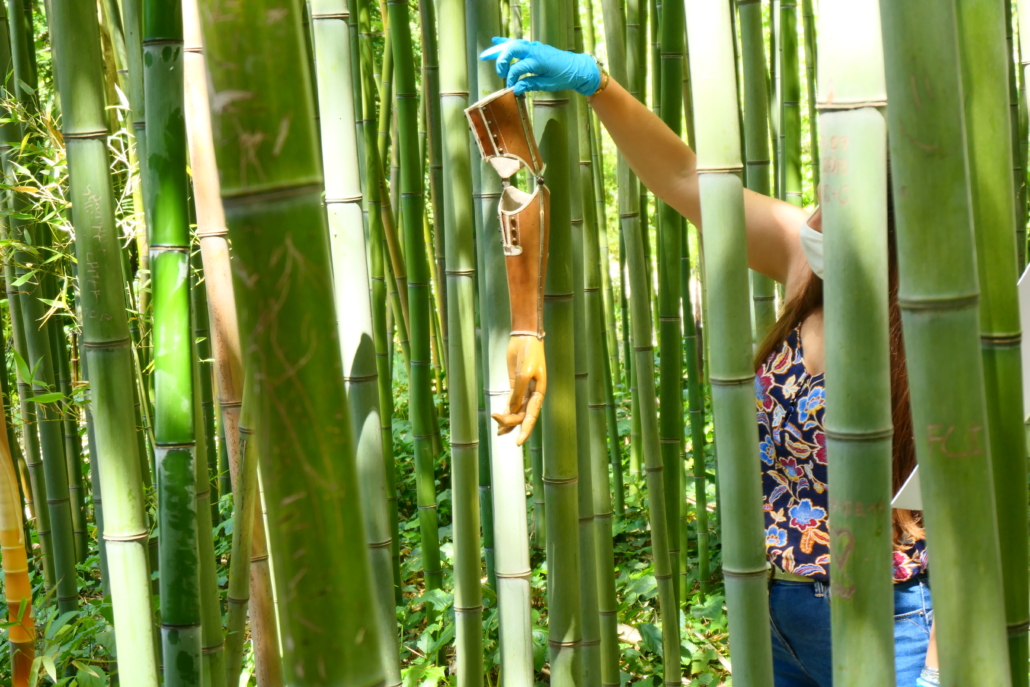
It’s been an idea of mine for quite some time to explore the Jardin des Plantes, but I have a real passion for the anatomy museum, which I visited when I was a student. Being able to talk about botany through the garden, but also about humanity and research on the human body—I think that’s fabulous. The project was a collaboration between the two of us, once again with ProfessorCHANQUES.
This project is interesting becauseit takes me out of my comfort zone;I usuallytake portraits, but that’s not the case here.
Furthermore, since all the rooms are designated as historic landmarks, I have a special relationship with the curator. She’s the third subject of this project—I can’t work without her. Usually, I direct my model,but here I can’t because of the piece’s fragility—every movement must be carried out by the curator.
It’sinteresting becausethe artwork and the garden exist independently of me.
There are three of us working on this project: Jane, who creates digital art and is a videographer; Luc, who does motion design, among other things; and me, who works with visuals and handles the artistic direction for the whole project. None of us knows what the final result will be.
How did you choose the anatomical structures?
I first sought advice from ProfessorCHANQUES and the curators to find out which pieces are emblematic of the conservatory. I didn’t choose the pieces based on their aesthetic appeal, since the goal of this exhibition is to tell a story and convey meaning.
The only exception to this is a bust we found—no one knows the identity, history, or era of the person it depicts. I found it fragile and touching, so I decided to include it. It’s the only piece I selected based on a gut feeling.
There are some pieces that,unfortunately, we were unable to include because of their fragility. I was also drawn to other pieces, but they didn’t depict the human body and therefore strayed from the subject. I’ll explore those later for another, more personal project.
Some pieces are also too heavy to move. However, that is part of the exhibition’s story.
For some pieces that we couldn’t bring out to the Jardin des Plantes, we brought the Jardin to them by using branches and foliage.