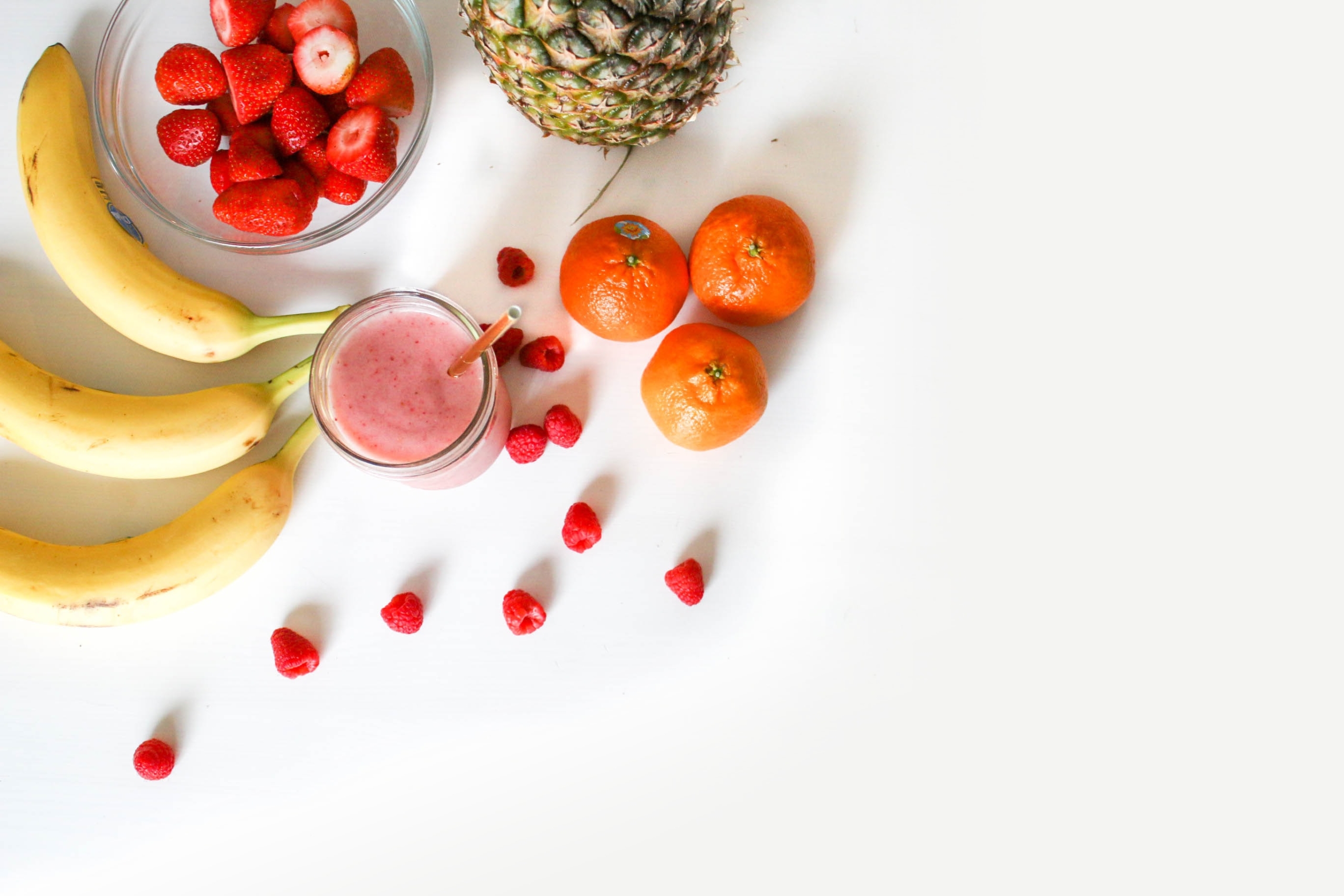
During this lockdown, there’s no shortage of temptations when it comes to “snacks” and treats… Should you give in and feel guilty, or resist and feel frustrated? We spoke with Prof. Ariane Sultan, a professor at the Faculty specializing in nutrition, and dietitian Nicolas Sahuc, who teaches at the Faculty. Together with them, we’ve compiled five dietary and nutritional tips to follow during the lockdown… but that’s not all!
1 / Listen to your body and its needs!
Lockdown is turning our routines upside down: our schedules are out of sync… and so are our bodies! Sometimes, we don’t feel hungry at the traditional “breakfast, lunch, and dinner” times. Don’t panic! According to Nicolas Sahuc, we need to pay close attention to our body’s rhythm—a rhythm that varies from day to day and isn’t necessarily aligned with “social” schedules: “Don’t worry if you aren’t hungry at ‘mealtimes’; instead, eat when you’re really hungry.” To do this, you need to listen to your body and pay attention to genuine feelings of hunger and fullness. “That doesn’t necessarily mean eating three meals a day…” emphasizes Professor Sultan.
All in all: Think about your body’s natural rhythms and pay attention to your hunger cues before you even think about nutrition!
2 / Don't pick or avoid any foods: think about how long they keep you full!
“When you’re hungry, any food will satisfy your hunger. However, not all foods keep you feeling full for the same amount of time.”. The dietitian's advice is to opt for foods that will keep you full for longer: choose a banana over a cookie for a snack, or better yet, if you're really hungry, have a proper, balanced meal. 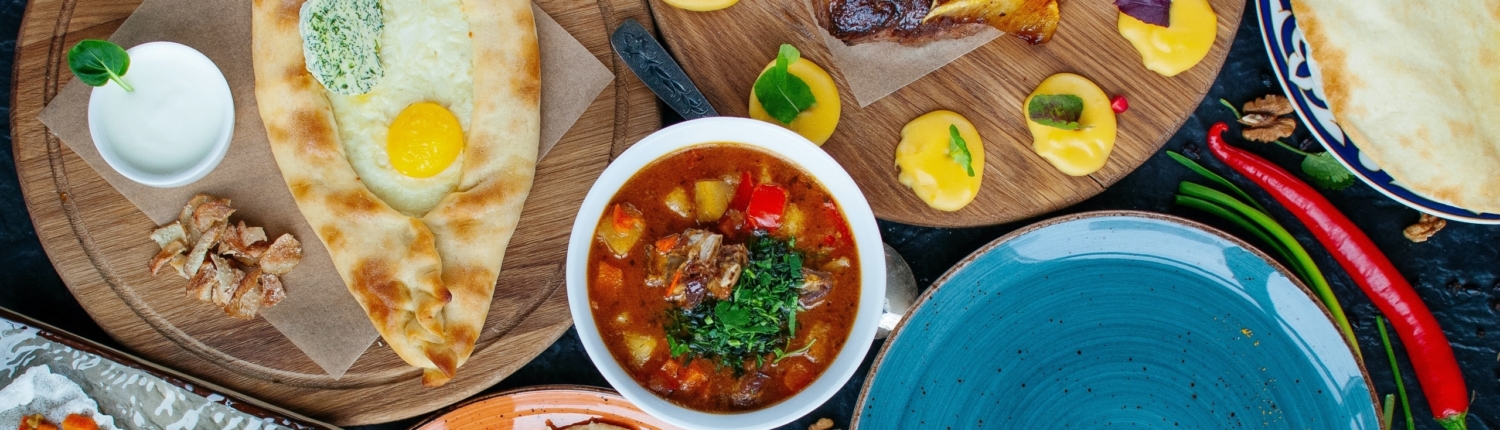
3 / Don't feel guilty, but think big!
That said, don’t feel guilty either if you really want that cookie for an afternoon snack. The key is to think about nutrition holistically: “Nutrition is all about overall balance. If you eat balanced meals regularly and at your own pace, there’s no reason to feel guilty.” On the other hand, balanced nutrition isn’t a “one-off”: a single balanced meal every now and then just isn’t enough! Professor Sultan confirms this: “A balanced diet is determined over the course of a week rather than a single day.”
4 / Choose balanced meals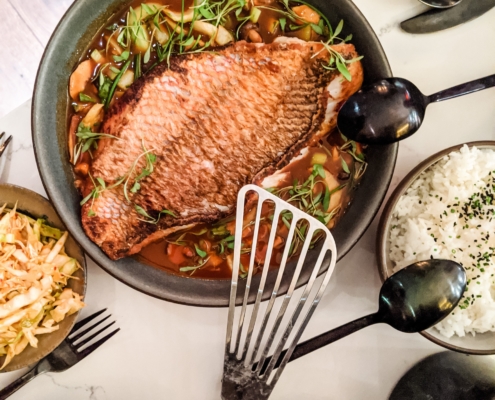
“A balanced meal will keep you full for about 5 hours, while an unbalanced meal or a snack will keep you full for only 2 to 2.5 hours.” It’s therefore important to plan your meals with a variety of foods that will keep you full over time. “Contrary to popular belief, a meal without bread or starchy foods won’t help you stay in shape, since you’ll be hungry again in 2 hours.” For a balanced and substantial meal, it’s recommended to include: bread, starchy foods, a source of protein (meat, fish, eggs, or plant-based protein), a dairy product (yogurt or cheese), fruits and vegetables for fiber, and a small amount of fat. Ariane Sultan points out that “this combination should be adjusted based on how hungry you feel”. As for meal variety, the dietitian emphasizes that “the composition of a balanced meal is always the same; you just need to vary the foods according to your tastes!”
An example of a balanced meal:
- 1 serving of Basque-style chicken, with vegetables (fresh or frozen), rice, and salad
- 1 slice of bread
- 1 yogurt or 1 piece of cheese
- A few strawberries
But don't forget Professor Sultan's advice, which recommends carefully assessing your feelings of hunger: “If you’re not very hungry, there’s no need for all those starchy foods—or just cut back on them!”
5 / Carb-rich snacks for periods of intense work
And because we know that for many of you, exams are coming up, we asked the dietitian for his recommendations on snacks during periods of intense work. According to him, “You should opt for carbohydrate-rich foods, such as cereal bars or fruit compotes, which are nutritious and convenient. Swedish “Havreflarn”-style cookies are also a good alternative: they don’t have too much added sugar and are easy to make at home.” Nevertheless, our dietitian reminds us: “Before you even think about snacks, the most important thing is learning how to manage your stress! Breathing exercises are very effective in helping you do that.” “And don’t forget physical activity!” the professor adds, “You can get some exercise under any circumstances, even during lockdown! You just have to adapt your routine—and adapt yourself!”
Of course, we weren't going to leave you hanging: we've picked out a few Swedish pancake recipes for you… :
…and apps to help you manage stress:
We'll be in touch in the next few days with more about physical activity, so stay tuned! And in the meantime: get cooking 😉!
We would like to thank them for their assistance in writing this article.
Ariane Sultan
Ariane Sultan is a professor of nutrition on the nutrition and diabetes team at the Montpellier University Hospital (CHU), Lapeyronie Hospital. As chair of the CLAN (Food and Nutrition Liaison Committee) at the Montpellier University Hospital, she teaches several courses on nutrition and diabetology at the School of Medicine.
Nicolas Sahuc
Nicolas Sahuc has been a certified dietitian since 2003 and specializes in eating disorders. He regularly gives seminars to medical residents at our faculty on eating disorders and childhood obesity.