In 2018, Dr. Fares GOUZI participated in the MUSE call for proposals, which aimed to support the pedagogical transformation of educational programs. He was selected as a winner for his project titled “Digital Laboratory for Preclinical Sciences.”
MUSE “Take-Off”—what is it?
The MUSE project “ Montpellier University of Excellence ” brings together 16 institutions around a shared goal: to establish in Montpellier a research-intensive, thematically focused university that is internationally recognized for its impact in fields related to agriculture, the environment, and health—a university that will serve as a close academic partner for all consortium members, one they can be proud to be associated with.
Through these “Take Off” calls for proposals, it supports the educational transformation strategy of the institutions and components of the MUSE consortium. Over the past three years, I-SITE MUSE has raised 6 M€ to support educational innovations through this program. The “Preclinical Digital Sciences Laboratory” project is one of the projects selected for Take-Off #1. Learn more about it in this article!
Dr. Gouzi's project is in line with MUSE's goals
Dr. Gouzi participated in and was a winner of MUSE’s Take Off 1 program, which aims to support educational transformation. To better understand Dr. Gouzi’s project, one must first understand what preclinical sciences are. These preclinical disciplines form the foundation of thefirst cycle of health studies. There are seven of them: Anatomy, Histology, Embryology, Biophysics, Physiology, Cell Biology, and Biochemistry… and they are studied during thesecond andthird years of health studies.
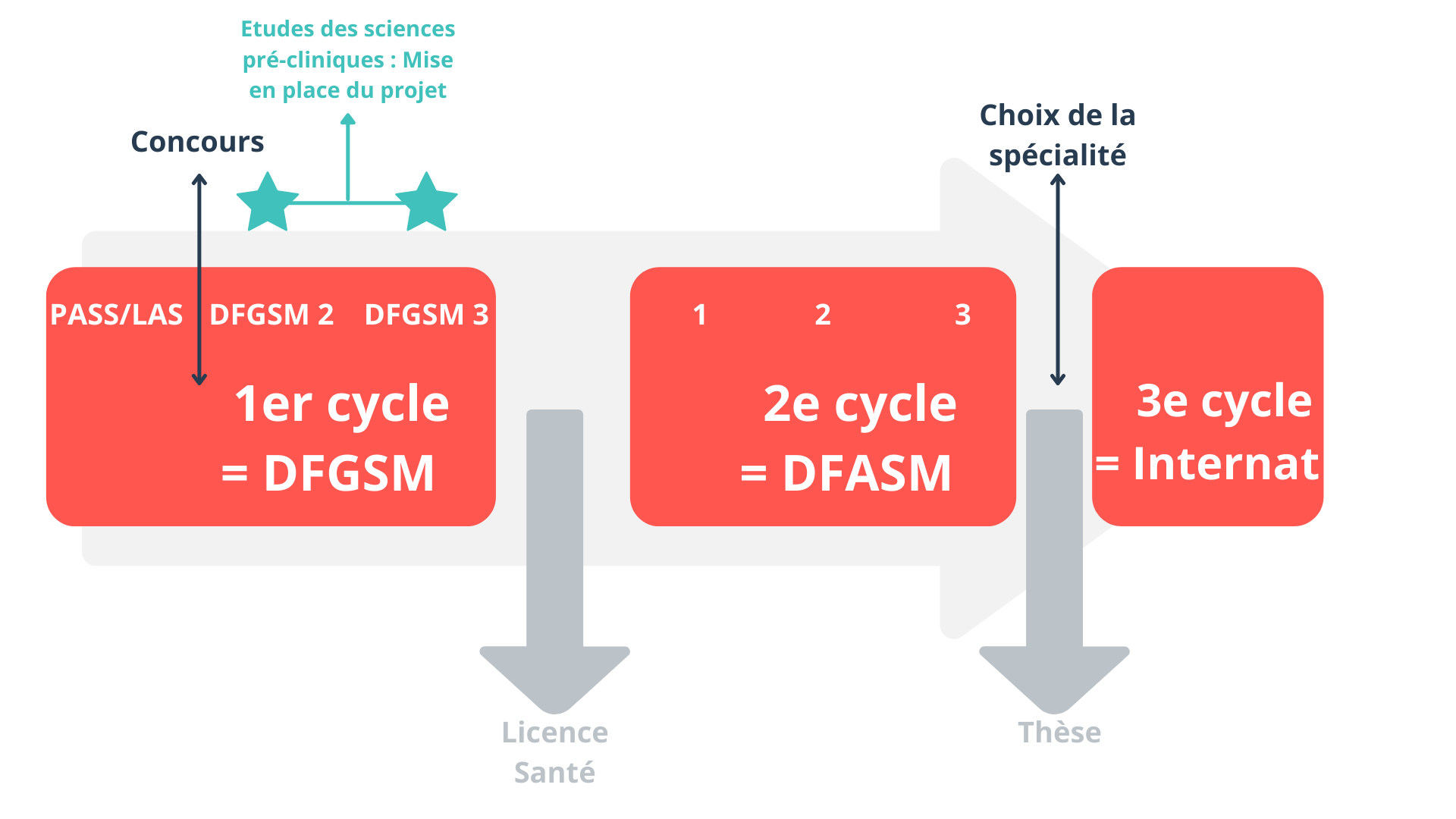
Before Dr. Gouzi’s project was implemented, preclinical subjects were primarily taught through lectures. These lectures accounted for 77% of the students’ coursework in these subjects.
Teachers at the Heart of the Project
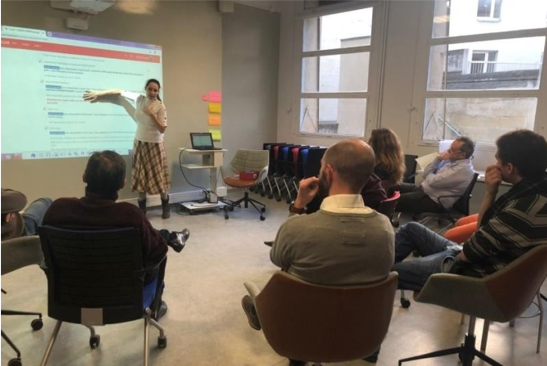
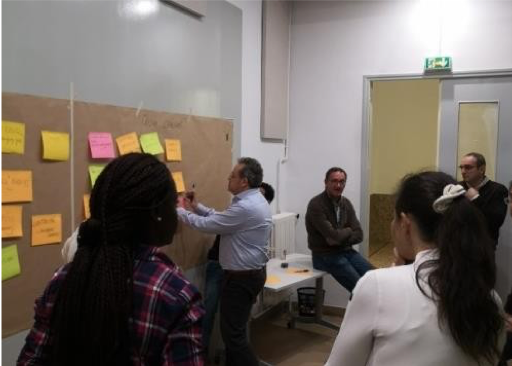
To carry out his project, Dr. Gouzi, who also teaches physiology, enlisted the help of his fellow doctors and faculty members. Together, they created the Reflection Group for the Teaching of Preclinical Health Sciences (GRESP), bringing together a dozen volunteer faculty members. This GRESP met twice a month for several hours over the course of a year to discuss the project together.

A Reorganization Plan
As mentioned earlier, lectures played a significant role in health studies education. The GRESP project aims to reorganize the curriculum and incorporate more practical work and guided instruction. To implement the project, the faculty selected the course unit titled “Respiratory Systems,” which is taught in the second year of the health studies program. The ultimate goal is to develop a curriculum that combines active learning with a multidisciplinary approach.
But then, what is it? :
A lengthy implementation process
To implement this project from a technical standpoint, GREPSmembers made numerous changes:
• Asmentionedearlier, they firstadjusted the ratios of the different types of courses, significantly reducing the number of lecture hours and replacing them with lab sessions and tutorials. However, the total number of hours remained unchanged so as not to increase the students’ workload and to comply with the current reform.
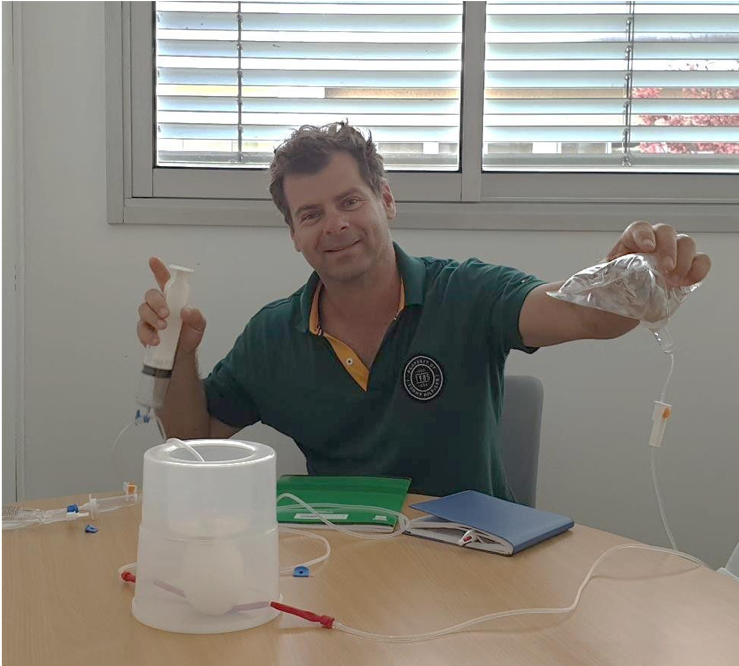
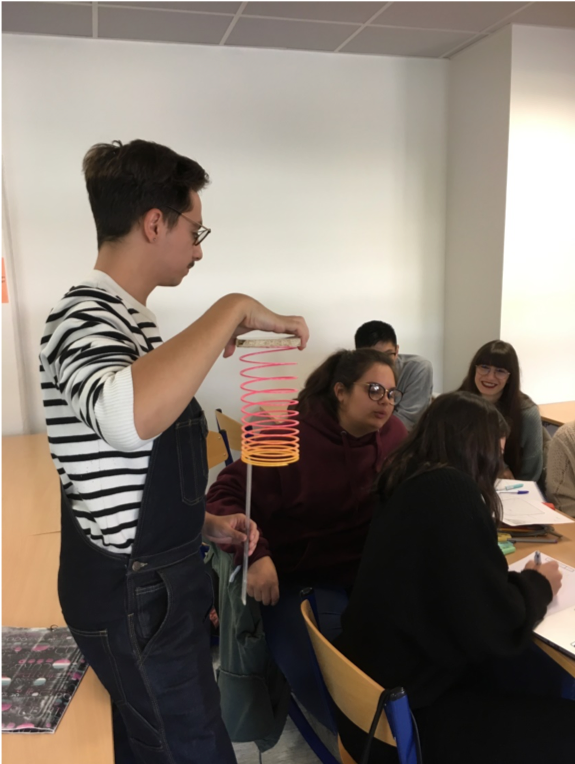
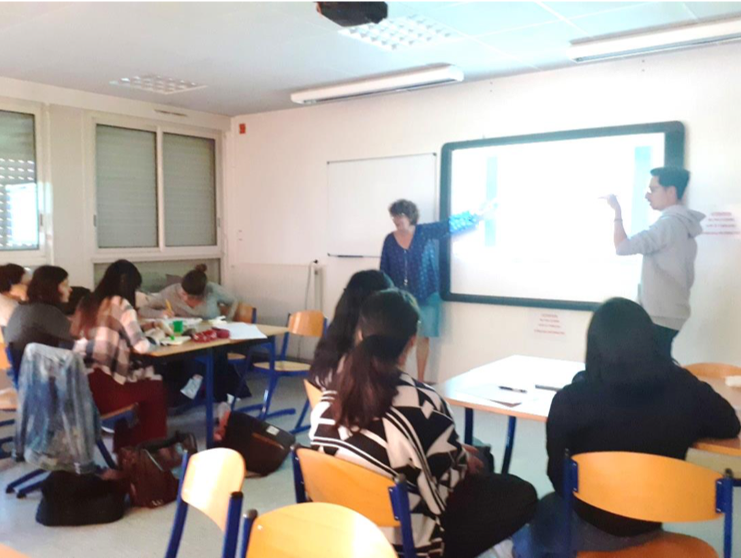
• Then they revised the course content to incorporate more active learning and interdisciplinary approaches. To this end, several new measures were implemented:

A Meaningful Educational Transformation
But then, does it actually work?
A project that has been underway since 2019
This project, which has been underway since 2019 at theMontpellier-NîmesSchool of Medicine, has made it possible to achieve many other things:
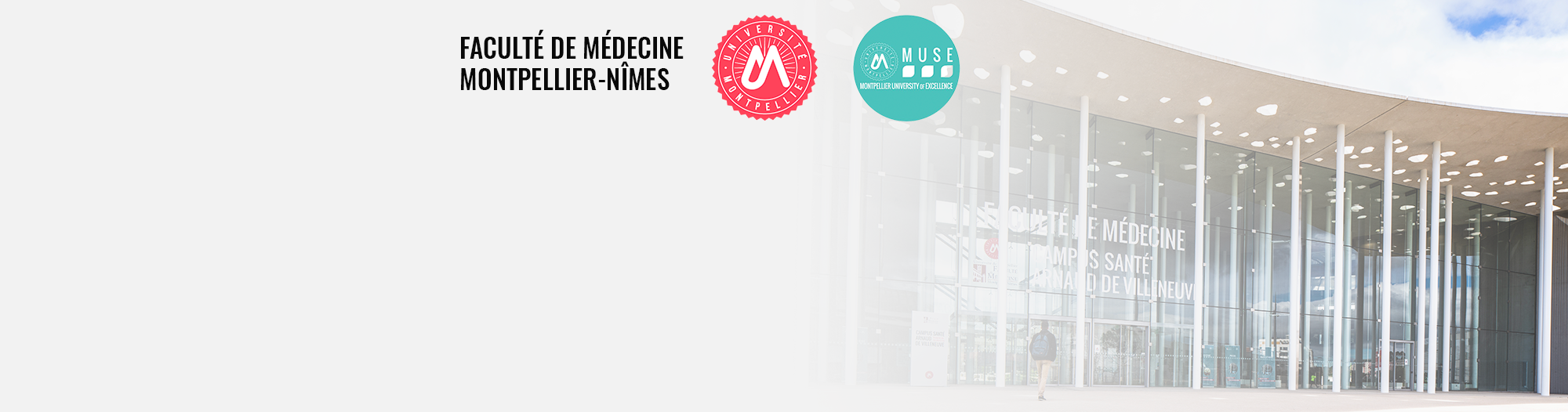
- First, this project is a pilot program for hybrid learning. Although this was not the primary objective from the outset, the courses offered in this academic unit are delivered bothremotelyand in person. In light of the current health crisis, it serves as an example of how to redesign courses to incorporate a hybrid format.
- At the same time, this project serves as a pilot for the new reform. In fact, the new reform regarding admission to health studies (PASS/LAS)has led to changes in the second and third years. If the effectiveness of active learning and interdisciplinary approaches can be demonstrated, this model could be replicated in other academic units, other faculties, or even other degree programs.
- Finally, from a scientific perspective, the evaluations that have been or will be conducted will help demonstrate the educational value of such a project.