


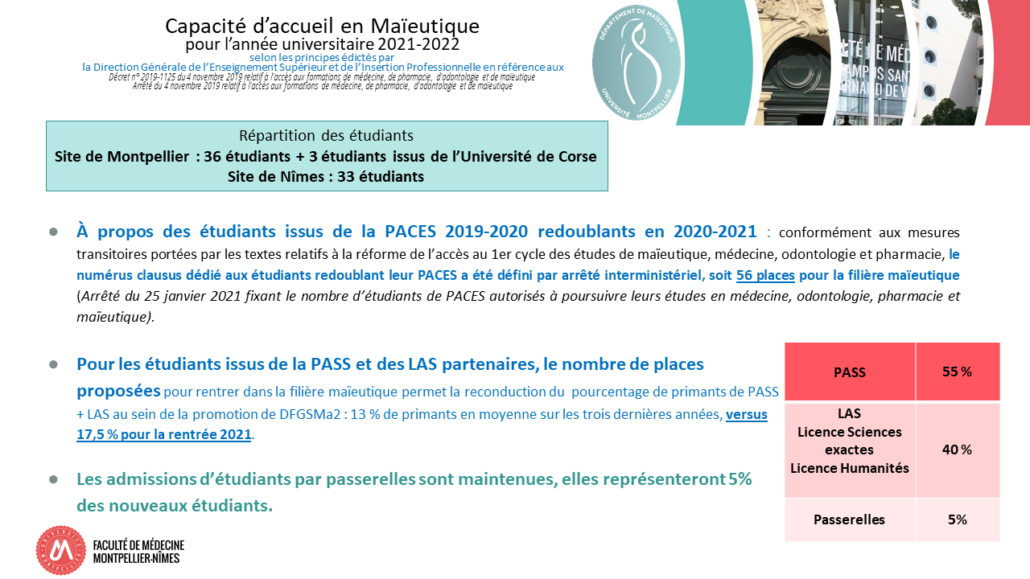
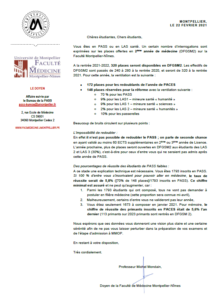
PASS and LAS students: In this article, you’ll find a message from Dean Mondain regarding available spots in DFGSM2 (second year of medical school) for the upcoming academic year. You’ll also find an update on available spots in midwifery.
An Update on Places in Maieutics |
A Message from the Dean (School of Medicine) |
 |
 |

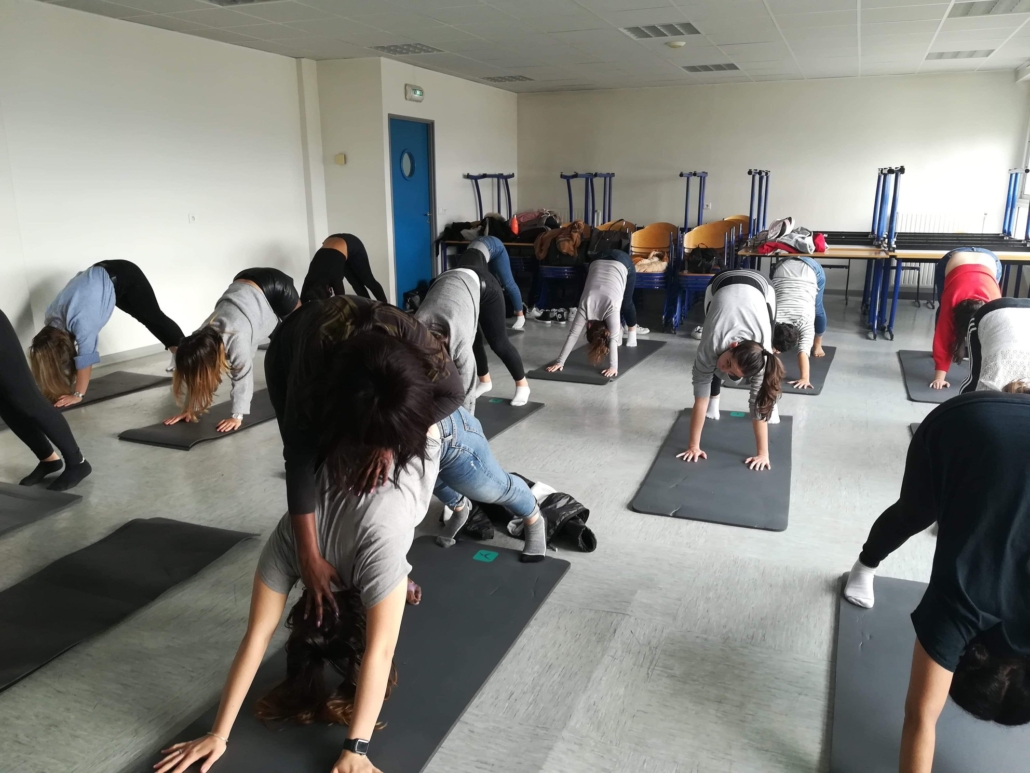
The Montpellier Medical Sports Association (ASMM) is an organization founded about ten years ago with the goal of promoting sports among medical students in a friendly atmosphere. While this objective has remained unchanged over the years, the ASMM has evolved, notably by welcoming PACES (soon to be PASS-LAS) and midwifery students.Our association allows health sciences students to reconnect with sports—which are often neglected during their studies—in a friendly and relaxed setting. These opportunities are especially important for PACES/PASS/LAS students, who face considerable pressure related to their entrance exams. The entire team is therefore there to listen to them, providing moral support and a friendly outlet. This year’s goal is to open membership to other health-related programs, particularly to physical therapy and dental students.
Throughout the year, we hold two sessions per week: one exclusively for PACES/PASS/LAS students and the other for medical and midwifery students. The content of our sessions varies based on the members’ preferences. Sessions often consist of exercises focused on endurance or strength training, as well as a more recreational component featuring team sports such as ULTIMATE.
We also organize activities outside of class: canoeing, beach volleyball, trampoline, pétanque, laser tag, indoor soccer…
Joining our association gives students access to our sessions and sports events all year round. Membership costs 5€ for PACES, LAS, PASS, and second- and third-year medical and midwifery students. Registration is free for students in higher years. You can sign up at any time throughout the year, either online via the Pumpkin app or in person at the start of a session or before an event: it couldn’t be easier—just download the app and create an account using the code ASMM.
A new executive board is elected internally each year. It consists mainly of third-year medical students, as well as one midwifery student. The current executive board consists of:

The current health crisis has led us to rethink our sessions, particularly by no longer offering team sports. We’ve also divided participants into groups of 10, then 6, to limit the spread of the virus and protect our members. Safety measures (wearing masks, using hand sanitizer) are also strictly followed during our sessions and events. We also prioritize outdoor activities, such as our running sessions. We’re also working with partner sports facilities to offer small-group activities to our members, which they can enjoy whenever they want (bowling, rock climbing, escape rooms, laser tag, etc.). We’ve also launched live yoga sessions on Instagram, which help us balance student well-being with the need to limit group activities.
Instagram: tim_asmm
Facebook: tim asmm
Website: ASMM Association

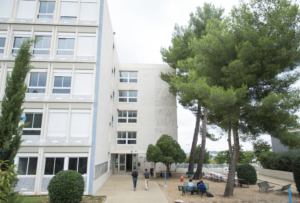
Welcome—or welcome back—to the Faculty! Our doors are finally reopening for our students. Please find below the dates and details for the start of the semester for our various programs.
Due to the health crisis, we would like to remind you that masks are required on all faculty premises. We also ask our students and visitors to follow safety precautions. Hand sanitizer is available at the entrance to all our locations.

>> AFGSU from August 31 to September 10, 2020.
>> Start of hospital internships: September 7, 2020
>> Nursing internship from August 31 to September 17, 2020.
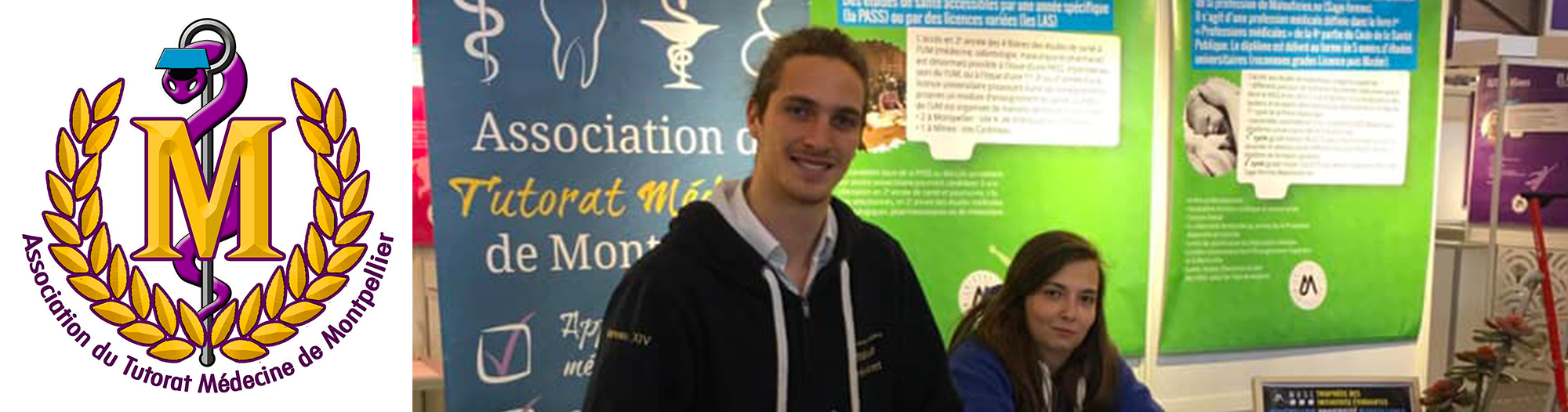
After meeting with the Nîmes Health Tutoring Association, this week we’re joining the Montpellier Health Tutoring Association and its new president, Milla Esclafit-Cardoso!
The Tutoring Program consists of second- and third-year health sciences students who have passed the PACES exam and who have been selected and trained for one year by the professors in charge of that year’s program. Our goal is to provide free, high-quality academic and emotional support to any student at the University of Montpellier and its branch campuses who wishes to pursue a degree in health sciences. To meet this need, three organizations are available to assist you: the Montpellier Health Tutoring Association, the Pharmacy Tutors Association, and the Nîmes Health Tutoring Program.
These three organizations pool their resources to provide equitable support to all students and share a common goal of ensuring equal opportunity in the admissions process for health professions programs.
To start the year off on the right foot, we’re offering a Pre-Semester Workshop that’s open this year to all PACES and PASS students: its goal is to review the entire first-semester curriculum, help students develop effective study habits, and introduce them to the university so they can find their bearings.
Each week, we review the key points from each course in all subjects through multiple-choice quizzes reviewed by the professors: these sessions are offered at several different times so that students can adjust their schedules according to their availability. To help students with their questions, office hours are held every day at lunchtime on campus, and a forum is also available to students.
To ensure regular and representative assessment, we organize weekly graded quizzes attended by approximately 900 students across our three campuses, as well as mock exams, which this year drew more than 1,600 students in the first semester.
To adapt to the lockdown and public health measures, we held our sessions and review sessions online via Zoom, which we recorded so that PACES students with an unstable internet connection could watch them. We also expanded our YouTube channel to diversify our remote content, focusing on parts of the course that we felt were difficult for students to understand. 
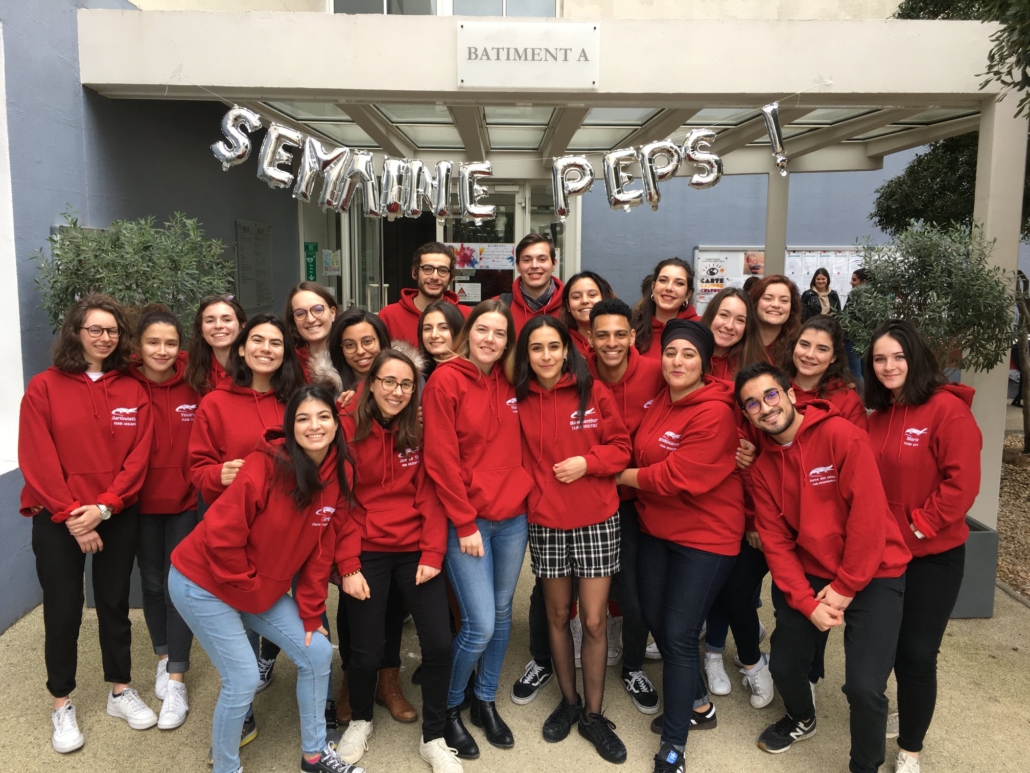
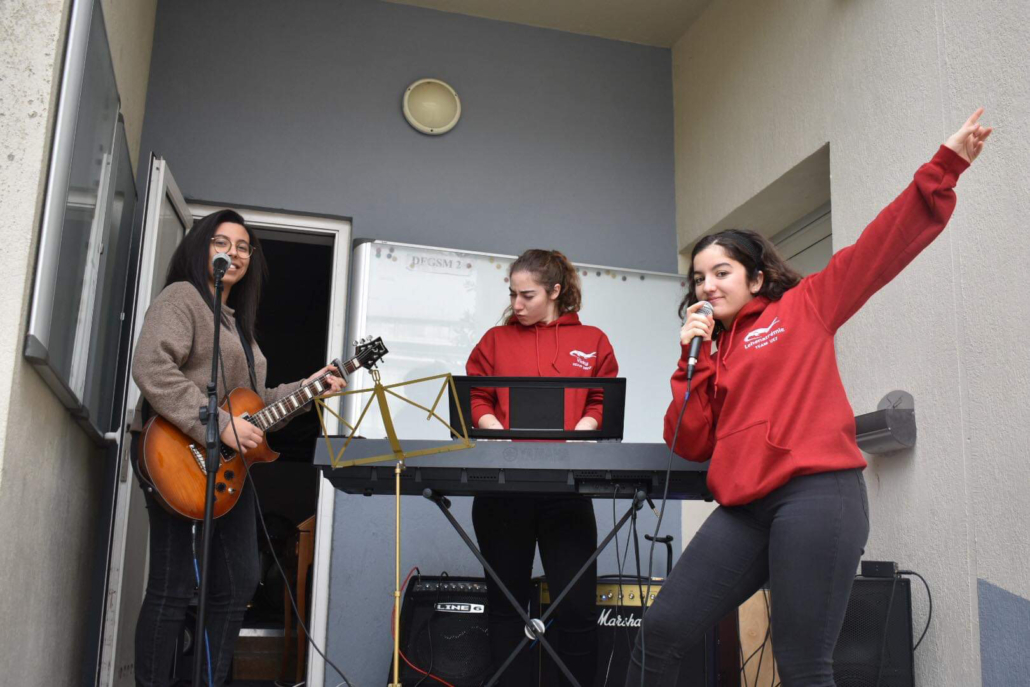
Beyond academic support, we help students navigate a demanding year by promoting activities focused on well-being: board game lunchtimes, relaxation workshops, and more… Our biggest wellness event is Pep’s Week, which takes place in early January—a particularly difficult time for PACES students. To help first-year students connect with upperclassmen, we set up a student mentoring program right at the start of the year.
To further promote equal opportunity, the Tutoring Service works withHandiversité to offer a disability support service for students who need reasonable accommodations during sessions or exams.
Finally, in the context of reform, we serve as key points of contact both within the university—by organizing career guidance forums—and at the local level through various student fairs, as well as at the national level by participating in conferences that bring together tutoring organizations from across France.
Tutoring helped me pass my PACES exam by supporting me for two years: this support was extremely valuable to me because I couldn’t afford to pay for the services of a private organization. The tutors’ availability, the quality of the sessions, and above all, the support with every aspect of PACES life—from studying to healthy habits to mental well-being—really helped me get through that challenging time. It was a no-brainer for me to apply to become a tutor after I was admitted to my second year of medical school, so I was delighted to join the UE7 team (Health, Humanities, Society). My year as a trainee tutor was so fulfilling that I wanted to continue the adventure by running for a position on the Tutoring Board to help revitalize the program during the year of the reform: so we changed our name from the Montpellier Medical Tutoring Association (ATM²) to the Montpellier Health Tutoring Association (ATSM) to better reflect our commitment to diversifying the backgrounds of incoming students across all health-related programs!
Beyond simply providing academic guidance, our goal is to offer genuine support to all young adults who are discovering college life and living away from home for the first time—and from whom we expect a very substantial workload. Our core value is equal opportunity, ensuring that selection for this first year is based on academic ability rather than financial circumstances. This aligns more broadly with our commitment to collegiality—a value we hold dear in the healthcare professions—and with our training, which is largely based on peer-to-peer learning. We are, first and foremost, students who have gone through this challenge ourselves and who are trying to help PACES students just as we needed help when we were in their shoes!
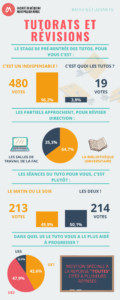 Why do you think someone should join your organization?
 In the first year, students can sign up for tutoring free of charge at any time throughout the year: there is no attendance requirement, but according to faculty surveys, attending 80% of the tutoring sessions is the best way to succeed on the entrance exam!
If you wish to join the ATSM as a tutor, you will have the opportunity to be selected based on your application and an interview after your second-semester grades are released. You will then hold the status of Trainee Tutor during your second year and may continue as a Qualified Tutor when you advance to your third year.
The General Assembly to inaugurate our new executive board took place on June 9: we are all very excited to renew our commitment to supporting students repeating PACES, PASS, and LAS. We know that this year can be daunting for recent high school graduates, and we are ready to support them through this transition.
We're in the process of changing our name, so for now, our old name is what appears on social media:
Facebook: Medicine Tutoring in Montpellier
Instagram:
Email contacts:
Networks of other associations:
Nîmes Health Tutoring:
Association of Pharmacy Tutors:
We've also put together a video presentation for you, in collaboration with the three tutoring programs!

Earlier this week , we met with the CNESF, the association representing the midwifery program in Nîmes. We’re staying in Nîmes today for our meeting with Matthias Daudé, the new president of TSN!
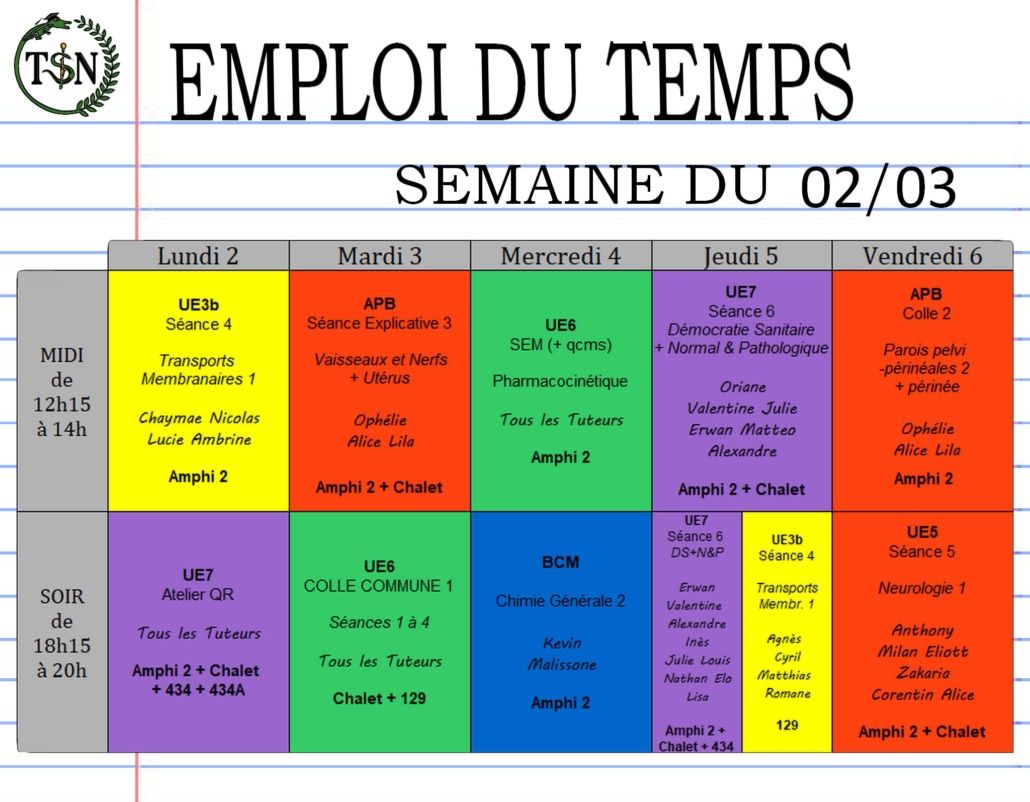
TSN (Tutorat Santé Nîmes) is an organization made up of second- and third-year medical and midwifery students at the Nîmes campus. We have all successfully passed the entrance exam for health studies, and drawing on that experience, we offer support to students entering their first year of a health-track program (PASS/LAS).
Throughout the year, students are offered weekly practice sessions in the form of multiple-choice quizzes, during which tutors provide detailed feedback on the quizzes, share memory techniques, offer study tips, and provide support in preparing for exams. All sessions are reviewed by the subject instructors to ensure they remain closely aligned with the requirements of the final exams.
In addition, we are organizing a back-to-school prep workshop during the last two weeks of August. During these two weeks, we’ll cover the first-semester curriculum while providing as much guidance as possible on how to approach this challenging academic year.
We also offer practice tests and mock exams to help students prepare as thoroughly as possible through realistic practice, using questions that have been reviewed by professors.
When I started my health studies, I wasn't familiar with tutoring. At the university, I heard about the organization and the support it offers fairly quickly. So I went to a session and immediately saw all the benefits this organization could offer me.
After passing the PACES entrance exam and enrolling in a health sciences program, I wanted to join the tutoring program to share my personal experience from my first year. I wanted to help as many students as possible make progress so they could achieve their dreams. It felt natural to me to do everything I could to give back everything I received during my first year, because without the tutoring program, I would never have passed that exam.
The TSN provides PACES students with genuine academic support through practice sessions and Q&A sessions, as well as emotional support through activities organized for students. We also have a mentoring program in which second- and third-year students take first-year students under their wing to guide them toward success.
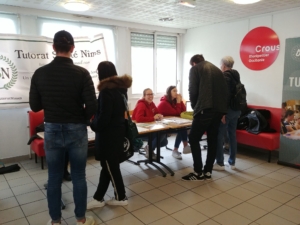
Our organization offers a wide range of services, including both educational support and personal guidance, to help everyone make progress toward passing the entrance exams for the second year of health studies.
The tutoring program is completely free! To join the tutoring program, simply follow the registration instructions, which will be detailed on our social media accounts and on the faculty’s registration page.
For the TSN association, the election of the executive board takes place in two phases.
It all begins with the formation of the Executive Committee (BR). Once the candidates for the BR have been nominated, a campaign period begins during which the various teams present their plans for the year. This year, due to the health crisis, all elections and campaigns took place online. Once the campaigns are over, all second- and third-year tutors elect a BR, which will then organize the elections for the other positions on the Executive Board.
Once all positions have been announced by the BR, each mentor who wishes to serve on the executive board submits an application for the position. The application period lasts one week. After this campaign period, the BR organizes a vote for the positions with multiple applicants.
You can now find us on social media!
To wrap things up, we’d like to share a video we created in collaboration with the three health tutoring organizations in Montpellier: the Montpellier Health Tutoring Association (ATSM), the Association of Pharmacy Tutors (ATP), and us, the Nîmes Health Tutoring Association (TSN)!
Last week, we met with the Association Carabins Montpelliéraine to learn more about student life for medical students. Today, Salomé Duteurtre, the Student Vice Dean, is answering our questions!
ADEMMOOS is the Association of Student Representatives from Montpellier-Nîmes in the fields of Medicine, Speech-Language Pathology, Orthoptics, and Midwifery. It brings together nearly 40 elected student representatives from the various programs.
We work every day to:
Above all, our year is shaped by our student advocacy efforts.
As such, we are represented on two major councils within the faculty: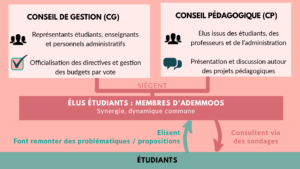
Our goal, therefore, is to give voice to students, often by conducting surveys that allow us to carefully gather their opinions and positions on the various issues that arise during the academic year.
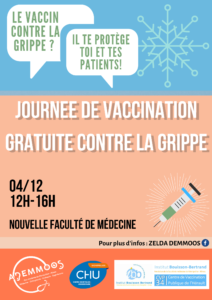
In addition, we are also carrying out a number of projects to improve our training conditions. For example, several of our initiatives focus on health promotion:
 We also support initiatives aimed at enhancing student life on campus. We participate in Open House events and European Heritage Days to lead tours and engage with the public. In addition, we help design and develop living and workspaces.
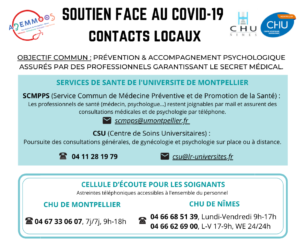
We keep students informed about the latest news from the faculty; for example, during the COVID-19 crisis, we regularly updated them on the situation and changes to our programs.
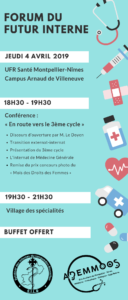 We help medical students choose their specialties through the Future Resident Forum (FFI), which we organize in partnership with the Languedoc-Roussillon Resident Union.
Finally, we work with all of the faculty’s student organizations:
Our organization promotes several things:
In addition, students are not required to make any financial contributions. Simply being enrolled in the UFR allows students to take advantage of all the activities offered by our association.
Our association's executive board is made up of students—whether or not they are elected UFR representatives—who are appointed for a one-year term from October to October to coordinate the team of student representatives.
The 2020–2021 term will begin this summer: please feel free to contact the current executive board if you’re interested in any of the positions!
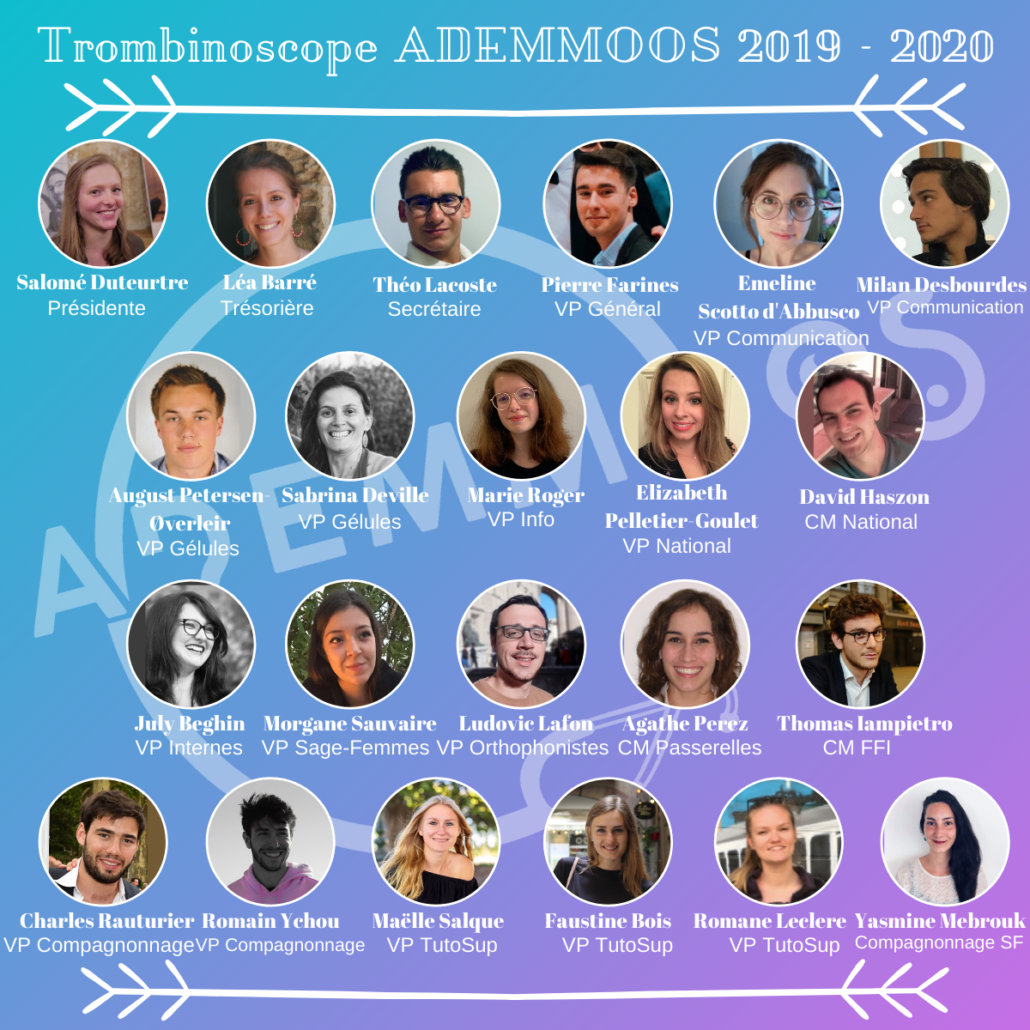
Please feel free to contact us with any questions about student representation!

In addition to the Med’Ley Association, this week we’re also featuring the Association Carabine Montpelliéraine (ACM) and its president, Colin Azria.
The Association Carabine Montpelliéraine (or the Montpellier Medical Student Association) is a nonprofit, nonpartisan, and non-denominational association governed by the 1901 law, which aims to represent medical students in Montpellier. It is the only association that officially and exclusively represents medical students in Montpellier from the first year (PACES) through the sixth year.
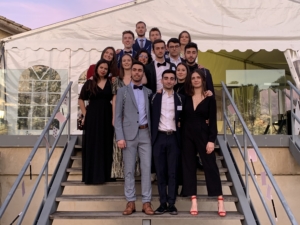 Working closely with the PACES Tutoring Program and the teaching staff of the UFR Medicine, the ACM supports students throughout their academic career by providing a variety of resources (books, handouts, stethoscopes, and other equipment) and offering them the opportunity to participate in various events (charity initiatives, cultural events, student parties, galas, etc.).
In addition, the ACM is part of the local student representation network (Z’élus associatifs) and the national network (ANEMF—National Association of Medical Students of France), which advocates for students’ interests before administrative and governmental bodies.
The activities we carry out are very diverse and encompass all the opportunities that may arise during our studies. First, we are setting up a direct sales service for course handouts to help students learn more effectively.
We participate in national and international exchanges, which we organize through the ANEMF network in the form of various exchange programs.
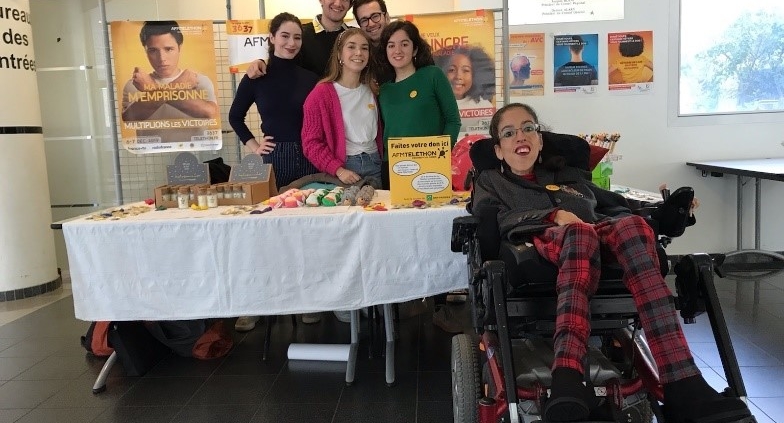
For several years now, we’ve also built strong relationships with local businesses throughout Montpellier that offer us “great deals.” We’re also in the process of expanding our scope of action to play a more active role in community solidarity and sustainable development in our beautiful city of Montpellier. From simple student parties to charitable events focused on global health—such as the Telethon, Movember, Pink October, and Sidaction—as well as the Medicine Gala, and through our Culture Division, which operates daily to offer organic food baskets, “ciné’kult” film screenings, and great deals for students in Montpellier, the ACM aims to support medical students throughout their studies.
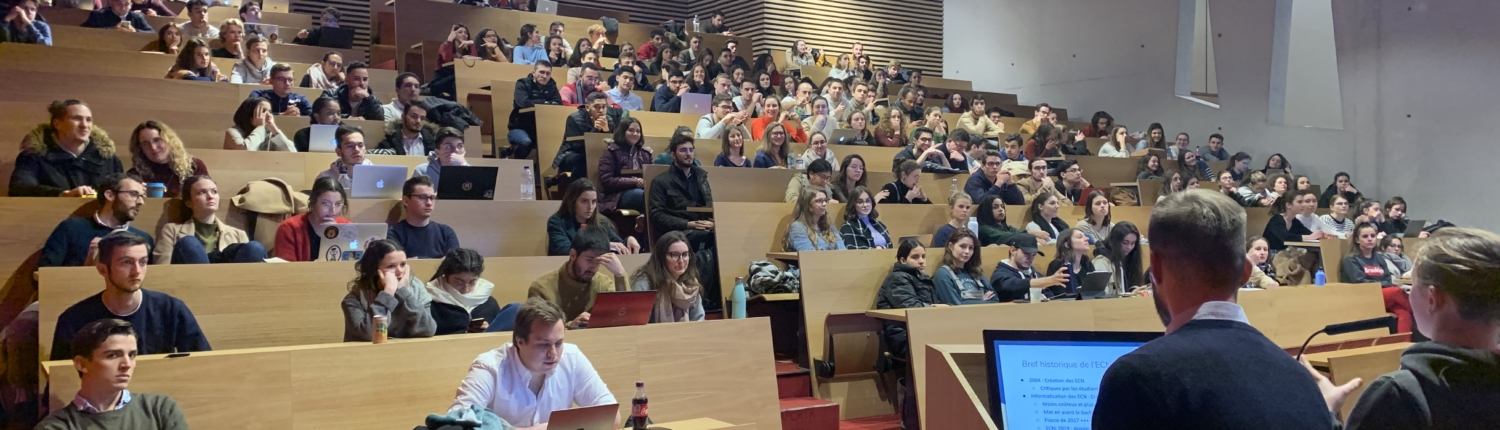
Personally, I’ve always been drawn to medical concepts, so it was only natural that I chose this field. It’s only when you choose to study medicine that you realize just how much work still lies ahead. But it’s by volunteering your time with an organization that you truly realize the immense scope of the work you can and must do. Having briefly described our activities above, I believe that the Corpo Médecine is an institution that, for several generations now, has been an integral part of the daily lives of medical students and helps keep our traditions alive.
By joining our association, you’ll be able to discover all our great deals in Montpellier, participate in all our events, gain access to the services we offer (sales of handouts, supplies, books, etc.), and much more!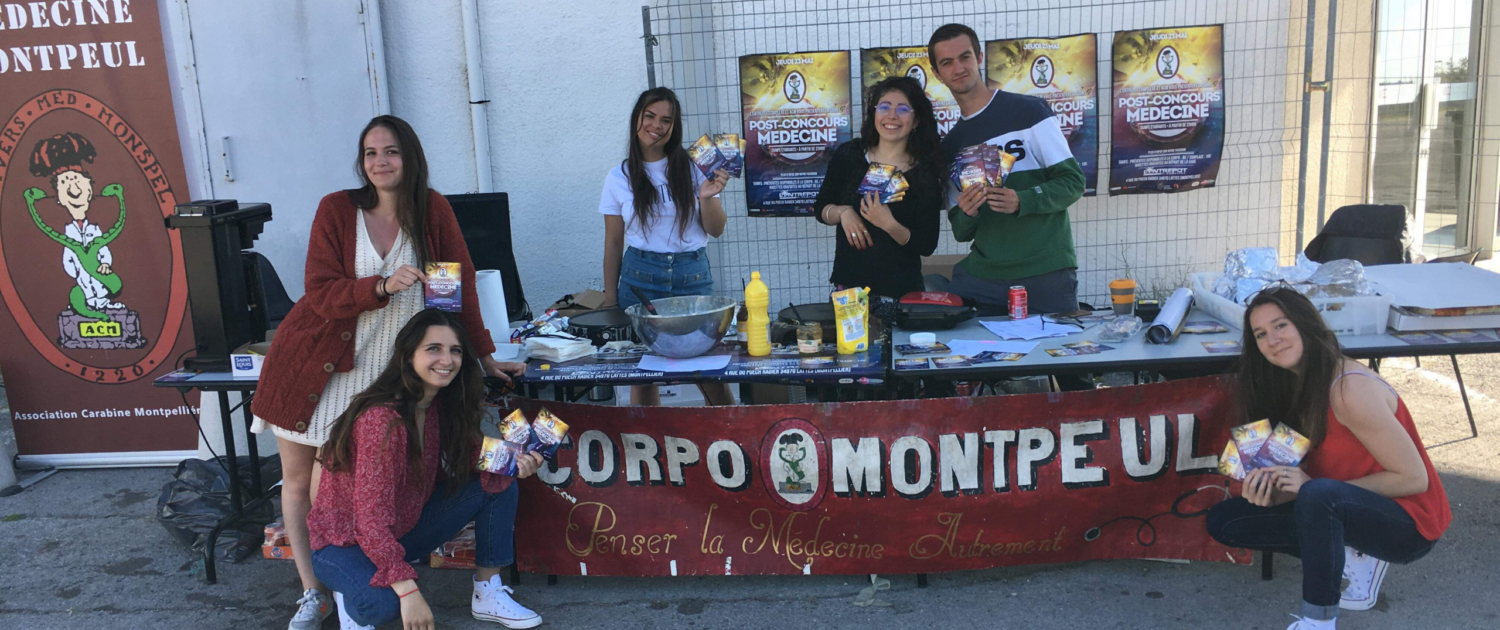
Joining is easy—just stop by the association’s office on the Arnaud de Villeneuve campus at 641 Avenue du Doyen Gaston Giraud, 34090 Montpellier. The membership fee is €10, payable each academic year.
The election of the Corpo Médecine executive board takes place at the end of each academic year and is conducted by second-year students. They select individuals from among their class to form the executive board for the following year. You can learn more about the new executive board members on our website.
We're also on social media—you can find us at:

Following our meeting with AMESF this week, we’re now joined by the 2019–2020 executive board of the Corporation Carabins Crocodiles (CCC) association. President Célia Pourtier and the other members tell us more about the Nîmes-based association.
The Carabins Crocodiles Corporation is a nonprofit association governed by the law of July 1, 1901, and the decree of August 16, 1901. Run by second- and third-year medical students, it plays many roles in student life at the Nîmes Faculty of Medicine: for example, publishing and selling handouts for students at the Nîmes campus of the Faculty of Medicine. We also occasionally organize student events, whether they are social, charitable, cultural, athletic, or recreational.
The association allows us both to represent our members before the administrative bodies of the Montpellier-Nîmes School of Medicine and the University of Montpellier—in collaboration with student representatives—and to integrate and support local SCOPE/SCORE leaders.
Throughout the year, the association organizes public health events to raise awareness among students at the Faculty and to raise funds for various organizations:
We support first-year PACES students by publishing and selling study guides, in consultation with university professors. We also support them throughout the year by organizing meals for them at the Carémeau campus and by providing support after they take the first-semester exam.


We organize many student social events, such as the annual gala in November and the PACES post-exam party in December.
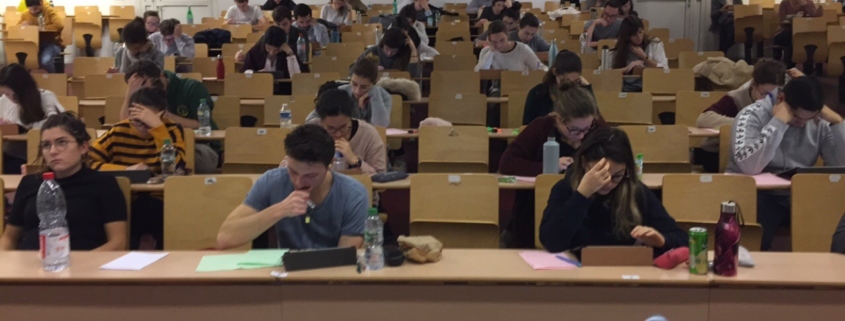
This year, we also organized the D4 mock exam in coordination with Lucas Dafontis and the ACM at the Montpellier campus.
“Personally, I felt called to practice medicine while I was preparing for my PACES exam; I was 18 years old. It became crystal clear to me then that I wanted to help those who are suffering and vulnerable, and to preserve life in all its beauty. Medicine is a fascinating field; the coursework is challenging, but I had never seen such a supportive, almost family-like spirit among those who would become my future colleagues.” CéliaP.
“With a strong interest in the sciences and a desire to serve others—though I didn’t yet know how—after graduating from high school, I first enrolled in a biology program at a university technical institute (IUT). After earning my degree, I took the PACES exam with the goal of pursuing pharmacy, which I achieved. Then, in my fourth year, driven by a growing desire to work directly with patients in a hospital setting and to make decisions about their care, I finally realized that medicine was the perfect fit for me. After a long personal and professional journey—and one bridge program later—here I am pursuing what I consider to be the most wonderful course of study. It’s long and difficult, but so engaging, satisfying, and enriching. And on top of that, there’s a great sense of camaraderie and some wonderful friendships.” LaureM.
As for the association, it offers student members the opportunity to thrive through teamwork, develop new projects, and find fulfillment through their personal involvement. It also gives members a chance to meet outside the hospital setting, to exchange ideas and spend time together.
Joining our association offers several benefits. First, students in the PACES, DFGSM2, and DFGSM3 programs can purchase the lecture notes and handouts we offer to supplement their studying. Members also have the opportunity to participate in our student gatherings of any kind or to purchase the various merchandise and goodies we make available to them, such as the Faculty sweatshirt.
Finally, membership allows every student to have a voice at General Assemblies.
Joining is very simple: just fill out a membership form with your name, address, email address, and phone number, and pay ten euros.
You will then receive your membership card, which will allow you to purchase the courses you need at the student union office on the Nîmes Faculty campus.
Only one slate of candidates ran for the succession of the Executive Board of the Carabins Crocodiles association; it was presented and unanimously approved by the members present at the general meeting held to accept the resignation of the 2019–2020 Executive Board. Thus, following the resignation of our Executive Board, the new representatives of the association are:
President: Alexandre CARRAT
Treasurer: Arthur POMMIER
Executive Vice President: Léhéna CACHIA
Secretary: Ambrine BOUZIT
Due to social distancing guidelines and in light of current public health measures—with the school closed until further notice—this general assembly was held via videoconference on Zoom. More than 40 people attended the meeting.
Finally, you can follow us on Facebook right now: @CCC.Corpo
Contact us on Facebook via the account: Charles Claude Croco
And follow us on Instagram: @CharlesClaudeCroco


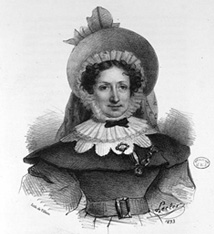
Marie-Anne GILLAIN was born in 1773 in Montreuil, near Versailles.
She was sent to boarding school with the Sisters of the Visitation.
During the Revolution, she took refuge in Etampes, at the home of a relative who was the mother superior of the Hospitalières de l’Hôtel-Dieu.
There she attended the surgeon’s lectures and served for two and a half years, from 1793 to 1796, as a hospital volunteer—that is, as a layperson who volunteered her services to the poor and sick.
In 1797, she returned to Versailles to marry Louis BOIVIN, deputy office manager at the National Domains.
She became pregnant early on, but in 1798, at the age of 25, she was suddenly widowed, left destitute, and with a young daughter to raise.
She then decided to put to use the knowledge she had gained from the surgeon at the Hôtel-Dieu d’Étampes and enrolled in the Midwifery School at the Maternité in 1799.
In 1800, she graduated and left for Versailles to be reunited with her daughter and pursue her career.
In 1801, following the death of her daughter, she obtained permission from Marie-Louise Lachapelle to return to the Maternity Hospice
In 1803, she was appointed chief supervisor of the breastfeeding unit. She held this position for eleven years, until 1814. During this long tenure, she took the opportunity to attend lectures given by her patron, the surgeons at the Maternity Hospital (Baudelocque, then Dubois), and the chief physicians (Andry, and especially Chaussier), from whom she gathered insights and lessons.
In 1812, she wrote and published *A Treatise on the Art of Childbirth*. The work was approved by the Ministry of the Interior, which included it among the textbooks given to graduates of the Maternity School.
In 1814, the position of supervisor that she held was eliminated, and she was dismissed with a gratuity equal to her annual salary, or 360 francs.
Starting in October, she was hired as a storekeeper and steward at the Poissy General Hospital, a position she held until January 1819, when the General Hospital was converted into a prison.
Little is known about this period of her life: Did she continue her obstetric practice despite her new, more administrative duties? Did she do so at the general hospital? Or with a private clientele? In any case, it appears that for a time she received a comfortable annual salary of 1,200 francs—almost as much as the head midwife at the Maternity Hospital.
In 1818, she entered the Paris Medical Society’s competition anonymously, submitting a paper on internal uterine hemorrhages. She was awarded the medal.
On February1, 1819, she joined the Maison Royale de Santé in Paris as chief supervising midwife, with a modest salary of 350 francs per year.
In 1821, an opportunity for promotion arose following the death of Marie-Louise Lachapelle.
According to procedure, the General Council of the Hospices must submit to the Minister of the Interior a list of five female candidates to succeed the renowned midwife.
On November 14, 1821, the Council voted to approve a list with Marie-Anne Boivin at the top; she received 12 out of 12 votes in the first round of voting to select the top candidate.
A month and a half later, the Minister of the Interior endorsed the Council's decision.
But the winner declined the position (or rather, resigned), forcing the board to propose another list. Why the refusal? All contemporary biographers attribute this decision to a public promise Marie-Anne Boivin is said to have made to her former patroness never to replace her, even after her death. If this is true, she kept her word, and another midwife, Madeleine Catherine Legrand, was appointed in 1822.
Marie-Anne Boivin therefore continued to practice at the Maison Royale de Santé, where she amassed a body of observations, publications, and honors.
In 1828, she presented a paper on spontaneous abortions, which was awarded a prize by the Bordeaux Medical Society.
In September 1835, at the age of 62, worn out and exhausted, she retired and urged the hospice board to grant her a pension. Finally, after suffering a first stroke that left her with hemiplegia, she died in May 1841.
In 1902, one of the rooms in the renovated maternity ward was named after Marie-Anne Boivin.
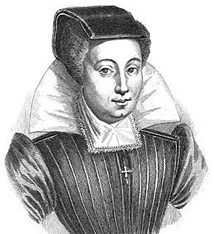
She was born in 1563 on Boulevard Saint-Germain or in Mons to a family of doctors.
In 1594, she married Martin BOURSIER, a master surgeon and student of Ambroise PARÉ.
She finds herself without any means of support when her husband is enlisted in the king's army.
She quickly gained a reputation among the ladies of the court and delivered the queen's children six times.
She is paid 500 crowns for the birth of a boy and 300 for the birth of a girl.
It lost its fame following the death of Marie de Bourbon-Montpensier, wife of Gaston d’Orléans, during the birth of the Grande Mademoiselle.
According to the surgeons who performed the autopsy on the woman who had given birth, her death was attributed to placental debris remaining in the uterus, and Louise Bourgeois was subsequently accused of negligence.
At that time, there were few male obstetricians practicing, and they were trying to gain the upper hand over the midwives' guild.
Louise questions their competence by harshly criticizing the autopsy findings and the skills of the obstetricians; however, her response has the opposite effect of what she intended, as it ends up giving them publicity.
She was the first midwife to write a book on obstetrics, *Various Observations on Infertility, Miscarriage, Fertility, Childbirth, and Diseases of Women and Newborns*, published in 1609.
In this book, she points out that infertility in a couple can be caused by the male partner, even though, like the doctors of that era, she confuses the ability to procreate with sexual vigor.
She identified the role of malnutrition in fetal health, and she was the first to prescribe iron supplements to treat anemia.
She emphasizes the importance of anatomical knowledge for midwives and urges doctors to allow them to attend lectures and dissection sessions.
In 1636, the Parisian midwives submitted a petition to the Faculty of Medicine requesting that Louise Bourgeois be allowed to teach them obstetrics, but their request was denied.
Subsequently, however, one of her students, Marguerite du Tertre de la Marche, was appointed head of the midwives at the Hôtel-Dieu and succeeded in overhauling their training program.
She died on December 20, 1636, on Boulevard Saint-Germain at the age of 73.
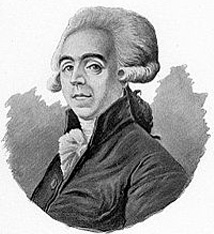
He was born on November 30, 1745, in Heilly, Picardy.
He was the son of Jean Baptiste BAUDELOCQUE, a surgeon, and Anne Marguerite LEVASSEUR. His brothers Félix Honoré (1744–1794) and Jean Baptiste (1749–1800) were both doctors. He was the third of ten children.
It was his father who introduced him to surgery in the countryside of Picardy.
He completed his studies in Paris at the Hôpital de la Charité, where a renowned professor of obstetrics, Solayrès de Renhac (1737–1772), was on staff.
In 1772, following Solayrès’s untimely death at the age of 35, he collected the manuscripts of his lectures and succeeded him as professor of obstetrics at the Hôpital de la Charité. Thanks to Baudelocque, Solayrès’s work was saved from oblivion.
In 1775, at the initiative of Augier du FOT, a surgeon and instructor of childbirth in Soissons, he published—based on manuscripts bequeathed by Solayrès de RENHAC—the first edition of a manual intended for the training of midwives. This work was later republished under his name alone, under the title“Principles on the Art of Childbirth: Questions and Answers for Midwifery Students.” It underwent three reprints during Baudelocque’s lifetime and three more posthumously.
In 1776, following the defense of his dissertation on symphysotomy, titled“An in partu propter angustiam pelvis impossibili, symphysis ossium secanda?,” he was appointed surgeon at the Hôpital de la Charité in Paris and was awarded the title of Master of Surgery by the Paris College of Surgery.
On April 5 or 6, 1777, in Paris, he married Andrée DERULLIER (née de Vulier, de Voulier, de Rullie, or de Rouillier), whose family made models of pregnant women for demonstrations in childbirth classes; she died on January 4, 1787, without children.
In 1781 and 1789, he published the first two editions of his scholarly treatise*The Art of Childbirth* in two volumes. He became famous for his forceps, his practice of cesarean sections, and the invention of the pelvimeter, which measures the external anteroposterior diameter to identify patients who might experience difficulties during childbirth.
On September 14, 1788, in Amiens, he married Marie Catherine Rose Laurent; the couple had five children (three daughters and two sons).
During the French Revolution, the guilds and faculties were abolished. Hospitals lost some of their staff and funding. Baudelocque, however, managed to build a reputation as an obstetrician thanks to a clientele in the city and private obstetrics classes.
In 1794, the former Faculty of Medicine was replaced by the École centrale de Santé de Paris, where he was responsible for teaching courses to medical students and midwives.
In October 1795, the Hospice de la Maternité took in poor women and unwed mothers to assist them during childbirth and provided clinical training for midwives and doctors from the École de Santé.
In addition, this facility also takes in abandoned children.
In 1798, Baudelocque, in addition to his position as professor of obstetrics at the Paris School of Health, became chief surgeon at the Maternity Hospital.
In 1802, the Hospice de la Maternité school was founded, where Baudelocque put his teaching skills to use, employing mannequins to help students practice examinations and obstetric procedures. He emphasized observation over intervention, preferring to let nature take its course and using instruments as little as possible.
Busy with his many responsibilities, he delegated part of his authority to the head midwife of the Maternity Ward, Marie-Louise Lachapelle (1769–1821), who took on part of the training of the midwifery students and was authorized to use forceps on her own in the event of a difficult delivery.
He was involved in a sensational lawsuit brought against him by an obstetrician, Jean François Sacombe, a fierce opponent of cesarean sections and a defender of traditional midwifery practices. Sacombe, who had set himself up as a defender of midwives and accused Baudelocque of infanticide, ultimately lost his case in 1804 and, in the process, any sense of moderation.
In 1806, Napoleon appointed Jean-Louis Baudelocque to the chair of obstetrics, the first chair in a medical specialty in France.
He became the obstetrician to the queens of Spain, Holland, and Naples, as well as to all the ladies of the court.
He had been chosen and selected in advance to deliver the heir awaited by Napoleon and Empress Marie-Louise of Austria. But, struck down by a cerebral hemorrhage, he would not live to see the birth of the King of Rome.
He died on May 2 or 3, 1810, at 16 Rue Jacob in Paris (6th arrondissement), where he lived, at the age of 65.
He was buried in the Vaugirard West Cemetery, then exhumed due to land acquisition for the construction of what is now Boulevard Pasteur.
He was then buried on August 17, 1839, at Père-Lachaise Cemetery (45thdivision).
He was the most famous obstetrician of his time.
A doctor at the Hôpital des Enfants Malades, he would lend his name to the Baudelocque Clinic in 1890.
In 1966, the Port-Royal Maternity Hospital was built. The two facilities merged in 1993 (14th arrondissement of Paris).
There is now a midwifery school on Avenue Denfert-Rochereau that bears her name.
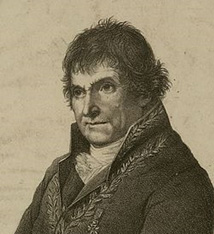
He was born on July 2, 1746, in Dijon, in the parish of Saint Pierre.
His father was a master glazier.
After completing his training at the hospital in Dijon, his mother sent him to Paris to continue his medical studies, and he enrolled at the Royal College of Surgery, where he attended classes regularly from 1765 to 1767 and took anatomy courses taught by Raphaël SABATIER and Jean-Joseph SUE.
At the same time, he was learning the basics of surgery at Lafaye’s clinics and, in the afternoons, at those of Isaac GOURSAUD.
His years of surgical training came to an end in 1768, when he earned the title of Master of Surgery; he then settled in Dijon as a surgeon
He married Jeanne CARRE, the daughter and granddaughter of a master surgeon, on July 27, 1767, in Quetigny, Côte d’Or. Together they had a son, Bernard François Hector (1769–1837).
In 1769, he began teaching a free course in human and comparative anatomy, which was attended by many students for more than ten years.
In 1774, the Estates of Burgundy established a chemistry program with Louis-Bernard GUYTON de MORVEAU as the tenured professor and Hugues MARET and François CHAUSSIER as assistants. Upon MARET’s death in 1786, he was promoted to second professor of chemistry.
In Dijon, his professional qualities earned him the favor of his patients, and his reputation quickly spread beyond Burgundy; he distinguished himself at the Academy of Surgery through several presentations, and as a result, he was awarded the Academy’s Gold Medal at the public session on April 10, 1777.
He received his Doctor of Medicine degree from the University of Besançon on January 14, 1780, and in 1784, he became a corresponding member of the Royal Society of Medicine. That same year, he was admitted to the Academy of Sciences, Arts, and Literature in Dijon, where he became secretary-general following the retirement of Guyton de Morveau.
In 1785, at the request of the Estates of Burgundy, he published a popular guide on the treatment of bites from rabid animals: “Method for Treating Bites from Rabid Animals and Vipers; Followed by a Brief Treatise on the Malignant Pustule” (with Joseph Enaux, 1726–1798).
In 1789, he published a study on the muscles of the human body, in which he proposed a more rational classification than the one taught up to that point: “A Summary Exposition of the Muscles of the Human Body According to the Methodical Classification and Nomenclature Adopted in the Public Anatomy Course at Dijon”; this work was reprinted in 1797.
On December 20, 1789, he read a paper titled “Surgical-Forensic Observations on an Important Point of Criminal Jurisprudence” at the Academy of Dijon, in which he demonstrated the role that physicians could play in informing the judicial system; this work attracted attention, and the following year he launched a course in forensic medicine in Dijon.
On 3 Nivôse, Year III (December 23, 1794), he married Angélique LABOREY in Dijon (Crébillon District); they also had a son, Franck Bernard Simon (1804–1866).
In 1794, Antoine-François Fourcroy was tasked by the National Convention with reorganizing medical education and sought out a prominent figure who could provide him with the details of this reorganization. Claude-Antoine Prieur-Duvernois, from the Côte-d’Or, who headed the Department of Science and the Arts within the Committee of Public Safety, recommended François Chaussier, who thus joined the Committee of Public Instruction: he drafted a report and a proposed decree, which he read from the rostrum of the Convention on 7 Frimaire, Year III (November 27, 1794); In it, he proposed the creation of a single “Central School of Health” in Paris; the members of the Convention, who were largely in favor of decentralization, called for the creation of other similar schools in Montpellier and Strasbourg, and it was on this basis that the report was adopted on the 14th of Frimaire (December 4).
Chaussier returned to Dijon, where he resumed his lectures and studies as well as the duties that had been entrusted to him: he had been appointed physician of the Dijon Hospices in April 1793 and Prison Surgeon; he did not remain there long, however, as he was recalled to Paris to occupy the chair of anatomy and physiology at the School of Health. Chaussier was, in the words of Joseph-Henri Réveillé-Parise, the most famous professor of physiology at the École de Paris: he argued that vitalism was the foundation of all studies in physiology.
A decree dated 7 Vendémiaire, Year III (September 28, 1794) officially established the École Centrale des Travaux Publics, which would later become the École Polytechnique, the Board of Directors proposed, less than a month after the school opened, to establish an infirmary there and to appoint a “health officer” (the revolutionary term for doctors) to treat sick students and also to give lessons on “the art of preventing and alleviating diseases.” The roster of École Polytechnique staff for the following year lists him as an assistant to Claude Louis Berthollet, “simultaneously responsible for the courses in Zootechnics and Public Health, and School Physician”: in fact, he taught Berthollet’s course during the latter’s absence in Italy in 1796–1797. After the formalization of chemistry instruction, Chaussier appears to have abandoned teaching this science and confined himself almost entirely to his duties as a physician.
In 1799, *Les tables synoptiques* was published to great acclaim. It provides a summary of the physiology, pathology, and treatment of the various anatomical systems of the human body.
On May 9, 1804, he was appointed Physician of the Maternity Hospices and entrusted with the chairmanship of the medical examination boards for the examinations to become a Public Health Officer, Pharmacist, and Midwife for the district of the Paris Faculty of Medicine.
He was a member of the commission appointed by the Minister of the Interior in October 1810 to study “secret remedies”; there he worked alongside André Marie Constant Duméril, Jean-Joseph Menuret, and Nicolas Deyeux.
In 1815, after the fall of the First Empire, he was replaced as physician at the École Polytechnique, but he retained his chair at the Faculty until November 21, 1822, when the Restoration altered the Faculty’s organization: he was appointed honorary professor and his chair was revoked. He was deeply embittered by this, and the next day, he suffered a stroke that temporarily left him unable to speak or walk. He recovered, however, though he remained hemiplegic—a condition that did not prevent him from continuing his work at the Maternity Hospital.
On May 6, 1823, he was admitted tothe Academy of Sciences.
Between 1824 and 1827, he published several works on forensic medicine: “Forensic Manual of Poisons, Preceded by Considerations on Poisoning”14, “Collection of Papers, Consultations, and Reports on Various Topics in Forensic Medicine”15, “A Forensic Medical Treatise on the Viability of the Newborn, Presented toHis Excellency the Keeper of the Seals, Minister of Justice”16
François Chaussier died at his home in Paris on June 19, 1828, at the age of 81, from a stroke.
He was buried at Père-Lachaise Cemetery (18th division) on June 21: Nicolas-Philibert Adelon delivered a speech on behalf of the Academy; Marie-Alexandre Désormaux, representing the Faculty, did the same; and Duméril, on behalf of the Royal Academy of Sciences, read a lengthy eulogy.
Thesecond son, Franck CHAUSSIER, followed in his father's footsteps and defended his doctoral dissertation in 1827 in Montpellier.
He is a French physician, a professor at the Paris Faculty of Medicine, and a member of the Royal Academy of Medicine and the Academy of Sciences.
Chaussier was the principal editor of the articles on pharmacy inthe *Encyclopédie méthodique*13.
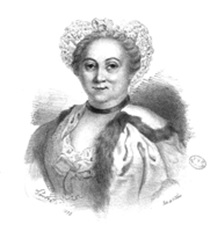
She was born in 1712 in Clermont-Ferrand into a family of doctors.
She first studied for three years under Anne BAIRSIN, a midwife.
On September 26, 1739, she received her diploma and shortly thereafter became a licensed midwife.
She worked as a head midwife at Châtelet in Paris for sixteen years.
In 1752, to combine theory with practice, she published a book titled *A Summary of the Art of Childbirth*.
In 1754, she returned to Auvergne and began giving free lessons.
In 1758, she designed her famous demonstration “machine” (made of wood, cardboard, fabric, and cotton), which was approved on December1 by the Academy of Surgery.
During the two-month training program, the students were encouraged to practice on the mannequin.
She died on April 16, 1794, at the age of 79 in Bordeaux, in poverty and solitude, with her niece and her husband absent. There is a Rue Angélique du Coudray in Thorigné-Fouillard and also a Rue Madame-du-Coudray in Clermont-Ferrand, her hometown. The maternity ward at the hospital in Melun (77) also bears her name.