Tag archive for: personnel

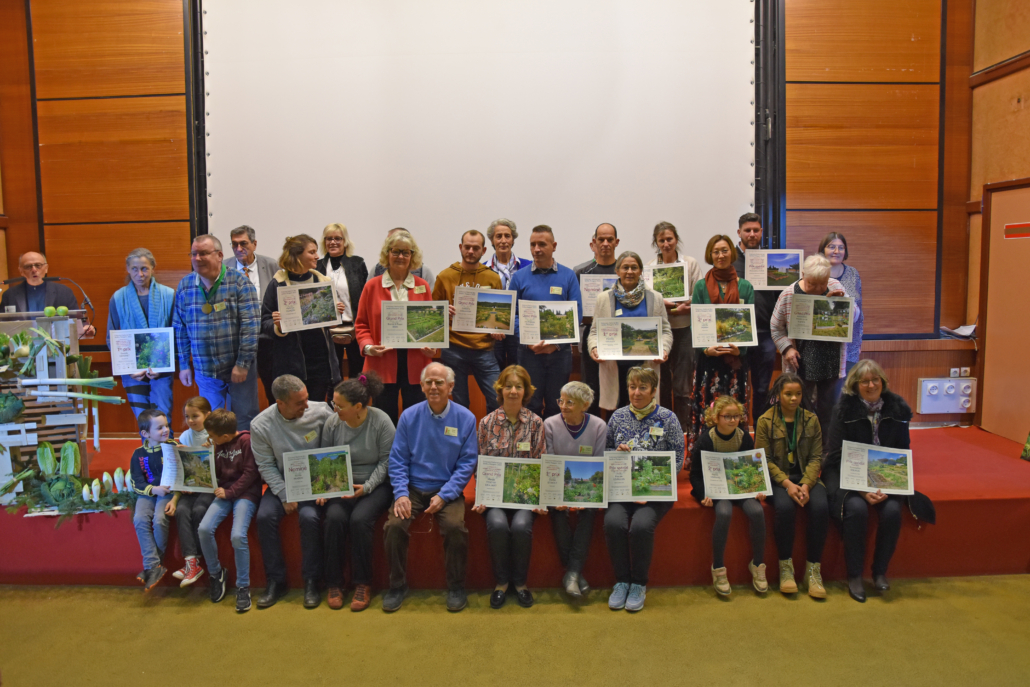
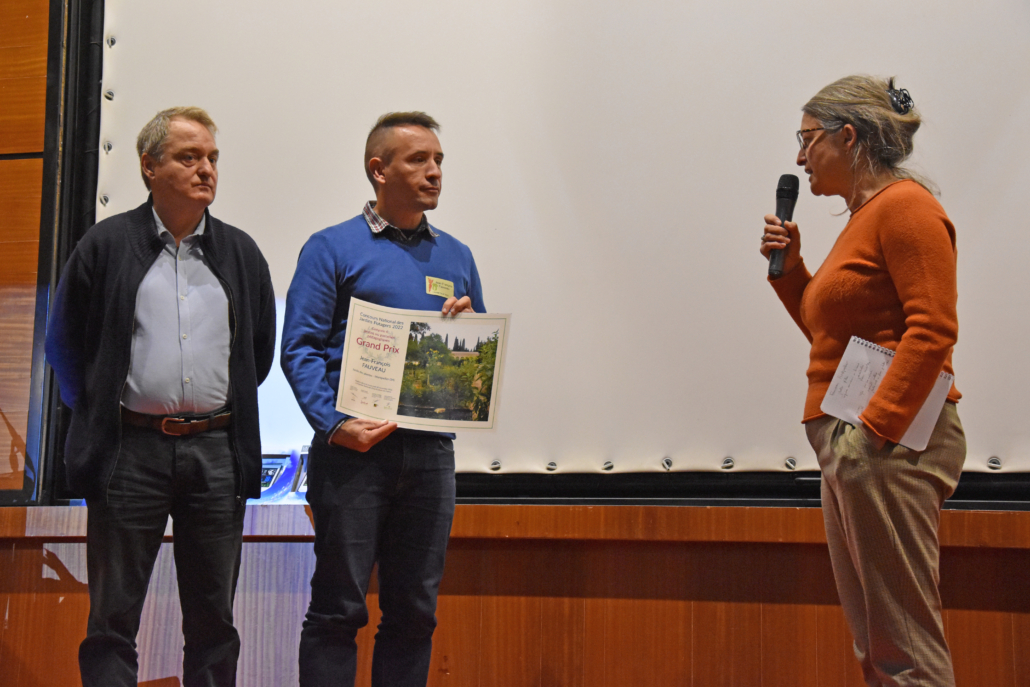
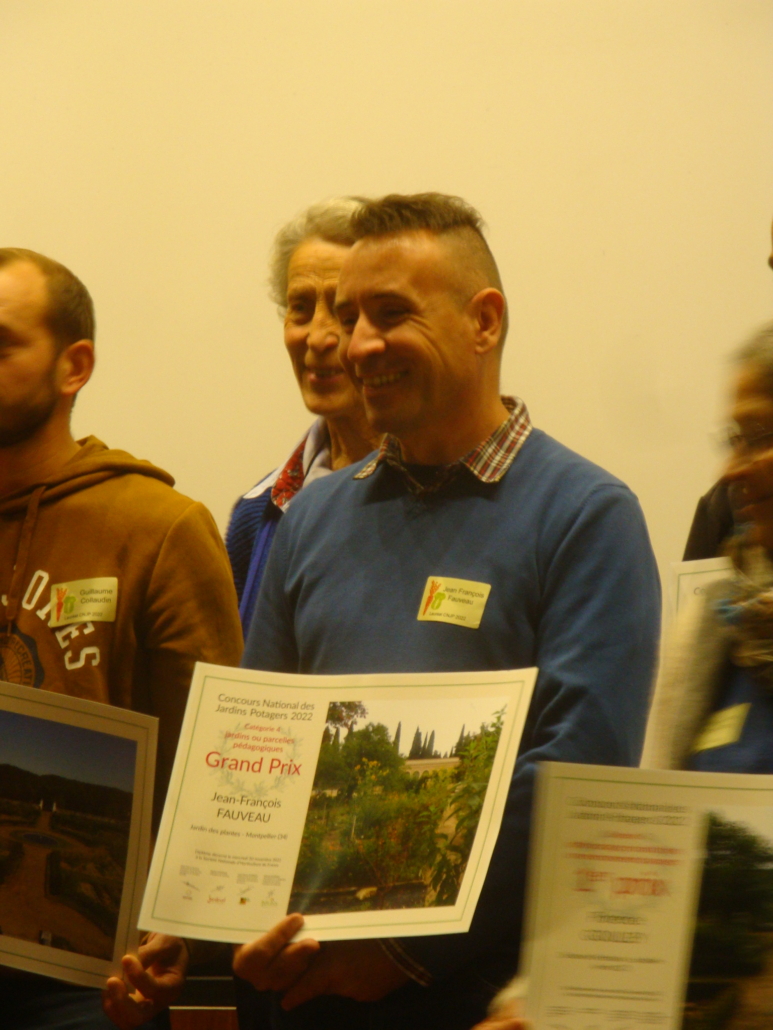
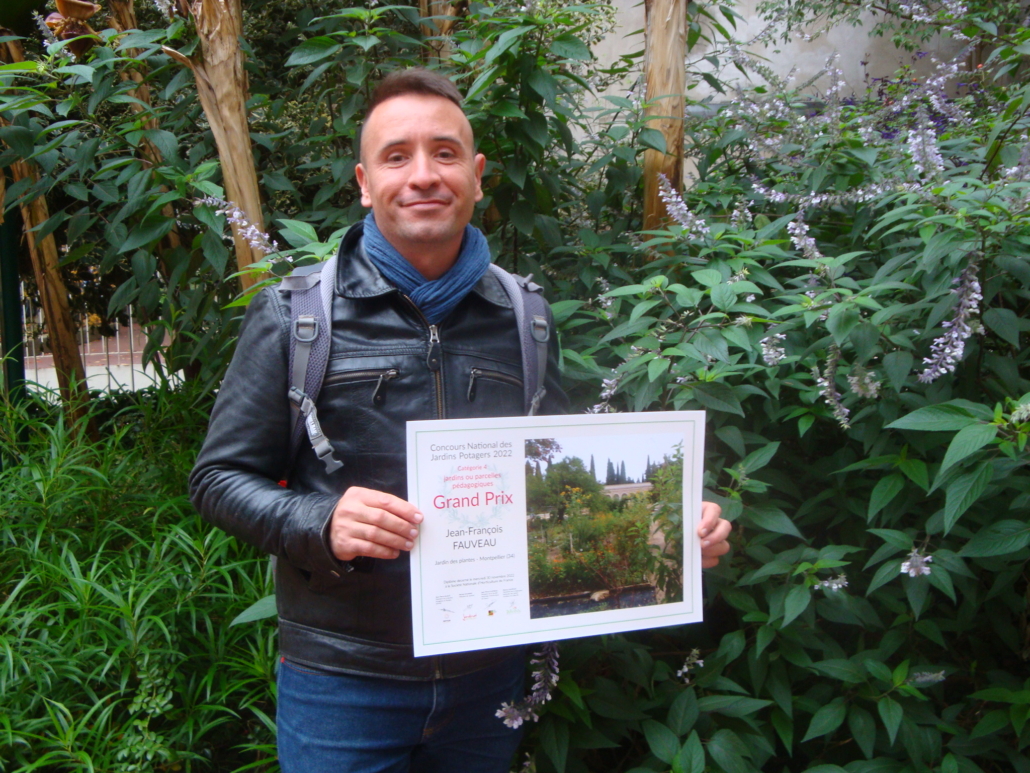
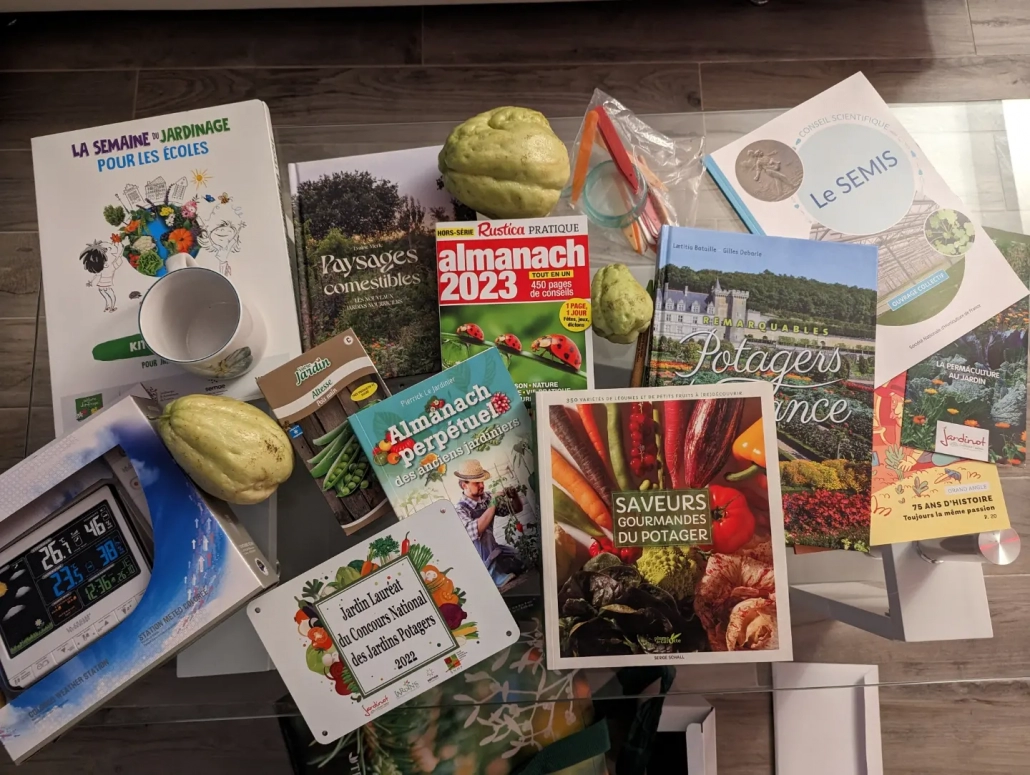
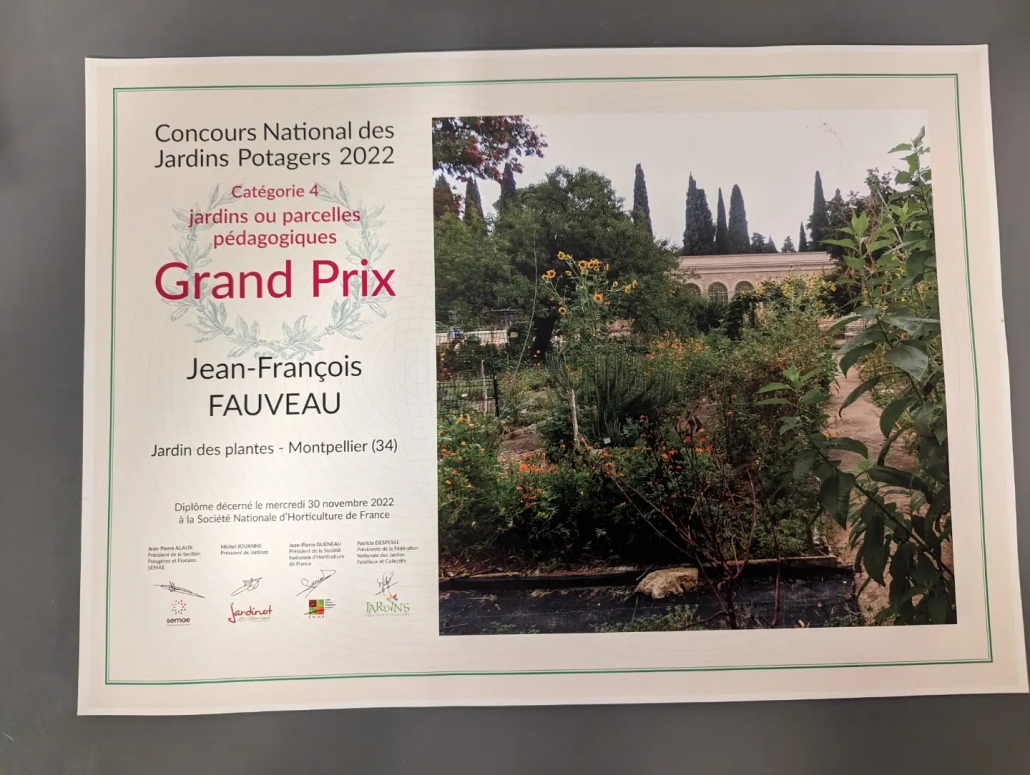
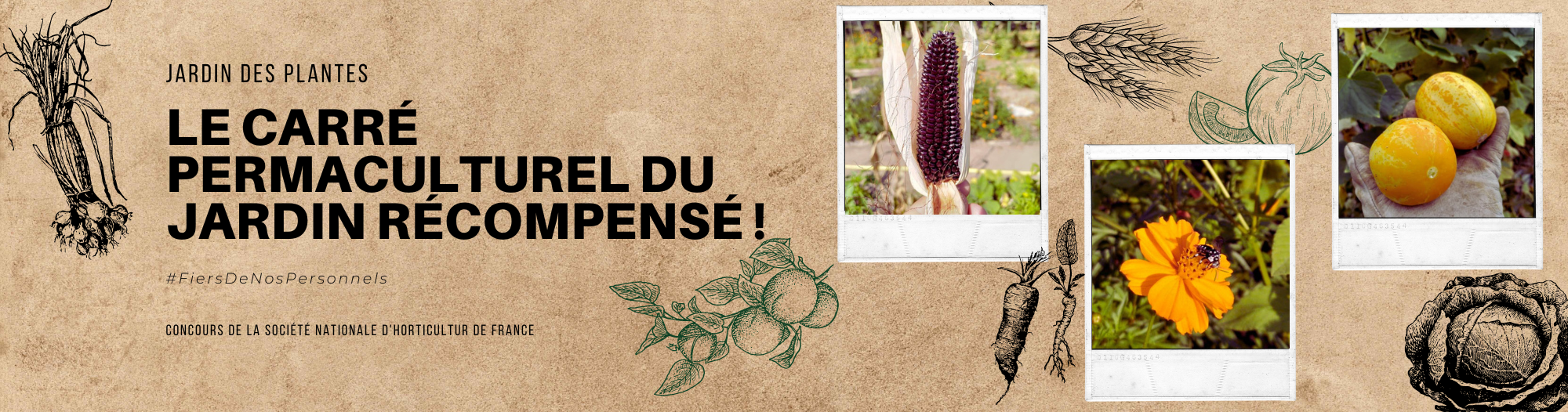
Did you know? The Jardin des Plantes is home to many unique features. Among the most recent is a permaculture vegetable garden. Created two years ago on the initiative of Jean-François "Jeff" Fauveau, a member of our team of gardeners and botanists, this permaculture plot has now won the prestigious national vegetable garden competition, organized by the Société Nationale d'Horticulture de France ! This is a source of immense pride for our Faculty and the teams at the Jardin des Plantesteams. At the awards ceremony on November 30, we met Jeff, who told us about this project.


A project born out of post-lockdown reflection

It was in 2020 that Jeff first had the idea of creating a permaculture vegetable garden at the Jardin des Plantes. Intrigued by current events at the time, our gardener had noticed that many people were turning to permaculture to address political and economic issues.

Inspired by the Jardin des Plantes' mission to raise awareness, Jeff hopes that this garden will encourage the people of Montpellier to reconnect with agriculture and take back control of their food. To achieve this, he has designed his project around plant varieties that are best suited to our balconies, terraces, and gardens in our Mediterranean climate.


A permaculture garden: what exactly is it?

When we ask Jean-François to explain what a permaculture garden is, he answers on two levels:

  • The technical plan: permaculture is based on practices shared around the world, aimed at observing soil chemistry in order to have as little impact as possible on the soil and its structure. The goal is to combine specific varieties of plants, mainly perennials, to create symbiotic systems, thereby avoiding the use of chemical inputs such as pesticides or fertilizers.
  • The value system: More than just a practice, permaculture is based, according to Jeff, on a value system aimed at "protecting the earth, people, and sharing surpluses."


All in all, a permaculture garden is a garden designed for sustainability, thanks to careful observation of biological ecosystems. Cultivated with respect for nature, the seasons, and people, it allows plants to be grown without the use of chemicals.


The permaculture square at the Jardin des Plantes: a place of plant diversity, open to the public

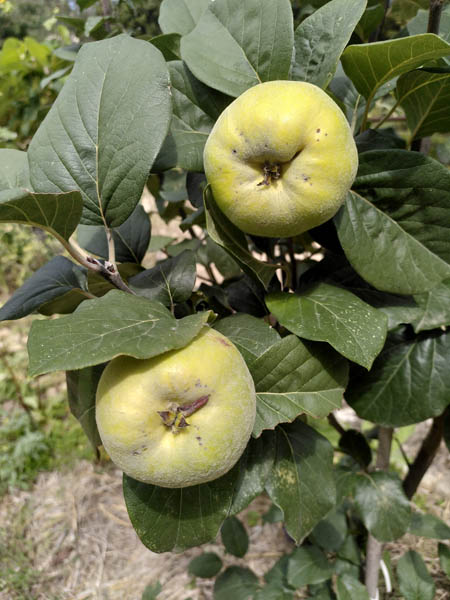
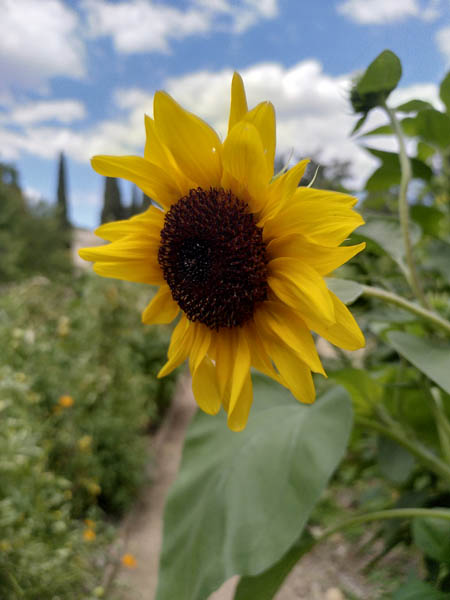
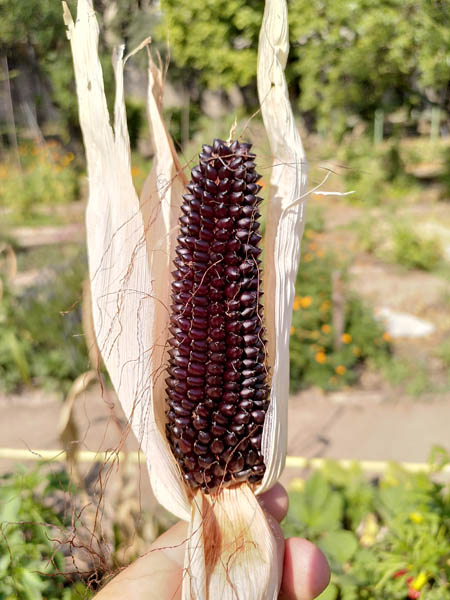
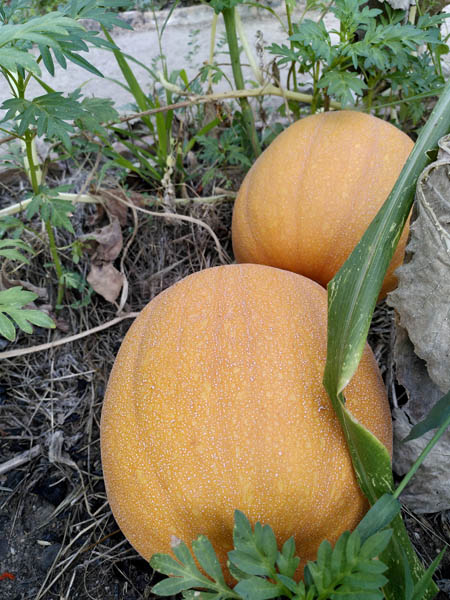
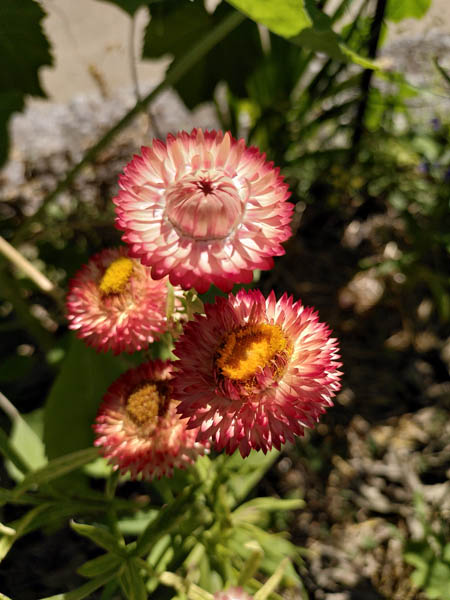
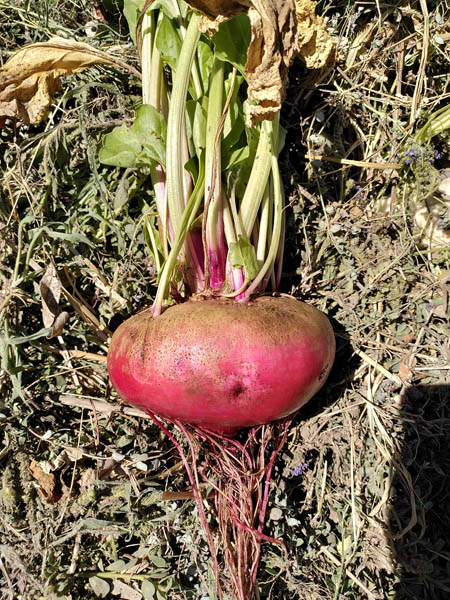
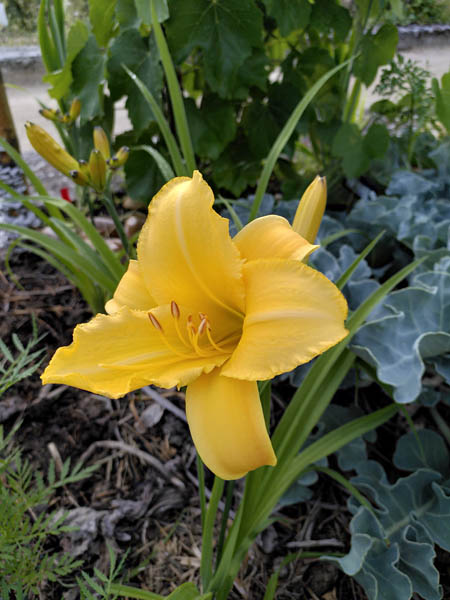
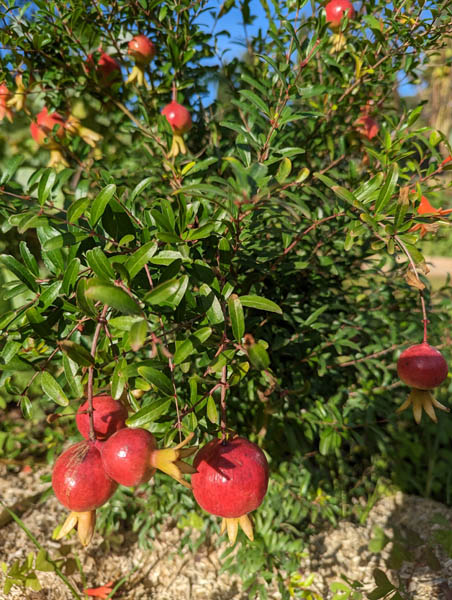
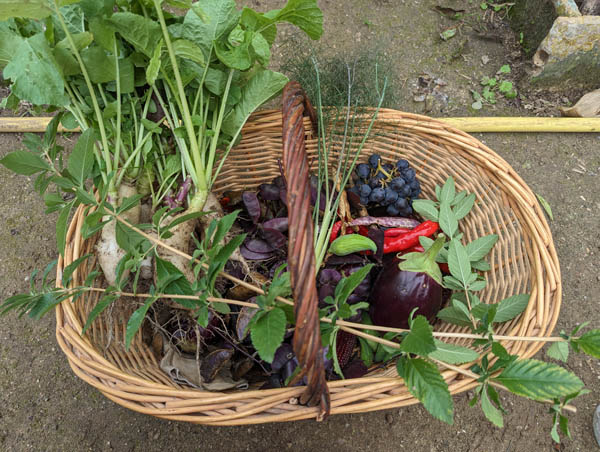
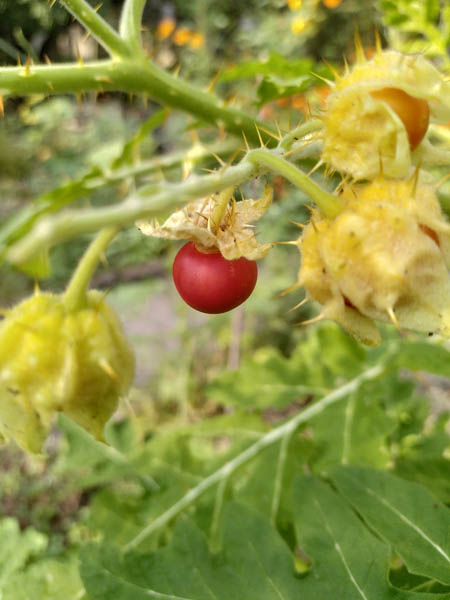
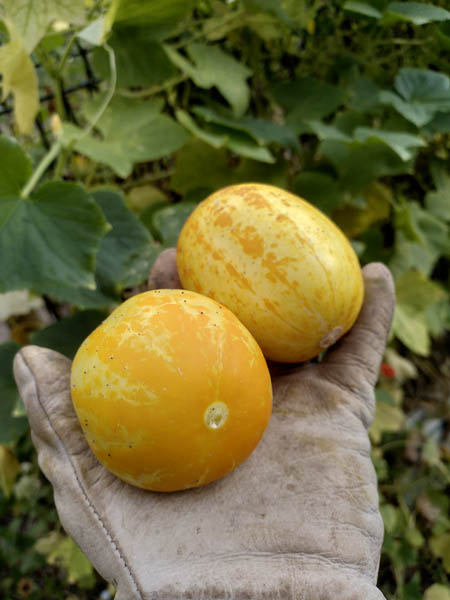
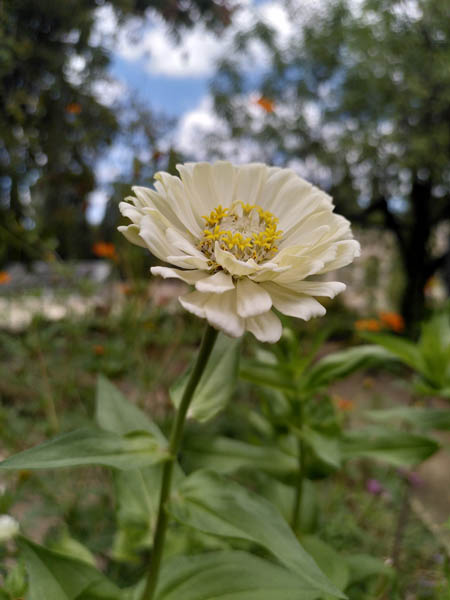
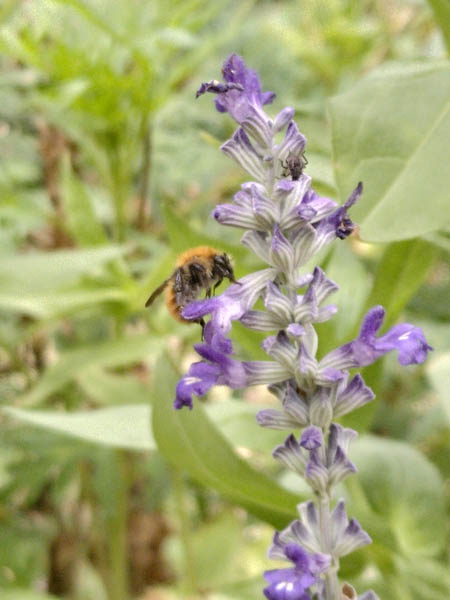
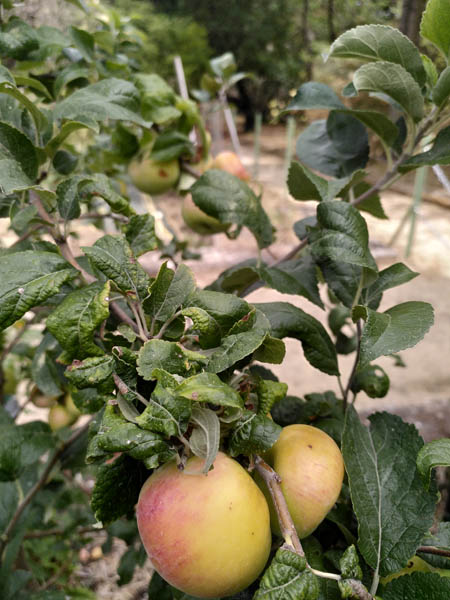
Started in 2020, the permaculture garden can be seen in square number 4 of the Jardin des Plantes' school of systematics. Covering an area of nearly 200 m², the vegetable garden contains more than 250 species of plants, all of which are edible. Among the species cultivated, Jeff tries to vary between so-called "classic" plants and more "original" ones. These include tomatoes, eggplants, cucumbers, apples, grapes, corn, but also Daubenton cabbages, Rocambolle garlic, stevia, peanuts, and bissap. Edible flowers are also available to delight the taste buds of the most discerning gourmets.

This permaculture vegetable garden is maintained by Jeff, who also introduces it to the people of Montpellier through guided tours between March and November. Jeff takes the opportunity to offer advice on permaculture and share the fruits of his labor by giving visitors some fruits and vegetables to taste when they are in season!


An original project, winner of the 2022 national vegetable garden competition

All this variety and these educational initiatives have undoubtedly contributed to making this project one of the winners of the national vegetable garden competition!

After applying in June in category 4, "Educational Garden or Plot," the Jardin des Plantes teams welcomed the competition judges in September for a two-hour visit, during which they asked our gardener a variety of technical questions.

A few weeks later, Jeff was delighted to discover that he had been selected from among the 60 gardens competing for the Grand Prix for the best educational vegetable garden in France! 

Jean-François and Emmanuel Spicq, head of cultivation at the Jardin des Plantes, received the award during a ceremony held on November 30, 2022, in Paris. A real source of pride for Jeff:

"It's a wonderful surprise. I'm very happy that this project and competition are allowing us to step outside our usual boundaries. It's giving us the opportunity to connect with other national institutions and open ourselves up to the outside world. I can't wait to talk with the other participants and winners to take this project to new heights!"


Continuity in the Garden's projects

In addition to putting our garden in the spotlight, this competition is an opportunity to develop new exchanges and partnerships with other gardeners, gardens, and/or institutions and associations.

"I hope to find new ideas in these discussions to develop permaculture practices in other projects. After the vegetable garden, I would like to experiment with other gardening colleagues at the Jardin des Plantes to see if we can develop a new permaculture plot focused on drought-resistant plants!" Jeff tells us enthusiastically.

The square, which has already been identified, will be located on the Dunal Dellile hill, another plot belonging to the School of Systematics. We therefore wish our Garden teams all the best for this new project, which may be an opportunity to enter this competition in another category!


Practical information:

The period from November to December 2021 will see three types of elections take place: university elections to elect staff and user representatives to the central councils of the University of Montpellier EPE (Etablissement Public Expérimental), faculty elections to elect student representatives to the Faculty Management Council and the Faculty Teaching Council. This article provides the schedule for these elections and details on how to apply and vote.


Election schedule

  • November 23–24, 2021

    Election of staff and user representatives to the central councils of the University of Montpellier (EPE)

    • Staff (teachers and BIATS) will vote in person at the ballot box on November 23, 2021.
    • Users (students) will vote electronically on November 23 and 24, 2021.
  • Election of user representatives to the Faculty Council known as the "Management Council"

    • Vote electronically on November 30 and December 1, 2021

    November 30 and December 1, 2021

  • December 1, 2021

    Election of student representatives to the Faculty of Medicine's Teaching Council

    • In-person voting at the polls on December 1, 2021


Information regarding the UM EPE election – November 23-24, 2021

Download all documents related to this election below:


Information regarding the Management Council election – November 30 and December 1, 2021

Download all documents related to this election below:


Information regarding the election for the Educational Council – December 1, 2021

Download all documents related to this election below:

Nutrition - 5 tips

During this period of lockdown, there is no shortage of temptations when it comes to snacks and sweets... Should we give in and feel guilty, or resist and feel frustrated? We asked Professor Ariane Sultan, a professor at the Faculty specializing in nutrition, and Nicolas Sahuc, a dietitian who lectures at the Faculty. Together, we have compiled five dietary and nutritional tips to follow during lockdown... but that's not all!


1 / Listen to your body and its needs!

Lockdown is disrupting our habits: our schedules are changing... and so are our bodies! Sometimes, we don't feel hungry at the traditional "breakfast, lunch, dinner" times. Don't panic! According to Nicolas Sahuc, we need to pay close attention to our body's rhythm, which varies from day to day and is not necessarily aligned with "social" schedules: "Don't worry if you're not hungry at 'mealtimes'; instead, eat when you really hungry. " To do this, you need to listen to your body and pay attention to your true feelings of hunger and satiety. "This does not necessarily mean eating three meals a day..." emphasizes Professor Sultan.

In summary: consider your biological rhythm and listen to your hunger cues before even thinking about nutrition! 


2 / Don't select or reject any foods: think about how long they will keep you feeling full! 

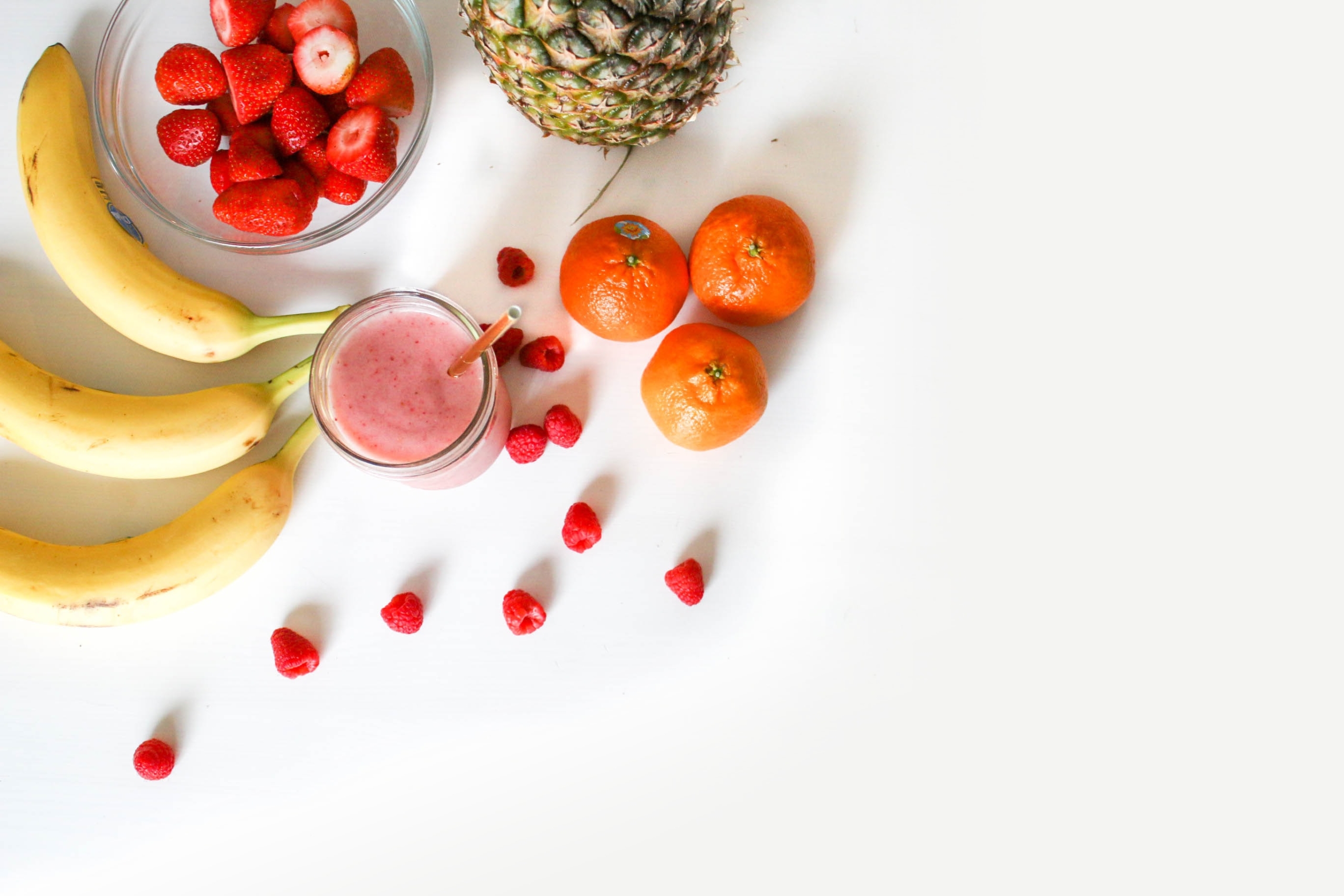
When you're hungry, any food will do to satisfy your hunger. However, not all foods keep you feeling full for the same amount of time.The dietitian's advice is to opt for foods that will keep you feeling full for longer: choose a banana over a cookie for your snack, or better still, if you're really hungry, eat a proper balanced meal.


3 / Don't feel guilty, but think globally!

However, don't feel guilty if you really want that cookie for your afternoon snack. The key is to think about nutrition in a holistic way: "Nutrition is all about overall balance. If you eat balanced meals regularly and at your own pace, there's no reason to feel guilty." Conversely, balanced nutrition is not a "one-shot" deal: a single balanced meal from time to time is not enough! Professor Sultan confirms this: "A balanced diet is more about the week than just a single day."


4 / Focus on balanced meals

“A balanced meal will keep you feeling full for around five hours, whereas an unbalanced meal or snack will only keep you feeling full for two to two and a half hours." It is therefore important to compose your meals with a range of foods that will satisfy your hunger over time. “Contrary to popular belief, a meal without bread or starchy foods will not help you stay slim, as you will be hungry again after 2 hours.” For a balanced and substantial meal, it is recommended to combine: bread, starchy foods, a source of protein (meat, fish, eggs, or vegetable protein), a dairy product (yogurt or cheese), fruits and vegetables for fiber, and a small amount of fat. Ariane Sultan reminds us that "this combination should be adapted to the intensity of your hunger.". As for meal variety, the dietitian emphasizes that "the composition of a balanced meal is always the same, you just need to vary the foods according to your tastes!" 


An example of a balanced meal: 

  • 1 portion of Basque-style chicken with vegetables (fresh or frozen), rice, and salad
  • 1 piece of bread
  • 1 yogurt or 1 piece of cheese
  • A few strawberries


But don't forget Professor Sultan's advice to carefully gauge your hunger: "If you're not very hungry, there's no need to eat all those starchy foods, or reduce the amount you eat!"

5 / High-carbohydrate snacks for periods of intense work

And because we know that for many, exams are approaching, we asked the dietitian for his recommendations regarding snacks during periods of intense work. According to him, “You should prioritize foods rich in carbohydrates, such as cereal bars or fruit compotes, which are balanced and convenient. Swedish Havreflarn-style cookies are also a good alternative: they don't have too much added sugar and are easy to make yourself.” Nevertheless, our dietitian reminds us: “Before even thinking about snacks, the most important thing is knowing how to manage your stress! Breathing exercises are very effective in helping you do this.” “And don't forget physical activity!” adds the professor, “Physical activity is possible in any circumstances, even when confined! You just have to adapt it and adapt yourself!”


Of course, we weren't going to leave you hanging: we've selected a few Swedish pancake recipes for you... : 

Recipe 1 Recipe 2 Recipe 3

…and apps to help you manage stress:


We will get back to you in the next few days regarding physical activity, so stay tuned! In the meantime, get cooking!


Healthcare Professionals:

We thank them for their help in writing this article.

Ariane Sultan

Ariane Sultan

Professor of Nutrition

Ariane Sultan is a professor of nutrition and a member of the nutrition and diabetes team at Montpellier University Hospital, Lapeyronie Hospital. As chair of the CLAN (food and nutrition liaison committee) at Montpellier University Hospital, she teaches several courses in nutrition and diabetology at the Faculty of Medicine.

Nicolas Sahuc

Nicolas Sahuc

Dietitian

Nicolas Sahuc has been a certified dietitian since 2003, specializing in eating disorders. He regularly gives seminars to medical interns at our faculty on eating disorders and childhood obesity.

On October 1, 2, and 3, #ShareYourPower by donating blood! Meet the EFS team in the UPM lobby on the ADV Campus to make your donation!

Donating blood is not rocket science!

October is here, autumn is well underway, with the All Saints' Day school holidays and Halloween just around the corner. To encourage as many people as possible to get involved before and during the All Saints' Day holidays, the EFS teams are playing on the clichés associated with this holiday to prove to as many people as possible that donating blood is not rocket science.

1,000 blood donations needed every day in Occitanie

With school vacations approaching, they remind us that everyone's involvement is essential during October to meet the 1,000 blood donations needed every day in Occitanie. Don't let your blood run cold for nothing: the rule is clear during October: donate or die! Our friendly vampires are waiting to welcome your gesture of solidarity, with treats to boot. Non-donors, we invite you to take advantage of the month of horror to face your fear of needles: there's no point in freaking out when you know that this gesture saves lives. Don't hesitate any longer! #ShareYourPower

Who can give?

It is recommended that you do not come on an empty stomach and that you drink plenty of fluids before and after donating.

The main requirements for donating blood:

  • Being in good health,
  • Be between 18 and 70 years old,
  • Weigh more than 50 kilograms and not have received a blood transfusion.

In the following cases, donations must be deferred by:

  • 7 days after completing a course of antibiotics;
  • 14 days after an infectious episode;
  • 4 months after an endoscopy, piercing, or tattoo;
  • Four months after traveling to a country where malaria is prevalent.

Where to donate?

Nothing could be simpler: come to the UPM lobby between 10 a.m. and 4 p.m. on October 1, 2, or 3!

Like libraries, food service outlets are switching to summer hours. Find all the changes to the opening hours of food service outlets near the Arnaud de Villeneuve Campus here.

Students and Staff

  • The CROUS cafeteria will be closed from July 1 to August 16. It will reopen on Monday, August 19.

Staff

  • The cafeteria at Lapeyronie University Hospital will be closed from July 1 to August 31, 2019, due to renovations.

Your CHU card gives you access to the CHU Gui De Chauliac cafeteria, which will remain open this summer. It is located above the Snack area at the main entrance. The ADV Health Campus lounge remains available to administrative staff and teachers, as do the tables that have been set up outside on campus.