Tag archive for: MUSE

After winning MUSE's Take-Off 3 competition, Dr. Herrero and Dr. Bonnel presented the PREPABLOC training course during the "Research and Surgical Innovation 2021" session of the National Academy of Surgery. The course was then awarded the prize for educational innovation! Let's take a look back at this unique training course.


PRÉPABLOC: training for tomorrow's operating room professionals

The construction of the project

The launch of PREPABLOC stems from a co-creation initiative led by Dr. Herrero, supported by Dr. Ferrandis. A multi-professional and multidisciplinary team was formed, bringing together:

  • The teaching staff at the CHU's IBODE school,
  •  Assistant Clinical Directors at CHU and ICM hospitals,
  •   the LIRMM teams,
  • Gipsotherapist in the Emergency Department of the University Hospital


Training program

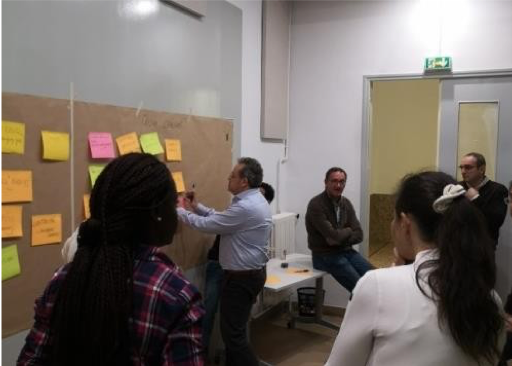
Proposed and coordinated by the innovation extractor, this is an innovation marathon in the form of a competition between teams of around ten people. Creativity sessions enable participants to design useful projects in record time and learn how to pitch them at the end of the week. The five themes were stress, communication, the surgical teaching methods of tomorrow, the appeal of operating room professions, and inventing an "Escape Game."

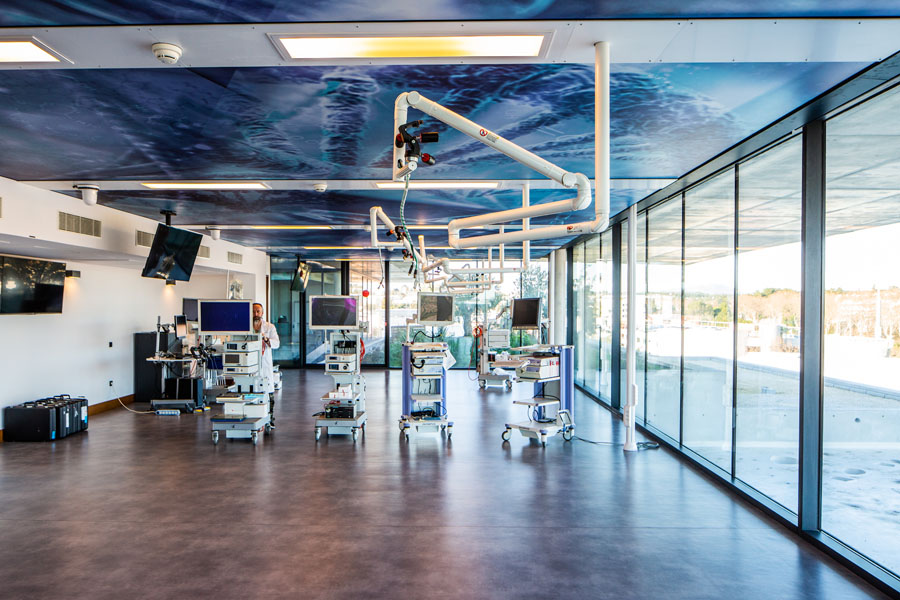
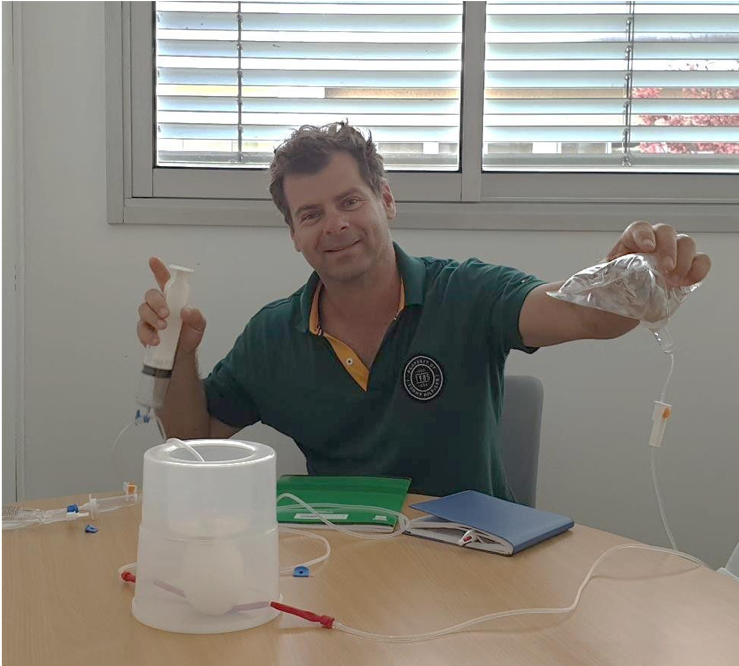
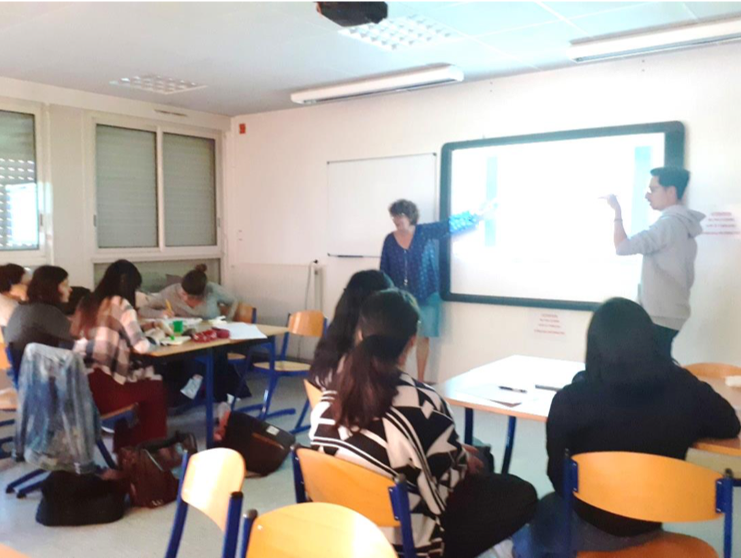
 Future IBODES, who will mentor tomorrow's surgeons, had the opportunity to participate in various theoretical and practical workshops throughout a week-long "conference." IBODE school officials focused their presentations on hygiene and instrumentation. The assistant chief physicians at CHU andICM led theoretical courses, talking about their work as hospital surgeons, leading workshops on sutures and surgical knots, and allowing students to test their skills on a laparoscopy console.  The LIRMM teams also collaborated on the high-tech university hospital simulation platform at the Arnaud de Villeneuve campus, which Dr. Debien and his teams operate on a daily basis. A workshop was also dedicated to plaster casting with Christophe, the CHU's emergency room plaster therapist. 


The objectives of this course  
  • Train students before they arrive for their internship

    To be able to offer all medical students structured training that is harmonized prior to their arrival for surgical or emergency room internships.

  • Reducing stress for these students

    As well as that of the supervisors who welcomed them into the wards and who, in addition to the time needed to train them on top of their workload, were always anxious about them making mistakes due to a lack of knowledge in this highly controlled environment.

  • Raise awareness that harmonious teamwork is a factor for success.

    This will benefit not only patients but also the peace of mind of a demanding workplace.

  • Encouraging people to pursue these careers

    With objective information.

  • Introduce innovation methodology in "project" mode at an early stage

    Pso that students know how to create, structure, and present projects in line with their ambitions for their professional and scientific future.

A project supported by MUSE

This project was made possible thanks to financial support from MUSE (Montpellier University of Excellence) through a call for projects entitled " Take OFF 3 " call for projects won in June 2020 with the active help of the innovation extractor (Dr. Christophe BONNEL and Anaïs CAUSSE). The team at the MUSE Center for Educational Innovation (CSIP) also contributed to the project by creating a fun, interactive card game and writing the script for an "Escape Game" that will be offered next year.


PREPABLOC: a highly successful training program

The success of the project

The creation of this Open Teaching Unit was a success with students. Founded by a multi-professional and multidisciplinary team, this project was particularly popular with an interested audience of third-year studentsyear of medicine, engineering students from LIRMM (roboticists), and IBODE students (operating room nurses).


The future of PREPABLOC

The students particularly appreciated the experience and the winning project on the surgical teaching methods of tomorrow is being studied to try to give it a future. The teaching teams in Nîmes, already well versed in these concepts, are already involved in adapting it, and the PREPABLOC team will share its experience with all those who, at the national level, wish to draw inspiration from it in accordance with the wishes of the academy. 


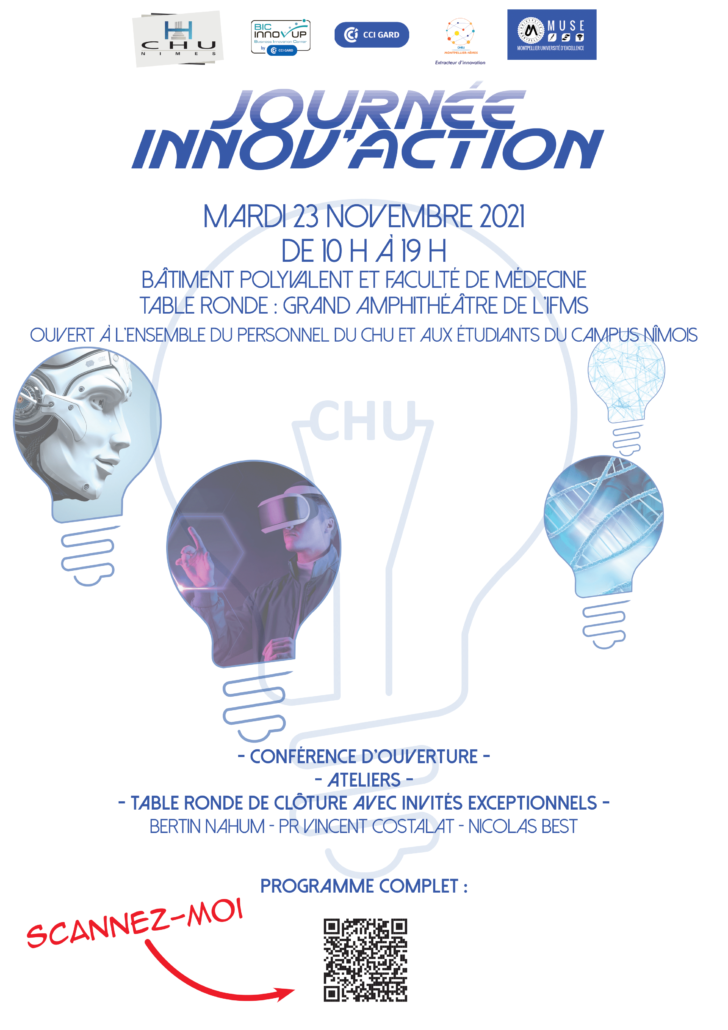
The Nîmes University Hospital is organizing Innov'Action Day in partnership with MUSE! Open to all professionals at the hospital, as well as our students in Nîmes, this day will be an opportunity to learn about the health innovation sector. Organized into several workshops, participants will be able to learn about the process of starting a business! Discover the program for the day in this article!

On the agenda

  • 10 a.m. to 11 a.m.

    Opening Conference - Hall of Honor, Multipurpose Building (University Hospital)

    • Introduction by the CEO, the President of CME, and the event partners
    • Presentation of the innovation support system at Nîmes University Hospital, with the assistance of Montpellier-Nîmes Innovation Extractor
    • Innov’action Trophy: presentation of the 2021 winners and launch of the 2022 Trophy
  • Workshops - morning sessions

    • The program and workshop rooms can be found below.
    • All workshops take place at Nîmes University Hospital, except for Workshop 7, which takes place at the faculty.

    11 a.m. to 1 p.m.

  • 2:30 p.m. to 4:30 p.m.

    Workshops - afternoon sessions

    • The program and workshop rooms can be found below.
    • All workshops take place at Nîmes University Hospital, except for Workshop 7, which takes place at the faculty.
  • From innovative idea to market launch: keys to success, based on two success stories

    with: Bertin Nahum, CEO of Quantum Surgical; Professor Vincent Costalat, Head of the Montpellier University Hospital and co-founder of Sim&Cure; and Nicolas Best, CEO of the Nîmes University Hospital

    5:30 p.m. to 7:00 p.m.


Detailed workshop schedule

  • Workshop 1 - There's no such thing as a small innovation: why and how should I protect my ideas or inventions?

    (Moderators: Armelle LEONARD – Intellectual Property Engineer, Regimbeau Law Firm, Valérie GIBERT-CORREAS – Head of the Valorization and Partnerships Unit, Nîmes University Hospital / Witness: Prof. Pierre CORBEAU – Immunology Department, Nîmes University Hospital)

    • 11:00 a.m.–11:45 a.m.: Senior HR Manager
    • 3:30 p.m. to 4:15 p.m.: Multimedia Room
  • Workshop 2 - My small business, or How can I get support for my business creation project?

    (Moderators: Antoine HOUSSIN – Director of BIC Innov’up and Head of Industry, Industry Services, and Innovation at the Gard Chamber of Commerce and Industry; Claire RAVENEAUX – Business Advisor, Gard Chamber of Commerce and Industry / Guest speaker: Dr. Stéphanie HUBERLANT – Gynecology, Obstetrics, and Reproductive Medicine Department, Nîmes University Hospital)

    • 12:00 p.m.–12:45 p.m.: Hall of Honor
    • 2:30–3:15 p.m.: Hall of Honor
  • Workshop 3 - Getting started on my innovative project or business creation without the hassle: simple and effective tools and methods do exist!

    (Facilitators: Rajaa NOUALI – FabLab Coordinator, Nîmes, Gaspard LEPINE – Partnership Manager, ISite MUSE), Christophe BONNEL – Innovation Extractor, Nîmes University Hospital)
    * Workshop 3 will focus mainly on building a business canvas. For these reasons, it will be limited to a maximum of 12 participants.

    • 11:00 a.m.–11:45 a.m.: DRM Main Hall
    • 2:30–3:15 p.m.: DRM Main Hall
  • Workshop 4 - Mobilizing talented young people: schools and universities, a wealth of resources for developing my project!

    (Moderators: Marine ROYER – Lecturer in Master's Degree in Design and Innovation Society, University of Nîmes, Pierre COUTURIER – Lecturer and Head of the Mechatronics Platform, IMT Mines Alès / Witnesses: Christophe REYNAUD – ENT Department, Nîmes University Hospital)

    • 11:00 a.m.–11:45 a.m.: Multimedia Room
    • 12:00 p.m.–12:45 p.m.: Multimedia Room
  • Workshop 5 - Approaching and getting to know the company that suits me: the keys to smart collaboration to bring an innovative project to fruition

    (Moderators: Virginie COSTE – Head of Partnership Development and Promotion in Biohealth, iSite MUSE, Tarek RAHMANI – Head of Promotion, Nîmes University Hospital / Witness: Prof. Stéphane DROUPY – Urology Department, Nîmes University Hospital)

    • 12:00 p.m.–12:45 p.m.: Big CHALLENGE
    • 2:30–3:15 p.m.: Big CHALLENGE
  • Workshop 6 - The 10 mistakes to make when launching your e-health application

    (Moderators: Antoine HOUSSIN – Director of BIC Innov’up and Head of Industry, Industry Services and Innovation at the Gard Chamber of Commerce and Industry, Thierry CHEVALLIER – Head of the Medical Device Evaluation Institute (IDIL), Nîmes University Hospital / Witnesses: Florent VIANNAY – Innovation Project Manager, BIC Innov’Up, Willy FAGART – Physiotherapist, Center for the Evaluation of Medical Devices and Disabilities (CEDMH), Nîmes University Hospital)

    • 11:00 a.m.–11:45 a.m.: Hall of Honor
    • 3:30–4:15 p.m.: Hall of Honor
  • Workshop 7 - Studying and participating in a business start-up: it is possible to succeed at both! A guide to entrepreneurship for students

    (Moderators: Catherine PEYROUX – Director of PEPITE-LR, Amine MOKRI – Entrepreneurship Manager, ISite MUSE / Witnesses: Christophe BONNEL – Innovation Extractor, Nîmes University Hospital, Dr. Valentin FAVIER – ENT Department, Montpellier University Hospital)

    • 12:00 p.m.–12:45 p.m.: Faculty of Medicine
    • 3:30 p.m. to 4:15 p.m.: Faculty of Medicine


In 2020, Dr. Favier and Dr. Debourdeau once again participated in the MUSE call for projects. They were selected as winners of Take Off 4, which aims to reward innovations in education.

An educational innovation for safety

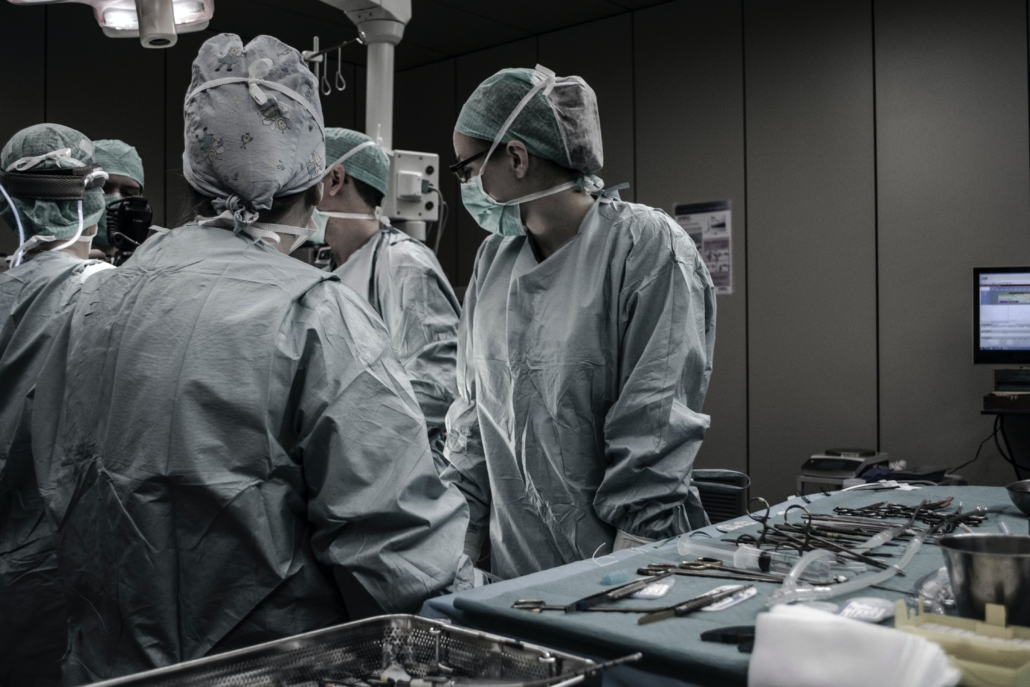
Doctors and surgeons are required to perform invasive procedures for the diagnosis and treatment of diseases. These procedures require long and rigorous training, mainly carried out during residency (from the 7th year of medical school, at the time of specialization).

The quality of medical and surgical procedures must be a central focus of training, as it has an impact on patient health and safety. Technical training for medical and surgical interns must therefore include prior learning to ensure the safety of patients, trainees, and supervisors alike.

Factors of change

 The use of anatomical models for training has been widely exploited, but this training method is limited by the availability of models. Another limiting factor is the difficulty in maintaining the realistic appearance of the digestive and respiratory tracts on these biological models.

The simulator as a solution

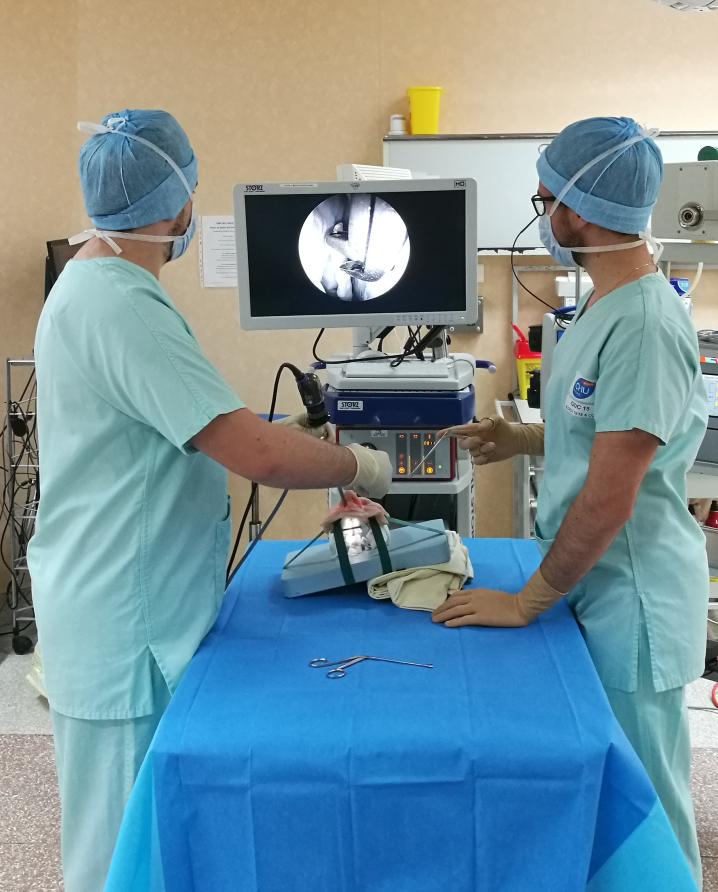
Simulator-based learning meets safety requirements, as students do not come into direct contact with patients during their initial practical sessions, mistakes are allowed, and supervisors can give students greater freedom to practice, providing educational feedback during dedicated training sessions that are more numerous and easier to implement. This learning method also eliminates the biological risks associated with the use of anatomical parts.

The specific areas concerned

Since simulation is a very expensive tool that takes a long time to set up, Dr. Favier and Dr. Debourdeau conducted preliminary studies to determine the areas in which simulation could be most useful.

According to their research, simulation training is necessary for the following procedures:

Proven effectiveness

These procedural simulators have been scientifically validated for initial training and have proven their effectiveness. In total, these devices are used by 220 interns in Montpellier-Nîmes (20 gastroenterologists, 18 ENT specialists, 6 neurosurgeons, 6 maxillofacial surgeons, 15 pulmonologists, 125 anesthesiologists and intensive care specialists, and 20 oncologists).

A project that builds on the previous one

Remember, we already mentioned Doctors Favier and Debourdeau in one of our articles. They were winners of a previous MUSE Take Off competition. Their project involved setting up an app called SPART APP to assess the technical skills of interns.

This project is a continuation of the Spart-APP project. This application, which can measure the technical progress of interns, could in future be linked to a simulation platform. This platform will enable real-time learning to be reinforced for students experiencing difficulties, using an active and dynamic teaching approach.

In 2020, Dr. Valentin FAVIER, in collaboration with Dr. Antoine Debourdeau, once again participated in the MUSE call for projects aimed at supporting the pedagogical transformation of training programs. He was selected as a winner with his project entitled "Application for Pedagogical Monitoring of Learning and Performance of Technical Procedures in Medicine."

Project background

The quality of medical training is a public health issue in order to provide the population as effectively as possible in the years to come. Medical competence is a long process to acquire, during which students must master theoretical and technical skills. Medical interns must learn the procedures and techniques that will form the basis of their medical practice during their 4- to 6-year internship. Their theoretical knowledge is frequently assessed through theoretical exams. 

Currently, medical interns complete their clinical placements according to a predefined educational model, divided into semesters, and obtain their specialized degree at the end of their course of study by defending a thesis. 

Nevertheless, during their residency, medical students work full-time at the hospital and their faculty training on university premises is reduced to a few days per year. 

However, the validation of the medical curriculum does not take into account the technical skills of the intern, and there are few tools available to monitor their acquisition and observe the learner's progress throughout their internships.

It was in this context that Dr. Favier and Dr. Debourdeau decided to develop an application that would track the progress of health students in terms of their technical skills.

The birth of SPART APP

SPART-App is a project that aims to provide medical interns, their trainers, and the head of education with a mobile application to record each of the procedures performed throughout their internship (e-logbook). This pilot project covers the specialties of anesthesia and intensive care, gastroenterology, ENT, and maxillofacial surgery. Its objectives are as follows:


  • For learners, this e-logbook will enable them to see their progress in real time (success rate, learning curve), highlight areas for improvement, and alert their educational supervisor in the event of insufficient practice.

  •  For the supervisor, this tool will enable them to identify the difficulties experienced by the learner, clarify and find solutions to sticking points, and prepare a debriefing. 

  • For the educational manager, it will enable them to adapt teaching objectives on a case-by-case basis according to the difficulties encountered by students, to identify training deficiencies (particularly in terms of the number of procedures) so that supervisors can be alerted, and to propose concrete, personalized solutions to the student and their supervisory team. 

The application: a strategic choice

The electronic format paperless, via an application that can operate offline, eliminates the need for procedure logs that are not regularly updated. Interns will be able to evaluate their actions immediately after performing them on their smartphones.

Each intern will have access to a student account specific to their specialty. Interns can use this account to record each procedure performed over time, detailing the procedure, its success or failure, and any difficulties encountered. The data entered into the application can be used to track their learning curve.

The supervisor of the procedure performed may, if they wish, validate the intern's assessment of the procedure and use it as a basis for a technical debriefing . The instructor will have access to the data for each of the interns they supervise. This will enable the head of teaching (head of department) to ensure that each intern performs a sufficient number of procedures and to identify any interns who are struggling so that they can be given additional support. 

The impacts of START APP

Through this project, Dr. Favier hopes to advance the learning of technical skills and generate short-, medium-, and long-term impacts.

  • In the short term, SPART-app will enable an assessment of the current state of technical training in medicine and surgery. Currently, this training is subjective and varies depending on the instructor. This project would be a tool for objectifying and streamlining student monitoring.

  • In the medium term, this system will enable students to track their progress and tailor their training program based on their weaknesses and strengths. The project could also be extended to other fields of study beyond those mentioned above. This educational innovation could then be rolled out nationwide under the leadership of the University of Montpellier.

    From a scientific perspective, the data collected from this application will be used to conduct educational studies in each of the relevant specialties with the aim of evaluating the impact of interventions (including simulation, a component also studied by Dr. Favier) on the acquisition of technical skills to guide changes in teaching practices in a rational manner. 

  • In the long term,this educational transformation will lead to improved practices at the local and national levels, with a real impact on improving patient safety by reducing the risk of technical errors.

Currently, the project led by Doctors Favier and Debourdeau is progressing and should be launched shortly.

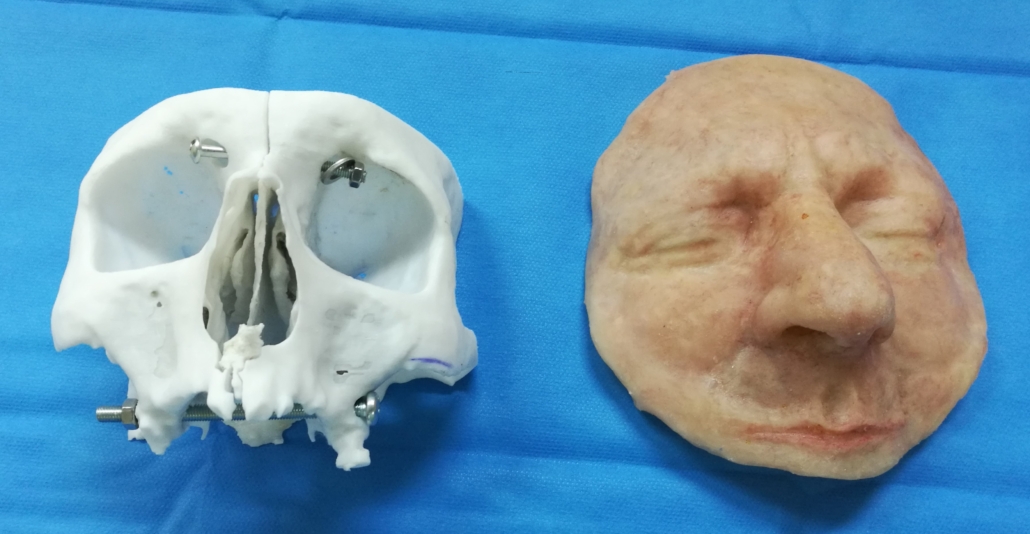
In 2018, Dr. Valentin FAVIER participated in the MUSE call for projects, which aims to support the pedagogical transformation of training programs. He was selected as a winner with his project entitled "Learning anatomy and surgery through simulation and 3D printing."

MUSE “Take-Off” – what is it?

The MUSE project " Montpellier University of Excellence " brings together 16 institutions with a common goal: to establish a research-intensive thematic university in Montpellier that is internationally recognized for its impact in the fields of agriculture, the environment, and health, and which will become a strong academic partner for all members of the consortium.

Through these "Take Off" calls for projects, it supports the educational transformation strategy of the institutions and components of the MUSE consortium. In three years, I-SITE MUSE has mobilized €6 million to support educational innovations through this program. The "Learning anatomy and surgery through simulation and 3D printing" project is one of the projects selected for Take-Off #1. Find out more in this article!


Improving learning through simulation: Dr. Favier's challenge

Healthcare simulation is a major objective of medical education in the 21st century. To improve the safety of clinical practices and teaching, in 2012 the French National Authority for Health (HAS) presented a report outlining the prospects for the development of healthcare simulation in France.

So what exactly are surgical simulators?

Surgical simulators are educational tools that form an integral part of this concept. They enable young surgeons to learn about surgical equipment, anatomy, and operating techniques, but are also useful throughout continuing medical education for refresher training. Another major advantage is the possibility of developing new surgical techniques, allowing more experienced surgeons to perform innovative procedures or test new instruments.

The project objectives

The project is intended for surgical interns, who will have the opportunity to practice on these simulators. The work currently underway is focused on several objectives:

  • Improved segmentation of bone structures and pathological processes from CT images to obtain 3D objects.

  • Improving the biomechanical characterization of human bone at the base of the skull using innovative mechanical tests dedicated to this issue. A better understanding of biomechanics will improve the realism of the materials used in simulation.

  • Conduct large-scale simulator testing with the target audience (ENT surgery interns) using the simulation platform at the Faculty of Medicine, as well as in collaboration with the Nancy-Lorraine School of Surgery.

A project made possible by MUSE

As the winner of the project, Dr. FAVIER received a €10,000 grant from MUSE. This was used to advance his surgical simulator project. In particular, it was used to:

  • Remuneration for a Master's 2 intern in computer science for research and algorithm creation in order to set up the simulation.
  • Mechanically test the simulation platform.
  • The purchase of materials needed to carry out the simulation and perform 3D printing.

In 2018, Dr. Fares Gouzi participated in the MUSE call for projects, which aims to support the pedagogical transformation of training programs. He was selected as a winner with his project entitled "Digital Laboratory for Preclinical Sciences."


MUSE "Take-Off"—what is it?

The MUSE project " Montpellier University of Excellence " brings together 16 institutions with a common goal: to establish a research-intensive thematic university in Montpellier that is internationally recognized for its impact in the fields of agriculture, the environment, and health, and which will become a strong academic partner for all members of the consortium.

Through these "Take Off" calls for projects, it supports the educational transformation strategy of the institutions and components of the MUSE consortium. In three years, I-SITE MUSE has mobilized €6 million to support educational innovations through this program. The "Preclinical Digital Science Laboratory" project is one of the projects selected for Take-Off #1. Find out more in this article!

Dr. Gouzi's project is in line with MUSE's intentions.

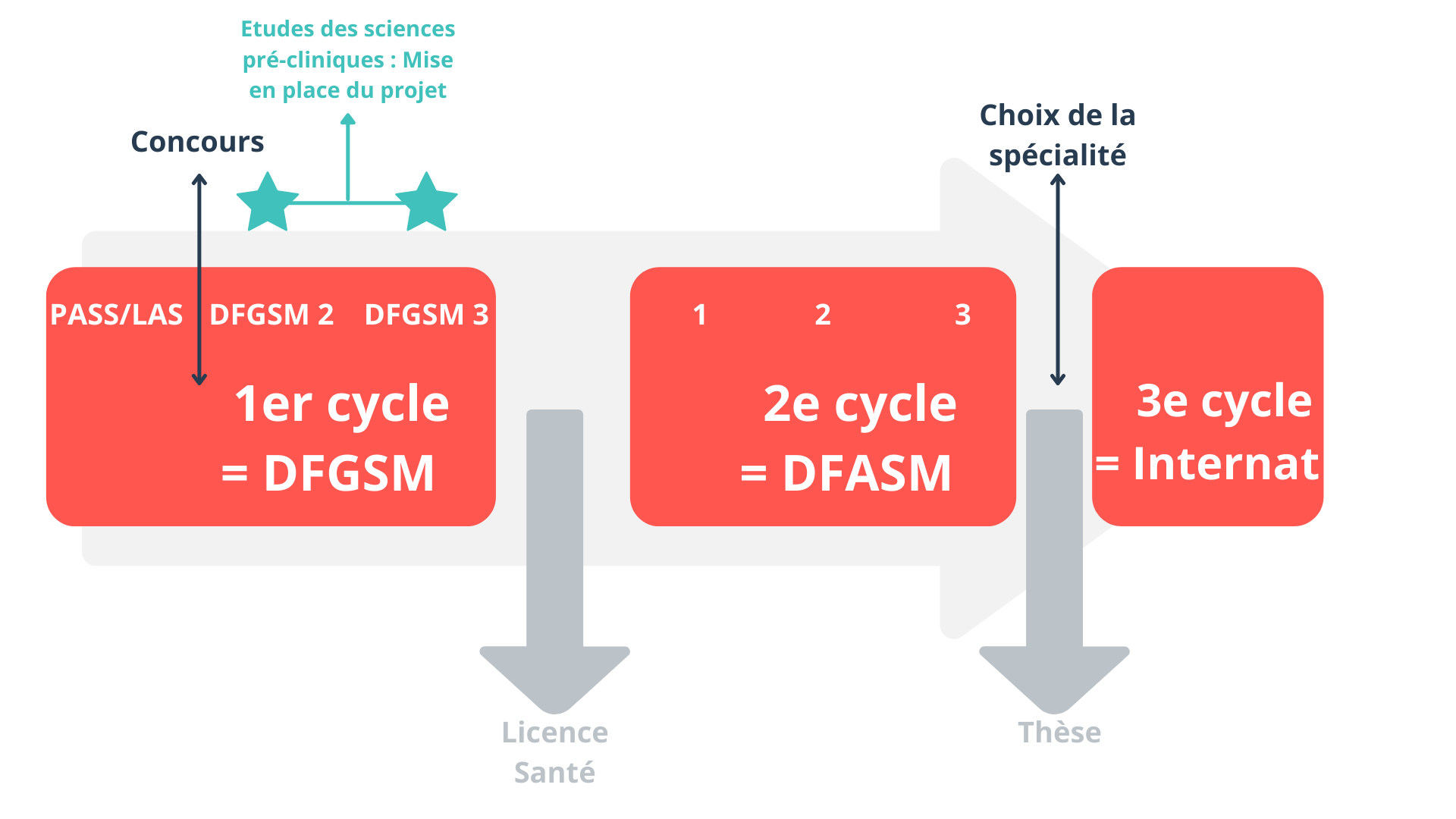
Dr. Gouzi participated in and was a winner of MUSE's Take Off 1, which aims to support educational transformation. To better understand Dr. Gouzi's project, we must first understand what preclinical sciences are. These preclinical disciplines form the foundation of thefirst cycle of health studies. There are seven of them: Anatomy, Histology, Embryology, Biophysics, Physiology, Cell Biology, Biochemistry... and they are studied during thesecond andthird years of health studies.

Before Dr. Gouzi's project was implemented, preclinical disciplines were mainly studied through lectures. These lectures accounted for 77% of their courses in these disciplines.


Teachers at the heart of the project

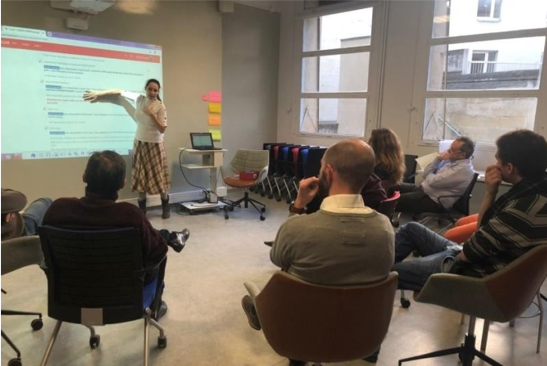
In order to carry out his project, Dr. Gouzi, who also teaches physiology, rallied his fellow doctors and teachers. Together, they created the Reflection Group for the Teaching of Preclinical Health Sciences (GRESP), bringing together a dozen volunteer teachers. This GREPS met twice a month for several hours over the course of a year to discuss the project.


A reorganization project

As mentioned above, lectures played a significant role in health studies education. The GRESP project aims to reorganize teaching and incorporate more practical work and tutorials. To implement the project, teachers chose the teaching unit entitled "Respiratory Systems," which is studied in the second year of health studies. The ultimate goal is to achieve a teaching approach that combines active learning and multidisciplinarity.


But then, what is it? :


  • Active learning

    Active learning aims to engage students in their learning process. Instead of simply listening and digesting information, students reflect, manipulate, annotate, and interact with each other and with the teacher. This practice requires the formation of smaller groups of students. That is why, with the GRESP project, lectures have been reduced from 77% to 34% to make room for more practical work and tutorials.

  • Multidisciplinarity

    Multidisciplinarity consists of bringing together work from several disciplines on the same subject. In the case of the GREPS project, this took the form of a complete reorganization of the various courses in the "Respiratory Systems" teaching unit. Students no longer study the seven preclinical disciplines separately, but rather simultaneously. The courses have been divided up by organ, and each discipline is covered simultaneously through a specific organ.

A long process of implementation


To technically implement this project, GREPSmembers made numerous changes:

 Asmentionedabove, they firstchanged the ratios of the different types of courses, significantly reducing the number of lecture hours and replacing them with practical work and tutorials. However, the total number of hours remained unchanged so as not to increase the students' workload and to comply with the reform in force.

 Then they modified the course content to incorporate more active teaching methods and multidisciplinarity. To achieve this, several new measures were implemented:

  • The creation of teaching scenarios for the various subjects covered by the "respiratory devices" EU.

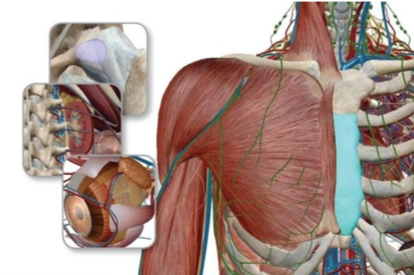
  • Thanks to the creativity of the teachers, they were also able to set up digital tools that could illustrate the different scenarios (e.g., Visible Body: a digital tool representing a human body in 3D where each part of the body can be removed, analyzed, and dissected, allowing students to do practical anatomy work online for free).

  • Creating a space on Moodle: with a space that reflects the structure by objective and allows students to work from home on a regular basis.

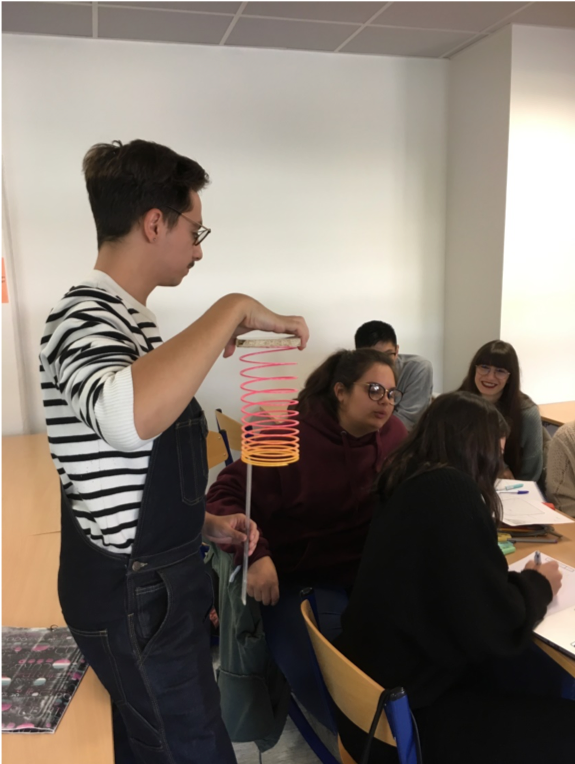
  • The use of non-digital tools such as models, for example, to help students understand more easily than with a diagram.

  • The use of videos: e.g., live syncope, students must reflect on what happened to determine what caused the syncope. They then verify their hypotheses using the software provided.

A useful educational transformation

  • The objectives of this project are to develop students' preclinical science skills by introducing them to reasoning and the experimental process. But also by getting them to think and understand things in a more dynamic way.

  • The goal for those involved in the project was also to restore meaning and coherence to preclinical science education. They wanted to create a logical learning path from which students would be able to gain more knowledge.

But then, does it work?


A project implemented since 2019

This project, which has been running since 2019 at theMontpellier-NîmesFaculty of Medicine, has enabled many other things to be achieved:

  • First, this project is a pilot for hybrid teaching. Although this is not the main objective at the outset, the courses taught in this teaching unit are bothdistance learningand face-to-face. In light of the current health crisis, it serves as an example of how to redesign courses in a hybrid format.
  • At the same time, this project is a pilot for the new reform. The newPASS/LASreform for access to health studies has led to changes in the second and third years. If the effectiveness of active teaching and multidisciplinarity can be proven, this model could be replicated in other teaching units, other faculties, and even other programs.
  • Finally, from a scientific point of view, the evaluations that have been or will be conducted will demonstrate the educational value of such a project.


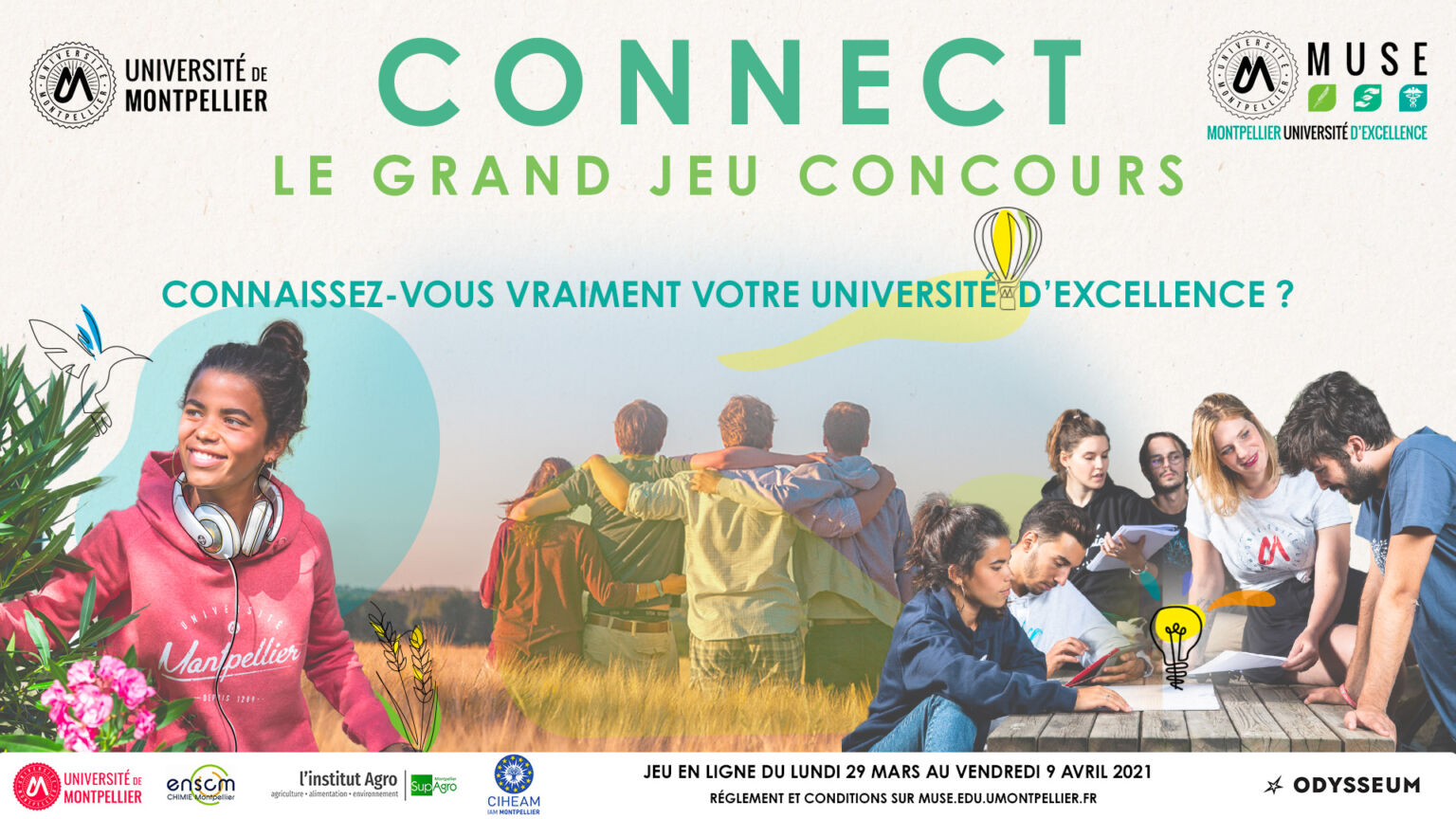
MUSE, Montpellier University of Excellence, is organizing a contest for students to test their knowledge of the university.

The CONNECT competition runs from March 29 to April 9, 2021, and is open only to students who are part of the MUSE consortium during the 2020-2021 academic year.

Students must answer 10 multiple-choice questions on MUSE topics.

After completing this questionnaire, students will have the chance to win one of 100 prizes:

  •  15 Odysseum shopping center gift cards worth€500
  • 20 gift cards worth €250 for the Odysseum shopping center
  • 40 Odysseum shopping center gift cards worth €100
  • 25 Montpellier University of Excellence sweatshirts

The draw will take place between April 26 and 30, 2021.


Good luck, everyone!