
Meditation & Health: 3 Benefits of Meditation for the Body
Stress and anxiety affect our cardiovascular system, which in turn leads to increased stress and anxiety. It’s a vicious cycle! However, non-pharmacological solutions do exist and are accessible to many people. Among them is meditation.
Meditation is known to have several positive effects on health.
Stimulates the brain
One of the unique aspects of mindfulness meditation is that it helps improve memory by enhancing attention. This involves thinking of the mind as a muscle. Just like any other muscle, to strengthen it, you need to train it daily through mindfulness meditation.
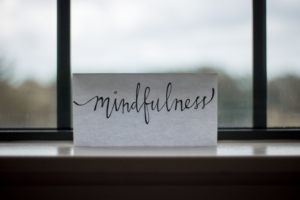
The latter helps keep your attention focused on a specific idea and prevents your mind from wandering too much.
Did you know?
Mindfulness meditation, or mindfulness, involves focusing on one’s sensations, breathing, emotions, and thoughts without making value judgments. It was developed by Jon Kabat-Zinn, a professor of medicine at the University of Massachusetts.
American studies led by neuroscientist Sara Lazar of Harvard Medical School have shown that meditation may increase gray matter in the areas of the brain associated with learning, memory, and emotional control.
This study also showed that meditation can be highly beneficial for people with attention disorders: it reduces hyperactivity and impulsivity, thereby improving attention.
Antidepressant
Among the other benefits of meditation, research has shown that it helps reduce stress and anxiety, and thus lowers the risk of depression. How does it work? You focus on your breathing by simply becoming aware of each inhalation and exhalation. These techniques are easily accessible to everyone, even children.
Did you know?
Professor Tu-Anh Tran, a faculty member at the School, has posted four guided meditations* on her YouTube channel so that children and their families can practice them throughout the day to find inner peace and focus on their work.
Episode 1:
Episode 2:
Episode 3:
Episode 4:
This method increases respiratory movement, allowing for better oxygen diffusion throughout the body—and particularly in the brain. Finally, mindfulness meditation improves the functioning of the prefrontal cortex, which is responsible for regulating emotions. It enhances intuition and creativity while reducing negative emotions such as stress, fear, and anger.
“Meditation balances the levels of activity in the two hemispheres of the brain. This balance fosters harmony between the body and the mind. Meditation is a valuable resource in an era that is generating more and more psychosomatic imbalances” – Marc de Smedt, French publisher, writer, and journalist, specializing in meditation techniques and world wisdom.
Immune Booster
Finally, meditation is also valued for its benefits as an “immunity booster.”
In fact, mindfulness meditation affects pro-inflammatory genes, allowing the body to recover more easily after a stressful or anxious situation.
The rest it provides is considered more effective and deeper than that achieved during sleep. The body produces fewer waste products thanks to increased oxygenation of the lungs, which in turn affects the hormonal, vascular, and muscular systems. This, in turn, leads to a boost in immunity and a regulation of pain sensitivity.
Did you know?
The Montpellier-Nîmes Faculty of Medicine offers a University Diploma (DU) in Meditation and Health.
Course Objectives: To understand the principles and benefits of meditation and learn how to apply it to improve the health of healthcare providers and patients.
Skills acquired
- Identifying What Meditation Is—and Isn't
- Understand the physiological mechanisms of meditation and their health benefits; identify possible applications of meditation in healthcare settings
- Continue or strengthen your own regular practice
- Implement a project that integrates meditation into your healthcare setting (for your patients or colleagues)
Studies using the“Mindfulness-Based Stress Reduction”(MBSR) protocol have shown positive effects on the reduction of pro-inflammatory genes, the immune response to the flu vaccine, immune signaling in people with cancer, and immune cell activity in patients with HIV.
Key Takeaways
During this unprecedented health crisis, it is important to find new ways to protect ourselves from the stress and anxiety caused by lockdown. Practicing meditation in a group—even remotely—can help break the feeling of social isolation and foster a sense of belonging.
Meditation
- Promotes concentration and improves memory
- Helps manage stress and anxiety
- May help the immune system develop
*These meditations are excerpted from her book *Méditasoins: Short Meditations for Children’s Major Ailments*, published by Thierry Souccar.
*Journal of Cognitive and Behavioral Therapy (2010) 20, 11–15 – Impact of the Mindfulness-Based Stress Reduction ( MBSR) therapeutic approach on mental health (stress, anxiety, depression) among students – C.Berghmans∗, C. Tarquinio, M. Kretsch

Tu-Anh Tran
Professor Tu-Anh TRAN is a pediatrician specializing in inflammatory and rheumatic diseases in children, and head of the pediatrics department at the Nîmes University Hospital. A meditation practitioner himself, he spearheaded the creation of one of France’s first university-level meditation programs, “Meditation and Health,” at the Montpellier-Nîmes School of Medicine. Professor Tran has been using meditation to treat his young patients for over 10 years.