Tag archive for: coronavirus

PASS students, you will be taking your exams starting tomorrow. In accordance with the latest health measures dated January 3, please take note of the following instructions related to the new isolation rules outlined below.


CASE 1 – PEOPLE WHO TESTED POSITIVE FOR COVID-19

A – Individuals with a complete vaccination schedule

  • Isolation:
    • for 7 full days (from the date the symptoms first appeared or the date the positive test was taken)
    • reduced to 5 days if:
      • Negative antigen or RT-PCR test
      • AND no clinical signs for 48 hours

B – Individuals with incomplete vaccination schedules or unvaccinated individuals

  • Isolation:
    • for 10 days
    • reduced to 7 days if the test is negative and there have been no clinical signs for 48 hours


CASE 2 – PEOPLE CASE CONTACT

A – Individuals with a complete vaccination schedule

  • No isolation BUT:
    • Antigen or PCR test as soon as the contact is known to be positive
      • If positive: ISOLATION
      • If negative: self-tests on day 2 and day 4 after last contact with a positive person
        • If self-test positive, perform TAG or RT-PCR and isolate

B – Individuals with incomplete vaccination schedules or unvaccinated individuals

  • Isolation for 7 days (from the date of last contact with a positive person) and negative TAG or RT-PCR on day 7.


WARNING

Anyone with potential symptoms is strongly advised to take an antigen or PCR test by tomorrowto ensure they are not positive for COVID-19.


Please take care of yourself and others.

Following government announcements, France is once again subject to strict restrictions to limit the spread of COVID-19 for the entire month of April 2021. These measures are impacting the normal functioning of the faculty. Please find the provisions relating to these new operating procedures below.

Exams:

  • The exams

    The national health sector diploma exams that were scheduled to be held in person will continue to be held in personin accordance with the exemption permitted by the new decree of April 2, 2021. This applies to the PASS exams on April 22 and 23 and on May 7, 10, and 11 for minor subjects. They will therefore take place on the scheduled dates and in person (in accordance with the exemptions authorized by the government). However, this does not apply to DU and DIU exams, which will be held remotely.

  • Mock exams

    The mock exams organized by the PASS tutoring program will now be conducted entirely online.

    • These exams will take place as scheduled on April 10 for PASS and April 28-29-30 for PACES.
    • The topics and forms will be available on Moodle at the times of the exams, in the same way as for tests during the year.
    • Flexible schedules are always available for people who have requested them from Handiversité.
    • Students must register using this form before April 7 for PASS and April 18 for PACES:https://forms.gle/waJMSQYD8BzN2d5o7


The lessons:

  • Organization

    Classes will continue to be held in accordance with the provisions that were in force until now, namely in-person attendance is possible for up to 20% of the faculty's total capacity. In classrooms, health regulations and protective measures must be applied (maximum 50% of classroom capacity).

  • Instructions

    Students should refer to the instructions from the academic services for their respective programs, which are regularly sent to them by email. Please find the directory of these services below.

Undergraduate and graduate education department:med-scol-1-2@umontpellier.fr

PASS/PACES Office:

PACES contact:paces-bureau@umontpellier.fr

PASS contact:pass-bureau@umontpellier.fr

Undergraduate Office (DFGSM):med-scol-dfgsm-mtp@umontpellier.fr

Graduate Studies Office (DFASM): med-scol-dfasm-mtp@umontpellier.fr

Cross-functional education office: 

Contact CESP: med-cesp@umontpellier.fr

Contact Passerelles:med-passerelles@umontpellier.fr

International Relations Contact:med-ri@umontpellier.fr

Office of Postgraduate Medical Studies:  medecine-theses@umontpellier.fr

FMC, CPD, DU, DIU Office: med-fmc-dpc@umontpellier.fr

How the university libraries work:

The libraries will continue to operate as usual. They will close at 6:45 p.m., before curfew.

  • Access

    Access to university libraries is limited to borrowing/returning documents and equipment and individual work on site. Accessto group study rooms is therefore temporarily suspended.

  • Reservations

    Access is by appointment only: users must therefore reserve a loan/return slot or a workstation, either via Affluences or by email, depending on the university library concerned.

    Reservation on Affluences for the UPM Medicine Library Reservation on Affluences for the Nîmes Medicine Library Reservation by email for the History of Medicine Library


Important Information

  • Written confirmation of the appointment (sent by email) is required to enter the library. This will serve as proof of your reason for traveling, along with your student ID andthe travel exemption certificate.
  • Each student who must travel to campus for one of the reasons mentioned above must bring a completedtravel certificate (reason 1) and their student card proving their status, in case of inspection.

"COVID-19: From the City to the Hospital" is the name of the upcoming webinar organized by the faculty teams in emergency medicine, general medicine, and infectious diseases, in response to the global COVID-19 pandemic. The event will take place on December 10. Find all the information you need in this article!


COVID-19: from the city to the hospital; a webinar organized by the Faculty for interns and doctors

On December 10, 2020, at 7:00 p.m., a webinar will be held for physicians and interns. TheThe main theme of the webinar will be the health crisis and COVID-19: from the city to the hospital.

Providing genuine university-level teaching, it will give participants access to the latest data on the epidemic, enabling them to understand how to manage COVID-19 in their daily practice. The webinar is presented and designed by the Faculty's emergency medicine, infectious disease, and general medicine lecturers.


Webinar program

Professor Michel Amouyal (University Department of General Medicine) will give the floor to Professors Le Moing and Sebbane, as well as Doctors Loubet and Makinson.


Each presentation will last 20 minutes, followed by 5 minutes of discussion on the topic addressed.


  • Epidemiological and clinical aspects

    Dr. Paul Loubet Infectious Diseases, Nîmes University Hospital (20 minutes)

  • Diagnosis and transmission

    Dr. Alain Makinson, Infectious and Tropical Diseases, Montpellier University Hospital (20 minutes)

  • Therapy and vaccination

     Prof. Vincent Le Moing, Infectious and Tropical Diseases, Montpellier University Hospital (25 minutes)

  • COVID pathway, hospital city: role of the SAMU and emergency services

     Prof. Mustapha SEBBANE, Department of Emergency Medicine (10 minutes)

  • Care in community medicine: summary

    Prof. Michel Amouyal, University Department of General Medicine (10 minutes)

  • Discussion

     (30 minutes)


Replay

This webinar is intended for practicing general practitioners and emergency physicians, as well as residents in these same specialties.

You can find the replay of this webinar below. Here is the secret code: *CtH?6kc


As of October 30, 2020, France is once again under general lockdown. This has impacted the Faculty's operations, but unlike during the last lockdown, it will not be closing its doors. Please find the provisions relating to these new operating procedures below.


Last update: 11/05/20 – 09:38

The Faculty is not closing its doors

Unlike during the first lockdown, the faculty will not close its doors.

Services will continue to be provided in person, and some counters will be open by appointment (please contact the relevant department to make an appointment).

Remote working has not affected the operation of our services, and all departments can be contacted by email (see directory below).

Sites in Montpellier


How the lessons work


  • EACH STUDENT AND STAFF MEMBER HAS A ZOOM ACCOUNT

    Every student and teacher at the Montpellier-Nîmes Faculty of Medicine has a Zoom license provided by the University of Montpellier. 

    To attend classes/meetings/tutoring sessions, simply create your Zoom account 💻 using your university email address: prenom.nom@umontpellier.fr for staff and faculty, or prenom.nom@etu.umontpellier.fr for students.

  • CMs GO REMOTE

    Lectures will be entirely online starting Monday, November 2. ECNi preparation lectures are also affected by this change. ⚠️ No students will be allowed to attend lectures in person at the faculty. ⚠️

    Classes will be held on ZOOM. The CM schedules will remain the same as those originally planned. A virtual room has been created for each lecture hall. Simply log in to the virtual room corresponding to the physical room originally scheduled. The addresses of the virtual rooms will be communicated to each class by email. 📧

  • EDS GO REMOTE

    Tutorials will be entirely online starting Monday, November 2. ⚠️ No students will be allowed to come to the faculty in person to attend a tutorial. ⚠️

    Classes will be held on ZOOM. The ED schedules will remain the same as those originally planned. A virtual room has been created for each ED room. Simply log in to the virtual room corresponding to the physical room originally scheduled. The addresses of the virtual rooms will be communicated to each class by email. 📧

  • TUTORING SESSIONS ARE NOW BEING CONDUCTED REMOTELY

    Tutoring sessions will be entirely online starting Monday, November 2. ⚠️ No students will be allowed to come to the faculty in person for tutoring sessions. ⚠️

    Sessions will be held on ZOOM. Tutors will communicate the details of their new sessions directly on their usual social media accounts. Follow them!

    • ATSM (Montpellier-ADV)
    • ATP (Montpellier – Flahault)
    • TSN (Nîmes)
  • SOME PRACTICAL WORKSHOPS ARE STILL BEING HELD IN PERSON

    Certain practical classes that are essential to student training will continue to be held in person on an exceptional basis. Non-essential practical classes will be postponed to a later date or canceled.

    The students concerned will be provided with a certificate of exceptional travel, which they must carry with them in case of inspection during their journey.

    ⚠️ Only students with this certificate will be allowed to enter the campus to attend their practical classes. ⚠️ Students affected by these practical classes will be notified by email. 📧

    Public transportation will operate in strict compliance with health requirements: masks must be worn 😷, hands must be washed regularly, social distancing measures must be observed, and capacity will be reduced to 50% of its initial capacity.


How the university libraries and study rooms work

BU: access by reservation

After a temporary closure to reorganize their reception conditions, the UM university libraries will reopen on Thursday, November 5, 2020, under certain conditions:

  • ⚠️ Access to university libraries is limited to borrowing/returning documents and equipment and individual work on site. Access to group study rooms is therefore temporarily suspended.
  • ⚠️ Access is by appointment only: users must therefore reserve a loan/return slot or a workstation, either via Affluences or by email, depending on the university library concerned.
Reservation on Affluences for the UPM Medicine Library Reservation on Affluences for the Nîmes Medicine Library Reservation by email for the History of Medicine Library

⚡ For reservations by email, please indicate the reason for your visit: borrowing/returning documents or working on site. Please note: written confirmation of your appointment (sent by email) is required to enter the library. This will serve as proof of your reason for visiting, along with your student card and the travel exemption certificate (available byclicking HERE).

⚠️ A quota of places for individual work on site is reserved for D4 students preparing for their ECNi exams and for PASS/PACES students. ⚠️

The lockdown has led to the suspension of extended opening hours in the evenings and at weekends. However, all services are available within the university libraries, in compliance with health measures and protective measures and equipment: access to documents, use of freely accessible computers, printing/photocopying/scanning, Wi-Fi, interlibrary loans, undifferentiated borrowing and returns, etc. Librarians are available to answer questions online: boomerang.biu-montpellier.fr


Workrooms

⚡ More information on how workrooms will operate during lockdown will be added to this article shortly.


How thesis defenses work

The thesis defense process will be impacted: only the candidate will be allowed to defend their thesis on site, in the presence of the jury, in the traditional Salle des Actes of the Historic Building. A personalized exemption certificate will be provided to the candidate.

📧 More information will be provided at a later date by email to the interns concerned.


How internships work

Semiology courses are suspended until further notice in Montpellier and Nîmes.

The DFASM1, 2, and 3 internships are continuing, and the hospital students involved are continuing their training in full within the hospital departments.

For all students who may come into contact with patients carrying SARS-CoV-2, it is important to note that strict adherence to protective measures during their internships is an effective guarantee of protection against the risk of infection.

The continuation of the health service is currently under discussion and approval by the Board of Education. More information will be available soon.

⚡ More information on how internships and health services will operate during lockdown will be added to this article shortly.


How the exams work

Exams scheduled to be held in person will go ahead as planned. Students will be provided with a personalized certificate authorizing them to travel. The conditions for organizing the exams will be communicated directly to the students concerned by email.

The interregional ECN exams (DFASM3) will still take place on November 20, 2020, and will be conducted remotely. The exam schedule and organizational details will be communicated by email.


We will keep you informed of updates to this article on our social media channels: Twitter, Facebook, Instagram. Follow us!


FacMedMtp-BH

Following a decision by the Prefect of Hérault, Heritage Days will not be held in public buildings. The Faculty and the Jardin des Plantes are affected by this cancellation. More information in this article.


Cancellation of Open House Days at the Faculty of Medicine and its Botanical Garden

Prefectural decree no. 2020.01.1066 prohibits the admission of the public to state-owned establishments during European Heritage Days 2020 due to the current health situation.

We therefore regret to announce the cancellation of the guided tours scheduled for Saturday, September 19, and Sunday, September 20. 

This cancellation applies to events scheduled to take place in the Historic Building of the Faculty of Medicine and in the Jardin des Plantes.

Download the Prefectural Order Download the Prefecture's press release


Suspension of the temporary exhibitions "Art and Anatomy" and "Corps à Coeur" on September 19

In consultation with the University Presidency, the Faculty Management has decided to also suspend the temporary exhibitions currently on display in the Historic Building over the weekend: "Art and Anatomy" at the Atger Museum and the "Corps à Coeur" exhibition in the Tekné Makré rooms.


These exhibitions will resume their usual opening hours on Monday, September 21.


A COVID-19 cluster has recently been identified within the Faculty. It currently affects second- and third-year medical students in Montpellier. Find all the measures relating to this cluster here.


Suspension of in-person classes for DFGSM2-3 and DFGSMa2-3 at the Montpellier site


Due to the current health situation and the very high number of students testing positive for COVID-19 in the DFGSM2 class at the Montpellier campus, the decision has been made to cancel ALL in-person classes for DFGSM2-3 & Ma2-3 at the Montpellier campus ( lectures, tutorials, and practicals) starting on Wednesday, September 16, 2020  throughWednesday, September 30,2020.

DFGSM2 classes will continue to be held in person at the Nîmes campus, where they will be recorded and then posted on Moodle so that students can access them.

This decision means that all DFGSM2-3 & DFGSMa2-3 students enrolled in Montpellier must stay at home and must not under any circumstances go to university premises (faculties, university library, Crous, etc.).
We are counting on everyone's cooperation to limit the spread of the virus.


At this time, internships are still going ahead., you are asked to respect protective measures, social distancing, and mask-wearing when traveling, to avoid contact with vulnerable loved ones, and to STRICTLY Strictly comply with the hygiene rules in force in hospital or private practice.
 

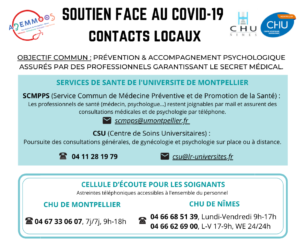
Any COVID contact must be reported to your school administration. Find the full procedure to follow in the event of suspected or confirmed COVID cases here.

Preventive measures, wearing masks, and distribution of masks


The Faculty management reminds everyone that masks must be worn in ALL university premises, both outdoors and indoors, including the library and study rooms. This is to protect everyone's health.

Aware of the cost that purchasing masks can represent, the University of Montpellier is currently organizing the distribution of two washable masks to each student in its community. The schools are currently organizing to distribute these masks as soon as possible.

Below you will find the complete procedure for confirmed and suspected cases of COVID-19: reporting, contacts to be made, recommendations. This procedure applies to all students of the faculty as well as all administrative and teaching staff.


Reminder of the principles to be applied


  • MASKS MUST BE WORN

    Masks must be worn by everyone at all times on university campuses, including university premises (and in the city). Hand washing with SHA is recommended, as well as maintaining sufficient distance between everyone as much as possible.We also ask you to maintain these rules in your daily life, as these precautions should not be limited to university premises.

  • WAITING TO TAKE A PCR TEST

    If you are waiting to take a PCR test (or waiting for the results), regardless of the reason for taking the test:

    • If you are a non-hospital student: you must not attend any classes or internships and must notify your academic department by email.
    • If you are a hospital student on an internship:you must immediately notify the Head of Department and/or the department manager of this situation, follow the procedure below entitled "CHU Info – COVID 19 hospital student."
    • If you are a member of faculty staff: you must report to your institution's COVID representative via the addressmedecine-covid19@umontpellier.fr.
  • YOU ARE A CONTACT PERSON AT RISK

    If you are a "contact person at risk," whetheryou are symptomatic or not,

    • Students: You must not attend any classes or internships for hospital students and must notify your academic department by email.
    • Hospital students: If you are a hospital student on an internship, you must immediately inform the head of department and/or the department manager of this situation and notify your academic department by email.
    • Staff: you must not go to work. Contact the COVID crisis unit for instructions: medecine-covid19@umontpellier.fr
  • YOUR PCR TEST IS POSITIVE

    If your PCR test is positive:

    • For all students (external or otherwise, during term time or internships): you must systematically notify the academic services corresponding to your year of study, at the site (Montpellier or Nîmes) to which you belong, by email and as soon as possible.
    • For students during the academic year: you must stay at home and follow the university procedure below entitled " Covid-19 Information from the University of Montpellier."
    • For hospital students currently on internship, you must notify the head of the department (department head and/or senior nurse) where you are assigned and send your sick note to the CHU Medical Affairs Department (damsco-etudiants-hospitaliers@chu-montpellier.fr). Please also follow the procedure below entitled " CHUInfo – COVID-19 hospital students . "  ."
    • For staff: you must report your situation to the COVID representative via email at medecine-covid19@umontpellier.fr and send your sick note to the Faculty's HR department.
COVID-19 Information - University of Montpellier COVID-19 Information - University Hospital Students


Definitions of the various possible situations


  • Confirmed case: Any individual, symptomatic or asymptomatic, with a positive RT-PCR test result confirming infection with SARS-CoV-2.
  • Possible case: Person showing clinical signs suggestive of COVID-19, who may or may not have had contact with a confirmed case in the 14 days prior to the onset of symptoms, and for whom an RT-PCR test has been prescribed by a physician.
  • Contacts at risk: A contact at risk is any person who has had direct contact with a confirmed casein one of the following situations without effective protective measures (surgical mask worn by the case or the contact, general public mask manufactured according to the AFNOR standard or equivalent worn by the case AND the contact, hygiaphone or other physical separation such as glass or plexiglass). This therefore concerns:
    • students or teachers in the same class or group,
    • anyone who has shared the same living space (home, etc.) as the confirmed or possible case, or who has had direct face-to-face contact with a confirmed case at a distance of less than 1 meter, regardless of the duration (e.g., conversation, meal, flirting, hugging, kissing). However, people encountered briefly in public spaces are not considered to be at risk of contact.
    • any person who has provided or received hygiene or care services,
    • anyone who has shared a confined space (office or meeting room, personal vehicle, etc.) for at least 15 minutes with a case, or who has been face-to-face with a case during several episodes of coughing or sneezing.

Processing of personal data


The processing of personal data is governed by the regulations currently in force, as specified on the ARS website:

The aim is to gain a detailed understanding of the spread of SARS-CoV-2 among students at the UFR so that, if necessary, teaching methods can be adapted and, as far as possible, infections can be prevented both during teaching periods and during internships. Ultimately, this system will help to protect you and your loved ones.

The Faculty management thanks you in advance for your indispensable participation in applying these principles and remains at your disposal for any further information.

Last week, we met with the Association Carabins Montpelliéraine to learn more about student life for medical students. Today, Salomé Duteurtre, the student Vice-Dean, answers our questions!

In a nutshell, what is ADEMMOOS?

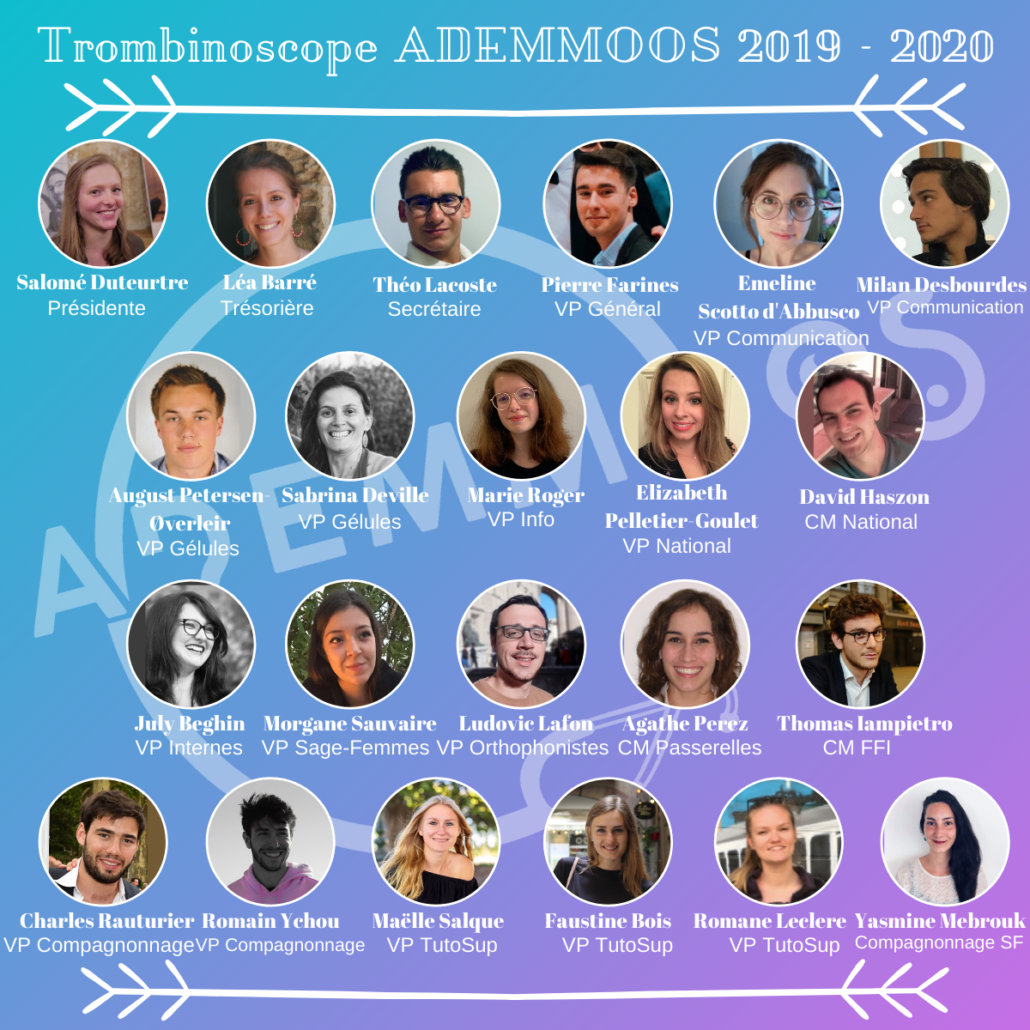
ADEMMOOS is the Association of Student Representatives of Montpellier-Nîmes in Medicine, Speech Therapy, Orthoptics, and Midwifery. It brings together nearly 40 elected student representatives from different fields of study. 

We work every day:

  • in Interprofessionality : all of the faculty's departments are represented;
  • in Intersite, through a collaboration between Montpellier and Nîmes residents;
  • for Represent all UFR students to the administration, the faculty, and the university hospital.

What activities or actions do you implement throughout the year? 

Above all, our year is punctuated by our student representation activities.

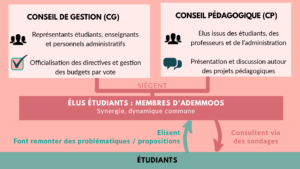
We are therefore represented on two major committees within the faculty:

  • The educational council facilitates consultation between the various stakeholders in the faculty (teachers, administrators, and students) regarding the courses offered by the UFR. In particular, it addresses the methods of knowledge assessment and the re-evaluation of teaching tools. 
  • The management board is the faculty's decision-making body, which votes on and revises internal regulations, the budget, agreements entered into by the faculty, and training projects.


Our goal is therefore to give students a voice, often through surveys, which allow us to carefully gather students' opinions and positions on various topics that arise during the academic year. 

On the other hand, we are also carrying out multiple projects to improve our training conditions. For example, several of our actions concern health promotion:

  • Improving student well-being in all its forms is one of our priorities. In the context of our challenging and demanding courses, some students may find themselves in difficulty: we try to support them and redirect them to resources that can help them.
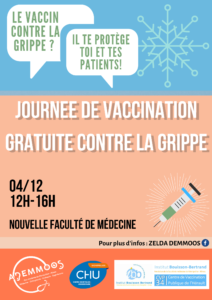
  • We are promoting flu vaccinations to encourage students, who are future healthcare professionals, to get vaccinated. In particular, we organized a vaccination day on campus. 

We also support initiatives aimed at promoting student life on campus. We attend Open Days and European Heritage Days to lead tours and engage with the public. But we also help to design living and working spaces.

We keep students informed about faculty news. For example, during the COVID crisis, we regularly updated them on the situation and changes to our courses.

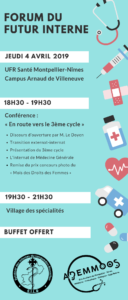
We support medical interns in choosing their specialties through the Future Intern Forum (FFI), which we organize in conjunction with the Languedoc Roussillon Interns Union.

Finally, we work with all of the faculty's student associations:

  • We support student-led support and educational projects: PACES tutoring, tutoring for upper-year medical and midwifery students, iECN preparation conferences, etc.
  • We participate in student representation at the local level (AGEM) and at the national level in our respective departmental associations.

What does the association offer students?

Our association promotes several things:

  • the support and representation of all students enrolled in the Montpellier-Nîmes Faculty of Medicine at the University of Montpellier;
  • promoting improving student living conditions (in terms of the quality of studies and educational offerings) within the UFR by establishing ongoing dialogue between students, their elected representatives, and associations from all disciplines belonging to the UFR;
  • the gathering of students from different departments of the UFR, in particular through the development of joint student initiatives, in order to overcome the divisions inherent in different courses of study and to encourage emulation by bringing together different skills.

Furthermore, no financial contribution is required from students. Simply by being enrolled at the university, students can benefit from all the activities offered by our association.

A few words about the 2020-2021 board?

Our association's board is made up of students, whether elected by their faculty or not, who are appointed for a one-year term from October to October to coordinate the team of student representatives.

Renewals for 2020-2021 will begin in the summer: please feel free to contact the current office if you are interested in any of the positions!

Please feel free to contact us with any questions you may have about student representation!


Physical activity is not just a way to lose weight. Sport has major benefits from a medical, social, and economic perspective. It boosts the immune system and promotes general well-being: walking, running, or gardening activate metabolic mechanisms, or biological reactions, in our bodies.

The benefits of exercise can be seen in physical appearance, but also in mental health:

Physical health

Fighting obesity and diabetes-related diseases

Sport does not, strictly speaking, prevent obesity or overweight. However, physical activity is regularly prescribed as a complement to appropriate treatment to help patients achieve their goals.

In general, exercise helps regulate weight with the aim of achieving a more toned figure. Muscles can produce certain hormones, called myokines, which have metabolic effects on several organs. As Cédric Moro (research director at Inserm at the Institute of Metabolic and Cardiovascular Diseases in Toulouse) explains, "In obese patients, muscles contain a small amount of fat. Exercise melts this fat away, allowing insulin to more effectively supply the muscles with sugar. This helps prevent the onset of type 2 diabetes." 

The positive effects of exercise on weight problems or diabetes are only beneficial if exercised correctly. There are recommendations that exist and must be followed for this to be effective with minimal side effects. 

Cardiovascular diseases

When it comes to cardiovascular disease, the risk factors are well known: smoking, stress, high blood pressure, etc. Regular physical activity improves and regulates the functioning of the heart, leading to a reduction in cardiovascular risks:

  • Potential 50% reduction in high blood pressure
  • Increase in good cholesterol levels
  • Regulation of blood sugar levels

We also know that below a certain VO2 max threshold, which is the maximum amount of oxygen the body consumes during intense exercise, a heart transplant is necessary. Thibaut Guiraud, a physiology researcher at I2MC, explains that "With exercise, we improve our physical capacity and can move out of the red zone, which is above 5 METs (equivalent to the ability to walk at 4-5 km/h for a few minutes)."

Regular physical activity makes the heart stronger and therefore prevents or slows down cardiovascular problems.


Cancer

It's no longer a secret that physical activity can be beneficial in the treatment of certain cancers.

Cancer is the leading cause of death ahead of cardiovascular disease: the number of cases has doubled over the last 30 years.

Exercising during treatment helps the body counteract certain negative effects of treatment, such as fatigue. Of course, this is provided that the exercise is moderate and adapted to the treatment. Béatrice Fervers, an oncologist at the Léon-Bérard Center, explains that "the sooner patients start exercising after their diagnosis, the better they are able to counteract the side effects."

Indeed, exercise changes body composition (decrease in visceral fat and maintenance or even improvement of muscle mass) as well as muscle strength. The possible consequences of regular physical activity on the mechanisms involved in tumor proliferation can be explained: the best-documented effects concern breast cancer and relate to glycemic regulation, increased insulin sensitivity, an anti-inflammatory effect, and hormonal regulation.

According to researchers at ISERM, physical activity may reduce the risk of recurrence in breast and colon cancer.

Mental health

As we saw in the article on meditation, physical activity contributes to better mental health.

Sport not only helps people with illnesses. Sport also promotes the well-being of those who practice it by reducing psychological risks.

Anti-stress

Physical activity can help reduce stress. Exercise triggers the body to produce hormones called endorphins, which are feel-good hormones. As a result, anxiety levels are reduced after physical activity. 

Dr. Martine Duclos, endocrinologist and head of the Sports Medicine Department at Gabriel-Montpied and Estaing University Hospitals (Clermont-Ferrand), explains that sport can replace the use of anxiolytics, for example: "In anxious or stressed individuals, regular physical activity provides the same benefits as anxiolytics, without the side effects and addiction; it also has a similar effect to antidepressants in individuals suffering from mild to moderate depression." Sport also induces the secretion of neurotransmitters involved in depression when they are deficient, particularly serotonin.

Beyond its calming effect, exercise also allows us to take a break from everyday life and forget the little worries that usually occupy our minds while we are exercising.

Sleep quality

From reducing stress to improving sleep, it's just one small step. 

Dr. Duclos says that "exercise has two positive effects: you'll have less trouble falling asleep, and athletes will wake up less often during the night."

This can be explained in particular by the regulation of blood pressure and the secretion of endorphins, which help you relax better. So, thanks to sport, you feel less stressed, which leads to physical fatigue rather than psychological fatigue.

In addition, practicing sports requires people to be more organized and therefore to regulate their biological rhythm (also known as circadian rhythm). This also means eating better for better performance. All these factors play an important role in sleep quality.

However, it is important not to exercise too late in the day, "because otherwise it will delay your bedtime," Martine Duclos points out.

The brain and depression

Finally, exercise causes the brain to release dopamine. Dopamine is a neurotransmitter involved in the reward mechanism.

Memory, cognition, mood: physical exercise optimizes mental performance and health.

Lisa Weinberg's team at the Georgia Institute of Technology (United States) conducted a study on students: memorizing 90 photos. The first group had to do leg exercises while the other group remained seated. Two days later, the students had to recognize as many images as possible from a set of 180: the trained group was able to recognize 60%, 10% more than the control group.

Researcher Martine Duclos observed a "positive correlation between their physical condition and the type of high school they attended (general, vocational, agricultural). According to Dr. Duclos, this can be explained by the fact that "muscle activity leads to the production of myokines, proteins which, through a complex mechanism, stimulate the brain to produce growth factors, neurotrophins, and more specifically BDNF (brain-derived neurotrophic factor). It promotes the creation of microvessels (angiogenesis) and the production of new neurons (neurogenesis)."

Sports at the university – ASMM Association (AS Médecine Montpellier)

This sports association consists of 3-4 members serving medical students who wish to engage in regular physical activity. With the aim of promoting sports, it provides them with sports fields and equipment and organizes university competitions.

Our projects:

  • Creation of a women's volleyball team;
  • Development of a rugby team combining medical and dental students;
  • Creation of a basketball team made up of medical, pharmacy, and dentistry students;
  • Organization of futsal, tennis, pétanque, and beach volleyball tournaments.

Office:

President: Mustapha MOUSTAFAOUI
Secretary: Maxime FOULQUIER
Treasurer: Youssef TRIGUI


Contact:


Institute of Biology
4 Boulevard Henri IV
34965 Montpellier Cedex 2

Instagram


Sources: 
https://lejournal.cnrs.fr/articles/le-sport-est-bon-pour-la-sante-cest-prouve
https://www.naturaforce.com/blog/2017/06/03/bienfaits-du-sport-sur-la-sante/
https://www.sciencesetavenir.fr/sante/bouger-ameliorer-le-cerveau_29226

Stress and anxiety have an impact on our cardiovascular system, which leads to increased stress and anxiety. It's a vicious cycle! However, there are non-medicinal solutions available to many people. Among them is meditation.

Meditation is known to have several positive effects on health.

Stimulates the brain

One of the unique features of mindfulness meditation is that it helps develop memory by promoting attention. It involves treating the mind like a muscle. So, like any other muscle, to develop it, you need to train it daily using mindfulness meditation.

The latter helps to keep your attention focused on a specific idea and avoid letting your mind wander too much.

Did you know?

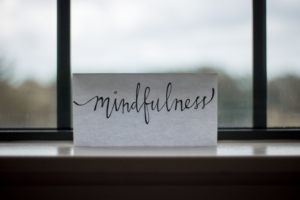
Mindfulness meditation, or mindfulness, involves focusing on your sensations, breathing, emotions, and thoughts without making any value judgments. It was developed by Jon Kabat-Zinn, a professor of medicine at the University of Massachusetts. 

American studies led by neuroscientist Sara Lazar of Harvard Medical School have shown that meditation can increase gray matter in areas of the brain associated with learning, memory, and emotional control.

This study also proved that meditation can be highly beneficial for people with attention disorders: it reduces hyperactivity and impulsivity, thereby improving attention.

Antidepressant 

Among the other benefits of meditation, research has shown that it can reduce stress and anxiety, and therefore the risk of depression. How does it work? You focus on your breathing by simply becoming aware of your inhalation and exhalation. These techniques are easily accessible to everyone, even children.

Did you know?

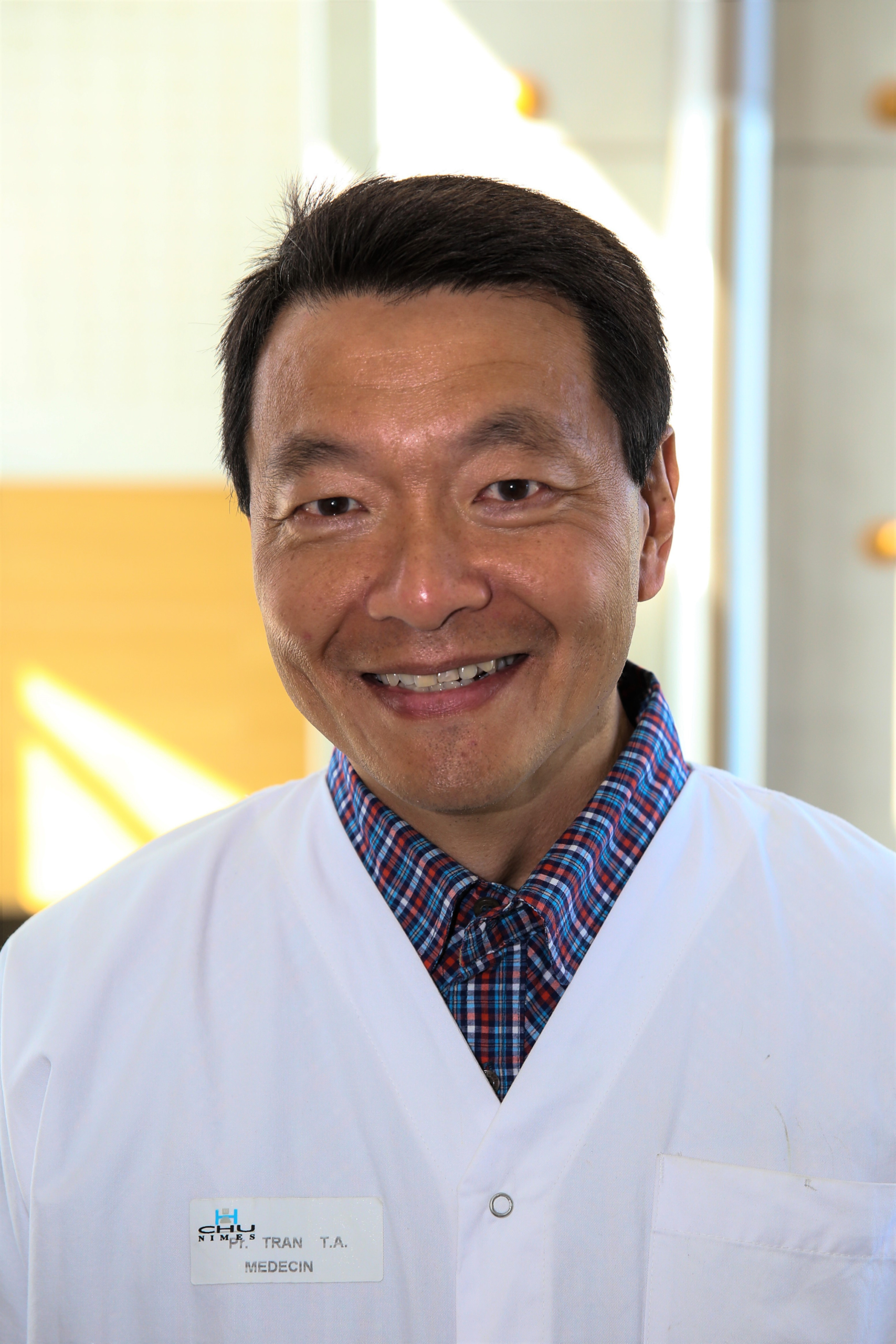
Professor Tu-Anh Tran, a faculty member, has posted four guided meditations* on his YouTube channel so that children and their families can practice throughout the day to find inner peace and focus on their work.

Episode 1:

Episode 2:


Episode 3:


Episode 4:


This method increases respiratory movement, allowing for better oxygen diffusion throughout the body, particularly in the brain. Finally, mindfulness meditation improves the functioning of the prefrontal cortex, which is responsible for managing emotions. It develops intuition and creativity while limiting negative emotions such as stress, fear, and anger.

"Meditation balances the levels of excitement in both hemispheres of the brain. This balance facilitates harmony between body and mind. Meditation is a valuable resource in an age that generates more and more psychosomatic imbalances" – Marc de Smedt, French publisher, writer, and journalist, specialist in meditation techniques and world wisdom.

Immunity booster

Finally, meditation is also beneficial as an immunity booster. 

Mindfulness meditation has an effect on pro-inflammatory genes, allowing the body to regenerate more easily after a stressful or anxious situation. 

The rest it provides is considered to be more effective and deeper than that achieved during sleep. The body produces less waste thanks to increased oxygenation of the lungs, which acts on the hormonal, vascular, and muscular systems. This leads to increased immunity and regulation of pain sensitivity.

Did you know?

The Montpellier-Nîmes Faculty of Medicine offers a University Diploma (DU) in Meditation and Health. 
Objectives of the course:
To learn about the principles and benefits of meditation and how to put it into practice to improve the health of caregivers and patients.
Skills acquired

  • Identify what meditation is/is not
  • Understanding the physiological mechanisms of meditation and their health benefits Identifying possible applications of meditation in healthcare settings
  • Continue or strengthen your own regular practice
  • Implement a project integrating meditation into your healthcare setting (for your patients or professional colleagues).

Studies using theMindfulness-Based Stress Reduction(MBSR) protocol have shown positive effects on reducing pro-inflammatory genes, the immune response to the flu vaccine, immune communication in people with cancer, and immune cell activity in HIV patients.

Key takeaways

During this unprecedented health crisis, it is important to find new ways to protect ourselves from the stress and anxiety caused by lockdown. Practicing meditation in a group, even remotely, can help break the feeling of social isolation and create a sense of belonging.

Meditation

  • Promotes attention and develops memory
  • Helps regulate stress and anxiety
  • Would help the immune system develop


*These meditations are taken from his book Méditasoins: petites méditations pour grands maux de l’enfant (Meditations: short meditations for children's serious ailments), published by Thierry Souccar.
*Journal of Behavioral and Cognitive Therapy (2010) 20, 11—15 – Impact of the mindfulness-based stress reduction ( MBSR) therapeutic approach on mental health (stress, anxiety, depression) in students – C.Berghmans∗, C. Tarquinio, M. Kretsch


The Healthcare Professional:

We would like to thank Professor Tran for his help in writing this article.

Tu-Anh Tran

Tu-Anh Tran

Professor, Head of Pediatrics Department, Nîmes University Hospital

Professor Tu-Anh TRAN is a pediatrician specializing in inflammatory and rheumatological diseases in children, and head of the pediatrics department at the Nîmes University Hospital. A practitioner of meditation himself, he was behind the creation of one of the first university degrees in meditation in France, at the Montpellier-Nîmes Faculty of Medicine: "Meditation and Health." Professor Tran has been using meditation to treat his young patients for over 10 years.