Tag archive for: students

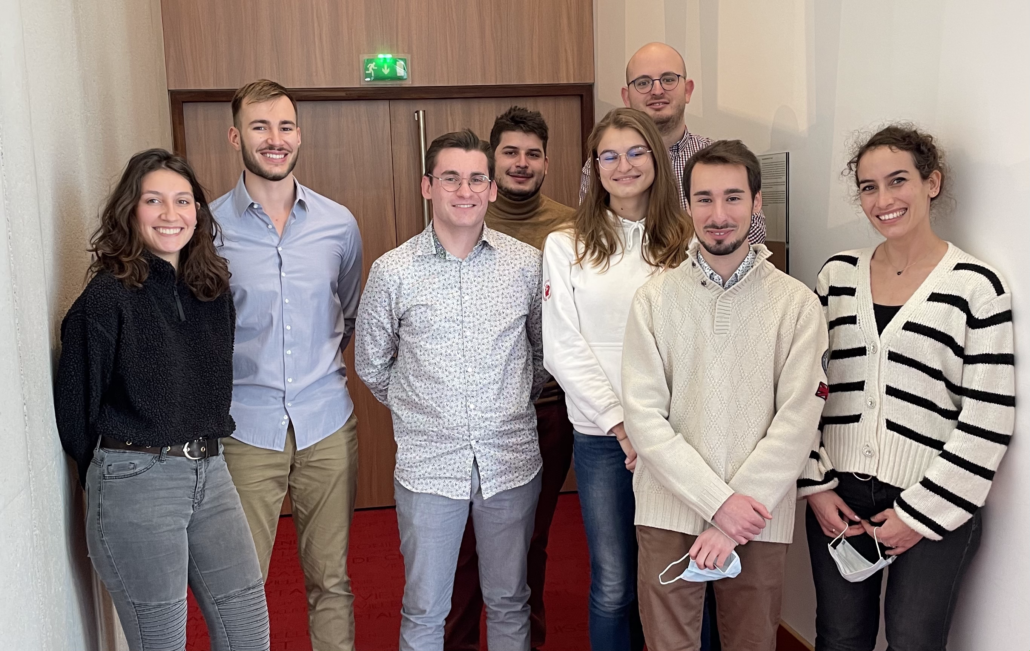
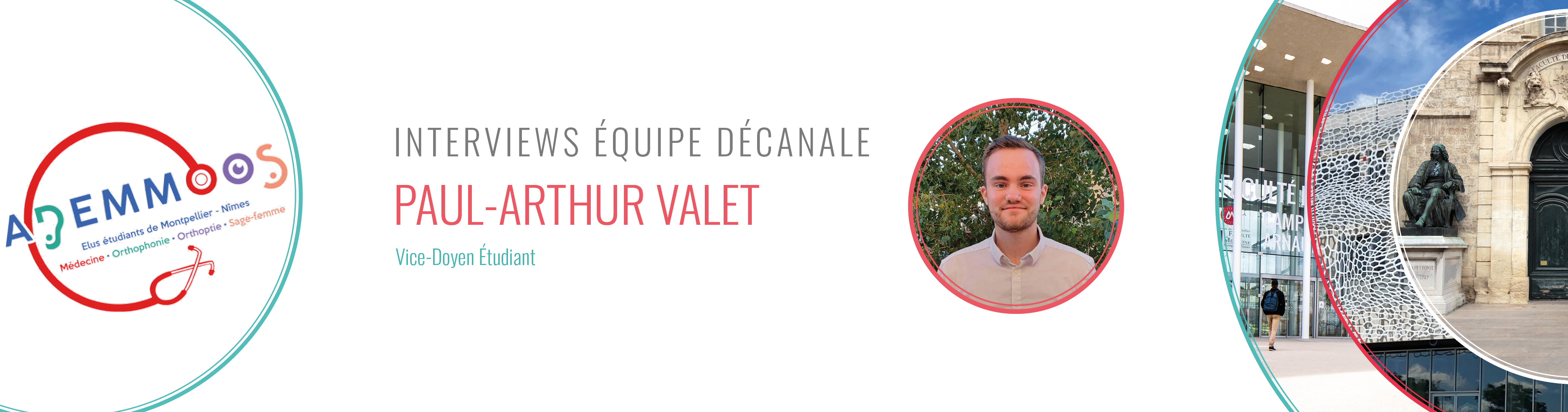
Every year, students elect a representative to speak for them on the Dean’s Office team. This year, Théo Lacoste, a fourth-year medical student at the ADV campus, was chosen to represent you. Learn a little more about him and Ademmoos’s initiatives in this interview! Profile.

Hi Theo, first of all, who are you? Can you introduce yourself?

My name is Théo Lacoste; I’m a fourth-year medical student at the ADV campus. I’m also a student representative on the Academic Council and president of Ademmoos (the student council for all programs). I’m planning to become a doctor, of course, but I don’t necessarily have a specific specialty in mind, other than perhaps something interdisciplinary like emergency medicine. But I’m open to other options—I think it’s important to complete internships in various fields to secure your future!

You are the president of Ademmoos: can you tell us what this organization does?

It’s important to note that our Faculty has multiple campuses and academic programs. Student representation on the various councils is therefore provided by elected student representatives. This is a significant undertaking. So in 2016, we decided to create this association to relieve elected student representatives of the administrative workload (particularly everything related to communication, infographics, etc.) but also to develop projects with other student associations. The goal is truly to bring together, unite, and coordinate the associations and, through them, the students.

The association’s members consist of students elected to various representative councils, but we also have non-elected members. They often contribute very interesting insights from a different perspective during our monthly meetings.

Can you give us some examples of projects coordinated by Ademmoos and other organizations?

Yes, for example, MAP (Montpellier Artistic Project), which is an arts-focused organization. Together with them, we organized an art therapy workshop led by a professional in the field for students, with the goal of helping them cope with academic stress. But the projects we lead or coordinate can also take place outside of our organizations. I’m thinking in particular of the“Dry January”challenge (see Instagram post below) that we recently ran in collaboration with the ICM, or“Smoke-Free Month.”


View this post on Instagram


A post shared by ADEMMOOS (@ademmoos)

In addition to being the president of Ademmoos, you are now the student vice-dean. Can you tell us more about your role in this position?

I have three main responsibilities: First, an academic role, which is very institutional in nature. I work closely with the dean’s office, particularly Dean Isabelle Laffont, as well as the teaching and administrative staff, to represent the students’ perspective. This involves regularly attending meetings, but also staying attuned to what’s happening among students and within the faculty environment. I act as a sort of “shuttle” to relay information up and down the chain. I pass this information on to the student representatives, who then share it with the various programs, campuses, and graduating classes.

The second task focuses on the Ademmoos association. I need to establish a “guiding principle” for our term’s policy. I’ll come back to this, but the idea is to distribute key issues among the association’s 40 students: some will handle reforms, others will focus on student well-being or coordination with other associations.

My third priority is really to maintain direct contact with the students. While class representatives may reach out to me for this purpose, that’s not enough—information can get lost along the way. So, I make it a point of honor to organize as many in-person meetings as possible with the different classes to discuss issues, “gauge the mood,” and gather feedback directly from students about their needs and feelings. This information is then useful to me in carrying out my primary academic role, allowing me to represent the students’ interests as accurately as possible.

What are the priorities of your term in office?

There are several priority areas. First, there is a somewhat more academic and administrative aspect, which mainly involves continuing the work of my predecessors: Salomé Duteurtre and Florian Mary. They both worked on what I callthe “Pedagogical Alliance.” That is, the collaborative shaping of our student experience, together with all stakeholders: faculty, students, and the Faculty’s administrative staff.
It seems simple from the outside, but it’s actually quite complex, because we have to reconcile everyone’s views; ultimately, we have to find common ground despite our differences! Nevertheless, this is achieved through everyone’s goodwill and mutual understanding. We must work together and view the issues to be resolved through each person’s perspective, so that the solutions we adopt benefit everyone. This duty to live together is truly essential, and we regularly emphasize this to the entire team—most recently to the newly elected student representatives on the Administrative Council and the Academic Council.

Then there are all the discussions surrounding student well-being. This is a relatively new issue—one that wasn’t talked about much a few years ago and that has been brought to light by the health crisis. Today more than ever, this topic has become our top priority.

But we can’t take action without understanding the full scope of the issue! So we set our first goal to gather students’ opinions and experiences through surveys. We were able to collect over 1,000 responses to our first questionnaire on mental health, which was distributed over the winter— and I’d like to take this opportunity to thank everyone who responded! The results of this survey are currently being analyzed. Additionally, a few weeks ago we began distributing a new survey regarding gender-based and sexual violence that students may experience at the university, at parties, or at their workplace or internship, in order to define the scope of the problem and thus identify corrective actions to limit such incidents or even impose sanctions where necessary.

In practice, do you implement measures to promote student well-being?

Yes, from a practical standpoint, we launched a wellness initiative this year with two project coordinators who are medical students (Ulysse Godin and Maribelle Dossou-Yovo). Their role is to organize awareness-raising events. For example, there was a conference on addiction with Prof. Hélène Donnadieu-Rigole, No Smoking Month, Dry January… In March, we’ll have a conference on psychosocial risks and “workaholism.” These events are quite popular with students.
There are also other practical initiatives beyond the “well-being” theme, such as the Intern Forum, led by former Associate Dean Florian Mary, which aims to connect fifth- and sixth-year students with interns so they can share their experiences.
What motivated you to take on this role as an elected official and Vice Dean?

My motivation grew out of my previous involvement, both with Ademmoos and with the ANEMF (National Association of Medical Students in France), because last year I was deeply engaged in issues surrounding the R2C (reform of the second cycle of medical studies) at the national level. This made me want to get even more involved at the local level, addressing the issues we face on a daily basis.

Of course, my conversations with my predecessors also had a strong influence on me. Everything fell into place very naturally after that, as my desire to help the incoming classes guided my decisions. I wanted to see my studies from a different perspective.

That said, yes, it’s very time-consuming. It can sometimes be a bit tough to juggle everything! So it’s important to surround yourself with the right people and know how to delegate. In that regard, I’d especially like to thank Florent Benoist, who is Ademmoos’s General VP and a member of the Pedagogical Council; he really helps me out a lot and enables me to stay organized.

How is someone elected as Vice Dean?

The Vice Dean is nominated by the student representatives on the Management Council. He or she is often part of the list of elected students. The Council then votes in favor of or against the nominated student. This nomination is subject to prior internal discussions within Ademmoos. Once elected, the Vice Dean serves a two-year term, but we often resign after one year to focus on our studies.

Thank you very much for this conversation: do you have any final thoughts?

Yes, regarding one of the priorities of my term: well-being. I’d like to convey the following message: it’s okay not to be doing well. Health students come from a highly selective system where you always have to be the best. Culturally, it’s therefore difficult for us to say when things aren’t going well; we tend to hide our weaknesses. However, it’s not unusual to feel down! There are support resources available on the Faculty’s website. We need to break the silence surrounding this taboo and take advantage of the resources developed jointly by students and the faculty to feel better. Alone we go faster, but together we go further!

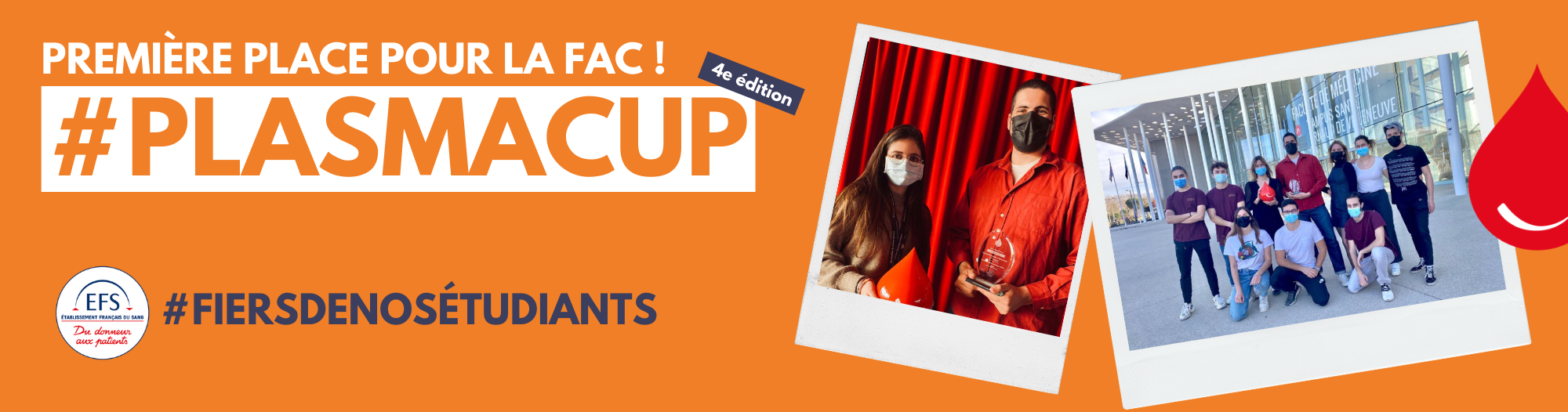
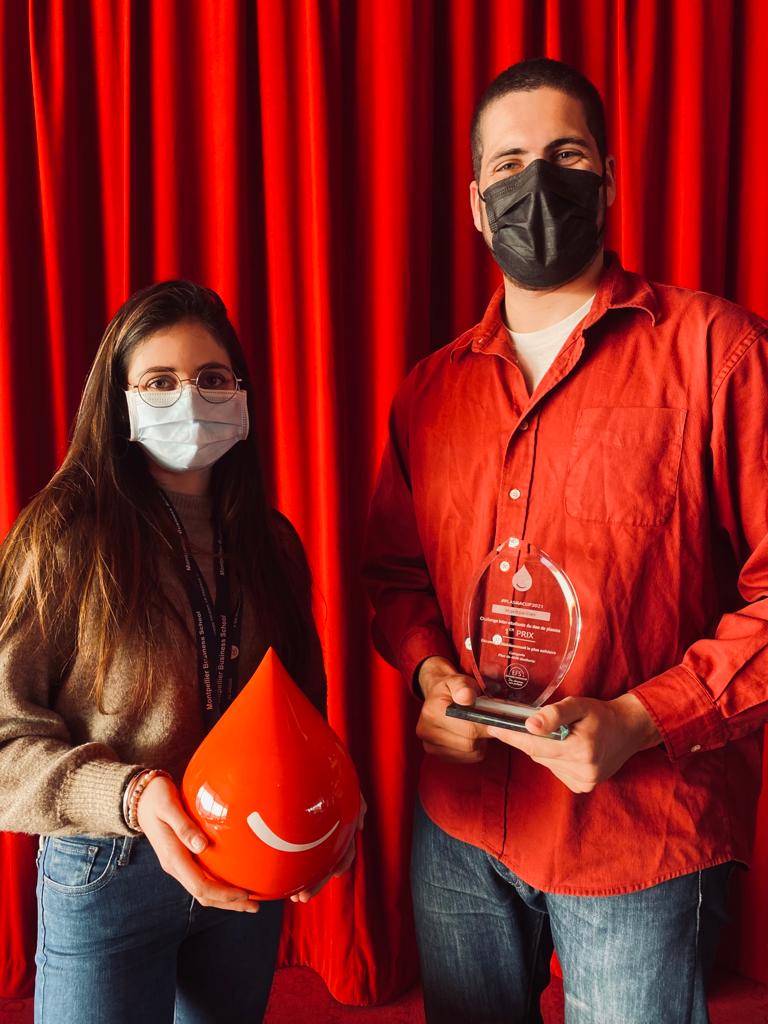
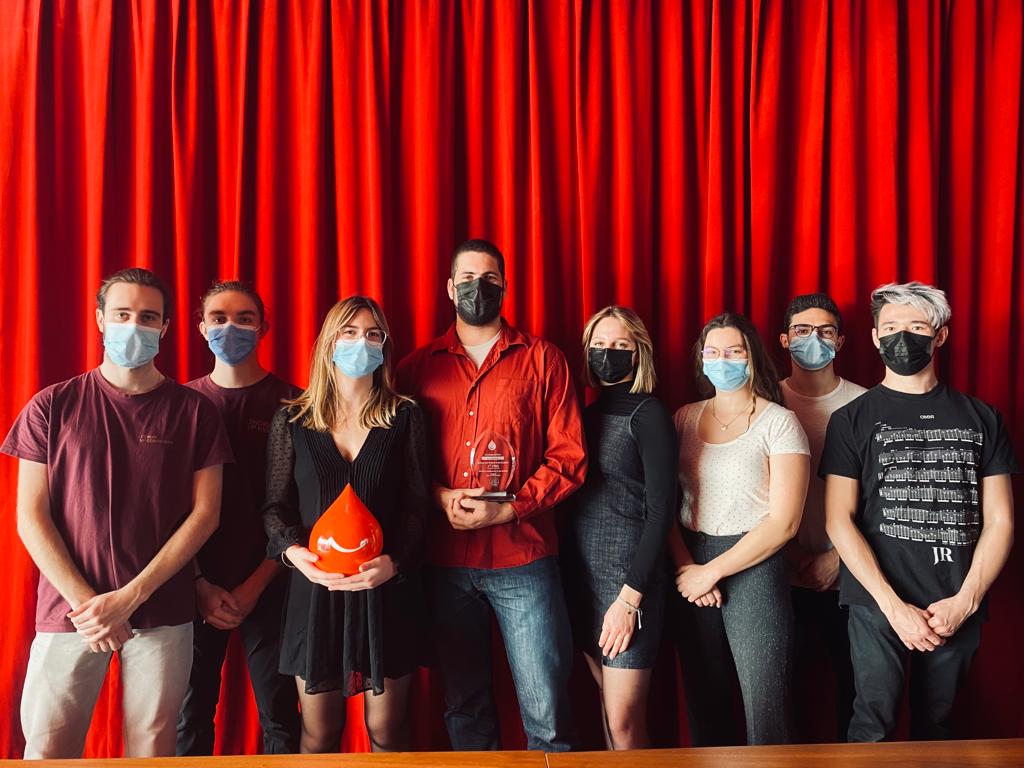
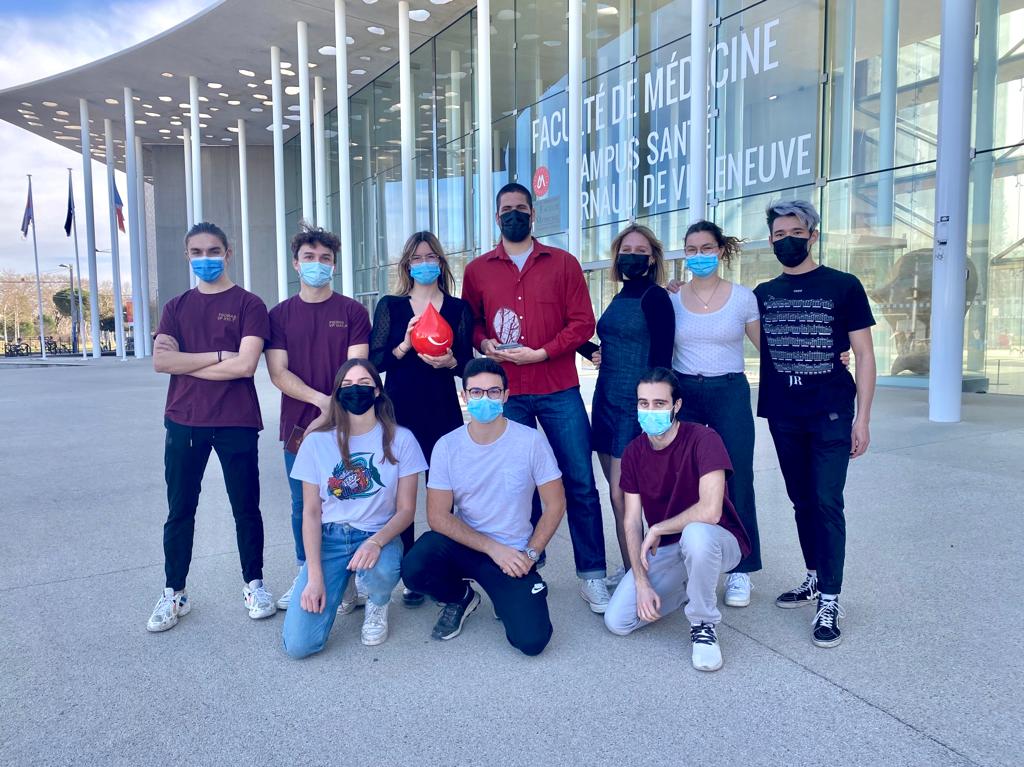
After finishing in second place in 2017, our students are back in full force this year and took first place in the PlasmaCup, an intercollegiate challenge organized by the EFS to raise awareness about the importance of plasma donation. Here’s a look back at the challenge and the experience of our student coordinators for the Faculty of Medicine—Esteban, Pauline, and Carlota, members of the ACM association.


The PlasmaCup, an inter-school competition

Every year, the PlasmaCup is organized by the EFS (French Blood Establishment) in several university towns across France. What is the goal of this challenge? To raise awareness among as many students as possible about the importance of plasma donation.

In Montpellier, the Maison du Don is the place to go. Located in the Euromédecine neighborhood and accessible by tram (Line 1), the Maison du Don welcomes donors of blood, plasma, and platelets.

As part of the PlasmaCup, a box was set up so that each student donor could indicate their home institution. Each donation earned the institution 1 point.


The School of Medicine, winner in the Grandes Écoles category!

With a total of 17 donations, the Faculty of Medicine has taken the top spot in the “Grandes Écoles” category. This ranking is a source of great pride for Esteban, Pauline, and Carlota, who serve as President and Vice Presidents of the ACM’s ISS (Health and Social Innovation)division, respectively. “The EFS Solidarity Trophy will join the 2017 one in the student union office!” says Esteban. In fact, the ACM had previously coordinated the Faculty of Medicine’s participation as well. That year, we took second place.

To reward our students, Emilie Moral, the EFS’s promotions coordinator, presented the trophy to Esteban on Friday, February 4, along with tickets to an escape room, tickets to the MHR vs. Stade Français rugby match, and other goodies. “The prizes will be redistributed to the donors,” insists Carlota.


Plasma Donation: One Hour to Save Lives—A Painless and Informative Experience for Healthcare Students

Esteban and Carlota wanted to share their experience with us. ““After confirming my participation in the PlasmaCup by placing my ballot in the box, I met with the EFS doctor to verify that I was eligible to donate plasma. Then, for about 45 minutes, I went through the donation process, which is essentially like donating blood, except for the machine that separates the blood from the plasma,” explains Carlota.

“As a healthcare student, I found the process really interesting. Compared to a typical blood donation, you spend much more time interacting with the healthcare professionals overseeing the donation, and it’s a great opportunity to talk with them. The equipment used is also impressive. It really helps tie things back to what we’re learning in class,” says Esteban.

When asked if the donation was tiring, Carlota is quick to reassure: “Not at all! Unlike blood donation, the red blood cells are transfused back into us. There’s no anemia, so there’s no fatigue.”


PlasmaCup 2022: The Faculty will be out in full force!

With all this in mind, there’s no reason to be afraid of donating plasma! Emilie Moral tells us that the PlasmaCup will return in the fall of 2022.

“The ACM will be back again!” says Esteban. But that’s not all: The Plasma Cup is open to all members of the university community. So we’re counting on our students, as well as faculty and staff, to contribute to the 2022 challenge! Stay tuned for more updates 🙂


Focus: Where and how can you donate blood, plasma, or platelets in Montpellier?

In addition to the blood drives organized on our campuses by student associations (in Montpellier by the ACM in October, February, and April), you can donate blood, plasma, or platelets at the Maison du Don in Montpellier: 

  • Address : Parc Euromédecine, 392 Av. du Professeur Jean Louis Viala (Parc Euromédecine)
  • Directions : Tram 1 (Euromédecine)
  • Hours :
    • Monday / Thursday: 11:00 a.m. – 6:30 p.m.
    • Tuesday / Wednesday / Friday: 8:30 AM–4:30 PM
    • First and third Saturday of the month: 8:30 a.m. – 4:30 p.m.


The period from November to December 2021 will feature three types of elections: university-wide elections to select staff and student representatives for the central councils of the University of Montpellier EPE (Experimental Public Institution), and faculty-level elections to select student representatives for the Faculty Management Council and the Faculty Academic Council. In this article, you will find the schedule for these elections and the various procedures for candidacy and voting.


Election Schedule

  • November 23–24, 2021

    Election of staff and student representatives to the central councils of the University of Montpellier (EPE)

    • Staff members (teachers and administrative staff) will vote in person at the polling station on November 23, 2021
    • Users (students) will vote electronically on November 23 and 24, 2021
  • Election of student representatives to the UFR "Management" Council

    • Online voting on November 30 and December 1, 2021

    November 30 and December 1, 2021

  • December 1, 2021

    Election of Student Representatives to the Faculty of Medicine’s Academic Council

    • In-person voting at polling stations on December 1, 2021


Information regarding the UM EPE election – November 23–24, 2021

Download all documents related to this election below:


Information Regarding the Election for the Management Board – November 30 and December 1, 2021

Download all documents related to this election below:


Information Regarding the Election for the Educational Council – December 1, 2021

Download all documents related to this election below:

In September 2020, the Ministry of Solidarity and Health published a report titled “The First 1,000 Days.” This report served as a working document for second-year midwifery students at our faculty.

A report as a cornerstone

This report, commissioned by Olivier Véran, Minister of Solidarity and Health, is the result of work by several researchers specializing in early childhood: child psychiatrists, psychoanalysts, educators, doctors, and others. It highlights the importance of a child’s first 1,000 days of life.

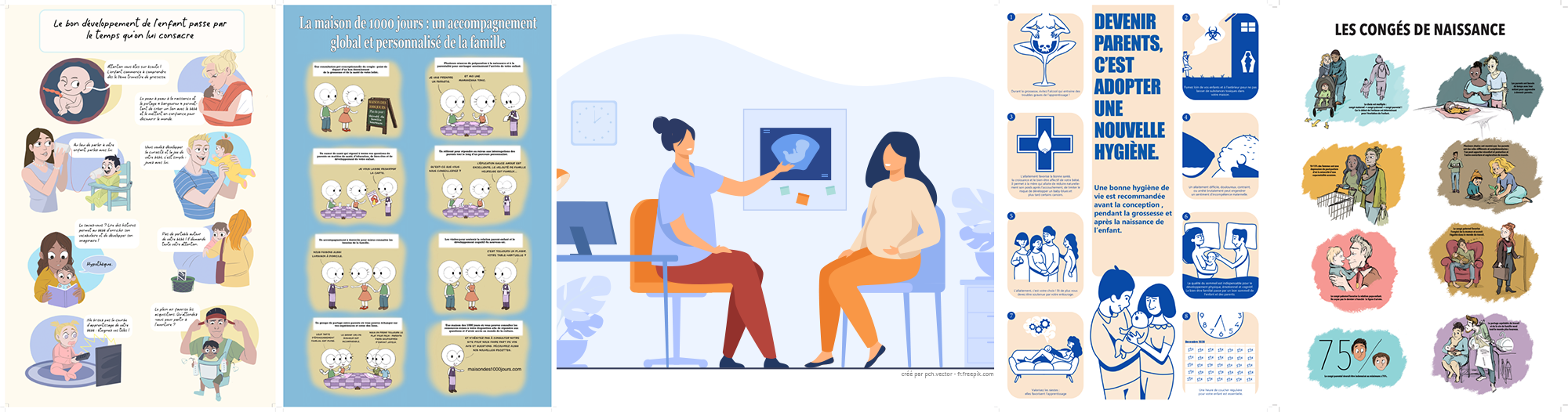
Since reports of this kind can be lengthy and difficult for families or professionals in the field to understand, the task assigned to the second-year students in the Maieutics program was to simplify the information contained in this report. To this end, their project involved crafting clear, accessible messages and presenting them on a poster for wide distribution.

Studies that are increasingly relevant to current events

Studies in midwifery are closely tied to current events. In fact, as soon as a new law regarding children or parenting goes into effect, midwives must adapt.

For these reasons, students in the Maïeutique program take courses in the humanities and social sciences as part of their curriculum. These courses help them understand current events in this field and explore the diverse cultures and family situations that our future healthcare professionals may encounter. The goal is to enable them to adapt to each patient’s needs and provide the best possible care.

Another goal of this course is to help them realize that they can play an active role in society, particularly by making the information they have available to as many people as possible—which is precisely the aim of the project they have been entrusted with.


The Science Outreach Project

The assignment given to the students was to translate scientific knowledge into clear messages for a socially and culturally diverse audience, while taking into account the many different forms of family. The course instructor, Kristina t’Felt, who holds a Ph.D. in sociology, divided the class into four groups. Each group was assigned a different topic:

  • Group 1

     Interactions between children and parents (Part I A of the report).

  • Group 2

    Lifestyle and Child Development (Part I B of the Report)

  • Group 3

    The “1,000-Day Journey”: Personalized Parent-Child Support (Part II of the Report)

  • Group 4

    Maternity leave (Part IV A of the report)

Graphic design

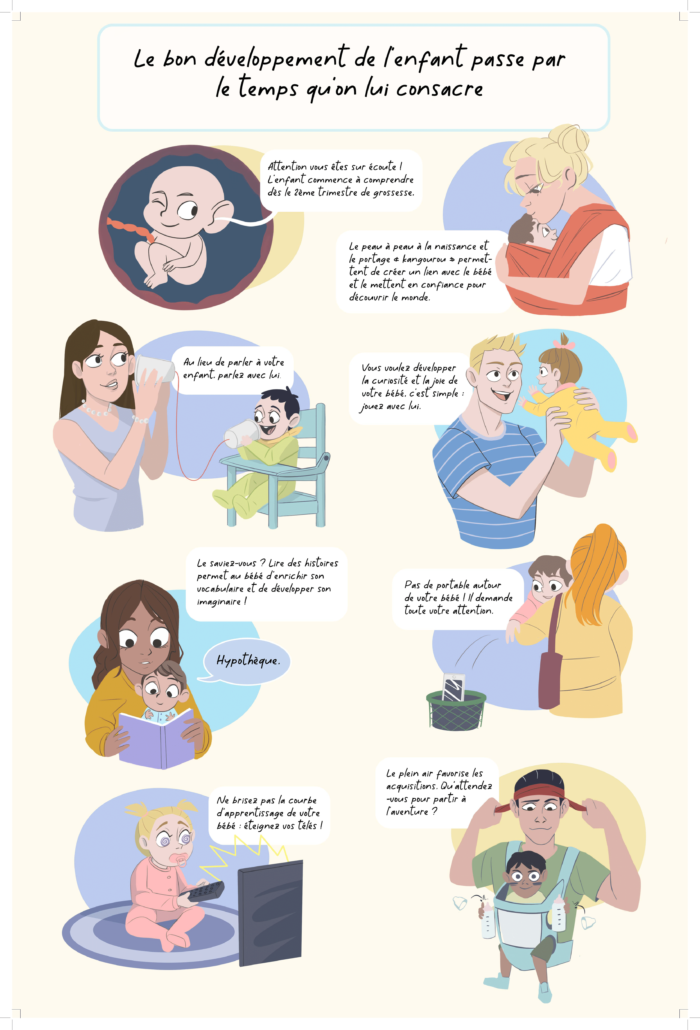
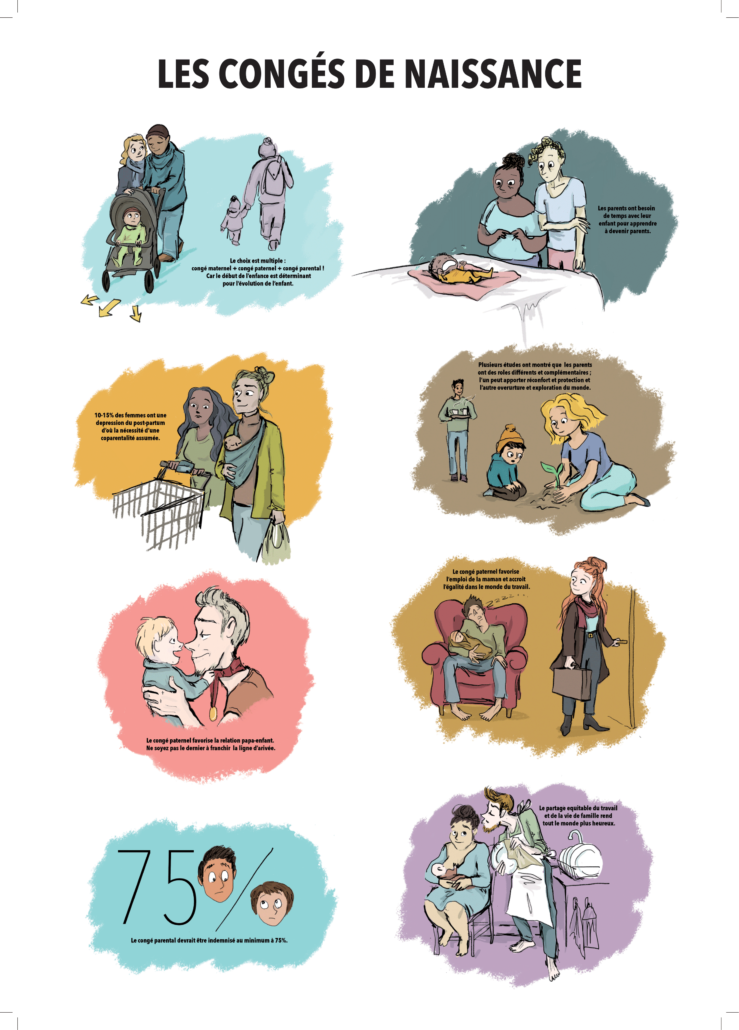
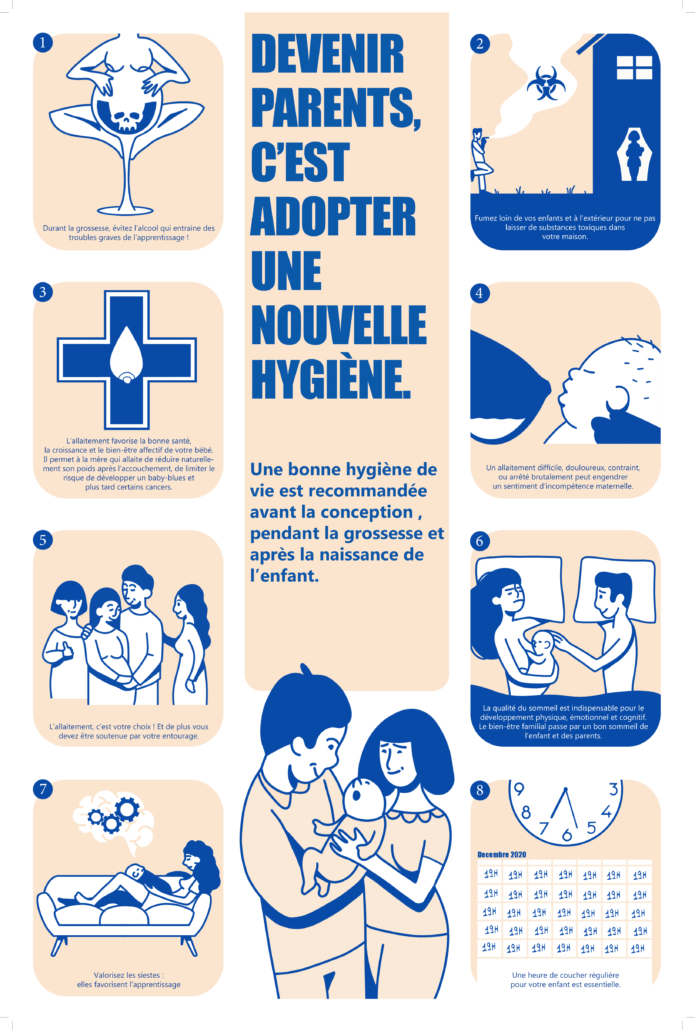
As part of this project, four posters were created in partnership with students from the Montpellier Private Institute of Higher Education in Applied Arts (IPESAA). These posters will be distributed by students in the Maieutics program. Here they are:


Image credits: 

Parent-Child Interactions – Illustration: Blandin CHAUVET – IPESAA School, Concept Art Illustration Department

Maternity Leave – Illustration: Yona TANGHE – IPESAA School, Illustration and Concept Art Department

The 1,000-Day Journey – Illustration: Raphaël SUKY – IPESAA School, Illustration and Concept Art Department

Lifestyle – Illustration: Julien LAWRENCE – IPESAA School, Illustration and Concept Art Department

A long-term initiative

Given its success among students and its educational value, this project will be repeated for third-year Maieutics students in Nîmes.

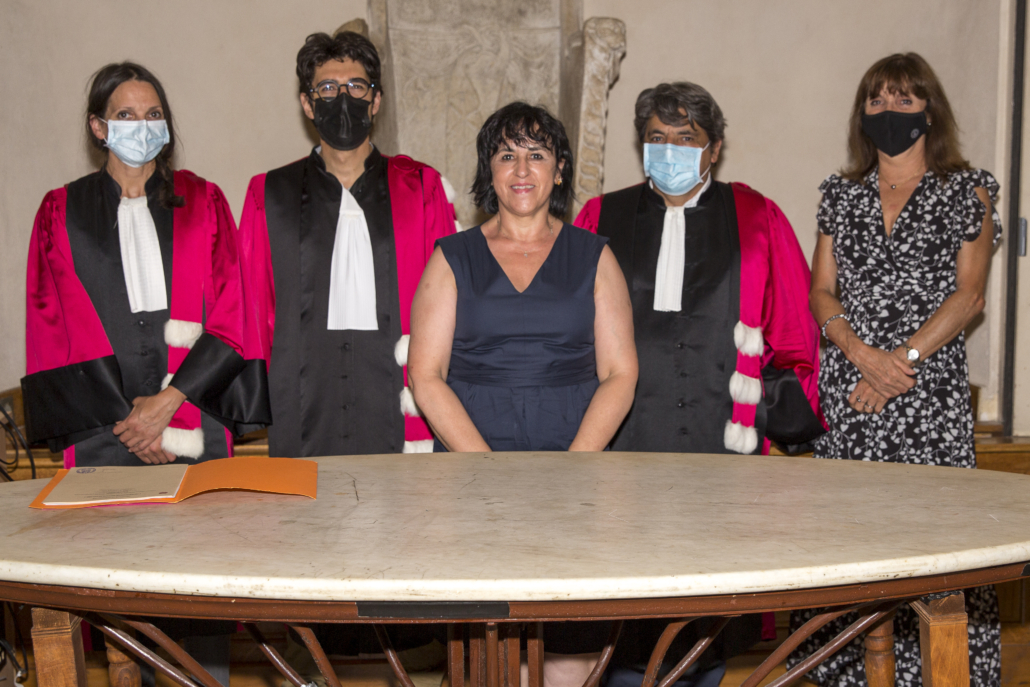
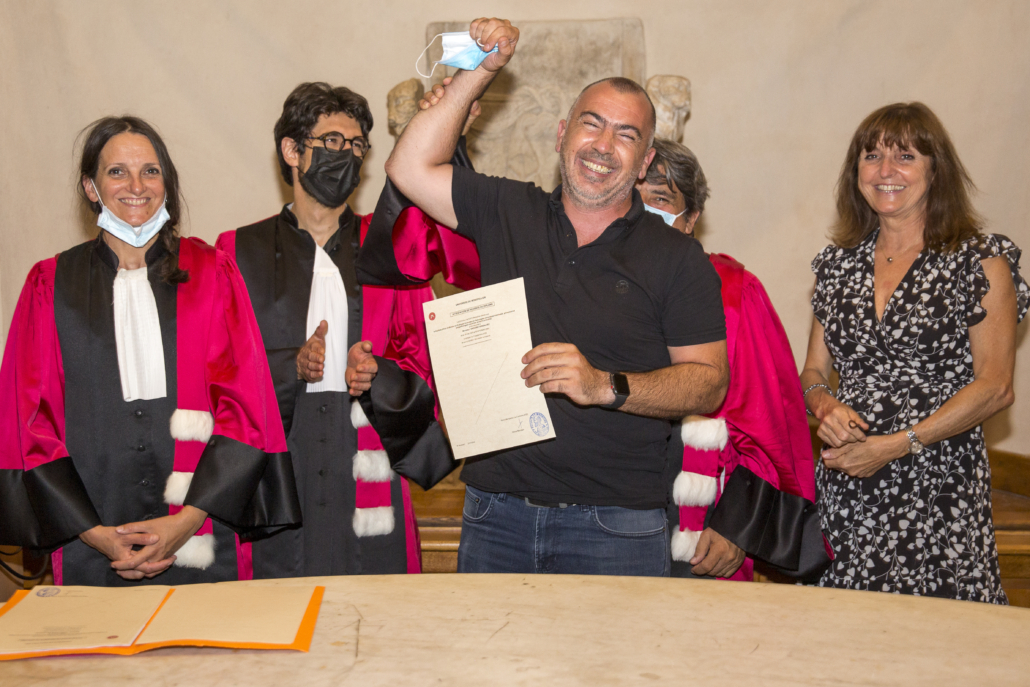
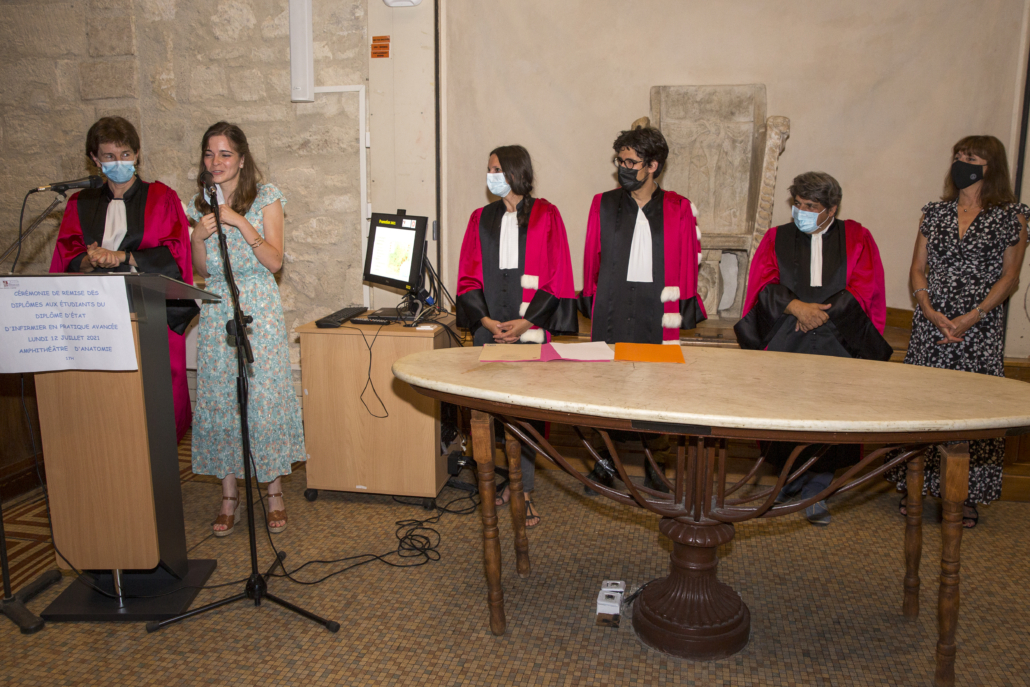
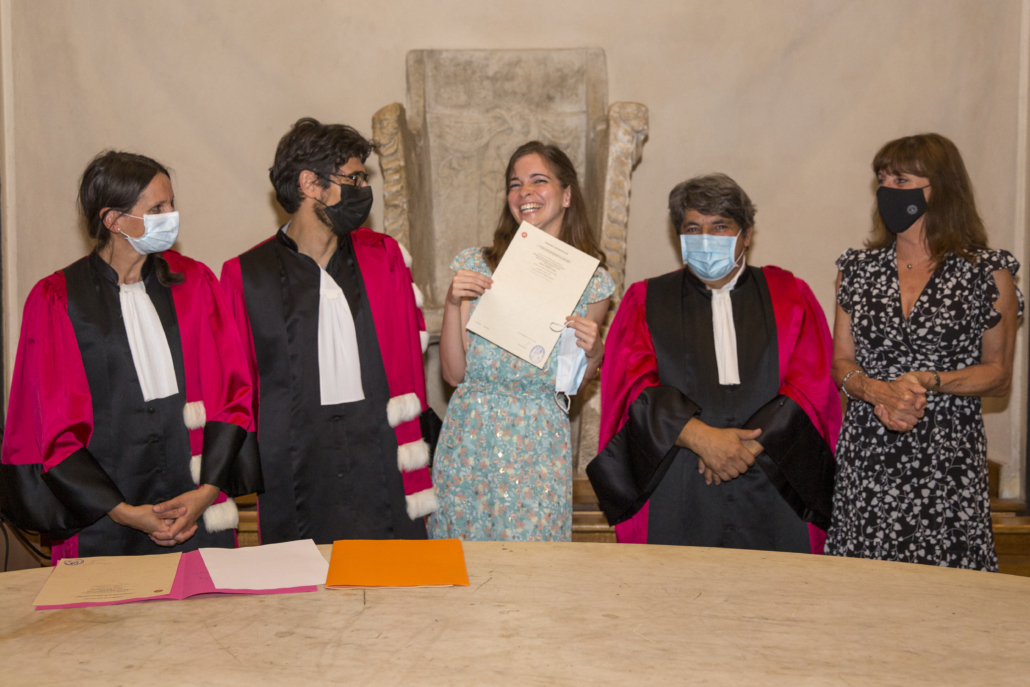
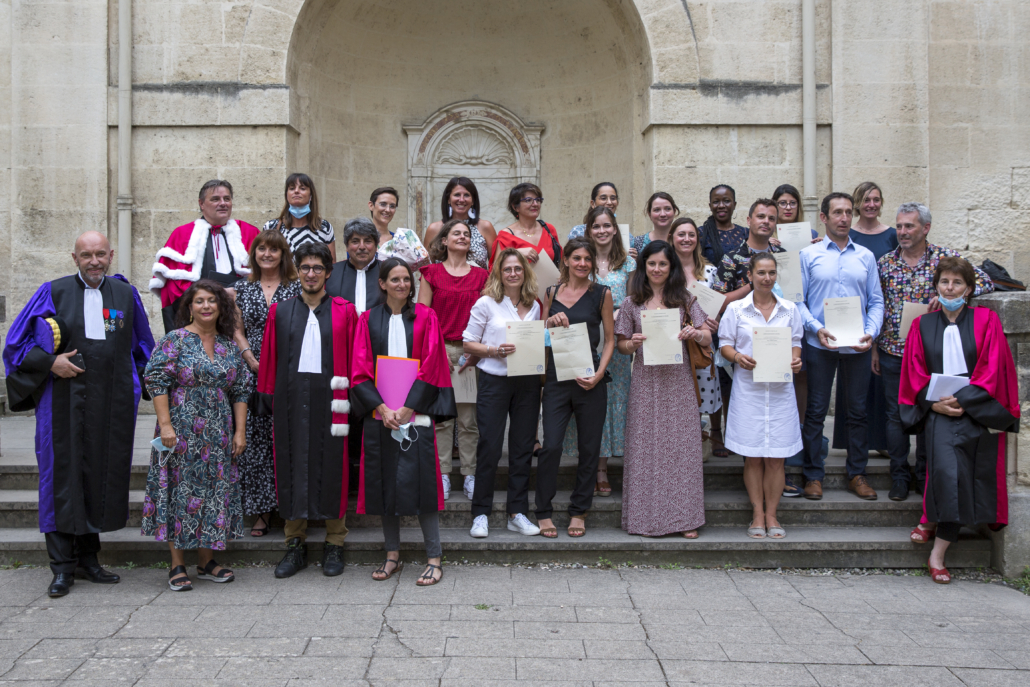
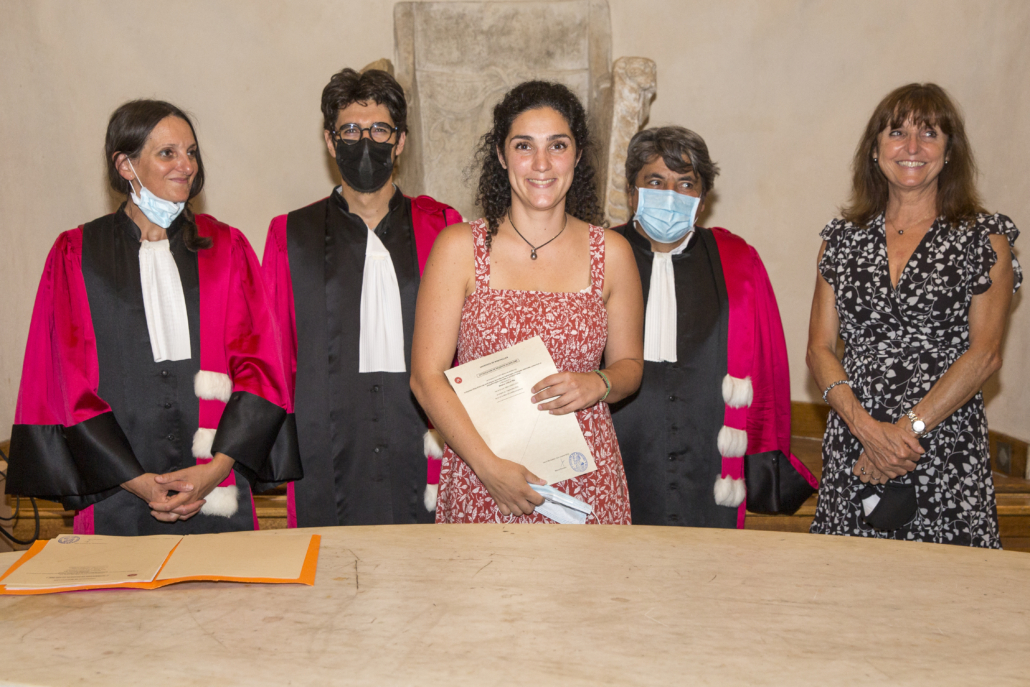
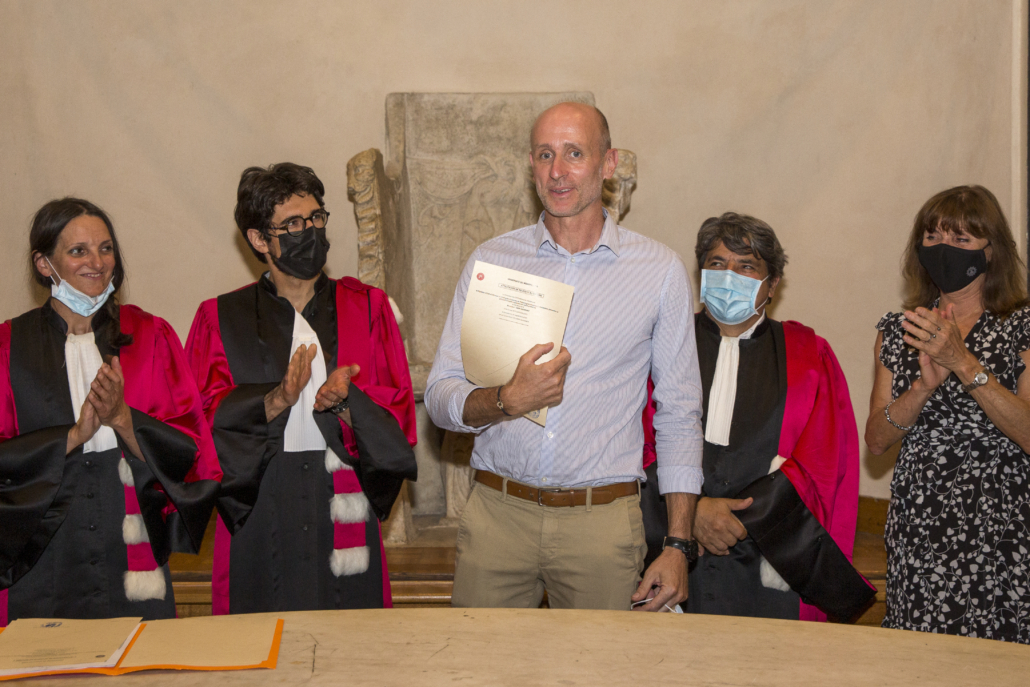
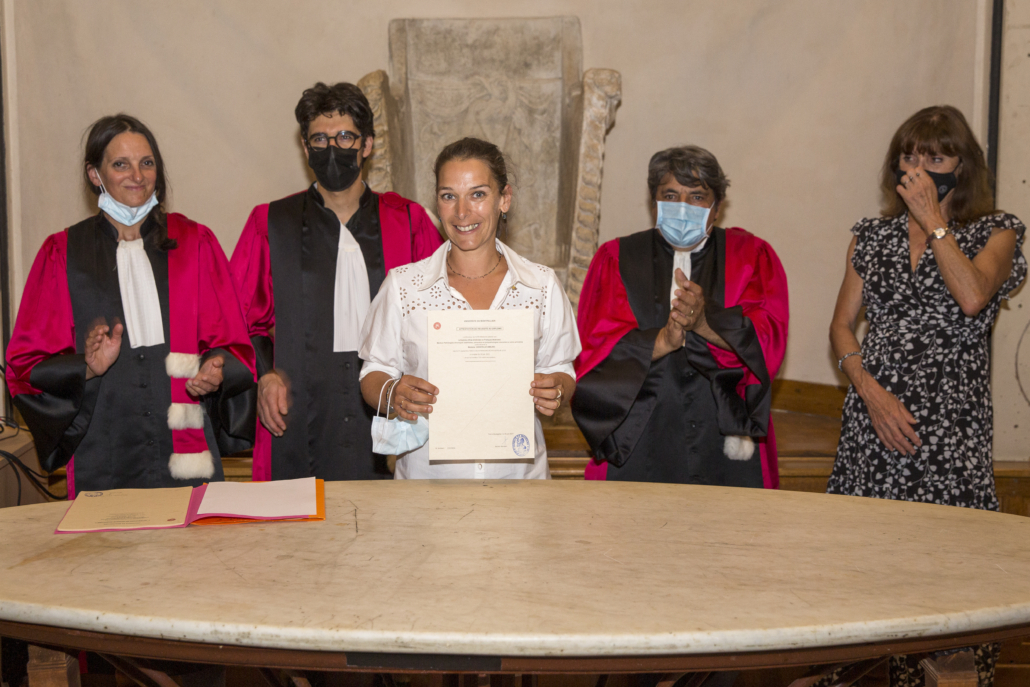
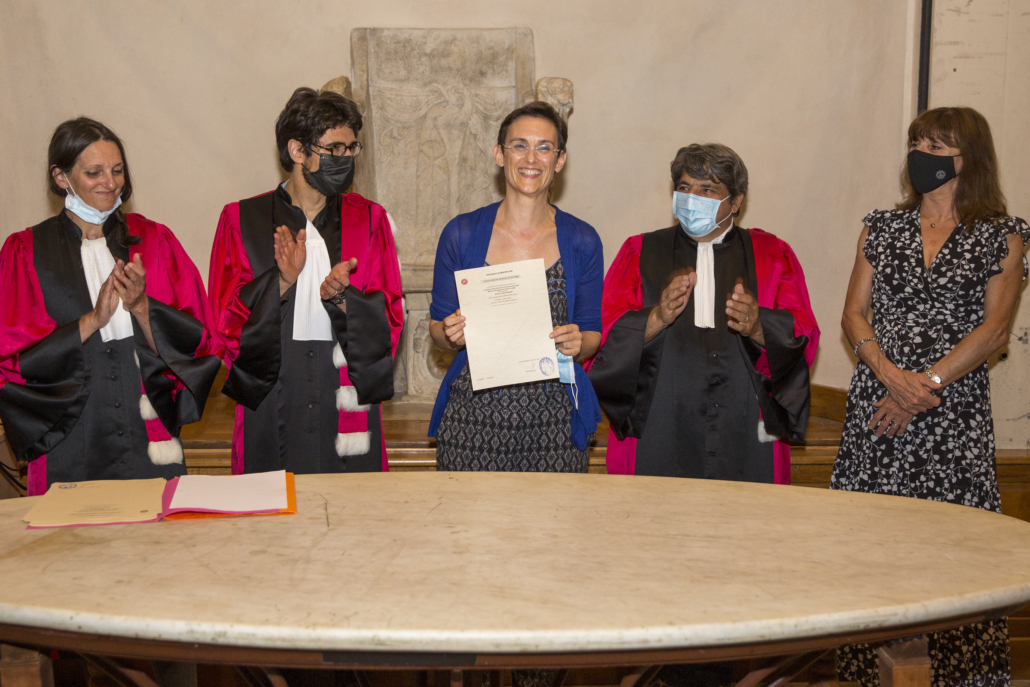
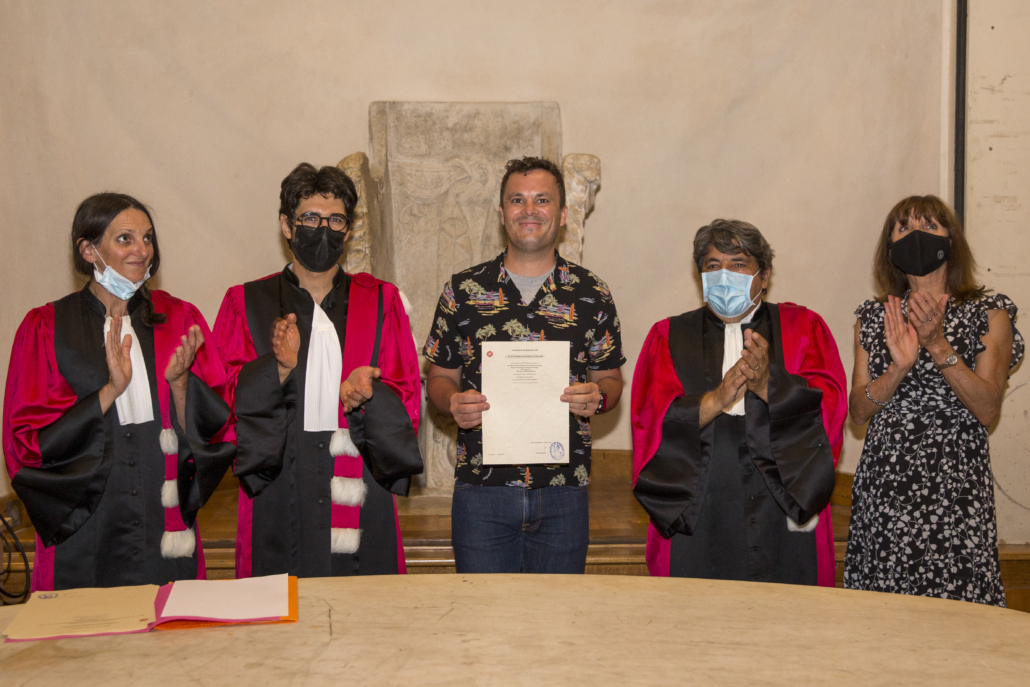
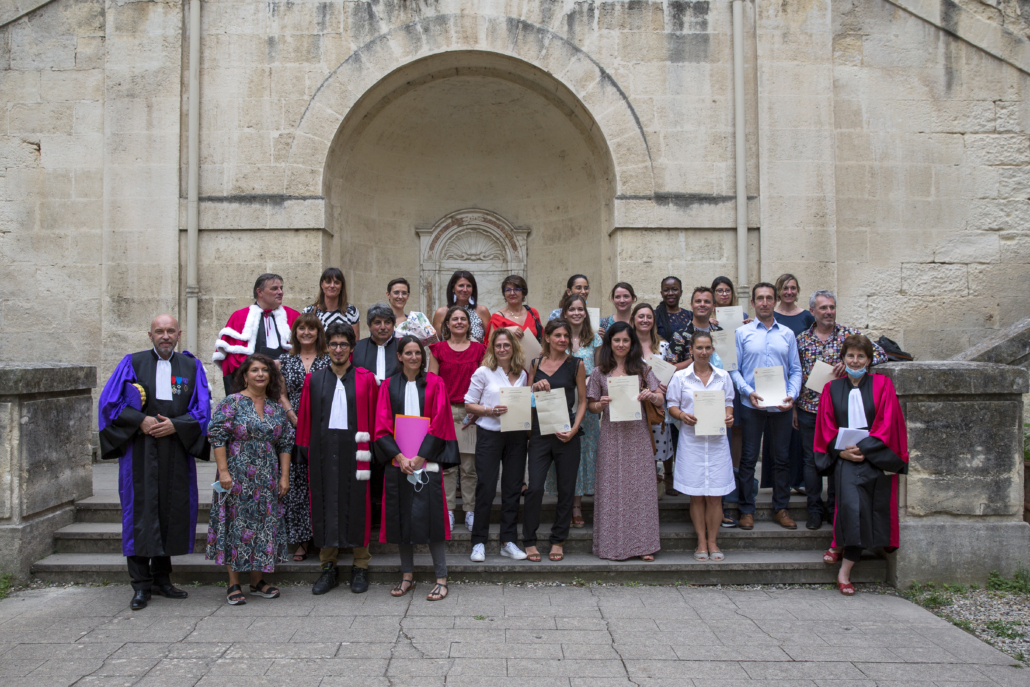
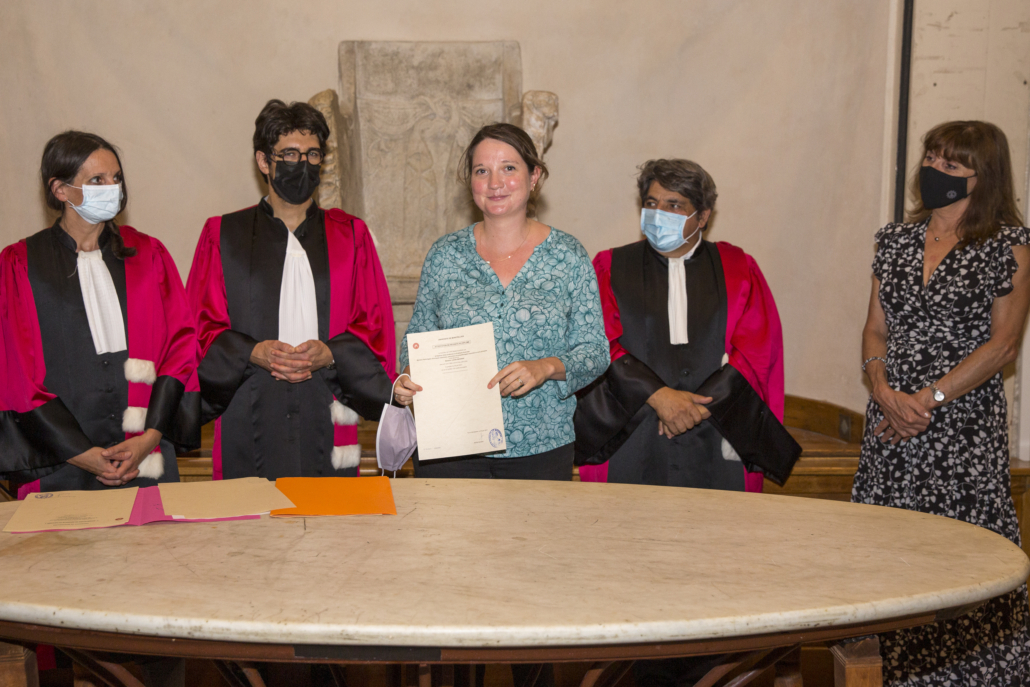
For the first time, the School of Medicine had the honor of conferring degrees on the 2020 and 2021 IPA graduates.

Graduation Ceremony

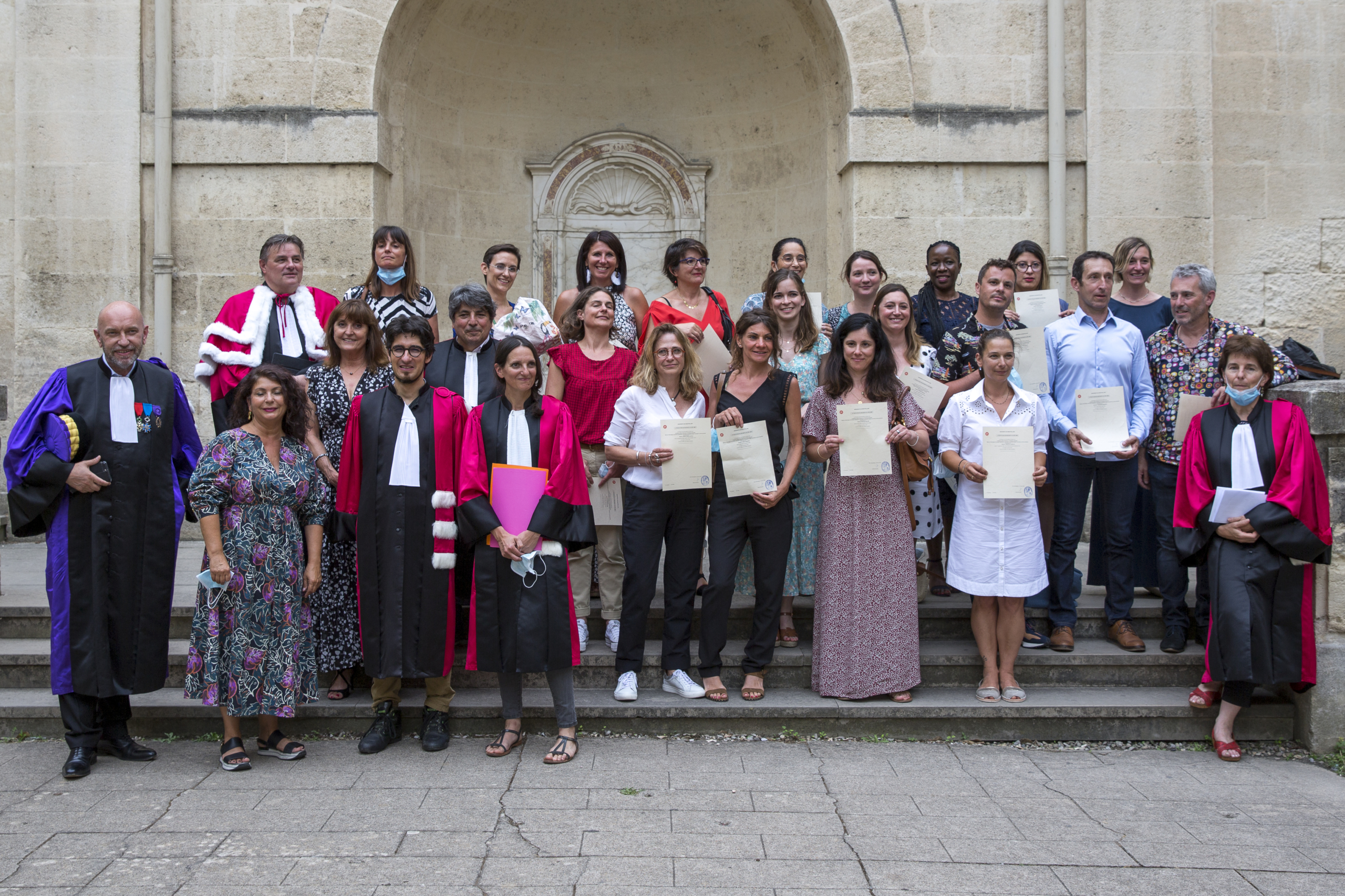
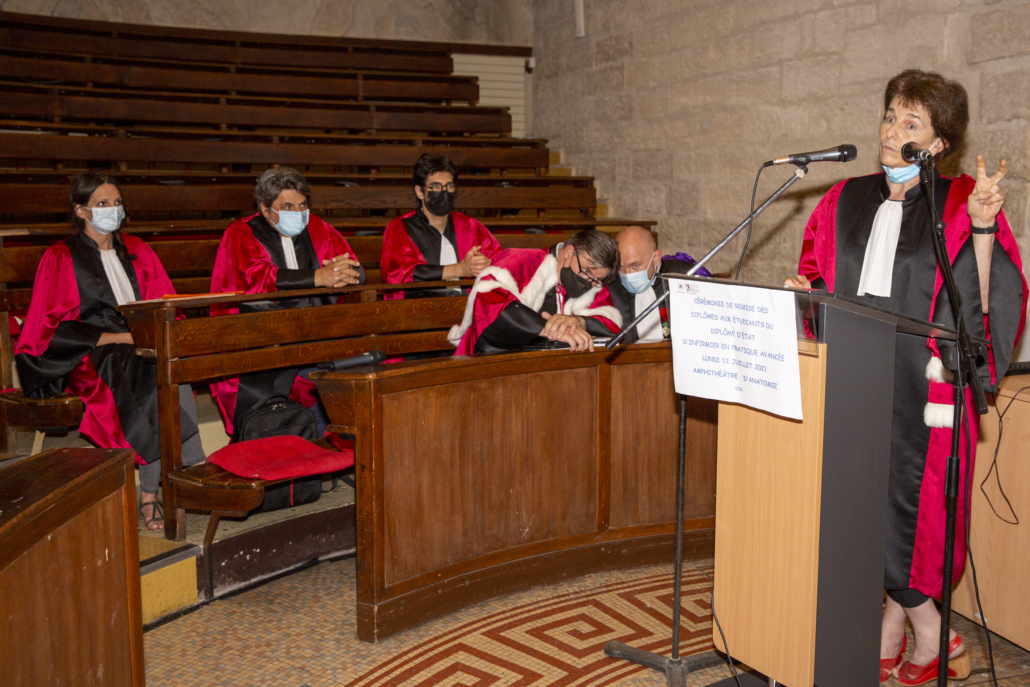
The ceremony took place on July 12, 2021, in the Faculty’s Historic Building. A total of 36 students from the classes of 2020 and 2021 received their diplomas.

ON THE PROGRAM: 

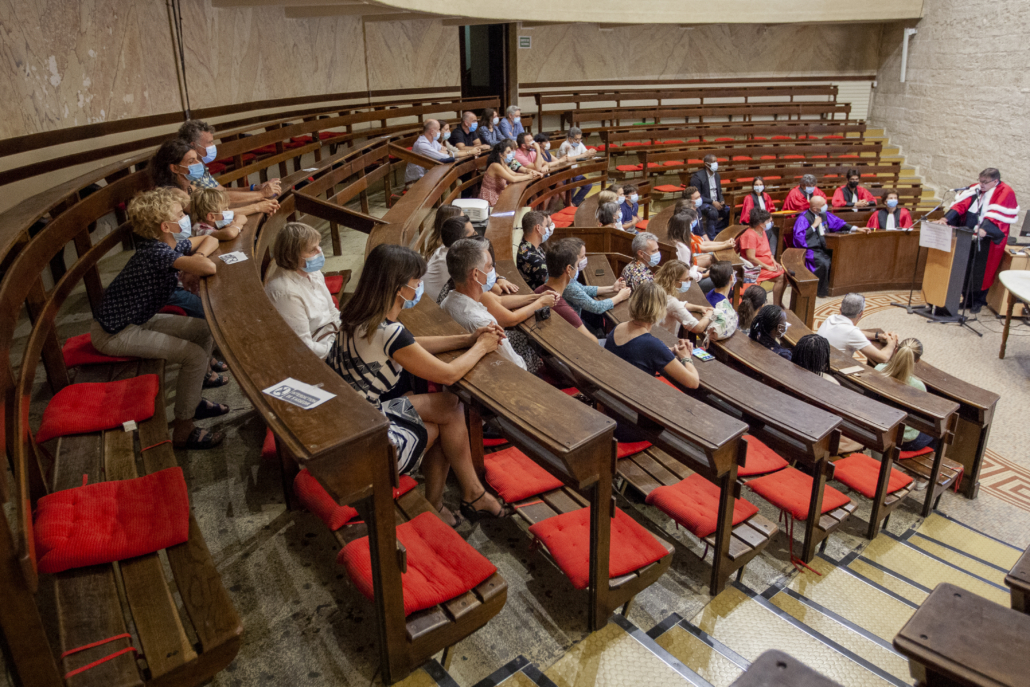
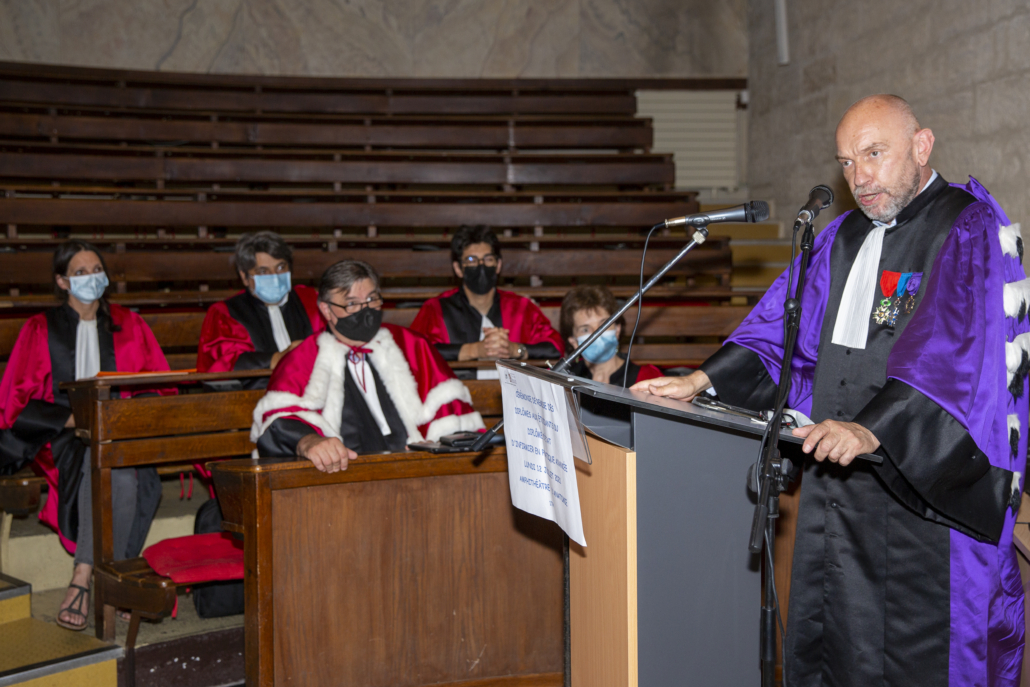
  • 5:00 PM SPEECH

    This was an opportunity for the Dean of Mondain and the President of the University of Montpellier to address the audience, congratulating the new graduates and thanking the program’s partners. Isabelle Laffont, the academic director of this DE IPA program, also said a few words.

  • 6:00 p.m. Graduation Ceremony

    The speeches were followed by the graduation ceremony. This provided an opportunity for the academic director to reflect on the 36 different academic paths taken by the new graduates and to congratulate them personally.

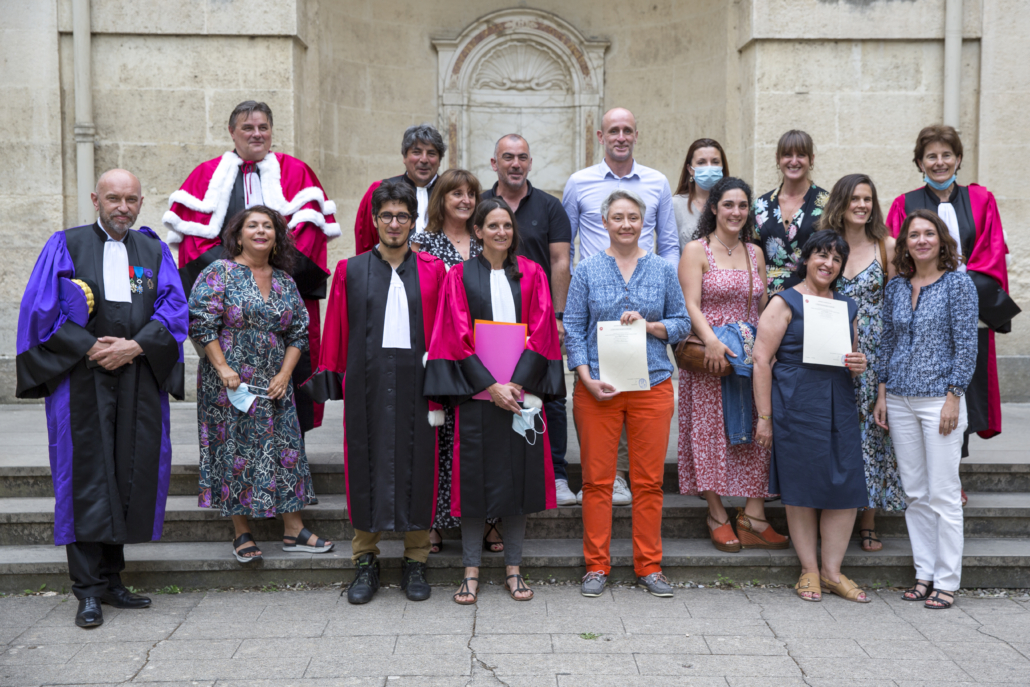
  • 7:00 p.m. Group photo

    Group photos of the two graduating classes, attended by the Dean, the University President, the Academic Director, and the instructors of this diploma program.

  • 7:30 PM Social gathering

    The new graduates enjoyed a relaxed get-together over a buffet.

Check out our selection of photos from the day!

Given the ongoing crisis and the extremely demanding workload that staff in long-term care facilities and home health care services for the elderly (EHPADs and SSIADs) have been facing for over a year now, significant staffing needs are expected in these facilities.


Students, find your summer job now

In light of the current health crisis, the demand for healthcare staff in nursing homes and home healthcare services has increased significantly. As a result, there are several job openings throughout the region. These facilities offer various types of positions, such as nursing assistants, care aides, and activity coordinators. You can therefore apply for multiple positions based on your interests and educational background.


Why apply?


  • Expand your professional experience

  • Serving the public interest

  • Discover new careers

How do I apply?

Students who are unable to find a summer job using the resources available to them can also register directly on the platform https://renfortrh.solidarites-sante.gouv.fr/ by clicking on the “I am an available professional” button and filling out the short questionnaire with their availability dates and location. They must register as a nursing assistant. An ESMS can then contact them directly.


MUSE, Montpellier University of Excellence, is hosting a contest for students to test their knowledge of the university.

The CONNECT competition will take place from March 29 to April 9, 2021, and is open only to students who are members of the MUSE consortium during the 2020–2021 academic year.

Students must answer 10 multiple-choice questions on MUSE-related topics.

After completing this survey, students will have the chance to win one of 100 prizes:

  •  15€500 gift cards for the Odysseum shopping center
  • 20 €250 gift cards for the Odysseum shopping center
  • 40 €100 gift cards for the Odysseum shopping center
  • 25 Montpellier University of Excellence sweatshirts

The drawing will take place between April 26 and 30, 2021.


Good luck, everyone!

This year, students at the University of Montpellier have the opportunity to showcase their talents through a graphic design contest on the theme of racism.

National Weekof Education and Action Against Racism will take place from March 21 to 28. To mark the occasion, the Mission for the Prevention and Action Against Racism and Anti-Semitism, in coordination with the Student Vice President, the Office of Campus Life, and the Communications Office at the University of Montpellier, is organizing a contest for students.

This graphic design contest will take place from March 23 to May 28, 2021, and will give students the opportunity to express themselves on an important topic: racism and antisemitism. Through graphic designs (posters, social media posts, flyers, photographs, illustrations, etc.), students will be able to highlight the University of Montpellier’s commitment to combating all forms of discrimination.

The contest:

  • Objectives

    • Promote republican values and raise awareness about anti-racism through graphic design
    • Breaking Down Prejudices
    • Upholding the values of Liberty, Equality, and Fraternity
  • Organization

    • Collection of graphic designs
    • Selection of 10 winners at the conclusion of this contest
  • Price

    • The 10 best graphic designs will form the basis of a campaign to raise awareness, educate the public, and take action against racism and antisemitism.
    • The 10 students who created the selected designs will each receive a €150 FNAC gift card.


How to participate:


Good luck, everyone!

Following our feature on ANIMN a few days ago, we turn our attention to Orthofaso, the speech-language pathology student association dedicated to community service projects! Today we’re speaking with Mélanie, the secretary, who tells us more about the association’s mission, goals, and humanitarian efforts!


Could you tell us a little about your organization? What is its mission?

Orthofaso is a nonprofit organization established in 2006 under the French Law of 1901, dedicated to promoting and managing international projects through volunteer missions led by speech-language pathology students from Montpellier. Since 2015, the association has been working at an orphanage for children with multiple disabilities in Ho Chi Minh City, Vietnam (previous missions were in Burkina Faso). This year’s Orthofaso team consists of 17 speech-language pathology students.

We are traveling to Vietnam because the country was devastated during the war in the 1950s. The chemicals dumped on the country’s land have led to a very high rate of disability within the country, particularly among children. As a result, we work with children suffering from a wide variety of conditions, most of whom have cerebral palsy, Down syndrome, and/or hearing loss.

What activities do you organize throughout the year? Could you tell us about them?

To raise funds, we organize various events throughout the year:

  • Yard sale and garage sale
  • Improvisational Theater Night
  • Blind test
  • Sale of "Chocolats du Cœur" at Christmas and Easter
  • Gift wrap stands at Maison du Monde and Le Bruit dans la Cuisine from November through Christmas
  • Raffle
  • Sale of bee wraps made by the team
  • Participation in the Castelnau-le-Lez Christmas market (sale of jars of cookie and muffin mixes, bee wraps, jams, crafts, Christmas cards, etc.)
  • Sale of used speech therapy games and materials to speech therapy students
  • Set up a Hello Asso fundraising page for online donations
  • Launch of Lilo (a search engine that funds social and environmental projects)
  • Sale of reusable cups and tote bags by the organization

Why did you join the organization as an individual member? What does your organization offer students?

Personally, I joined this organization to help others and contribute to a good cause. Plus, this experience allows me to be part of a team and see a project through from start to finish.

Orthofaso is a nonprofit organization dedicated to supporting an orphanage for children with multiple disabilities. It allows students who support us throughout the year to participate in various types of events that may interest and entertain them (trivia contests, raffles, clothing sales, improvisational theater nights, sales of used items, etc.) while helping us with our project.

Why and how can I join your organization?

There is no membership in our association.

Could you tell us a little about the 2020–21 executive board election?

Elections for the Orthofaso team will take place during the first semester of the 2020–21 academic year, but we cannot provide an exact date given the current health situation. Fourth-year speech-language pathology students who volunteer will then be able to join the association.


How can I contact you on social media?

Email: asso.orthofaso@gmail.com
Website: https://orthofaso.wixsite.com/orthofaso
Facebook: https://www.facebook.com/orthofaso
Instagram: Orthofaso_13


On Monday, August 17, 2020, the Faculty officially celebrated its 800th anniversary! Here’s a look back at an event marked by sharing and camaraderie. 

800 years of history, tradition, and excellence

The ceremony begins at the top of the steps of the Cour d’Honneur. Teachers and students, dressed in their finest ceremonial attire, make their entrance into this historic venue alongside: 

  • from Philippe Augé, President of the University of Montpellier; 
  • from the Dean of the Faculty, Michel Mondain; 
  • from the Chair of the Steering Committee, Thierry Lavabre-Bertrand.

We were, of course, able to count on the presence and participation of representatives from local and regional governments:

  •  Mr. Christian Assaf for the Occitanie region, 
  • Mr. Renaud Calvat for the Hérault department, 
  • Mr. Michaël Delafosse, representing the Montpellier Metropolitan Area and the City of Montpellier 
  • and finally, Ms. Sophie Béjean, Superintendent of the Montpellier School District and the Occitanie Region.

To ensure the ceremony began on the right foot, Professor Chanques and Usher Eddy Lamou presented our ceremonial mace—a symbolic object of the Faculty—to the audience. Resembling the rod of Asclepius, this mace symbolizes the punishment awaiting physicians who fail to uphold the Hippocratic Oath.


Next, it was the turn of Professor Valérie Rigau—the youngest member of the Governing Council—and Allan Guilley, a medical student and president of ACHEMM (the student association dedicated to the Faculty’s 800th anniversary), to read a translation of the Faculty’s original charter, thereby highlighting its historical and symbolic significance.


These statutes were issued on August 12, 1220, by the legate of Pope Honorius III, Cardinal Conrad of Urach. Since then, the teaching of medicine has never ceased in Montpellier, thereby forging strong ties with the city, as both President Augé and Dean Mondain noted in their speeches.


A college proud of its past and looking toward the future

800 years later, the Faculty and its community are proud to celebrate this milestone. To mark the occasion, a commemorative plaque was unveiled. It is a way to honor the distinguished figures who have shaped our faculty, while continuing to write our history.

As current events show us, this journey will undoubtedly be full of challenges to overcome! Yet these challenges will in no way alter the Faculty’s mission: we will be there to support and train the healthcare professionals of tomorrow.


Relive the ceremony

Below are photos of the ceremony by E. Perra. You can also watch the entire ceremony by clicking the link below.


And to learn more about the events planned for the coming months to celebrate this anniversary in style, visit the official website at 800ans.fr!