• Link to Facebook
  • Link to LinkedIn
  • Link to Instagram
  • Link to YouTube
  • Students
  • Healthcare professionals
  • Companies
  • Teachers
  • Staff
  • High school students
Montpellier-Nîmes School of Medicine
  • the Faculty
    • A Message from the Dean
    • Organization
    • Study Sites
    • Teaching Resources
      • Moodle
      • Anatomy Lab
      • Experimental Technical Facility
      • Simulation Platform
        • Montpellier Simulation
      • Patient-Caregiver Relationship
      • EU Interpersonal Skills and Therapeutic Communication
      • Standardized Participants
    • Teaching Assignments
    • Apprenticeship Tax
    • Room Rentals
      • Historic Building
      • Botanical Garden
      • ADV Campus
      • Nîmes Campus
    • Professional Filming
  • Education and Training
    • 2026 Registration
    • PASS – LAS
      • PASS – LAS – Prospective Students
      • PASS – Enrolled Students
      • LAS – Enrolled Students
      • Tutoring Sessions
    • Medicine
      • Undergraduate Program (DFGSM)
      • Graduate Program (DFASM)
      • Graduate Program (DES)
      • Theses
    • Maieutics
      • Undergraduate Program (DFGSMa)
      • Graduate Program (DFASMa)
      • University Department of Maieutics
    • Paramedical
      • Speech Therapy
      • Orthoptics
      • Psychomotor Skills
      • FROM IPA
      • Paramedical Institutes
    • Masters
      • Master's in Health
        • EDSB Master's Degree
        • Master's in Gerontology
        • Master Rehab
        • Master's in Social Sciences and Humanities
        • RSN Master's Degree
      • Master's Degree in Health Biology
        • IDIL Master's Program in "Sciences for Human Health"
        • Master BiotIN
        • Master's in Clinical Trials
      • Traditional Medicine and Science Program
      • Early Medicine and Science Program
    • Thematic Schools
      • School of Geriatrics and Gerontology
      • School of Surgery
      • School of Cancer
    • DU – DIU – Skills – CPD
      • DU – DIU – FC – MC
      • Capacities
      • CPD
    • Bridge Programs, Program Changes, Transfers, and MMOP Applications from Outside the EEA
    • CESP
    • Caesura
    • Special Academic Programs and Accommodations
  • International Exchanges
  • Innovation
    • Health Research
    • Experimentation
      • Nîmes Experimental Research Facility (PTNIM)
      • Workshops
  • Faculty Life
    • Student Health
    • News
    • Student Life
      • Faculty Organizations
      • Daily Life in Montpellier
      • Daily Life in Nîmes
    • Employee Life
      • Teaching Assignments
    • Podcasts
    • e-Rabelais Journal
  • Heritage
    • 800 years
      • 2020–21 Celebrations
    • History of the Faculty
    • University Historical Library
    • Temporary Exhibitions
      • Body to Heart
      • 20th-Century Architects
      • Camille
    • Atger Museum
    • DOR Museum
    • Anatomy Museum
  • Botanical Garden
    • Practical Information
    • Visit the Garden
    • Events
    • Educational Activities
    • History and Heritage of the Garden
  • 2026 Registration
  • Click to open the search field Click to open the search field Search
  • Menu Menu

Tag Archive for: students

Graphic Design Contest: “1 Post Against Racism”

Headlines, Events, Student Life

This year, students at the University of Montpellier have the opportunity to showcase their talents through a graphic design contest on the theme of racism.

National Weekof Education and Action Against Racism will take place from March 21 to 28. To mark the occasion, the Mission for the Prevention and Action Against Racism and Antisemitism, in coordination with the Student Vice President, the Office of Campus Life, and the Office of Communications at the University of Montpellier, is organizing a contest for students.

This graphic design contest will take place from March 23 to May 28, 2021, and will give students the opportunity to express themselves on an important topic: racism and antisemitism. Through graphic designs (posters, social media posts, flyers, photographs, illustrations, etc.), students will be able to highlight the University of Montpellier’s commitment to combating all forms of discrimination.

The Contest:

  • Objectives

    • Promoting republican values and raising awareness about anti-racism through graphic design
    • Breaking Down Prejudices
    • Upholding the values of Liberty, Equality, and Fraternity
  • Organization

    • Collection of Graphic Designs
    • Selection of 10 winners at the conclusion of this contest
  • Price

    • The 10 best graphic designs will form the basis of a campaign to raise awareness, educate the public, and take action against racism and anti-Semitism.
    • The 10 students who created the selected designs will each receive a FNAC gift card worth 150€.
Download the rules


How to participate:


  • 1

    Create

    Create a visual (photo, illustration) based on a word or a short message related to the theme of combating racism and anti-Semitism.

  • 2

    Submit

    Upload your creation to the dedicated platform:

    The platform
  • 3

    Wait

    The contest ends on May 28, 2021, at 6:00 p.m. The results will be announced in the coming weeks.

Previous Previous Previous Next Next Next

Good luck, everyone!

April 1, 2021/by communication
https://facmedecine.umontpellier.fr/wp-content/uploads/2021/04/Untitled-1.png 526 2000 communication https://facmedecine.umontpellier.fr/wp-content/uploads/2024/06/LOGO-CLASSIQUE-H-300x135.png communicationApril 1, 2021, 6:15:34 PMApril 2, 2021, 2:27:35 PMGraphic Design Contest: “1 Post Against Racism”

#OrganizationOfTheWeek – Discover Orthofaso

Featured, Student Life

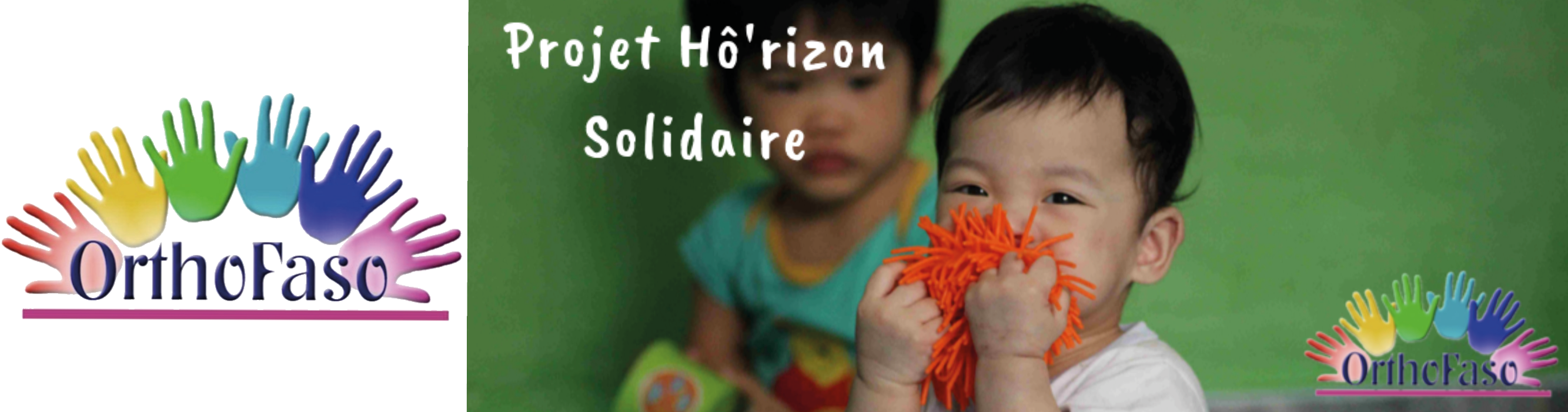
Following our feature on ANIMN a few days ago, we’re now turning our attention to Orthofaso, the speech-language pathology student association focused on community service projects! Today we’re meeting with Mélanie, the secretary, who’s here to tell us more about the association’s mission, goals, and humanitarian efforts!


Could you tell us a little about your organization? What is its mission?

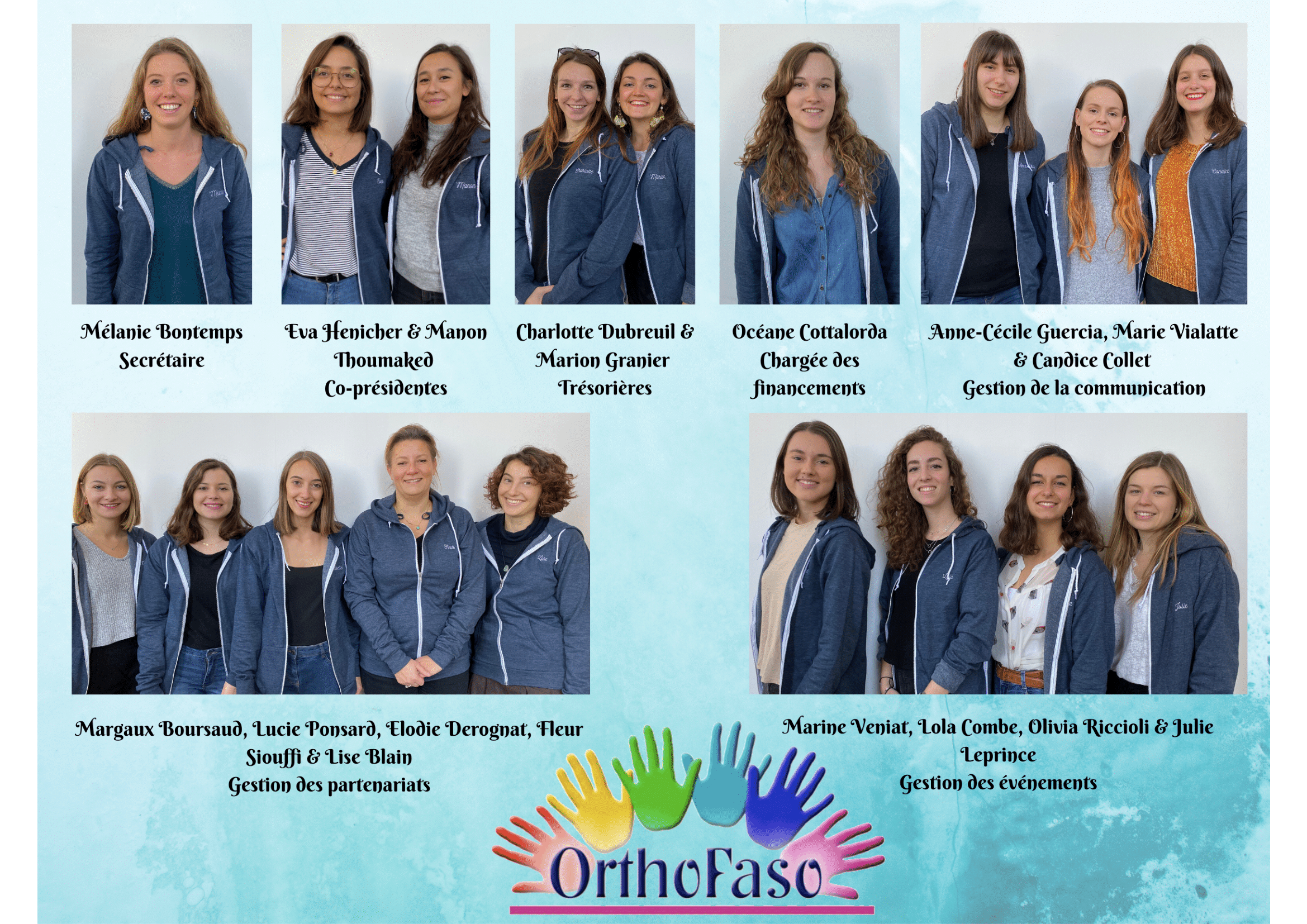
Orthofaso is a nonprofit organization established under the French Law of 1901, founded in 2006, whose mission is to promote and manage projects abroad through solidarity missions led by speech-language pathology students from Montpellier. Since 2015, the association has been working at an orphanage for children with multiple disabilities in Ho Chi Minh City, Vietnam (previous missions were in Burkina Faso). This year’s Orthofaso team consists of 17 speech-language pathology students.

We are traveling to Vietnam because the country was ravaged by war in the 1950s. The chemicals dumped on the country’s land have led to a very high rate of disability throughout the country, particularly among children. As a result, we work with children who have a wide variety of conditions, most of whom have cerebral palsy, Down syndrome, and/or hearing loss.

What activities do you carry out throughout the year? Can you tell us about them?

To raise funds, we organize various events throughout the year:

  • Garage Sale and Closet Sale
  • Improv Theater Night
  • Blind Test
  • "Chocolats du Cœur" Sale at Christmas and Easter
  • Gift-wrapping stations at Maison du Monde and du Bruit dans la Cuisine from November through Christmas
  • Raffle
  • Sale of bee wraps made by the team
  • Participation in the Castelnau-le-Lez Christmas market (sale of jars of cookie and muffin mixes, bee wraps, jams, crafts, Christmas cards, etc.)
  • Sale of used speech-language therapy games and equipment to speech-language pathology students
  • Set up a Hello Asso fundraising page for online donations of any amount
  • Launch of Lilo (a search engine that funds social and environmental projects)
  • Sale of eco-cups and tote bags by the organization

Why did you join the organization as an individual member? What does your organization offer students?

Personally, I joined this organization to help others and work toward a good cause. In addition, this experience allows me to be part of a team and see a project through from start to finish.

Orthofaso is a charitable organization whose goal is to provide support at an orphanage for children with multiple disabilities. It allows students who support us throughout the year to participate in various types of events that may interest and entertain them (trivia contests, raffles, clothing swaps, improvisational theater nights, sales of used items, etc.) while helping us with our project.

Why and how can I join your organization?

There is no membership in our association.

Can you tell us a little about the 2020–21 executive committee election?

Elections for the Orthofaso team will take place during the first semester of the 2020–21 school year, but we cannot provide an exact date given the current health situation. Fourth-year speech-language pathology students who volunteer will then be able to join the association.


How can I contact you on social media?

Email: asso.orthofaso@gmail.com
Website: https://orthofaso.wixsite.com/orthofaso
Facebook: https://www.facebook.com/orthofaso
Instagram: Orthofaso_13


October 6, 2020/by School of Medicine
https://facmedecine.umontpellier.fr/wp-content/uploads/2020/10/Image-cover-orthofaso.png 701 2667 School of Medicine https://facmedecine.umontpellier.fr/wp-content/uploads/2024/06/LOGO-CLASSIQUE-H-300x135.png School of MedicineOctober 6, 2020, 8:49:30 AMOctober 6, 2020, 9:59:10 AM#ClubOfTheWeek – Discover Orthofaso

800 Years of History: A Look Back at Our Anniversary Ceremony

Headlines, Events, Heritage, Staff Life, Student Life

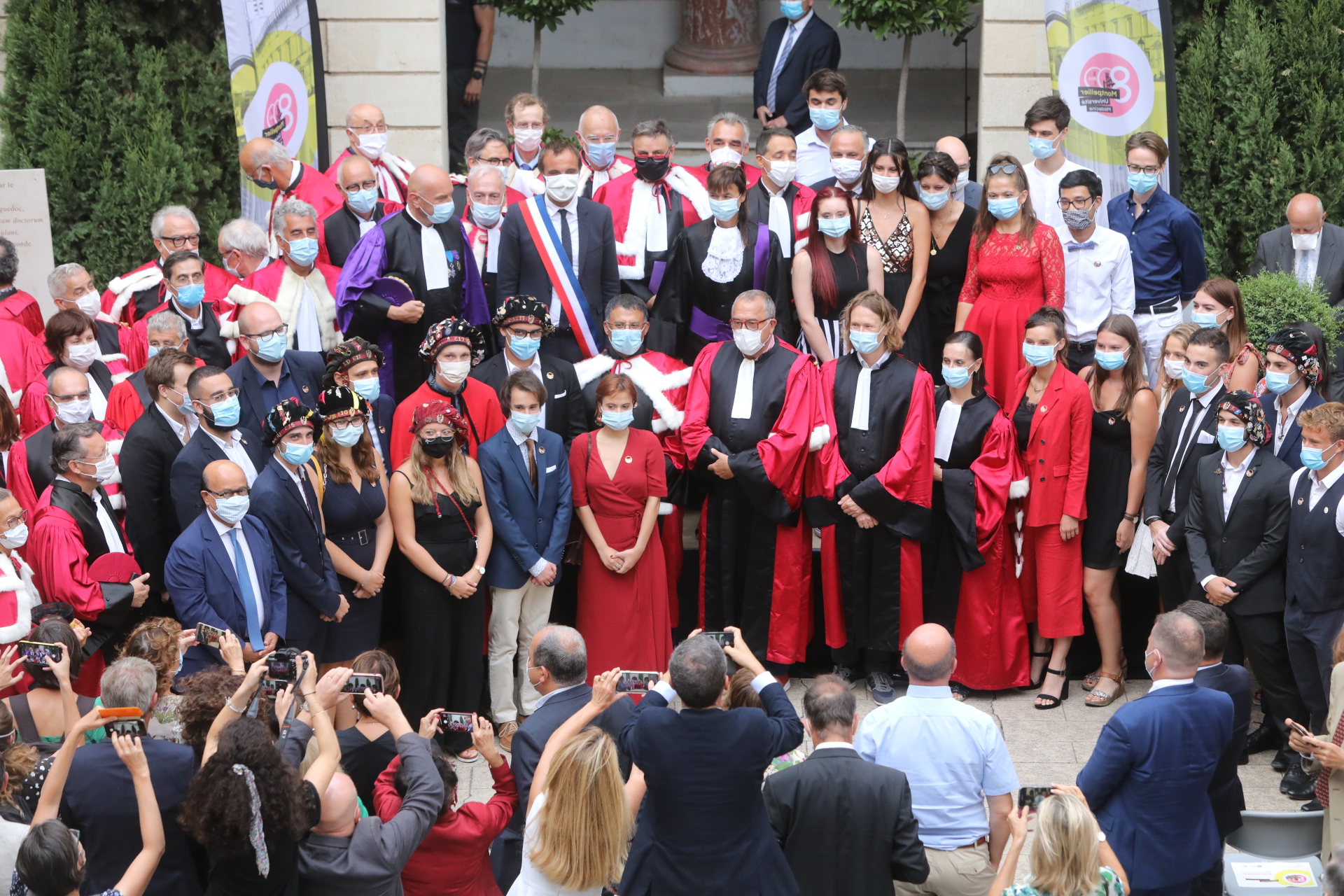
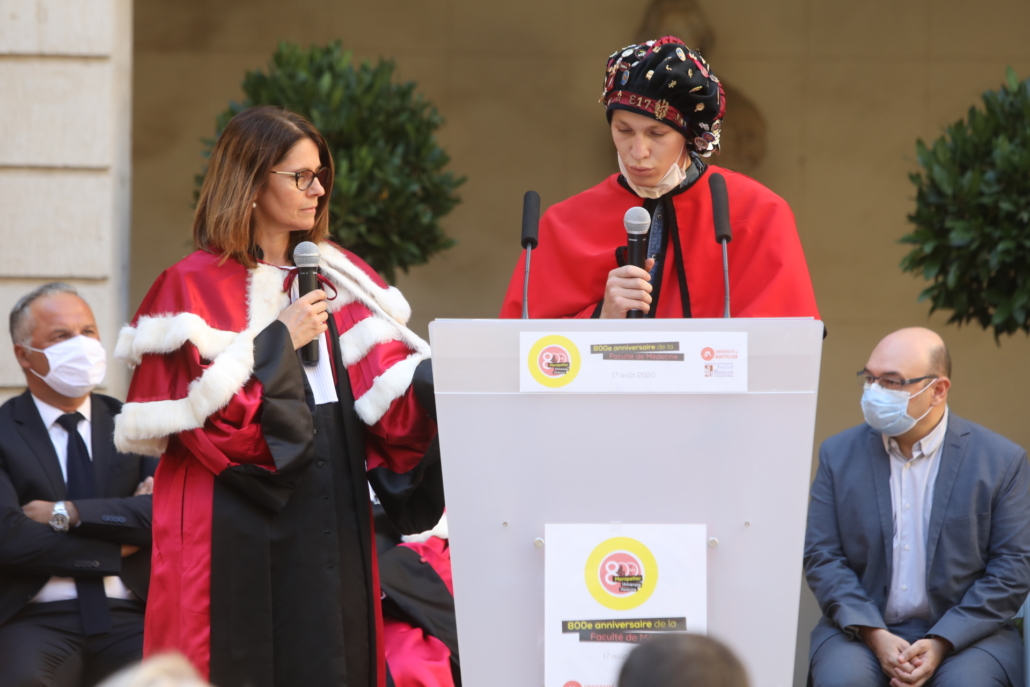
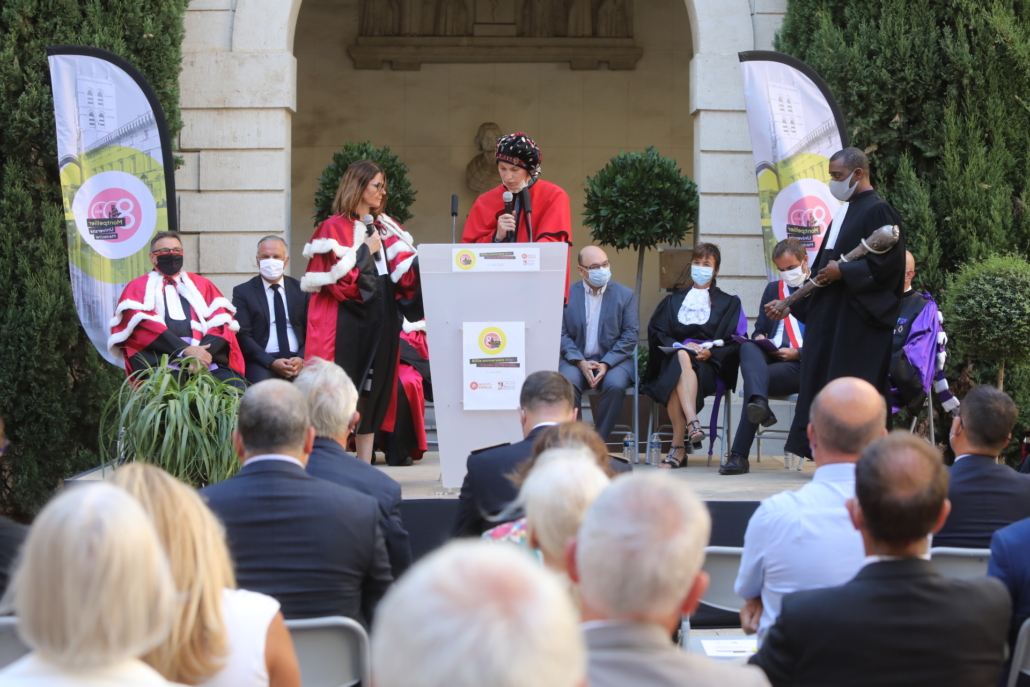
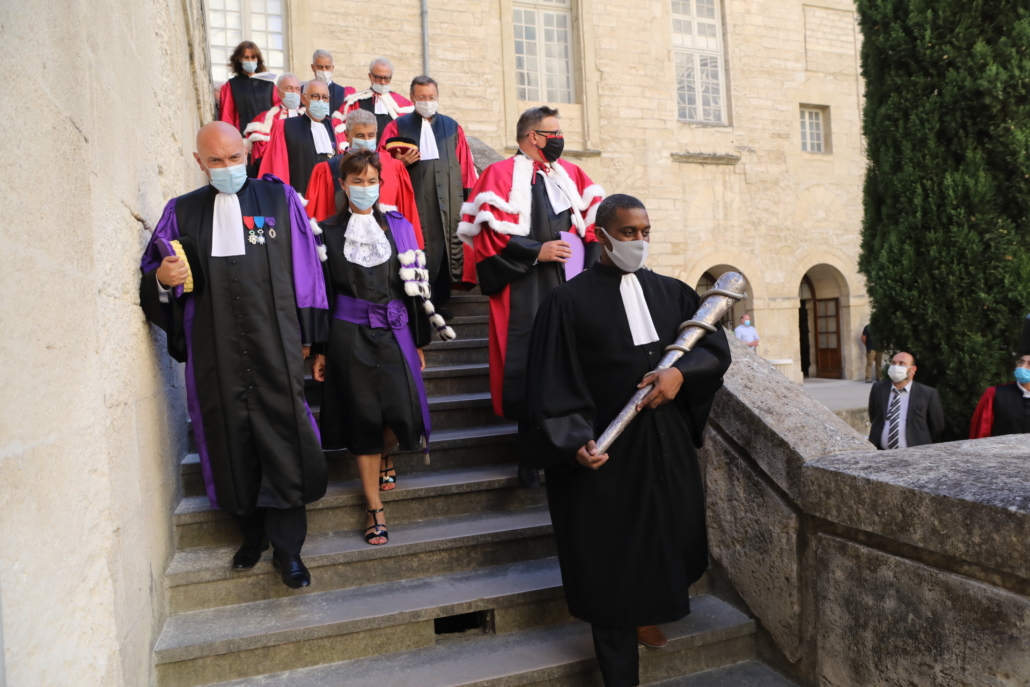
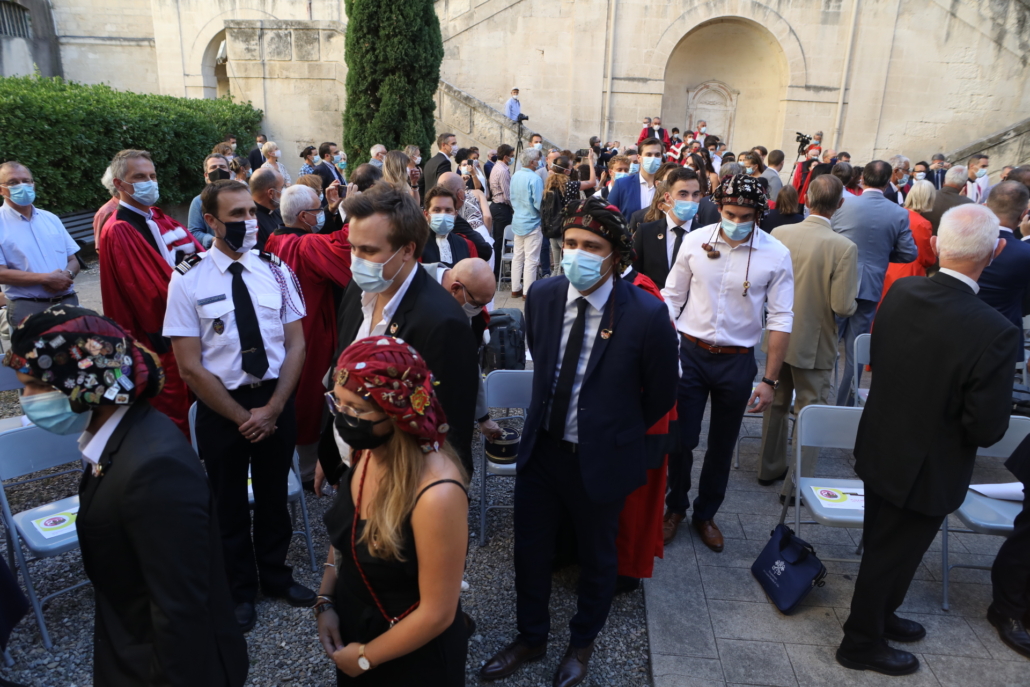
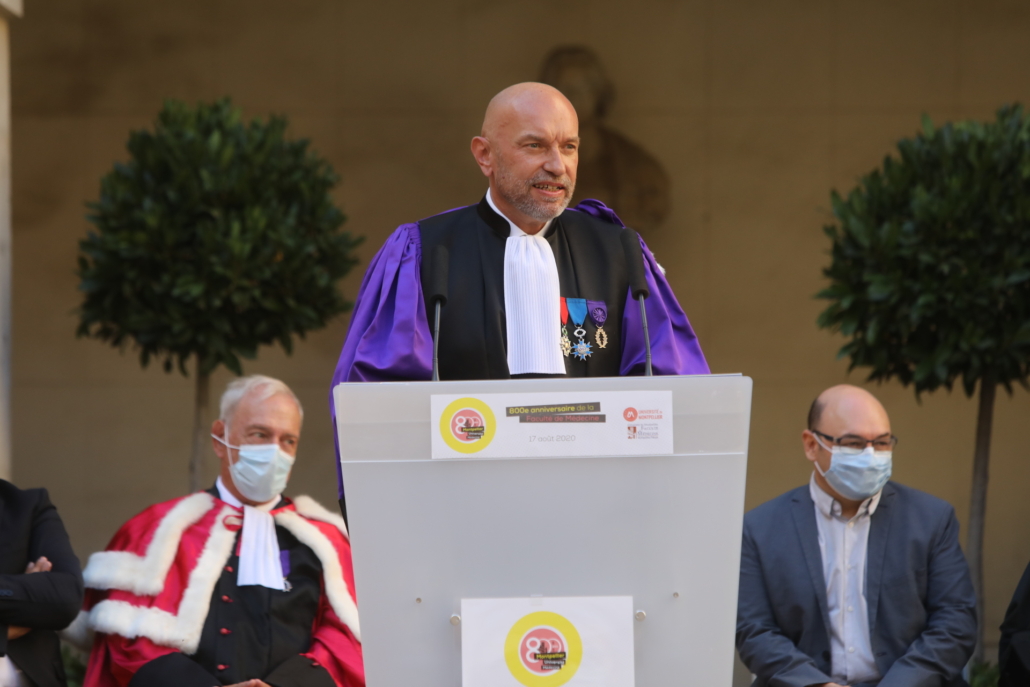
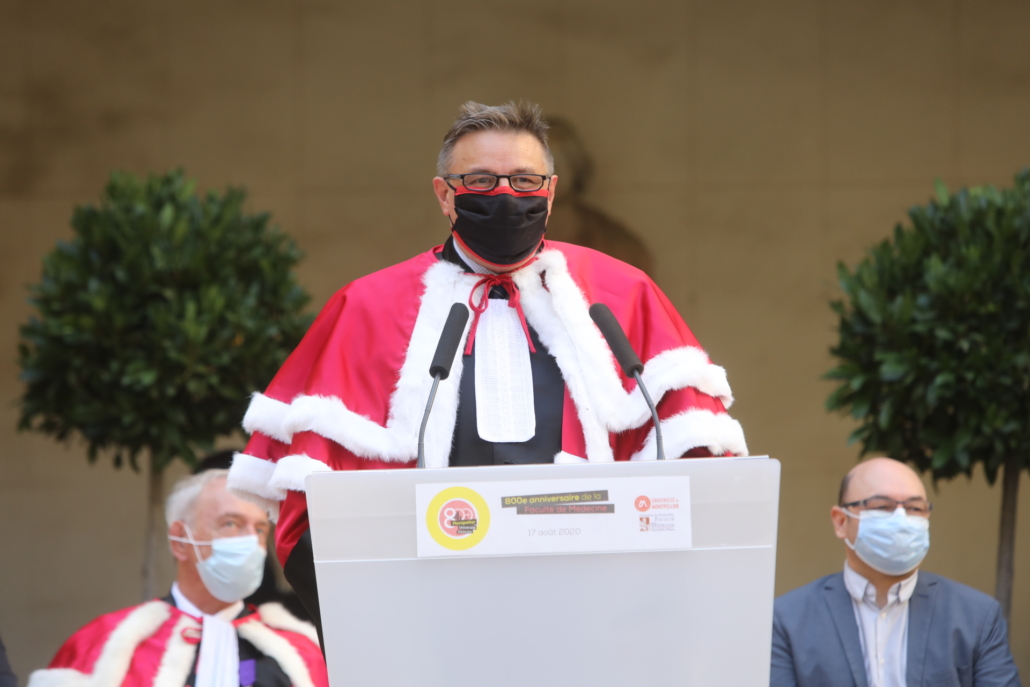
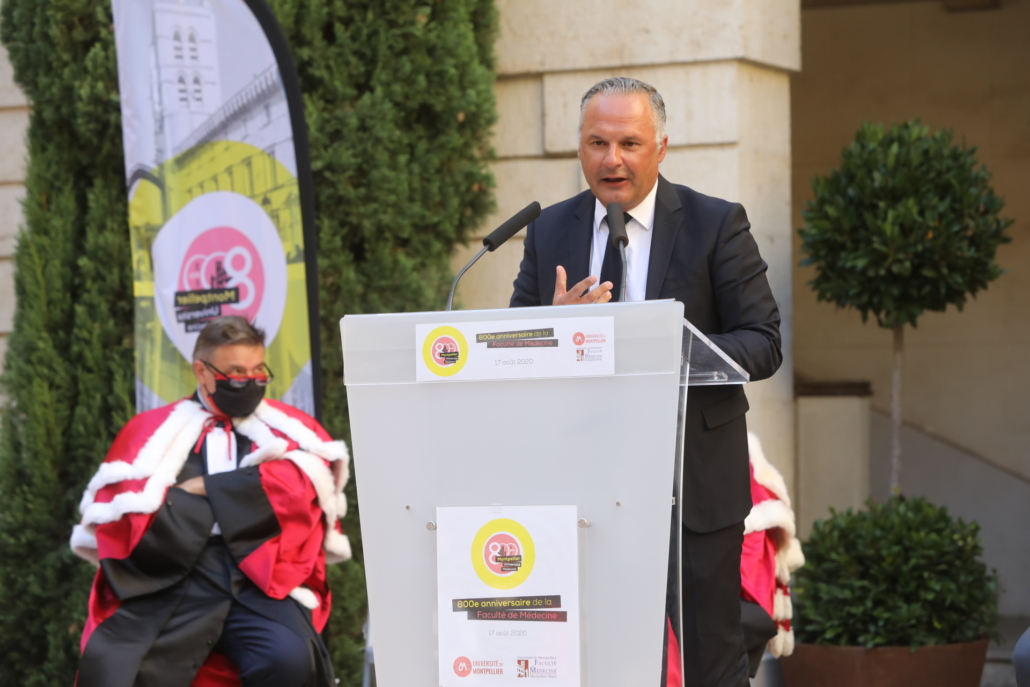
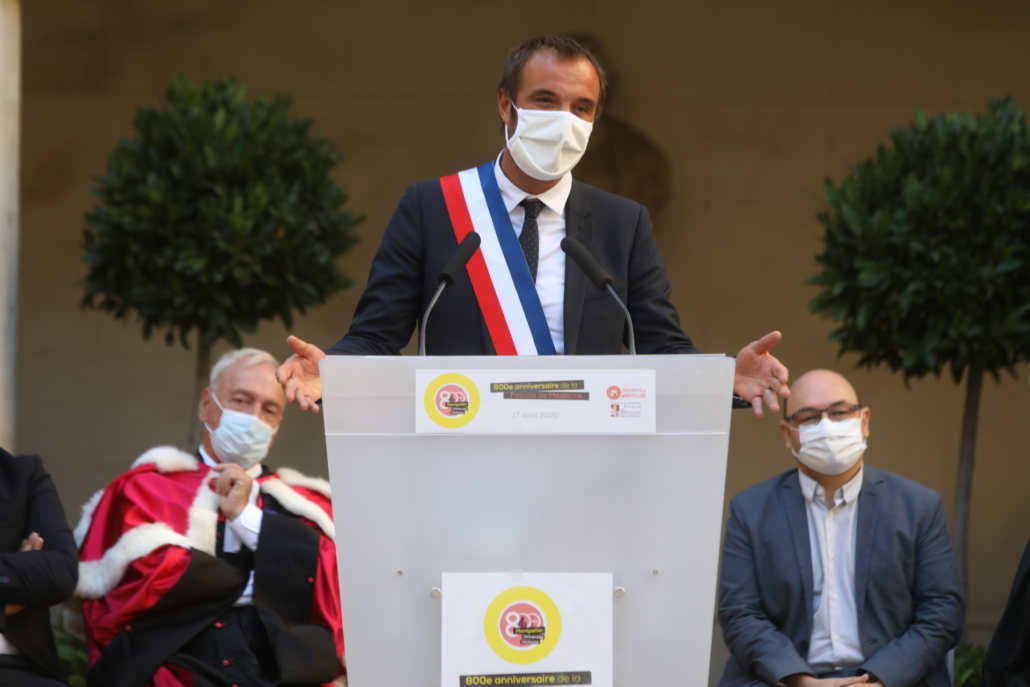
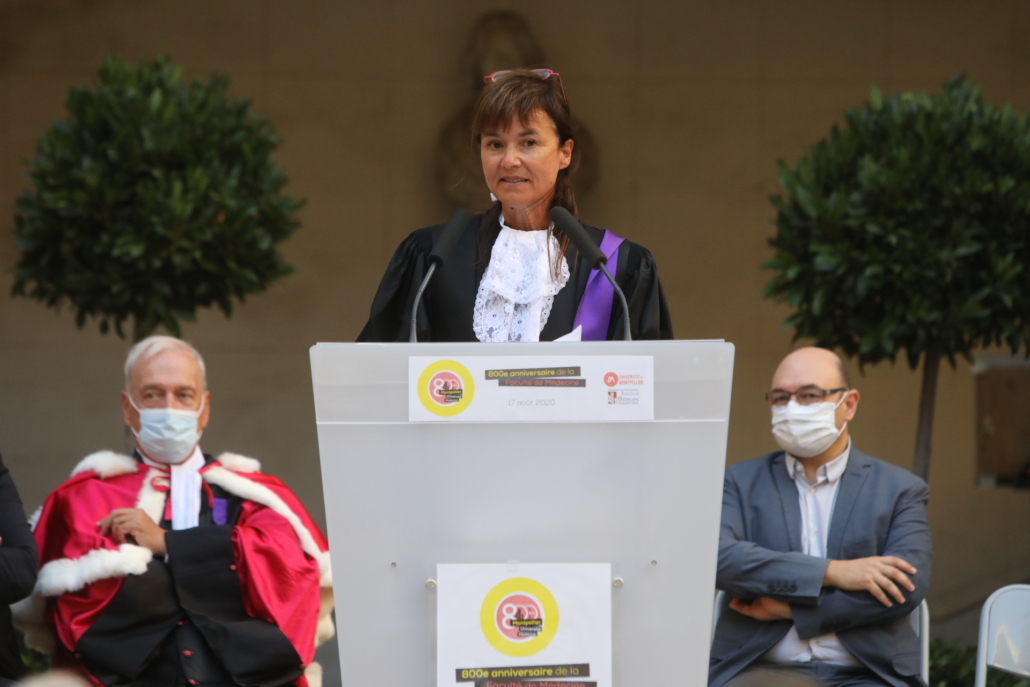
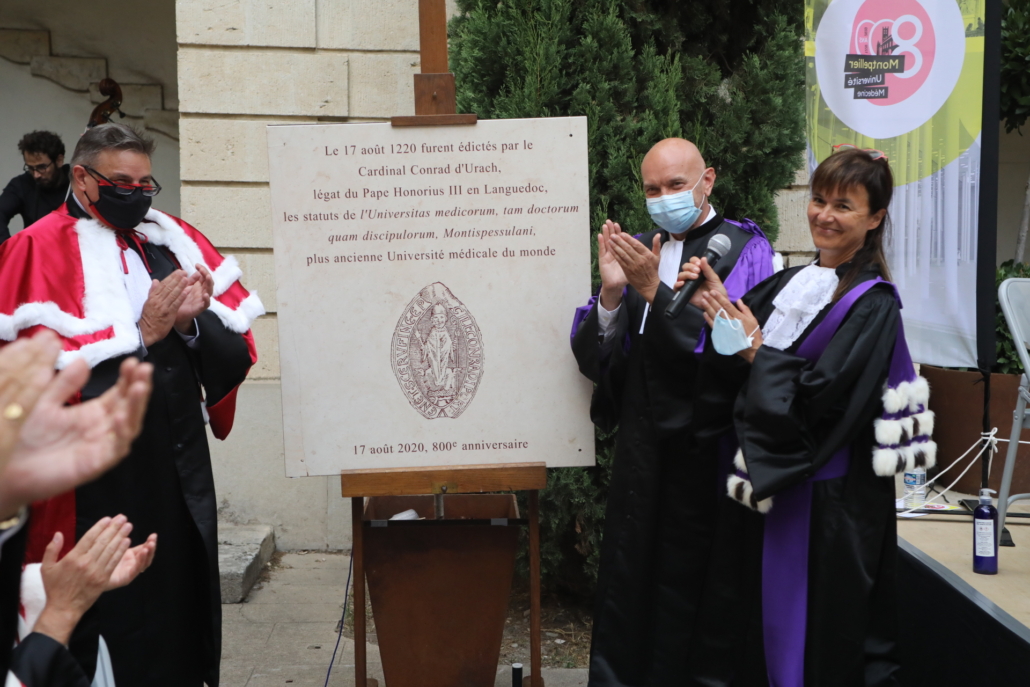
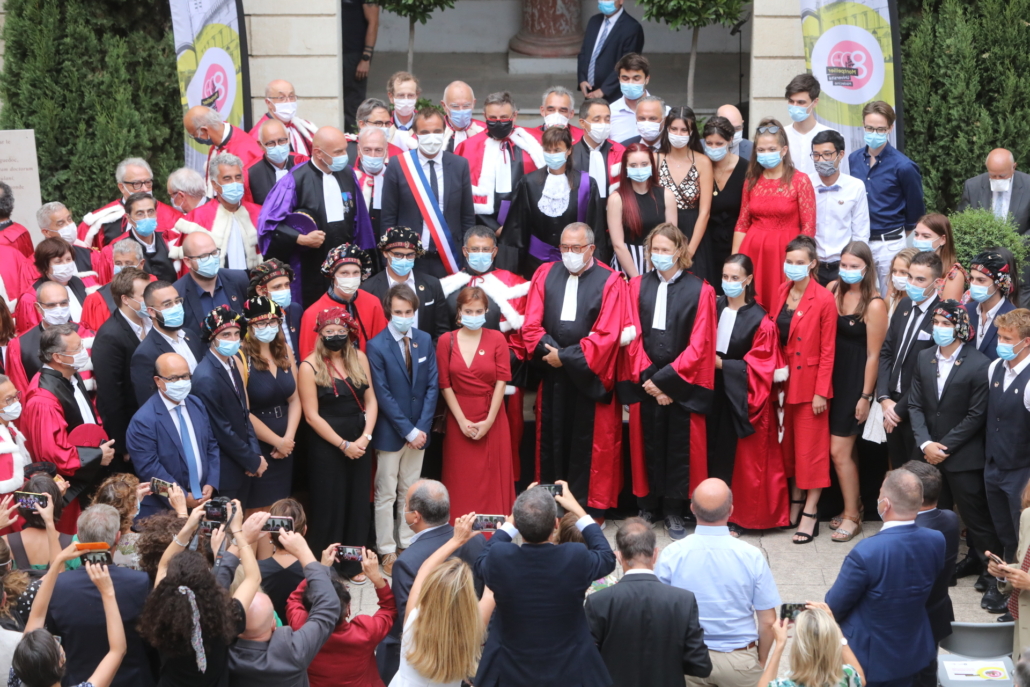
On Monday, August 17, 2020, the Faculty officially celebrated its 800th anniversary! Here’s a look back at an event marked by sharing and camaraderie. 

800 Years of History, Tradition, and Excellence

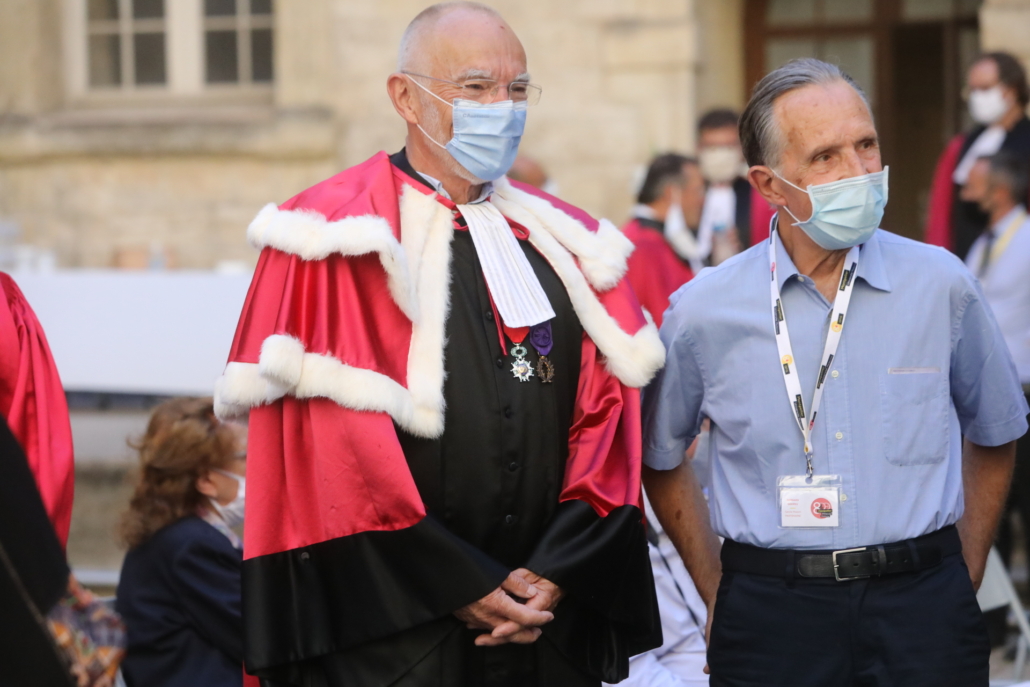
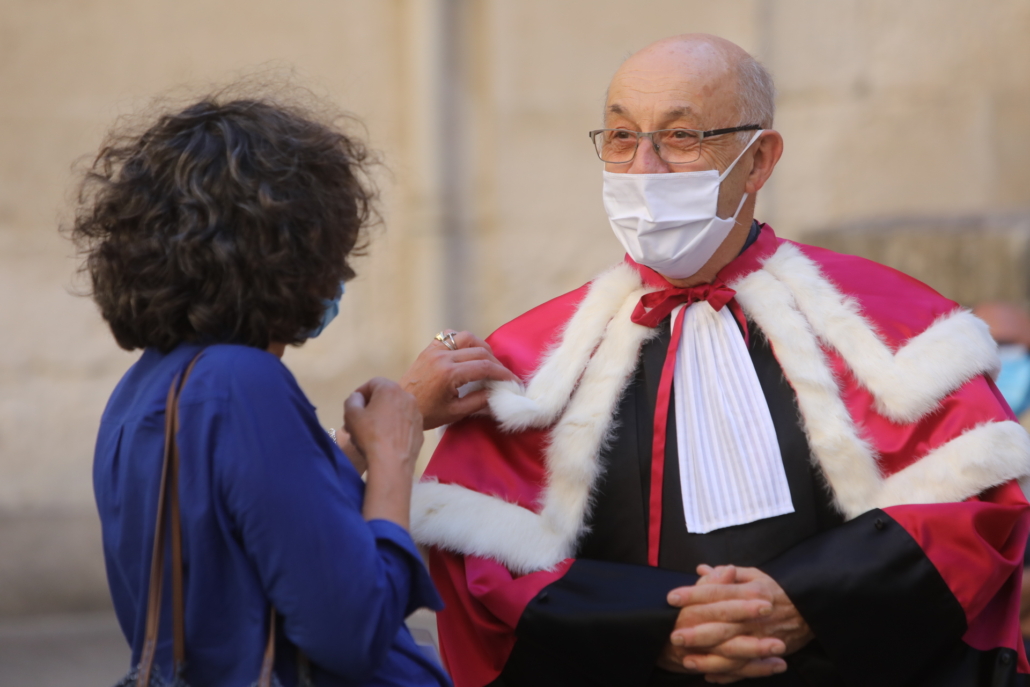
The ceremony begins at the top of the steps of the Cour d’Honneur. Teachers and students, dressed in their finest ceremonial attire, make their entrance into this historic venue alongside: 

  • from Philippe Augé, President of the University of Montpellier; 
  • from the Dean of the Faculty, Michel Mondain; 
  • from the Chair of the Steering Committee, Thierry Lavabre-Bertrand.

We were, of course, able to count on the presence and participation of representatives from local and regional governments:

  •  Mr. Christian Assaf for the Occitanie Region, 
  • Mr. Renaud Calvat for the Hérault Department, 
  • Mr. Michaël Delafosse, representing the Montpellier Metropolitan Area and the City of Montpellier 
  • and finally, Ms. Sophie Béjean, Superintendent of the Montpellier School District and the Occitanie Region.

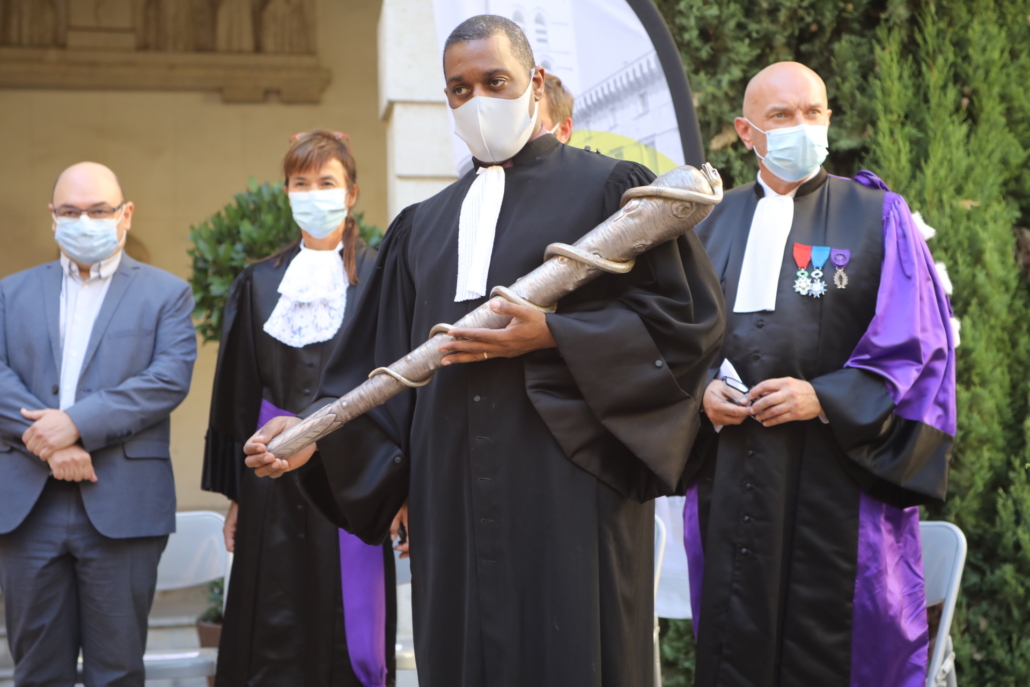
To ensure the ceremony began on the right foot, Professor Chanques and Usher Eddy Lamou presented our ceremonial mace—a symbolic object of the Faculty—to the audience. Resembling the rod of Asclepius, this mace symbolizes the punishment that awaits physicians who fail to honor the Hippocratic Oath.


The Dean's Usher, E. Lamou, and Prof. G. Chanques present the Faculty's ceremonial chasuble, a historic symbol. pic.twitter.com/y9YyCA8g2H

— Montpellier-Nîmes School of Medicine (@FacultemedMPL) August 17, 2020

Next, it was the turn of Professor Valérie Rigau—the youngest member elected to the governing board—and Allan Guilley, a medical student and president of ACHEMM (the student association dedicated to the Faculty’s 800th anniversary), to read a translation of the Faculty’s original bylaws, thereby highlighting their historical and symbolic significance.


These statutes were promulgated on August 12, 1220, by the legate of Pope Honorius III, Cardinal Conrad of Urach. Since then, the teaching of medicine has continued uninterrupted in Montpellier, forging strong ties with the city, as both President Augé and Dean Mondain noted in their speeches.


Read the bylaws


#Doyen Mondain highlights the diversity of medical expertise from Arab, Jewish, and Christian communities that contributed to the emergence of medical education in @montpellier_ #800ansMontpellierMedecine pic.twitter.com/OJz1ob9Fii

— Montpellier-Nîmes School of Medicine (@FacultemedMPL) August 17, 2020

A college proud of its past and looking toward the future

800 years later, the Faculty and its community are proud to celebrate this milestone. To mark the occasion, a commemorative plaque was unveiled—a way to honor the distinguished figures who have shaped our faculty, while continuing to write our history.

As current events show us, this journey will undoubtedly be full of challenges to overcome! These challenges will in no way alter the Faculty’s mission: we will be there to support and train the future healthcare professionals of tomorrow.


Relive the ceremony

Below are photos of the ceremony taken by E. Perra. You can also watch the entire ceremony again by clicking the link below.

(Re)watch the ceremony


And to learn more about the events planned for the coming months to celebrate this anniversary in style, visit the official website at 800ans.fr!


800ans.fr

August 18, 2020/by School of Medicine
https://facmedecine.umontpellier.fr/wp-content/uploads/2020/08/Photo-17-08-2020-18-26-34.jpg 1280 1920 School of Medicine https://facmedecine.umontpellier.fr/wp-content/uploads/2024/06/LOGO-CLASSIQUE-H-300x135.png Faculty of MedicineAugust 18, 2020, 12:53:46 PMAugust 27, 2020, 12:54:03800 Years of History: A Look Back at Our Anniversary Ceremony

#OrganizationOfTheWeek – A Look at the Montpellier Health Tutoring Association

Featured, Student Life

After meeting with the Nîmes Health Tutoring Association, this week we’re joining the Montpellier Health Tutoring Association and its new president, Milla Esclafit-Cardoso! 

In a few words, what is the AssociationTutorat Santé Montpellier?

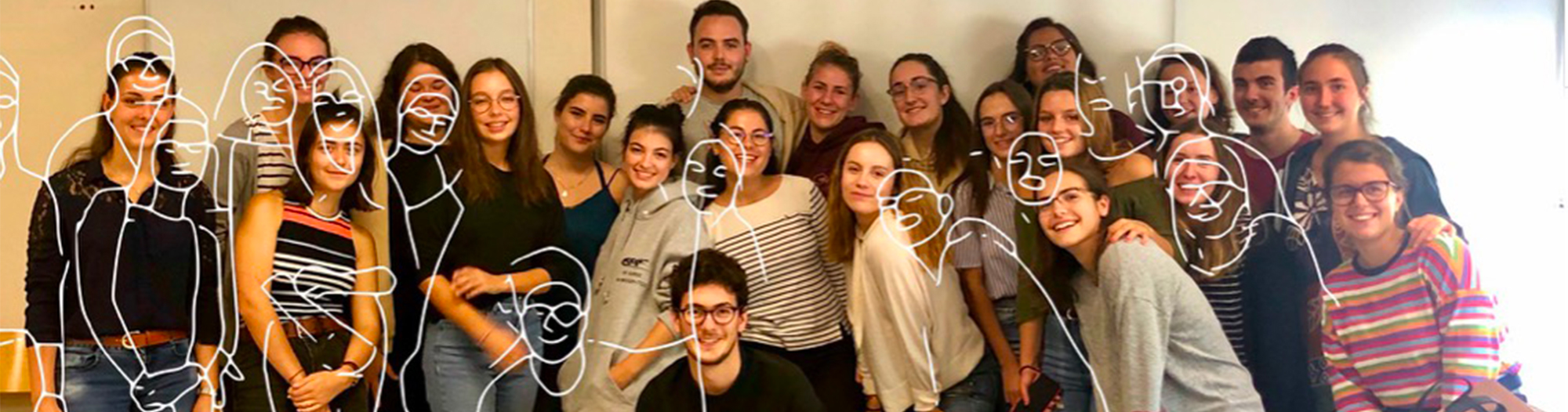
The Tutoring Program consists of second- and third-year health sciences students who have passed the PACES entrance exam and who have been selected and trained for one year by the professors in charge of that year’s program. Our goal is to provide free, high-quality academic and emotional support to any student at the University of Montpellier and its branch campuses who wishes to pursue a career in healthcare. To meet this need, three organizations are available to assist you: the Montpellier Health Tutoring Association, the Pharmacy Tutors Association, and the Nîmes Health Tutoring Program. 

These three organizations pool their resources to provide equitable support to all students and share a common goal of ensuring equal opportunity in the admissions process for health professions programs. 

What activities or initiatives do you organize throughout the year? 

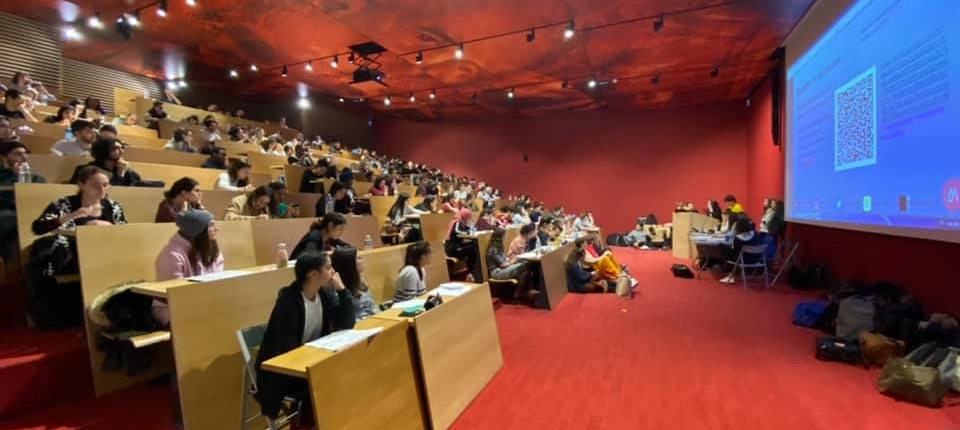
To start the year off on the right foot, we’re offering a Pre-Semester Workshop open this year to all PACES and PASS students: its goal is to review the entire first-semester curriculum, help students develop effective study habits, and introduce them to the faculty so they can find their footing. 

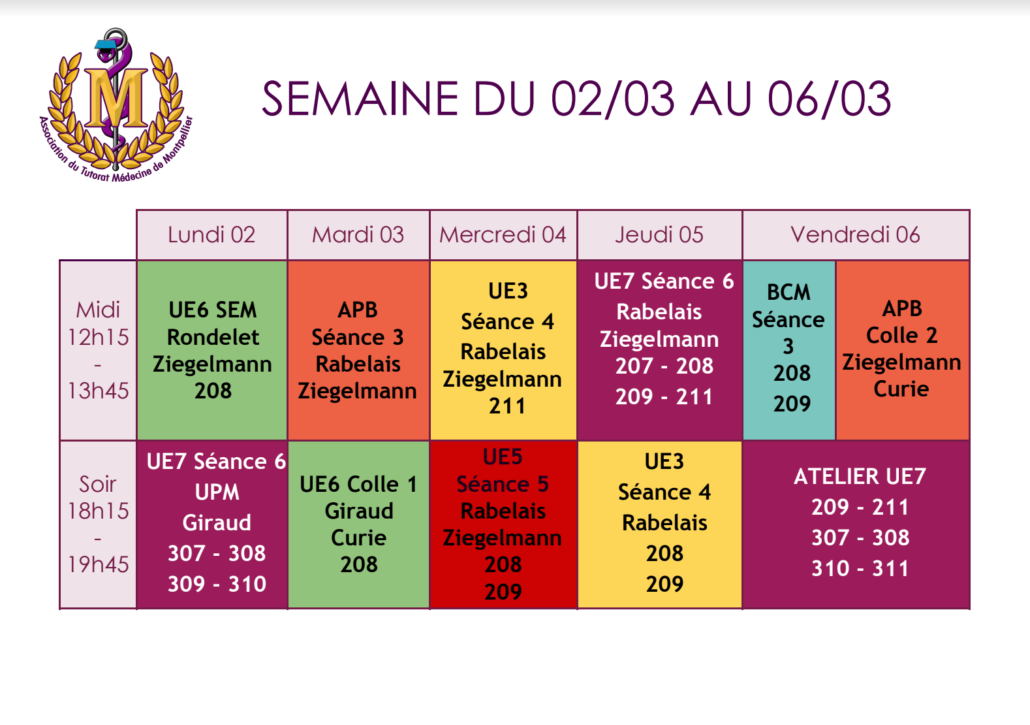
Each week, we review the key points from each course across all subjects through multiple-choice quiz sessions led by professors: these sessions are offered at several different times so that students can adjust their schedules according to their availability. To help students with their questions, office hours are held every day at noon on campus, and a forum is also available to students. 

To ensure regular and representative assessment, we organize weekly graded quizzes attended by approximately 900 students across our three campuses, as well as mock exams, which this year drew more than 1,600 students in the first semester. 

To adapt to the lockdown and public health measures, we held our sessions and review sessions online via Zoom, which we recorded so that PACES students with an unstable internet connection could watch them. We also expanded our YouTube channel to diversify our remote content, focusing on parts of the course that we felt were difficult for students to understand.

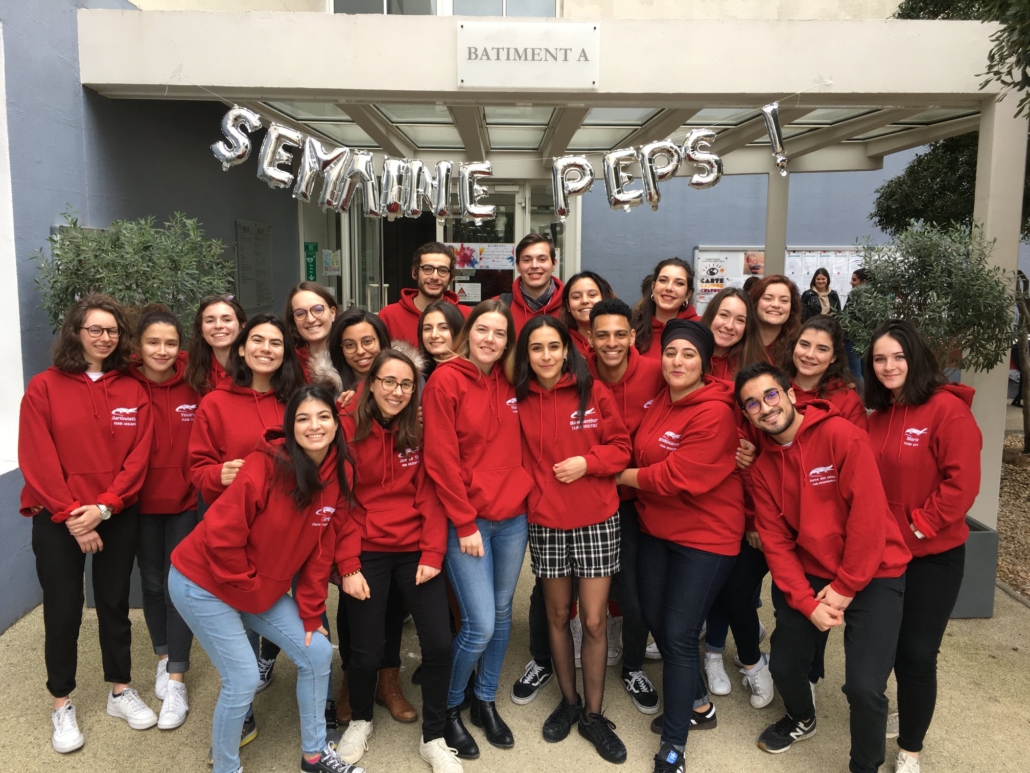
Beyond academic support, we help students navigate a demanding year by promoting activities focused on well-being: board game lunchtimes, relaxation workshops, and more… Our biggest wellness event is Pep’s Week, which takes place in early January—a particularly difficult time for PACES students. To help first-year students connect with upperclassmen, we set up a student mentoring program right at the start of the year. 

To further promote equal opportunity, the Tutoring Service works withHandiversité to offer a disability support service for students who need reasonable accommodations during sessions or exams. 

Finally, in the context of reform, we serve as key points of contact both within the university—by organizing career guidance forums—and at the local level through various student fairs, as well as at the national level by participating in conferences that bring together tutoring organizations from across France.

Previous Previous Previous Next Next Next
12345
Open the image in a Lightbox: 8 Become a Tutor Open the image in a Lightbox: 8 Become a Tutor
Open the image in a Lightbox: 5 Weeks of Pep's Open the image in a Lightbox: 5 Weeks of Pep's
Open the image in a Lightbox: 6 Wellness Workshops Open the image in a Lightbox: 6 Wellness Workshops
Open the image in a Lightbox: 7 Mock Exam Schedule Open the image in a Lightbox: 7 Mock Exam Schedule
Open the image in a Lightbox: 3 Examples of a Schedule Open the image in a Lightbox: 3 Examples of a Schedule

What made you decide to join the organization? 

Tutoring helped me pass my PACES exam by supporting me for two years: this support was extremely valuable to me because I couldn’t afford to pay for the services of a private organization. The tutors’ availability, the quality of the sessions, and above all, the support they provided in every aspect of PACES life—from studying to maintaining a healthy lifestyle and staying motivated—really helped me get through that challenging time. It was a no-brainer for me to apply to become a tutor after I was admitted to my second year of medical school, so I was delighted to join the UE7 team (Health, Humanities, Society). My year as a trainee tutor was so fulfilling that I wanted to continue the journey by joining the Tutoring Board to help it reinvent itself during the year of the reform: so we changed our name from the Montpellier Medical Tutoring Association (ATM²) to the Montpellier Health Tutoring Association (ATSM) to better reflect our commitment to diversifying the backgrounds of incoming students across all health-related programs! 

What does the association offer students?

Beyond simply providing academic guidance, our goal is to offer genuine support to all young adults who are navigating university studies, life away from home, and a very substantial workload. Our core value is equal opportunity, ensuring that selection for this first year is based on academic ability rather than financial status. This aligns more broadly with our commitment to collegiality—a value we hold dear in the healthcare professions—and with our training, which is largely based on peer-to-peer learning. After all, we are first and foremost students who have gone through this challenge ourselves and who are trying to help PACES students just as we needed help when we were in their shoes!

Why do you think people should join your organization? 

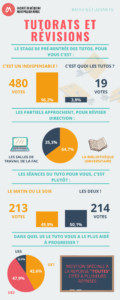
In the first year, students can sign up for tutoring free of charge at any time throughout the year: there is no attendance requirement, but according to faculty surveys, attending 80% of the tutoring sessions is the best way to pass the entrance exam! 

If you wish to join the ATSM as a tutor, you will have the opportunity to be selected based on your application and an interview after your second-semester grades are released. You will then hold the status of Trainee Tutor during your second year and may continue as a Qualified Tutor when you advance to your third year. 

A few words about the 2020–2021 executive board?

The General Assembly to inaugurate our new executive board took place on June 9: we are all very excited to renew our commitment to supporting students repeating PACES, PASS, and LAS. We know that this year can be daunting for recent high school graduates, and we are ready to support them through this transition. 

We're in the process of changing our name, so for now, our old name is what appears on social media:

Facebook: Medicine Tutoring in Montpellier 

Instagram: 

  • tutoringmedmtp
  • tuto_peps (our shared wellness account for all three tutoring sites)

Email contacts: 

  • General questions about the association, PACES, and PASS: asso.atsm@gmail.com
  • Questions about LAS: vicepresident.las.atsm@gmail.com
  • Questions about possible accommodations under the Disability Tutoring Program: vptutohandicap@gmail.com

Networks of other associations: 

Nîmes Health Tutoring: 

  • Facebook: Nîmes Health Tutoring
  • Instagram: tutorat_sante_nimes

Association of Pharmacy Tutors: 

  • Facebook: Montpellier Association of Pharmacy Tutors
  • Instagram: atp_um

We've also put together a video presentation for you, in collaboration with the three tutoring programs!

June 30, 2020/by communication
https://facmedecine.umontpellier.fr/wp-content/uploads/2020/06/image-de-mise-en-avant-2.jpg 526 2000 communication https://facmedecine.umontpellier.fr/wp-content/uploads/2024/06/LOGO-CLASSIQUE-H-300x135.png communicationJune 30, 2020, 11:04:31 AMJuly 10, 2020, 7:06:38 PM#OrganizationOfTheWeek – Meeting with the Montpellier Health Tutoring Association

#OrganizationOfTheWeek – A Look at Tutorat Santé Nîmes

Featured, Student Life

Earlier this week , we met with the CNESF, the association for the midwifery program in Nîmes. We’re staying in Nîmes today for our meeting with Matthias Daudé, the new president of TSN!

In a nutshell, what is Tutorat Santé Nîmois?

TSN (Tutorat Santé Nîmes) is an association made up of second- and third-year medical and midwifery students at the Nîmes campus. We have all successfully passed the entrance exam for health studies, and drawing on this experience, we offer support to students entering their first year of a health-track program (PASS/LAS). 

What activities or initiatives do you organize throughout the year? 

Throughout the year, students are offered weekly practice sessions in the form of multiple-choice quizzes, during which tutors provide detailed feedback on the quizzes, share memory techniques, offer study tips, and provide support in preparing for exams. All sessions are reviewed by the subject instructors to ensure they remain closely aligned with the requirements of the final exams.

 In addition, we are organizing a pre-school-year workshop during the last two weeks of August. During these two weeks, we’ll cover the first-semester curriculum while providing as much guidance as possible on how to approach this challenging academic year. 

 We also offer practice tests and mock exams to help students prepare as thoroughly as possible through realistic practice, using questions that have been reviewed by professors.

Previous Previous Previous Next Next Next
123456
Open the image in a Lightbox: Peps Week Open the image in a Lightbox: Peps Week
Open the image in a Lightbox: 83022707 3418753781531272 7624401484020449280 O Open the image in a Lightbox: 83022707 3418753781531272 7624401484020449280 O
Open the image in a Lightbox: 83076214 3418754801531170 6201483234082029568 O Open the image in a Lightbox: 83076214 3418754801531170 6201483234082029568 O
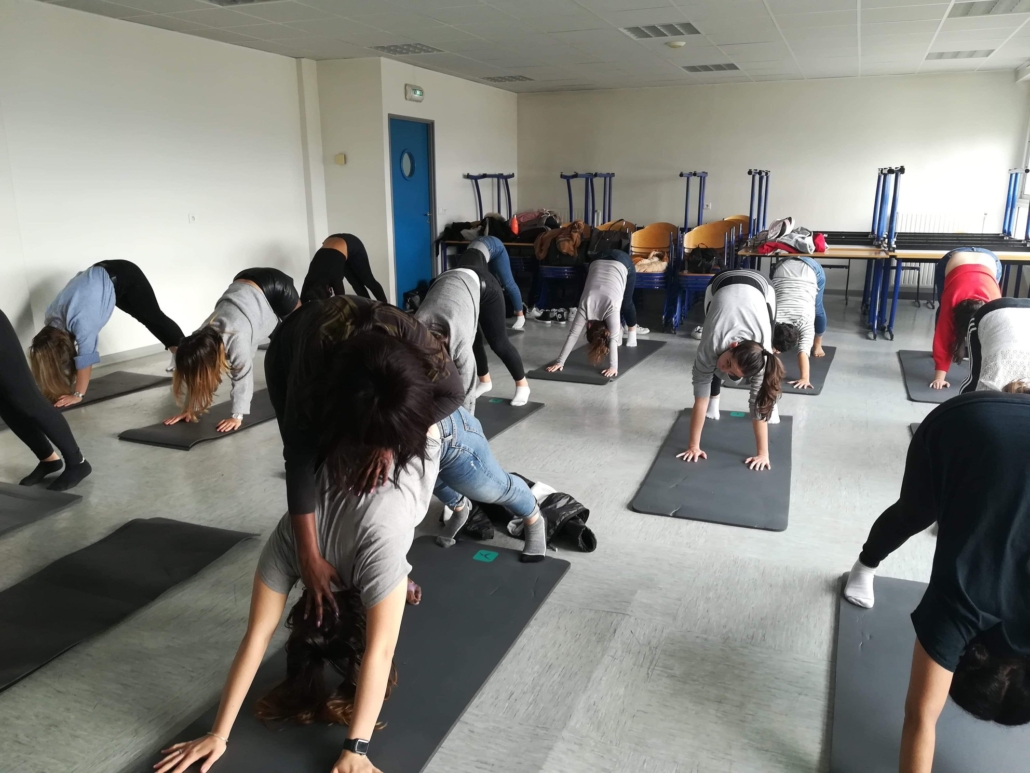
Open the image in a Lightbox: Peps Week Yoga Workshop Open the image in a Lightbox: Peps Week Yoga Workshop
Open the image in a Lightbox: Display for a Practice Glue Open the image in a Lightbox: Display for a Practice Glue
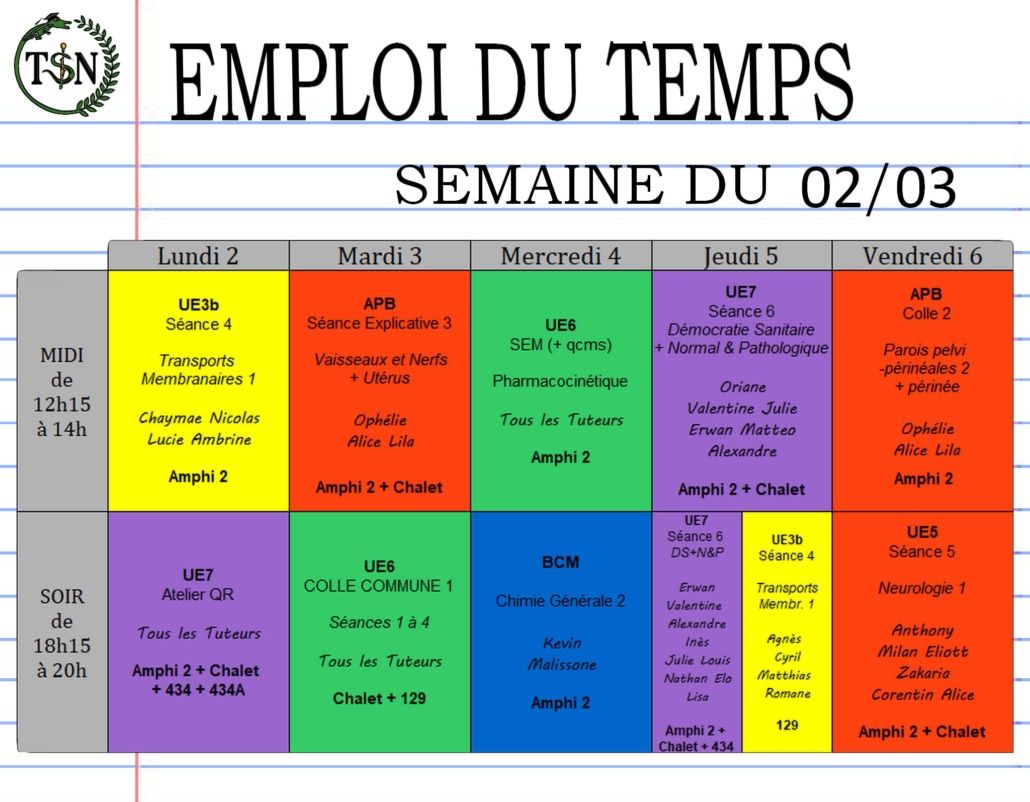
Open the image in a Lightbox: Sample Schedule Open the image in a Lightbox: Sample Schedule

What made you decide to join the organization? 

When I started my health studies, I wasn’t familiar with tutoring. At the university, I quickly heard about the organization and the support it offers. So I went to a session and immediately saw all the benefits this organization could provide me. 

After passing the PACES entrance exam and enrolling in a health sciences program, I wanted to join the tutoring program to share my personal experience from my first year. I wanted to help as many students as possible make progress so they could achieve their dreams. It felt natural to me to do everything I could to give back everything I received during my first year, because without the tutoring program, I would never have passed that exam.

What does the association offer students?

The TSN provides PACES students with genuine academic support through practice sessions and Q&A sessions, as well as moral support through the organization of student activities. We also have a mentoring program in which second- and third-year students take first-year students under their wing to guide them toward success.

Why do you think people should join your organization? 

Our association offers a wide range of services, including both educational and personal support, to help everyone make progress toward passing the entrance exams for the second year of health studies.

How do I sign up? 

The tutoring program is completely free! To join the tutoring program, simply follow the registration instructions, which will be posted on our social media accounts and on the faculty’s registration page.

A few words about the 2020–2021 executive board?

For the TSN association, the election of the executive board takes place in two phases. 

It all begins with the formation of the Executive Committee (BR). Once the candidates for the BR have been nominated, a campaign period begins during which the various teams present their plans for the year. This year, due to the health crisis, all elections and campaigns took place online. Once the campaigns are over, all second- and third-year tutors elect a BR, which will then organize the elections for the other positions on the Executive Board. 

Once all positions have been announced by the BR, each mentor who wishes to serve on the executive board submits a candidacy for the position. The candidacy period lasts one week. After this campaign period, the BR organizes a vote for the positions with multiple candidates. 

You can now find us on our social media channels!

  • Facebook: @tutoratsantenimes
  • Twitter: @TutoSanteNimes
  • Instagram: tutorat_sante_nimes
  • Email: tutorat.nimes@gmail.com

To wrap things up, we’d like to share a video we created in collaboration with the three health tutoring organizations in Montpellier: the Montpellier Health Tutoring Association (ATSM), the Association of Pharmacy Tutors (ATP), and us, the Nîmes Health Tutoring Association (TSN)!

June 26, 2020/by communication
https://facmedecine.umontpellier.fr/wp-content/uploads/2020/06/image-mise-en-avant.jpg 526 2000 communication https://facmedecine.umontpellier.fr/wp-content/uploads/2024/06/LOGO-CLASSIQUE-H-300x135.png communicationJune 26, 2020, 10:39:18 AMJuly 10, 2020, 7:18:27 PM#OrganizationOfTheWeek – Meeting with Tutorat Santé Nîmes

#OrganizationOfTheWeek – A Look at the CNESF

Featured, Student Life

Following our meeting with Dis-Lalie, the Montpellier-based association for the speech-language pathology program, this week we’re meeting with the CNESF, the association for the midwifery program in Nîmes!

In a nutshell, what is the CNESF?

The Nîmes Midwifery Students’ Association is a nonprofit organization under the French Law of 1901 whose purpose is to represent midwifery students in Nîmes and to give them a voice within federations such as the ANESF (National Association of Midwifery Students, our program-specific federation) and the AGEM (General Association of Montpellier Students, our regional federation). It also aims to listen to midwifery students in Nîmes, advise them as much as possible, and defend their rights and interests. Our association helps energize the student life of its members by organizing solidarity and prevention events, as well as social, athletic, and cultural events. Finally, it aims to enhance our skills as future healthcare professionals through access to continuing education.

What activities or initiatives do you organize throughout the year?

We are working to expand our activities as much as possible through the association’s various divisions the association:

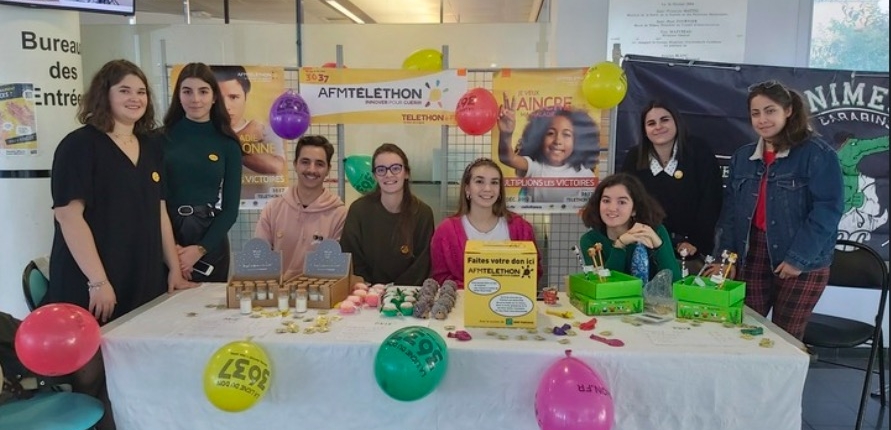
The Public Health Division has organized, for example, film screenings followed by coffee-and-conversation discussions to explore topics such as female genital mutilation or anonymous adoption, particularly following screenings of films in partnership with the Sémaphore in Nîmes.

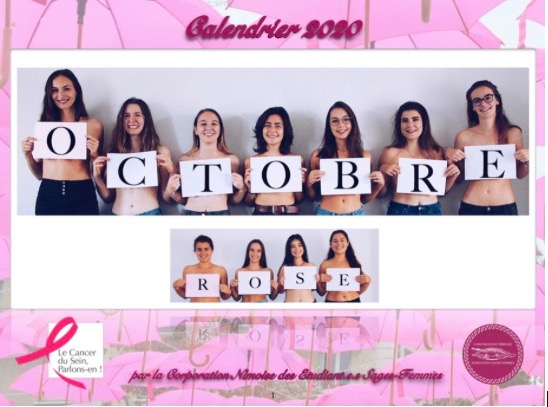
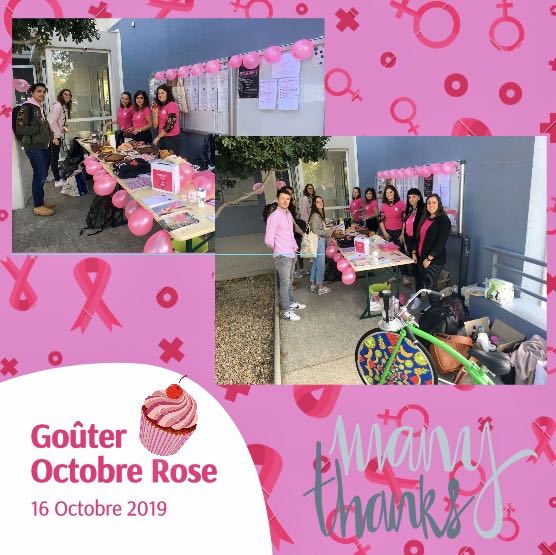
As part of the annual awareness campaign for breast cancer screening, we created a calendar for Pink October. It features prevention tips and information, and the money raised was donated to the League Against Cancer. We also participated in the Telethon alongside medical students.

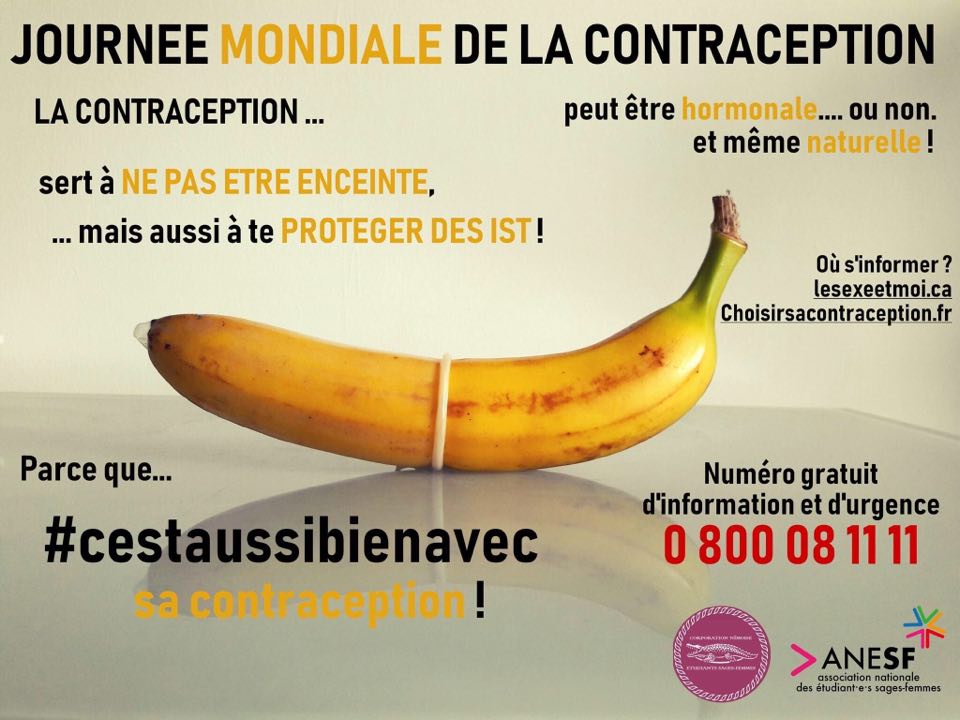
Thanks to the growth of social media, we have created posters for global awareness days—such as the one created in collaboration with ANESF for World Contraception Day—and informational quizzes on various topics are also available. We’ve established a mentoring program where upperclassmen mentor students from different graduating classes, which we plan to expand further next year. 

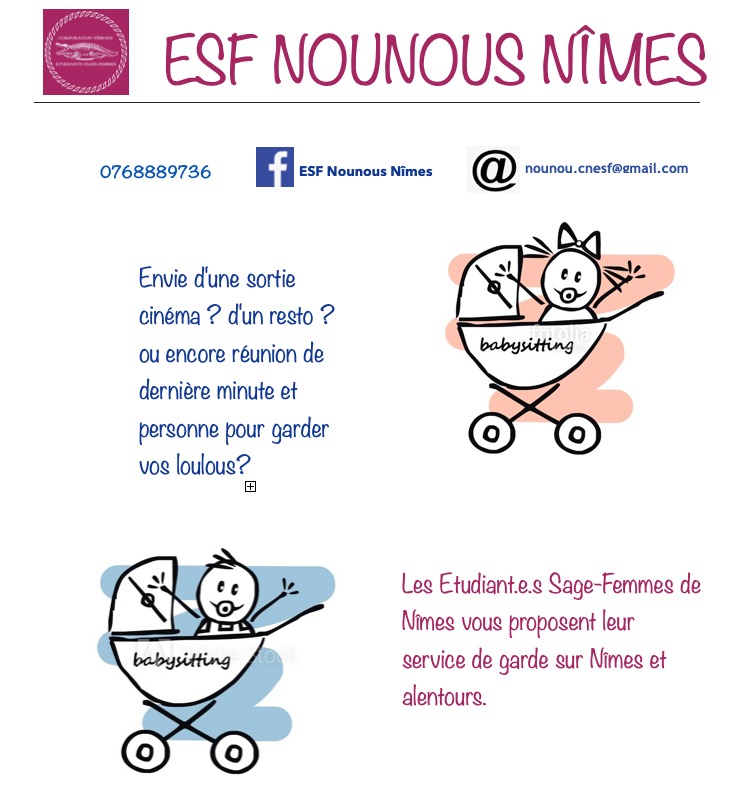
We organized festive and team-building events, including the end-of-year gala, which unfortunately could not take place. As we did last year, we continued to expand our babysitting network. As for AGEM and ANESF, we attend in person or remotely every board meeting and general assembly to represent the midwifery students of Nîmes in policy decisions.

Snack parties are held every month to raise funds for charities, to which we also donate children’s clothing and supplies.

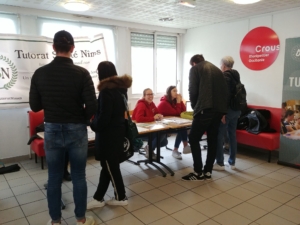
Finally, we participated in PEPS Week, organized by Tutorat Santé Nîmes this year, at the student fair, as well as at the Faculty’s open house, to do our best to answer questions from prospective students.

Previous Previous Previous Next Next Next
12345
Open the image in a Lightbox: Calendar Open the image in a Lightbox: Calendar
Open the image in a Lightbox: Nanny Flyer Open the image in a Lightbox: Nanny Flyer
Open the image in a Lightbox: Gouter Noel Open the image in a Lightbox: Gouter Noel
Open the image in a Lightbox: Post GouterOR19 Open the image in a Lightbox: Post GouterOR19
Open the image in a Lightbox: World Contraception Day Open the image in a Lightbox: World Contraception Day

Why did you personally choose the Maieutics track, and what does the association offer students in this track?


In my opinion, this is a field you choose out of passion. The program is long and 
require a significant investment, particularly in the many internships. But Supporting couples, mothers, women, and even babies is what makes The diversity of our profession—and that’s what drew me to it. We do indeed have a broad range of expertise; whether in the private, public, or independent sectors, we can support women throughout their pregnancy, childbirth, and postpartum period (provided there are no medical complications). We can also provide preventive gynecological care and contraception consultations. We sometimes face difficult situations, but the intense moments of life and emotion serve as a reminder of why we started this work in the first place.

The association, for its part, provides opportunities to get together—whether at the clubhouse or at events—and to learn through training programs offered by ANESF or AGEM. Members can also stay up to date on national news, which we share regularly. For those who want to get involved in student life, it’s a great way to thrive while working on your own projects and collaborating with other students.

Why do you think people should join your organization? 

Joining our association is, above all, a gesture of support. We represent midwifery students in the faculty’s student life. Joining allows you to stay informed about various events and connect with other associations within the faculty or outside of it. In fact, this results in membership in both AGEM and ANESF, which allows you to stay informed about discussions within these organizations and potentially make an impact by sharing your views on key issues. It’s an opportunity to take an active interest in the future of the profession and student life in the region, as well as to bring broader issues to light.

Membership is also the only way to vote at general meetings for the future teams that will represent you during the next terms. And on the fun side, membership gives you access to a whole host of partnerships that our fabulous VP of Partnerships has secured for us—from laser tag to products from Luneale, Fempo, and many others—all offering great discounts. Finally, we have partnerships with professional insurance providers that offer additional protection for students on internships.

How do I sign up? 

Joining is very easy: just come to our association’s office on campus between 12 p.m. and 2 p.m. (every day) and pay 7 euros—by check, cash, or even Lydia. We’ll give you a nice little membership card with our social media handles. You can join at any time throughout the year, but we close membership registration two weeks before the end-of-term General Assembly.

A few words about the 2020–2021 executive board?

Unfortunately, given the current health situation, this year’s handover will take place remotely. We are in contact with the executive board members running for the 2020–2021 term and who are more motivated than ever. There are exciting projects on the horizon that we look forward to learning more about in detail. It’s with a slight twinge of sadness that we’re stepping down from this term, especially given the difficult end to the year, but we have complete confidence in the dedication of the incoming executive board. They are motivated young women with experience and a lot of enthusiasm—everything needed to succeed. We couldn’t have handed over this term with greater peace of mind than with such a wonderful new generation taking the reins!

Feel free to follow us on social media:

– Instagram: @CNESF

– Facebook: Nîmes Midwifery Students' Association

– Twitter: @CNESF2


June 23, 2020/by communication
https://facmedecine.umontpellier.fr/wp-content/uploads/2020/06/image-en-avant-1.jpg 526 2000 communication https://facmedecine.umontpellier.fr/wp-content/uploads/2024/06/LOGO-CLASSIQUE-H-300x135.png communicationJune 23, 2020, 2:20:31 PMJuly 10, 2020, 7:09:23 PM#OrganizationOfTheWeek – Meeting with the CNESF

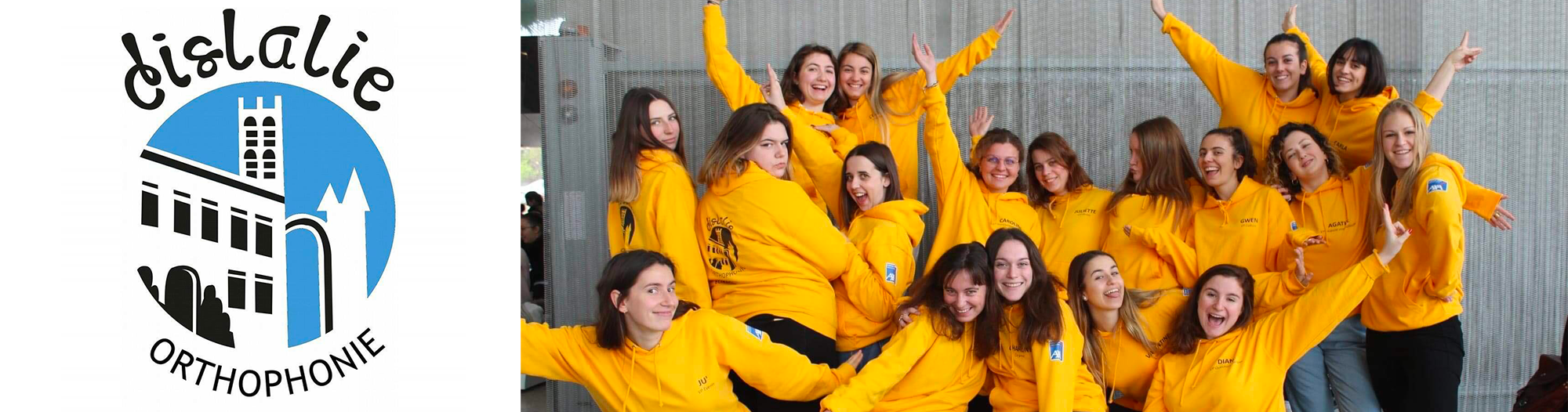
#OrganizationOfTheWeek – A Conversation with Dis-Lalie

Featured, Student Life

As we’ve seen, the Ademmoos association brings together elected representatives from every sector! This week, we’re focusing on the speech-language pathologists in Montpellier through the Dis-Lalie association! 

In a few words, what is the Dis-lalie association?

Dis-Lalie, founded in 1998, is the association for speech-language pathology students in Montpellier. The association’s goals are to foster student life through a variety of events and to represent speech-language pathology students in Montpellier within the federations to which Dis-Lalie belongs, namely the FNEO (National Federation of Speech-Language Pathology Students) and AGEM (General Association of Montpellier Students), to help students prepare for their transition into the workforce through conferences, training sessions, and meetings with partners and healthcare professionals, and to support students in defending their rights and ensuring the smooth progress of their education by engaging with university and local authorities.

What activities or initiatives do you organize throughout the year? 

Throughout the year, Dis-Lalie organizes events for student members:

  • Team-building events : team-building weekends and afternoons, evening events, meals, ski trips, end-of-year ceremonies, attendance at the graduation ceremony for new graduates…
  • Speech-language pathology training : lectures (on Alzheimer’s disease, lip-reading, stuttering, etc.), training sessions, and workshops related to the profession (drawing, accounting, etc.)
  • Wellness events : sophrology and yoga workshops.
  • Cultural events : city tour, tour of the anatomy museum, hikes around Montpellier, beer and chocolate tastings…
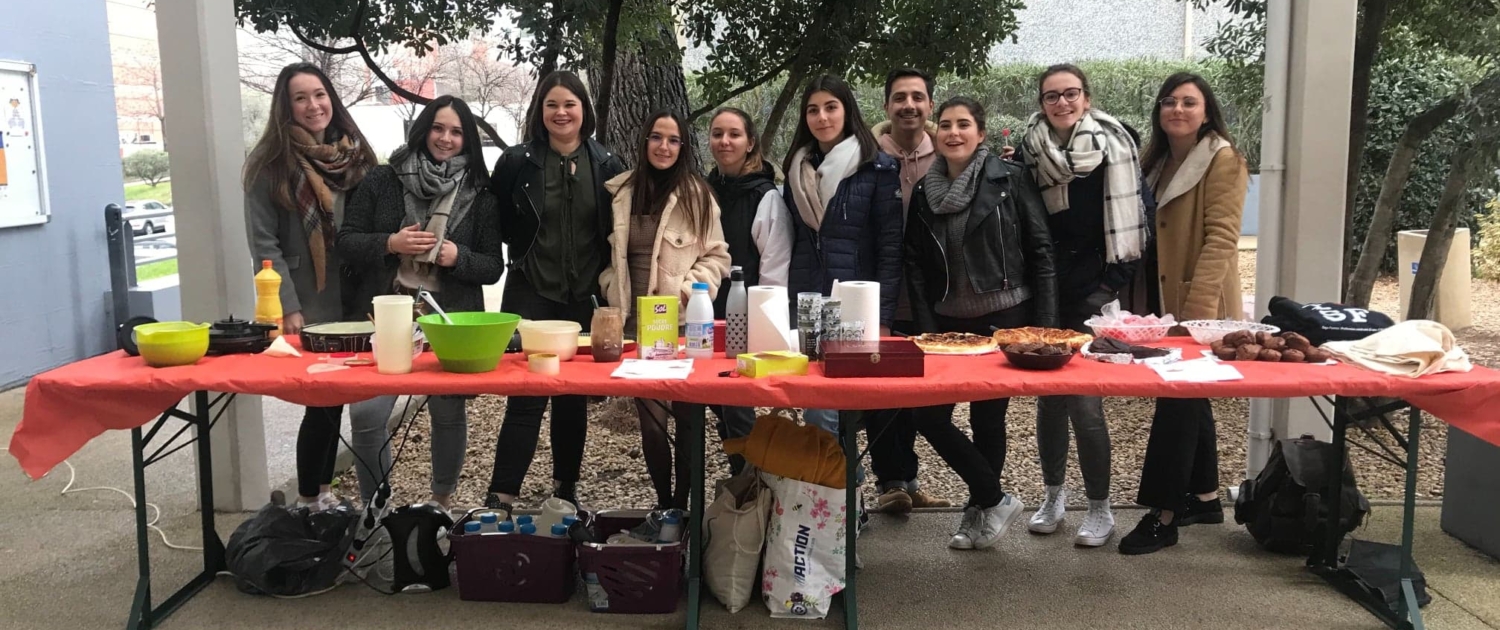
  • Events focused on prevention, civic engagement, and solidarity: bake sales for Telethon Week, Pink October, and Sidaction, with proceeds donated to charities; toy drives for hospitalized children at Christmas; collections of plastic bottle caps to be reused to make assistive devices for people with disabilities; and participation in the “Teddy Bear Drive” at the hospital…

Dis-Lalie also supports students throughout their studies. Whether by offering discounts on speech-language pathology materials through our partnerships with publishers or by informing students about the financial aid and transportation assistance available to them. We also assist students who wish to spend a semester abroad with the necessary administrative procedures. Dis-Lalie further supports students interested in pursuing a university degree in speech-language pathology by sharing testimonials from speech-language pathology students on social media and by hosting applicants during their oral exams, among other things.

Why did you personally choose the Speech-Language Pathology program, and what does the association offer students in this program?

Personally, I chose to pursue a career in speech-language pathology because it is a profession focused on care and, above all, rehabilitation, which allows you to witness real progress in patients, particularly through speech-language therapy.  It’s a very diverse field. Indeed, patients come in all ages, and the conditions and rehabilitation methods are highly varied. For example, a speech-language pathologist may work with newborns who have oral development disorders, children with learning disabilities (dyslexia, dysorthography, dyscalculia…), as well as patients with neurological disorders, hearing loss, those recovering from a stroke, or even those recovering from COVID-19! It is therefore a profession in which every case is different, offering the choice to work in a healthcare facility or in private practice, and providing the opportunity for ongoing training throughout one’s career on a wide variety of conditions.

Why do you think people should join your organization? 

Our association allows speech-language pathology students in Montpellier to come together at various events, which fosters a sense of community and encourages sharing among students at our training center. Membership in Dis-Lalie offers students many benefits:

  • Discounts or free admission to events organized by the association
  • Access to conferences and training sessions on speech-language pathology, organized by our Vice President of Training
  • Preferential rates from our partner companies: insurance companies, publishing houses, etc.
  • Discounted or free travel to events organized by the FNEO (training weekends and the national convention)
  • Opportunity to participate in all team-building, cultural, and wellness events organized by the association
  • Voting Rights at General Meetings

How do I sign up? 

Membership registration takes place every year in September. The membership fee for the 2019–2020 year is set at 11€.

A few words about the 2020–2021 executive board?

The election of the 2020–2021 executive board will take place at the end of October during the handover general meeting. The election of Dis-Lalie’s new executive board will be conducted on a position-by-position basis. Each candidate will have the opportunity to present their rationale to the assembly. Each year, the executive board consists of two co-chairs, a secretary, a treasurer, a vice president in charge of communications, a vice president in charge of training, a vice president in charge of international mobility, a vice president in charge of social issues, a vice president in charge of culture, a vice president in charge of partnerships, a vice president in charge of student representation, vice presidents in charge of events, vice presidents in charge of social gatherings, vice presidents in charge of prevention, citizenship, and solidarity, and an admissions coordinator.

Here are our contact details. Feel free to follow us on social media:

  • website: https://dislalie.jimdofree.com/
  • Facebook: Dis-Lalie 
  • Twitter: Dyslalia 
  • Instagram: dislalie 


June 19, 2020/by communication
https://facmedecine.umontpellier.fr/wp-content/uploads/2020/06/image-mise-en-avant.png 526 2000 communication https://facmedecine.umontpellier.fr/wp-content/uploads/2024/06/LOGO-CLASSIQUE-H-300x135.png communicationJune 19, 2020, 10:47:37 AMJuly 10, 2020, 7:10:37 PM#OrganizationOfTheWeek – Meeting with Dis-Lalie

#OrganizationOfTheWeek – A Look at ADEMMOOS

Featured, Student Life

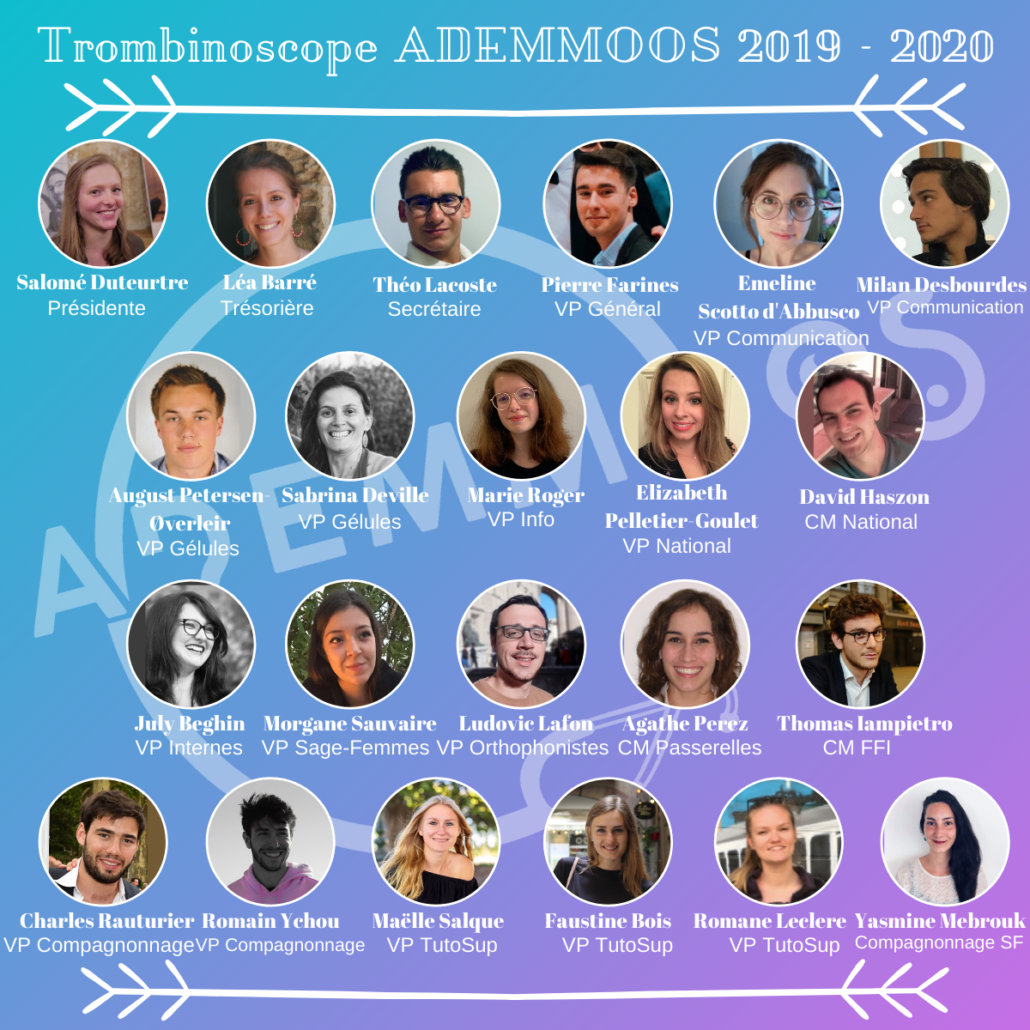
Last week, we met with the Association Carabins Montpelliéraine to learn more about student life for medical students. Today, Salomé Duteurtre, the Student Vice Dean, is answering our questions!

In a nutshell, what is ADEMMOOS?

ADEMMOOS is the Association of Student Representatives from Montpellier-Nîmes in the fields of Medicine, Speech-Language Pathology, Orthoptics, and Midwifery. It brings together nearly 40 elected student representatives from the various programs. 

We work every day to:

  • in Interprofessionalism : all of the faculty’s academic programs are represented;
  • in Intersite, through a collaboration between residents of Montpellier and Nîmes;
  • for Represent all students in the UFR in dealings with the administration, the faculty, and the university hospital.

What activities or initiatives do you organize throughout the year? 

Above all, our year is shaped by our student advocacy efforts.

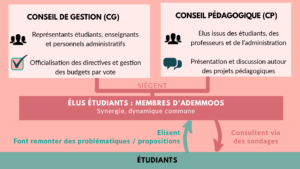
As such, we are represented on two major councils within the faculty:

  • The Academic Council facilitates collaboration among the various stakeholders in the faculty (faculty members, administrative staff, and students) regarding the programs offered by the UFR. Topics discussed include assessment methods and the evaluation of teaching materials. 
  • The Management Council is the faculty’s decision-making body, which votes on and reviews the internal regulations, the budget, agreements entered into by the faculty, and educational programs.


Our goal, therefore, is to give students a voice, often by conducting surveys that allow us to carefully gather their opinions and positions on the various issues that arise during the academic year. 

In addition, we are also carrying out a number of projects to improve our training conditions. For example, several of our initiatives focus on health promotion:

  • Improving student well-being in all its forms is one of our priorities. Given the difficulty and demands of our programs, some students may find themselves struggling; we strive to support them and refer them to resources that can help.
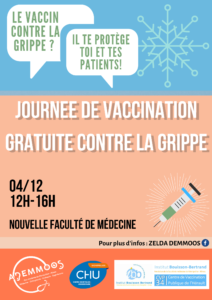
  • We are raising awareness about the flu vaccine to encourage students—future healthcare professionals—to get vaccinated. In particular, we organized a vaccination day on the faculty campus. 

We also support initiatives aimed at enhancing student life on campus. We participate in Open House events and European Heritage Days to lead tours and engage with the public. In addition, we help design and develop living and workspaces.

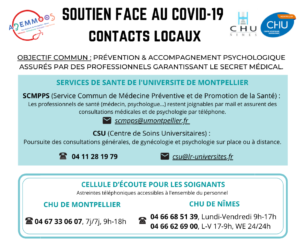
We keep students informed about the latest news from the faculty; for example, during the COVID-19 crisis, we kept them regularly updated on the situation and changes to our programs.

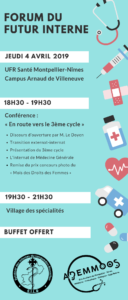
We help medical interns choose their specialties through the Forum du Futur Interne (FFI), which we organize in collaboration with the Languedoc-Roussillon Interns' Union.

Finally, we work with all of the faculty’s student organizations:

  • We support student-led support and educational initiatives: PACES tutoring, tutoring for upper-level medical and midwifery students, iECN prep workshops…
  • We participate in student representation at the local level (AGEM) and at the national level through our respective academic program associations.

What does the association offer students?

Our organization promotes several things:

  • the support and the representation of all students enrolled in the Montpellier-Nîmes School of Medicine at the University of Montpellier;
  • the promotion of improving student life (in terms of the quality of studies and educational offerings) within the UFR by establishing an ongoing dialogue between students, their elected representatives, and student organizations—across all programs—belonging to the UFR;
  • the gathering of students from the various departments within the UFR, particularly through the development of joint student initiatives, in order to transcend the divisions inherent in the different degree programs and foster mutual inspiration by leveraging the synergy of diverse skills.

Furthermore, students are not required to make any financial contributions. Simply being enrolled in the UFR allows students to participate in all the activities offered by our association.

A few words about the 2020–2021 executive board?

Our association's executive board is made up of students—whether or not they are elected UFR representatives—who are appointed for a one-year term from October to October to coordinate the team of student representatives.

The 2020–2021 term of office will begin this summer: please feel free to contact the current board if you’re interested in any of the positions!

Please feel free to contact us with any questions about student representation!

  • On Facebook: ADEMMOOS – Elected Representatives of the Montpellier-Nîmes Medical Faculty
    or Zelda Demmoos
  • On Twitter @ademmoos_
  • By email: ademmos.elus.etudiants@gmail.com 


June 16, 2020/by communication
https://facmedecine.umontpellier.fr/wp-content/uploads/2020/06/image-de-mise-en-avant-1.jpg 526 2000 communication https://facmedecine.umontpellier.fr/wp-content/uploads/2024/06/LOGO-CLASSIQUE-H-300x135.png communicationJune 16, 2020, 11:56:50 AMJuly 10, 2020, 7:00:57 PM#OrganizationOfTheWeek – Meeting with ADEMMOOS

Support for Innovative Educational Projects at the Faculty

In the Spotlight, Research/Innovation

The MUSE (“Montpellier University of Excellence”) project brings together 19 institutions committed to educational progress and innovation. Today, several projects led by members of the Faculty have been selected and will receive funding from the foundation. 

Toward New Training Programs: TakeOff #3

The MUSE Foundation has launched a call for proposals to promote educational innovation, particularly in the transformation and creation of new training programs. The goal is simple: to align as closely as possible with current labor market demands and societal needs, and even to anticipate future needs in light of societal changes. 

Of the 30 selected projects, 3 are from the School of Medicine and will therefore receive funding to carry them out. 

  • The “ Development of Educational Tools to Support the Training of Advanced Practice Nurses Specializing in Oncology and Hematology ," led by Nadine Houede.
  • The “ Rabelais Health and Science Dual Degree Program ” project, led by Stephan Matecki
  • The “ Montpellier Introductory Surgical Summer School ” project, led by Astrid Herrero.

Funded for three academic years, these projects will enable us to train our students even more effectively!

And tailored educational tools: TakeOff #4

In addition to these new training programs, the Muse Foundation also supports projects involving innovative educational equipment. To ensure educational continuity, the work environment must also be adapted. 

As a result, three other projects from the Faculty—this time involving new, innovative equipment—were selected:

  • A “ App for tracking learning progress and the mastery of technical procedures in medicine " led by Antoine Debourdeau and Valentin Favier.
  • A “ Audio-Visual Immersion in a Health Simulation Educational Session " led by Blaise Debien.
  • A project on “ The Benefits of Acquiring a Digital Surgical Simulator for Implementing the 2021–2023 Medical Education Reform: Learning and Certification for a Degree in Non-Operating Room Surgery ” led by Astrid Herrero and François Régis Souche.

We can therefore expect to see many educational innovations emerge over the next few years at the School of Medicine, both in terms of training programs and teaching tools!

A commitment to innovation already in place: TakeOff#1 and TakeOff#2

Two other calls for projects launched by I-Site Muse had already taken place previously. These were TakeOff#1 and TakeOff2.

Once again, the Faculty responded quickly, and some of its proposals were selected. First, during the initial call for proposals, TakeOff#1: 

  • The creation of the " International DIU: Emerging Infections ", proposed by Éric Delaporte. 
  •  The creation of a “Digital Laboratory for Preclinical Sciences”, led by Fares Gouzi. 
  • A Proposal “Learning Anatomy and Surgery Through Simulation and 3D Printing”, led by Valentin Favier.
  • A “Surgical Education in Extended Reality”, defended by Nicolas Lonjona.
  • A project on “Artisanal Expertise in the Service of Innovation in Medical Simulation”, Led by Astrid Herrero. 

Then, in a second phase, during the TakeOff#2 call for projects: 

  • The “International Master’s in One Health and Infectious Diseases”, which follows on from the International DIU created through TakeOff#1. 
  • The creation of an “Interdisciplinary Educational Escape Game in a Simulation Center: Mystery at SimHU Nîmes”, which helps foster cohesion, communication, and collaboration among future healthcare professionals. 
  • The development of a tool for “VESALE 3D: Dynamic 3D Virtual Dissection for Teaching Surgical Anatomy”, which is part of an effort to ensure that procedures are never performed on a patient for the first time. 
June 15, 2020/by communication
https://facmedecine.umontpellier.fr/wp-content/uploads/2020/06/absolutvision-82TpEld0_e4-unsplash.jpg 526 2000 communication https://facmedecine.umontpellier.fr/wp-content/uploads/2024/06/LOGO-CLASSIQUE-H-300x135.png communicationJune 15, 2020, 11:53:57 AMJune 25, 2020, 10:34:05Innovative Educational Projects Supported at the Faculty

#OrganizationOfTheWeek – A Look at the Association Carabine Montpelliéraine

Featured, Student Life

In addition to the Med’Ley Association, this week we’re also featuring the Association Carabine Montpelliéraine (ACM) and its president, Colin Azria.

In a nutshell, what is the Association Carabine Montpellieraine?

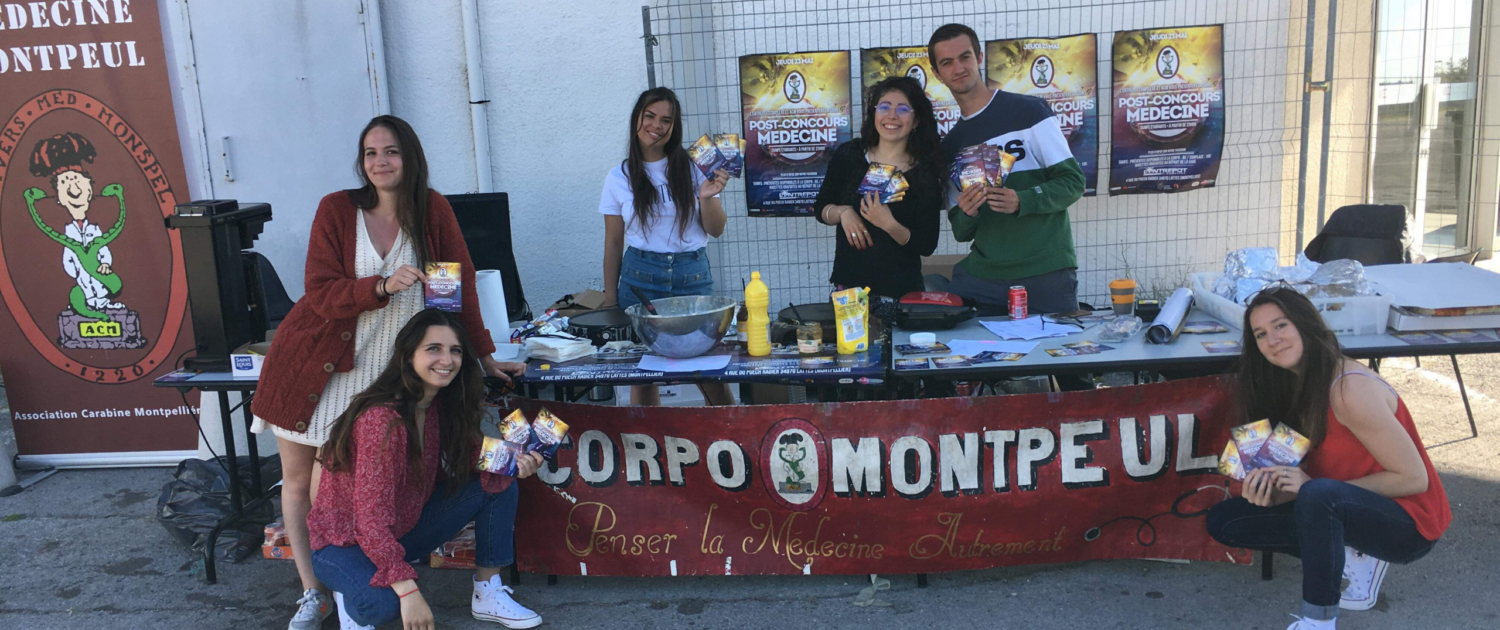
The Association Carabine Montpelliéraine (or the Montpellier Medical Student Association) is a nonprofit, nonpartisan, and non-denominational association governed by the 1901 law, which aims to represent medical students in Montpellier. It is the only association that officially and exclusively represents medical students in Montpellier from the 1st year (PACES) through the 6th year.

Working closely with the PACES Tutoring Program and the teaching staff of the UFR Medicine, the ACM supports students throughout their academic career by providing a variety of resources (books, handouts, stethoscopes, and other supplies) and offering them the opportunity to participate in various events (community service initiatives, cultural events, student parties, the Gala, etc.).

In addition, the ACM is part of the network of local student representation (Z’élus associatifs) and national student representation (ANEMF—National Association of Medical Students of France), which advocates for students’ interests before administrative and government bodies.

What activities or initiatives do you organize throughout the year?

The activities we carry out are very diverse and encompass all the opportunities that may arise during our studies. First, we are setting up a direct sales service for course handouts to help students learn more effectively. 

We participate in national and international exchanges, which we organize through the ANEMF network in the form of various exchange programs. 

For several years now, we have also built strong relationships with local businesses throughout Montpellier that offer us “great deals.” We are also in the process of expanding our scope of action to participate more actively in community solidarity and sustainable development in our beautiful city of Montpellier. From simple student parties to global health charity events like the Telethon, Movember, Pink October, and Sidaction, as well as the Medicine Gala—and with a Culture division active every day offering organic food baskets, “ciné’kult” film screenings, and great deals for students in Montpellier—the ACM aims to support medical students throughout their studies.

Why did you personally choose to study medicine, and what does the association offer students in this program?

Personally, I’ve always been drawn to medical concepts, so it was only natural that I chose this field. It’s only when you choose to study medicine that you realize just how much work still lies ahead. But it’s by volunteering your time with an organization that you truly realize the sheer magnitude of the work you can and must do. Having briefly described our activities above, I believe that the Corpo Médecine is an institution that, for several generations now, has been an integral part of the daily lives of medical students and helps keep our traditions alive. 

Why do you think people should join your organization? 

By joining our association, you’ll be able to discover all our great deals in Montpellier, participate in all our events, gain access to the services we offer (sales of handouts, supplies, books, etc.), and much more!

How do I sign up? 

Joining is easy—just stop by our office at the Arnaud de Villeneuve campus, located at 641 Avenue du Doyen Gaston Giraud, 34090 Montpellier. The membership fee is €10, payable annually. 

A few words about the 2020–2021 executive board?

The election of the Corpo Médecine executive board takes place at the end of each academic year and is conducted by second-year students. They select individuals from among their class to form the Corpo executive board for the following year. You can find out more about the new executive board members on our website.

We're also on social media—you can find us at: 

  • On our Facebook page: Acm Corpo Médecine Montpellier
  • On our Instagram: acm_corpo
  • Follow us on Snapchat/Twitter: AcmCorpo
June 12, 2020/by communication
https://facmedecine.umontpellier.fr/wp-content/uploads/2020/06/image-en-avant.jpg 526 2000 communication https://facmedecine.umontpellier.fr/wp-content/uploads/2024/06/LOGO-CLASSIQUE-H-300x135.png communicationJune 12, 2020, 11:17:44 AMJuly 10, 2020, 6:49:06 PM#OrganizationOfTheWeek – Meeting with the Association Carabine Montpelliéraine
Page 8 of 10"‹678910›»

Headlines

  • A Look Back at the 2026 Stethoscope Award CeremonySeptember 17, 2026 - 12:44 p.m.
  • Medical Students in the Interwar Period, exhibition from October 1 to December 18, 2026September 11, 2026 - 12:00 p.m.
  • Graduation Ceremony for Advanced Practice Nurses – Class of 2024–2026September 7, 2026 - 4:06 p.m.

Downtown Montpellier: Historic Building

Faculty headquarters and mailing address
2 rue École de Médecine
CS 59001
34060 Montpellier cx 2
04 34 43 36 00

North Montpellier

Arnaud de Villeneuve Health Campus and Administration
641 Avenue du Doyen Gaston Giraud
34070 Montpellier
04 34 43 35 00/01

Nîmes

Carémeau Health Campus and Administration
186 Chemin du Carreau de Lanes
CS 83021
30908 Nîmes cedex 2
04 66 02 81 81

Montpellier Botanical Garden

Boulevard Henri IV
34000 Montpellier

Follow us

Student Health

Links

  • Access to the Digital Classroom
  • Moodle
  • DIU Website
  • Capacities Website
  • PASS
  • 800 years
  • Legal Notice

Profiles

  • Students
  • Healthcare professionals
  • Companies
  • Teachers
  • Staff
  • High school students
© Copyright - Montpellier School of Medicine
  • Link to Facebook
  • Link to LinkedIn
  • Link to Instagram
  • Link to YouTube
Scroll up Scroll up Scroll up

We use cookies to provide the services and features offered on our website and to improve our users’ experience. Cookies are pieces of data that are downloaded or stored on your computer or other device. By clicking “I Accept,” you consent to the use of cookies. You can always disable them later.

I agree

Cookies and Privacy Settings


How We Use Cookies

We may set cookies on your device. We use cookies to track when you visit our websites, how you interact with us, to enhance your user experience, and to personalize your interaction with our website.

Click on the various sections within the category to learn more. You can also change some of your preferences. Please note that blocking certain types of cookies may affect your experience on our websites and the services we are able to offer.

Essential Web Cookies

These cookies are strictly necessary to provide you with the services available on our website and to use certain features of the site.

Since these cookies are absolutely necessary for the website to function properly, rejecting them will affect how the site works. You can always block or delete cookies through your browser settings and force them to be blocked on this site. However, the message asking you to accept or reject them will reappear every time you visit our site.

We respect your choice to block cookies, but to avoid asking you this question on every page, please allow us to use one cookie to remember your choice. You are free to change this setting at any time to improve your browsing experience. If you block cookies, we will remove all cookies from this domain.

We provide you with a list of cookies placed on your computer via our domain, so you can see what is stored there. For security reasons, we cannot show or display external cookies from other domains. These can be accessed through your browser settings.

Google Analytics Cookies

These cookies collect aggregated information to help us understand how our site is used and how effective our marketing efforts are, or to help us customize our site to improve your browsing experience.

If you do not want your visit to our site to be tracked, you can block tracking in your browser here:

Other External Services

We also use various external services such as Google Web Fonts, Google Maps, and other video hosting providers. Since these providers may collect personal data such as your IP address, we allow you to block them here. Please be aware that this may significantly limit certain features of our site. The changes will take effect after you reload the page.

Google Font Settings:

Google Maps Settings:

reCAPTCHA Settings:

Vimeo and YouTube video embeds:

Other cookies

The following cookies are also required—you can choose to allow their use:

Privacy Policy

You can find more details about cookies and privacy settings on our Legal Notice page.

Privacy Policy
Accept settingsHide notification only
Request for a self-guided tour of the JARDIN des PLANTES

Request for a self-guided tour of the JARDIN des PLANTES

For the group formed

Self-guided tours are only available during public opening hours, specifically:

SUMMER HOURS

April 1 through September 30: 12:00 p.m. to 8:00 p.m., except on Mondays.

WINTER SCHEDULE

October 1 through March 31: 11 a.m. to 6 p.m., except on Mondays.

This form is an informational document used to track group visits to the botanical garden. It also provides us with data needed to compile statistics on visitor numbers.


    For children, please indicate their age (maximum of 70 children):

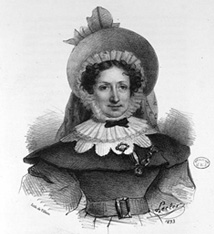
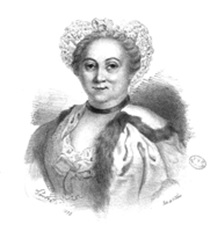
    Marie-Anne BOIVIN

    Marie-Anne GILLAIN was born in 1773 in Montreuil, near Versailles.

    She was sent to boarding school with the Sisters of the Visitation.

    During the Revolution, she took refuge in Etampes with a relative who was the mother superior of the Hospitalières de l’Hôtel-Dieu.

    There she attended the surgeon’s lectures and served for two and a half years, from 1793 to 1796, as a hospital volunteer—that is, as a layperson who volunteered her services to the poor and sick.

    In 1797, she returned to Versailles to marry Louis BOIVIN, deputy head of the National Domains office.

    She became pregnant early on, but was suddenly widowed in 1798 at the age of 25, left without any means of support and with a young daughter to raise.

    She then decided to put to use the knowledge she had gained from the surgeon at the Hôtel-Dieu in Étampes and enrolled in the Midwifery School at the Maternity Hospital in 1799.

    In 1800, she graduated and left for Versailles to be reunited with her daughter and pursue her career.

    In 1801, following the death of her daughter, she obtained permission from Marie-Louise Lachapelle to return to the Maternity Hospice

    In 1803, she was appointed chief supervisor of the breastfeeding section. She held this position for eleven years, until 1814. During this long tenure, she took the opportunity to attend the lectures of her patron, the surgeons at the Maternity Hospital (Baudelocque, then Dubois), and the chief physicians (Andry, and especially Chaussier), from whom she gathered observations and lessons.

    In 1812, she wrote and published *A Treatise on the Art of Childbirth*. The work was approved by the Ministry of the Interior, which included it among the textbooks given to graduates of the Maternity School.

    In 1814, the position of supervisor that she held was eliminated, and she was dismissed with a severance payment equal to her annual salary, or 360 francs.

    Starting in October, she was hired as a storekeeper and steward at the Poissy General Hospital, a position she held until January 1819, when the General Hospital was converted into a prison.

    Little is known about this period of her life: Did she continue her obstetric practice despite her new, more administrative duties? Did she do so at the general hospital? Or with a private clientele? In any case, for a time she appears to have earned a comfortable annual salary of 1,200 francs—almost as much as the head midwife at the Maternity Hospital.

    In 1818, she entered the Paris Medical Society’s competition anonymously, submitting a paper on internal uterine hemorrhages. She was awarded the medal.

    On February1, 1819, she joined the Maison Royale de Santé in Paris as chief supervising midwife, with a modest salary of 350 francs per year.

    In 1821, an opportunity for promotion arose following the death of Marie-Louise Lachapelle.

    According to procedure, the General Council of the Hospices must submit to the Minister of the Interior a list of five female candidates to succeed the renowned midwife.

    On November 14, 1821, the Council voted to approve a list with Marie-Anne Boivin at the top; she received 12 out of 12 votes in the first round of voting to select the top candidate.

    A month and a half later, the Minister of the Interior endorsed the Council’s decision.

    But the winner declined the position (or rather, resigned), forcing the board to propose another list. Why the refusal? All contemporary biographers attribute this decision to a public promise Marie-Anne Boivin is said to have made to her former patron never to replace her, even after her death. If that is the case, she kept her word, and another midwife, Madeleine Catherine Legrand, was appointed in 1822.

    Marie-Anne Boivin therefore continued to practice at the Maison Royale de Santé, where she accumulated observations, publications, and honors.

    In 1828, she presented a paper on spontaneous abortions, which was awarded a prize by the Bordeaux Medical Society.

    In September 1835, at the age of 62, worn out and exhausted, she retired and urged the hospice board to grant her a pension. Finally, after suffering a first stroke that left her hemiplegic, she died in May 1841.

    In 1902, one of the rooms in the renovated maternity ward was named after Marie-Anne Boivin.

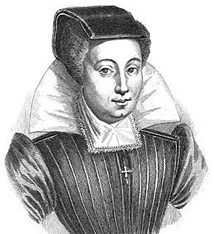
    Louise BOURGEOIS

    She was born in 1563 on Boulevard Saint-Germain or in Mons to a family of doctors.

    In 1594, she married Martin BOURSIER, a master surgeon and student of Ambroise PARÉ.

    She finds herself without any means of support when her husband is enlisted in the king's army.

    She quickly gained a reputation among the ladies of the court and delivered the queen's children six times.

    She is paid 500 crowns for the birth of a boy and 300 for the birth of a girl.

    It lost its prominence following the death of Marie de Bourbon-Montpensier, wife of Gaston d’Orléans, at the time of the birth of the Grande Mademoiselle.

    According to the surgeons who performed the autopsy on the woman who had given birth, her death was attributed to placental debris remaining in the uterus, and Louise Bourgeois was subsequently accused of negligence.

    At that time, there were few male obstetricians practicing, and they were trying to gain the upper hand over the midwives' guild.

    Louise questions their competence by harshly criticizing the autopsy findings and the skills of the obstetricians; however, her response has the opposite effect of what she intended, as it ends up giving them publicity.

    She was the first midwife to write a book on obstetrics, *Various Observations on Infertility, Miscarriage, Fertility, Childbirth, and Diseases of Women and Newborns*, published in 1609.

    In this book, she points out that infertility in a couple can be caused by the man, even though—like the doctors of that era—she confuses the ability to procreate with sexual vigor.

    She identified the role of malnutrition in fetal health, and she was the first to prescribe iron supplements to treat anemia.

    She emphasizes the importance of anatomical knowledge for midwives and urges doctors to allow them to attend lectures and dissection sessions.

    In 1636, the Parisian midwives submitted a petition to the Faculty of Medicine requesting that Louise Bourgeois be allowed to teach them obstetrics, but their request was denied.

    Subsequently, however, one of her students, Marguerite du Tertre de la Marche, was appointed head of the midwives at the Hôtel-Dieu and succeeded in overhauling their training program.

    She died on December 20, 1636, on Boulevard Saint-Germain at the age of 73.

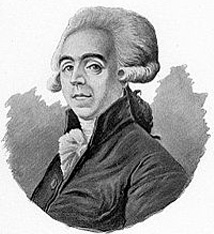
    Jean-Louis BAUDELOCQUE

    He was born on November 30, 1745, in Heilly, Picardy.

    He was the son of Jean Baptiste BAUDELOCQUE, a surgeon, and Anne Marguerite LEVASSEUR. His brothers Félix Honoré (1744–1794) and Jean Baptiste (1749–1800) were both doctors. He was the third of ten children.

    It was his father who introduced him to surgery in the countryside of Picardy.

    He completed his studies in Paris at the Hôpital de la Charité, where a renowned professor of obstetrics, Solayrès de Renhac (1737–1772), was on staff.

    In 1772, following Solayrès’s untimely death at the age of 35, he collected the manuscripts of his lectures and succeeded him as professor of obstetrics at the Hôpital de la Charité. Thanks to Baudelocque, Solayrès’s work was saved from oblivion.

    In 1775, at the initiative of Augier du FOT, a surgeon and childbirth instructor in Soissons, he published—based on manuscripts bequeathed by Solayrès de RENHAC—the first edition of a manual intended for the training of midwives. This work was later republished under his name alone, under the title“Principles of the Art of Childbirth: Questions and Answers for Student Midwives.” It was reprinted three times during Baudelocque’s lifetime and three more times posthumously.

    In 1776, following the defense of his dissertation on symphysotomy, titled“An in partu propter angustiam pelvis impossibili, symphysis ossium secanda?”, he was appointed surgeon at the Hôpital de la Charité in Paris and was awarded the title of Master of Surgery by the Paris College of Surgery.

    On April 5 or 6, 1777, in Paris, he married Andrée DERULLIER (née de Vulier, de Voulier, de Rullie, or de Rouillier), whose family made mannequins of pregnant women for demonstrations in childbirth classes; she died on January 4, 1787, childless.

    In 1781 and 1789, he published the first two editions of his scholarly treatise*The Art of Childbirth* in two volumes. He became famous for his forceps, his practice of cesarean sections, and the invention of the pelvimeter, which measures the external anteroposterior diameter to identify patients who might experience difficulties during childbirth.

    On September 14, 1788, in Amiens, he married Marie Catherine Rose Laurent; the couple had five children (three daughters and two sons).

    During the French Revolution, the guilds and faculties were abolished. Hospitals lost some of their staff and funding. Baudelocque, however, managed to build a reputation as an obstetrician thanks to a clientele in the city and private obstetrics classes.

    In 1794, the former Faculty of Medicine was replaced by the École centrale de Santé de Paris, where he was responsible for teaching medical students and midwives.

    In October 1795, the Hospice de la Maternité took in poor women and unwed mothers to assist them during childbirth and provided clinical training for midwives and doctors from the École de Santé.

    In addition, this facility also takes in abandoned children.

    In 1798, Baudelocque, in addition to his position as professor of obstetrics at the Paris School of Public Health, became chief surgeon at the Maternity Hospital.

    In 1802, the Hospice de la Maternité school was founded, where Baudelocque put his teaching skills to use, employing mannequins to allow students to practice examinations and obstetric procedures. He emphasized observation over active intervention, preferring to let nature take its course and using instruments as little as possible.

    Busy with his many responsibilities, he delegated part of his authority to the head midwife of the Maternity Ward, Marie-Louise Lachapelle (1769–1821), who took on part of the training of the midwifery students and was authorized to use forceps on her own in the event of a difficult delivery.

    He was involved in a high-profile lawsuit brought against him by an obstetrician, Jean François SACOMBE, a fierce opponent of cesarean sections and a defender of traditional midwifery practices. Sacombe, who had set himself up as a defender of midwives and accused Baudelocque of infanticide, ultimately lost his case in 1804 and, in the process, any sense of proportion.

    In 1806, Napoleon appointed Jean-Louis Baudelocque to the chair of obstetrics, the first medical specialty chair in France.

    He became the obstetrician to the queens of Spain, Holland, and Naples, as well as to all the ladies of the court.

    He had been chosen and selected in advance to deliver the heir awaited by Napoleon and Empress Marie-Louise of Austria. But, struck down by a cerebral hemorrhage, he would not live to see the birth of the King of Rome.

    He died on May 2 or 3, 1810, at 16 Rue Jacob in Paris (6th arrondissement), where he lived, at the age of 65.

    He was buried at the Vaugirard West Cemetery, then exhumed due to land acquisition for the construction of what is now Boulevard Pasteur.

    He was then buried on August 17, 1839, at Père-Lachaise Cemetery (45thdivision).

    He was the most famous obstetrician of his time.

    A physician at the Hôpital des Enfants Malades, he would lend his name to the Baudelocque Clinic in 1890.

    In 1966, the Port-Royal Maternity Hospital was built. The two facilities merged in 1993 (14th arrondissement of Paris).

    There is now a midwifery school on Avenue Denfert-Rochereau that bears her name.

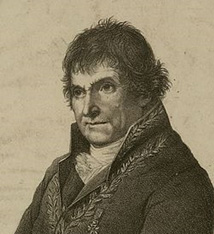
    François CHAUSSIER

    He was born on July 2, 1746, in Dijon, in the parish of Saint Pierre.

    His father was a master glazier.

    After completing his training at the Dijon hospital, his mother sent him to Paris to continue his medical studies, and he enrolled at the Royal College of Surgery, where he attended classes regularly from 1765 to 1767 and took anatomy courses taught by Raphaël SABATIER and Jean-Joseph SUE.

    At the same time, he was learning the basics of surgery at Lafaye’s clinics and, in the afternoons, at those of Isaac GOURSAUD.

    His years of surgical training came to an end in 1768, when he earned the title of Master of Surgery; he then settled in Dijon as a surgeon

    He married Jeanne CARRE, the daughter and granddaughter of a master surgeon, on July 27, 1767, in Quetigny, Côte d’Or. Together they had a son, Bernard François Hector (1769–1837).

    In 1769, he began teaching a free course in human and comparative anatomy, which was attended by many students for more than ten years.

    In 1774, the Estates of Burgundy established a chemistry program with Louis-Bernard GUYTON de MORVEAU as the full professor and Hugues MARET and François CHAUSSIER as assistant professors. Upon MARET’s death in 1786, he was promoted to second professor of chemistry.

    In Dijon, his professional qualities earned him the favor of his patients, and his reputation quickly spread beyond Burgundy; he distinguished himself at the Academy of Surgery through several presentations, and as a result, he was awarded the Academy’s Gold Medal at the public session on April 10, 1777.

    He received his Doctor of Medicine degree from the University of Besançon on January 14, 1780, and in 1784, he became a corresponding member of the Royal Society of Medicine. That same year, he was admitted to the Academy of Sciences, Arts, and Literature in Dijon, where he became secretary-general following the retirement of Guyton de Morveau.

    In 1785, at the request of the Estates of Burgundy, he published a popular guide on the treatment of bites from rabid animals: “Method for Treating Bites from Rabid Animals and Vipers; Followed by a Summary on the Malignant Pustule” (with Joseph Enaux, 1726–1798).

    In 1789, he published a study on the muscles of the human body, in which he proposed a more rational classification than the one taught up to that point: “A Brief Overview of the Muscles of the Human Body According to the Methodical Classification and Nomenclature Adopted in the Public Anatomy Course at Dijon”; this work was reprinted in 1797.

    On December 20, 1789, he read a paper titled “Surgical-Forensic Observations on an Important Point of Criminal Jurisprudence” at the Academy of Dijon, in which he demonstrated the role that a physician could play in assisting the justice system; this work attracted attention, and the following year he launched a course in forensic medicine in Dijon.

    On 3 Nivôse, Year III (December 23, 1794), he married Angélique LABOREY in Dijon (Crébillon District); they also had a son, Franck Bernard Simon (1804–1866).

    In 1794, Antoine-François Fourcroy was tasked by the National Convention with reorganizing medical education and sought out a figure who could provide him with the details of this reorganization. Claude-Antoine Prieur-Duvernois, from the Côte-d’Or, who headed the Department of Science and the Arts on the Committee of Public Safety, recommended François Chaussier, who thus joined the Committee of Public Instruction: he drafted a report and a proposed decree, which he read from the rostrum of the Convention on 7 Frimaire, Year III (November 27, 1794); In it, he proposed the creation of a single “Central School of Health” in Paris; the members of the Convention, who were broadly in favor of decentralization, called for the creation of other similar schools in Montpellier and Strasbourg, and it was on this basis that the report was adopted on 14 Frimaire (December 4).

    Chaussier returned to Dijon, where he resumed his lectures and studies as well as the duties entrusted to him: he had been appointed physician of the Dijon Hospices in April 1793 and Prison Surgeon; he did not remain there long, however, as he was recalled to Paris to occupy the chair of anatomy and physiology at the School of Health. Chaussier was, in the words of Joseph-Henri Réveillé-Parise, the most famous professor of physiology at the École de Paris: he argued that vitalism was the foundation of all studies in physiology.

    A decree dated 7 Vendémiaire, Year III (September 28, 1794) officially established the École Centrale des Travaux Publics, which would later become the École Polytechnique, the Board of Directors proposed, less than a month after the school opened, to establish an infirmary there and to appoint a “health officer” (the revolutionary term for doctors) to care for sick students and also to teach lessons on “the art of preventing and alleviating diseases.” The roster of École Polytechnique staff for the following year lists him as an assistant to Claude Louis Berthollet, “simultaneously responsible for the courses in Zootechnics and Public Health, and School Physician”: in fact, he taught Berthollet’s course during the latter’s absence in Italy in 1796–1797. After the formalization of chemistry instruction, Chaussier appears to have abandoned teaching this science and confined himself almost entirely to his duties as a physician.

    In 1799, *Les tables synoptiques* was published to great acclaim. It provides a summary of the physiology, pathology, and treatment of the various anatomical systems of the human body.

    On May 9, 1804, he was appointed Physician of the Maternity Hospitals and entrusted with the chairmanship of the medical examination boards for the examinations to become a Public Health Officer, Pharmacist, and Midwife for the district of the Paris Faculty of Medicine.

    He was a member of the commission appointed by the Minister of the Interior in October 1810 to study “secret remedies”; there he worked alongside André Marie Constant Duméril, Jean-Joseph Menuret, and Nicolas Deyeux.

    In 1815, after the fall of the First Empire, he was replaced as physician at the École Polytechnique, but he retained his chair at the Faculty until November 21, 1822, when the Restoration reorganized the Faculty: he was appointed honorary professor and his chair was revoked. He was deeply embittered by this, and the next day, he suffered a stroke that temporarily left him unable to speak or walk. He recovered, however, though he remained hemiplegic—a condition that did not prevent him from continuing his work at the Maternity Hospital.

    On May 6, 1823, he was admitted tothe Academy of Sciences.

    Between 1824 and 1827, he published several works on forensic medicine: “Forensic Manual of Poisons, Preceded by Considerations on Poisoning”14, “Collection of Papers, Consultations, and Reports on Various Topics in Forensic Medicine”15, “A Forensic Medical Treatise on the Viability of the Newborn, Presented toHis Excellency the Keeper of the Seals, Minister of Justice”16

    François Chaussier died at his home in Paris on June 19, 1828, at the age of 81, from a stroke.

    He was buried at Père-Lachaise Cemetery (18th division) on June 21: Nicolas-Philibert Adelon delivered a speech on behalf of the Academy; Marie-Alexandre Désormaux, representing the Faculty, did the same; and Duméril, on behalf of the Royal Academy of Sciences, read a lengthy eulogy.

    Franck CHAUSSIER, thesecond son, followed in his father's footsteps and defended his doctoral dissertation in 1827 in Montpellier.

    He is a French physician, a professor at the Paris Faculty of Medicine, and a member of the Royal Academy of Medicine and the Academy of Sciences.

    Chaussier was the chief editor of the articles on pharmacy inthe *Encyclopédie méthodique*13.

    Angélique Marguerite Le BOURSIER du COUDRAY

    She was born in 1712 in Clermont-Ferrand to a family of doctors.

    For the first three years, she studied under Anne BAIRSIN, a midwife.

    On September 26, 1739, she received her diploma and shortly thereafter became a licensed midwife.

    She worked as a master midwife at Châtelet in Paris for sixteen years.

    In 1752, to put theory into practice, she published a book titled *A Summary of the Art of Childbirth*.

    In 1754, she returned to Auvergne and began giving free lessons.

    In 1758, she designed her famous demonstration “machine” (made of wood, cardboard, fabric, and cotton), which was approved on December1 by the Academy of Surgery.

    During the two-month training course, the students were encouraged to practice on the mannequin.

    • In 1759 (or 1757 or 1767), Louis XV granted her a pension and issued her a royal charter authorizing her to teach throughout the kingdom; she embarked on an obstetric tour of France that would last 25 years and continue until 1783, during the reign of Louis XVI, training more than 5,000 women and surgeons.
    • In 1768, she enlisted the help of her niece, Mlle Marguerite GUILLOMANCE.
    • In 1769, asecond edition of her book was published, which she had illustrated with 26 charming color engravings.
    • In 1770, she hired a young surgeon in Bordeaux, Mr. COUTANCEAU, who married her niece shortly thereafter.
    • In 1789, she was staying with her niece.

    She died on April 16, 1794, at the age of 79, in Bordeaux, in poverty and solitude, with her niece and her husband absent. There is a Rue Angélique du Coudray in Thorigné-Fouillard and also a Rue Madame-du-Coudray in Clermont-Ferrand, her hometown. The maternity ward at the Melun Hospital (77) is also named after her.

    Venue Rental

    Request a Quote


      By submitting this quote request, I agree to share the above information with the Montpellier-Nîmes School of Medicine and I also agree to be contacted. The information collected on this form is stored in a computerized database by the Montpellier-Nîmes School of Medicine for the management of its business affairs. It is retained for 5 years and is intended for the Communications & Business Affairs Department of the Montpellier-Nîmes Faculty of Medicine. In accordance with the French Data Protection Act, you may exercise your right to access and correct your personal data by contacting the Communications Department at the following address: med-activites-commerciales@umontpellier.fr