
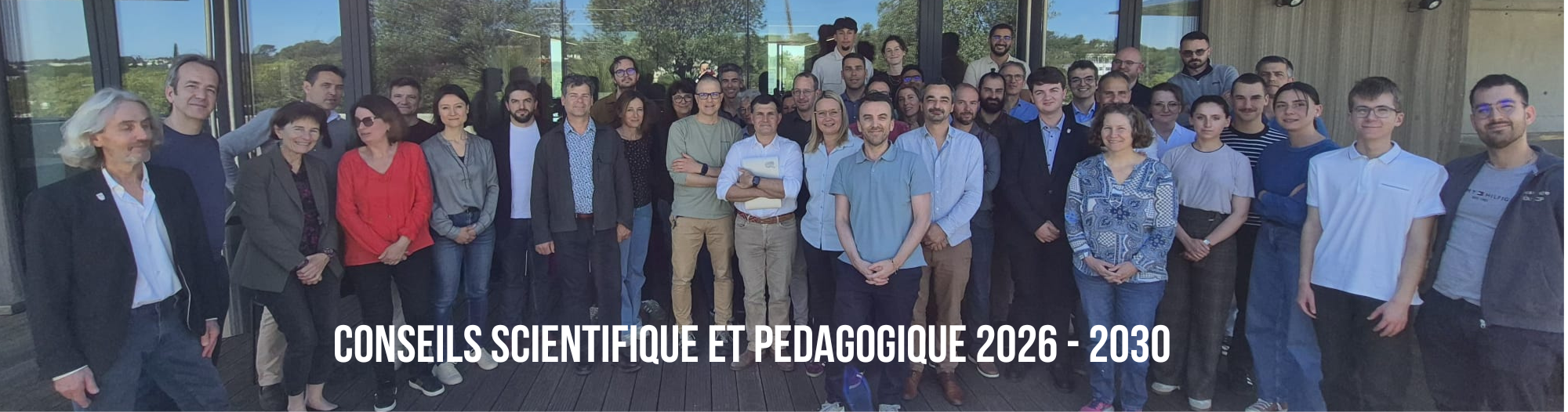
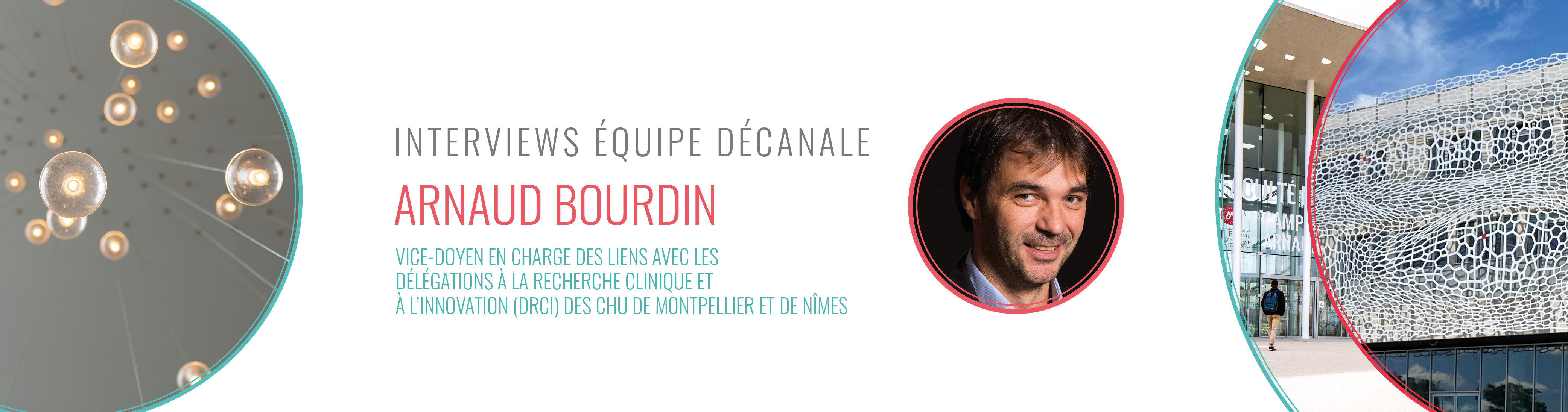
Every five years, a new dean’s office team, composed of associate deans and program coordinators, is appointed by the dean to represent him or her in carrying out specific tasks. This year, Prof. Arnaud Bourdin was appointed Vice Dean in charge of relations with the Clinical Research and Innovation Delegations (DRCI) at the Montpellier and Nîmes University Hospitals. Read his interview here: learn about his career path and the projects he hopes to implement as part of his role!
Pulmonology is an extremely broad discipline, covering fields as diverse as vascular medicine, inflammation, oncology, allergy, immunology, aerology, or—more traditionally—environmental science, infectious diseases, critical care, addiction medicine, and a significant amount of technical expertise. It fosters culture, knowledge, and open-mindedness. It is, by far, the organ most in contact with the environment. It is a difficult organ to study. One must be fully engaged in this interaction, driven by a desire to understand, to reason, and to establish evidence in order to grasp this wide range of topics; it is also a discipline that inspires humility, with all the responsibility and ethical considerations that this entails in order to make progress.
As President of the DRCI and the CRBSP, I have been committed for many years to fostering a culture of science within our school. Knowledge is often right there, within reach, and not all questions can be solved with “recipes” that are impossible to teach. The issue, therefore, is not about balancing activities, but about promoting this vision as much as possible in all the activities of the School of Medicine.
The first objective is, of course, educational: research is an integral part of health-related degree programs, from the assessment of knowledge to the awarding of various degrees and the roles of faculty members who conduct research. Codes of responsibility, ethics, and respect for patients are deeply rooted in the humanities and social sciences of the past, and the Montpellier-Nîmes Faculty must be a pioneer in this field. The second objective is to foster a culture of research within the Faculty, through its commitments as well as its human and intellectual heritage. In collaboration with the scientific advisory board, the direction of major structural projects, the identification of needs, and the analysis of both successes and failures must help us move forward collectively.
Learning through research, a passion for progress, a refusal to settle for mediocrity or the “idiopathic,” and a desire to continually improve patient care and support—all of which require rigorous and ambitious educational and scientific policies—are the driving forces behind our motivation. Today, this is an urgent challenge facing our Faculty and, more broadly, our university hospitals—not only to ensure their legitimacy and sustainability, but also, and above all, their excellence.
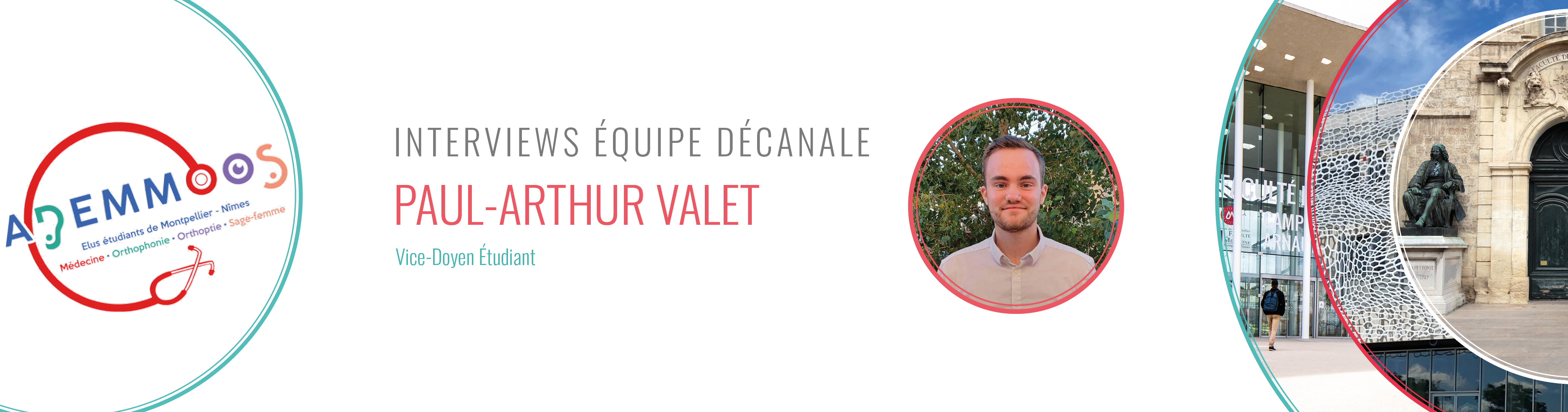
Every five years, a new dean’s office team, composed of associate deans and program coordinators, is appointed by the dean to represent the dean in carrying out specific tasks. Each year, a student Vice Dean is appointed by peers elected to the Management Council to represent them on the Dean’s Office team. Following in the footsteps of Florian Mary and Théo Lacoste, Paul-Arthur Valet has now assumed the role of student Vice Dean and president of Ademmoos. Read his interview here: learn about his background and the projects he hopes to implement as part of his role!
Hello, my name is Paul-Arthur VALET. I’m 21 years old and a fourth-year medical student in Nîmes. This is the first time the vice dean has come from the Nîmes campus. In addition, I am a student representative on the management council and president of ADEMMOOS (the association of student representatives from all programs). Although my future specialty changes from one clinical rotation to the next, I plan to become a surgeon.
The transition went smoothly; that said, the start of my term was a bit unusual, particularly given the situation at the national level. We had to organize a protest in collaboration with the SILR, the ACM, and the CCC, whom I’d like to thank for their help. The protest brought together 400 students, which is a historic turnout for Montpellier-Nîmes. This was followed by the release of our VSS and student mental health surveys, which mark the starting point of a paradigm shift that we are beginning to see.
I’ve been a member of ADEMMOOS since my sophomore year, first as VP of Communications, then as treasurer, and finally as president/VDE. I’ve always had a strong interest in student representation—in connecting directly with students and being able to help them. Furthermore, working with the dean’s office is very rewarding, especially as part of a supportive and attentive team.
Let’s just say this is relatively complex, but I knew that when I accepted these responsibilities. So you have to be particularly organized, but these positions (president and
VDE) are so exciting. To successfully balance everything, you have to know how to delegate, so I’d like to thank the association’s executive board and, in particular, the vice president general, Soukaina MOUH MOUH—who was elected to the educational council—and who does work behind the scenes that is absolutely essential.
Regarding the “Well-Being” project, we have two vice presidents on the executive board, Emma PETON and Florent BENOIST, whom I have every confidence will fulfill the mission entrusted to them
They have already organized booths for No Smoking Month and the “Solidarity Christmas” event, which aims to connect students from the Montpellier-Nîmes Medical Faculty who wish to get together for a Christmas meal.
Furthermore, I am a strong believer in collaboration among student organizations; they bring our campus to life and play a structural role at both of our faculty’s campuses. On a personal level, my priority is combating sexual and psychological violence and empowering victims to speak out.
In addition to continuing existing projects such as publishing the back-to-school guides and the Internal Future Forum… I’d like to revive certain projects that had to be put on hold due to the
COVID, such as the “reprez’ cafés,” which were opportunities for dialogue with ANEMF administrators and your local elected representatives. Overall, I believe that national representation is just as fundamental as local representation. To that end, we have assigned two members to this task: for Montpellier, Zoé DOLADILLE (ADEMMOOS) and Rémi BOURGAUX (ACM); and for Nîmes, Manon VALETTE (ADEMMOOS) and Elise DE LOTH (CCC).
The issue that is particularly close to my heart is gender-based and sexual violence (GBV). What I hope for is greater freedom of speech, in order to break the code of silence that
prevents victims from speaking out.
Thanks to our surveys and the responses from the faculties, people are starting to speak up; it’s up to us not to betray the courage that victims have shown in speaking out.
“The shame must shift to the other side.”
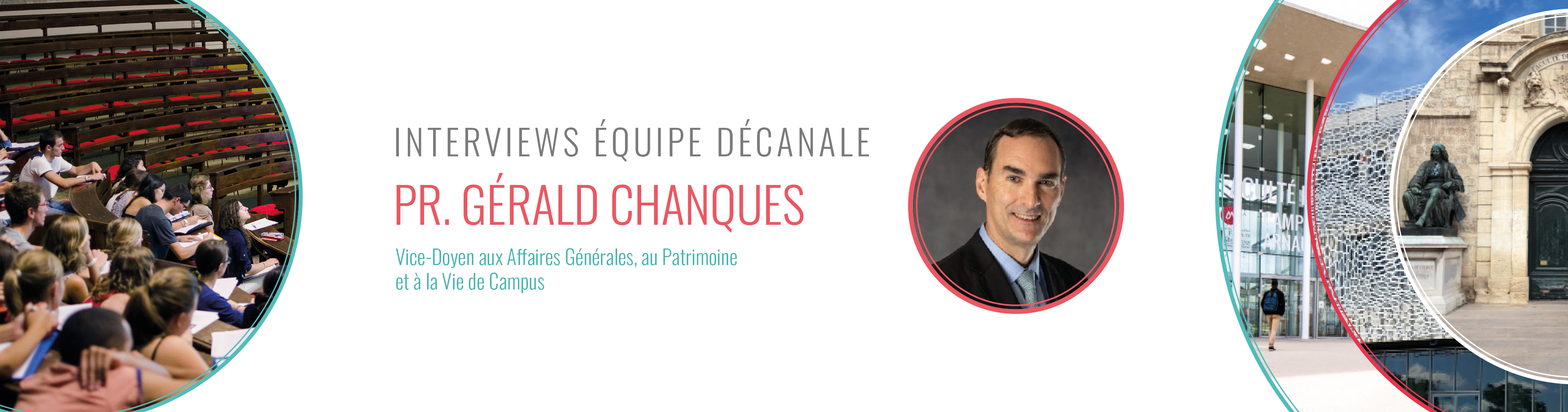
Every five years, a new dean’s office team—composed of associate deans and program coordinators—is appointed by the dean to represent him or her in carrying out specific tasks. This year, Prof. Gérald Chanques was appointed Associate Dean for General Affairs, Heritage, and Campus Life. Read his interview here: learn about his background and the projects he hopes to implement as part of his role!
I earned my high school diploma and completed my college studies in Montpellier, so you could say I’m one-quarter Parisian and three-quarters Montpellier native. I loved my studies so much that it was difficult for me to choose a “specialty.” I chose anesthesia and critical care for several reasons: first, because of the interdisciplinary nature of the medical knowledge involved, but also because of the human and material resources available within our teams to provide safe care, including pain management and care in the most critical situations.
This is a project that took shape within my hospital department, in collaboration with my colleagues and my department head, who has always supported and encouraged me throughout my professional career. My involvement with the faculty has grown gradually since my appointment 8 years ago. I continue to maintain a clinical practice that constantly enriches my teaching and research. Conversely, my understanding of academic institutions shapes all my responsibilities as a University Physician-Professor (PUPH). The Faculty and its unique history, as well as the University (I serve on the Committee on Education and University Life and on the disciplinary sections of the Academic Council), prompt me to reflect on every facet of my work—from patient care to teaching and innovation. The societal shift taking place in how we relate to one another—the fight against inequality, sexual and gender-based violence, and so on—represents a major turning point that our institutions have long anticipated.
I gradually came to realize the importance of teaching and passing on knowledge to the younger generation, as well as the importance of having a faculty that draws on multiple campuses (Nîmes and Montpellier—modernity and heritage) and embodies a “University” spirit with a capital “U” that holds meaning for our patients, our students, and society alike. The Faculty has an urban history. It serves as a bridge to the general public.
Our faculty faces many challenges today in terms of the institution’s organization, its campuses, and the promotion of its heritage: the university community—students, faculty, and administrative staff—must embrace this past and future history and share it with others—our colleagues in other parts of the University, our healthcare colleagues, and the general public. Among the general public are potential patients. The image we project of the faculty through our history and heritage must align with today’s demands—innovation, excellence in care, but also addressing vulnerability and access to care. All of this together defines our faculty, and we cannot rest easy unless we strive to address all these challenges. The unity of the leadership team, united around our dean, will be the strength of the institution—involving all its faculty and administration, those from previous teams, and those preparing future generations.
My desire to contribute to a dean’s office initiative focused on community, kindness, and active listening, with ambitious goals for the institution. I was very grateful for this appointment because it allows me to consistently continue the work I’ve been doing for several years with Dean Mondain and Vice Dean Lavabre-Bertrand on complex projects (preparing state-region planning contracts for long-term renovations to the historic building; conducting studies for the learning center; and liaising with the Faculty and University’s general affairs departments to develop a large number of projects involving institutions, local governments, and businesses as part of the 800th-anniversary celebrations…).
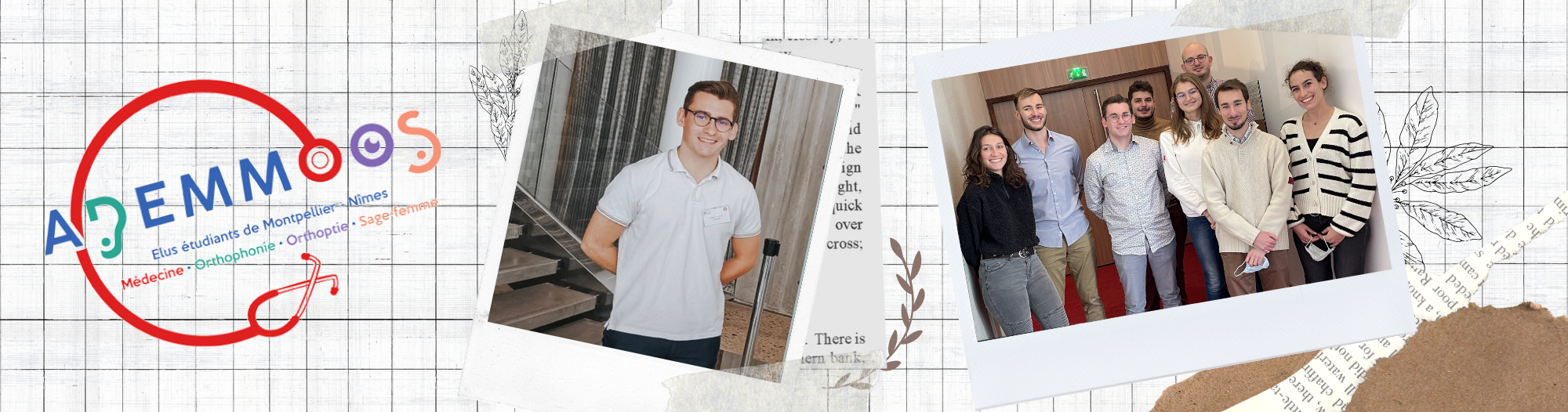
Every year, students elect a representative to speak for them on the dean’s office team. This year, Théo Lacoste, a fourth-year medical student on the ADV campus, was chosen to represent you. Learn a little more about him and Ademmoos’s initiatives in this interview! Profile.
My name is Théo Lacoste; I’m a fourth-year medical student on the ADV campus. I’m also a student representative on the Academic Council and president of Ademmoos (a student representative body for all programs). I’m planning to become a doctor, of course, but I don’t necessarily have a specific specialty in mind—other than perhaps something cross-disciplinary like emergency medicine. But I’m keeping my options open; I think it’s important to complete internships in various fields to secure your future!
It’s important to note that our Faculty has several campuses and several academic programs. Student representation on the various councils is therefore provided by elected student representatives. This is a very substantial undertaking. So in 2016, we decided to create this association to relieve elected student representatives of the administrative workload (particularly everything related to communication, infographics, etc.) but also to develop projects with other student associations. The goal is truly to bring together, unite, and coordinate the associations—and, through them, the students.
The association’s members consist of students elected to the various representative councils, but we also have non-elected members. They often contribute very interesting insights from a different perspective during our monthly meetings.
Yes, for example, the MAP (Montpellier Artistic Project), which is an arts-focused nonprofit. Together with them, we organized an art therapy workshop—led by a professional in the field—for students, with the goal of helping them cope with academic stress. But the projects we lead or coordinate can also take place outside of our organizations. I’m thinking in particular of the“Dry January”challenge (see Instagram post below) that we recently ran in collaboration with the ICM, or“Smoke-Free Month.”
View this post on Instagram
I have three main responsibilities: First, an academic role, which is very institutional in nature. I work closely with the dean’s office—particularly Dean Isabelle Laffont—as well as the teaching and administrative staff to represent the students’ perspectives. This involves regularly attending meetings, but also staying attuned to what’s happening among students and within the faculty as a whole. I act as a sort of “shuttle,” passing information up and down the chain. I relay this information to the student representatives, who then share it with the various programs, campuses, and graduating classes.
The second task focuses on the Ademmoos association. I need to establish a “guideline” for our term’s policy. I’ll come back to this, but the idea is to distribute key issues among the association’s 40 students: some will handle reforms, others will focus on well-being or coordination with other associations.
My third responsibility is really to maintain direct contact with the students. Class representatives may reach out to me for this purpose, but that’s not enough—information can get lost along the way. So, I make it a point to organize as many in-person meetings as possible with the different classes to discuss issues, “gauge the mood,” and gather feedback directly from students about their needs and feelings. This information is then useful to me in carrying out my primary academic role, so that I can represent the students’ views as accurately as possible.
There are several priority areas. First, there is a somewhat more academic and administrative aspect, which mainly involves continuing the work of my predecessors: Salomé Duteurtre and Florian Mary. They both worked on what I callthe “Pedagogical Alliance.” That is, the collaborative shaping of our student experience, together with all stakeholders: faculty, students, and the Faculty’s administrative staff.
It seems simple from the outside, but it’s actually quite complex, because we have to reconcile everyone’s views; ultimately, we have to succeed in reaching agreements based on our disagreements! Nevertheless, this is achieved through everyone’s goodwill and mutual understanding. We must work together and view the issues to be resolved through each person’s perspective, so that the solutions we adopt benefit everyone. This responsibility to live together is truly essential, and we regularly emphasize this to the entire team—most recently to the newly elected student representatives on the Administrative Council and the Academic Council.
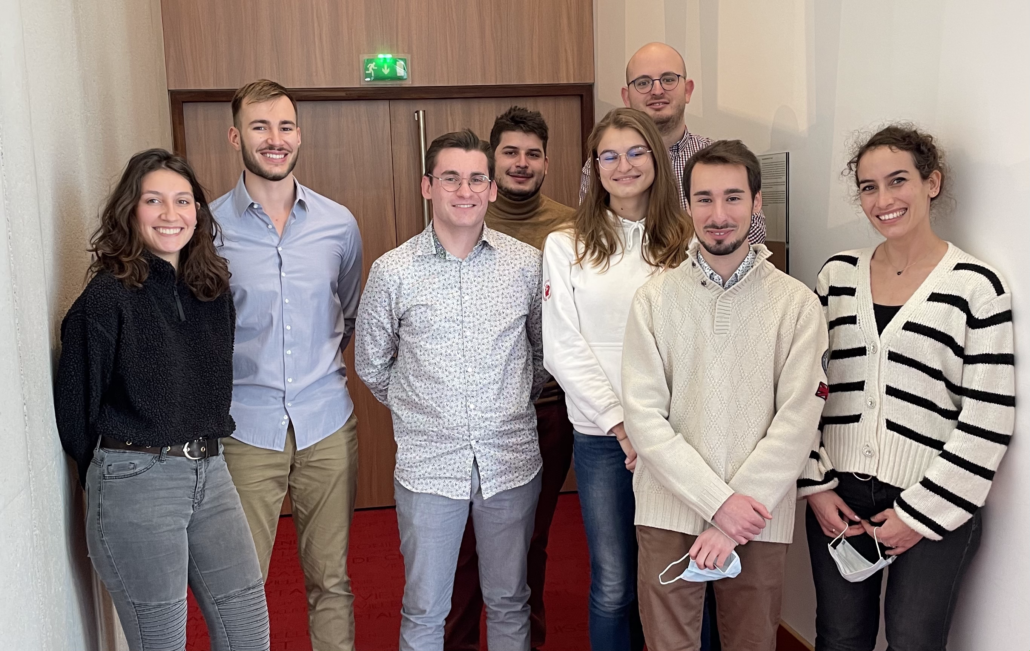
Then there are all the discussions surrounding student well-being. This is a relatively new issue—one that wasn’t talked about much a few years ago and that was brought to light by the health crisis. Today more than ever, this topic has become our top priority.
But we can’t take action without understanding the full scope of the problem! So we set our first goal as gathering students’ opinions and experiences through surveys. We were able to collect over 1,000 responses to our first questionnaire on mental health, which was distributed over the winter— and I’d like to take this opportunity to thank all the respondents! The results of this survey are currently being analyzed. In addition, a few weeks ago we began distributing a new survey regarding gender-based and sexual violence that students may experience at the university, at parties, or in their workplace or internship setting, in order to define the scope of the problem and thus identify corrective actions to limit such incidents or even impose sanctions where appropriate.
Yes, from a practical standpoint, this year we created a wellness center staffed by two project coordinators who are medical students (Ulysse Godin and Maribelle Dossou-Yovo). Their mission is to organize awareness-raising events. For example, there was a conference on addiction with Professor Hélène Donnadieu-Rigole, Smoke-Free Month, Dry January… In March, we’ll have a conference on psychosocial risks and “workaholism.” These events are quite popular with students.
There are also other practical projects outside the “well-being” theme, such as the Internship Forum, which is led by former Associate Dean Florian Mary and aims to connect fifth- and sixth-year students with interns so they can share their experiences.
My motivation grew out of my previous commitments, both with Ademmoos and with the ANEMF (National Association of Medical Students of France), because last year I was very involved in issues surrounding the R2C (reform of the second cycle of medical studies) at the national level. This made me want to get even more involved at the local level, addressing the issues we face on a daily basis.
Of course, my discussions with my predecessors also had a strong influence on me. Everything fell into place very naturally after that, with my desire to help the incoming classes guiding my decisions. I wanted to look at my studies from a different perspective.
That said, yes, it’s very time-consuming. It can sometimes be a little hard to juggle everything! So it’s important to surround yourself with the right people and know how to delegate. In that regard, I’d like to give special thanks to Florent Benoist, who is Ademmoos’s General Vice President and a representative on the Pedagogical Council; he really helps me a lot and enables me to stay well-organized.
The Vice Dean is nominated by the student representatives on the Management Council. He or she is often part of the list of elected students. The Council then votes in favor of or against the nominated student. This nomination is the subject of preliminary internal discussions within Ademmoos. Once elected, the Vice Dean serves a two-year term, but we often resign after one year so that we can focus fully on our studies.
Yes, regarding one of the priorities of my term in office: well-being. I’d like to get this message across: it’s okay not to feel well. Health sciences students come from a highly selective system where you’re expected to always be the best. Culturally, it’s hard for us to admit when we’re struggling—we tend to hide our vulnerabilities. But that doesn’t mean it’s abnormal to feel down! There are support services available on the Faculty’s website. We need to break the silence surrounding this taboo and take advantage of the resources developed jointly by students and the faculty to feel better. Alone, we go faster, but together, we go farther!

Each year, a new Vice Dean is elected by the students to represent them before the Dean and in the Faculty’s various governing bodies (Management Council, Academic Council, etc.). This year, Florian is taking over from Salomé. Read his interview here: learn about his background, his role in supporting students, and the projects he hopes to implement throughout this academic year! An Interview.
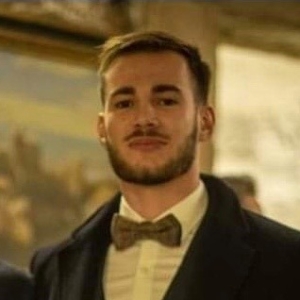
Hello! My name is Florian Mary. I'm currently a senior in medical school in Montpellier, and I'm originally from Perpignan (Go USAP! 🟡🔴).
To put it briefly, you know, I don't think there are any right or wrong choices, but I think that, like many others, I haven't yet decided on my future path; I have several specialties in mind, including General Practice.
It’s important to note that the VDE is, first and foremost, an elected student representative, and like any elected official, my term will last two years.
Our shared responsibility is therefore to represent students before the faculty’s academic and administrative bodies (the UFR, to be precise), whether during council meetings or committee meetings.
Nevertheless, for the next year, I will be responsible for tasks specific to the VDE, which include serving as the primary point of contact for the Dean and faculty representatives on all matters concerning students, and managing the team of elected officials and ADEMMOOS members to ensure we are as effective as possible in handling various issues and in the association’s development.
Furthermore, communication with other student organizations and academic programs within the faculty is essential, whether it involves a project idea, student representation, or facilitating certain exchanges. I believe these connections offer us new perspectives for reflection and allow us to lift each other up.
Before my term as an elected official and VDE, I had already spent two years immersed in the student organization scene—first as a mentor, then as Vice President of Representation at the Montpellier Medical Student Association—driven by a desire to be there to help students.
And I have to say that the experiences and the people I’ve met this year at ACM—whether it’s everyone in my class, the “veteran” VP Reprez, and Salomé, of course—have played a big part in that.
I was curious, and I felt that this position was a wonderful opportunity to continue contributing to the students and to the life of the school.
So it requires a certain amount of organization, and last year was particularly helpful in that regard, especially because I was juggling a very demanding schedule of volunteer work and academic studies.
But I set aside my volunteer slots at lunchtime so I can usually keep my work time in the evening.
So the primary goal is to continue the projects started by previous executive boards, whether it’s the flu vaccination campaign, the Future Interns Forum…
This year, we have a clever mix of experience and new ideas, and it shows in our projects.
We want to ramp up our communication efforts, building on last year’s momentum—especially through ADEMMOOS’s Instagram (👉 go follow us if you haven’t already)—while also staying active on other social media platforms.
Reforms are, of course, at the heart of our mandates, and well-being and sustainable development are also areas where ideas take shape.
Usually, it's just installing a beer tap in the cafeteria 🙃.
On a more serious note, these are mainly questions about how our studies are organized and proposals for changes that require discussion with the school administration and teachers.
Student representatives serve as a channel for students to make their voices heard, and this is a theme that runs through many of the messages.
I think that given the times we're living in, it's important to take care of ourselves and others.
Reach out to your family and friends, share your thoughts, chat, and talk with them—but don't stay alone. And if you need to, you can turn to us; there will always be someone there to help.
And take this opportunity to watch some movie classics—no more excuses for missing out on *The Green Mile* or *Forrest Gump* 🍿.
It's very simple—just visit ADEMMOOS's Facebook, Instagram, and Twitter accounts, or send an email 📩 for those who prefer that method to ademmos.elus.etudiants@gmail.com.
Or they can also come talk to us—we're all really nice, and we don't bite!
So, I think that having experience in the nonprofit sector—whatever form it takes—can be helpful and will give you an added edge for the position, as well as allow you to gain valuable experience.
Next, you need to be aware of the amount of work involved and the importance of the position, but don't worry—good organization and a desire to do a good job will work in your favor.
After all, you’re not alone, and being a VDE means, above all, being part of a team.
Having a great team like the one I'm part of is therefore essential to making this term as successful as possible!


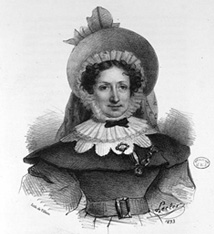
Marie-Anne GILLAIN was born in 1773 in Montreuil, near Versailles.
She was sent to boarding school with the Sisters of the Visitation.
During the Revolution, she took refuge in Etampes, at the home of a relative who was the mother superior of the Hospitalières de l’Hôtel-Dieu.
There she attended the surgeon’s lectures and served for two and a half years, from 1793 to 1796, as a hospital volunteer—that is, as a layperson who volunteered her services to the poor and sick.
In 1797, she returned to Versailles to marry Louis BOIVIN, deputy office manager at the National Domains.
She became pregnant early on, but in 1798, at the age of 25, she was suddenly widowed, left destitute, and with a young daughter to raise.
She then decided to put to use the knowledge she had gained from the surgeon at the Hôtel-Dieu d’Étampes and enrolled in the Midwifery School at the Maternité in 1799.
In 1800, she graduated and left for Versailles to be reunited with her daughter and pursue her career.
In 1801, following the death of her daughter, she obtained permission from Marie-Louise Lachapelle to return to the Maternity Hospice
In 1803, she was appointed chief supervisor of the breastfeeding unit. She held this position for eleven years, until 1814. During this long tenure, she took the opportunity to attend lectures given by her patron, the surgeons at the Maternity Hospital (Baudelocque, then Dubois), and the chief physicians (Andry, and especially Chaussier), from whom she gathered insights and lessons.
In 1812, she wrote and published *A Treatise on the Art of Childbirth*. The work was approved by the Ministry of the Interior, which included it among the textbooks given to graduates of the Maternity School.
In 1814, the position of supervisor that she held was eliminated, and she was dismissed with a gratuity equal to her annual salary, or 360 francs.
Starting in October, she was hired as a storekeeper and steward at the Poissy General Hospital, a position she held until January 1819, when the General Hospital was converted into a prison.
Little is known about this period of her life: Did she continue her obstetric practice despite her new, more administrative duties? Did she do so at the general hospital? Or with a private clientele? In any case, it appears that for a time she received a comfortable annual salary of 1,200 francs—almost as much as the head midwife at the Maternity Hospital.
In 1818, she entered the Paris Medical Society’s competition anonymously, submitting a paper on internal uterine hemorrhages. She was awarded the medal.
On February1, 1819, she joined the Maison Royale de Santé in Paris as chief supervising midwife, with a modest salary of 350 francs per year.
In 1821, an opportunity for promotion arose following the death of Marie-Louise Lachapelle.
According to procedure, the General Council of the Hospices must submit to the Minister of the Interior a list of five female candidates to succeed the renowned midwife.
On November 14, 1821, the Council voted to approve a list with Marie-Anne Boivin at the top; she received 12 out of 12 votes in the first round of voting to select the top candidate.
A month and a half later, the Minister of the Interior endorsed the Council's decision.
But the winner declined the position (or rather, resigned), forcing the board to propose another list. Why the refusal? All contemporary biographers attribute this decision to a public promise Marie-Anne Boivin is said to have made to her former patroness never to replace her, even after her death. If this is true, she kept her word, and another midwife, Madeleine Catherine Legrand, was appointed in 1822.
Marie-Anne Boivin therefore continued to practice at the Maison Royale de Santé, where she amassed a body of observations, publications, and honors.
In 1828, she presented a paper on spontaneous abortions, which was awarded a prize by the Bordeaux Medical Society.
In September 1835, at the age of 62, worn out and exhausted, she retired and urged the hospice board to grant her a pension. Finally, after suffering a first stroke that left her with hemiplegia, she died in May 1841.
In 1902, one of the rooms in the renovated maternity ward was named after Marie-Anne Boivin.
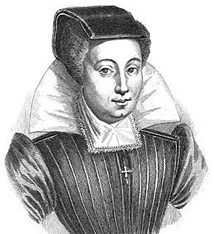
She was born in 1563 on Boulevard Saint-Germain or in Mons to a family of doctors.
In 1594, she married Martin BOURSIER, a master surgeon and student of Ambroise PARÉ.
She finds herself without any means of support when her husband is enlisted in the king's army.
She quickly gained a reputation among the ladies of the court and delivered the queen's children six times.
She is paid 500 crowns for the birth of a boy and 300 for the birth of a girl.
It lost its fame following the death of Marie de Bourbon-Montpensier, wife of Gaston d’Orléans, during the birth of the Grande Mademoiselle.
According to the surgeons who performed the autopsy on the woman who had given birth, her death was attributed to placental debris remaining in the uterus, and Louise Bourgeois was subsequently accused of negligence.
At that time, there were few male obstetricians practicing, and they were trying to gain the upper hand over the midwives' guild.
Louise questions their competence by harshly criticizing the autopsy findings and the skills of the obstetricians; however, her response has the opposite effect of what she intended, as it ends up giving them publicity.
She was the first midwife to write a book on obstetrics, *Various Observations on Infertility, Miscarriage, Fertility, Childbirth, and Diseases of Women and Newborns*, published in 1609.
In this book, she points out that infertility in a couple can be caused by the male partner, even though, like the doctors of that era, she confuses the ability to procreate with sexual vigor.
She identified the role of malnutrition in fetal health, and she was the first to prescribe iron supplements to treat anemia.
She emphasizes the importance of anatomical knowledge for midwives and urges doctors to allow them to attend lectures and dissection sessions.
In 1636, the Parisian midwives submitted a petition to the Faculty of Medicine requesting that Louise Bourgeois be allowed to teach them obstetrics, but their request was denied.
Subsequently, however, one of her students, Marguerite du Tertre de la Marche, was appointed head of the midwives at the Hôtel-Dieu and succeeded in overhauling their training program.
She died on December 20, 1636, on Boulevard Saint-Germain at the age of 73.
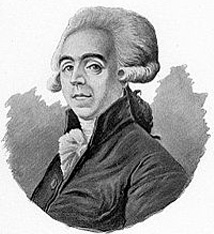
He was born on November 30, 1745, in Heilly, Picardy.
He was the son of Jean Baptiste BAUDELOCQUE, a surgeon, and Anne Marguerite LEVASSEUR. His brothers Félix Honoré (1744–1794) and Jean Baptiste (1749–1800) were both doctors. He was the third of ten children.
It was his father who introduced him to surgery in the countryside of Picardy.
He completed his studies in Paris at the Hôpital de la Charité, where a renowned professor of obstetrics, Solayrès de Renhac (1737–1772), was on staff.
In 1772, following Solayrès’s untimely death at the age of 35, he collected the manuscripts of his lectures and succeeded him as professor of obstetrics at the Hôpital de la Charité. Thanks to Baudelocque, Solayrès’s work was saved from oblivion.
In 1775, at the initiative of Augier du FOT, a surgeon and instructor of childbirth in Soissons, he published—based on manuscripts bequeathed by Solayrès de RENHAC—the first edition of a manual intended for the training of midwives. This work was later republished under his name alone, under the title“Principles on the Art of Childbirth: Questions and Answers for Midwifery Students.” It underwent three reprints during Baudelocque’s lifetime and three more posthumously.
In 1776, following the defense of his dissertation on symphysotomy, titled“An in partu propter angustiam pelvis impossibili, symphysis ossium secanda?,” he was appointed surgeon at the Hôpital de la Charité in Paris and was awarded the title of Master of Surgery by the Paris College of Surgery.
On April 5 or 6, 1777, in Paris, he married Andrée DERULLIER (née de Vulier, de Voulier, de Rullie, or de Rouillier), whose family made models of pregnant women for demonstrations in childbirth classes; she died on January 4, 1787, without children.
In 1781 and 1789, he published the first two editions of his scholarly treatise*The Art of Childbirth* in two volumes. He became famous for his forceps, his practice of cesarean sections, and the invention of the pelvimeter, which measures the external anteroposterior diameter to identify patients who might experience difficulties during childbirth.
On September 14, 1788, in Amiens, he married Marie Catherine Rose Laurent; the couple had five children (three daughters and two sons).
During the French Revolution, the guilds and faculties were abolished. Hospitals lost some of their staff and funding. Baudelocque, however, managed to build a reputation as an obstetrician thanks to a clientele in the city and private obstetrics classes.
In 1794, the former Faculty of Medicine was replaced by the École centrale de Santé de Paris, where he was responsible for teaching courses to medical students and midwives.
In October 1795, the Hospice de la Maternité took in poor women and unwed mothers to assist them during childbirth and provided clinical training for midwives and doctors from the École de Santé.
In addition, this facility also takes in abandoned children.
In 1798, Baudelocque, in addition to his position as professor of obstetrics at the Paris School of Health, became chief surgeon at the Maternity Hospital.
In 1802, the Hospice de la Maternité school was founded, where Baudelocque put his teaching skills to use, employing mannequins to help students practice examinations and obstetric procedures. He emphasized observation over intervention, preferring to let nature take its course and using instruments as little as possible.
Busy with his many responsibilities, he delegated part of his authority to the head midwife of the Maternity Ward, Marie-Louise Lachapelle (1769–1821), who took on part of the training of the midwifery students and was authorized to use forceps on her own in the event of a difficult delivery.
He was involved in a sensational lawsuit brought against him by an obstetrician, Jean François Sacombe, a fierce opponent of cesarean sections and a defender of traditional midwifery practices. Sacombe, who had set himself up as a defender of midwives and accused Baudelocque of infanticide, ultimately lost his case in 1804 and, in the process, any sense of moderation.
In 1806, Napoleon appointed Jean-Louis Baudelocque to the chair of obstetrics, the first chair in a medical specialty in France.
He became the obstetrician to the queens of Spain, Holland, and Naples, as well as to all the ladies of the court.
He had been chosen and selected in advance to deliver the heir awaited by Napoleon and Empress Marie-Louise of Austria. But, struck down by a cerebral hemorrhage, he would not live to see the birth of the King of Rome.
He died on May 2 or 3, 1810, at 16 Rue Jacob in Paris (6th arrondissement), where he lived, at the age of 65.
He was buried in the Vaugirard West Cemetery, then exhumed due to land acquisition for the construction of what is now Boulevard Pasteur.
He was then buried on August 17, 1839, at Père-Lachaise Cemetery (45thdivision).
He was the most famous obstetrician of his time.
A doctor at the Hôpital des Enfants Malades, he would lend his name to the Baudelocque Clinic in 1890.
In 1966, the Port-Royal Maternity Hospital was built. The two facilities merged in 1993 (14th arrondissement of Paris).
There is now a midwifery school on Avenue Denfert-Rochereau that bears her name.
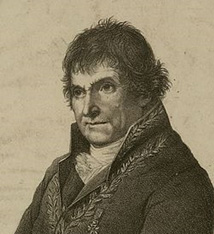
He was born on July 2, 1746, in Dijon, in the parish of Saint Pierre.
His father was a master glazier.
After completing his training at the hospital in Dijon, his mother sent him to Paris to continue his medical studies, and he enrolled at the Royal College of Surgery, where he attended classes regularly from 1765 to 1767 and took anatomy courses taught by Raphaël SABATIER and Jean-Joseph SUE.
At the same time, he was learning the basics of surgery at Lafaye’s clinics and, in the afternoons, at those of Isaac GOURSAUD.
His years of surgical training came to an end in 1768, when he earned the title of Master of Surgery; he then settled in Dijon as a surgeon
He married Jeanne CARRE, the daughter and granddaughter of a master surgeon, on July 27, 1767, in Quetigny, Côte d’Or. Together they had a son, Bernard François Hector (1769–1837).
In 1769, he began teaching a free course in human and comparative anatomy, which was attended by many students for more than ten years.
In 1774, the Estates of Burgundy established a chemistry program with Louis-Bernard GUYTON de MORVEAU as the tenured professor and Hugues MARET and François CHAUSSIER as assistants. Upon MARET’s death in 1786, he was promoted to second professor of chemistry.
In Dijon, his professional qualities earned him the favor of his patients, and his reputation quickly spread beyond Burgundy; he distinguished himself at the Academy of Surgery through several presentations, and as a result, he was awarded the Academy’s Gold Medal at the public session on April 10, 1777.
He received his Doctor of Medicine degree from the University of Besançon on January 14, 1780, and in 1784, he became a corresponding member of the Royal Society of Medicine. That same year, he was admitted to the Academy of Sciences, Arts, and Literature in Dijon, where he became secretary-general following the retirement of Guyton de Morveau.
In 1785, at the request of the Estates of Burgundy, he published a popular guide on the treatment of bites from rabid animals: “Method for Treating Bites from Rabid Animals and Vipers; Followed by a Brief Treatise on the Malignant Pustule” (with Joseph Enaux, 1726–1798).
In 1789, he published a study on the muscles of the human body, in which he proposed a more rational classification than the one taught up to that point: “A Summary Exposition of the Muscles of the Human Body According to the Methodical Classification and Nomenclature Adopted in the Public Anatomy Course at Dijon”; this work was reprinted in 1797.
On December 20, 1789, he read a paper titled “Surgical-Forensic Observations on an Important Point of Criminal Jurisprudence” at the Academy of Dijon, in which he demonstrated the role that physicians could play in informing the judicial system; this work attracted attention, and the following year he launched a course in forensic medicine in Dijon.
On 3 Nivôse, Year III (December 23, 1794), he married Angélique LABOREY in Dijon (Crébillon District); they also had a son, Franck Bernard Simon (1804–1866).
In 1794, Antoine-François Fourcroy was tasked by the National Convention with reorganizing medical education and sought out a prominent figure who could provide him with the details of this reorganization. Claude-Antoine Prieur-Duvernois, from the Côte-d’Or, who headed the Department of Science and the Arts within the Committee of Public Safety, recommended François Chaussier, who thus joined the Committee of Public Instruction: he drafted a report and a proposed decree, which he read from the rostrum of the Convention on 7 Frimaire, Year III (November 27, 1794); In it, he proposed the creation of a single “Central School of Health” in Paris; the members of the Convention, who were largely in favor of decentralization, called for the creation of other similar schools in Montpellier and Strasbourg, and it was on this basis that the report was adopted on the 14th of Frimaire (December 4).
Chaussier returned to Dijon, where he resumed his lectures and studies as well as the duties that had been entrusted to him: he had been appointed physician of the Dijon Hospices in April 1793 and Prison Surgeon; he did not remain there long, however, as he was recalled to Paris to occupy the chair of anatomy and physiology at the School of Health. Chaussier was, in the words of Joseph-Henri Réveillé-Parise, the most famous professor of physiology at the École de Paris: he argued that vitalism was the foundation of all studies in physiology.
A decree dated 7 Vendémiaire, Year III (September 28, 1794) officially established the École Centrale des Travaux Publics, which would later become the École Polytechnique, the Board of Directors proposed, less than a month after the school opened, to establish an infirmary there and to appoint a “health officer” (the revolutionary term for doctors) to treat sick students and also to give lessons on “the art of preventing and alleviating diseases.” The roster of École Polytechnique staff for the following year lists him as an assistant to Claude Louis Berthollet, “simultaneously responsible for the courses in Zootechnics and Public Health, and School Physician”: in fact, he taught Berthollet’s course during the latter’s absence in Italy in 1796–1797. After the formalization of chemistry instruction, Chaussier appears to have abandoned teaching this science and confined himself almost entirely to his duties as a physician.
In 1799, *Les tables synoptiques* was published to great acclaim. It provides a summary of the physiology, pathology, and treatment of the various anatomical systems of the human body.
On May 9, 1804, he was appointed Physician of the Maternity Hospices and entrusted with the chairmanship of the medical examination boards for the examinations to become a Public Health Officer, Pharmacist, and Midwife for the district of the Paris Faculty of Medicine.
He was a member of the commission appointed by the Minister of the Interior in October 1810 to study “secret remedies”; there he worked alongside André Marie Constant Duméril, Jean-Joseph Menuret, and Nicolas Deyeux.
In 1815, after the fall of the First Empire, he was replaced as physician at the École Polytechnique, but he retained his chair at the Faculty until November 21, 1822, when the Restoration altered the Faculty’s organization: he was appointed honorary professor and his chair was revoked. He was deeply embittered by this, and the next day, he suffered a stroke that temporarily left him unable to speak or walk. He recovered, however, though he remained hemiplegic—a condition that did not prevent him from continuing his work at the Maternity Hospital.
On May 6, 1823, he was admitted tothe Academy of Sciences.
Between 1824 and 1827, he published several works on forensic medicine: “Forensic Manual of Poisons, Preceded by Considerations on Poisoning”14, “Collection of Papers, Consultations, and Reports on Various Topics in Forensic Medicine”15, “A Forensic Medical Treatise on the Viability of the Newborn, Presented toHis Excellency the Keeper of the Seals, Minister of Justice”16
François Chaussier died at his home in Paris on June 19, 1828, at the age of 81, from a stroke.
He was buried at Père-Lachaise Cemetery (18th division) on June 21: Nicolas-Philibert Adelon delivered a speech on behalf of the Academy; Marie-Alexandre Désormaux, representing the Faculty, did the same; and Duméril, on behalf of the Royal Academy of Sciences, read a lengthy eulogy.
Thesecond son, Franck CHAUSSIER, followed in his father's footsteps and defended his doctoral dissertation in 1827 in Montpellier.
He is a French physician, a professor at the Paris Faculty of Medicine, and a member of the Royal Academy of Medicine and the Academy of Sciences.
Chaussier was the principal editor of the articles on pharmacy inthe *Encyclopédie méthodique*13.
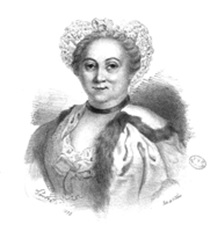
She was born in 1712 in Clermont-Ferrand into a family of doctors.
She first studied for three years under Anne BAIRSIN, a midwife.
On September 26, 1739, she received her diploma and shortly thereafter became a licensed midwife.
She worked as a head midwife at Châtelet in Paris for sixteen years.
In 1752, to combine theory with practice, she published a book titled *A Summary of the Art of Childbirth*.
In 1754, she returned to Auvergne and began giving free lessons.
In 1758, she designed her famous demonstration “machine” (made of wood, cardboard, fabric, and cotton), which was approved on December1 by the Academy of Surgery.
During the two-month training program, the students were encouraged to practice on the mannequin.
She died on April 16, 1794, at the age of 79 in Bordeaux, in poverty and solitude, with her niece and her husband absent. There is a Rue Angélique du Coudray in Thorigné-Fouillard and also a Rue Madame-du-Coudray in Clermont-Ferrand, her hometown. The maternity ward at the hospital in Melun (77) also bears her name.