Tag Archive for: Student Life

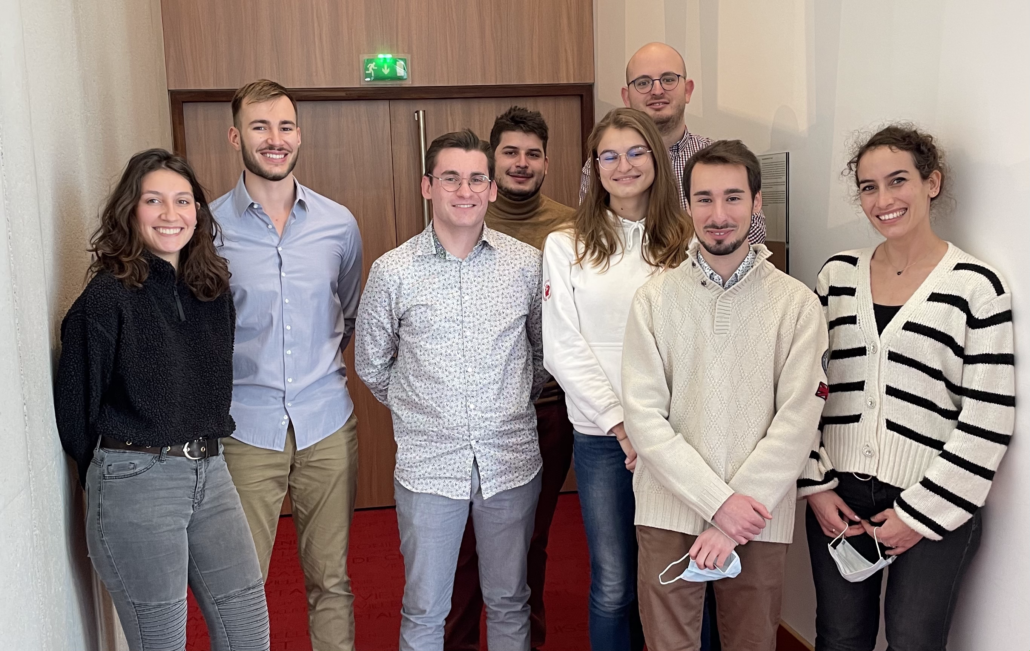
Every year, students elect a representative to speak for them on the dean’s office team. This year, Théo Lacoste, a fourth-year medical student at the ADV campus, was chosen to represent you. Learn a little more about him and Ademmoos’s initiatives in this interview! Profile.

Hi, Théo. First of all, who are you? Can you introduce yourself?

My name is Théo Lacoste; I’m a fourth-year medical student on the ADV campus. I’m also a student representative on the Academic Council and president of Ademmoos (a student council representing all programs). I’m planning to become a doctor, of course, but I don’t necessarily have a specific specialty in mind—other than perhaps something interdisciplinary like emergency medicine. But I’m keeping my options open; I think it’s important to complete rotations in various fields to secure your future!

You're the president of Ademmoos: can you tell us about the role of this organization?

It’s important to note that our Faculty has several campuses and several academic programs. Student representation on the various councils is therefore provided by elected student representatives. This is a very substantial undertaking. So in 2016, we decided to create this association to relieve elected student representatives of the administrative workload (particularly everything related to communication, infographics, etc.) but also to develop projects with other student associations. The goal is truly to bring together, unite, and coordinate the associations—and, through them, the students.

The association’s members consist of students elected to the various representative councils, but we also have non-elected members. They often contribute very interesting insights from a different perspective during our monthly meetings.

Can you give us some examples of projects coordinated by Ademmoos and other organizations?

Yes, for example, the MAP (Montpellier Artistic Project), which is an arts-focused nonprofit. Together with them, we organized an art therapy workshop—led by a professional in the field—for students, with the goal of helping them cope with the stress of school. But the projects we lead or coordinate can also take place outside of our organizations. I’m thinking in particular of the“Dry January”challenge (see Instagram post below) that we recently ran in collaboration with the ICM, or“Smoke-Free Month.”


View this post on Instagram


A post shared by ADEMMOOS (@ademmoos)

In addition to being the president of Ademmoos, you are now the student vice-dean. Can you tell us more about your role in this position?

I have three main responsibilities: First, an academic role, which is very institutional in nature. I work closely with the dean’s office—particularly Dean Isabelle Laffont—as well as the teaching and administrative staff to represent the students’ perspectives. This involves regularly attending meetings, but also staying attuned to what’s happening among students and within the faculty as a whole. I act as a sort of “shuttle” to pass information up and down the chain. I relay this information to the student representatives, who then share it with the various programs, campuses, and graduating classes.

The second task focuses on the Ademmoos association. I need to establish a “guiding principle” for our term’s policy. I’ll come back to this, but the idea is to divide up the key issues among the association’s 40 students: some will handle reforms, others will focus on well-being or coordination with other associations.

My third responsibility is really to maintain direct contact with the students. Class representatives may reach out to me for this purpose, but that’s not enough—information can get lost along the way. So, I make it a point of honor to organize as many in-person meetings as possible with the different classes to discuss issues, “gauge the mood,” and gather feedback directly from students about their needs and feelings. This information is then useful to me in carrying out my primary academic role, so that I can represent the students’ views as accurately as possible.

What are the priorities of your term in office?

There are several priority areas. First, there is a somewhat more academic and administrative aspect, which mainly involves continuing the work of my predecessors: Salomé Duteurtre and Florian Mary. They both worked on what I callthe “Pedagogical Alliance.” That is, the collaborative shaping of our student experience, together with all stakeholders: faculty, students, and the Faculty’s administrative staff.

It seems simple from the outside, but it’s actually quite complex, because we have to reconcile everyone’s opinions; ultimately, we have to succeed in reaching agreements based on our disagreements! Nevertheless, this is achieved through everyone’s goodwill and mutual understanding. We must work together and view the issues to be resolved through each person’s perspective, so that the solutions we adopt benefit everyone. This commitment to living together is truly essential, and we regularly emphasize this to the entire team—most recently to the newly elected student representatives on the Administrative Council and the Academic Council.

Then there are all the discussions surrounding student well-being. This is a relatively new issue—one that wasn’t talked about much a few years ago and that was brought to light by the health crisis. Today more than ever, this topic has become our top priority.

But we can’t take action without understanding the full scope of the problem! So we set our first goal to gather students’ opinions and experiences through surveys. We were able to collect more than 1,000 responses to our first questionnaire on mental health, which was distributed over the winter— and I’d like to take this opportunity to thank all the respondents! The results of this survey are currently being analyzed. In addition, a few weeks ago we began distributing a new survey regarding gender-based and sexual violence that students may experience at the university, at parties, or at their workplace or internship, in order to define the scope of the problem and thus identify corrective actions to limit such incidents or even impose sanctions where appropriate.

In practice, do you implement any initiatives to promote student well-being?

Yes, from a practical standpoint, this year we created a wellness center staffed by two project coordinators who are medical students (Ulysse Godin and Maribelle Dossou-Yovo). Their mission is to organize awareness-raising events. For example, we held a conference on addiction with Professor Hélène Donnadieu-Rigole, as well as Tobacco-Free Month and Dry January… In March, we’ll host a conference on psychosocial risks and “workaholism.” These events are quite popular with students.

There are also other practical projects outside the “well-being” theme, such as the Intern Forum, which is led by former Vice Dean Florian Mary and aims to connect 5th- and 6th-year students with interns so they can share their experiences.

What motivated you to take on this role as an elected official and Vice Dean?

My motivation grew out of my previous commitments, both with Ademmoos and with the ANEMF (National Association of Medical Students of France), because last year I was very involved in issues surrounding the R2C (reform of the second cycle of medical studies) at the national level. This made me want to get even more involved at the local level, addressing the issues we face on a daily basis.

Of course, my discussions with my predecessors also had a strong influence on me. Everything fell into place very naturally after that, with my desire to help the incoming classes guiding my decisions. I wanted to look at my studies from a different perspective.

That said, yes, it’s very time-consuming. It can sometimes be a little hard to juggle everything! So it’s important to surround yourself with the right people and know how to delegate. In that regard, I’d like to give special thanks to Florent Benoist, who is Ademmoos’s Executive Vice President and a representative on the Pedagogical Council; he really helps me a lot and enables me to stay organized.

How is someone elected as Vice Dean?

The Vice Dean is nominated by the student representatives on the Management Council. He or she is often part of the list of elected students. The Council then votes in favor of or against the nominated student. This nomination is discussed internally within Ademmoos beforehand. Once elected, the Vice Dean serves a two-year term, but we often resign after one year so that we can focus fully on our studies.

Thank you so much for this conversation: do you have any closing remarks?

Yes, regarding one of the priorities of my term: well-being. I’d like to get this message across: it’s okay not to feel well. Health sciences students come from a highly selective system where you’re expected to always be the best. Culturally, it’s therefore difficult for us to admit when we’re not doing well—we tend to hide our weaknesses. But that doesn’t mean it’s abnormal to feel bad! There are support resources available on the Faculty’s website. We need to break the silence surrounding this taboo and take advantage of the resources developed jointly by students and the faculty to feel better. Alone, we go faster, but together, we go further!

After Othofaso a few days ago, it’s now time for ASMM, the Montpellier Medical School Sports Association! Today we’re meeting with Amandine, the vice president in charge of communications, who’s here to tell us more!


Could you tell us a little about your organization? What is its mission?

The Montpellier Medical Sports Association (ASMM) is an organization founded about ten years ago with the goal of promoting sports among medical students in a friendly atmosphere. While this objective has remained unchanged over the years, the ASMM has evolved, notably by welcoming PACES (soon to be PASS-LAS) and midwifery students.Our association allows health sciences students to reconnect with sports—which are often neglected during their studies—in a friendly and relaxed setting. These moments are especially important for PACES/PASS/LAS students, who face considerable pressure regarding their entrance exams. The entire team is therefore there to listen to them, provide moral support, and offer a friendly outlet. This year’s goal is to open membership to other health-related programs, particularly students in physical therapy and dentistry.


What activities do you carry out throughout the year? Can you tell us about them?

Throughout the year, we hold two sessions per week: one exclusively for PACES/PASS/LAS students and the other for medical and midwifery students. The content of our sessions varies based on the members’ preferences. Sessions often consist of exercises focused on endurance or strength training, as well as a more recreational component featuring team sports like ULTIMATE.

We also organize activities outside of class: canoeing, beach volleyball, trampoline, pétanque, laser tag, indoor soccer…


Why and how can I join your organization?

Joining our association gives students access to our sessions and sports events all year round. Membership costs 5€ for PACES, LAS, PASS, and second- and third-year medical and midwifery students. Registration is free for students in higher years. You can sign up at any time throughout the year, either online via the Pumpkin app or in person at the start of a session or before an event: it couldn’t be easier—just download the app and create an account using the code ASMM.


Can you tell us a little about the 2020–21 executive committee election?

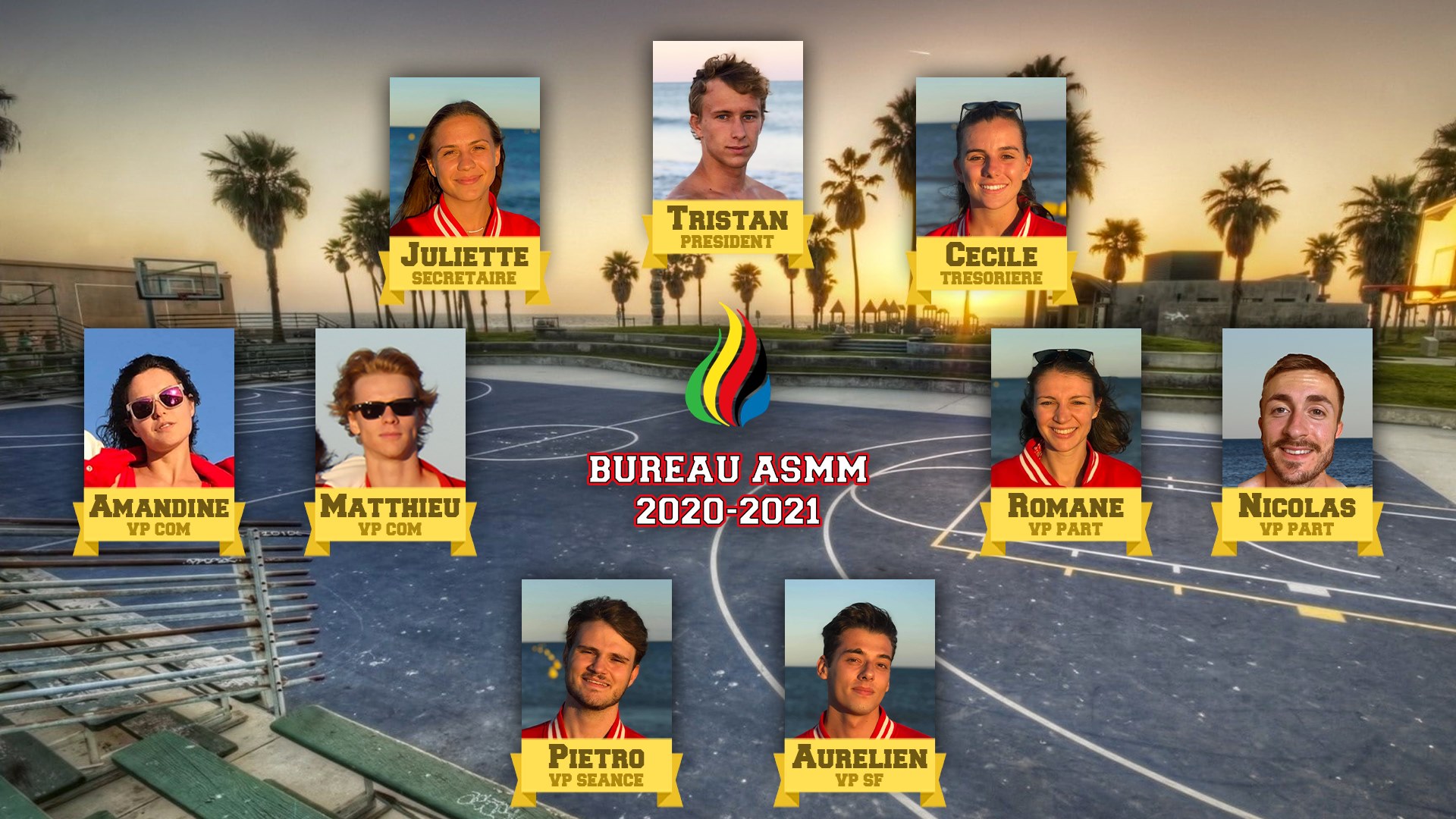
A new executive board is elected internally each year. It is composed primarily of third-year medical students, as well as one midwifery student. The current executive board consists of:

  • Tristan Georger: President
  • Juliette Cuminal: Secretary
  • Cécile Burgalieres: Treasurer
  • Romane Barbier and Nicolas Rouvière: Vice Presidents in Charge of Partnerships
  • Pietro Rosso: Vice President in Charge of Sessions
  • Aurélien Clamens: Vice President of Communications, Sage-Femme
  • Amandine Sautel and Matthieu Branchereau: Vice Presidents in Charge of Medical Communications


COVID-19 Update

The current health crisis has led us to rethink our sessions, particularly by no longer offering team sports. We have also divided participants into groups of 10, then 6, to limit the spread of the virus and protect our members. Safety measures (wearing masks, using hand sanitizer) are also strictly enforced during our sessions and events. We also prioritize outdoor activities, such as our running sessions. We’re also working with partner sports facilities to offer small-group activities to our members, which they can enjoy whenever they want (bowling, rock climbing, escape rooms, laser tag, etc.). We’ve also launched live yoga sessions on Instagram, which help balance student well-being with the need to limit group activities.

How can I contact you on social media?

Instagram: tim_asmm

Facebook: tim asmm

Website: ASMM Association

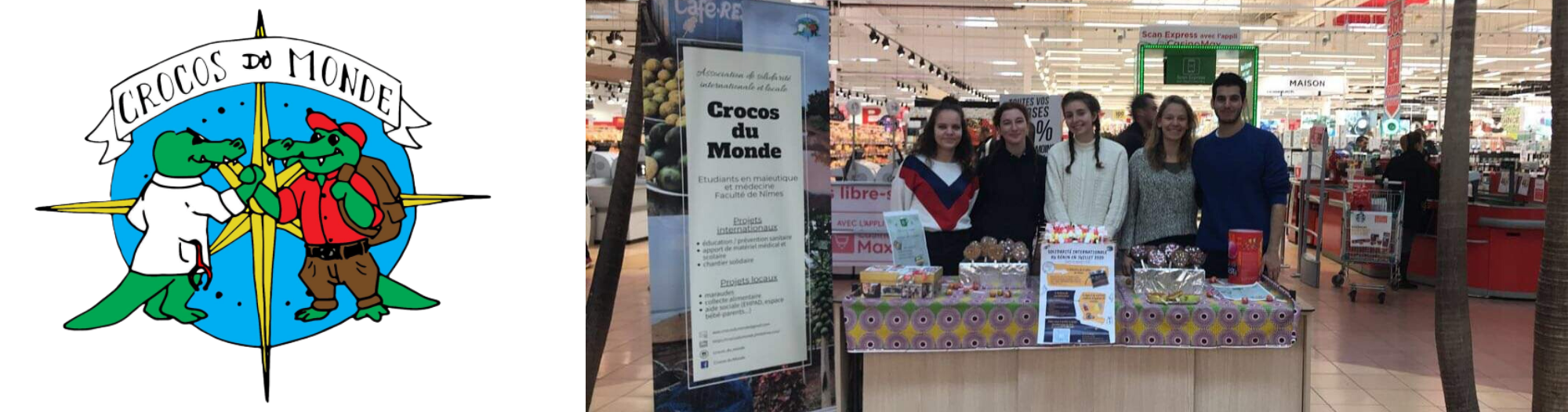
We met AMEO earlier. Today, we’re heading to Nîmes and even farther afield with the Crocos du Monde association!

In a nutshell, what is the Crocos du Monde association?

Founded in 2007, “Crocos du monde” is the student humanitarian association of the Faculty of Medicine’s Nîmes campus. Its goal is to enable medical and midwifery students to get involved in humanitarian work—each in their own way—and to raise awareness of global disparities. The main objective is to organize an international solidarity project each year. Since the association’s founding, the Crocos have already traveled to Morocco, Burkina Faso, and even Togo last summer!

What activities do you carry out throughout the year? Can you tell us about them?

Throughout the year, we hold two major events: fundraisers for our international solidarity project and, starting this year, our local project in Nîmes, which has allowed us to implement social initiatives throughout our city.

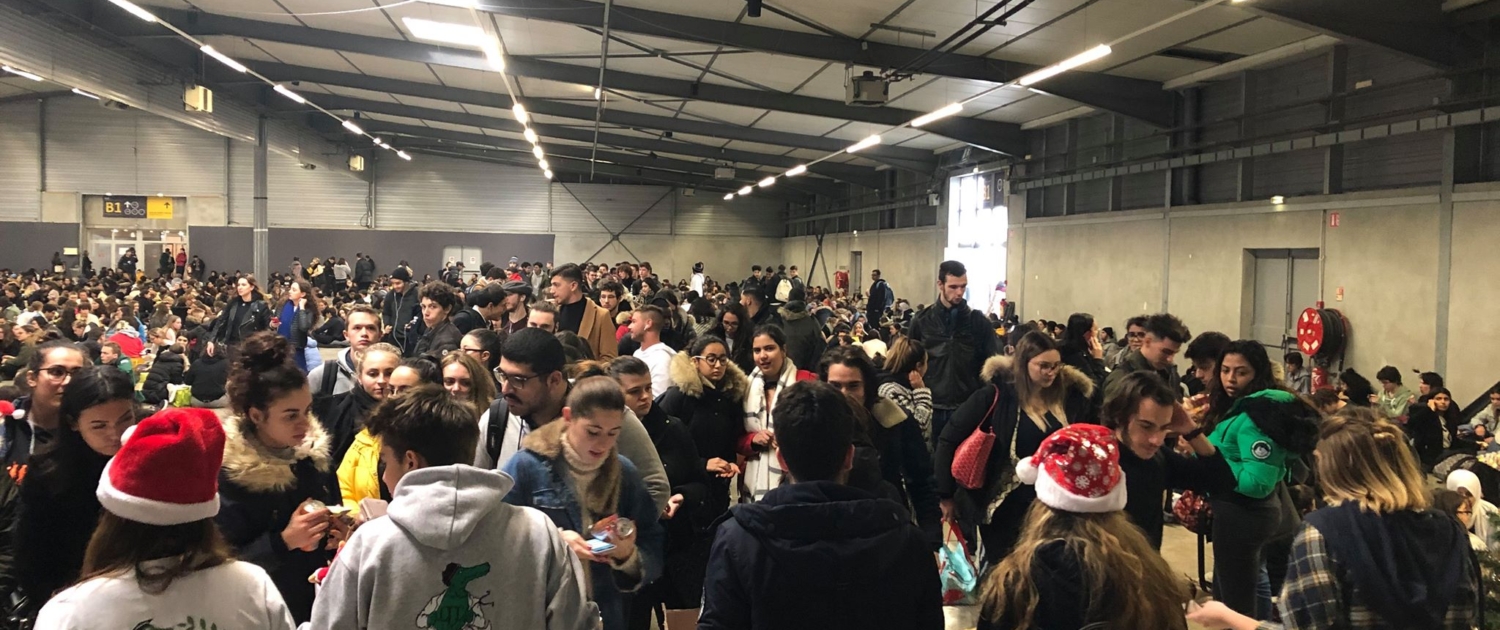
To help fund our trip, we’ve been organizing events at our university since the beginning of the year. We’ve already held a few snack sales. During the holiday season, we raised money through gift-wrapping booths and a chocolate sale.

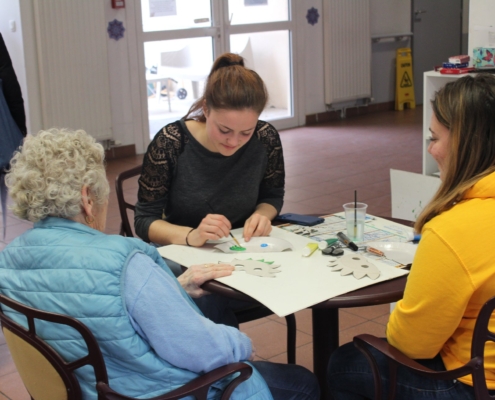
At the same time, the Nîmes project is structured around several initiatives, most of which are carried out in partnership with the French Red Cross in the Gard department, particularly for outreach patrols and visits to nursing homes.

Why did you join the organization as an individual member? What does your organization offer students?

I’ve always been interested in humanitarian work, and this organization has given me the opportunity to get involved through a variety of local initiatives that balance our academic commitments with the limited time we can devote to charitable activities.

This allowed me to become aware of the various needs around me and take action to address them, whether directly in Nîmes or through fundraising and preparing for the annual international solidarity trip.

Why and how do I join Les Crocos du Monde?

Our organization provides opportunities to get involved in social, community-oriented, and environmental initiatives. This allows you to get involved and stay true to your values. Furthermore, it complements your studies by fostering social connections and bringing you into contact with people in need.

You can join in September, after the back-to-school general meeting, and then at any time throughout the year. Simply fill out a membership form and pay a 10-euro membership fee by check or cash, and you’ll officially become a member of Crocos du Monde. The association is open to all students at the University of Nîmes (PACES/PASS, medicine, midwifery).

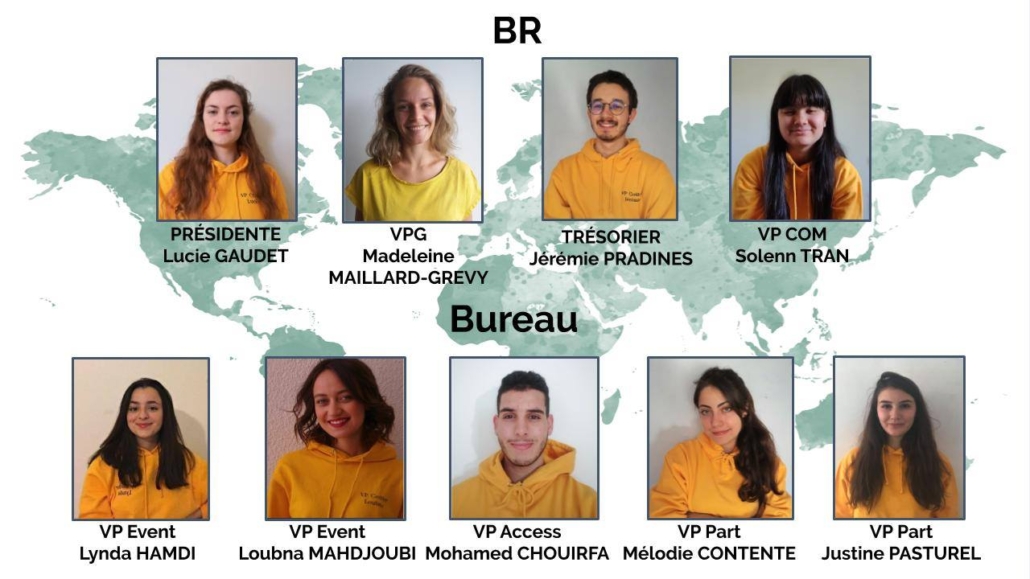
A few words about the 2020–2021 executive board?

The election of our executive committee takes place in two parts:

  • First, an executive committee (BR) is elected. Following an online campaign period, the election was held in early June. Due to the current health situation, we will hold the handover ceremony in person at the start of the school year.
  • Then, in late September, second-year members of the association (medicine or midwifery) will be able to run for office. After a short campaign, the BR selects its executive board based on the number of candidates per position.

For more information, feel free to follow us on social media:


Earlier this week, we metwith the Montpellier Health Tutoring Association. Today, we’re staying in Montpellier for our meeting with Kévin Vidal, the president of AMEO!

In a nutshell, what is AMEO?

AMEO is the Association of Orthoptics Students in Montpellier. It was founded in 2009 and aims to organize activities for orthoptics students through a variety of events. Through AMEO, we also represent students within the federations to which we belong— the AGEM (General Association of Montpellier Students) and the FFEO (French Federation of Orthoptics Students)—in order to defend their rights as students and ensure the quality of their education within the various governing bodies.

What activities or initiatives do you organize throughout the year?

Throughout the year, we organize various types of events:

  • Team-building events such as parties or group activities, as well as team-building weekends for new classes, an end-of-year gala, and a farewell party for recent graduates
  • Events focused on “prevention, solidarity, and citizenship,”such as fundraising drives for Pink October, the Telethon, or Sidaction.
  • As orthoptics students, we are in contact with the Valentin Haüy Association, an organization that advocates for the rights of people with visual impairments, provides them with training and access to employment, helps restore and develop their independence, and also offers cultural, sports, and recreational activities accessible to people with visual impairments.

AMEO also supports students throughout their studies and helps them transition into the workforce by sharing job openings with future graduates so they can enter the job market. Through these partners, AMEO also enables students to purchase orthoptic equipment at reduced prices by offering discounts or organizing group orders for educational materials.

Why did you personally choose the Orthoptics program, and what does the association offer students in this program?

Personally, I chose this field because the profession of orthoptist offers many opportunities. Patients come in all ages, and the conditions and rehabilitation methods are very diverse. For example, an orthoptist may work with premature infants or children with visual exploration issues, or with cases of atypical conditions such as shaken baby syndrome. We can also work with older adults who have AMD or other eye conditions that cause significant functional impairment and, in some cases, require low-vision rehabilitation, as well as with people who simply need glasses or orthoptic rehabilitation.

Another aspect of this profession that I really appreciate is the interdisciplinary nature of the work. We may find ourselves collaborating with occupational therapists to adapt the environment for people with visual impairments, with speech-language pathologists to develop visual exploration strategies for children with attention disorders, or with physical therapists in the field of posturology. It is, therefore, a profession in which every case is different, one that offers the choice of working in a healthcare facility or in private practice, and one that provides the opportunity to continue learning about a wide range of disciplines throughout our careers.

How do I become a member of AMEO?

To join AMEO, you must be an orthoptics student in Montpellier. The membership fee is 3€ per year. To join, simply submit your application at the association’s office located on the ADV campus!

A few words about the 2020–2021 executive board?

The election of the 2020–2021 executive board takes place at the end of June during the handover general meeting. Each slate running for the new executive board will present its rationale and plans. Each year, the executive board consists of at least one president, a secretary, a treasurer, a vice president in charge of communications, a vice president in charge of networking, a vice president in charge of partnerships, vice presidents in charge of events, and a vice president in charge of prevention, citizenship, and solidarity.

You can already find us on our social media channels:
Twitter: AMEOrthoptistes
Facebook: https://www.facebook.com/AMEOMtp/
Instagram: @ameo_orthoptie

After meeting with the Nîmes Health Tutoring Association, this week we’re joining the Montpellier Health Tutoring Association and its new president, Milla Esclafit-Cardoso! 

In a few words, what is the AssociationTutorat Santé Montpellier?

The Tutoring Program consists of second- and third-year health sciences students who have passed the PACES entrance exam and who have been selected and trained for one year by the professors in charge of that year’s program. Our goal is to provide free, high-quality academic and emotional support to any student at the University of Montpellier and its branch campuses who wishes to pursue a career in healthcare. To meet this need, three organizations are available to assist you: the Montpellier Health Tutoring Association, the Pharmacy Tutors Association, and the Nîmes Health Tutoring Program. 

These three organizations pool their resources to provide equitable support to all students and share a common goal of ensuring equal opportunity in the admissions process for health professions programs. 

What activities or initiatives do you organize throughout the year? 

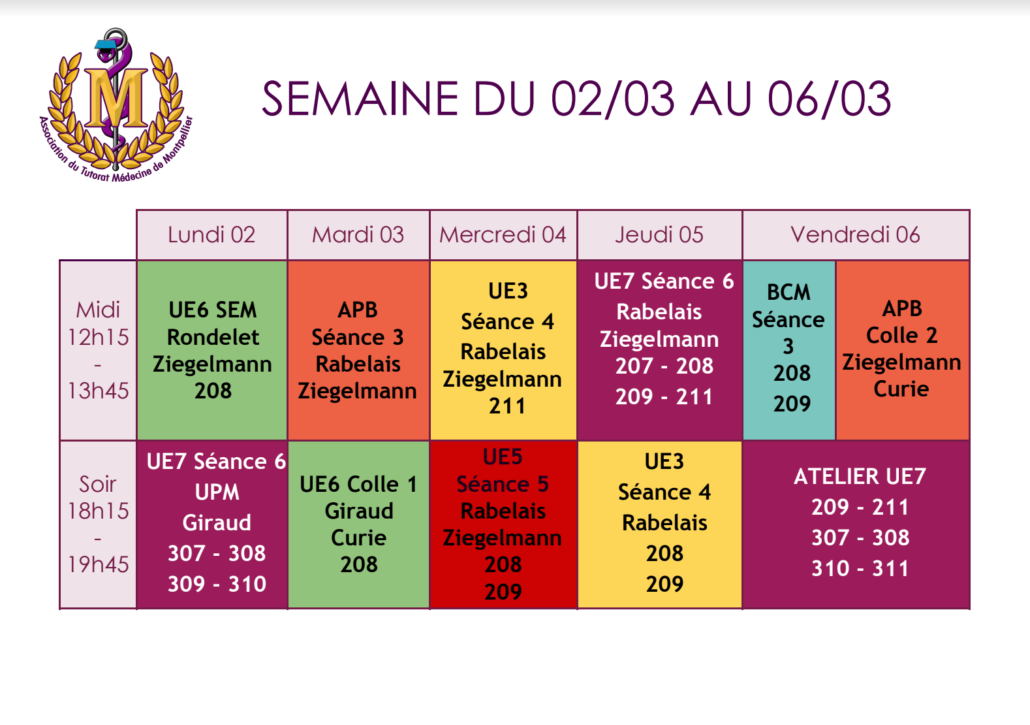
To start the year off on the right foot, we’re offering a Pre-Semester Workshop open this year to all PACES and PASS students: its goal is to review the entire first-semester curriculum, help students develop effective study habits, and introduce them to the faculty so they can find their footing. 

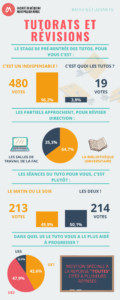
Each week, we review the key points from each course across all subjects through multiple-choice quiz sessions led by professors: these sessions are offered at several different times so that students can adjust their schedules according to their availability. To help students with their questions, office hours are held every day at noon on campus, and a forum is also available to students. 

To ensure regular and representative assessment, we organize weekly graded quizzes attended by approximately 900 students across our three campuses, as well as mock exams, which this year drew more than 1,600 students in the first semester. 

To adapt to the lockdown and public health measures, we held our sessions and review sessions online via Zoom, which we recorded so that PACES students with an unstable internet connection could watch them. We also expanded our YouTube channel to diversify our remote content, focusing on parts of the course that we felt were difficult for students to understand.

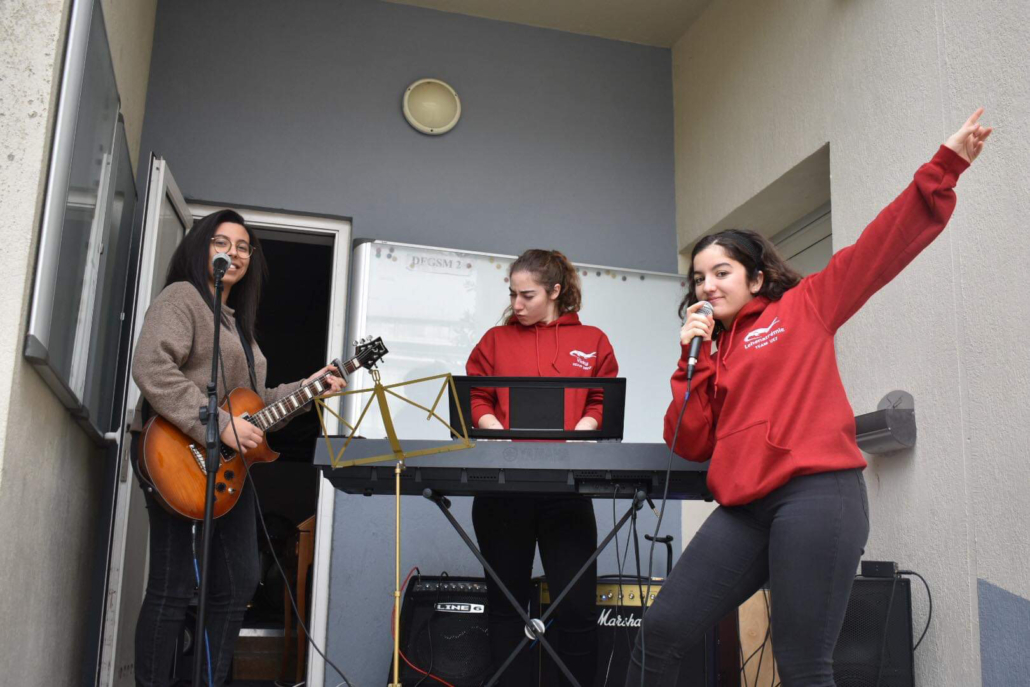
Beyond academic support, we help students navigate a demanding year by promoting activities focused on well-being: board game lunchtimes, relaxation workshops, and more… Our biggest wellness event is Pep’s Week, which takes place in early January—a particularly difficult time for PACES students. To help first-year students connect with upperclassmen, we set up a student mentoring program right at the start of the year. 

To further promote equal opportunity, the Tutoring Service works withHandiversité to offer a disability support service for students who need reasonable accommodations during sessions or exams. 

Finally, in the context of reform, we serve as key points of contact both within the university—by organizing career guidance forums—and at the local level through various student fairs, as well as at the national level by participating in conferences that bring together tutoring organizations from across France.

What made you decide to join the organization? 

Tutoring helped me pass my PACES exam by supporting me for two years: this support was extremely valuable to me because I couldn’t afford to pay for the services of a private organization. The tutors’ availability, the quality of the sessions, and above all, the support they provided in every aspect of PACES life—from studying to maintaining a healthy lifestyle and staying motivated—really helped me get through that challenging time. It was a no-brainer for me to apply to become a tutor after I was admitted to my second year of medical school, so I was delighted to join the UE7 team (Health, Humanities, Society). My year as a trainee tutor was so fulfilling that I wanted to continue the journey by joining the Tutoring Board to help it reinvent itself during the year of the reform: so we changed our name from the Montpellier Medical Tutoring Association (ATM²) to the Montpellier Health Tutoring Association (ATSM) to better reflect our commitment to diversifying the backgrounds of incoming students across all health-related programs! 

What does the association offer students?

Beyond simply providing academic guidance, our goal is to offer genuine support to all young adults who are navigating university studies, life away from home, and a very substantial workload. Our core value is equal opportunity, ensuring that selection for this first year is based on academic ability rather than financial status. This aligns more broadly with our commitment to collegiality—a value we hold dear in the healthcare professions—and with our training, which is largely based on peer-to-peer learning. After all, we are first and foremost students who have gone through this challenge ourselves and who are trying to help PACES students just as we needed help when we were in their shoes!

Why do you think people should join your organization? 
In the first year, students can sign up for tutoring free of charge at any time throughout the year: there is no attendance requirement, but according to faculty surveys, attending 80% of the tutoring sessions is the best way to pass the entrance exam! 

If you wish to join the ATSM as a tutor, you will have the opportunity to be selected based on your application and an interview after your second-semester grades are released. You will then hold the status of Trainee Tutor during your second year and may continue as a Qualified Tutor when you advance to your third year. 

A few words about the 2020–2021 executive board?

The General Assembly to inaugurate our new executive board took place on June 9: we are all very excited to renew our commitment to supporting students repeating PACES, PASS, and LAS. We know that this year can be daunting for recent high school graduates, and we are ready to support them through this transition. 

We're in the process of changing our name, so for now, our old name is what appears on social media:

Facebook: Medicine Tutoring in Montpellier 

Instagram: 

Email contacts: 

  • General questions about the association, PACES, and PASS: asso.atsm@gmail.com
  • Questions about LAS: vicepresident.las.atsm@gmail.com
  • Questions about possible accommodations under the Disability Tutoring Program: vptutohandicap@gmail.com

Networks of other associations: 

Nîmes Health Tutoring: 

Association of Pharmacy Tutors: 

We've also put together a video presentation for you, in collaboration with the three tutoring programs!

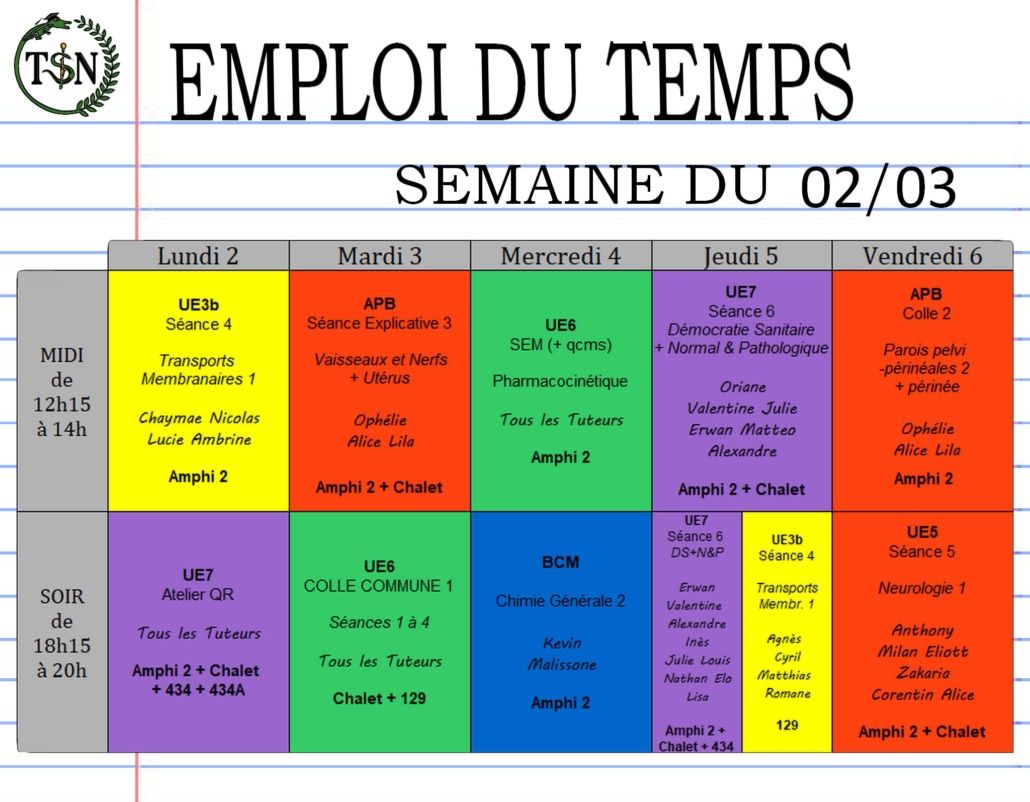
Earlier this week , we met with the CNESF, the association for the midwifery program in Nîmes. We’re staying in Nîmes today for our meeting with Matthias Daudé, the new president of TSN!

In a nutshell, what is Tutorat Santé Nîmois?

TSN (Tutorat Santé Nîmes) is an association made up of second- and third-year medical and midwifery students at the Nîmes campus. We have all successfully passed the entrance exam for health studies, and drawing on this experience, we offer support to students entering their first year of a health-track program (PASS/LAS). 

What activities or initiatives do you organize throughout the year? 

Throughout the year, students are offered weekly practice sessions in the form of multiple-choice quizzes, during which tutors provide detailed feedback on the quizzes, share memory techniques, offer study tips, and provide support in preparing for exams. All sessions are reviewed by the subject instructors to ensure they remain closely aligned with the requirements of the final exams.

 In addition, we are organizing a pre-school-year workshop during the last two weeks of August. During these two weeks, we’ll cover the first-semester curriculum while providing as much guidance as possible on how to approach this challenging academic year. 

 We also offer practice tests and mock exams to help students prepare as thoroughly as possible through realistic practice, using questions that have been reviewed by professors.

What made you decide to join the organization? 

When I started my health studies, I wasn’t familiar with tutoring. At the university, I quickly heard about the organization and the support it offers. So I went to a session and immediately saw all the benefits this organization could provide me. 

After passing the PACES entrance exam and enrolling in a health sciences program, I wanted to join the tutoring program to share my personal experience from my first year. I wanted to help as many students as possible make progress so they could achieve their dreams. It felt natural to me to do everything I could to give back everything I received during my first year, because without the tutoring program, I would never have passed that exam.

What does the association offer students?

The TSN provides PACES students with genuine academic support through practice sessions and Q&A sessions, as well as moral support through the organization of student activities. We also have a mentoring program in which second- and third-year students take first-year students under their wing to guide them toward success.

Why do you think people should join your organization? 
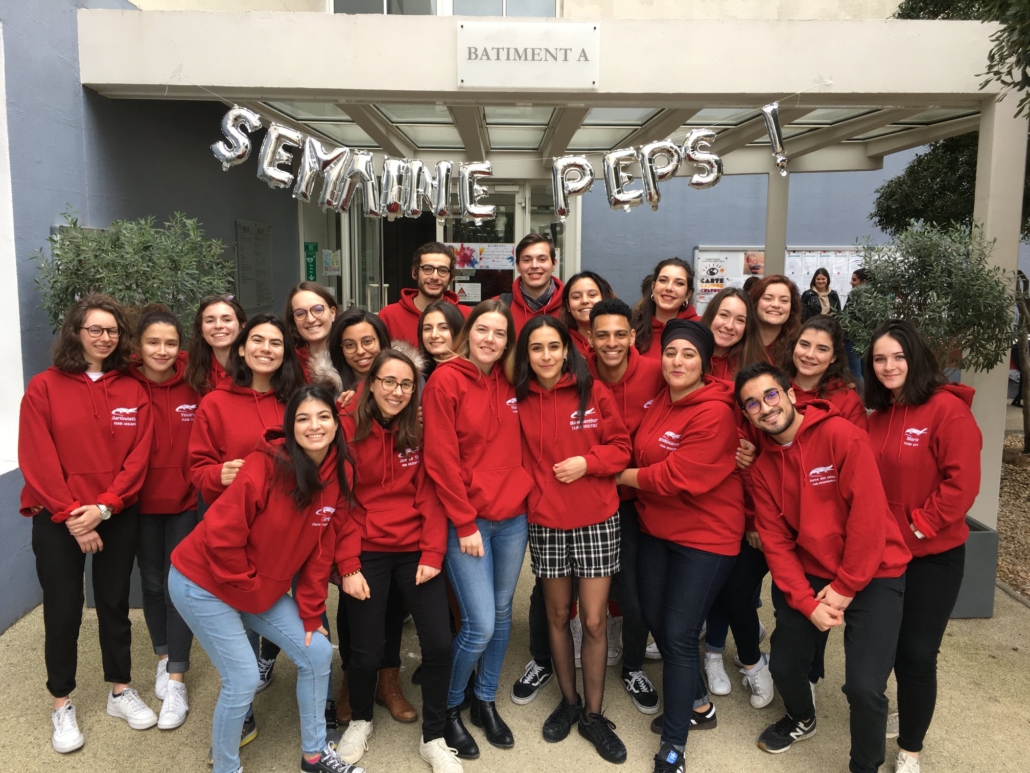
Our association offers a wide range of services, including both educational and personal support, to help everyone make progress toward passing the entrance exams for the second year of health studies.

How do I sign up? 

The tutoring program is completely free! To join the tutoring program, simply follow the registration instructions, which will be posted on our social media accounts and on the faculty’s registration page.

A few words about the 2020–2021 executive board?

For the TSN association, the election of the executive board takes place in two phases. 

It all begins with the formation of the Executive Committee (BR). Once the candidates for the BR have been nominated, a campaign period begins during which the various teams present their plans for the year. This year, due to the health crisis, all elections and campaigns took place online. Once the campaigns are over, all second- and third-year tutors elect a BR, which will then organize the elections for the other positions on the Executive Board. 

Once all positions have been announced by the BR, each mentor who wishes to serve on the executive board submits a candidacy for the position. The candidacy period lasts one week. After this campaign period, the BR organizes a vote for the positions with multiple candidates. 

You can now find us on our social media channels!

To wrap things up, we’d like to share a video we created in collaboration with the three health tutoring organizations in Montpellier: the Montpellier Health Tutoring Association (ATSM), the Association of Pharmacy Tutors (ATP), and us, the Nîmes Health Tutoring Association (TSN)!

Following our meeting with Dis-Lalie, the Montpellier-based association for the speech-language pathology program, this week we’re meeting with the CNESF, the association for the midwifery program in Nîmes!

In a nutshell, what is the CNESF?

The Nîmes Midwifery Students’ Association is a nonprofit organization under the French Law of 1901 whose purpose is to represent midwifery students in Nîmes and to give them a voice within federations such as the ANESF (National Association of Midwifery Students, our program-specific federation) and the AGEM (General Association of Montpellier Students, our regional federation). It also aims to listen to midwifery students in Nîmes, advise them as much as possible, and defend their rights and interests. Our association helps energize the student life of its members by organizing solidarity and prevention events, as well as social, athletic, and cultural events. Finally, it aims to enhance our skills as future healthcare professionals through access to continuing education.

What activities or initiatives do you organize throughout the year?

We are working to expand our activities as much as possible through the association’s various divisions the association:

The Public Health Division has organized, for example, film screenings followed by coffee-and-conversation discussions to explore topics such as female genital mutilation or anonymous adoption, particularly following screenings of films in partnership with the Sémaphore in Nîmes.

As part of the annual awareness campaign for breast cancer screening, we created a calendar for Pink October. It features prevention tips and information, and the money raised was donated to the League Against Cancer. We also participated in the Telethon alongside medical students.

Thanks to the growth of social media, we have created posters for global awareness days—such as the one created in collaboration with ANESF for World Contraception Day—and informational quizzes on various topics are also available. We’ve established a mentoring program where upperclassmen mentor students from different graduating classes, which we plan to expand further next year. 

We organized festive and team-building events, including the end-of-year gala, which unfortunately could not take place. As we did last year, we continued to expand our babysitting network. As for AGEM and ANESF, we attend in person or remotely every board meeting and general assembly to represent the midwifery students of Nîmes in policy decisions.

Snack parties are held every month to raise funds for charities, to which we also donate children’s clothing and supplies.

Finally, we participated in PEPS Week, organized by Tutorat Santé Nîmes this year, at the student fair, as well as at the Faculty’s open house, to do our best to answer questions from prospective students.

Why did you personally choose the Maieutics track, and what does the association offer students in this track?


In my opinion, this is a field you choose out of passion. The program is long and 
require a significant investment, particularly in the many internships. But Supporting couples, mothers, women, and even babies is what makes The diversity of our profession—and that’s what drew me to it. We do indeed have a broad range of expertise; whether in the private, public, or independent sectors, we can support women throughout their pregnancy, childbirth, and postpartum period (provided there are no medical complications). We can also provide preventive gynecological care and contraception consultations. We sometimes face difficult situations, but the intense moments of life and emotion serve as a reminder of why we started this work in the first place.

The association, for its part, provides opportunities to get together—whether at the clubhouse or at events—and to learn through training programs offered by ANESF or AGEM. Members can also stay up to date on national news, which we share regularly. For those who want to get involved in student life, it’s a great way to thrive while working on your own projects and collaborating with other students.

Why do you think people should join your organization? 
Joining our association is, above all, a gesture of support. We represent midwifery students in the faculty’s student life. Joining allows you to stay informed about various events and connect with other associations within the faculty or outside of it. In fact, this results in membership in both AGEM and ANESF, which allows you to stay informed about discussions within these organizations and potentially make an impact by sharing your views on key issues. It’s an opportunity to take an active interest in the future of the profession and student life in the region, as well as to bring broader issues to light.

Membership is also the only way to vote at general meetings for the future teams that will represent you during the next terms. And on the fun side, membership gives you access to a whole host of partnerships that our fabulous VP of Partnerships has secured for us—from laser tag to products from Luneale, Fempo, and many others—all offering great discounts. Finally, we have partnerships with professional insurance providers that offer additional protection for students on internships.

How do I sign up? 

Joining is very easy: just come to our association’s office on campus between 12 p.m. and 2 p.m. (every day) and pay 7 euros—by check, cash, or even Lydia. We’ll give you a nice little membership card with our social media handles. You can join at any time throughout the year, but we close membership registration two weeks before the end-of-term General Assembly.

A few words about the 2020–2021 executive board?

Unfortunately, given the current health situation, this year’s handover will take place remotely. We are in contact with the executive board members running for the 2020–2021 term and who are more motivated than ever. There are exciting projects on the horizon that we look forward to learning more about in detail. It’s with a slight twinge of sadness that we’re stepping down from this term, especially given the difficult end to the year, but we have complete confidence in the dedication of the incoming executive board. They are motivated young women with experience and a lot of enthusiasm—everything needed to succeed. We couldn’t have handed over this term with greater peace of mind than with such a wonderful new generation taking the reins!

Feel free to follow us on social media:

– Instagram: @CNESF

– Facebook: Nîmes Midwifery Students' Association

– Twitter: @CNESF2


As we’ve seen, the Ademmoos association brings together elected representatives from every sector! This week, we’re focusing on the speech-language pathologists in Montpellier through the Dis-Lalie association! 

In a few words, what is the Dis-lalie association?

Dis-Lalie, founded in 1998, is the association for speech-language pathology students in Montpellier. The association’s goals are to foster student life through a variety of events and to represent speech-language pathology students in Montpellier within the federations to which Dis-Lalie belongs, namely the FNEO (National Federation of Speech-Language Pathology Students) and AGEM (General Association of Montpellier Students), to help students prepare for their transition into the workforce through conferences, training sessions, and meetings with partners and healthcare professionals, and to support students in defending their rights and ensuring the smooth progress of their education by engaging with university and local authorities.

What activities or initiatives do you organize throughout the year? 

Throughout the year, Dis-Lalie organizes events for student members:

  • Team-building events : team-building weekends and afternoons, evening events, meals, ski trips, end-of-year ceremonies, attendance at the graduation ceremony for new graduates…
  • Speech-language pathology training : lectures (on Alzheimer’s disease, lip-reading, stuttering, etc.), training sessions, and workshops related to the profession (drawing, accounting, etc.)
  • Wellness events : sophrology and yoga workshops.
  • Cultural events : city tour, tour of the anatomy museum, hikes around Montpellier, beer and chocolate tastings…
  • Events focused on prevention, civic engagement, and solidarity: bake sales for Telethon Week, Pink October, and Sidaction, with proceeds donated to charities; toy drives for hospitalized children at Christmas; collections of plastic bottle caps to be reused to make assistive devices for people with disabilities; and participation in the “Teddy Bear Drive” at the hospital…

Dis-Lalie also supports students throughout their studies. Whether by offering discounts on speech-language pathology materials through our partnerships with publishers or by informing students about the financial aid and transportation assistance available to them. We also assist students who wish to spend a semester abroad with the necessary administrative procedures. Dis-Lalie further supports students interested in pursuing a university degree in speech-language pathology by sharing testimonials from speech-language pathology students on social media and by hosting applicants during their oral exams, among other things.

Why did you personally choose the Speech-Language Pathology program, and what does the association offer students in this program?

Personally, I chose to pursue a career in speech-language pathology because it is a profession focused on care and, above all, rehabilitation, which allows you to witness real progress in patients, particularly through speech-language therapy.  It’s a very diverse field. Indeed, patients come in all ages, and the conditions and rehabilitation methods are highly varied. For example, a speech-language pathologist may work with newborns who have oral development disorders, children with learning disabilities (dyslexia, dysorthography, dyscalculia…), as well as patients with neurological disorders, hearing loss, those recovering from a stroke, or even those recovering from COVID-19! It is therefore a profession in which every case is different, offering the choice to work in a healthcare facility or in private practice, and providing the opportunity for ongoing training throughout one’s career on a wide variety of conditions.

Why do you think people should join your organization? 

Our association allows speech-language pathology students in Montpellier to come together at various events, which fosters a sense of community and encourages sharing among students at our training center. Membership in Dis-Lalie offers students many benefits:

  • Discounts or free admission to events organized by the association
  • Access to conferences and training sessions on speech-language pathology, organized by our Vice President of Training
  • Preferential rates from our partner companies: insurance companies, publishing houses, etc.
  • Discounted or free travel to events organized by the FNEO (training weekends and the national convention)
  • Opportunity to participate in all team-building, cultural, and wellness events organized by the association
  • Voting Rights at General Meetings

How do I sign up? 

Membership registration takes place every year in September. The membership fee for the 2019–2020 year is set at 11€.

A few words about the 2020–2021 executive board?

The election of the 2020–2021 executive board will take place at the end of October during the handover general meeting. The election of Dis-Lalie’s new executive board will be conducted on a position-by-position basis. Each candidate will have the opportunity to present their rationale to the assembly. Each year, the executive board consists of two co-chairs, a secretary, a treasurer, a vice president in charge of communications, a vice president in charge of training, a vice president in charge of international mobility, a vice president in charge of social issues, a vice president in charge of culture, a vice president in charge of partnerships, a vice president in charge of student representation, vice presidents in charge of events, vice presidents in charge of social gatherings, vice presidents in charge of prevention, citizenship, and solidarity, and an admissions coordinator.

Here are our contact details. Feel free to follow us on social media:


Last week, we met with the Association Carabins Montpelliéraine to learn more about student life for medical students. Today, Salomé Duteurtre, the Student Vice Dean, is answering our questions!

In a nutshell, what is ADEMMOOS?

ADEMMOOS is the Association of Student Representatives from Montpellier-Nîmes in the fields of Medicine, Speech-Language Pathology, Orthoptics, and Midwifery. It brings together nearly 40 elected student representatives from the various programs. 

We work every day to:

  • in Interprofessionalism : all of the faculty’s academic programs are represented;
  • in Intersite, through a collaboration between residents of Montpellier and Nîmes;
  • for Represent all students in the UFR in dealings with the administration, the faculty, and the university hospital.

What activities or initiatives do you organize throughout the year? 

Above all, our year is shaped by our student advocacy efforts.

As such, we are represented on two major councils within the faculty:

  • The Academic Council facilitates collaboration among the various stakeholders in the faculty (faculty members, administrative staff, and students) regarding the programs offered by the UFR. Topics discussed include assessment methods and the evaluation of teaching materials. 
  • The Management Council is the faculty’s decision-making body, which votes on and reviews the internal regulations, the budget, agreements entered into by the faculty, and educational programs.


Our goal, therefore, is to give students a voice, often by conducting surveys that allow us to carefully gather their opinions and positions on the various issues that arise during the academic year. 

In addition, we are also carrying out a number of projects to improve our training conditions. For example, several of our initiatives focus on health promotion:

  • Improving student well-being in all its forms is one of our priorities. Given the difficulty and demands of our programs, some students may find themselves struggling; we strive to support them and refer them to resources that can help.
  • We are raising awareness about the flu vaccine to encourage students—future healthcare professionals—to get vaccinated. In particular, we organized a vaccination day on the faculty campus. 

We also support initiatives aimed at enhancing student life on campus. We participate in Open House events and European Heritage Days to lead tours and engage with the public. In addition, we help design and develop living and workspaces.

We keep students informed about the latest news from the faculty; for example, during the COVID-19 crisis, we kept them regularly updated on the situation and changes to our programs.

We help medical interns choose their specialties through the Forum du Futur Interne (FFI), which we organize in collaboration with the Languedoc-Roussillon Interns' Union.

Finally, we work with all of the faculty’s student organizations:

  • We support student-led support and educational initiatives: PACES tutoring, tutoring for upper-level medical and midwifery students, iECN prep workshops…
  • We participate in student representation at the local level (AGEM) and at the national level through our respective academic program associations.

What does the association offer students?

Our organization promotes several things:

  • the support and the representation of all students enrolled in the Montpellier-Nîmes School of Medicine at the University of Montpellier;
  • the promotion of improving student life (in terms of the quality of studies and educational offerings) within the UFR by establishing an ongoing dialogue between students, their elected representatives, and student organizations—across all programs—belonging to the UFR;
  • the gathering of students from the various departments within the UFR, particularly through the development of joint student initiatives, in order to transcend the divisions inherent in the different degree programs and foster mutual inspiration by leveraging the synergy of diverse skills.

Furthermore, students are not required to make any financial contributions. Simply being enrolled in the UFR allows students to participate in all the activities offered by our association.

A few words about the 2020–2021 executive board?

Our association's executive board is made up of students—whether or not they are elected UFR representatives—who are appointed for a one-year term from October to October to coordinate the team of student representatives.

The 2020–2021 term of office will begin this summer: please feel free to contact the current board if you’re interested in any of the positions!

Please feel free to contact us with any questions about student representation!


In addition to the Med’Ley Association, this week we’re also featuring the Association Carabine Montpelliéraine (ACM) and its president, Colin Azria.

In a nutshell, what is the Association Carabine Montpellieraine?

The Association Carabine Montpelliéraine (or the Montpellier Medical Student Association) is a nonprofit, nonpartisan, and non-denominational association governed by the 1901 law, which aims to represent medical students in Montpellier. It is the only association that officially and exclusively represents medical students in Montpellier from the 1st year (PACES) through the 6th year.

Working closely with the PACES Tutoring Program and the teaching staff of the UFR Medicine, the ACM supports students throughout their academic career by providing a variety of resources (books, handouts, stethoscopes, and other supplies) and offering them the opportunity to participate in various events (community service initiatives, cultural events, student parties, the Gala, etc.).

In addition, the ACM is part of the network of local student representation (Z’élus associatifs) and national student representation (ANEMF—National Association of Medical Students of France), which advocates for students’ interests before administrative and government bodies.

What activities or initiatives do you organize throughout the year?

The activities we carry out are very diverse and encompass all the opportunities that may arise during our studies. First, we are setting up a direct sales service for course handouts to help students learn more effectively. 

We participate in national and international exchanges, which we organize through the ANEMF network in the form of various exchange programs. 

For several years now, we have also built strong relationships with local businesses throughout Montpellier that offer us “great deals.” We are also in the process of expanding our scope of action to participate more actively in community solidarity and sustainable development in our beautiful city of Montpellier. From simple student parties to global health charity events like the Telethon, Movember, Pink October, and Sidaction, as well as the Medicine Gala—and with a Culture division active every day offering organic food baskets, “ciné’kult” film screenings, and great deals for students in Montpellier—the ACM aims to support medical students throughout their studies.

Why did you personally choose to study medicine, and what does the association offer students in this program?

Personally, I’ve always been drawn to medical concepts, so it was only natural that I chose this field. It’s only when you choose to study medicine that you realize just how much work still lies ahead. But it’s by volunteering your time with an organization that you truly realize the sheer magnitude of the work you can and must do. Having briefly described our activities above, I believe that the Corpo Médecine is an institution that, for several generations now, has been an integral part of the daily lives of medical students and helps keep our traditions alive. 

Why do you think people should join your organization? 
By joining our association, you’ll be able to discover all our great deals in Montpellier, participate in all our events, gain access to the services we offer (sales of handouts, supplies, books, etc.), and much more!

How do I sign up? 

Joining is easy—just stop by our office at the Arnaud de Villeneuve campus, located at 641 Avenue du Doyen Gaston Giraud, 34090 Montpellier. The membership fee is €10, payable annually. 

A few words about the 2020–2021 executive board?

The election of the Corpo Médecine executive board takes place at the end of each academic year and is conducted by second-year students. They select individuals from among their class to form the Corpo executive board for the following year. You can find out more about the new executive board members on our website.

We're also on social media—you can find us at: