Tag Archive for: Maieutics

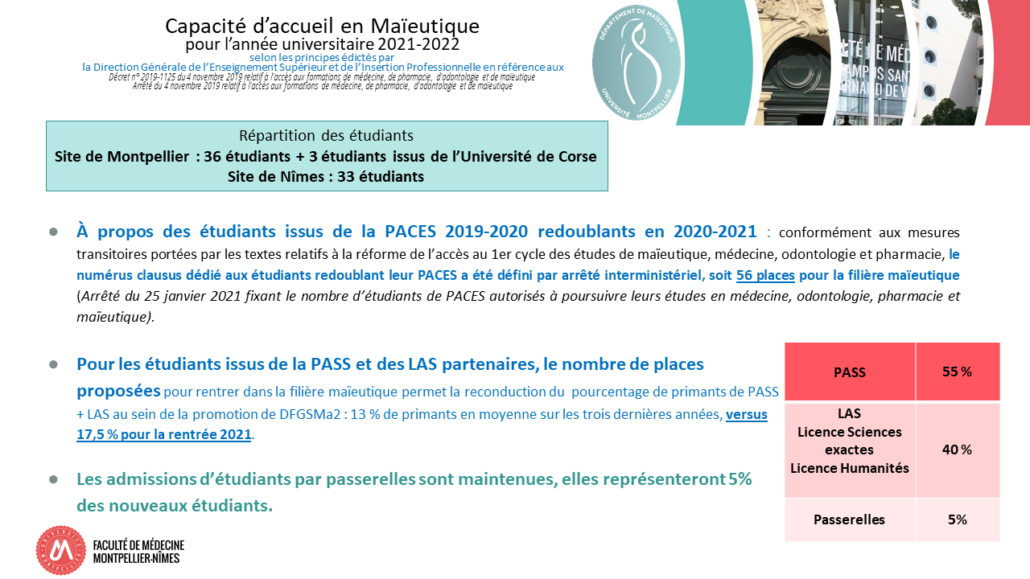
PASS and LAS students: In this article, you’ll find a message from Dean Mondain regarding the available spots in DFGSM2 (second year of medical school) for the upcoming academic year. You’ll also find an update on the available spots in midwifery. 

An Update on Places in Maieutics

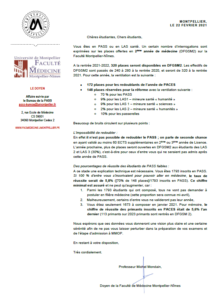
A Message from the Dean (School of Medicine)

Key Points – MEDICINE Program


  • Regarding enrollment in the DFGSM2 (MEDICINE) program for the 2021–22 academic year

    320 spots will be available in DFGSM2 (MEDICINE)for the 2021–22 academic year, including:

    • 172 spots for PACES repeat students
    • 148 spots for PASS, LAS, and bridge programs . 70% of these 148 spots are reserved for PASS students.

    Update as of April 7, 2021: One additional spot is available in medicine, allocated to the PASS.

  • Regarding repeating the PASS

    Students are not allowed to repeat the PASS program. 

    However, you can apply for the MMOP program a second time during LAS 2 or LAS 3 if you have the required ECTS credits.

  • Regarding the success rate for PASS students transitioning to the MEDICINE program

    The minimum pass rate is 5.8%

    • This rate is higher than that of first-time PASS applicants in 2019–2020, which was 5.6%
    • This minimum rate would correspond to an unlikely scenario: that is, if all students enrolled in the PASS program were to apply to medical school.

    This minimum rate is guaranteed and can only go up.

    The final acceptance rate will not be known with certainty until after the MMOP application phase, which will take place at a later date, depending on the preferences of all students.


After Othofaso a few days ago, it’s now time for ASMM, the Montpellier Medical School Sports Association! Today we’re meeting with Amandine, the vice president in charge of communications, who’s here to tell us more!


Could you tell us a little about your organization? What is its mission?

The Montpellier Medical Sports Association (ASMM) is an organization founded about ten years ago with the goal of promoting sports among medical students in a friendly atmosphere. While this objective has remained unchanged over the years, the ASMM has evolved, notably by welcoming PACES (soon to be PASS-LAS) and midwifery students.Our association allows health sciences students to reconnect with sports—which are often neglected during their studies—in a friendly and relaxed setting. These moments are especially important for PACES/PASS/LAS students, who face considerable pressure regarding their entrance exams. The entire team is therefore there to listen to them, provide moral support, and offer a friendly outlet. This year’s goal is to open membership to other health-related programs, particularly students in physical therapy and dentistry.


What activities do you carry out throughout the year? Can you tell us about them?

Throughout the year, we hold two sessions per week: one exclusively for PACES/PASS/LAS students and the other for medical and midwifery students. The content of our sessions varies based on the members’ preferences. Sessions often consist of exercises focused on endurance or strength training, as well as a more recreational component featuring team sports like ULTIMATE.

We also organize activities outside of class: canoeing, beach volleyball, trampoline, pétanque, laser tag, indoor soccer…


Why and how can I join your organization?

Joining our association gives students access to our sessions and sports events all year round. Membership costs 5€ for PACES, LAS, PASS, and second- and third-year medical and midwifery students. Registration is free for students in higher years. You can sign up at any time throughout the year, either online via the Pumpkin app or in person at the start of a session or before an event: it couldn’t be easier—just download the app and create an account using the code ASMM.


Can you tell us a little about the 2020–21 executive committee election?

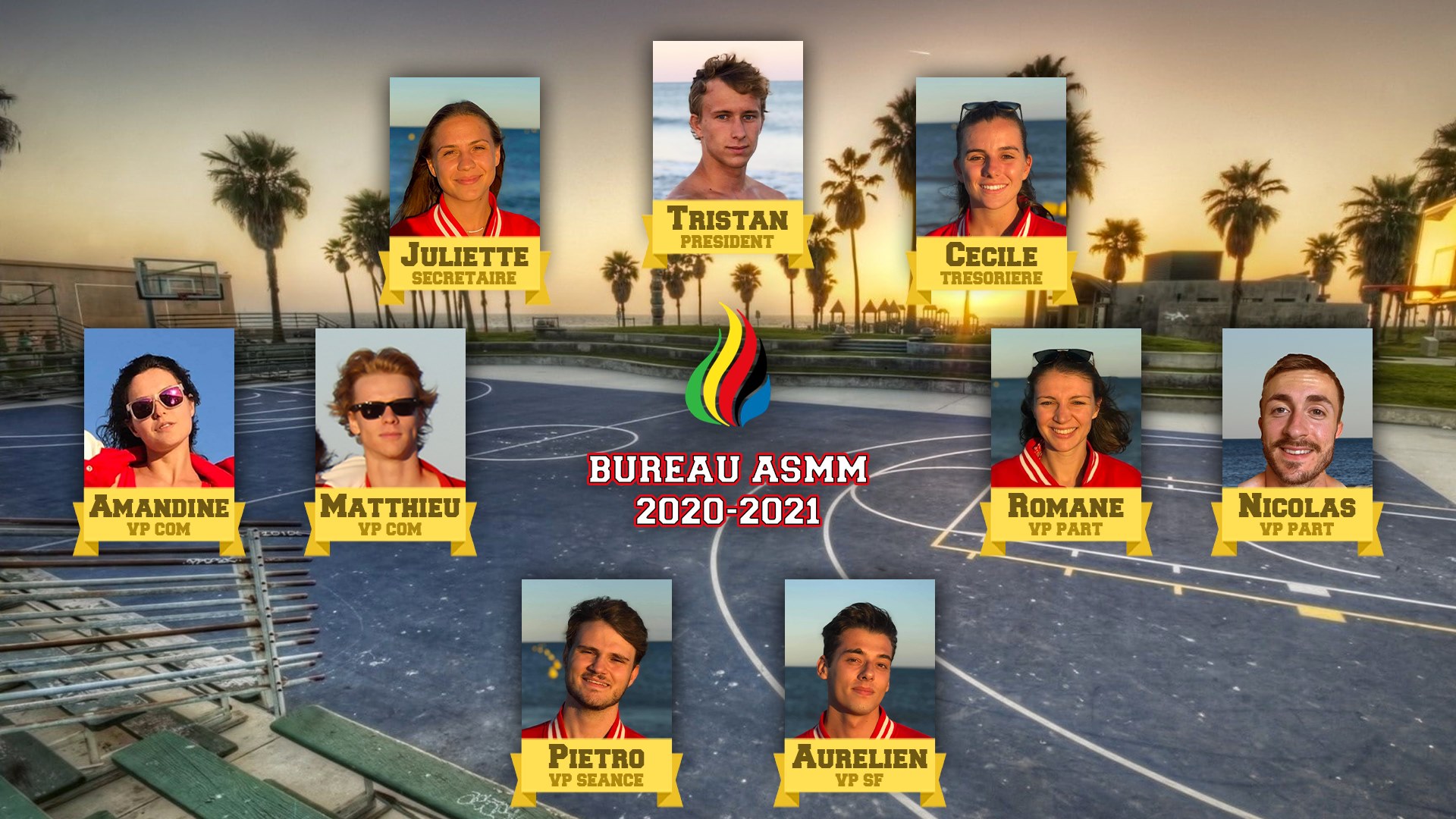
A new executive board is elected internally each year. It is composed primarily of third-year medical students, as well as one midwifery student. The current executive board consists of:

  • Tristan Georger: President
  • Juliette Cuminal: Secretary
  • Cécile Burgalieres: Treasurer
  • Romane Barbier and Nicolas Rouvière: Vice Presidents in Charge of Partnerships
  • Pietro Rosso: Vice President in Charge of Sessions
  • Aurélien Clamens: Vice President of Communications, Sage-Femme
  • Amandine Sautel and Matthieu Branchereau: Vice Presidents in Charge of Medical Communications


COVID-19 Update

The current health crisis has led us to rethink our sessions, particularly by no longer offering team sports. We have also divided participants into groups of 10, then 6, to limit the spread of the virus and protect our members. Safety measures (wearing masks, using hand sanitizer) are also strictly enforced during our sessions and events. We also prioritize outdoor activities, such as our running sessions. We’re also working with partner sports facilities to offer small-group activities to our members, which they can enjoy whenever they want (bowling, rock climbing, escape rooms, laser tag, etc.). We’ve also launched live yoga sessions on Instagram, which help balance student well-being with the need to limit group activities.

How can I contact you on social media?

Instagram: tim_asmm

Facebook: tim asmm

Website: ASMM Association

As of October 30, 2020, France is once again under a nationwide lockdown. This has impacted the Faculty’s operations, but unlike during the last lockdown, the Faculty will not be closing its doors. Please find the guidelines regarding these new operating procedures below.


Last updated: 11/05/20 – 9:38 a.m.

The Faculty Is Not Closing Its Doors

Unlike during the first lockdown, the university will not close its doors.

Services will continue to be provided in person, and some service counters will be open by appointment (please contact the relevant department to schedule an appointment).

During remote work, services will continue to operate as usual, and all departments can be reached by email (see the directory below).

Places in Montpellier


How Classes Work


  • EVERY STUDENT AND STAFF MEMBER HAS A ZOOM ACCOUNT

    Every student and faculty member at the Montpellier-Nîmes School of Medicine has a Zoom license provided by the University of Montpellier. 

    To attend classes, meetings, or tutoring sessions, simply create your Zoom account 💻 using your university email address: prenom.nom@umontpellier.fr for staff and faculty, or prenom.nom@etu.umontpellier.fr for students.

  • FIFTH-GRADERS SWITCH TO DISTANCE LEARNING

    Lectures will be held entirely online starting Monday, November 2. This change also applies to the ECNi preparation sessions. ⚠️ No students will be allowed to attend lectures in person at the faculty. ⚠️

    Classes will be held on Zoom. The lecture schedules will remain the same as originally planned. A virtual room has been created for each lecture hall. Simply log in to the virtual room corresponding to the physical room originally listed on the schedule. The links to the virtual rooms will be sent to each class via email. 📧

  • ED CLASSES ARE GOING ONLINE

    Tutorials will be held entirely online starting Monday, November 2. ⚠️ No students will be allowed to come to the faculty in person to attend a tutorial. ⚠️

    Classes will be held on Zoom. The schedules for the extracurricular activities will remain the same as originally planned. A virtual room has been created for each extracurricular activity room. Simply log in to the virtual room corresponding to the physical room originally listed on the schedule. The links to the virtual rooms will be sent to each class via email. 📧

  • TUTORING SESSIONS ARE NOW BEING HELD REMOTELY

    Tutoring sessions will be held entirely online starting Monday, November 2. ⚠️ No students will be allowed to come to the school in person to attend a tutoring session. ⚠️

    The sessions will be held on Zoom. The tutoring groups will post details about their new sessions directly on their usual social media channels. Be sure to follow them!

    • ATSM (Montpellier—ADV)
    • ATP (Montpellier – Flahault)
    • TSN (Nîmes)
  • SOME PRACTICAL COURSES WILL CONTINUE TO BE HELD IN PERSON

    Certain lab sessions that are essential to students’ education will continue to be held in person under a special exemption. Non-essential lab sessions will be postponed to a later date or canceled.

    The students in question will be provided with a special travel permit, which they must carry with them in case they are stopped during their trip.

    ⚠️ Only students with this certificate will be allowed to enter the campus to attend their lab session. ⚠️ Students participating in these lab sessions will be notified by email. 📧

    Practical sessions will be conducted in strict compliance with health and safety guidelines: masks are required 😷, hands must be washed regularly, social distancing measures must be followed, and the capacity of the facilities will be reduced to 50% of their original capacity.


How the University Libraries and Study Rooms Operate

BU: Access by reservation only

After a temporary closure to reorganize their visitor policies, the UM university libraries will reopen on Thursday, November 5, 2020, subject to certain conditions:

  • ⚠️ Access to the university libraries is limited to borrowing and returning materials and equipment, as well as individual study on site. Access to group study rooms is therefore temporarily suspended;
  • ⚠️ Access is by appointment only: users must therefore reserve a borrowing/return time slot or a study space, either through Affluences or by email, depending on the library in question
Reservations on Affluences for the UPM Medical Library Reservations on Affluences for the Nîmes Medical Library Reservations by email for the Historical Medicine Library

⚡ For reservations made by email, please indicate the reason for your visit: borrowing/returning materials or working on-site. Please note: Written confirmation of your appointment (sent by email) is required to enter the library. This, along with your student ID and the travel exemption certificate (available byclicking HERE), will serve as proof of your visit.

⚠️ A limited number of spots for individual study on campus are reserved for D4 students preparing for their ECNi exams, as well as for PASS/PACES students ⚠️

Due to the lockdown, extended hours in the evenings and on weekends have been suspended. However, all services remain available within the university libraries, provided that health measures and protective measures and equipment are followed: access to materials, use of self-service computers, printing/copying/scanning, Wi-Fi, interlibrary loans, and unrestricted borrowing and returns, etc. Librarians are available to answer questions online at boomerang.biu-montpellier.fr


Workrooms

⚡ More information on how study rooms will operate during the lockdown will be posted in this article soon.


How Thesis Defense Presentations Work

The format of thesis defenses has been modified: only the candidate will be permitted to defend their thesis in person, before the committee, in the traditional Salle des Actes of the Historic Building. A personalized exemption certificate allowing travel will be provided to the candidate.

📧 More information will be provided at a later date via email to the residents concerned.


How Internships Work

Semiology courses have been suspended until further notice in Montpellier and Nîmes.

The DFASM1, 2, and 3 clinical rotations will continue as scheduled; the affected hospital students will continue their training in full within the hospital departments.

For all students who may come into contact with patients infected with SARS-CoV-19, it is important to note that strict adherence to preventive measures during their clinical rotations is an effective way to protect themselves against the risk of infection.

The continuation of health services is currently under discussion and review by the Regional Education Office. More information will be available soon.

⚡ More information on how internships and the health services will operate during the lockdown will be posted in this article soon.


How Exams Work

In-person exams will proceed as scheduled. Students will be provided with a personalized travel exemption certificate. Details regarding the exam arrangements will be communicated directly to the affected students via email 📧

The interregional ECN exams (DFASM3) will take place as scheduled on November 20, 2020; the exams will be administered remotely. The exam schedule and organizational details will be sent via email 📧


We'll keep you updated on any changes to this article on our social media channels: Twitter, Facebook, and Instagram. Follow us!


Every year, the Pink October campaign helps raise awareness about breast cancer screening among as many people as possible. Our midwifery students and the student organizations in this field in Montpellier and Nîmes—AMESF and CNESF—are particularly committed to this cause. 


In Montpellier, AMESF is rallying in support of the Ruban Rose association

Every year, AMESF participates in Pink October by organizing several initiatives. The goal? To raise awareness among students at the University of Montpellier about breast cancer screening. All of this, of course, while raising as much money as possible for Ruban Rose, an organization dedicated to the fight against breast cancer.


Raising Awareness About Breast Self-Examination

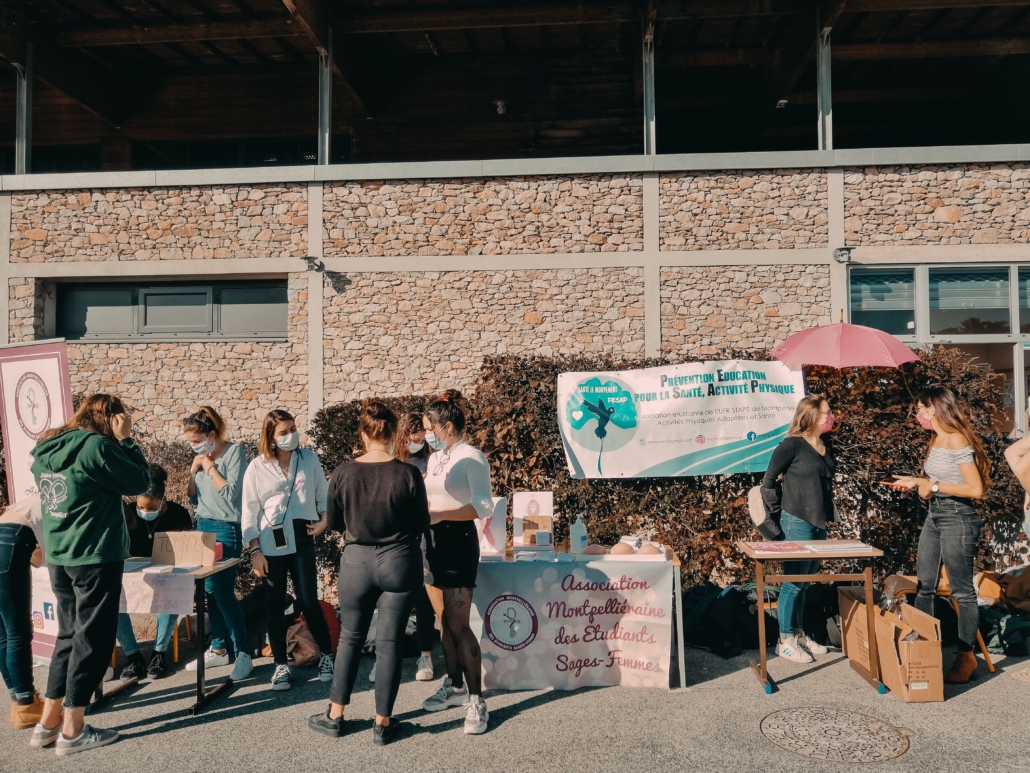
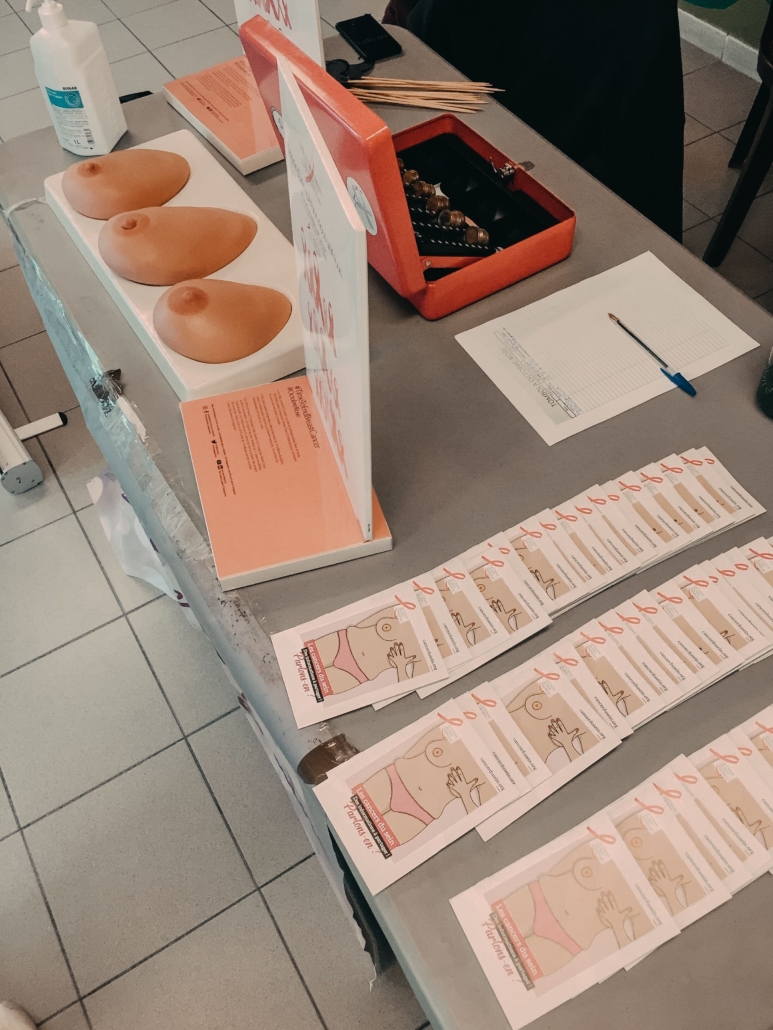
The first step in prevention is self-examination! To raise awareness among students about best practices, AMESF set up a booth at the School of Medicine (ADV) and the School of Sports Science (STAPS) on October 6, 7, and 8. Atthe STAPS department, the booth was organized in collaboration with PESAP, the student association for the Master’s program in Prevention, Health Education, and Physical Activity.

The program aimed to teach students the proper techniques for self-examination using a demonstration model loaned by the University Department of Midwifery. Results: Nearly 300 students were educated on the topic!


And for those who are a bit shy, or for those who weren't able to attend, AMESF has thought of everything with detailed posts on their social media accounts.


View this post on Instagram


A post shared by AMESF_SFMTP (@amesf_sfmtp) the

Fundraising


AMESF’s work doesn’t stop there. In fact, the association actively supports Ruban Rose, an organization dedicated to the fight against breast cancer, by donating the funds raised during its annual event.

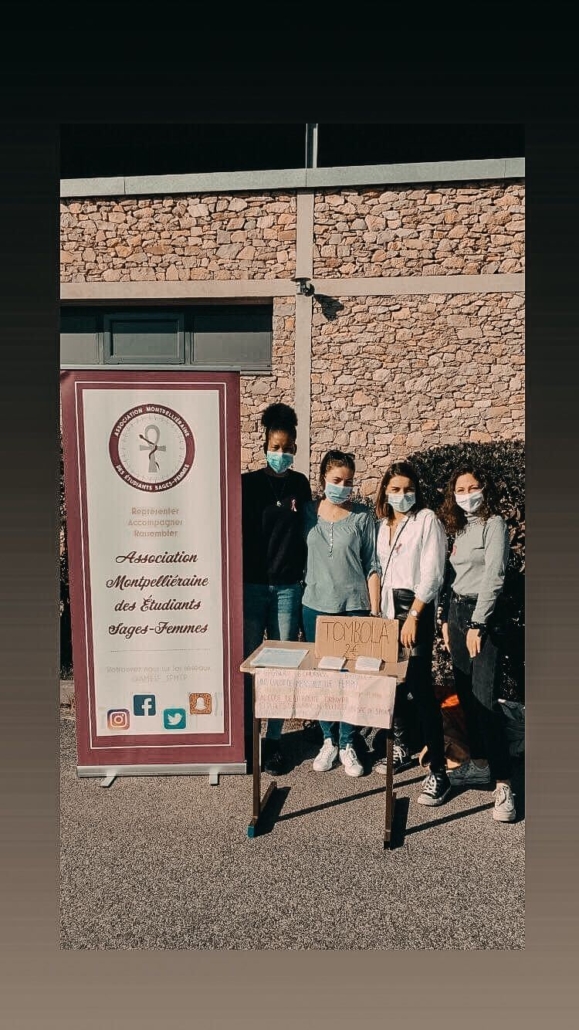
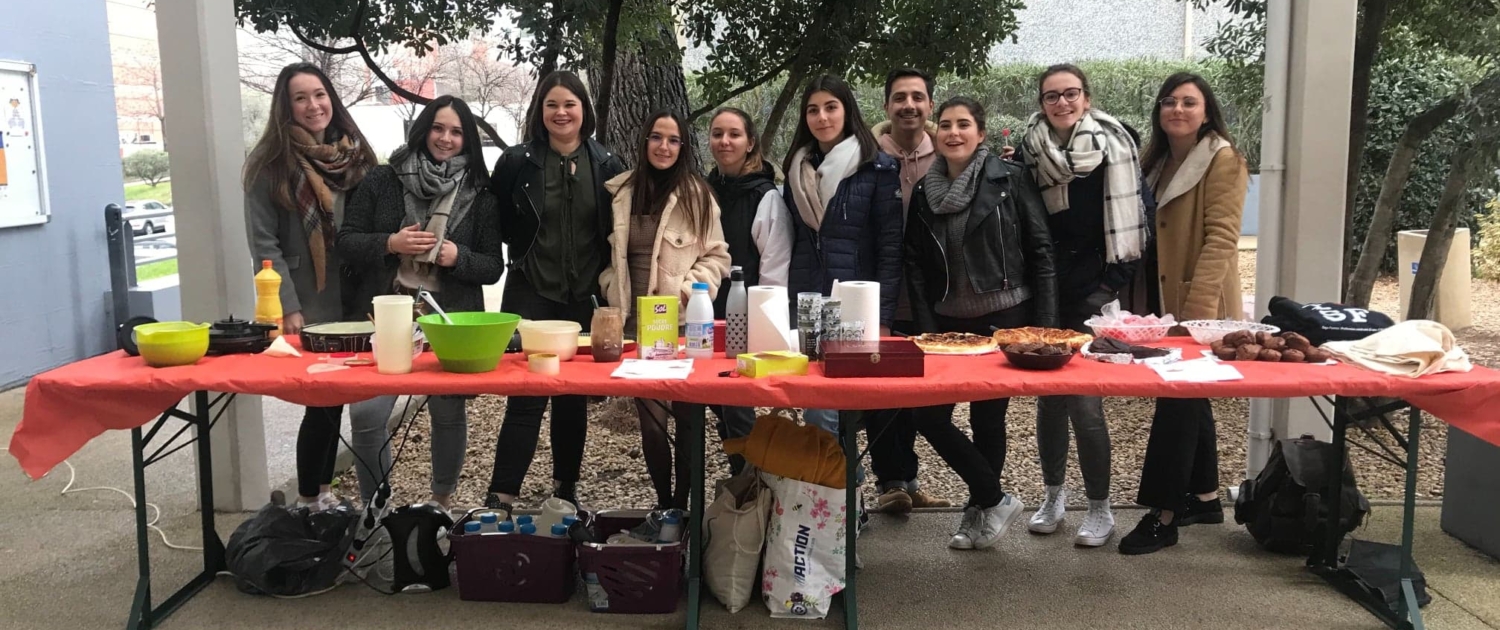
This year, the organization held a raffle in addition to its usual booth selling treats. Thanks to their dedication and the many raffle contributors, the organization has already raised more than 500 euros, all of which will be donated to the Ruban Rose organization! This is a real success for our students, who have surpassed last year’s donation total.


Today, the organization has set a new goal: to raise more than 650 euros in donations for Ruban Rose! To help them reach this goal, you can buy a raffle ticket for just 2 €.


➡️You can buy raffle tickets: 

📌At the association's office during office hours (1:30 p.m.–2:00 p.m.)  

📌Through the Pumpkin ticket office: 

Tickets cost €2, and the drawing will take place on October 30.


In Nîmes, the CNESF “Crocodiles” are getting involved with the League Against Cancer

Like its counterpart in Montpellier, the Nîmes midwives’ association is also getting involved in Pink October. Several initiatives are being organized to benefit the League Against Cancer.

"Les Chauves d’Octobre Rose" Campaign in partnership with Corpo Médecine

Starting on October 1, the CNESF joined forces with the CCC (Corpo Carabins Crocodiles) to carry out the “Les Chauves d’Octobre Rose” campaign. 

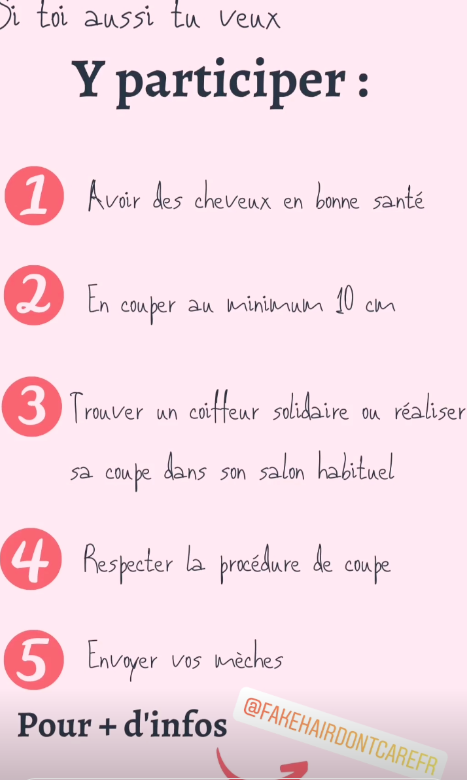
The goal is twofold: to collect financial donations for the Ligue contre le Cancer, as well as in-kind donations in the form of long strands of hair for the organization Fake Hair Don’t Care. The latter will use the strands to make wigs for patients undergoing chemotherapy.


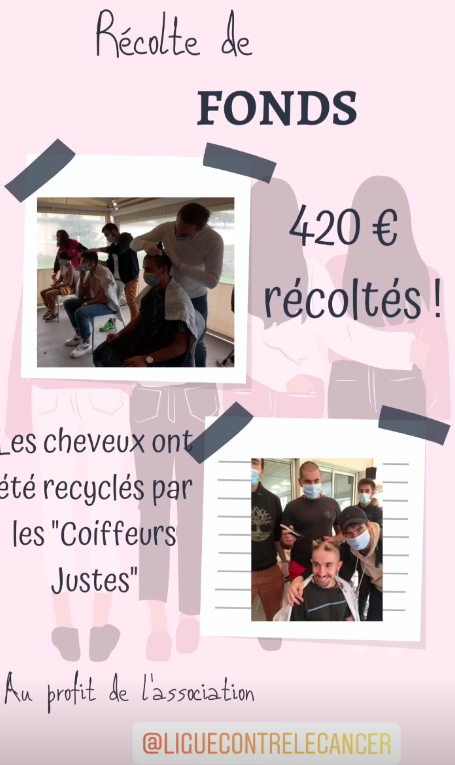
Excerpt from the Corpo Carabin Crocodiles’ stories about the “Shaved Heads” operation in collaboration with the CNESF


No fewer than 8 volunteers agreed to have their hair cut on campus, raising more than 420 euros for the League! 

Awareness and Prevention on Social Media

Alongside this event, the CNESF posted several prevention-related messages on social media. To raise awareness among as many people as possible, informational posters were published, along with a questionnaire from the League on breast cancer screening. Feel free to test your knowledge—there are prizes to be won:


View this post on Instagram


A post shared by 🤰🏻C N E S F 👶🏻 Maya Tique 🤰🏻 (@cnesf) the

Show your support with a CNESF pin!

Finally, the CNESF invites you to show your support for the Pink October campaign by purchasing a beautiful pin created especially for the occasion. 

Priced at €2, it will allow you to show your support for the fight against breast cancer while doing a good deed: all proceeds are donated in full to the Ligue contre le Cancer!

We've already raised 60 euros! If you'd like to buy a pin, don't wait—there are only about ten left in stock at the CNESF office…

An overall result that is more than satisfactory: #ProudOfOurStudents

The year 2020 and its unique circumstances did nothing to slow down our students’ efforts. Thanks to the joint efforts of student organizations in Nîmes and Montpellier, nearly 1,000 euros were raised for cancer charities. 

In addition, several hundred people were made aware of how to prevent this disease thanks to the various posters and visuals created by the organizations.

We are especially proud of our students and would like to thank all the generous donors who contributed to the fundraisers organized by AMESF and CNESF.

Congratulations to everyone!


Due to the current health situation, the implementation of the Ministry of Higher Education’s circular requires that classroom capacity be reduced by 50% at the Montpellier campus. More information in this article.


Update as of October 23, 2020: Like the Montpellier site, the Nîmes site has just been placed under an enhanced alert status.

The measures are therefore being extended to the Nîmes site. See the relevant paragraphs below.

Lectures

Lectures are held in person, with the number of students in attendance limited and the maximum capacity of 50% of seats occupied strictly enforced.

Specific Provisions for PASS / PACES in Montpellier

PASS: Lectures will be held in person, with attendance limited to a maximum of 50% of the room’s capacity, with every other seat left empty. The lectures will be available on Moodle later today.

PACES: Lectures are already available online.

Specific Provisions for PASS / PACES in Nîmes

PASS: Two lecture halls are available on the ADV campus and one lecture hall on the Flahault campus; students who cannot find seats will be able to access the courses on Moodle. Access to the lecture hall will be restricted once all seats are filled.

PACES: Lectures are already available online.

Specific Provisions for the First Cycle in Montpellier

A survey will be conducted the day before classes begin to determine whether you will attend in person. Other students will be able to follow the course via Zoom or Moodle after it has been recorded, if possible.

Specific Provisions for the First Cycle in Nîmes

Lectures are held in person, with attendance limited to a maximum of 50% of the room’s capacity, and with every other seat left empty.

Students who are unable to find a seat will be able to access the courses on Moodle.

Specific Provisions for the Master's Program in Montpellier

Lectures are held in person with a limit on the number of students present (100 per lecture hall or 25 per classroom for the ADV Health Campus, and 50% capacity for UPM classrooms and lecture halls). We are therefore offering a hybrid attendance model. You will receive information specific to your course unit (UE) or module (MI) from program administrators or university administrative offices. Students who are unable to attend in-person classes will have access to recordings made available as soon as possible for DFASM1 and DFASM2 cohorts. For UE1 and UE10 of DFASM3, a Zoom link will be sent to you.

For students currently enrolled in the MIC program, the structure remains the same.

Specific Provisions for the Master's Program in Nîmes

Lectures are held in person, with a maximum of 50% of the room’s capacity, with students occupying every other seat.

Students who are unable to find a seat will be able to access the courses on Moodle.

For the "best-of" events, large-capacity venues or auditoriums will be used to allow for in-person attendance with attendance tracking.

Provisions Regarding the Midwifery Program in Montpellier

When it is not possible to accommodate the entire class due to capacity limits reduced to 50%, classes will be conducted as follows:

– Odd-numbered weeks: Group 1 in person + Group 2 online
– Even-numbered week: Group 1 online + Group 2 in person
Teachers will therefore need to organize their classes accordingly—that is, in a hybrid format, with half the class attending in person and the other half participating remotely via Zoom.
As a reminder, Group 1 corresponds to the first half of the alphabetical list of students, and Group 2 corresponds to the second half. (You will receive the list for your class, specifying the groups, from your academic advisor shortly.)
In any case, it will be necessary to maintain the social distancing required by this new setup.


Tutorials

After-school programs will take place in the after-school program rooms, with no more than 50% of seats occupied.

Specific Provisions for PASS / PACES in Montpellier

PASS: Tutorials are held in person with a maximum of 50% of the classroom’s capacity, with every other seat left empty. Only students enrolled in the scheduled group will be allowed to enter the classroom. You must therefore strictly adhere to the group to which you have been assigned.

An ED session will be recorded and posted on MOODLE once all sessions for that ED have been completed (i.e., at the beginning of the following week).

PACES: Tutorials are held in person with a maximum of 50% of the classroom’s capacity, with every other seat left empty. Only students enrolled in the scheduled group will be allowed to enter the classroom. You must therefore strictly adhere to the group to which you have been assigned.

If the maximum capacity of the room is reached, any additional students will be denied entry but will be able to watch a recording of the session on Moodle.

Specific Provisions for PASS / PACES in Nîmes

PASS: Two lecture halls are available on the ADV campus and one lecture hall on the Flahault campus; students who cannot find seats will be able to access the courses on Moodle. Access to the lecture hall will be restricted once all seats are filled.

PACES: Tutorials are held in person with a maximum of 50% of the classroom’s capacity, with every other seat left empty. Only students enrolled in the scheduled group will be allowed to enter the classroom. You must therefore strictly adhere to the group to which you have been assigned.

If the maximum capacity of the room is reached, any additional students will be denied entry but will be able to watch a recording of the session on Moodle.

Specific Provisions for the First Cycle in Montpellier

Lectures will be held in lecture halls whenever possible to allow as many students as possible to attend in person. You will be notified of the guidelines via email through your academic offices.

Specific Provisions for the First Cycle in Nîmes

Tutorials are held in person, with a maximum of 50% of the room's capacity and every other seat occupied.

Students who are unable to find a seat will have access to the courses on Moodle or, depending on the situation, may take the course remotely if a Zoom link is included in the digital learning platform’s schedule.

The Open Courses are held in person for the entire group. The layout of the rooms ensures compliance with the 50% maximum capacity rule.

Specific Provisions for the Master's Program in Montpellier

Starting the week of October 12, classes and extracurricular activities will be held in a hybrid format—50% in person and 50% remotely via Zoom—for all grade levels. This link will be sent to you before classes begin.

Specific Provisions for the Master's Program in Nîmes

Tutorial sessions are held in person, with a maximum of 50% of the room’s capacity, and with every other seat left empty.

Students who are unable to find a seat will have access to the courses on Moodle or, depending on the situation, may take the course remotely if a Zoom link is included in the digital learning platform’s schedule.

Provisions Regarding the Midwifery Program in Montpellier

When it is not possible to accommodate the entire class due to capacity limits reduced to 50%, classes will be conducted as follows:

– Odd-numbered weeks: Group 1 in person + Group 2 online
– Even-numbered week: Group 1 online + Group 2 in person
Teachers will therefore need to organize their classes accordingly—that is, in a hybrid format, with half the class attending in person and the other half participating remotely via Zoom.
As a reminder, Group 1 corresponds to the first half of the alphabetical list of students, and Group 2 corresponds to the second half. (You will receive the list for your class, specifying the groups, from your academic advisor shortly.)
In any case, it will be necessary to maintain the social distancing required by this new setup.


Tutoring Sessions

Montpellier

Classrooms and lecture halls will be filled to 50% of their maximum capacity. There will be no exceptions to this rule, and tutoring sessions will be offered via Zoom for students who are unable to attend in person.


Nîmes

Tutoring sessions: The maximum capacity of classrooms and lecture halls is one seat out of every two. There will be no exceptions to this rule, and tutoring sessions will be offered via Zoom for students who cannot access the classrooms.

The sessions are recorded and uploaded to Google Drive.

These measures are subject to change: please follow the Tutoring Office's instructions first and foremost.


Workrooms

All sites

The capacity of the workrooms is limited to one person out of every two.


New Gauges

  • ADV Website

    • Classrooms: 25 people
    • Amphitheater: 100 people
    • Meeting rooms: 25 people
    • UPM Classrooms and Lecture Halls: 50% Reduction in Capacity
  • Flahault Campus (PASS / PACES)

    • Lecture Hall A: 226 people
    • Lecture Hall C: 59 people
    • Pre-event BU 1-2: 35 people
    • Pre-event 1-2-3-4: 30 people
    • TD 2: 28 people
    • TD 3: 32 people
  • BH Website

    • Anatomy Lecture Hall: 120 people
    • Macabies Room: 40 people
    • Bonaventure Room: 15 people
    • Boardroom: 15 people
  • Nîmes Site 

    • Lecture Hall 1: 152 people
    • Lecture Hall 2: 105 people
    • Chalet: 64 people
    • Rooms 126 and 129: 40 people
    • Room 123: 33 people
    • Room 332: 32 people
    • Rooms 434 and 434A: 30 people
    • Room 007: 25 people
    • Room 337: 24 people
    • Room 326: 22 people
    • Room 127: 21 people
    • Room 336: 20 people
    • Room 125 (workroom): 17 people
    • Room 231 (video conference): 15 people
    • Room 124 (meeting room): 10 people
    • Room 105 (meeting room): 7 people
    • Simulation Rooms
      • Groups: 3 people
      • Debriefing: 5 people
      • Lab classrooms: 4 people


A COVID-19 cluster was recently identified within the Faculty. It currently involves second- and third-year medical students in Montpellier. Click here for all the measures related to this cluster.


Suspension of In-Person Classes for DFGSM2-3 and DFGSMa2-3 Programs at the Montpellier Campus


Due to the current public health situation and the very high number of students who have tested positive for COVID-19 in the DFGSM2 class at the Montpellier campus, the decision has been made to cancel ALL in-person classes for the DFGSM2-3 and Ma2-3 programs at the Montpellier campus ( lectures, tutorials, and lab sessions) effective Wednesday, September 16, 2020  throughWednesday, September 30, 2020, inclusive.

DFGSM2 classes will continue to be held in person at the Nîmes campus, where they will be recorded and then uploaded to Moodle so that students can access them.

This decision means that all DFGSM2-3 and DFGSMa2-3 students enrolled in Montpellier must stay at home and must not, under any circumstances, go to university facilities (faculties, the university library, the CROUS, etc.).
We are counting on everyone's cooperation to limit the spread of the virus.


As of this date, the training sessions are still scheduled to take place, you are asked to follow preventive measures, practice social distancing, and wear a mask when you go out, to avoid all contact with vulnerable family members, and to STRICTLY Strictly follow the hygiene rules in effect during hospital or private practice rotations.
 

Any confirmed COVID-19 exposure must be reported to your academic affairs office. Find the complete procedure to follow in the event of suspected or confirmed cases of COVID-19 here.

Preventive measures, mask-wearing, and mask distribution


The Faculty administration reminds everyone that masks must be worn in ALL university facilities, both indoors and outdoors, including the university library and study rooms. This is essential to protecting everyone’s health.

Recognizing the cost that purchasing masks can entail, the University of Montpellier is currently organizing a distribution of two washable masks to each student in its community. The academic departments are currently making arrangements to distribute these masks as soon as possible.

Below you will find the complete procedure regarding confirmed and suspected cases of COVID-19: reporting, who to contact, and recommendations. This procedure applies to all students at the faculty as well as all administrative and teaching staff.


Reminder of the Principles to Be Applied


  • MASKS ARE REQUIRED

    Wearing a mask is mandatory for everyone at all times on university campuses, including university facilities (and in the city). Washing your hands with hand sanitizer is recommended, as is maintaining a sufficient distance between everyone whenever possible.We also ask that you follow these rules in your daily life, as these precautions should not be limited to university grounds.

  • WAITING TO TAKE A PCR TEST

    If you are waiting to take a PCR test (or waiting for the results), regardless of the reason for the test:

    • If you are a student not affiliated with a hospital: You should not attend any classes or internships, and you must notify your registrar's office by email.
    • If you are a hospital student currently on a clinical rotation:you must notify the Department Chair and/or the department manager of this situation as soon as possible, andfollow the procedure below titled “CHU Info – COVID-19 for Hospital Students.”
    • If you are a faculty staff member: You must contact your institution’s COVID liaison atmedecine-covid19@umontpellier.fr
  • YOU ARE A CONTACT PERSON AT RISK

    If you are a "high-risk contact," whetheror not you have symptoms,

    • Students: You must not attend any classes or, for hospital-based students, any clinical rotations, and you must notify your registrar’s office by email.
    • Hospital students: If you are a hospital student currently on a clinical rotation, you must immediately notify the department head and/or the department manager of this situation and notify your academic office by email.
    • Staff: Do not come to work. Contact the COVID Crisis Response Team for instructions: medecine-covid19@umontpellier.fr
  • YOUR PCR TEST IS POSITIVE

    If your PCR test is positive:

    • For all students (whether enrolled on campus or off-campus, during the academic term or an internship): You must always notify the academic affairs office responsible for your year of study at your respective campus (Montpellier or Nîmes) by email as soon as possible.
    • For students currently in session: You must stay at home and follow the university procedure below titled “Covid-19 Information from the University of Montpellier.”
    • For hospital students currently on clinical rotations, you must notify the head of the department (Department Head and/or Senior Nursing Manager) where you are assigned and also submit your sick leave form to the University Hospital’s Medical Affairs Department (damsco-etudiants-hospitaliers@chu-montpellier.fr) Please also follow the procedure below titled “CHUInfo – COVID-19 for HospitalStudents”  .”
    • For staff members: You must report your situation to the COVID coordinator via email at medecine-covid19@umontpellier.fr and submit your sick leave form to the Faculty’s HR office.
COVID-19 Update - University of Montpellier COVID-19 Update - University Hospital Students


Definitions of the various possible situations


  • Confirmed case: A person, whether symptomatic or asymptomatic, with an RT-PCR test result confirming infection with SARS-CoV-2.
  • Possible case: A person exhibiting clinical signs suggestive of COVID-19, whether or not they have had high-risk contact with a confirmed case within 14 days prior to the onset of symptoms, and for whom an RT-PCR test has been ordered by a physician.
  • High-risk contacts: A high-risk contact is any person who has had direct contact with a confirmed casein one of the following situations without effective protective measures (surgical mask worn by the confirmed case or the contact; a general-purpose mask manufactured to the AFNOR standard or equivalent worn by both the confirmed case AND the contact; or a sneeze guard or other physical barrier, such as glass or Plexiglas). This therefore applies to:
    • students or teachers in the same class or group,
    • any person who has shared the same living space (home, etc.) as a confirmed or probable case, or who has had direct face-to-face contact with a confirmed case at a distance of less than 1 meter, regardless of the duration (e.g., conversation, meal, flirting, hugs, kisses). However, people who briefly crossed paths in a public space are not considered high-risk contacts,
    • any person who has provided or received hygiene or care services,
    • any person who has shared a confined space (office, meeting room, personal vehicle, etc.) for at least 15 minutes with a confirmed case, or who has been face-to-face with a confirmed case during several episodes of coughing or sneezing.

Processing of Personal Data


The processing of personal data is governed by the regulations currently in effect, as specified on the ARS website:

The goal is to gain as accurate a picture as possible of the spread of SARS-CoV-2 among students in the UFR so that, if necessary, we can adjust teaching methods and prevent these infections as much as possible, both during class periods and during internships. Finally, this program will help protect you and your loved ones.

The Faculty administration thanks you in advance for your essential contribution to the implementation of these principles and remains available to answer any questions you may have.

Welcome—or welcome back—to the Faculty! Our doors are finally reopening for our students. Below are the start dates and details for the new semester for our various programs.

Coronavirus-Related Measures

Due to the health crisis, we would like to remind you that masks are required on all faculty premises. We also ask our students and visitors to follow safety guidelines. Hand sanitizer is available at the entrance to all our locations.


PASS and PACES


 PASS

  • Orientation meeting on September 4 at 9:00 a.m. on all campuses (ADV, Flahault, Nîmes)
  • Classes begin on September 7 at 8:00 a.m.


PACES (repeat students)

  • Orientation meeting on September 1 at 1:00 p.m. on all campuses (ADV, Flahault, Nîmes)
  • Tutorials begin on September 7


Medicine Program – Montpellier


Undergraduate Program
  • DFGSM2: Classes begin on August 24
  • DFGSM3: Classes begin on August 25


Graduate School
  • DFASM1: First day of class on August 31 at 10 a.m., UPM lecture hall
  • DFASM2: First day of class on September 3 at 10:30 a.m., UPM lecture hall
  • DFASM3: First day of class on September 3 at 2:00 p.m., UPM lecture hall


Medicine Program – Nîmes


Undergraduate Program
  • DFGSM2: Classes begin on August 24 at 9:00 a.m. in lecture halls 1 and 2
  • DFGSM3: First day of class on August 25, 2:00 p.m. in lecture halls 1 and 2

>> AFGSU from August 31 to September 10, 2020.

Graduate School
  • DFASM1 : Back to school on September 1 at 9 a.m. in Lecture Hall 1,
    • Course selection at 10:30 a.m. in Lecture Hall 1
  • DFASM2 : Back to school on September 1 at 2:00 p.m. in Lecture Hall 1,
    • Course selection at 3:30 p.m. at Le Châlet
  • DFASM3 : Back to school on September 1 at 4:00 p.m. in Lecture Hall 1,
    • Course selection at 5:30 p.m. in Lecture Hall 1

>> Start of hospital internships: September 7, 2020


Maieutic Track – Montpellier

Undergraduate Program
  • DFGSMa2: Classes begin on August 24
  • DFGSMa3: Classes begin on August 24
Graduate School
  • DFASMa1: Start of the school year on August 24
  • DFASMa2: Start of the school year on October 12


Maieutic Track – Nîmes


Undergraduate Program
  • DFGSMa2: First day of class on August 24, 9:00 a.m. in lecture halls 1 and 2
  • DFGSMa3: First day of class on August 25, 2:00 p.m. in lecture halls 1 and 2

>> Nursing internship from August 31 to September 17, 2020.

Graduate School
  • DFASMa1: First day of class on August 31 at 9:00 a.m. in Room 434 A
  • DFASMa2: First day of class onAugust 31 , 8:00 a.m. in Room 434 A


Paramedical Programs


Speech Therapy
  • Back-to-school meeting on September 1; classes begin on September 3
  • 5th Grade: School starts on September 1
Orthoptics
  • Back-to-School Meeting on September 11
  • 3rd grade: school starts on September 11


Master's in Health


Gerontology
  • Master's in Gerontology: Management and Coordination of Services and Facilities: The semester begins on Monday, September 21, 2020, at 9:00 a.m. in the Macabies Room (BH)
  • Master's in Gerontology: Monday, October 5, 2020, at 9:00 a.m. in the Macabies Room (BH)
SHS
  • Master's in Social Sciences and Humanities: The semester begins on Tuesday, September 22, 2020, at 2:00 p.m.in the Bonaventure-Laurens (BH) room

Following our meeting with Dis-Lalie, the Montpellier-based association for the speech-language pathology program, this week we’re meeting with the CNESF, the association for the midwifery program in Nîmes!

In a nutshell, what is the CNESF?

The Nîmes Midwifery Students’ Association is a nonprofit organization under the French Law of 1901 whose purpose is to represent midwifery students in Nîmes and to give them a voice within federations such as the ANESF (National Association of Midwifery Students, our program-specific federation) and the AGEM (General Association of Montpellier Students, our regional federation). It also aims to listen to midwifery students in Nîmes, advise them as much as possible, and defend their rights and interests. Our association helps energize the student life of its members by organizing solidarity and prevention events, as well as social, athletic, and cultural events. Finally, it aims to enhance our skills as future healthcare professionals through access to continuing education.

What activities or initiatives do you organize throughout the year?

We are working to expand our activities as much as possible through the association’s various divisions the association:

The Public Health Division has organized, for example, film screenings followed by coffee-and-conversation discussions to explore topics such as female genital mutilation or anonymous adoption, particularly following screenings of films in partnership with the Sémaphore in Nîmes.

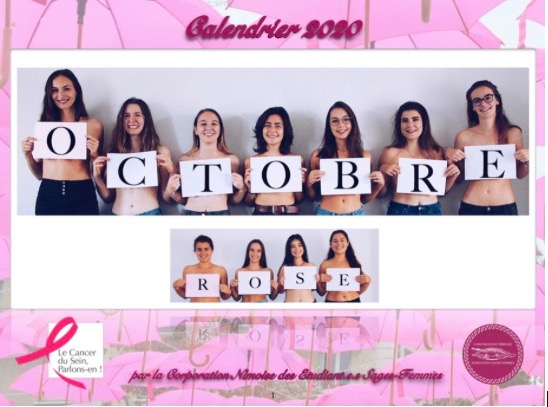
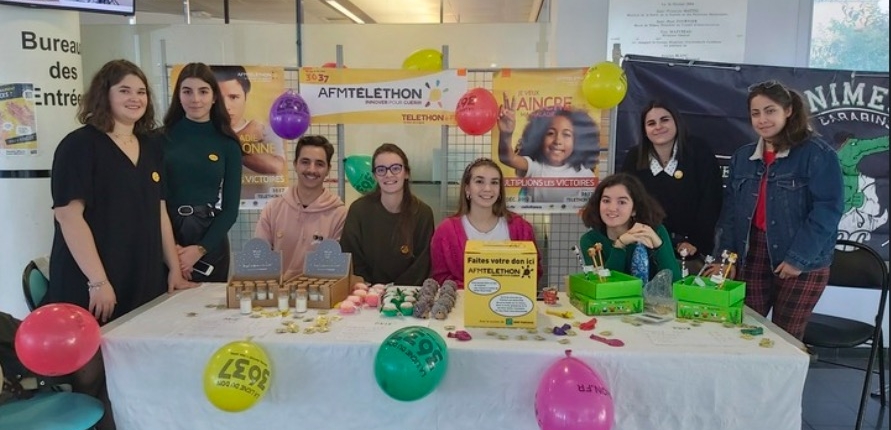
As part of the annual awareness campaign for breast cancer screening, we created a calendar for Pink October. It features prevention tips and information, and the money raised was donated to the League Against Cancer. We also participated in the Telethon alongside medical students.

Thanks to the growth of social media, we have created posters for global awareness days—such as the one created in collaboration with ANESF for World Contraception Day—and informational quizzes on various topics are also available. We’ve established a mentoring program where upperclassmen mentor students from different graduating classes, which we plan to expand further next year. 

We organized festive and team-building events, including the end-of-year gala, which unfortunately could not take place. As we did last year, we continued to expand our babysitting network. As for AGEM and ANESF, we attend in person or remotely every board meeting and general assembly to represent the midwifery students of Nîmes in policy decisions.

Snack parties are held every month to raise funds for charities, to which we also donate children’s clothing and supplies.

Finally, we participated in PEPS Week, organized by Tutorat Santé Nîmes this year, at the student fair, as well as at the Faculty’s open house, to do our best to answer questions from prospective students.

Why did you personally choose the Maieutics track, and what does the association offer students in this track?


In my opinion, this is a field you choose out of passion. The program is long and 
require a significant investment, particularly in the many internships. But Supporting couples, mothers, women, and even babies is what makes The diversity of our profession—and that’s what drew me to it. We do indeed have a broad range of expertise; whether in the private, public, or independent sectors, we can support women throughout their pregnancy, childbirth, and postpartum period (provided there are no medical complications). We can also provide preventive gynecological care and contraception consultations. We sometimes face difficult situations, but the intense moments of life and emotion serve as a reminder of why we started this work in the first place.

The association, for its part, provides opportunities to get together—whether at the clubhouse or at events—and to learn through training programs offered by ANESF or AGEM. Members can also stay up to date on national news, which we share regularly. For those who want to get involved in student life, it’s a great way to thrive while working on your own projects and collaborating with other students.

Why do you think people should join your organization? 

Joining our association is, above all, a gesture of support. We represent midwifery students in the faculty’s student life. Joining allows you to stay informed about various events and connect with other associations within the faculty or outside of it. In fact, this results in membership in both AGEM and ANESF, which allows you to stay informed about discussions within these organizations and potentially make an impact by sharing your views on key issues. It’s an opportunity to take an active interest in the future of the profession and student life in the region, as well as to bring broader issues to light.

Membership is also the only way to vote at general meetings for the future teams that will represent you during the next terms. And on the fun side, membership gives you access to a whole host of partnerships that our fabulous VP of Partnerships has secured for us—from laser tag to products from Luneale, Fempo, and many others—all offering great discounts. Finally, we have partnerships with professional insurance providers that offer additional protection for students on internships.

How do I sign up? 

Joining is very easy: just come to our association’s office on campus between 12 p.m. and 2 p.m. (every day) and pay 7 euros—by check, cash, or even Lydia. We’ll give you a nice little membership card with our social media handles. You can join at any time throughout the year, but we close membership registration two weeks before the end-of-term General Assembly.

A few words about the 2020–2021 executive board?

Unfortunately, given the current health situation, this year’s handover will take place remotely. We are in contact with the executive board members running for the 2020–2021 term and who are more motivated than ever. There are exciting projects on the horizon that we look forward to learning more about in detail. It’s with a slight twinge of sadness that we’re stepping down from this term, especially given the difficult end to the year, but we have complete confidence in the dedication of the incoming executive board. They are motivated young women with experience and a lot of enthusiasm—everything needed to succeed. We couldn’t have handed over this term with greater peace of mind than with such a wonderful new generation taking the reins!

Feel free to follow us on social media:

– Instagram: @CNESF

– Facebook: Nîmes Midwifery Students' Association

– Twitter: @CNESF2


Last week, we met with the Association Carabins Montpelliéraine to learn more about student life for medical students. Today, Salomé Duteurtre, the Student Vice Dean, is answering our questions!

In a nutshell, what is ADEMMOOS?

ADEMMOOS is the Association of Student Representatives from Montpellier-Nîmes in the fields of Medicine, Speech-Language Pathology, Orthoptics, and Midwifery. It brings together nearly 40 elected student representatives from the various programs. 

We work every day to:

  • in Interprofessionalism : all of the faculty’s academic programs are represented;
  • in Intersite, through a collaboration between residents of Montpellier and Nîmes;
  • for Represent all students in the UFR in dealings with the administration, the faculty, and the university hospital.

What activities or initiatives do you organize throughout the year? 

Above all, our year is shaped by our student advocacy efforts.

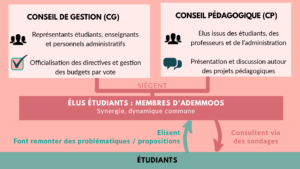
As such, we are represented on two major councils within the faculty:

  • The Academic Council facilitates collaboration among the various stakeholders in the faculty (faculty members, administrative staff, and students) regarding the programs offered by the UFR. Topics discussed include assessment methods and the evaluation of teaching materials. 
  • The Management Council is the faculty’s decision-making body, which votes on and reviews the internal regulations, the budget, agreements entered into by the faculty, and educational programs.


Our goal, therefore, is to give students a voice, often by conducting surveys that allow us to carefully gather their opinions and positions on the various issues that arise during the academic year. 

In addition, we are also carrying out a number of projects to improve our training conditions. For example, several of our initiatives focus on health promotion:

  • Improving student well-being in all its forms is one of our priorities. Given the difficulty and demands of our programs, some students may find themselves struggling; we strive to support them and refer them to resources that can help.
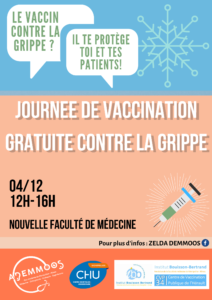
  • We are raising awareness about the flu vaccine to encourage students—future healthcare professionals—to get vaccinated. In particular, we organized a vaccination day on the faculty campus. 

We also support initiatives aimed at enhancing student life on campus. We participate in Open House events and European Heritage Days to lead tours and engage with the public. In addition, we help design and develop living and workspaces.
We keep students informed about the latest news from the faculty; for example, during the COVID-19 crisis, we kept them regularly updated on the situation and changes to our programs.

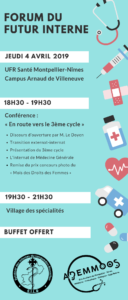
We help medical interns choose their specialties through the Forum du Futur Interne (FFI), which we organize in collaboration with the Languedoc-Roussillon Interns' Union.

Finally, we work with all of the faculty’s student organizations:

  • We support student-led support and educational initiatives: PACES tutoring, tutoring for upper-level medical and midwifery students, iECN prep workshops…
  • We participate in student representation at the local level (AGEM) and at the national level through our respective academic program associations.

What does the association offer students?

Our organization promotes several things:

  • the support and the representation of all students enrolled in the Montpellier-Nîmes School of Medicine at the University of Montpellier;
  • the promotion of improving student life (in terms of the quality of studies and educational offerings) within the UFR by establishing an ongoing dialogue between students, their elected representatives, and student organizations—across all programs—belonging to the UFR;
  • the gathering of students from the various departments within the UFR, particularly through the development of joint student initiatives, in order to transcend the divisions inherent in the different degree programs and foster mutual inspiration by leveraging the synergy of diverse skills.

Furthermore, students are not required to make any financial contributions. Simply being enrolled in the UFR allows students to participate in all the activities offered by our association.

A few words about the 2020–2021 executive board?

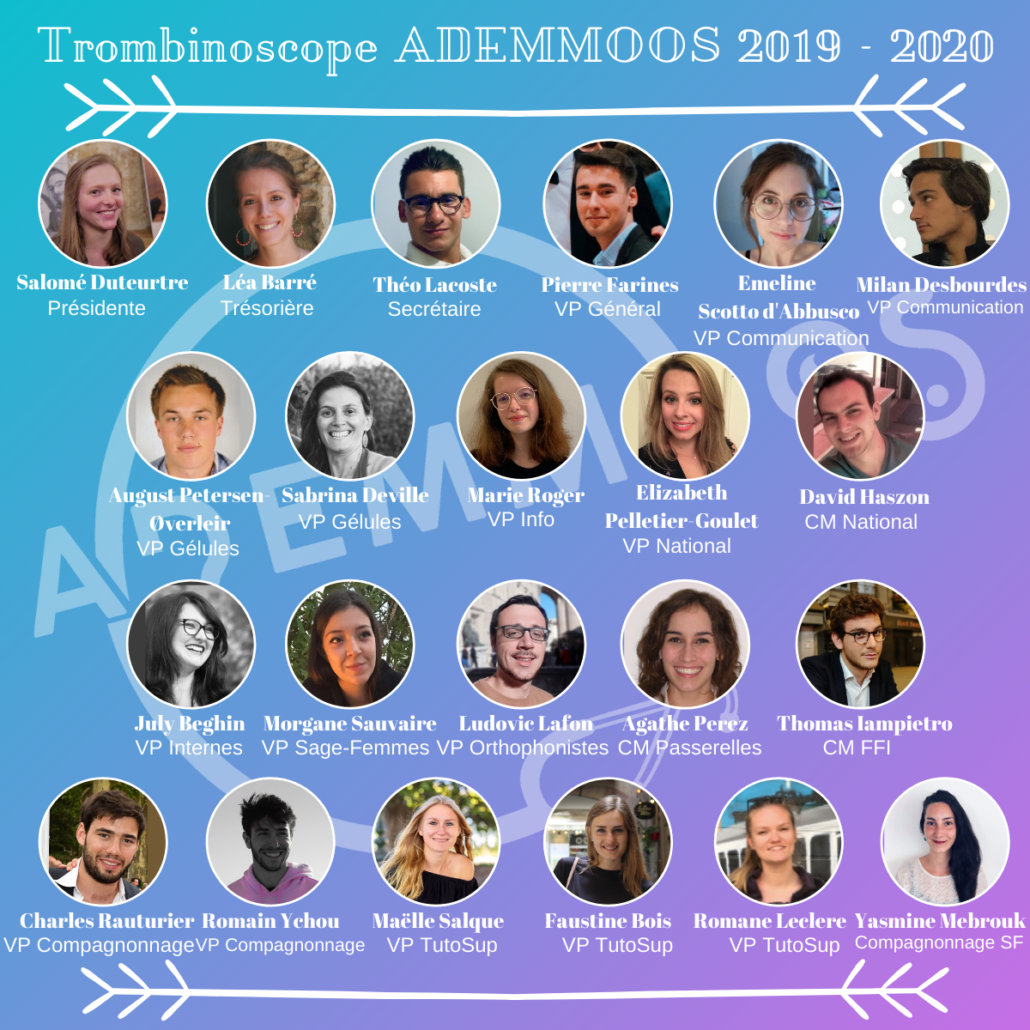
Our association's executive board is made up of students—whether or not they are elected UFR representatives—who are appointed for a one-year term from October to October to coordinate the team of student representatives.

The 2020–2021 term of office will begin this summer: please feel free to contact the current board if you’re interested in any of the positions!

Please feel free to contact us with any questions about student representation!