Tag archive for: Medicine

In 2018, Dr. Fares Gouzi submitted a proposal to the MUSE call for projects, which aims to support the educational transformation of training programs. His project, titled “Digital Laboratory for Preclinical Sciences,” was selected as a winner.


MUSE "Take-Off": What is it?

The MUSE project “ Montpellier University of Excellence brings together 16 institutions toward a shared goal: to establish in Montpellier a research-intensive, thematically focused university, internationally recognized for its impact in fields related to agriculture, the environment, and health, capable of becoming, for all members of the consortium, a close academic partner with which they will be strongly connected and of which they can be proud.

Through these “Take Off” calls for proposals, it supports the educational transformation strategy of the institutions and components of the MUSE consortium. Over the past three years, I-SITE MUSE has raised €6 million to support educational innovations through this program. The “Preclinical Digital Science Lab” project is one of the projects selected for Take-Off #1. Learn more about it in this article!

Dr. Gouzi’s project is in line with MUSE’s objectives

Dr. Gouzi participated in and won MUSE’s Take Off 1 program, which aims to support educational transformation. To better understand Dr. Gouzi’s project, one must first understand what preclinical sciences are. These preclinical disciplines form the foundation of thefirst cycle of health studies. There are seven of them: Anatomy, Histology, Embryology, Biophysics, Physiology, Cell Biology, Biochemistry… and they are studied during thesecond andthird years of health studies.
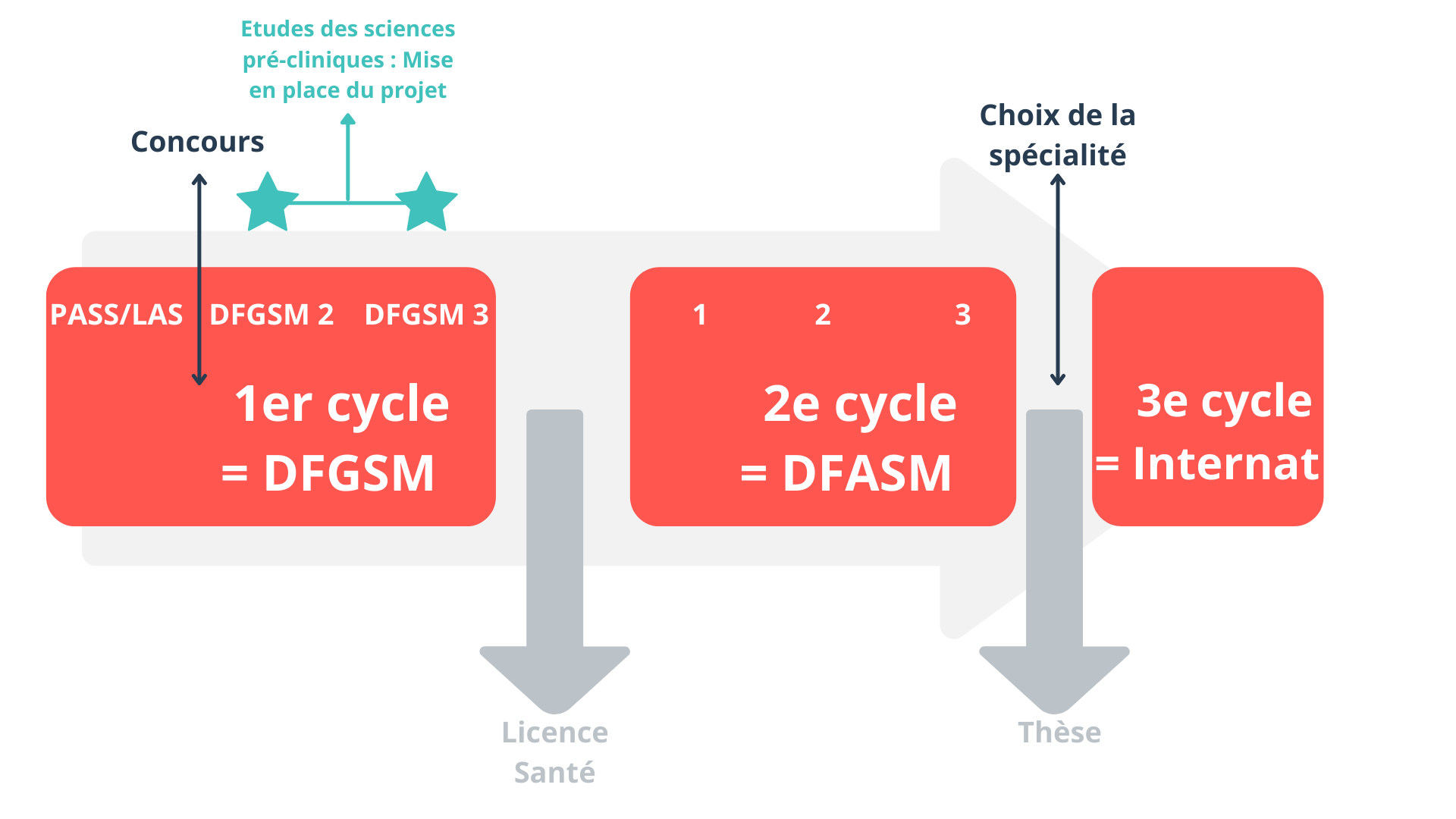
Before Dr. Gouzi’s project was implemented, preclinical subjects were primarily taught through lectures. These lectures accounted for 77% of the coursework in these subjects.


Teachers at the heart of the project

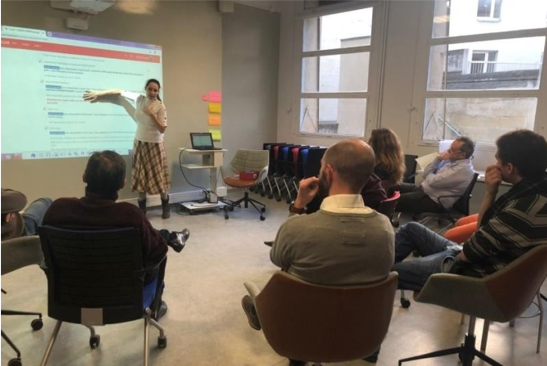
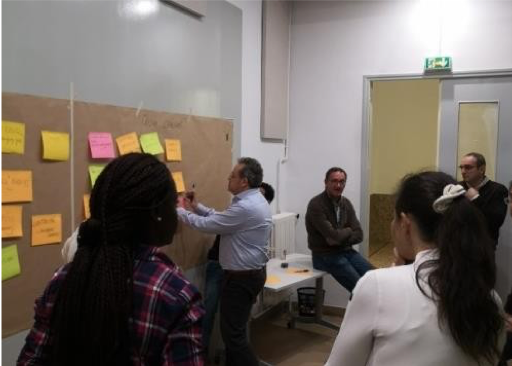
To carry out his project, Dr. Gouzi, who also teaches physiology, enlisted the help of his fellow doctors and faculty members. Together, they created the Reflection Group for the Teaching of Preclinical Health Sciences (GRESP), bringing together a dozen volunteer faculty members. This GRESP met twice a month for several hours over the course of a year to discuss the project together.
 

A reorganization plan

As mentioned earlier, lectures played a significant role in health studies education. The GRESP project aims to reorganize the curriculum and incorporate more practical work and tutorials. To implement the project, the instructors selected the course unit titled “Respiratory Systems,” which is taught in the second year of the health studies program. The ultimate goal is to create a curriculum that combines active learning with a multidisciplinary approach.


But then, what is it? :


  • Active learning

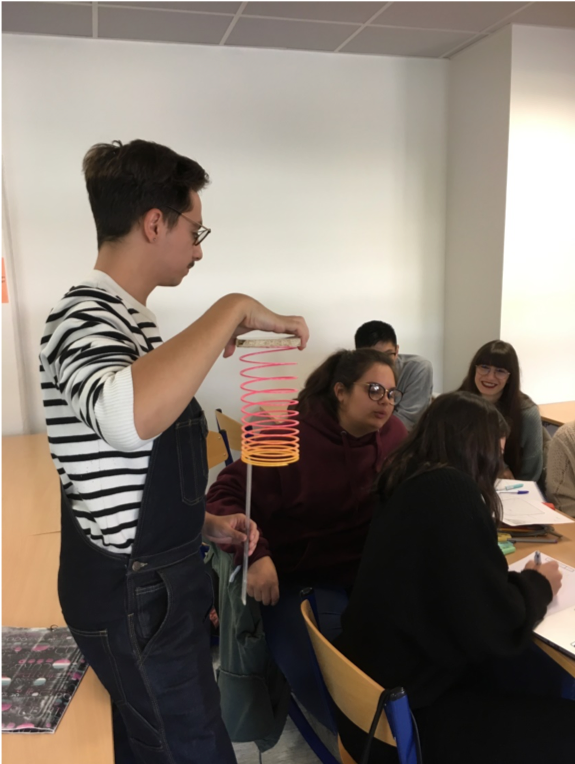
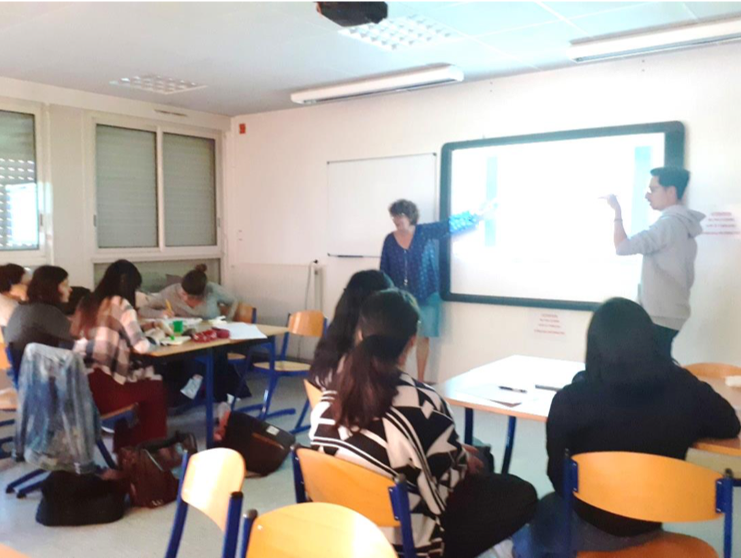
    Active learning aims to engage students in their learning process. Instead of simply listening and absorbing information, students think critically, engage hands-on, take notes, and interact with one another as well as with the instructor. This approach requires organizing students into smaller groups. That is why, with the GRESP project, the proportion of lectures has decreased from 77% to 34% to make room for more practical work and guided instruction.

  • Interdisciplinarity

    Interdisciplinarity involves bringing together the work of several disciplines on a single subject. In the case of the GREPS project, this was achieved through a complete reorganization of the various courses in the “Respiratory Systems” course unit. As a result, students no longer study the seven preclinical disciplines separately but rather simultaneously. The courses have been organized by organ, and each discipline is addressed simultaneously through a specific organ.

A long process of implementation


To implement this project from a technical standpoint, GREPSmembers made numerous changes:

 Asmentionedearlier, they firstadjusted the ratios of the different types of courses, significantly reducing the number of lecture hours and replacing them with lab sessions and tutorials. However, the total number of hours remained unchanged so as not to increase the students’ workload and to comply with the current reform.

 Then they revised the course content to incorporate more active learning and interdisciplinary approaches. To achieve this, several new initiatives were implemented:

  • The development of lesson plans for the various topics covered in the "Respiratory System" course.

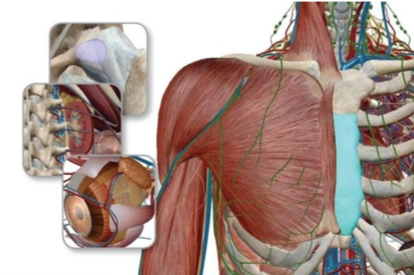
  • Thanks to the teachers’ creativity, they were also able to implement digital tools that illustrate various scenarios (e.g., VisibleBody: a digital tool that displays a 3D model of the human body where each body part can be removed, analyzed, and dissected, allowing students to engage in hands-on anatomy practice online for free).

  • Creating a course on Moodle: a course that follows the structure organized by learning objectives and allows students to work from home on a regular basis.

  • The use of non-digital tools, such as models, for example, to help students understand more easily than with a diagram.

  • The use of videos: e.g., a live demonstration of syncope; students must analyze what happened to determine the cause of the syncope. Following this, they test their hypotheses using the software provided to them.

A meaningful educational transformation

  • The objectives of this project are to help students develop skills in preclinical sciences by introducing them to scientific reasoning and the experimental method. It also aims to encourage them to think critically and understand concepts in a more dynamic way.

  • Another goal for the project team was to restore meaning and coherence to pre-clinical science education. They wanted to create a logical learning path from which students could gain a deeper understanding.

But does it actually work?


A project that has been underway since 2019

This project, which has been underway since 2019 at theMontpellier-NîmesSchool of Medicine, has made it possible to achieve many other things:

  • First, this project is a pilot program for hybrid learning. Although this was not the primary objective at the outset, the courses offered in this teaching unit are delivered bothremotelyand in person. In light of the current health crisis, it serves as an example of how to redesign courses to be hybrid.
  • At the same time, this project serves as a pilot for the new reform. In fact, the new reform regarding admission to health studies (PASS/LAS)has led to changes in the second and third years. If the effectiveness of active learning and interdisciplinary approaches can be demonstrated, this model could be replicated in other academic units, other faculties, or even other programs.
  • Finally, from a scientific perspective, the evaluations that have been or will be conducted will demonstrate the educational value of such a project.

 

Professor Jean-Pierre Dedet is a physician and microbiologist. He has been a professor emeritus at the Faculty of Medicine of the University of Montpellier since 2010. Following the publication of his book *800 Years of Medical Education in Montpellier: The Oldest School of Medicine in the Western World,” published last year to mark the 800th anniversary of the Faculty of Medicine, Professor Dedet returns with his new book “Epidemic: From the Black Death to COVID-19”*, which explores various epidemics throughout history.

The book:

Professor Dedet’s new book*, published by Dunod (EKHO series), has been available since April 2021.

This book recounts the history of the greatest epidemics, placing them within their broader scientific and historical context. It also offers us an opportunity to reflect on how epidemics emerge and on the possibility of anticipating them. The book includes a foreword by Françoise Barré-Sinoussi, winner of the 2008 Nobel Prize in Physiology or Medicine.


An interview with Jean-Pierre Dedet, Professor Emeritus at the Faculty and author of the book:


In this new book, you address the topic of epidemics. Why did you decide to tackle this subject?

This book is a reissue of an earlier work titled *Epidemics: From the Black Death to H1N1 Influenza*, published by Dunod in 2010. In light of the current health crisis, this earlier book has sparked renewed interest. Dunod then offered to reissue the book and discuss the current epidemic, which I gladly accepted.


How is the topic of epidemics addressed in your book?

This book takes a two-pronged approach: first, it examinesthe history of epidemics from a scientific perspective; second, it highlights the scientific advances made in the field of epidemiology throughout history. But it also examines epidemics in historical context: what are the human, sociological, economic, and cultural consequences of an epidemic? What significance do past epidemics hold today? What factors contribute to the emergence of epidemics? How have they evolved throughout history? What is their current status?


Who is this book intended for?

This book is intended for the general public. Epidemics and their histories are explained in simple terms so that the book is accessible to all readers. The goal is to make the subject more accessible and to help the public gain a broader perspective on epidemics in general and COVID-19 in particular.


You asked Françoise Barré-Sinoussi to write the foreword. Why did you do that? 

I worked at the Pasteur Institute for 20 years, which allowed me to meet many people in the field. I had already consulted Luc Montagnier for my book*Microbiology: From Its Origins to Emerging Diseases*,published in 2007. Françoise Barré-Sinoussi specializes in the AIDS epidemic, which earned her the Nobel Prize in Medicine and Physiology in 2008. So it seemed obvious to me to ask her to contribute. This book is, in a way, the link between my career at the Pasteur Institute and my time in Montpellier!


What are your plans for the future?

I am currently starting to write my next book, which will focus on vaccines and vaccination. This book will also be aimed at the general public.

*Professor Dedet’s new book is available for €8.90 in bookstores and online.

Following government announcements, France is once again subject to strict restrictions aimed at limiting the spread of COVID-19 for the entire month of April 2021. These measures are affecting the faculty’s normal operations. Please find the details regarding these new arrangements below.

Exams:

  • Exams

    The in-person exams for national health-related degrees that were originally scheduled to be held in person will proceed as planned, in accordance with the exemption permitted by the new decree of April 2, 2021. This applies to the PASS exams on April 22 and 23 and the exams for disciplinary minors on May 7, 10, and 11. They will therefore take place on the scheduled dates and in person (in accordance with the exemptions authorized by the government). However, this does not apply to the DU and DIU exams, which will switch to remote delivery.

  • Practice exams

    The practice exams organized by the PASS tutoring programs are moving entirely online.

    • These exams will take place as scheduled on April 10 for PASS and on April 28–29–30 for PACES
    • The exam topics and forms will be available on Moodle at the scheduled exam times, following the same procedure as the quizzes held during the school year
    • Flexible schedules are always available for those who have requested them through Handiversité
    • Students must register using this form by April 7 for the PASS program and by April 18 for the PACES program:https://forms.gle/waJMSQYD8BzN2d5o7


The lessons:

  • Organization

    Classes will continue under the same guidelines that were in effect previously, namely that in-person attendance is permitted for up to 20% of the faculty’s total capacity. In classrooms, health and safety guidelines and preventive measures must be followed (classrooms may be filled to a maximum of 50% of their capacity).

  • Instructions

    Students should refer to the guidelines issued by the academic affairs offices for their respective programs, which are regularly sent to them by email. Please find the directory of these offices below.

Undergraduate and Graduate Admissions Office:med-scol-1-2@umontpellier.fr

PASS/PACES Office:

Contact PACES:paces-bureau@umontpellier.fr

Contact PASS:pass-bureau@umontpellier.fr

Undergraduate Office (DFGSM):med-scol-dfgsm-mtp@umontpellier.fr

Graduate Studies Office (DFASM): med-scol-dfasm-mtp@umontpellier.fr

Office of Cross-Curricular Education: 

Contact CESP: med-cesp@umontpellier.fr

Contact Passerelles:med-passerelles@umontpellier.fr

International Relations Contact:med-ri@umontpellier.fr

Office of Graduate Medical Studies:  medecine-theses@umontpellier.fr

FMC, CPD, Continuing Education, and Continuing Professional Development Office: med-fmc-dpc@umontpellier.fr

How the University Libraries Work:

Library operations will continue as usual. The libraries close at 6:45 p.m., before the curfew.

  • Access

    Access to the university libraries is limited to borrowing and returning materials and individual study on site. Accessto group study rooms is therefore temporarily suspended;

  • Reservations

    Access is by appointment only: users must therefore reserve a time slot for borrowing or returning items, or a study space, either through Affluences or by email, depending on the library in question.

    Reservations on Affluences for the UPM Medical Library Reservations on Affluences for the Nîmes Medical Library Reservations by email for the Historical Medicine Library


Important Information

  • Written confirmation of your appointment (sent by email) is required to enter the library. This, along with your student ID andyour travel exemption certificate, will serve as proof of your reason for visiting.
  • Any student who needs to come to campus for one of the reasons listed above must bring a completedtravel authorization form (reason 1) and present their student ID to verify their status in the event of a check.

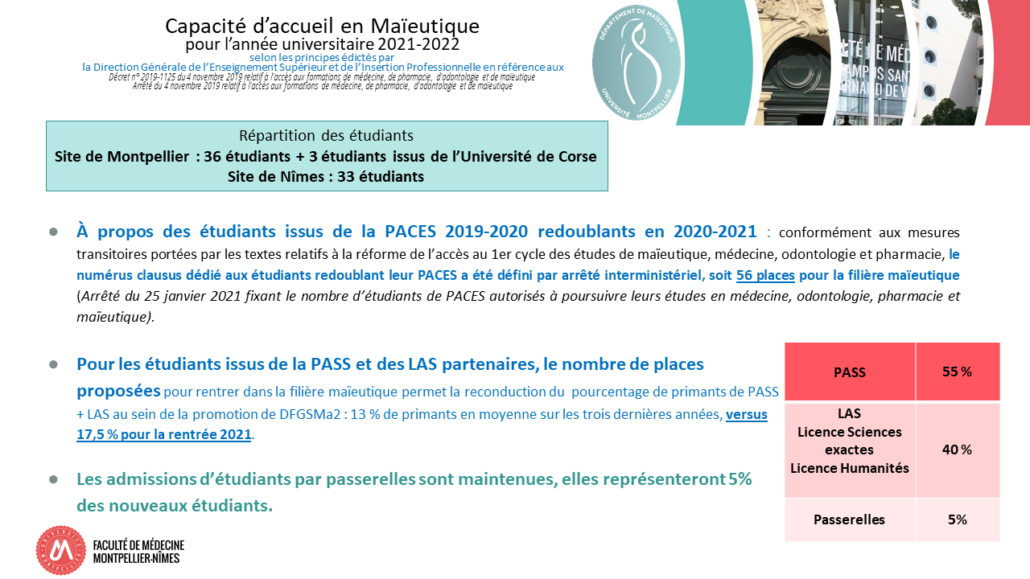
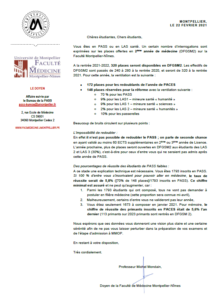
PASS and LAS students: In this article, you’ll find a message from Dean Mondain regarding available spots in DFGSM2 (second year of medical school) for the upcoming academic year. You’ll also find an update on available spots in midwifery. 

An Update on Places in Maieutics

A Message from the Dean (School of Medicine)

Key Points – MEDICINE Program


  • Regarding enrollment in the DFGSM2 (MEDICINE) program for the 2021–22 academic year

    320 spots will be available in DFGSM2 (MEDICINE)for the 2021–22 academic year, including:

    • 172 spots for PACES repeat students
    • 148 spots for PASS, LAS, and bridge programs . 70% of these 148 spots are reserved for PASS students.

    Update as of April 7, 2021: One additional spot is available in the medical program, allocated to the PASS.

  • Regarding repeating the PASS

    Students are not permitted to repeat the PASS course. 

    However, you can apply again for the MMOP program during your second or third year of the LAS program if you have the required ECTS credits.

  • Regarding the success rate for PASS students transitioning to the MEDICINE program

    The minimum pass rate is 5.8%

    • This rate is higher than that of first-time PASS applicants in the 2019–2020 academic year, which was 5.6%
    • This minimum rate would correspond to an unlikely scenario: that is, if all students enrolled in the PASS program were to apply to medical school.

    This minimum rate is guaranteed and can only go up.

    The final acceptance rate will not be known with certainty until after the MMOP application phase, which will take place at a later date, depending on the preferences of all students.


Following our feature on Othofaso a few days ago, it’s now time to spotlight ASMM, the Montpellier Medical School Sports Association! Today we’re speaking with Amandine, the vice president of communications, who’s here to tell us more!


Could you tell us a little about your organization? What is its mission?

The Association Sportive Médecine Montpellier (ASMM) is an organization founded about ten years ago with the goal of promoting physical activity among medical students in a friendly atmosphere. While this objective has remained unchanged over the years, the ASMM has evolved, notably by welcoming students in the PACES program (soon to be known as PASS-LAS) and midwifery students.Our association allows health students to reconnect with sports—often neglected during their studies—in a friendly and relaxed setting. These moments are especially important for PACES/PASS/LAS students, who face considerable pressure regarding their entrance exams. The entire team is therefore there to listen to them, providing moral support and a friendly outlet. This year’s goal is to open membership to other health-related programs, particularly to physical therapy and dental students.


What activities do you organize throughout the year? Could you tell us about them?

Throughout the year, we hold two sessions per week: one exclusively for PACES/PASS/LAS students and the other for medical and midwifery students. The content of our sessions varies based on the members’ preferences. Sessions often consist of exercises focused on endurance or strength training, as well as a more recreational component featuring team sports like Ultimate.

We also organize activities outside of class: canoeing, beach volleyball, trampoline, pétanque, laser tag, indoor soccer…


Why and how can I join your organization?

Joining our association gives students access to our sessions and sports events all year round. Membership costs €5 for PACES, LAS, PASS, and second- and third-year medical and midwifery students. Registration is free for students in higher years. You can sign up at any time throughout the year, either online via the Pumpkin app or in person at the start of a session or before an event: it’s easy—just download the app and create an account using the code ASMM.


Could you tell us a little about the 2020–21 executive board election?

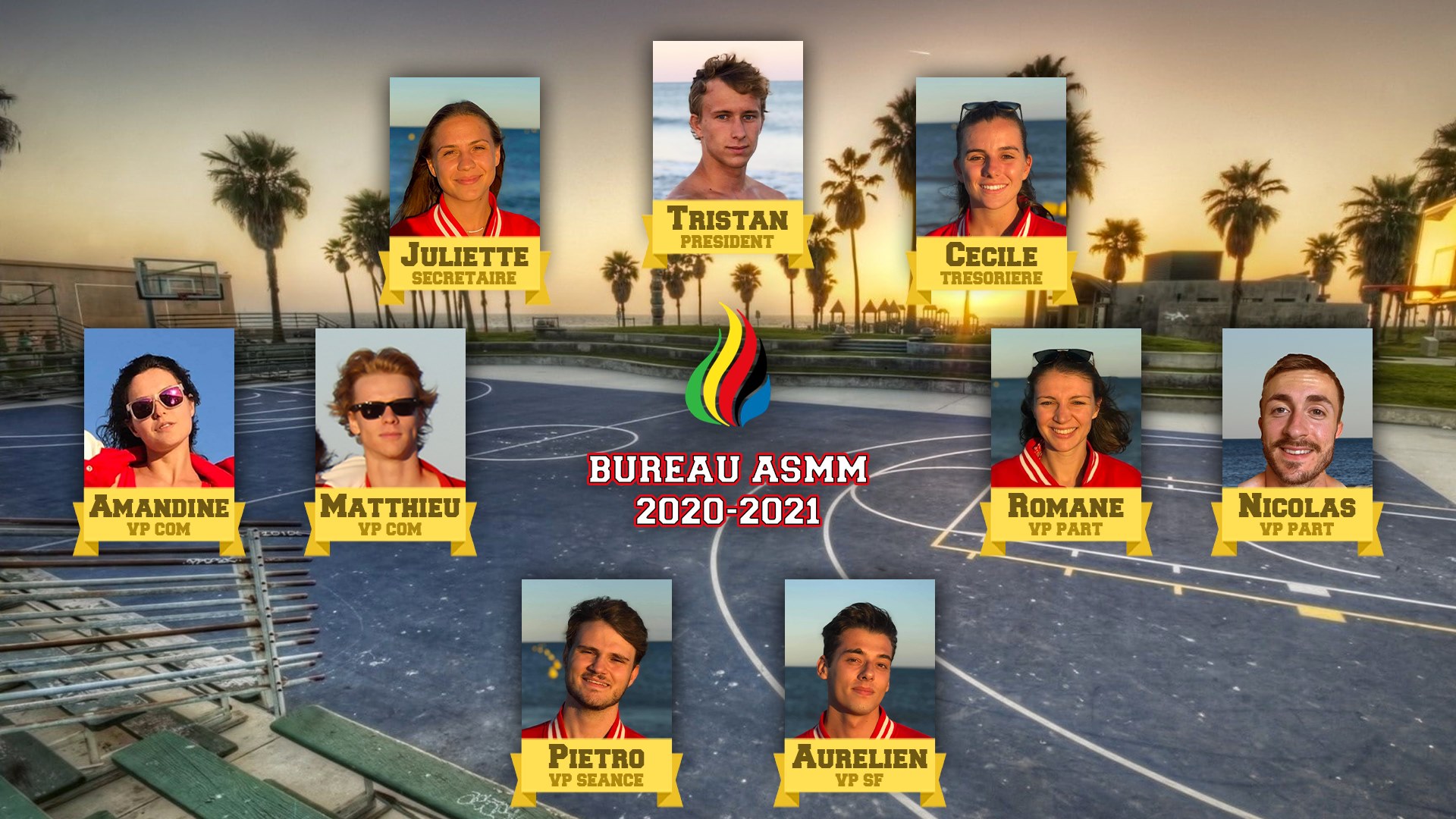
A new executive board is elected internally each year. It consists mainly of third-year medical students, as well as one midwifery student. The current executive board consists of:

  • Tristan Georger: President
  • Juliette Cuminal: Secretary
  • Cécile Burgalieres: Treasurer
  • Romane Barbier and Nicolas Rouvière: Vice Presidents in charge of partnerships
  • Pietro Rosso: Vice President in Charge of Sessions
  • Aurélien Clamens: Vice President of Communications, Sage-Femme
  • Amandine Sautel and Matthieu Branchereau: Vice Presidents of Medical Communications


COVID-19 Update

The current health crisis has led us to rethink our sessions, particularly by no longer offering team sports. We have also divided participants into groups of 10, then 6, to limit the spread of the virus and protect our members. Safety protocols (wearing masks, using hand sanitizer) are also strictly enforced during our sessions and events. We also prioritize outdoor activities, such as our running sessions. We also collaborate with partner sports facilities to offer small-group activities to our members, who can participate whenever they like (bowling, rock climbing, escape rooms, laser tag, etc.). We have also launched live Instagram yoga sessions, which help balance student well-being with the need to limit group activities.

How can I contact you on social media?

Instagram: tim_asmm

Facebook: tim asmm

Website: ASMM Association

As of October 30, 2020, France is once again under a nationwide lockdown. This has impacted the Faculty’s operations, but unlike during the last lockdown, it will not be closing its doors. Please find the details regarding these new arrangements below.


Last updated: 11/5/20 – 9:38 a.m.

The Faculty is not closing its doors

Unlike during the first lockdown, the university will not close its doors.

Services will continue to be available in person, and some service counters will be open by appointment (please contact the relevant department to schedule an appointment).

During remote work, services will continue to operate as usual, and all departments can be reached by email (see the directory below).

Places in Montpellier


How the courses work


  • EVERY STUDENT AND STAFF MEMBER HAS A ZOOM ACCOUNT

    Every student and faculty member at the Montpellier-Nîmes School of Medicine has a Zoom license provided by the University of Montpellier. 

    To attend classes, meetings, or tutoring sessions, simply create a Zoom account 💻 using your university email address: prenom.nom@umontpellier.fr for staff and faculty, or prenom.nom@etu.umontpellier.fr for students.

  • FIFTH-GRADERS SWITCH TO DISTANCE LEARNING

    Lectures will be held entirely online starting Monday, November 2. This change also applies to the ECNi preparation sessions. ⚠️ No students will be permitted to attend lectures in person at the faculty. ⚠️

    Classes will be held on Zoom. The lecture schedules will remain the same as originally planned. A virtual room has been created for each lecture hall. Simply log in to the virtual room corresponding to the physical room originally listed on the schedule. The links to the virtual rooms will be sent to each class via email. 📧

  • SCHOOLS SWITCH TO DISTANCE LEARNING

    Tutorials will be held entirely online starting Monday, November 2. ⚠️ No students will be permitted to come to the faculty in person to attend a tutorial. ⚠️

    Classes will be held on Zoom. The schedules for the practical sessions will remain the same as originally planned. A virtual room has been created for each practical session room. Simply log in to the virtual room corresponding to the physical room originally listed on the schedule. The links to the virtual rooms will be sent to each class via email. 📧

  • TUTORING SESSIONS ARE NOW BEING HELD ONLINE

    Tutoring sessions will be held entirely online starting Monday, November 2. ⚠️ No students will be permitted to come to the faculty in person to attend a tutoring session. ⚠️

    The sessions will be held on Zoom. The tutors will post details about their upcoming sessions directly on their usual social media channels. Be sure to follow them!

    • ATSM (Montpellier - ADV)
    • ATP (Montpellier – Flahault)
    • TSN (Nîmes)
  • SOME CLASSES WILL CONTINUE TO BE HELD IN PERSON

    Certain lab sessions that are essential to students’ education will continue to be held in person under special circumstances. Non-essential lab sessions will be postponed to a later date or canceled.

    The students in question will be provided with a special travel permit, which they must carry with them in case they are stopped during their trip.

    ⚠️ Only students who have this certificate will be allowed to enter the campus to attend their lab session. ⚠️ Students affected by these lab sessions will be notified by email. 📧

    Practical sessions will be conducted in strict compliance with health and safety guidelines: masks are required 😷, hands must be washed regularly, social distancing measures must be followed, and room capacity is limited to 50% of its original capacity.


How the University Libraries and Study Rooms Work

Library: Access by reservation only

After a temporary closure to reorganize their operating procedures, the UM university libraries will reopen on Thursday, November 5, 2020, subject to certain conditions:

  • ⚠️ Access to the university libraries is limited to borrowing and returning materials and individual study on site. Access to group study rooms is therefore temporarily suspended;
  • ⚠️ Access is by appointment only: users must therefore reserve a time slot for borrowing/returning items or a study space, either through Affluences or by email, depending on the library in question
Reservations on Affluences for the UPM Medical Library Reservations on Affluences for the Nîmes Medical Library Reservations by email for the Historical Medicine Library

⚡ For reservations made by email, please indicate the purpose of your visit: borrowing/returning materials or working on-site. Please note: written confirmation of your appointment (sent by email) is required to enter the library. This will serve as proof of your visit, along with your student ID and the travel exemption certificate (available byclicking HERE).

⚠️ A limited number of spots for on-site individual study are reserved for fourth-year medical students preparing for their ECNi exams, as well as for PASS/PACES students ⚠️

Due to the lockdown, extended evening and weekend hours have been suspended. However, within the university libraries, all services remain available, provided that health measures and protective equipment are followed: access to materials, use of self-service computers, printing/copying/scanning, Wi-Fi, interlibrary loans, contactless borrowing and returns, etc. Librarians are available to answer questions online: boomerang.biu-montpellier.fr


Workrooms

⚡ More information about how study rooms will operate during the lockdown will be posted here soon.


How Thesis Defense Presentations Work

Thesis defenses will be conducted differently: only the candidate will be permitted to defend their thesis in person, in the presence of the committee, in the traditional Salle des Actes of the Historic Building. A personalized exemption certificate allowing travel will be provided to the candidate.

📧 Further details will be provided at a later date via email to the residents concerned.


How Internships Work

The semiology courses in Montpellier and Nîmes have been suspended until further notice.

The DFASM 1, 2, and 3 clinical rotations will continue as scheduled; the affected hospital-based students will continue their training in full within the hospital departments.

For all students who may come into contact with patients infected with SARS-CoV-2, it is important to note that strict adherence to preventive measures during their clinical rotations provides effective protection against the risk of infection.

The continuation of the health service is currently under discussion and review by the Regional Education Office. More information will be available soon.

⚡ More information about how internships and the health services will operate during the lockdown will be posted here soon.


How the exams work

In-person exams will proceed as scheduled. Students will be provided with a personalized exemption certificate allowing them to travel. Details regarding exam arrangements will be sent directly to the affected students via email 📧

The interregional ECN exams (DFASM3) will take place as scheduled on November 20, 2020; the exams will be administered remotely. The exam schedule and organizational details will be sent via email 📧


We'll keep you updated on any changes to this article on our social media channels: Twitter, Facebook, and Instagram. Follow us!


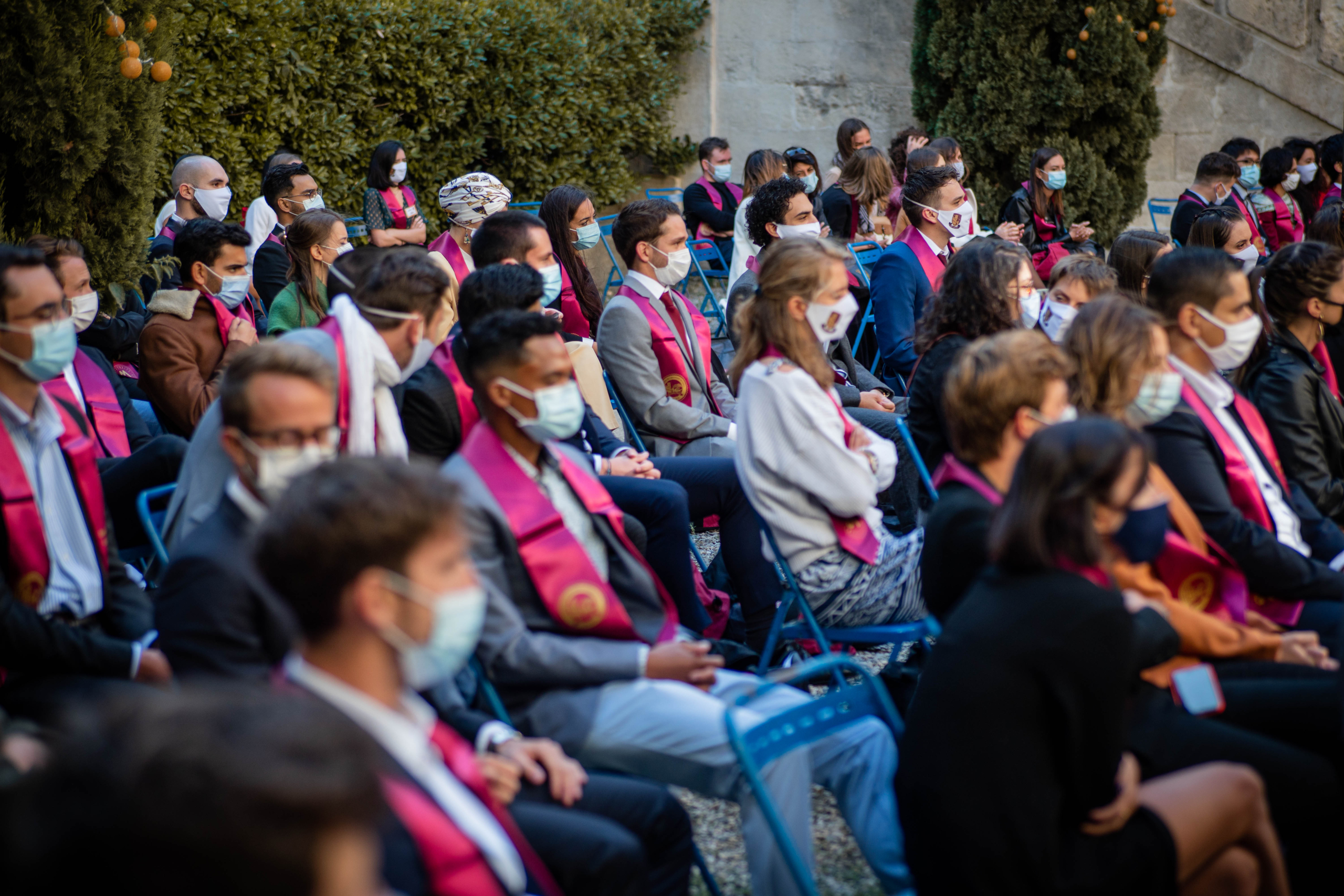
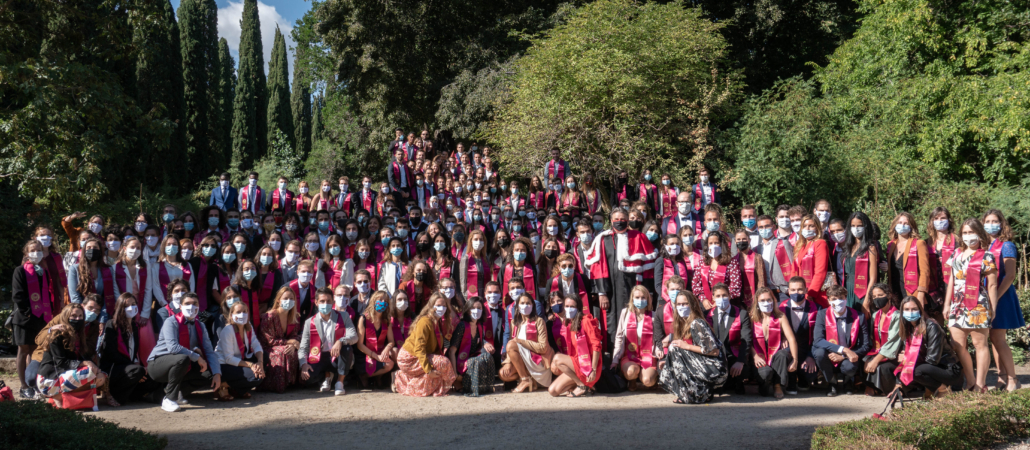
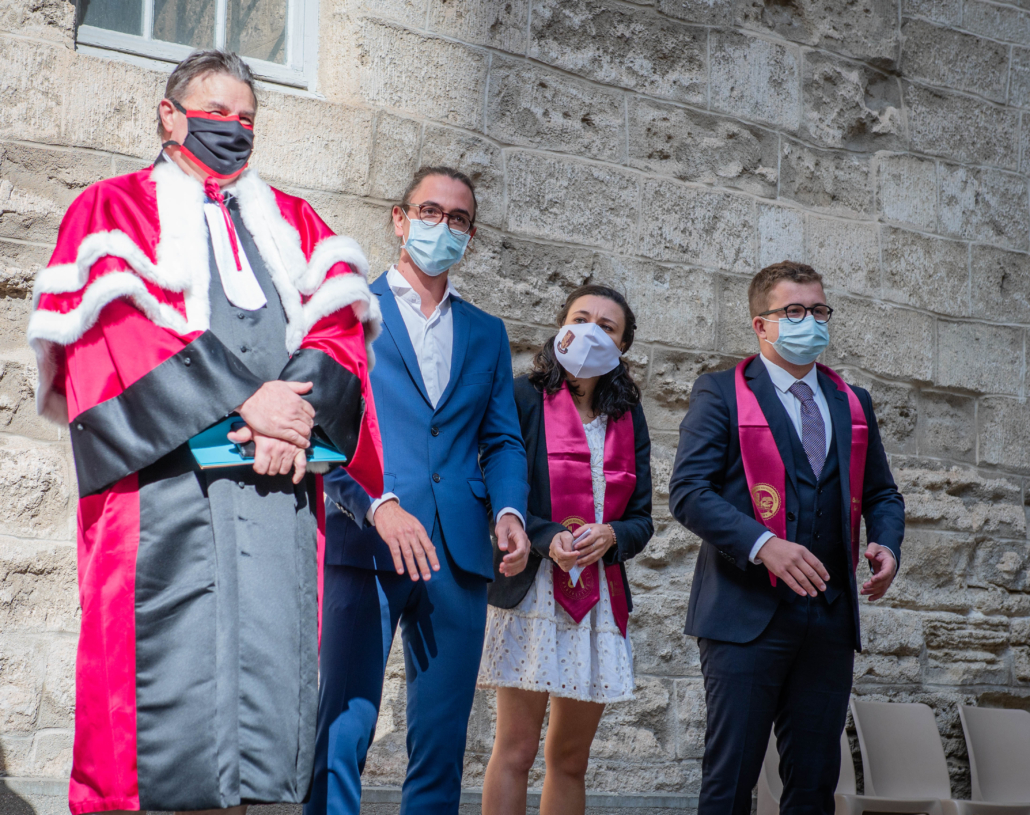
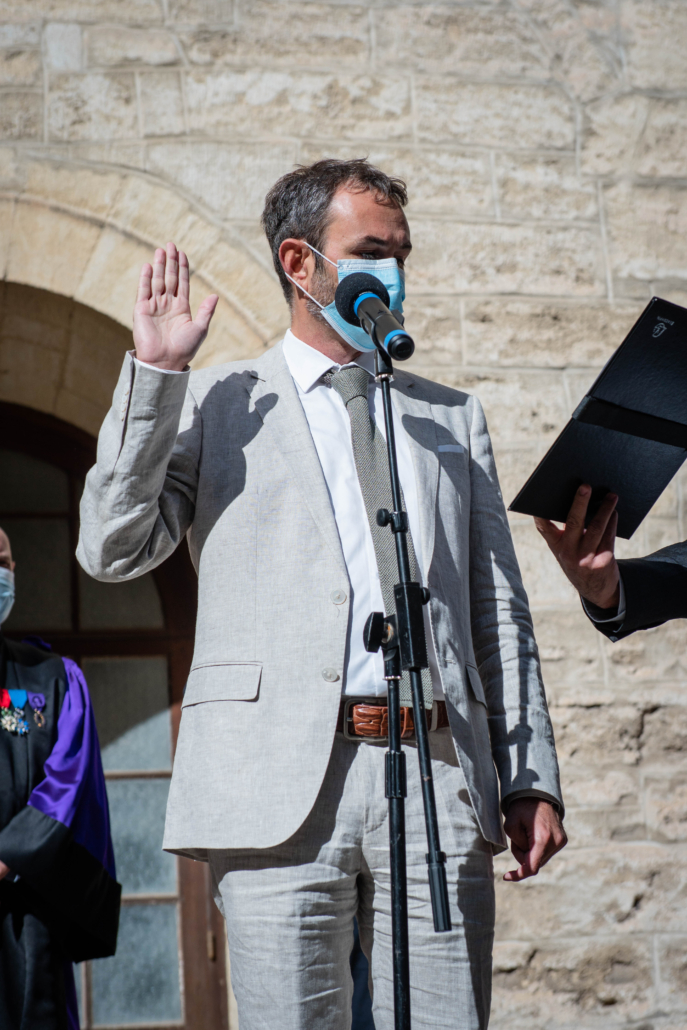
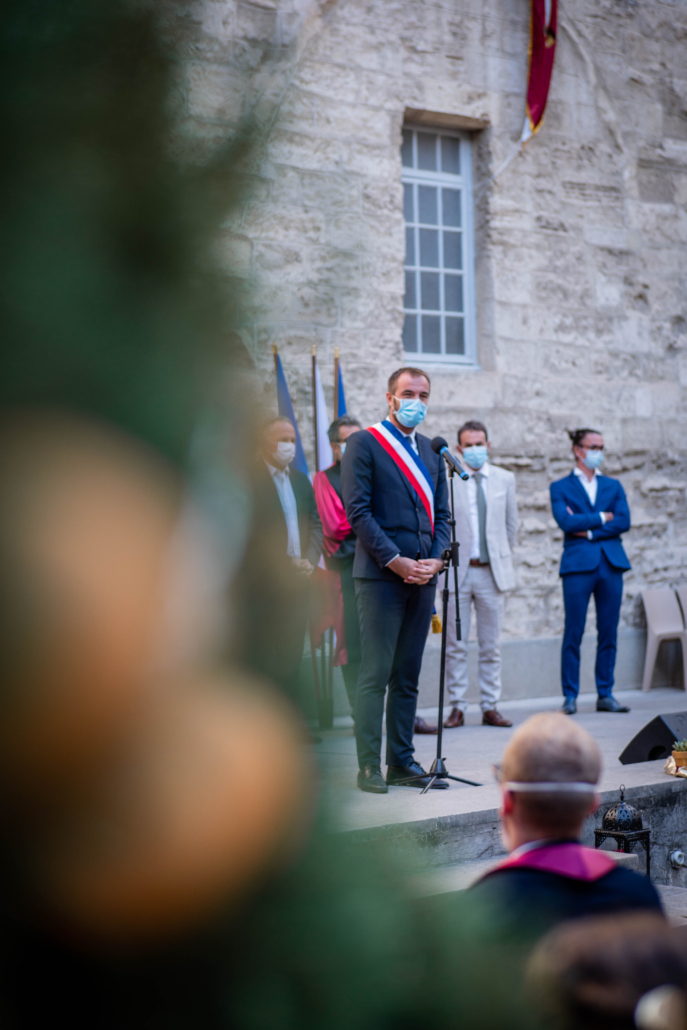
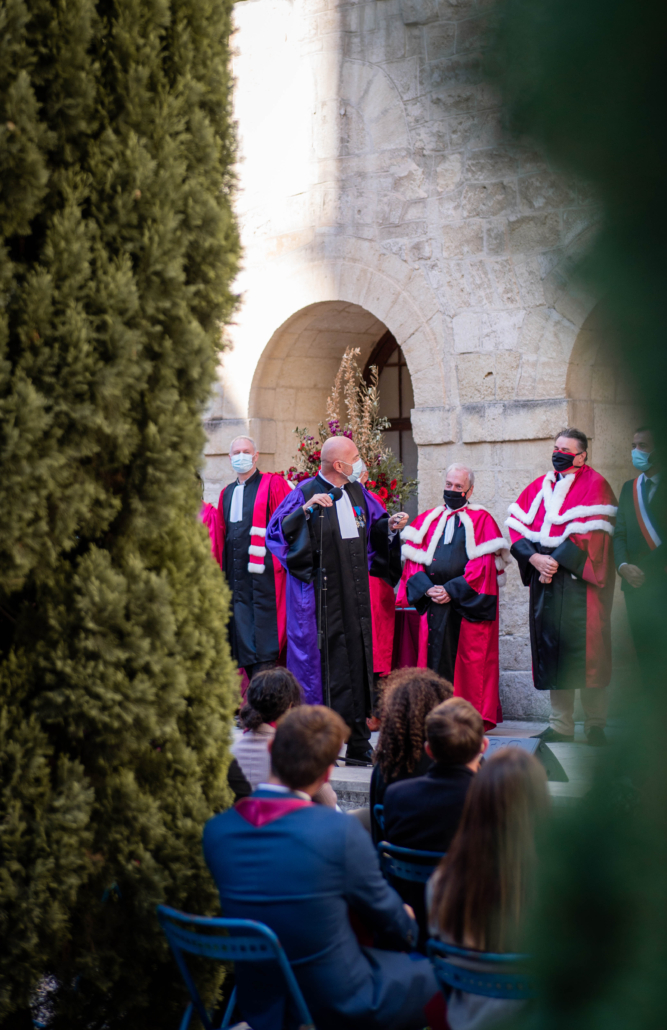
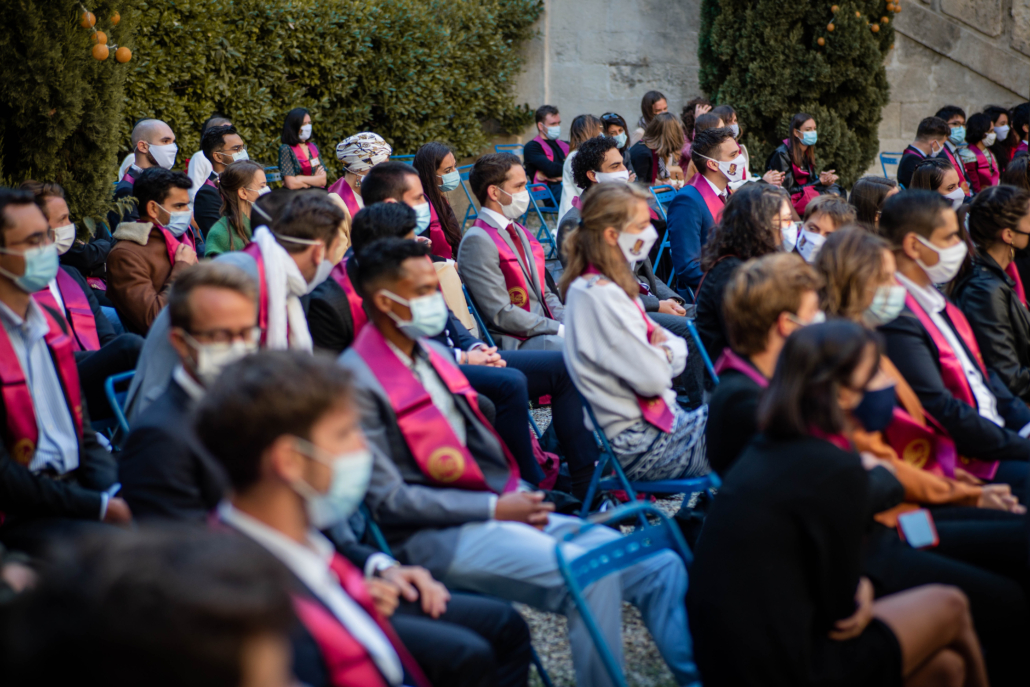
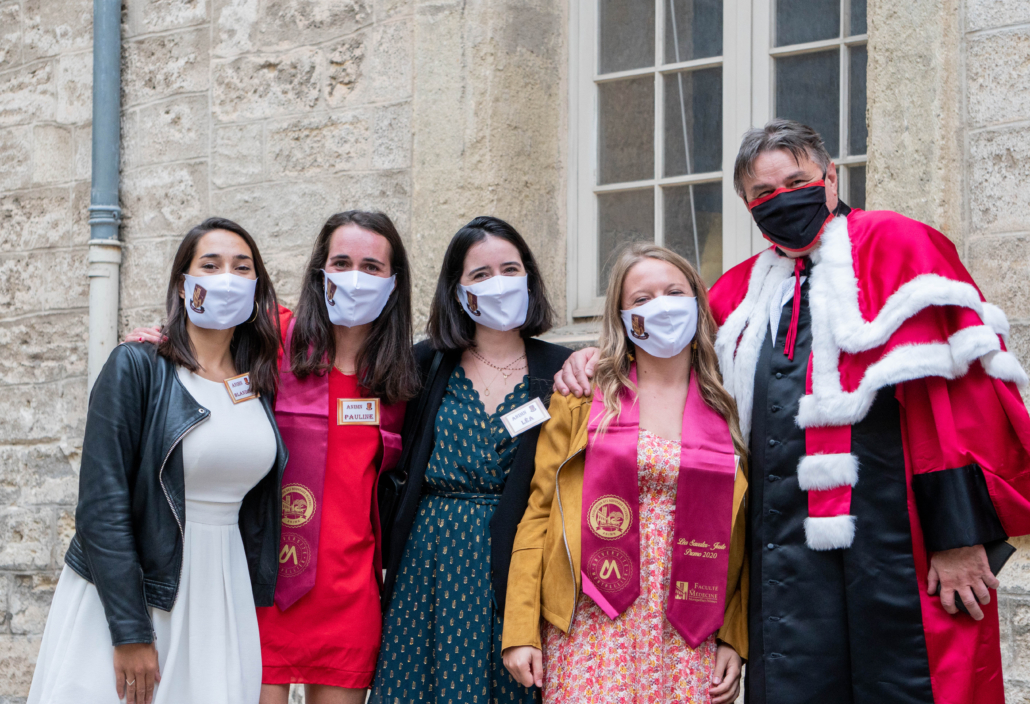
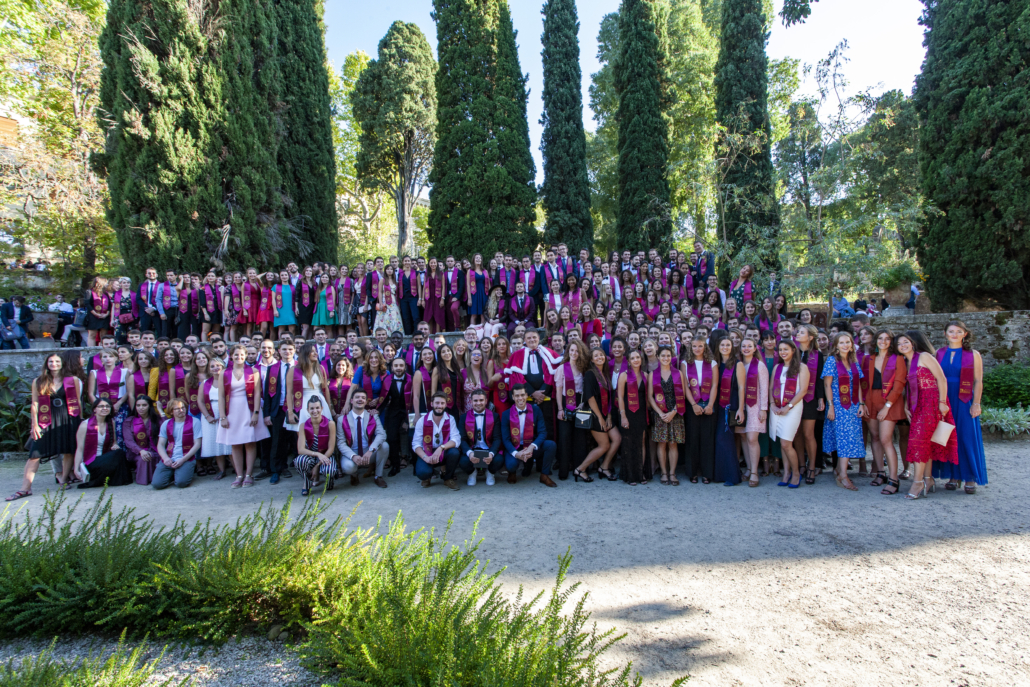
As it does every year, the Faculty of Medicine—specifically the ANIMN association—is organizing the graduation ceremony for sixth-year students. On September 26, students who have passed their residency exams will gather in the Cour d’Honneur to celebrate in a joyful and festive atmosphere, while adhering to health guidelines.


Special considerations related to the health situation

Due to the current health situation, the ceremony will be held under special conditions this year. Masks must be worn by everyone in attendance, including faculty, students, and families. To minimize large gatherings, the diploma presentations will be held in four separate groups. Additionally, as an exception, there will be no campus tour this year.

What's on


  • 9:00 a.m. - Welcome

    Reception for the graduating class and official guests in the faculty’s Cour d’honneur.
    Musical entertainment by the Medley bands.
    Coffee and refreshments.

  • 10:00–11:00 a.m. Speeches

    Opening remarks by the Dean, the University President, the Mayor, representatives of the Medical Association, the President of ANIMN, and the valedictorians from Montpellier and Nîmes.

    Games and prizes provided by ANIMN’s partners.

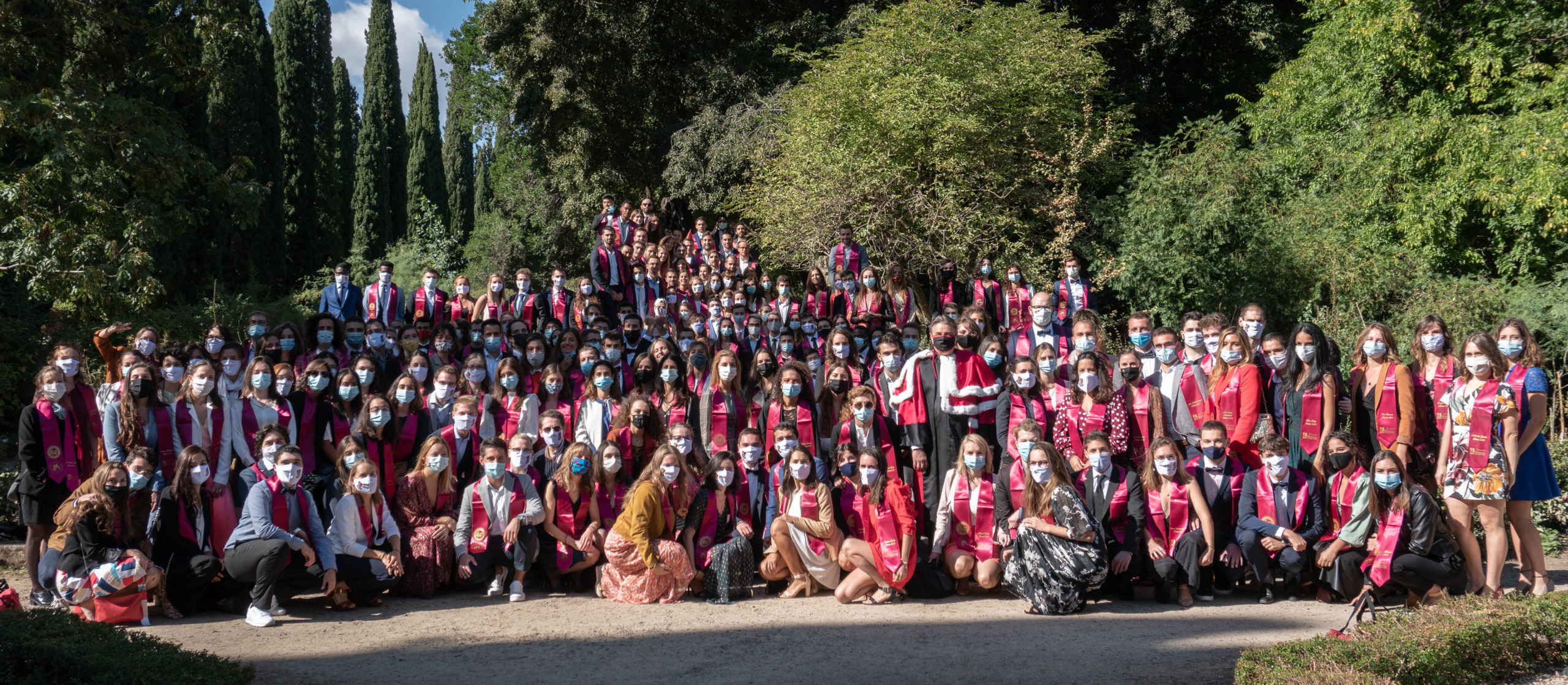
  • 11:00 a.m. – 11:30 a.m. – Photo

    Group photo of the graduating class with the Dean at the Jardin des Plantes.

  • Starting at 1:00 p.m.: Graduation ceremony by group

    Graduation ceremony for the students, who will be divided into four groups, along with their families and friends.

    1:00–2:30 p.m. First group: the Nîmes class
    2:30–4:00 p.m. Second group
    4:00–5:30 p.m. Third group
    5:30–7:00 p.m. Fourth group

Check out our selection of photos from the day!

Our series introducing student organizations is back! Today, we’re featuring Léa Savater, President of ANIMN, the Association of New Medical Residents in Montpellier-Nîmes!


Could you tell us a little about your organization? What is its mission?

The Association of New Residents of Montpellier-Nîmes (ANIMN) was founded in 2009 and is dedicated to organizing the graduation ceremony for sixth-year medical students at the
the Montpellier-Nîmes Faculty of Medicine.

Can you tell us more about this event?

This event, a central part of the faculty’s calendar, provides an opportunity to congratulate students who have just taken the ECNi (National Computerized Ranking Exam). Following this exam, students choose their
specialty and the city where they will practice. The graduation ceremony usually takes place at the Jardin des Plantes in the presence of the faculty’s teaching staff, the Dean, the University President, the Mayor, and representatives of the Medical Board. On this occasion, each student is presented with their graduation sash and diploma in front of their family and friends. It is a deeply moving and joyful occasion. Following the ceremony, the evening continues with a gala in the Cour d’honneur of the Faculty’s Historic Building for a final festive gathering between students and their families. This year, due to health restrictions, the ceremony will simply take place in the Cour d’honneur of the Historic Building on September 26.


Why did you join the organization as an individual member? What does your organization offer students?

This gathering gives our students a chance to come together one last time before they each go on to start their lives in the cities of their choice. This event is marked by a spirit of goodwill and allows us to celebrate the end of a chapter together. This year is all the more special as we will be celebrating the 800th graduating class of the Montpellier-Nîmes Faculty of Medicine; it is an incredible opportunity to experience this moment in a building so steeped in history.

How can I contact ANIMN?

Facebook: Association of New Residents in Montpellier-Nîmes

Welcome, or welcome back, to the Faculty! We are finally reopening our doors to our students. Please find below the start dates and details for our various programs.

Coronavirus-related measures

Due to the health crisis, we would like to remind you that masks are required in all faculty buildings. We also ask our students and visitors to follow safety guidelines. Hand sanitizer is available at the entrance to all our locations.


PASS and PACES


 PASS

  • Orientation meeting on September 4 at 9:00 a.m. on all campuses (ADV, Flahault, Nîmes)
  • Classes begin on September 7 at 8:00 a.m.


PACES (repeat students)

  • Orientation meeting on September 1 at 1:00 p.m. on all campuses (ADV, Flahault, Nîmes)
  • Tutorials begin on September 7


Medicine Program – Montpellier


Undergraduate program
  • DFGSM2: Classes begin on August 24
  • DFGSM3: Classes begin on August 25


Graduate level
  • DFASM1: First day of class on August 31 at 10 a.m., UPM lecture hall
  • DFASM2: First day of class on September 3 at 10:30 a.m., UPM lecture hall
  • DFASM3: First day of class on September 3 at 2:00 p.m., UPM lecture hall


Medicine Program – Nîmes


Undergraduate program
  • DFGSM2: Classes begin on August 24 at 9:00 a.m. in lecture halls 1 and 2
  • DFGSM3: First day of class on August 25 at 2:00 p.m. in lecture halls 1 and 2

>> AFGSU from August 31 to September 10, 2020.

Graduate level
  • DFASM1 : Back to school on September 1 at 9 a.m. in Lecture Hall 1,
    • Course selection at 10:30 a.m. in Lecture Hall 1
  • DFASM2 : Back to school on September 1 at 2 p.m. in Lecture Hall 1,
    • Course selection at 3:30 p.m. at the Châlet
  • DFASM3 : Back to school on September 1 at 4 p.m. in Lecture Hall 1,
    • Course selection at 5:30 p.m. in Lecture Hall 1

>> Start of hospital rotations: September 7, 2020


Maieutics Track – Montpellier

Undergraduate program
  • DFGSMa2: Classes begin on August 24
  • DFGSMa3: Classes begin on August 24
Graduate level
  • DFASMa1: Start of the school year on August 24
  • DFASMa2: Start of the school year on October 12


Maieutics Track – Nîmes


Undergraduate program
  • DFGSMa2: Classes begin on August 24 at 9:00 a.m. in lecture halls 1 and 2
  • DFGSMa3: First day of class on August 25 at 2:00 p.m. in lecture halls 1 and 2

>> Nursing internship from August 31 to September 17, 2020.

Graduate level
  • DFASMa1: First day of class on August 31 at 9:00 a.m. in Room 434A
  • DFASMa2: First day of class onAugust 31 , 8:00 a.m. in Room 434A


Paramedical programs


Speech Therapy
  • Back-to-school meeting on September 1; classes begin on September 3
  • 5th Grade: School starts on September 1
Orthoptics
  • Back-to-school meeting on September 11
  • 3rd grade: school starts on September 11


Master's in Health


Gerontology
  • Master's in Gerontology: Management and Coordination of Services and Facilities: Classes begin Monday, September 21, 2020, at 9:00 a.m. in the Macabies Room (BH)
  • Master's in Gerontology: Monday, October 5, 2020, at 9:00 a.m. in the Macabies Room (BH)
SHS
  • Master's in Social Sciences: The semester begins on Tuesday, September 22, 2020, at 2:00 p.m.in the Bonaventure-Laurens Room (BH)

Last week, we met with the Association Carabins Montpelliéraine to learn more about student life for medical students. Today, Salomé Duteurtre, the Student Vice Dean, is answering our questions!

In a nutshell, what is ADEMMOOS?

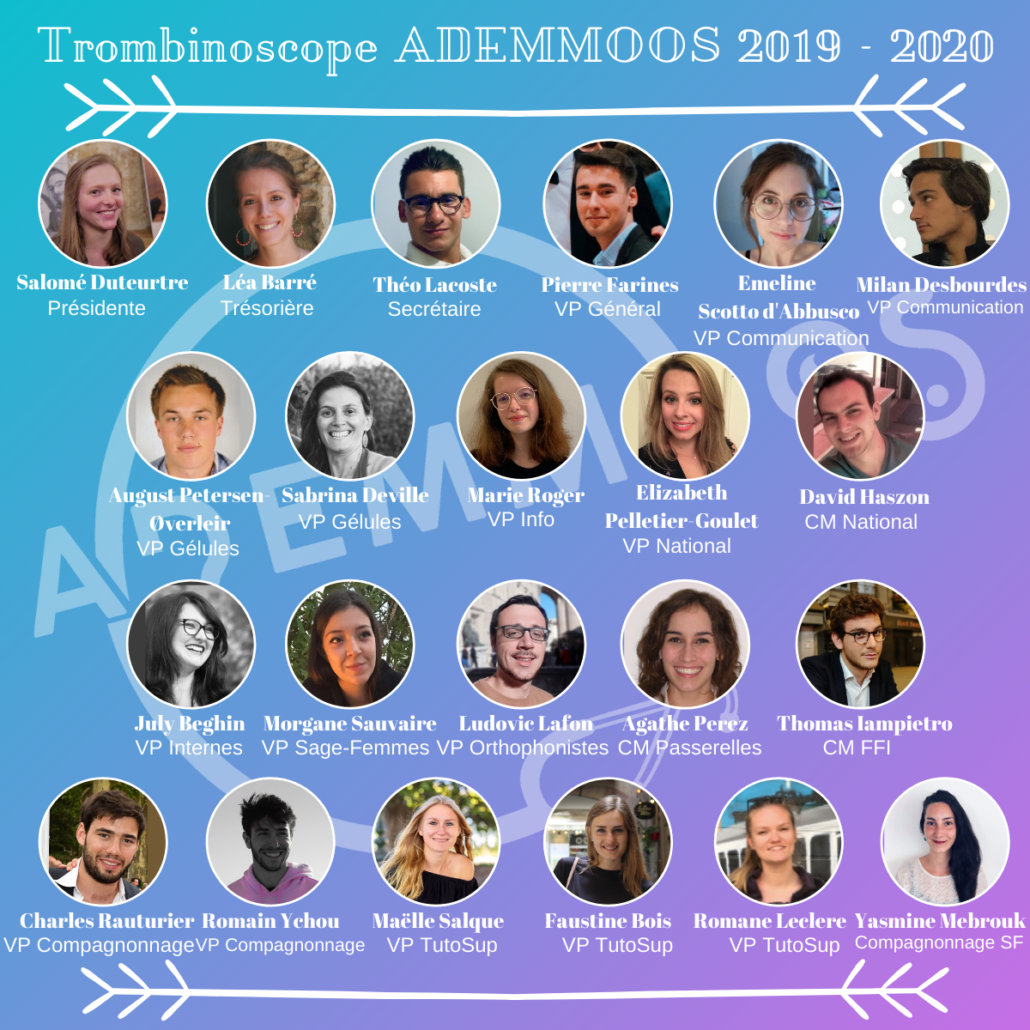
ADEMMOOS is the Association of Student Representatives for the Montpellier-Nîmes programs in Medicine, Speech-Language Pathology, Orthoptics, and Midwifery. It brings together nearly 40 elected student representatives from the various programs. 

We work every day to:

  • in Interprofessionalism : all of the faculty’s programs are represented;
  • in Intersite, through a collaboration between residents of Montpellier and Nîmes;
  • for To represent all students in the department before the administration, the faculty, and the university hospital.

What activities or initiatives do you organize throughout the year? 

Above all, our year is shaped by our student advocacy efforts.

As such, we are represented on two major councils within the faculty:

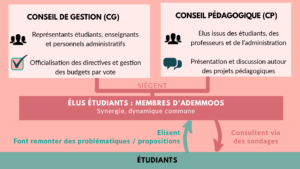
  • The Academic Council facilitates consultation among the various stakeholders in the faculty (faculty members, administrative staff, and students) regarding the programs offered by the department. Topics discussed include assessment methods and the evaluation of teaching materials. 
  • The Management Council is the faculty’s decision-making body, which votes on and reviews the internal regulations, the budget, agreements entered into by the faculty, and educational programs.


Our goal is therefore to give students a voice, often through surveys, which allow us to carefully gather their opinions and views on the various issues that arise during the academic year. 

In addition, we are also carrying out a number of projects to improve our training conditions. For example, several of our initiatives focus on health promotion:

  • Improving student well-being in all its forms is one of our top priorities. Given the challenging and demanding nature of our programs, some students may find themselves struggling; we strive to support them and connect them with resources that can help.
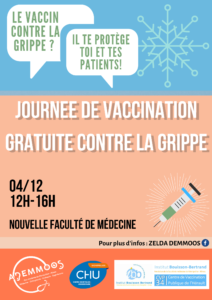
  • We are raising awareness about the flu vaccine to encourage students—future healthcare professionals—to get vaccinated. In particular, we organized a vaccination day on campus. 

We also support initiatives aimed at enhancing student life on campus. We participate in Open House events and European Heritage Days to lead tours and engage with the public. In addition, we help design and develop living and working spaces.

We keep students informed about the latest news from the faculty; for example, during the COVID-19 crisis, we provided them with regular updates on the situation and changes to our programs.

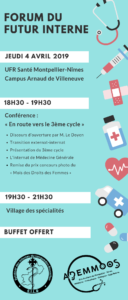
We assist medical interns in choosing their specialties through the Future Intern Forum (FFI), which we organize in collaboration with the Languedoc-Roussillon Intern Union.

Finally, we work with all of the faculty’s student organizations:

  • We support student-led educational and mentoring initiatives, such as PACES tutoring, tutoring for upper-level medical and midwifery students, and preparation sessions for the iECN exam…
  • We are involved in student representation at the local level (AGEM) and at the national level through our respective academic program associations.

What does the association offer students?

Our organization promotes several things:

  • the support and representation of all students enrolled in the Montpellier-Nîmes Faculty of Medicine at the University of Montpellier;
  • the promotion of improving student living conditions (in terms of the quality of studies and educational offerings) within the UFR by establishing an ongoing dialogue between students, their elected representatives, and student organizations across all programs within the UFR;
  • the bringing together of students from the various departments within the faculty, particularly through the development of joint student initiatives, in order to transcend the divisions inherent in different academic programs and foster mutual inspiration by leveraging the synergy of diverse skills.

In addition, students are not required to pay any fees. Simply by being enrolled in the department, students can participate in all the activities offered by our association.

A few words about the 2020–2021 board?

Our association's executive board is made up of students—whether or not they are elected representatives of their academic department—who are appointed for a one-year term from October to October to coordinate the team of student representatives.

The 2020–2021 term will begin this summer: please feel free to contact the current board if you’re interested in any of the positions!

Please feel free to contact us with any questions about student representation!