Tag archive for: Medicine

For the second year the Agnes McLaren Association is organizing a medical prize worth €4,000! Applications are open to students at the Montpellier-Nîmes Faculty of Medicine who will defend their clinical thesis between September 2021 and March 2023. See below for registration details and the eligibility criteria for your thesis.


This award recognizes a doctoral dissertation in medicine focusing on the health of women and/or children in precarious or vulnerable situations and funds research based on that dissertation

TheAgnes McLaren Association, founded in 2018, works to preserve the memory ofAgnes McLaren, a Scottish woman and the first female doctor to graduate from the Faculty of Medicine in Montpellier in 1878. It is in honor of this physician, who dedicated her life to caring for the most disadvantaged women or those excluded from society, that the association wishes to award a medical prize for the first time.

To mark the Faculty’s 800th anniversary in 2020, the association established the Agnès McLaren Prize in Medicine. Every two years, this prize is awarded for a clinical thesis and a post-thesis project, focusing on the health of women in precarious or vulnerable situations or the health of children exposed to precariousness and/or vulnerable situations. It also funds a project based on this thesis. The Prize, in the amount of €4,000, will be awarded in June 2023 following a preliminary selection by a committee and review by a jury composed of healthcare professionals.

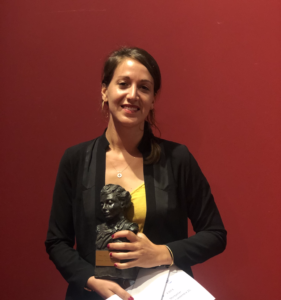
In the first edition, Justine Allouche won an award for her knowledge and expertise in cervical cancer screening.

In 2021, the award was won by Justine Allouche for her work assessing knowledge and practices regarding cervical cancer screening among women in prostitution in the Gard and Hérault departments. Justine was featured in an article in Midi Libre on that occasion!


Eligibility Criteria

To be eligible for this medical award, candidates must meet several eligibility criteria:


  • Open to our students

    Criterion 1: Be a student at the Montpellier-Nîmes School of Medicine

  • Year 2021-22-23

    Criterion 2: Defend your thesis between September 2021 and March 2023

  • Thesis topic

    Criterion 3: Support a dissertation whose topic addresses the health of the most disadvantaged or even marginalized women, or the health of children exposed to precariousness and/or situations of vulnerability

  • Post-doctoral project

    Criterion 4: Thesis leading to an operational project

What are the steps to enter the contest?

The second edition of the McLaren Medical Award will take place in five phases, as follows:

  • by March 15, 2023

  • Pre-selection phase

    Preliminary screening of the theses received by the preliminary screening committee. Five theses were shortlisted.

    April 15, 2023

  • May 15, 2023

    Selection Notice

    Notification of selection sent to the five shortlisted candidates.

  • Final selection phase

    Review of the five theses shortlisted by the jury. Candidates must submit their theses and post-thesis work by January 24, 2021.

    June 2023

  • Sept. 2023

    Award Ceremony

    Presentation of the Agnes McLaren Award at the official ceremony.

We hope many of you will enter this new contest! So get writing, and good luck on your theses!


As it does every year, the Faculty of Medicine will open its doors at its campuses in Nîmes and Montpellier (ADV) for a one-day event on Saturday, February 12, 2022. This event will give our prospective students the opportunity to meet our faculty, our academic advisors, and our current students enrolled in medical and paramedical programs.


COVID-19 Update

As of now, the event is still scheduled to take place and will be held in accordance with current government guidelines.

– Last updated: January 6, 2022


A day exploring our two main campuses

Open to everyone—parents, high school students, and college students considering a change of major—this event will be held on our two main campuses from 10 a.m. to 4 p.m.:

Add content here

MONTPELLIER CAMPUS

641 Doyen Gaston Giraud Avenue

34090 MONTPELLIER

NÎMES CAMPUS

186 Chemin du Carreau de Lanes

30900 Nîmes


What's on

Come join us for our Faculty Open House! During the event, you’ll be able to:

  • Ask our students, faculty, and academic support staff your questions
  • Attend conferences
  • Find documentation

And to make sure you don't miss a thing about our faculty's program for the day, check out our Open House page!

For everything you need to know about Open House events at UM (and all its departments), visit:https://www.umontpellier.fr/articles/journee-portes-ouvertes-de-lum


As the final official event marking the Faculty’s 800th anniversary, the Symposium of the Montpellier Academy of Sciences and Letters will focus on the theme “Medicine and Humanism.” This article provides the program for this event, which is open to everyone upon presentation of a health pass.

Practical Information

The conference is free and open to the public. Admission is free, subject to availability. It will be held in the Rabelais Room at 27 Boulevard Sarrail in Montpellier (Tram 1-2, Comédie stop).

Conference Program

The Montpellier Academy of Sciences and Letters is hosting a two-day symposium on the theme “Medicine and Humanism,” exploring the topic from multiple perspectives: historical, ethical, social, and environmental.

  • Friday, December 3 – morning

    The Montpellier School of Medicine: A Long Humanistic Tradition

    8:00–8:30 a.m.: Welcome 

    8:30 a.m.: Doors open

    • 8:30–8:40 a.m.: Fanny DOMBRE-COSTE, First Deputy Mayor of Montpellier
    • 8:40–8:50 a.m.: Bernard BOURGEOIS, from the Institute; Honorary President of the National Conference of Academies
    • 8:50–9:00 a.m.: Philippe AUGE, President of the University of Montpellier
    • 9:00–9:10 a.m.: Michel MONDAIN, Dean of the Faculty of Medicine at Montpellier

    9:10–9:20 a.m.: Introduction to the conference by Thierry LAVABRE-BERTRAND
    President of the Montpellier Academy of Sciences and Letters

    TOPIC 1: The Montpellier Faculty of Medicine: A Long Humanist Tradition
    Moderator: Hilaire GIRON; Engineer, Strategy and Organization Consultant, Systems Analyst, Former President of the Montpellier Academy of Sciences and Letters

     9:20–9:35 a.m.: Testimonial: Humanism and Cancer Medicine
    Henri PUJOL, University of Montpellier, Honorary President of the League Against Cancer

    9:35–10:05 a.m.: The Spirit of the Montpellier School of Medicine
    Thierry LAVABRE-BERTRAND, University of Montpellier
    President of the Montpellier Academy of Sciences and Letters

    10:05–10:45 a.m.: “The ‘1220 Moment’” and the Founding of the University of Medicine in Montpellier
    Jacques VERGER, of the Institute of the Académie des Inscriptions et Belles-Lettres, medievalist

    10:45–11:15 a.m.: Remarkable discoveries in “post-vitalist” medicine in Montpellier: between rationality and serendipity
    Joël BOCKAERT, of the Institute, Academy of Sciences, University of Montpellier

    • 11:15–11:40 a.m.: Break

    11:40 a.m.–12:10 p.m.: Montpellier’s strengths for the medical education of tomorrow
    Jacques BRINGER, of the Academy of Medicine, Honorary Dean of the Montpellier Faculty of Medicine,

  • Medicine and Ethics

    TOPIC 2: Medicine and Ethics
    Moderator: Michel VOISIN
    University of Montpellier, Pediatrician
    Former President of the Montpellier Academy of Sciences and Letters

    2:00–2:15 p.m.: Testimonial: Humanism and Medicine: Palliative Care
    Virginie PEROTIN, Physician specializing in palliative care at the Montpellier Cancer Institute.

    2:15–2:45 p.m.: Medicine: What Is It?
    Olivier JONQUET, University of Montpellier, intensive care physician
    Former President of the Montpellier Academy of Sciences and Letters

    2:45–3:15 p.m.: Giving Birth to the Point of Losing One’s Mind
    Gemma DURAND, Obstetrician-Gynecologist

    3:15–3:55 p.m.: The Ethical Implications of Technological Advances.
    Éric FIAT, Université Paris-Est, philosopher

    3:55–4:30 p.m.: Break

    4:30–5:10 p.m.: Human Nature: How Far Is Too Far?
    Chantal DELSOL, of the Institute of the Academy of Moral and Political Sciences, philosopher

    Friday, December 3 – afternoon

  • Saturday, December 4 – morning

    Medicine and Solidarity

    THEME 3: Medicine and Solidarity
    Moderator: François-Bernard Michel,
    Honorary President of the National Academy of Medicine,
    Honorary President of the Academy of Fine Arts

    8:00–8:15 a.m.: Welcome

    8:15–8:30 a.m.: Testimonial:
    Humanism and Medicine: Student Health Vulnerability, The Student Health Center,
    Jean-Bernard DUBOIS and Michel AVEROUS, University of Montpellier,

    8:30–9:10 a.m.: Healthcare: A Major Upheaval.
    Jean-François MATTEI, of the French Academy of Medicine, former Minister of Health, former President of the French Red Cross

    9:10–10:00 a.m.: Reason and Emotion in Ethical Debates,
    Pierre LE COZ, Academy of Medicine, Aix-Marseille University, philosopher,

    10:00–10:25 a.m.: Break

    10:25–11:05 a.m.: What’s special, what’s new in humanitarian medicine?
    Rony BRAUMAN, former President of Doctors Without Borders:

    11:05–11:45 a.m.: Is there a conflict between access to medicines and market forces?
    Christophe DAUBIÉ, former Director of SANOFI-Montpellier,

    11:45 a.m.–12:15 p.m.: Panel discussion among the speakers

  • Medicine, People, and the Environment

    TOPIC 4: Medicine, Humans, and the Environment
    Moderator: Jacques MATEU,
    President of the Medicine Section of the Montpellier Academy of Sciences and Letters
    Plastic surgeon

    2:00–2:40 p.m.: From Animals to Humans: From AIDS to COVID-19,
    Eric DELAPORTE, University of Montpellier, Infectious Disease Specialist

    2:40–3:45 p.m.: Eating Well While Protecting Human Health and the Planet

    • 2:40–3:15 p.m.: The Case of Meat,
      Pierre FEILLET, French Academy of Agriculture, French Academy of Technologies:
    • 3:15–3:45 p.m.: The Cretan Diet, the Mediterranean Diet, and Vascular Diseases
      Jean-Louis CUQ*, University of Montpellier:

    3:45–4:25 p.m.: Water Resources: A Global Issue? The Issue of the Century?
    Eric SERVAT, University of Montpellier, UNESCO Chair

    2:25–2:45 p.m.: Break

    4:45–5:25 p.m.: The historical controversy between vitalists and reductionists.
    Edgar MORIN, CNRS, sociologist, philosopher

    5:25–6:15 p.m.: Panel discussion among the speakers

    6:15–6:30 p.m.: Closing remarks by Thierry Lavabre-Bertrand, President of the Montpellier Academy of Sciences and Letters

    Saturday, December 4 – afternoon

In 2020, Dr. Favier and Dr. Debourdeau once again submitted a proposal to MUSE. They were selected as winners of the Take Off 4 competition, which recognizes innovations in education.

An educational innovation for safety

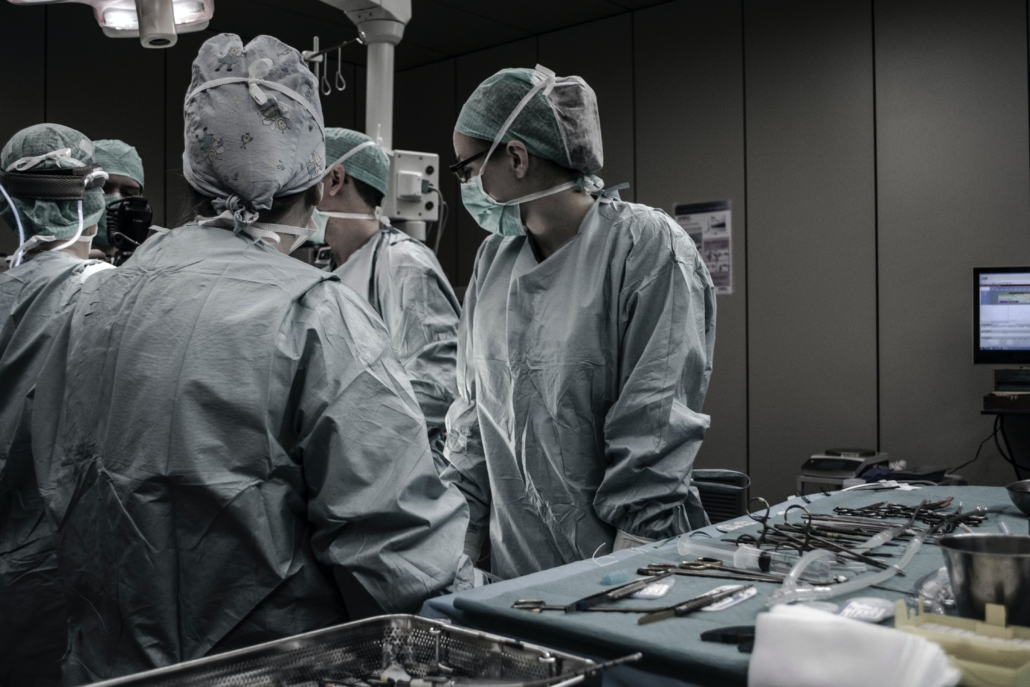
Physicians and surgeons are required to perform invasive procedures for the diagnosis and treatment of medical conditions. These procedures require extensive and rigorous training, which is primarily carried out during residency (beginning in the seventh year of medical school, when students begin their specialization).

The quality of medical-technical and surgical procedures must be a central focus of training, as it directly impacts patient health and safety. Technical training for medical and surgical residents must therefore include preliminary instruction to ensure the safety of patients, trainees, and supervisors alike.

Drivers of change

 The use of anatomical specimens for training has been widely adopted, but this training method is limited by the availability of specimens. Another limiting factor is the difficulty in maintaining the realistic appearance of the digestive and respiratory tracts on these biological models.

The simulator as a solution

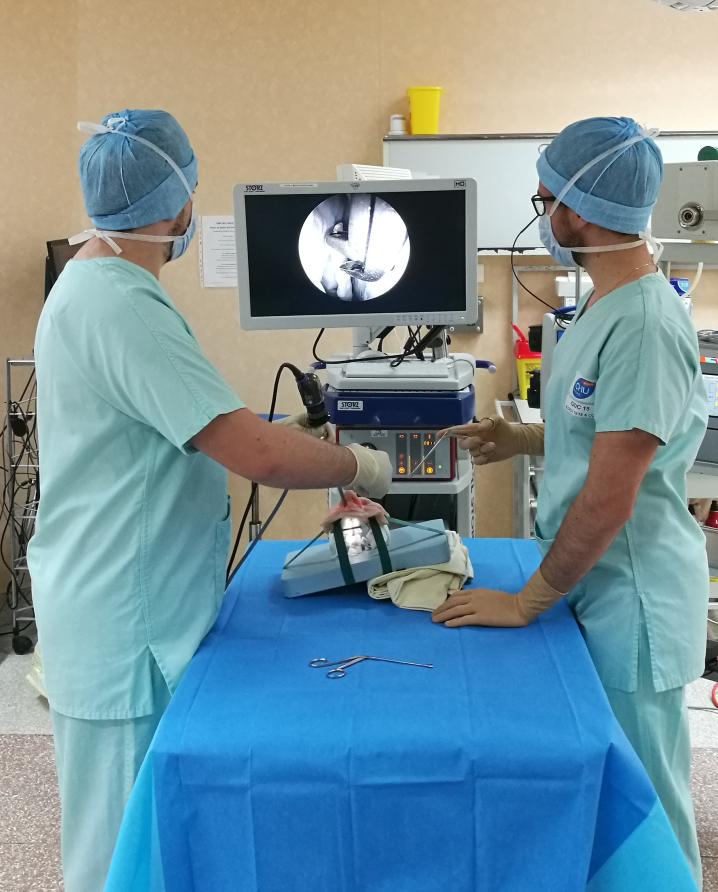
Simulator-based training helps meet safety requirements, since students do not come into direct contact with patients during their initial practice sessions, mistakes are allowed, and instructors can give students greater freedom to practice while providing educational feedback during dedicated training sessions that are more frequent because they are easier to organize. This learning method also eliminates the biological risks associated with the use of anatomical specimens.

The specific areas involved

Since simulation is a very expensive and time-consuming process to set up, Drs. Favier and Debourdeau conducted preliminary studies to determine in which areas it could be most useful.

According to their research, simulation-based training is necessary for the following procedures:

Proven effectiveness

These procedural simulators have been scientifically validated for initial training and have proven their effectiveness. In total, these programs involve 220 residents in the Montpellier-Nîmes area (20 gastroenterologists, 18 ENT specialists, 6 neurosurgeons, 6 maxillofacial surgeons, 15 pulmonologists, 125 anesthesiologists and intensivists, and 20 oncologists).

A project that builds on the previous one

Remember, we previously mentioned, in one of our articles, Drs. Favier and Debourdeau, who were winners of a previous MUSE Take Off competition. That project involved the development of an app called SPART APP, designed to assess the technical skills of medical residents.

This project builds on the work of Spart-APP. In fact, this app, which can track residents’ technical progress, could eventually be integrated with a simulation platform. This platform will enhance real-time learning for students who are struggling, through an active and dynamic teaching approach.

In 2018, Dr. Valentin FAVIER submitted a proposal to the MUSE call for projects, which aims to support educational reform in training programs. His project, titled “Learning Anatomy and Surgery Through Simulation and 3D Printing,” was selected as a winner.

MUSE “Take-Off”—what is it?

The MUSE project “ Montpellier University of Excellence brings together 16 institutions toward a shared goal: to establish in Montpellier a research-intensive, thematically focused university, internationally recognized for its impact in fields related to agriculture, the environment, and health, capable of becoming, for all members of the consortium, a close academic partner with which they will be strongly connected and of which they can be proud.

Through these “Take Off” calls for proposals, it supports the educational transformation strategy of the institutions and components of the MUSE consortium. Over the past three years, I-SITE MUSE has raised €6 million to support educational innovations through this program. The “Learning Anatomy and Surgery through Simulation and 3D Printing” project is one of the projects selected for Take-Off #1. Learn more about it in this article!


Enhancing Learning Through Simulation: Dr. Favier’s Challenge

Healthcare simulation is a key focus of medical education in the 21st century. To improve the safety of clinical practice and education, the French National Authority for Health (HAS) released a report in 2012 outlining the prospects for the development of healthcare simulation in France.

So what exactly are surgical simulators?

Surgical simulators are educational tools that are an integral part of this concept. They enable the training of young surgeons, helping them to familiarize themselves with surgical equipment, anatomy, and surgical techniques, but they are also useful throughout continuing medical education for refresher training. Another major benefit lies in the ability to develop new surgical techniques, allowing more experienced surgeons to perform innovative approaches or test new instruments.

The project's objectives

The project is intended for surgical residents, who will have the opportunity to practice on these simulators. The work currently underway is now focused on several objectives:

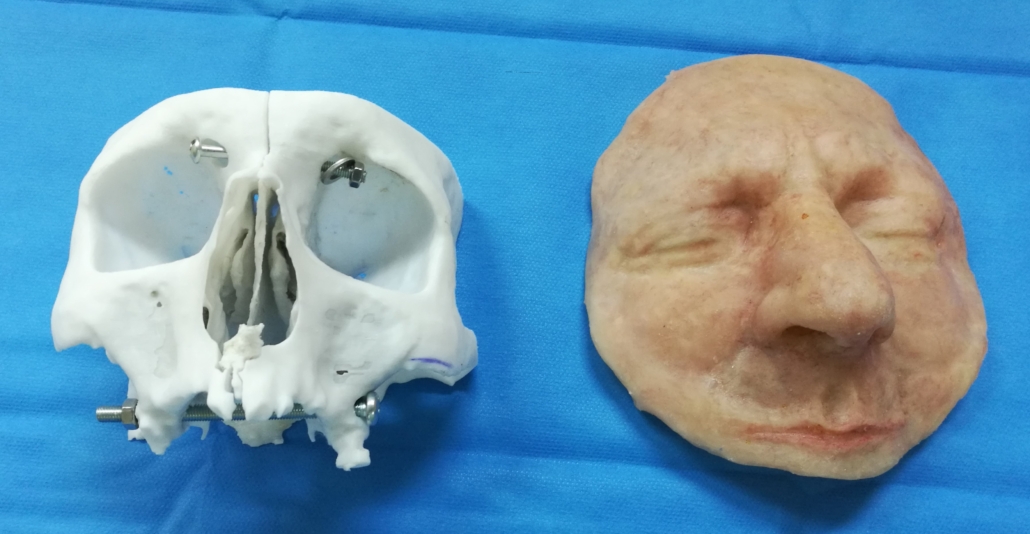
  • Improving the segmentation of bone structures and pathological processes from CT images to generate 3D objects.

  • Improving the biomechanical characterization of human skull base bone using innovative mechanical tests designed specifically for this purpose. A better understanding of biomechanics will enhance the realism of the materials used in simulation.

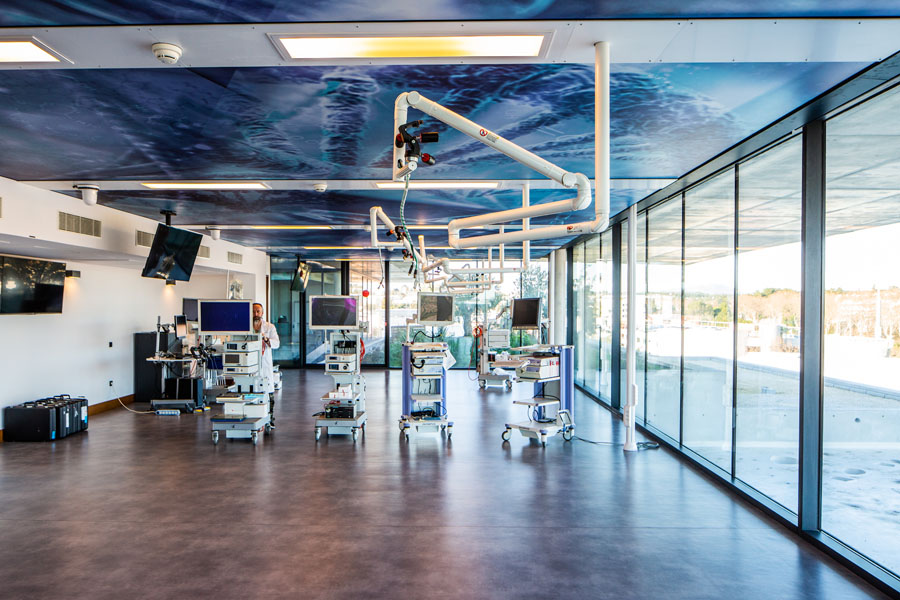
  • Conduct large-scale simulator testing with the target audience (ENT surgery residents) using the simulation facility at the School of Medicine, in collaboration with the Nancy-Lorraine School of Surgery.

A project made possible by MUSE

As the winner of the project, Dr. FAVIER received a €10,000 grant from MUSE. This grant was used to advance his project on surgical simulators. Specifically, it was used to:

  • Compensation for a Master’s 2 intern in computer science for research and algorithm development to implement the simulation.
  • Perform mechanical testing of the simulation platform.
  • The purchase of materials needed to conduct the simulation and produce 3D prints.

For the past 10 years, the Jardin des Plantes has been organizing summer tours to help the general public learn more about our botanical garden. Check out the summer 2021 program.


Tours for all ages


Open to everyone, the Jardin des Plantes’ summer tours cover a variety of themes:
  • The medicinal plant collections at the Jardin des Plantes
  • Richer Mountain: Where History and Ecology Meet
  • Martins Greenhouse and its collection of succulents
  • Tours of the Permaculture Edible Garden
  • Herbs and the Senses Garden

Practical Information

ADDRESS

Henri IV Boulevard,

34000 Montpellier

  • Free admission

  • No registration required

  • Please arrive 10 minutes before the tour begins

Dear students, every year, health sciences students admitted to the medical program are assigned to either the Montpellier or Nîmes teaching sites. This year, the assignment will take place on July 16 at 9:00 a.m.


Due to recent developments, the terms of this allocation have changed. Please refer to the article below, updated on July 15, 2021, at 8:00 a.m.


For students who have chosen to study medicine

You are currently enrolled in the PASS or LAS program and have expressed an interest in continuing your studies in the medical track in DFGSM 2 for the 2021–2022 academic year, provided you pass the MMOP selection committee.

Under this program, admitted students are assigned to either the Montpellier or Nîmes campuses of the Montpellier-Nîmes Faculty of Medicine.

The following are hereby summoned:

  • THOSE ADMITTED DIRECTLY AFTER THE FIRST ROUND OF EXAMS

    You are scheduled to meet on July 16 at 9:00 a.m. in theRabelais Amphitheater.


PLEASE NOTE: Candidates admitted to the second round of exams WILL NOT be notified.


Practical Information

  • Absence with a proxy

    In the eventof a justified absence, you may have someone else represent you by providing apower of attorneyalong with allsupporting documents.

    We appreciate your efforts to attend or to have someone represent you.

  • Absence without authorization

    If you are not present in the lecture hall when your name is called, and if no one holding a power of attorney accompanied by all required supporting documents appears on your behalf, you will be automatically assigned to any unfilled seats based on your ranking after the roll call procedure described above. 

  • Address

    641 Doyen Gaston Giraud Avenue,

    34090 Montpellier


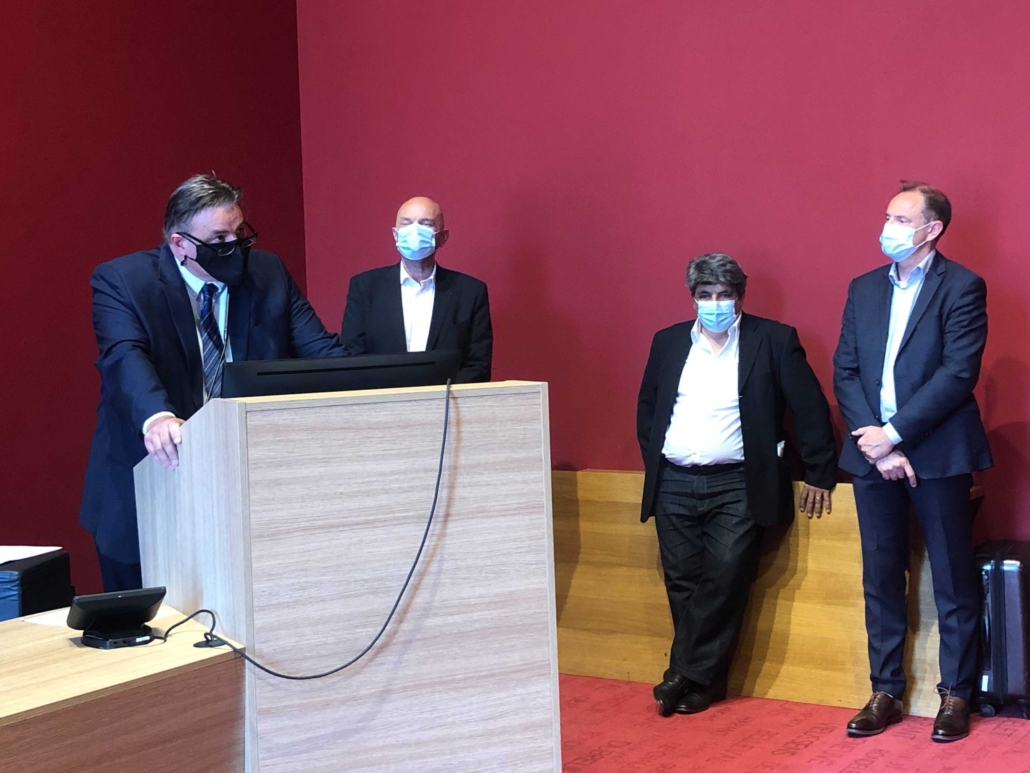
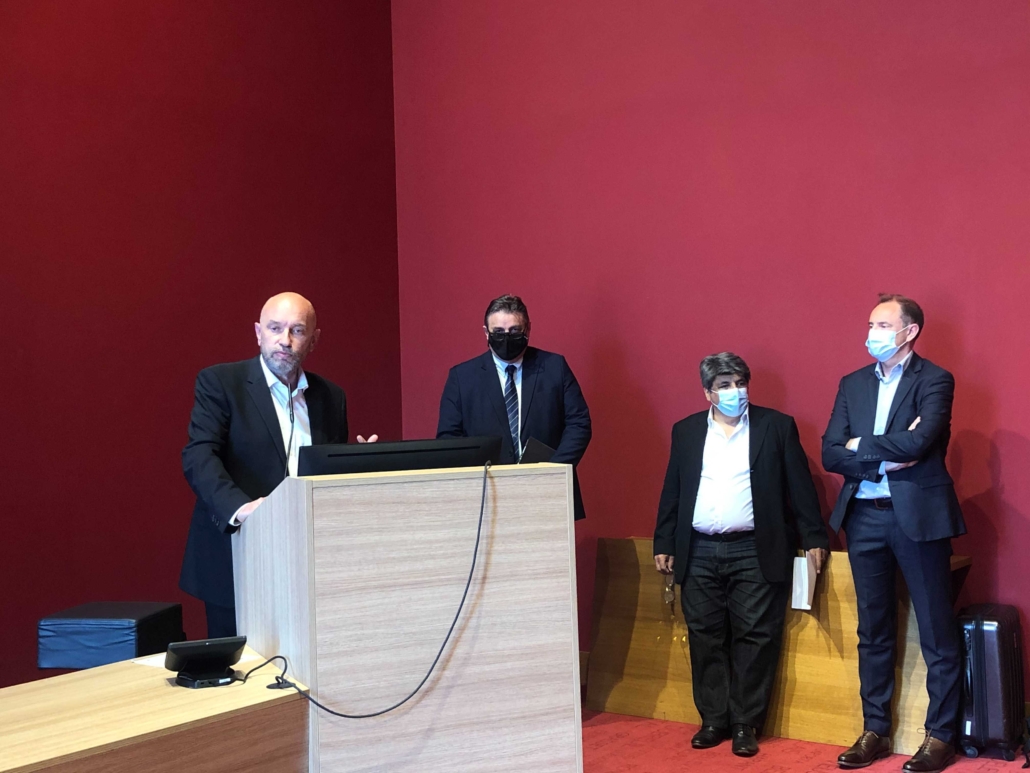
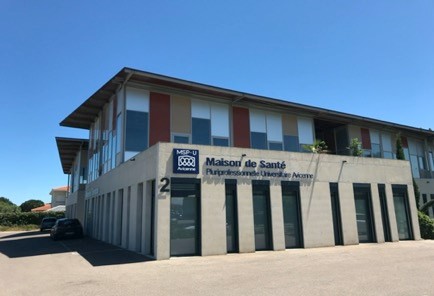
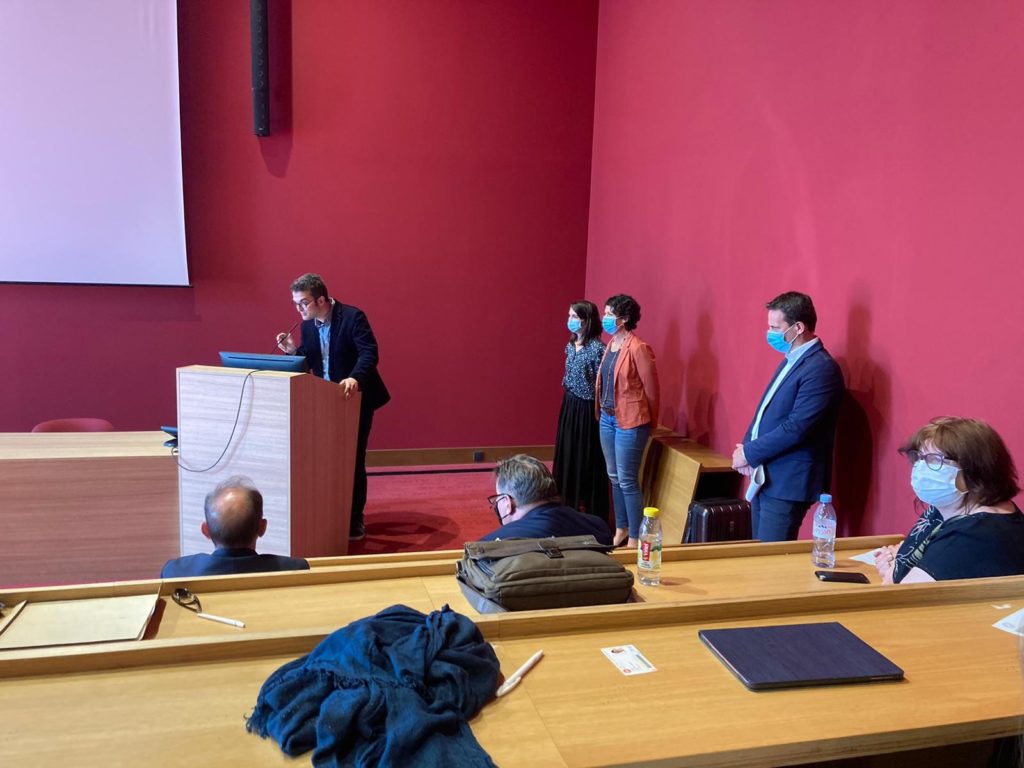
“The The Avicenne Multidisciplinary University Health Center (MSPU) was inaugurated in Cabestany near Perpignan in 2018. In June 2021, two additional MSPUs were added to this regional network. To mark this opening, a formal ceremony was held on Thursday May 27 to review the Cabestany MSPU and present the plans for the two new MSPUs.”


MSPU: What is it?

A Multidisciplinary Health Center is a multidisciplinary health center that has entered into an agreement with the Regional Health Agency (ARS) and a university with a medical program to promote training and research in primary care. 


Avicenne's MSPU: A Positive Outcome

This MSPU, led by Dr. Mark OUDE ENGBERIK and comprising some thirty healthcare professionals from various fields, has carried out several projects over the past five years. Two major projects were discussed at this conference:

  • The TSAPPproject, which aims to train healthcare professionals on providing access to care for people with disabilities.
  • The SPES (Primary Care, Environment, and Health) project, which aims to promote health and environmental awareness among healthcare professionals and the general public.

In terms of academic training, this MSPU has 16 clinical instructors in various fields of healthcare and takes on 6 to 10 interns each year.

Two new MSPUs in the region

Following the success of the projects carried out by the Avicenne MSPU, two additional centers were opened in the region to meet local needs in this area.

  • MSPU LA SOURCE

    • Opened in February 2020, this primary care clinic is located in Vergèze and is managed by Dr. Céline Varraut.
    • It has a staff of 25 professionals across 10 different healthcare fields
    • Its objectives focus on three main areas: the region, training, and healthcare
  • MSPU Pauline Lataud

    • This primary care practice operates across multiple locations, with offices in Castries, Prades-le-Lez, Saint-Georges-d’Orques, and Vendargues, and is managed by Dr. Philippe Lognos.
    • It has a staff of 50 professionals across nine different healthcare fields
    • It also focuses its objectives on the same themes as the previous one.

A joint initiative is taking shape around these three MSPUs: to build a research network and make the service accessible to local residents.

Following the HAS’s approval of the first-time prescription of pre-exposure prophylaxis (PrEP) in community settings, the University Departments of General Practice in Toulouse and Montpellier, along with COREVIH Occitanie (the Regional Coordination Committee for the Fight Against STIs and HIV), are hosting an online themed evening on HIV prevention—specifically through PrEP—STIs, and addiction issues related to sexual health.


Webinar Agenda

The webinar will take place on Monday, June 14, at 8:00 p.m. It is intended for general practitioners practicing in the Occitanie region.
The moderators for this event will be Julie Dupouy (MCUPH, DUMG Toulouse), Beatrice Lognos (MCUPH, DUMG Montpellier), and Marie Bistoquet (COREVIH physician).

  • Introduction and COREVIH in a Nutshell (moderators)

  • Epidemiology of HIV and STIs in 2020 (France, Occitanie, Cities) (Alain Makinson, President of COREVIH, Associate Professor of Infectious Diseases, Montpellier) (15 minutes)

  • STIs: Treatment and Vaccination (Dr. Pauline Lansalot Matras, COREVIH Physician) (20 minutes)

  • PrEP: What Do the Studies Say? (Prof. Pierre Delobel, Infectious Diseases, Toulouse) (20 minutes)

  • Diverse Prevention Strategies and PrEP in Practice (Dr. Cyril Perrollaz, CeGIDD Montpellier), (15 minutes)

  • Psychoactive Substances and Sexual Performance: Chemsex (Prof. Hélène Rigole, Addiction Medicine, Montpellier) (20 minutes)

  • Pre-hospital Care and Prevention in Urban Settings: My Approach (Dr. Julien Artigny, Toulouse University Hospital) (20 minutes)

  • Summary and Q&A (30 minutes)

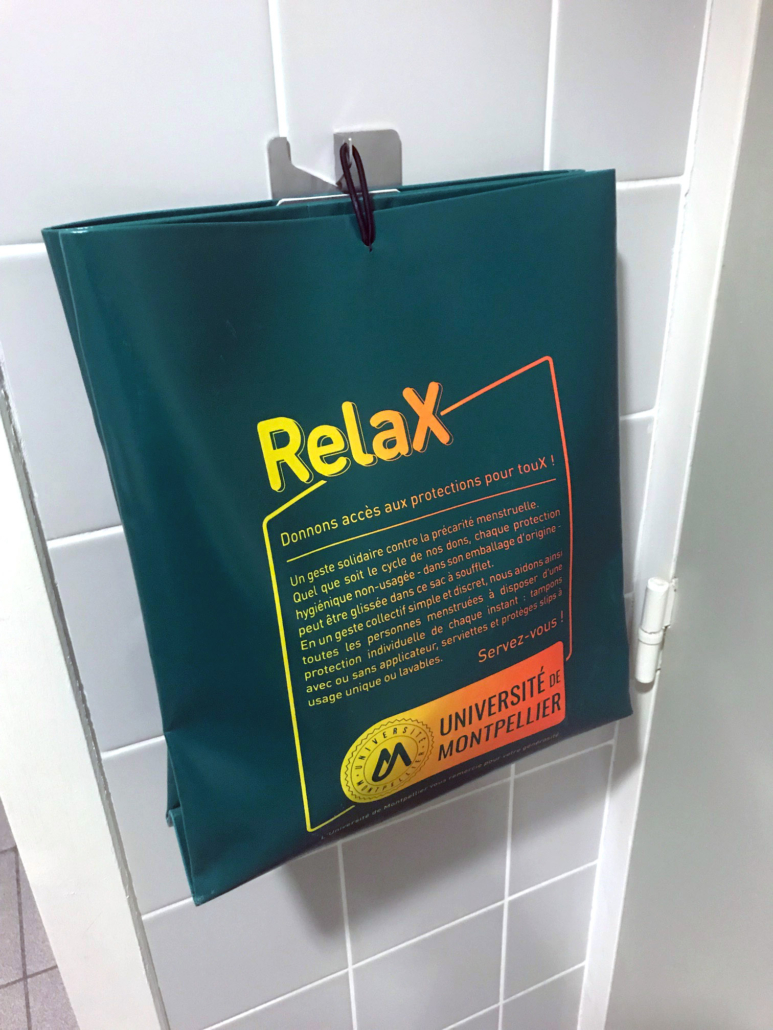
The University of Marseille (UM), the Faculty of Medicine, and student organizations are joining the fight against period poverty on campus through a solidarity initiative calledRelaX, so that every female student can experience her period with dignity.


According to a recent study published in February 2021, 33% of female students report facing financial difficulties in obtaining menstrual products. These difficulties affect the physical, mental, and social well-being of those in the most vulnerable situations.

The University of Montpellier is committed to this cause, particularly on the campus of the Montpellier Faculty of Medicine. You can find these bags on the Nîmes campus, located in the restrooms on the ground floor of Building A and in those of Building B next to the cafeteria, on the Arnaud de Villeneuve campus in the student organization offices, and finally in the restrooms on the first floor of the UPM. Anyone can contribute with a simple and discreet gesture by donating sanitary products in their original packaging.

This bag will allow students to drop off or pick up sanitary products on a self-service basis.