Tag archive for: Medicine

The MUSE project (“Montpellier University of Excellence”) brings together 19 institutions committed to educational progress and innovation. Today, several projects led by faculty members have been selected and will receive funding from the foundation. 

Toward New Training Programs: TakeOff #3

The MUSE Foundation has launched a call for proposals to promote educational innovation, particularly in the redesign and creation of new training programs. The goal is simple: to align as closely as possible with current labor market demands and societal needs, and even to anticipate future needs in light of societal changes. 

Of the 30 selected projects, three are from the School of Medicine and will therefore receive funding to carry them out. 

  • The project “ Development of educational tools to support the training of advanced practice nurses specializing in onco-hematology " led by Nadine Houede.
  • The " Rabelais Health and Science Dual Degree Program " led by Stephan Matecki
  • The “ Montpellier Introductory Surgical Summer School ” led by Astrid Herrero.

Funded for three academic years, these projects will enable us to train our students even more effectively!

And tailored educational tools: TakeOff #4

In addition to these new training programs, the Muse Foundation also supports projects involving innovative educational resources. To ensure educational continuity, the work environment must also be adapted. 

As a result, three other projects from the Faculty—this time involving innovative new equipment—have been selected:

  • A “ Educational app for tracking learning and mastering technical procedures in medicine ” led by Antoine Debourdeau and Valentin Favier.
  • A “ An immersive audio-visual experience in a health simulation training session " led by Blaise Debien.
  • A project on “ The Benefits of Acquiring a Digital Surgical Simulator for Implementing the 2021–2023 Medical Education Reform: Learning and Certification for a Non-Operating Room Surgery Degree ” led by Astrid Herrero and François Régis Souche.

We can therefore expect to see many educational innovations emerge over the next few years at the School of Medicine, both in terms of curriculum and teaching tools!

A commitment to innovation already in action: TakeOff#1 and TakeOff#2

Two other calls for proposals launched by I-Site Muse had already taken place previously. These were TakeOff#1 and TakeOff2.

Once again, the Faculty responded quickly, and some of its proposals were selected. First, during the initial call for proposals, TakeOff#1

  • The creation of the " International DIU: Emerging Infections ", proposed by Éric Delaporte. 
  •  The creation of a “Digital Laboratory for Preclinical Sciences”, led by Fares Gouzi. 
  • A proposal “Learning Anatomy and Surgery Through Simulation and 3D Printing”, led by Valentin Favier.
  • A “Surgical Education in Extended Reality”, defended by Nicolas Lonjona.
  • A project on “Artisanal Expertise in the Service of Innovation in Medical Simulation”, Led by Astrid Herrero. 

Then, in a second phase, during the TakeOff#2 call for proposals: 

  • The “International Master’s in One Health and Infectious Diseases”, which follows the International DIU created through TakeOff#1. 
  • The creation of an “Interdisciplinary Educational Escape Game in a Simulation Center: Mystery at SimHU Nîmes”, which fosters cohesion, communication, and collaboration among future healthcare professionals. 
  • The development of a tool for “VESALE 3D: Dynamic 3D Virtual Dissection for Teaching Surgical Anatomy”, which is part of a commitment to never perform a procedure on a patient for the first time

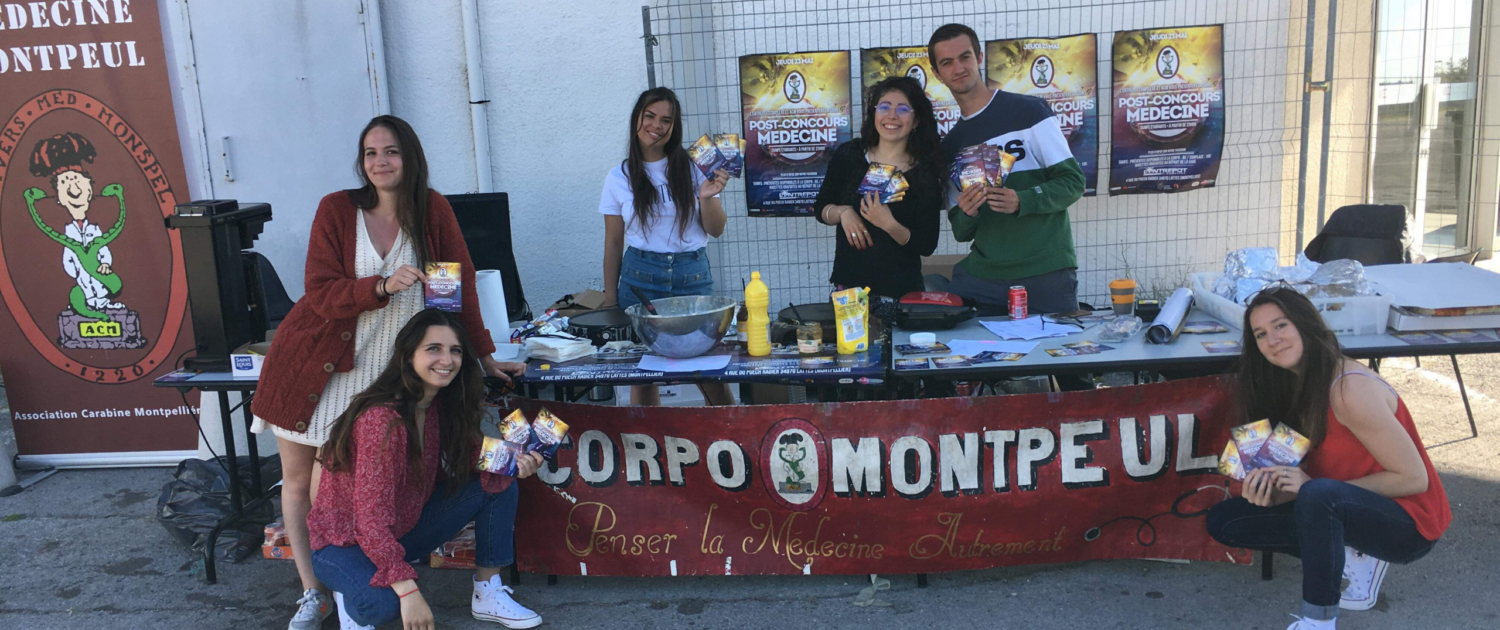
In addition to the Med’Ley Association, this week we also feature the Association Carabine Montpelliéraine (ACM) and its president, Colin Azria.

In a nutshell, what is the Association Carabine Montpellieraine?

The Association Carabine Montpelliéraine (or the Montpellier Medical Student Association) is a non-profit, non-partisan, and non-denominational association governed by the French Law of 1901, which aims to represent medical students in Montpellier. It is the only association that officially and exclusively represents medical students in Montpellier from the first year (PACES) through the sixth year.

Working closely with the PACES Tutoring Program and the faculty of the School of Medicine, the ACM supports students throughout their academic journey by providing various resources (books, handouts, stethoscopes, and other supplies) and offering them the opportunity to participate in a variety of events (community service initiatives, cultural events, student parties, galas, etc.).

In addition, the ACM is part of the local student representation network (Z’élus associatifs) and the national network (ANEMF – National Association of Medical Students in France), which advocates for students’ interests before administrative and government bodies.

What activities or initiatives do you organize throughout the year?

The initiatives we undertake are wide-ranging and encompass all the opportunities that may arise during our studies. First, we have set up a direct sales service for course handouts to help students learn more effectively. 

We participate in national and international exchange programs, which we organize through the ANEMF network in the form of various exchange programs. 

For several years now, we have also built strong relationships with local businesses throughout Montpellier that offer us “great deals.” We are also in the process of expanding our scope of action to play a more active role in community solidarity and sustainable development in our beautiful city of Montpellier. From simple student parties to global health charity events like the Telethon, Movember, Pink October, or Sidaction, and the Medicine Gala—as well as a daily Culture section offering organic food baskets, “ciné’kult” film screenings, and great deals for students in Montpellier—the ACM aims to support medical students throughout their studies.

Why did you personally choose to study medicine, and what does the association offer students in this program?

Personally, I’ve always been drawn to medical concepts, so it was only natural that I chose this path. It’s only when you choose to study medicine that you realize just how much work still lies ahead. But it’s by volunteering your time to serve an organization that you truly realize the immense scope of the work you can and must do. Having briefly described our activities above, I believe that the Corpo Médecine is an institution that, for several generations now, has been part of the daily lives of medical students and helps keep our traditions alive. 

Why do you think someone should join your organization? 

By joining our association, you’ll be able to discover all our great deals in Montpellier, participate in all our events, gain access to the services we offer (sales of handouts, supplies, books, etc.), and much more!

How do I sign up? 

Joining is easy—just stop by our office at the Arnaud de Villeneuve campus, located at 641 Avenue du Doyen Gaston Giraud, 34090 Montpellier. The membership fee is €10, payable annually. 

A few words about the 2020–2021 board?

The election of the Corpo Médecine executive board takes place at the end of each academic year and is conducted by second-year students. They select members from their class to form the executive board for the following year. You can find out more about the new executive board members on our website.

We're also on social media—you can find us at: 

Following our meeting with AMESF, this week we’re joined by the 2019–2020 executive board of the Corporation Carabins Crocodiles (CCC). President Célia Pourtier and the other members tell us more about the Nîmes-based association.

In a nutshell, what is the CCC?

The Carabins Crocodiles Association is a nonprofit organization governed by the law of July 1, 1901, and the decree of August 16, 1901. Run by second- and third-year medical students, it plays many roles in student life at the Nîmes Faculty of Medicine: for example, publishing and selling handouts for students at the Nîmes campus. We also organize student events, whether they are social, charitable, cultural, athletic, or recreational.

The association enables us both to represent our members before the administrative bodies of the Montpellier-Nîmes Faculty of Medicine and the University of Montpellier, in collaboration with student representatives, and to integrate and support local SCOPE/SCORE leaders.

What activities or initiatives do you organize throughout the year? 

Throughout the year, the association organizes public health events to raise awareness among students at the Faculty and raise funds for various organizations: 

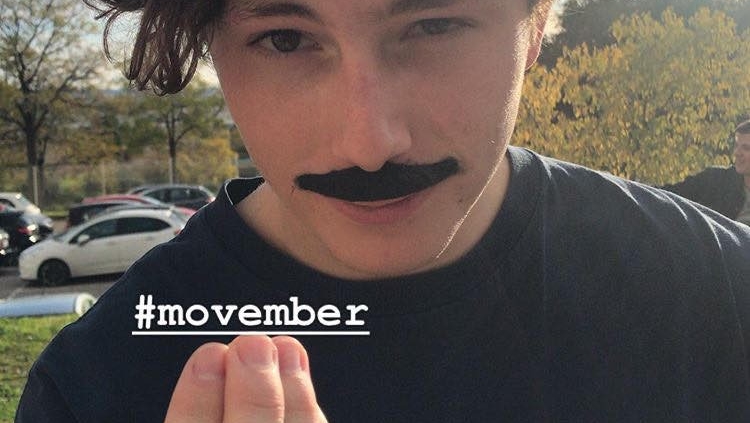
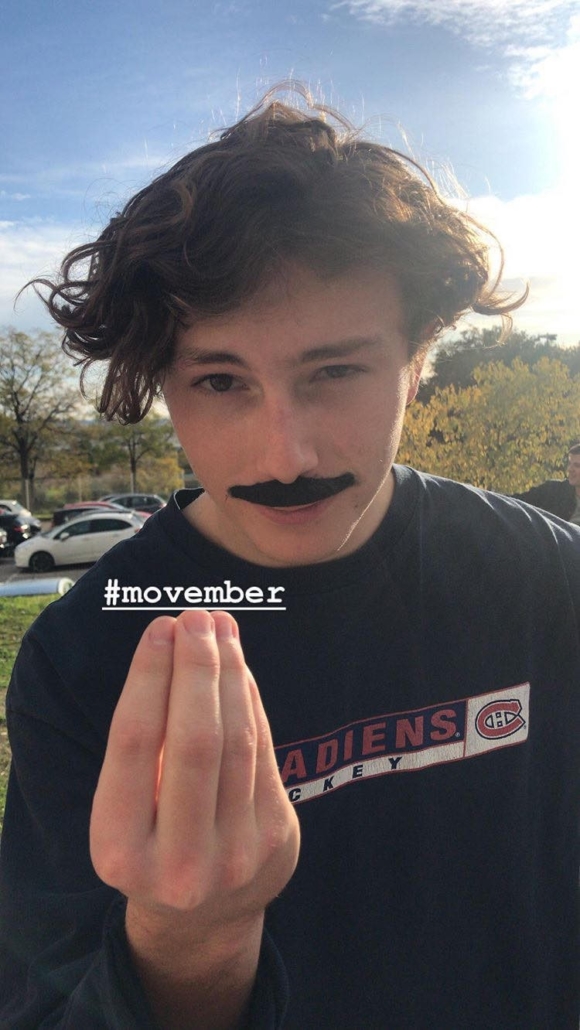
  • Movember to raise awareness about prostate cancer screening during the month of November. 
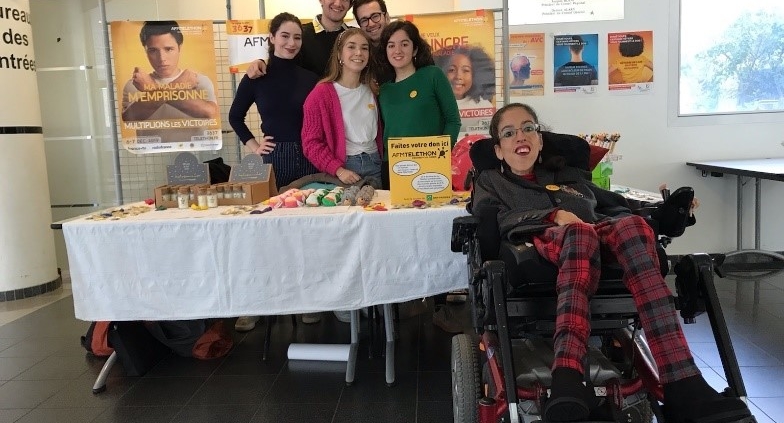
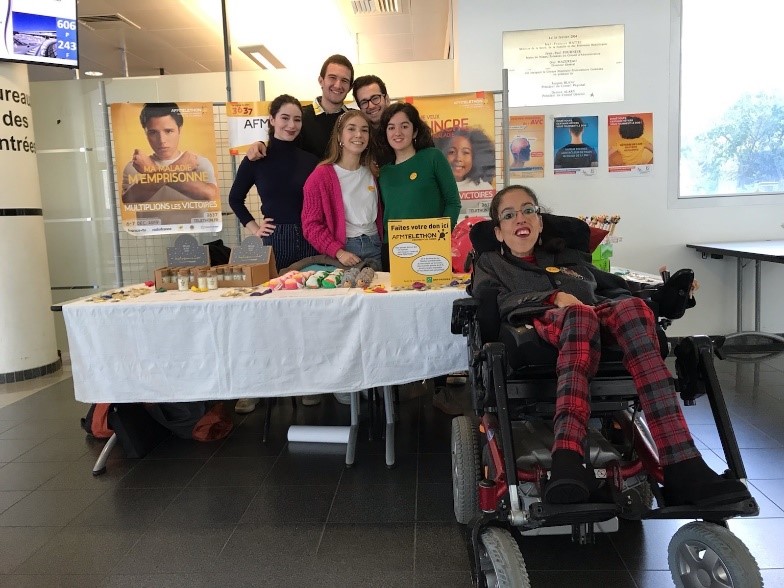
  • The Telethon, the CCC is running a booth in the lobby of the Nîmes University Hospital and raising funds for the foundation. 
  • Sexual health education and a rose sale on Valentine's Day, to raise awareness about various STIs and methods of contraception. 
  • Teddy Bear Hospital to help young children become familiar with the hospital environment. 
  • The Blind Dining Experience at Vatel with the French Federation of the Blind and Visually Impaired(FAAF) 

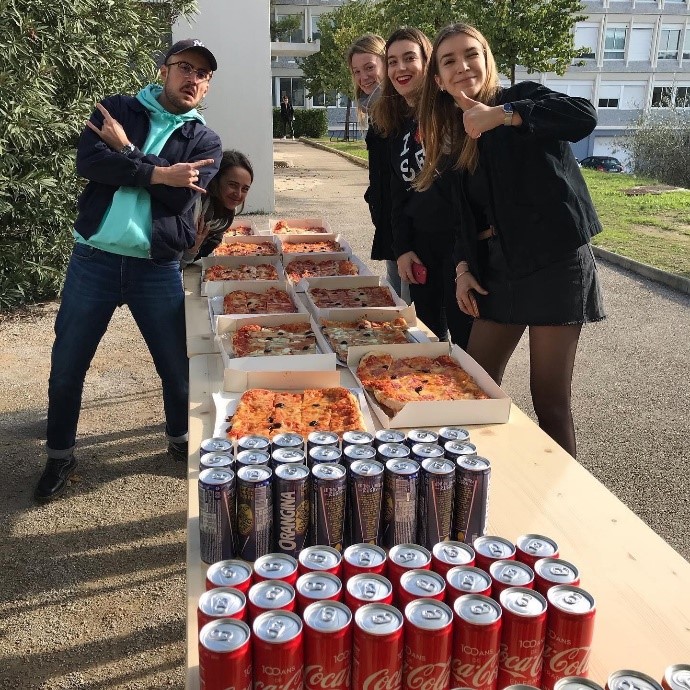
We support first-year PACES students by publishing and selling study guides, in consultation with university professors. We also support them throughout the year by organizing meals for them at the Carémeau campus, as well as by providing support after the first-semester exams. 

We organize many student social events, such as the annual gala in November and the post-PACES exam party in December. 

This year, we also organized the D4 mock exam in coordination with Lucas Dafontis and the ACM at the Montpellier campus.

Why did you personally choose to study medicine, and what does the association offer students in this program?

“Personally, I felt called to practice medicine while I was preparing for my PACES exam; I was 18 years old. It suddenly became clear to me that I wanted to help those who are suffering and vulnerable, and to preserve life in all its beauty. Medicine is a fascinating field; the studies are difficult, but I had never seen such a supportive, almost family-like spirit among those who would become my future colleagues.” CéliaP. 

“With a strong interest in the sciences and a desire to help others—though I wasn’t yet sure how—I first enrolled in a biology program at a university of applied sciences after graduating from high school. After earning my degree, I took the PACES exam with the goal of pursuing pharmacy, which is what I ended up doing. Then, in my fourth year, with a growing desire to be in direct contact with patients in the hospital and to make decisions regarding their care, I finally realized that medicine was the perfect fit for me. After a long personal and professional journey—and a transfer later—here I am in what I consider the most rewarding field of study. It’s long and difficult, but so engaging, satisfying, and enriching. Plus, there’s a great sense of camaraderie and some wonderful friendships.” LaureM. 

As for the association, it offers student members the opportunity to thrive through teamwork, develop new projects, and find fulfillment through their personal involvement. It also provides members with a setting outside the hospital where they can gather, share ideas, and socialize.

Why do you think someone should join your organization? 

Joining our association offers several benefits. First, students in PACES, DFGSM2, and DFGSM3 can purchase the lecture notes and handouts we offer to supplement their studying. Members also have the opportunity to participate in our student gatherings of any kind or to purchase the various merchandise and goodies we make available to them, such as the Faculty sweatshirt.

Finally, membership gives every student a voice at General Meetings.

How do I sign up?

Joining is very simple: just fill out a membership form with your name, address, email address, and phone number, and pay the fee of ten euros. 

You will then receive your membership card, which will allow you to purchase the courses you need at the student union office on the Nîmes campus. 

A few words about the 2020–2021 board?

Only one slate of candidates was submitted for the election of the Executive Board of the Carabins Crocodiles student association; it was presented and unanimously approved by the members present at the general meeting held to accept the resignation of the 2019–2020 Executive Board. Consequently, following the resignation of our Executive Board, the new representatives of the association are: 

Chairman: Alexandre CARRAT 

Treasurer: Arthur POMMIER 

Executive Vice President: Léhéna CACHIA 

Secretary: Ambrine BOUZIT 

Due to social distancing guidelines and in light of current health measures—with the faculty closed until further notice—this general meeting was held via Zoom. More than 40 people attended the meeting. 

Finally, you can now follow us on Facebook: @CCC.Corpo 

Contact us on Facebook via the account: Charles Claude Croco 

Find us on Instagram: @CharlesClaudeCroco


Physical activity isn’t just a way to lose weight. Exercise offers significant benefits from medical, social, and economic perspectives. It actually helps boost the immune system and promotes overall well-being: walking, running, or gardening activates metabolic processes—in other words, biological reactions—that take place within our bodies.

The benefits of exercise can be seen not only in one's physical appearance but also in one's mental health:

Physical health

Combating obesity and diabetes-related diseases

Strictly speaking, exercise alone cannot prevent obesity or being overweight. However, physical activity is often recommended as a complement to appropriate treatment to help patients achieve their goals.

In general, exercise helps regulate weight with the goal of achieving a more toned physique. Muscles can produce certain hormones, called myokines, which have metabolic effects on various organs at a distance. As Cédric Moro (research director at Inserm within the Institute of Metabolic and Cardiovascular Diseases in Toulouse) explains, “In an obese patient, muscle tissue contains some fat. Exercise burns this fat, and insulin then becomes more effective at supplying the muscle with glucose. This notably reduces the risk of developing type 2 diabetes.” 

The positive effects of exercise on weight issues or diabetes are only beneficial if done correctly. There are guidelines that must be followed to ensure effectiveness with minimal side effects. 

Cardiovascular diseases

When it comes to cardiovascular disease, the risk factors are well known: smoking, stress, high blood pressure… Regular physical activity improves and regulates the functioning of the cardiovascular system, thereby reducing cardiovascular risks:

  • Potential 50% reduction in high blood pressure
  • Increase in good cholesterol levels
  • Blood sugar control

We also know that below a certain VO₂ max threshold—the maximum amount of oxygen the body consumes during intense exercise—a patient with heart failure requires a transplant. Thibaut Guiraud, a physiology researcher at I2MC, explains that “With exercise, you improve your physical capacity and can move out of the ‘red zone,’ which is above 5 METs (equivalent to the ability to walk at 4–5 km/h for a few minutes).”

Regular physical activity helps strengthen the heart and thus prevent or delay cardiovascular problems.


Cancer

It’s no secret that physical activity can help with the recovery from certain cancers.

Cancer is the leading cause of death, ahead of cardiovascular disease: the number of cases has doubled over the past 30 years.

Exercising during treatment helps the body counteract certain negative side effects of treatment, such as fatigue. Provided, of course, that the exercise is moderate and tailored to the specific treatment. Béatrice Fervers, an oncologist at the Léon-Bérard Center, explains that “The sooner a patient begins physical activity after diagnosis, the better they are able to counteract side effects.”

In fact, physical activity alters body composition (reducing visceral fat and maintaining or even increasing muscle mass) as well as muscle strength. The potential effects of regular physical activity on the mechanisms involved in tumor proliferation can be explained: the best-documented effects pertain to breast cancer and involve glycemic regulation, increased insulin sensitivity, an anti-inflammatory effect, and hormonal regulation.

According to researchers at ISERM, physical activity may help reduce the risk of recurrence in breast and colon cancer.

Mental health

As we saw in the article on meditation, physical activity contributes to better mental health.

Exercise doesn’t just help people with health conditions. It also promotes well-being in those who engage in it, helping to reduce psychological risks.

Stress relief

Physical activity can help reduce stress. In fact, exercise triggers the body to release hormones called endorphins, which are known as “feel-good” hormones. As a result, anxiety levels are reduced after physical activity. 

Dr. Martine Duclos, an endocrinologist and head of the Sports Medicine Department at the Gabriel-Montpied and Estaing University Hospitals (Clermont-Ferrand), explains that exercise can help reduce the need for anti-anxiety medications; for example, “in anxious or stressed individuals, regular physical activity provides the same benefits as anti-anxiety medications, without the side effects or risk of dependency; it also has an effect similar to that of antidepressants in people suffering from mild to moderate depression.” Exercise also stimulates the release of neurotransmitters involved in depression when they are deficient, serotonin being the primary one.

Beyond its calming effect, exercise also allows us to take a break from our daily routine and forget the little worries that usually occupy our minds while we’re working out.

Sleep quality

It’s just a short step from reducing stress to improving sleep. 

Dr. Duclos notes that “exercise has two positive effects: you’ll have less trouble falling asleep, and athletes will wake up less often in the middle of the night.”

This is largely due to the regulation of blood pressure and the release of endorphins, which help us relax more effectively. As a result, exercise reduces stress, leading to physical fatigue rather than mental fatigue.

In addition, participating in sports requires people to be more organized and, as a result, to regulate their biological rhythm (also known as the circadian rhythm). This also involves eating better to improve performance. All of these factors play an important role in sleep quality.

“However, it’s important not to exercise too late in the day, because that will push back your bedtime,” Martine Duclos points out.

The Brain and Depression

Finally, exercise causes the brain to release dopamine. Dopamine is a neurotransmitter involved in the reward system.

Memory, cognition, mood: Physical exercise enhances mental performance and health.

A team led by Lisa Weinberg at the Georgia Institute of Technology (United States) conducted a study involving students who were asked to memorize 90 photos. The first group was asked to perform leg exercises while the other group remained seated. Two days later, the students were asked to identify as many images as possible from a set of 180: the group that exercised was able to identify 60%, 10% more than the control group.

Researcher Martine Duclos observed a “positive correlation between their physical fitness and the type of high school they attended (academic, vocational, agricultural).” According to Dr. Duclos, this can be explained by the fact that “muscle activity triggers the production of myokines, proteins that, through a complex mechanism, prompt the brain to produce growth factors, neurotrophins, and more specifically BDNF (brain-derived neurotrophic factor). It promotes the formation of microvessels (angiogenesis) and the production of new neurons (neurogenesis).”

Sports at the University – ASMM Association (Montpellier Medical Students' Association)

This sports club consists of 3–4 members dedicated to serving medical students who wish to engage in regular physical activity. With the aim of promoting sports, it provides them with sports facilities and equipment and organizes intercollegiate competitions.

Our projects:

  • Formation of a women's volleyball team;
  • Formation of a rugby team made up of medical and dental students;
  • Formation of a basketball team made up of medical, pharmacy, and dental students;
  • Organization of futsal, tennis, pétanque, and beach volleyball tournaments.

Office:

President: Mustapha MOUSTAFAOUI
Secretary: Maxime FOULQUIER
Treasurer: Youssef TRIGUI


Contact:


Institute of Biology
4 Boulevard Henri IV,
34965 Montpellier Cedex 2

Instagram


Sources: 
https://lejournal.cnrs.fr/articles/le-sport-est-bon-pour-la-sante-cest-prouve
https://www.naturaforce.com/blog/2017/06/03/bienfaits-du-sport-sur-la-sante/
https://www.sciencesetavenir.fr/sante/bouger-ameliorer-le-cerveau_29226

Stress and anxiety affect our cardiovascular system, which in turn leads to increased stress and anxiety. It’s a vicious cycle! However, non-pharmacological solutions do exist and are accessible to many people. Among them is meditation.

Meditation is known to have several positive effects on health.

Stimulates the brain

One of the unique aspects of mindfulness meditation is that it helps improve memory by fostering attention. This involves treating the mind as a muscle. Just like any other muscle, to strengthen it, you need to exercise it daily through mindfulness meditation.

This helps keep your attention focused on a specific idea and prevents your mind from wandering too much.

Did you know?

Mindfulness meditation, or mindfulness, involves focusing on one’s sensations, breathing, emotions, and thoughts without passing judgment. It was developed by Jon Kabat-Zinn, a professor of medicine at the University of Massachusetts. 

Studies conducted in the United States by neuroscientist Sara Lazar of Harvard Medical School have shown that meditation may increase gray matter in the areas of the brain associated with learning, memory, and emotional regulation.

This study also showed that meditation can be highly beneficial for people with attention disorders: it reduces hyperactivity and impulsivity, thereby improving attention.

Antidepressant 

Research has shown that among the other benefits of meditation is its ability to reduce stress and anxiety, and thus lower the risk of depression. How does it work? You focus on your breathing by simply becoming aware of your inhalation and exhalation. These techniques are easily accessible to everyone, even children.

Did you know?

Professor Tu-Anh Tran, a faculty member at the School, has posted four guided meditations* on her YouTube channel so that children and their families can practice them throughout the day to find inner peace and focus on their work.

Episode 1:

Episode 2:


Episode 3:


Episode 4:


This method increases respiratory movement, allowing for better oxygen diffusion throughout the body and, more specifically, in the brain. Finally, mindfulness meditation improves the functioning of the prefrontal cortex, which is responsible for managing emotions. It enhances intuition and creativity while reducing negative emotions such as stress, fear, and anger.

“Meditation balances the levels of activity in the two hemispheres of the brain. This balance promotes harmony between body and mind. Meditation is a valuable resource in an era that generates more and more psychosomatic imbalances” – Marc de Smedt, French publisher, writer, and journalist, specialist in meditation techniques and world wisdom.

Immune booster

Finally, meditation is also valued for its benefits as an immunity booster. 

In fact, mindfulness meditation affects pro-inflammatory genes, enabling the body to recover more easily after a stressful or anxious situation. 

The rest it provides is considered more effective and deeper than that achieved during sleep. The body produces fewer waste products thanks to increased oxygenation of the lungs, which in turn affects the hormonal, vascular, and muscular systems. This leads to a boost in immunity and a regulation of pain sensitivity.

Did you know?

The Montpellier-Nîmes Faculty of Medicine offers a University Diploma (DU) in Meditation and Health. 
Course Objectives:
To understand the principles and benefits of meditation and learn how to apply it to improve the health of healthcare providers and patients.
Skills acquired

  • Identifying what meditation is—and isn’t
  • Understand the physiological mechanisms of meditation and their health benefits Identify potential applications of meditation in healthcare settings
  • Continue or strengthen your own regular practice
  • Implement a project that incorporates meditation into your healthcare setting (for your patients or colleagues)

Studies using the“Mindfulness-Based Stress Reduction”(MBSR) protocol have shown positive effects on the reduction of pro-inflammatory genes, the immune response to the flu vaccine, immune signaling in people with cancer, and immune cell activity in HIV-positive patients.

Key Takeaways

During this unprecedented health crisis, it is important to find new ways to protect ourselves from the stress and anxiety caused by lockdown. Practicing meditation in a group, even remotely, helps break the feeling of social isolation and fosters a sense of belonging.

Meditation

  • Helps improve focus and boost memory
  • Helps manage stress and anxiety
  • May help the immune system develop


*These meditations are excerpted from her book *Méditasoins: Short Meditations for Children’s Major Ailments*, published by Thierry Souccar.
*Journal of Behavioral and Cognitive Therapy (2010) 20, 11–15 – Impact of the Mindfulness-Based Stress Reduction ( MBSR) therapeutic approach on mental health (stress, anxiety, depression) among students – C.Berghmans∗, C. Tarquinio, M. Kretsch


The Healthcare Professional:

We would like to thank Professor Tran for his assistance in the preparation of this article.

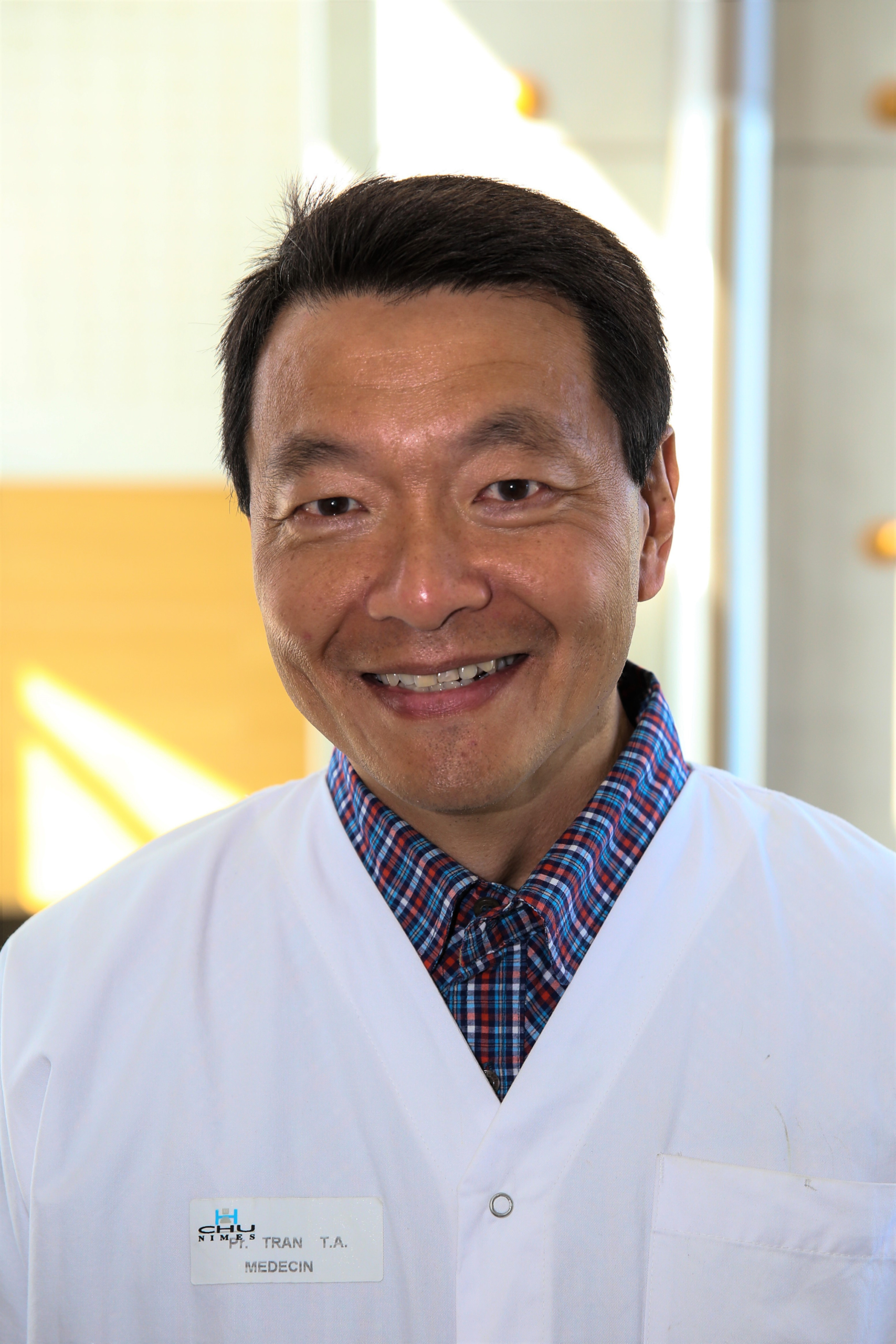
Tu-Anh Tran

Tu-Anh Tran

Professor, Head of the Pediatrics Department at Nîmes University Hospital

Professor Tu-Anh TRAN is a pediatrician specializing in inflammatory and rheumatic diseases in children, and head of the pediatrics department at the Nîmes University Hospital. A meditation practitioner himself, he was instrumental in creating one of the first university-level meditation programs in France, at the Montpellier-Nîmes School of Medicine: “Meditation and Health.” Professor Tran has been using meditation to treat his young patients for over 10 years.


Maieutics MOOC

The education of our students is of paramount importance to the Faculty, which is why we are providing you with three educational platforms designed specifically for students in the Midwifery program, though they may also be of interest to students in the Medicine program.

Formagyn

This platform offers the educational content from the University of Brest’s University Diploma (DU) program in “Gynecological Care for Prevention, Sexuality, and Family Planning” and is free for all students from March 17 to June 17. The rich and well-developed content focuses primarily on gynecological care and emergencies, contraception, and many other topics.

Digital Education in Healthcare

This platform brings together several MOOCs (Massive Open Online Courses): online courses open to everyone, typically consisting of instructional videos and multiple-choice quizzes. Digital Health Education focuses on women’s and children’s health, covering topics such as violence against women and children, breastfeeding, contraception, menopause, and more.

Addressing Violence

At present, this platform offers only two MOOCs; the first, which focuses on victimology, was developed in collaboration with Gynécologie sans frontière. The second MOOC available on the platform, meanwhile, addresses male dominance.

This series of workshops will therefore allow some participants to gain additional knowledge directly related to their coursework, while others will benefit from supplementary information that will always be useful for their future careers.


We would like to thank Romain PONS, a student in the midwifery program and member of the Academic Council, for his assistance in writing this article.


Library article

A platform featuring scientific videos focused on health and biology is available to students with unlimited access through April 30.

A video platform for research and teaching

JoVE is a publisher of scientific articles in video format. The articles are peer-reviewed, meaning they are reviewed and approved by scientists before publication. They are indexed in PubMed and Medline, and feature experiments and protocols filmed at the world’s most prestigious universities and leading research laboratories.

To watch the videos

Simply log in to the University's digital campus portal => Click on the "Libraries" tile => Enter "JOVE" in the search bar

Your feedback will help us assess the value of this resource for the University. Please feel free to share your thoughts by emailing scd-docelec@umontpellier.fr

During the COVID-19 pandemic, some training courses are continuing as usual, while others have been suspended.

Find out here, based on your profile, what steps have been taken and who to contact! 

Medical students

The DFGSM 2 & 3 clinical rotations have been canceled (including the clinical rotations in semiology, the medical support unit, and the MIA and MIC rotations).

For more information: med-scol-1-2@umontpellier.fr 


Students in other programs

Are you a student in the midwifery program, a paramedical program (speech therapy, orthoptics), or a master’s program? Here are the guidelines for your internships.

Internships in the 4th and 5th years will proceed as scheduled. Students will receive instructions regarding their placements directly via email.

If your internship has been suspended: #StayHome

In any case, regardless of your field of study, if your internship has been temporarily or permanently suspended, we ask that you follow the government’s guidelines and #StayHome. 


Staying home will help support our healthcare workers by limiting the number of infections—and thus the number of patients in hospital wards. We are counting on your cooperation to limit the impact of this epidemic. Protect yourself and your loved ones, stay home, practice preventive measures, observe social distancing guidelines, and go out only when necessary. 


You can also join the civic reserve to contribute to the collective effort:

Finally, the Faculty will be there for you throughout this period—providing important updates, fostering a sense of community, suggesting activities, and offering help with your studies. Don’t forget to follow us on social media: @FacultemedMPL on Twitter and @FacMedecineMtpNîmes on Facebook! 


C3 Certification Exam

The Certificate of Clinical Competence, known as "C3" or "C-cube," is an exam designed to assess students on the skills they have acquired through clinical rotations and simulation-based training.

What is C3?

Our students receive a comprehensive education designed to help them acquire knowledge and skills. To validate the acquisition of the skills necessary for the future medical profession, the Montpellier-Nîmes Faculty of Medicine has established the C3. This exam assesses the skills that fifth- and sixth-year medical students (DFASM 2 and 3) have acquired during clinical rotations and in simulation labs.

How are students evaluated?

C3 Simulation

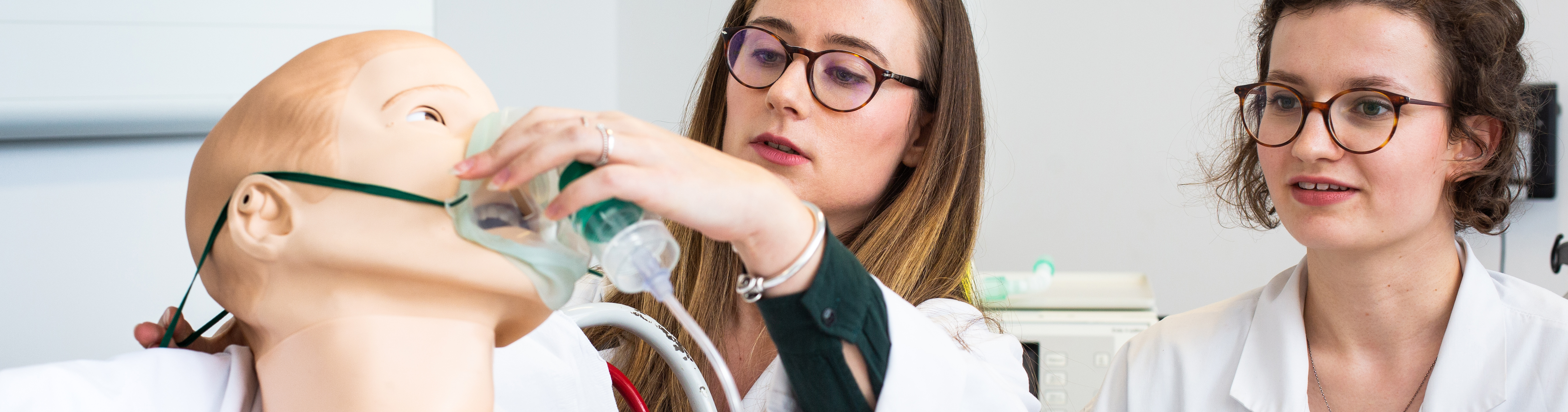
During this assessment, students are evaluated on their ability to provide an accurate diagnosis, their clinical techniques, and theircommunication skillswith patients. Delivering news of a serious illness or examining an infant requires specific knowledge and precise procedures. The C3 allows for the observation of all these aspects using high-fidelity simulation manikins, examiners playing the role of patients, and even with the collaboration of practicing nurses.

In addition to serving as an assessment for students, this exam is also a means of learning and improving. Rather than answering questions on paper, students have the opportunity to discuss and debrief with the examiners. This feedback gives them a clear picture of their skill level, strengths, and weaknesses, with the goal of continuous improvement. The School of Medicine is the only school to have implemented both a mock exam and a certification exam.

How does it work? 

This exam places significant demands on the Faculty of Medicine in terms of both material and human resources. On the one hand, the facilities must be specially adapted to accommodate the exam, both on the Montpellier campus and the Nîmes campus. On the other hand, a large number of supervisors and examiners are needed to ensure that the exam runs smoothly.

Some medical schools that need to implement this innovative type of exam as part of the reform ofgraduate medical education have already visited us to observe how we operate. This type of exam has also been implemented in Toulouse, and the rollout of the C3 at the Montpellier-Nîmes medical school is being carried out with a view to standardizing the system across the Occitanie region.

To get a clear idea of how the C3 works, watch the video below.

2020 Agnes McLaren Thesis Award

For the very first time, the Agnes McLaren Association is organizing a medical award worth €4,000! Applications are open to students at the Montpellier-Nîmes Faculty of Medicine who will defend their clinical thesis in 2020 or 2021, as well as those who defended theirs in 2019. See below for registration details and the eligibility criteria for your thesis.
 

Download the press release dated August 30, 2021

An award sponsored by the Agnes McLaren Association, recognizing a dissertation that focuses on women’s or children’s health.

The Agnes McLaren Association, founded in 2018, works to preserve the memory ofAgnes McLaren, a Scottish woman who became the first female doctor to graduate from the Faculty of Medicine in Montpellier in 1878. It is in honor of this physician, who dedicated her life to caring for the most disadvantaged women or those excluded from society, that the association wishes to award a thesis prize for the first time.

Thus, in 2021, the association is launching the Agnes McLaren Thesis Prize. This prize recognizes an original thesis focusing on the health of women in precarious or vulnerable situations, or on the health of children exposed to precariousness and/or vulnerable situations. The prize, worth €4,000, will be awarded in November 2021 following a preliminary selection by a committee and review by a jury composed of healthcare professionals.


Eligibility Criteria

To be eligible for this thesis award, candidates must meet several eligibility criteria:


  • Open to our students

    Criterion 1: Be a student at the Montpellier-Nîmes School of Medicine

  • 2019–2020–2021

    Criterion 2: Defend your thesis in 2019, 2020, or 2021

  • Thesis topic

    Criterion 3: Support a dissertation whose topic addresses the health of the most disadvantaged or even marginalized women, or the health of children exposed to precariousness and/or situations of vulnerability

  • Post-doctoral project

    Criterion 4: Thesis leading to an operational project

What are the steps to enter the contest?

The first edition of the McLaren Thesis Award will take place in five phases, as follows:

  • by Nov. 15, 2020

  • Pre-selection phase

    Preliminary screening of the theses received by the preliminary screening committee. Five theses were shortlisted.

    Dec. 2020

  • Dec. 27, 2020

    Selection Notice

    Notification of selection sent to the five shortlisted candidates.

  • Final selection phase

    Review of the five theses shortlisted by the jury. Candidates must submit their theses and post-thesis work by January 24, 2021.

    Jan–Feb 2021

  • Sept. 2021

    Award Ceremony

    Presentation of the Agnes McLaren Award at the official ceremony.


We hope many of you will enter the competition for this award! So get writing, and good luck on your theses!