

The start of the school year is often a time for reflection and renewal. It’s a time when many people think about their future prospects—the perfect opportunity to explore continuing education options! To mark this occasion, we’d like to introduce you to one of our 198 university diplomas (DU) and inter-university diplomas (DIU): the DU in “From Normal Cells to Tumor Cells.” To do so, we sat down with the two co-directors of this program, Ms. Szablewski and Mr. Ramirez. Here’s the interview.
VS: I am Dr. Vanessa Szablewski, MCU-PH in Pathological Anatomy and Cytology at the Montpellier University Hospital. I specialize in hematopathology and ENT pathology. For my research, I am affiliated withINSERM UMR 1058, “Pathogenesis and Control of Chronic and Emerging Infections.” My research focuses on the role of human papillomaviruses (HPVs) in cancers of the head and neck region.
JMR: I have held a Ph.D. in Biological Sciences for Health since 2005. After completing my dissertation, I conducted several postdoctoral fellowships abroad—in Washington, D.C., in the United States; at the Geneva University Hospital in Switzerland; and at the CIC (Centro de Investigación contra el Cáncer) in Spain—before finally returning to France to join the IRMB in Montpellier. In 2015, I was hired as an associate professor at the Montpellier-Nîmes Faculty of Medicine in Professor Thierry Lavabre-Bertrand’s department, where I teach histology and cell biology. In 2019, Vanessa and I created the first website featuring virtual slides that combines three disciplines: anatomy, pathological anatomy, and histology.
JMR: Histology and pathological anatomy are two closely related disciplines; it seemed to me that it is essential for a researcher in the field of health to be familiar not only with histology (the study of tissues) but also with pathological tissues.
VS: This program is intended for all researchers working in the field of oncology, as well as those who wish to learn about human tissues and the diseases associated with them. It is also intended for physicians who wish to pursue a career in research or for oncologists who wish to acquire a solid foundation in scientific oncology. The program spans one academic year, but classes are held between February and June. The curriculum includes 52 hours of instruction, divided into 6 modules.
JMR: The primary benefits are, first and foremost, the acquisition of new fundamental skills that will better equip future physicians or researchers in the field of oncology to perform their duties. Second, for all future physicians, the ability to better interpret medical findings provided by a physician specializing in pathological anatomy.

In 2020, Dr. Valentin FAVIER, in collaboration with Dr. Antoine Debourdeau, once again participated in the MUSE call for proposals, which aims to support the pedagogical transformation of educational programs. He was selected as a winner for his project titled “Application for Monitoring Learning and the Performance of Technical Procedures in Medicine.”
The quality of medical education is a public health issue that is essential to provide the population as effectively as possible for years to come. Medical competence takes a long time to acquire, during which students must master both theoretical and technical skills. Medical residents must learn the skills and procedures that will form the foundation of their medical practice over the course of their 4- to 6-year residency. Their theoretical knowledge is frequently assessed through written exams.
Currently, medical residents complete their clinical rotations according to a predefined educational curriculum, divided into semesters, and earn their specialty degree upon completion of their program by defending a thesis.
Nevertheless, during their residency, medical students work full-time at the hospital, and their on-campus training at the university is reduced to just a few days a year.
However, the medical curriculum does not take into account the technical skills of medical residents, and there are few tools available to track their acquisition and monitor the learner’s progress throughout their rotations.
It was in this context that Drs. Favier and Debourdeau decided to develop an app to track the progress of healthcare students in terms of their technical skills.

SPART-App is a project that aims to provide medical residents, their supervisors, and the educational coordinator with a mobile app to track every procedure performed throughout their residency (e-logbook). This pilot project covers the specialties of anesthesiology and critical care, gastroenterology, otolaryngology, and oral and maxillofacial surgery. Its objectives are as follows:
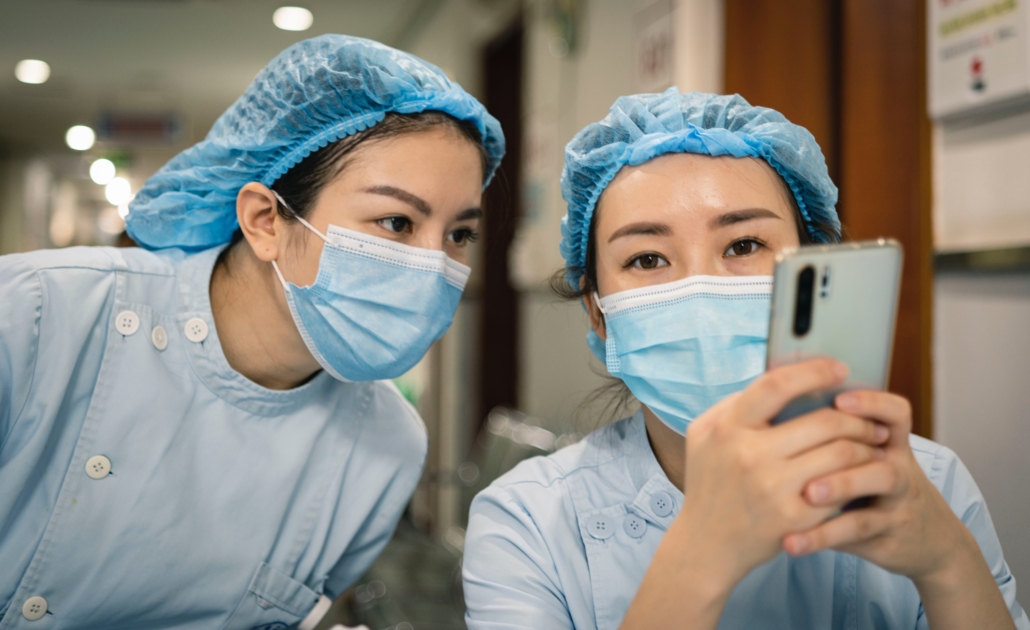
The digitalformat, via an app that can operate offline, eliminates the need for procedure logs that aren’t updated regularly. The resident can evaluate their procedure immediately after performing it, right on their smartphone.
Each resident will have access to a student account specific to their specialty. In this account, the resident can record every procedure performed over time, providing details on the procedure itself, whether it was successful or unsuccessful, and any difficulties encountered. Using the data entered into the application, residents can track their learning curve.
The supervisor of the procedure performed may, if they wish, approve the intern’s assessment of the procedure and use it as a basis for a technical debriefing . The instructor will have access to the data for each of the interns they supervise. This will allow the head of education (department head) to ensure that each intern performs a sufficient number of procedures and to identify interns who are struggling so they can provide them with additional support.
Through this project, Dr. Favier hopes to advance the teaching of technical skills and generate short-, medium-, and long-term impacts.
Currently, the project led by Drs. Favier and Debourdeau is moving forward and is expected to be launched soon.

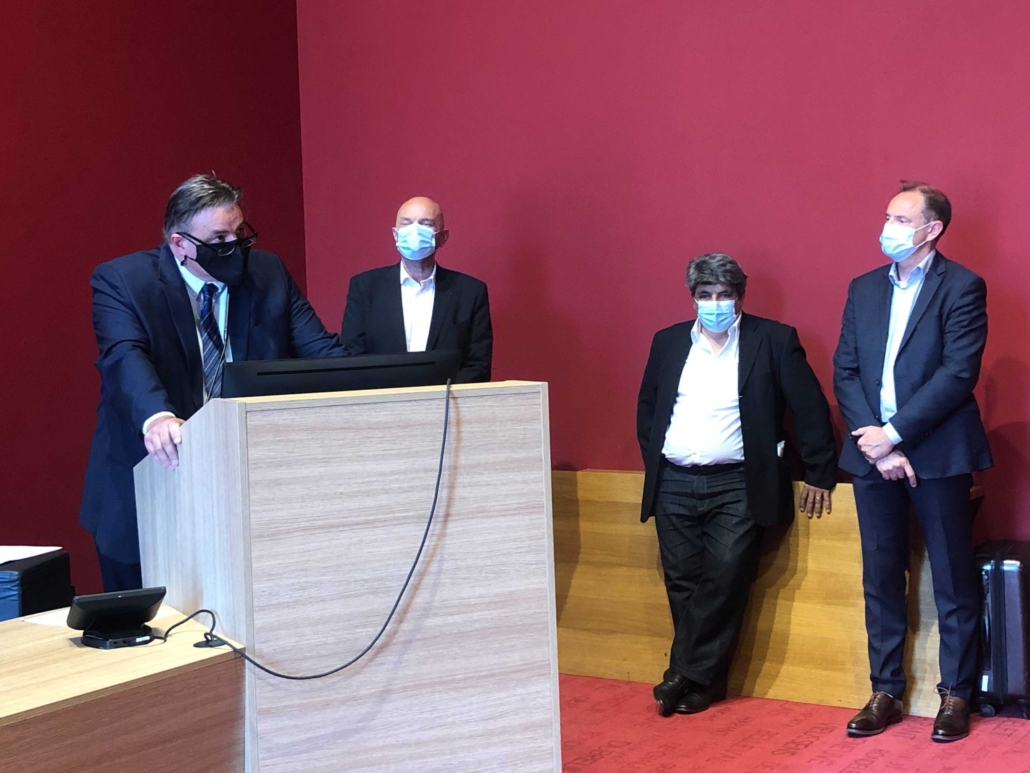
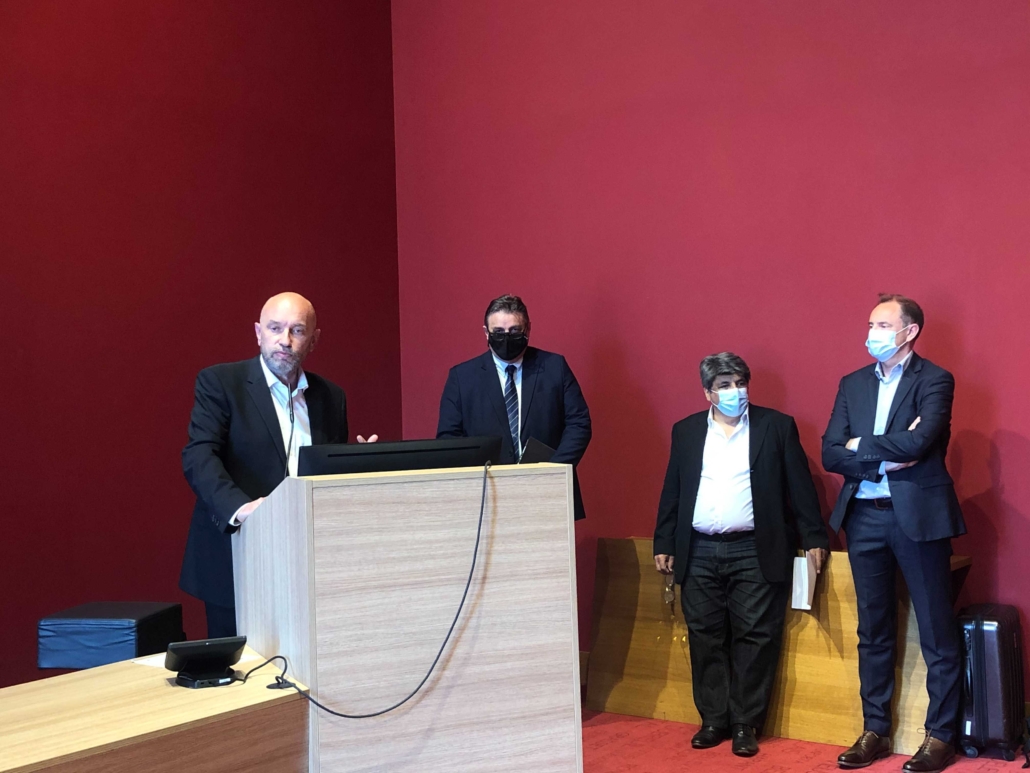
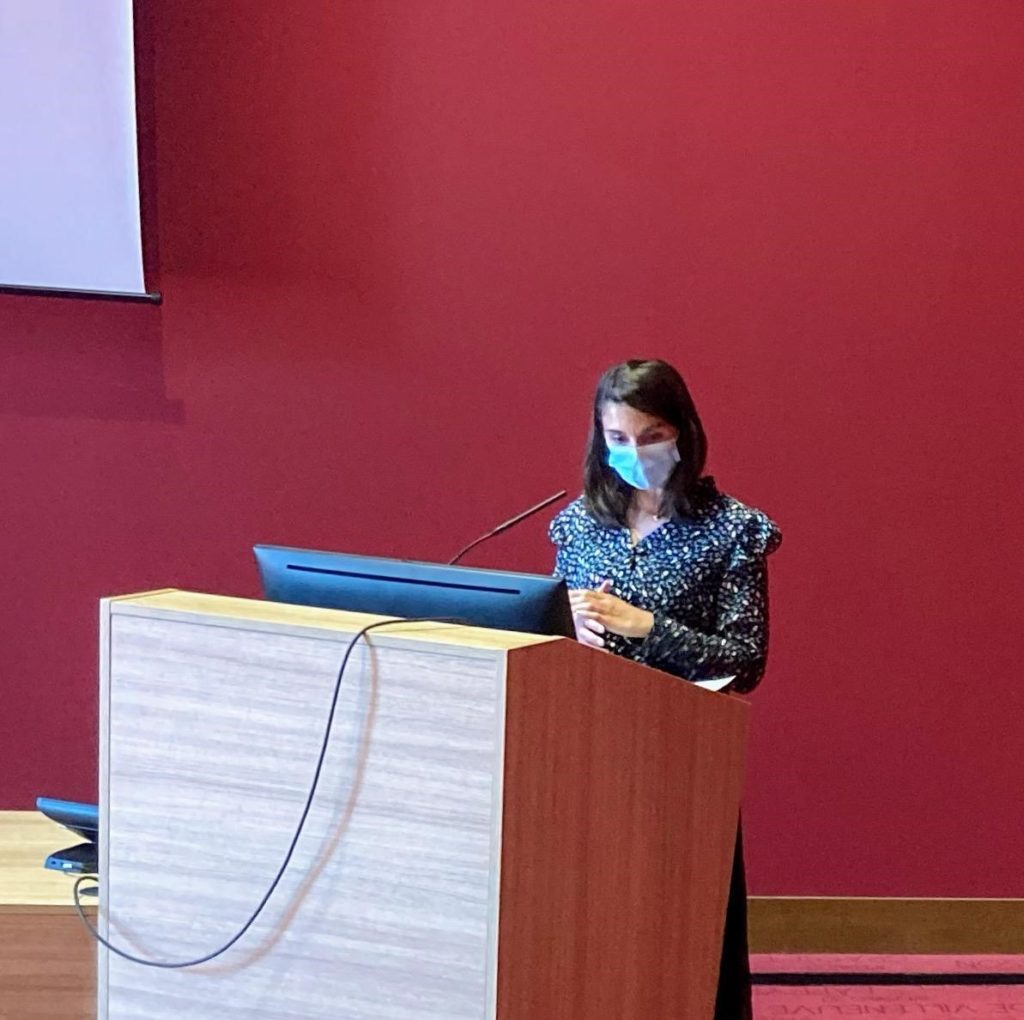
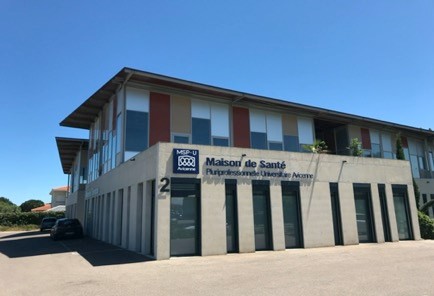
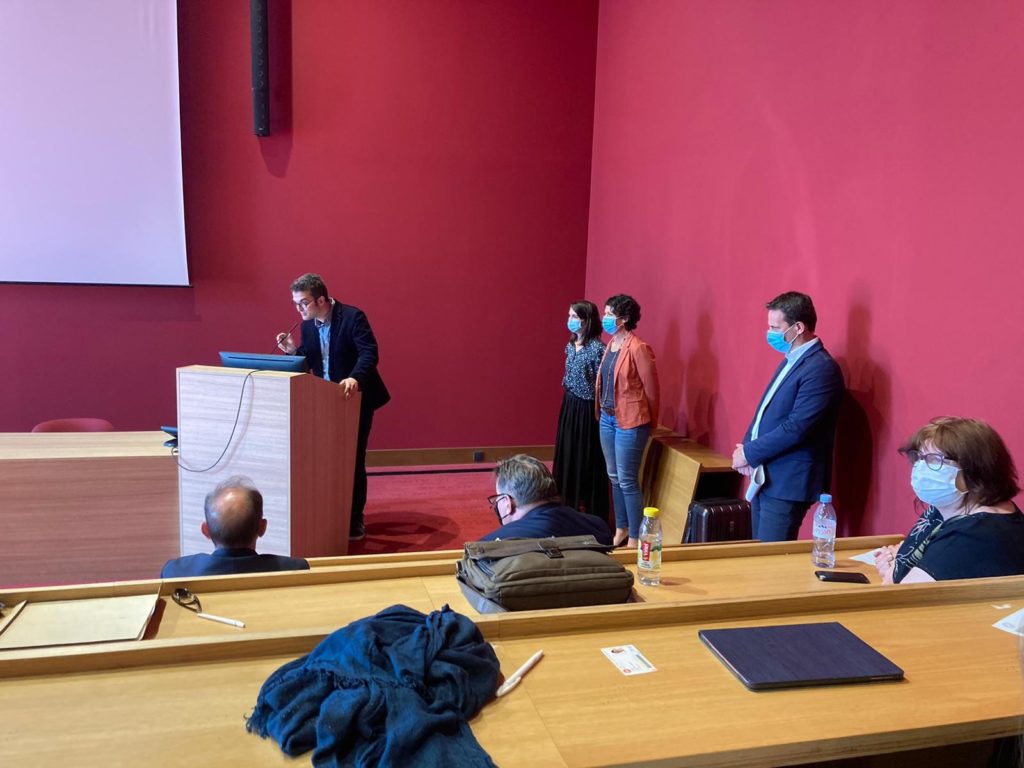
"The Avicenne Multidisciplinary University Health Center (MSPU) was inaugurated in Cabestany, near Perpignan, in 2018. In June 2021, two additional MSPUs were added to this regional network. To mark this opening, a formal ceremony was held on Thursday, May 27 to review the Cabestany MSPU and present the plans for the two new MSPUs.”
A Multidisciplinary Health Center is a multiprofessional health center that has entered into an agreement with the Regional Health Agency (ARS) and a university with a medical program to promote training and research in primary care.
This MSPU, led by Dr. Mark OUDE ENGBERIK and comprising some 30 healthcare professionals from various fields, has carried out several projects over the past five years. Two major projects were discussed at this conference:
In terms of academic programs, this MSPU has 16 clinical instructors in various fields of health care and accepts 6 to 10 interns per year.
Following the success of the projects carried out by the Avicenne MSPU, two other centers were opened in the region to meet local needs in this area.
A joint project is taking shape around these three MSPUs: to build a research network and make the service accessible to local residents.
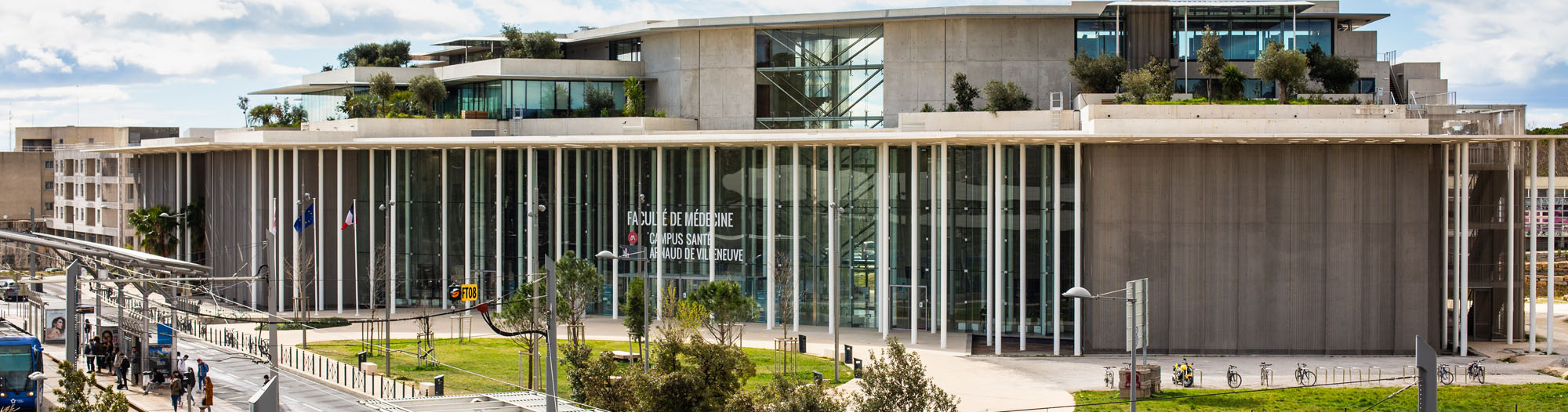
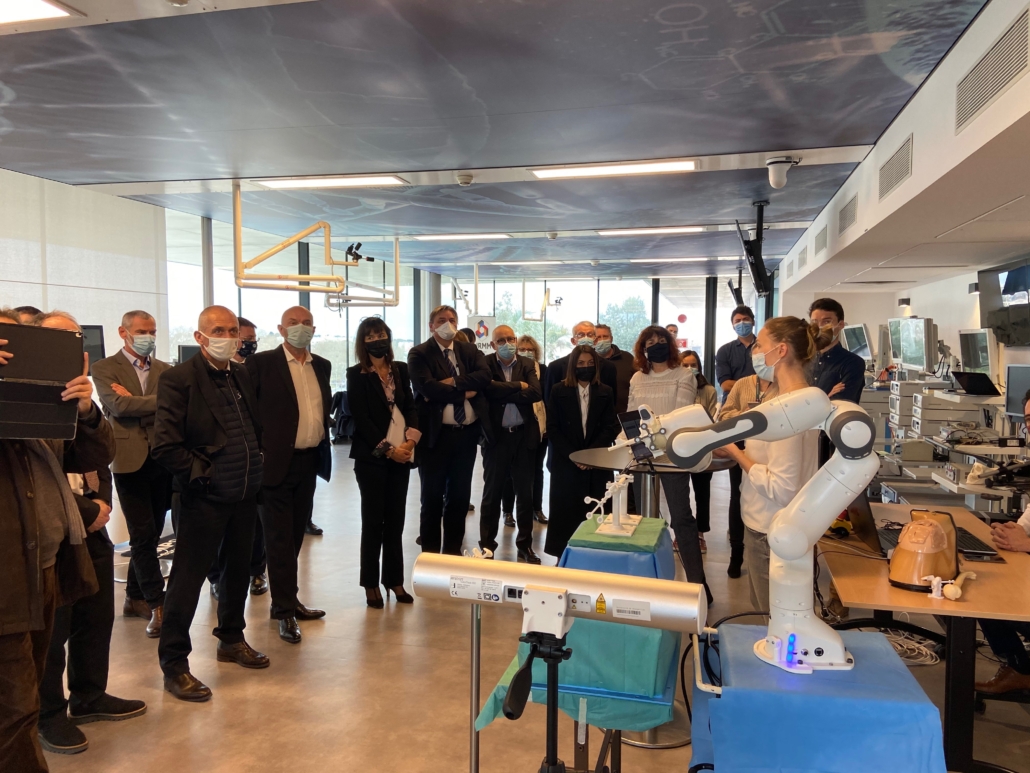
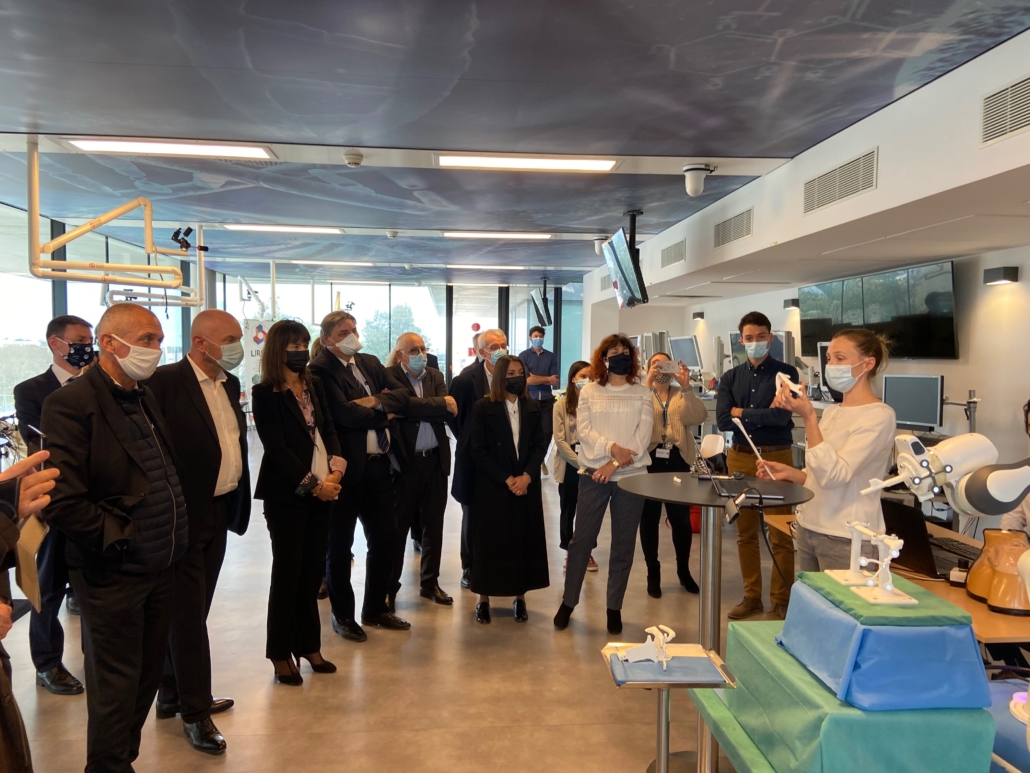
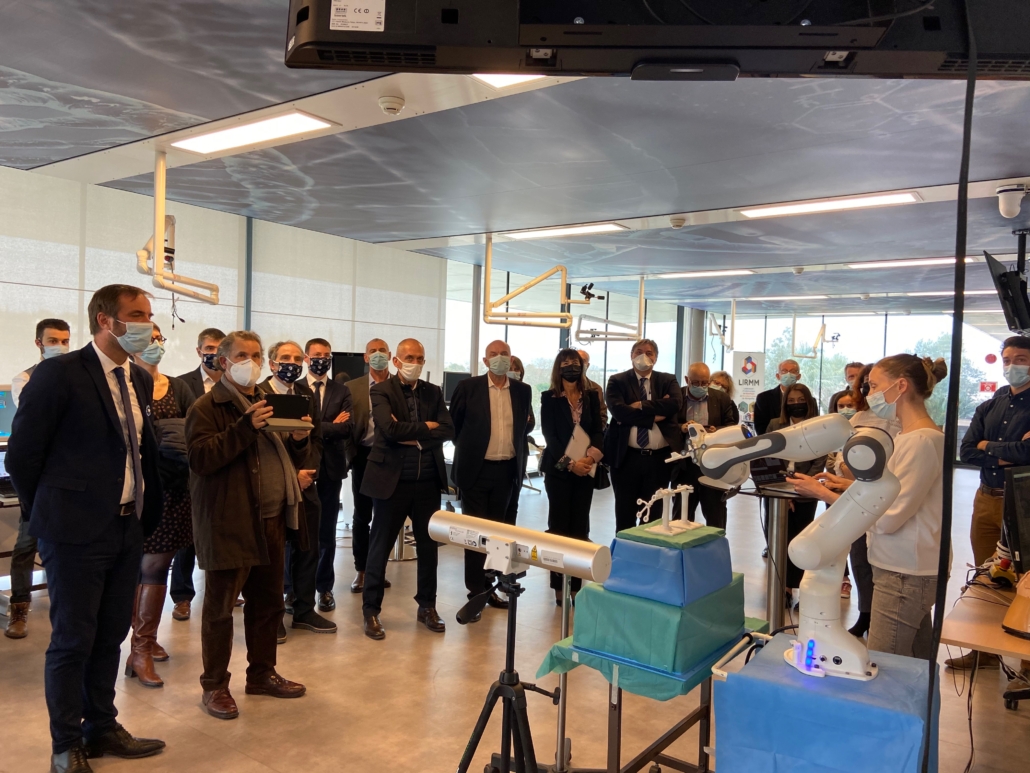
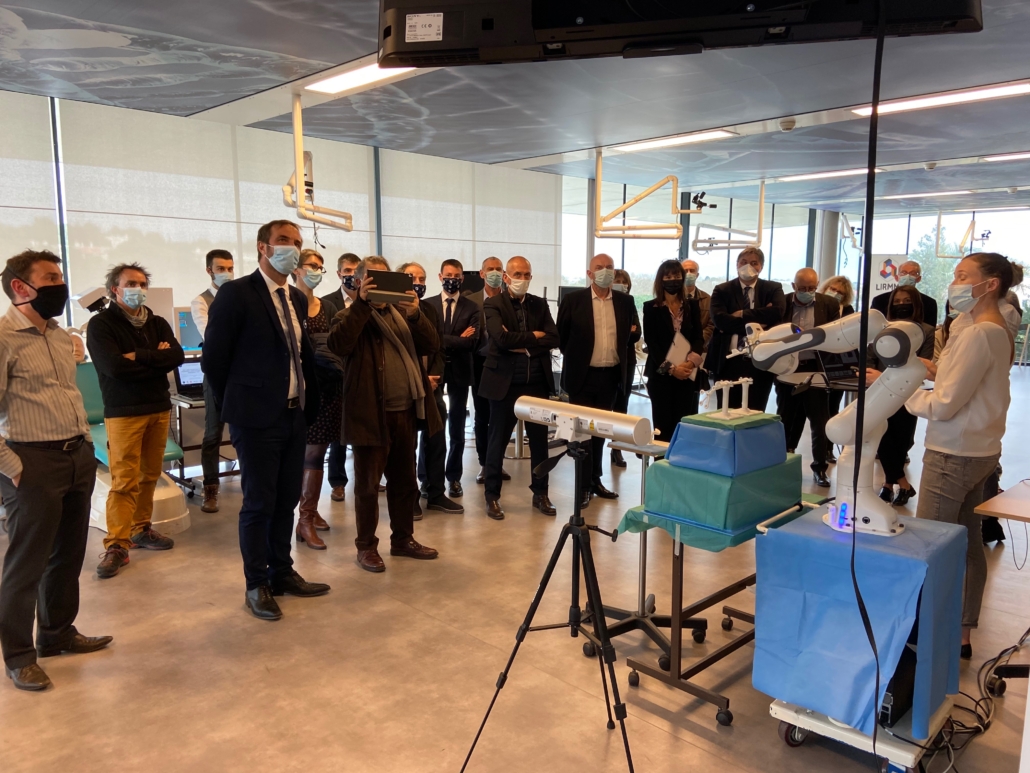
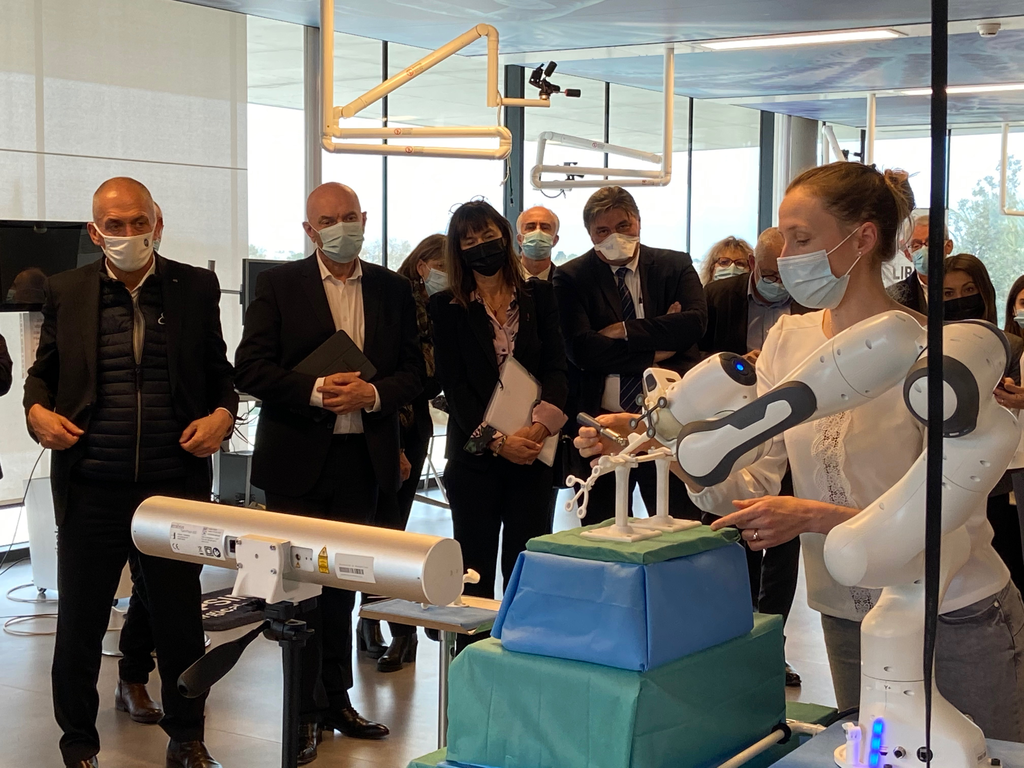
On Friday, March 19, 2021, we were pleased to welcome Antoine Petit, CEO of the CNRS (National Center for Scientific Research), to the Arnaud de Villeneuve campus for the signing of a partnership agreement with the University of Montpellier. We also welcomed Philippe Poignet, director of the LIRMM (Montpellier Laboratory of Computer Science, Robotics, and Microelectronics), who presented the surgical robotics projects being conducted at the Faculty of Medicine.
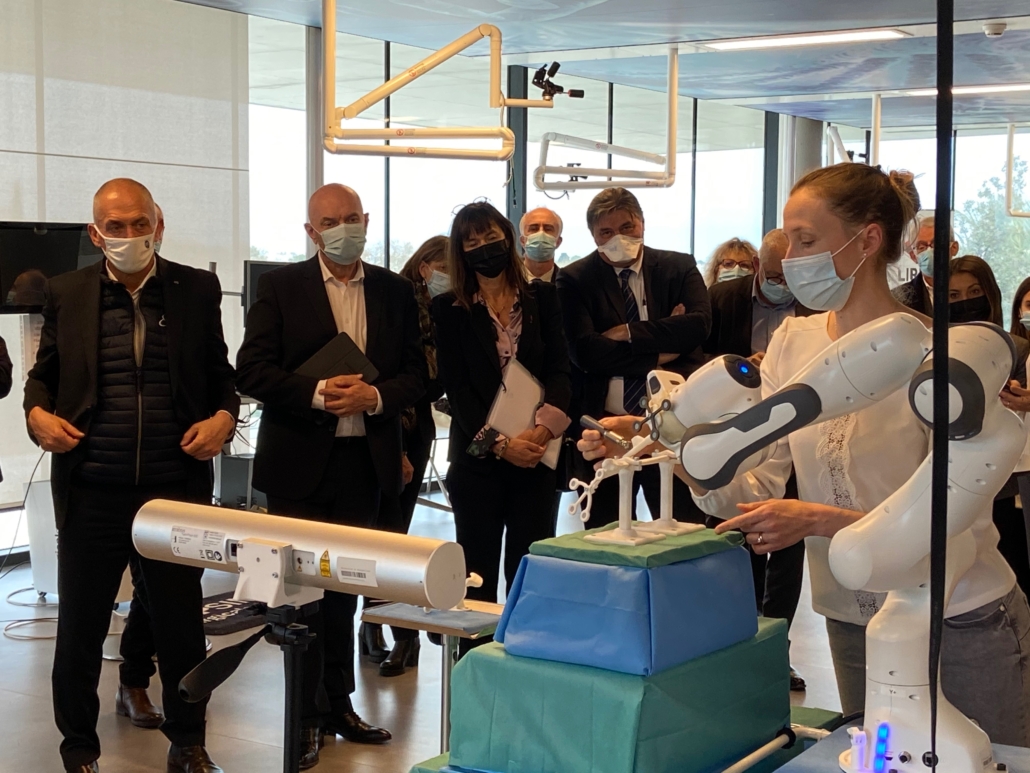
During this event, we were visited by Philippe Poignet, director of the Montpellier Laboratory of Computer Science, Robotics, and Microelectronics. He took this opportunity to present the surgical robotics projects being conducted by the School of Medicine at the Arnaud de Villeneuve campus. These projects are led by a team at the LIRMM called DEXTER, whose goal is to design, build, and control high-performance robots capable of performing fine, rapid, and/or precise movements.
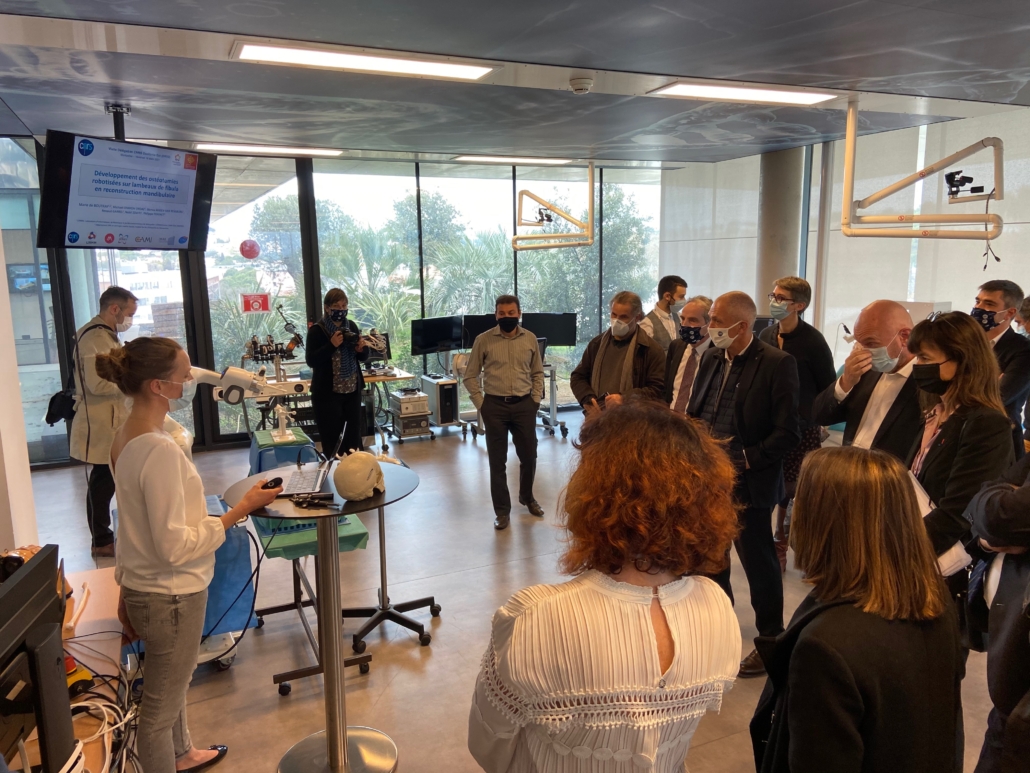
Project leaders: Dr. Marie de Boutray (Assistant Professor, Maxillofacial Surgery and Stomatology at Montpellier University Hospital and associate researcher in the LIRMM surgical robotics team), Dr. Nabil Zemiti (Associate Professor at the University of Montpellier), and Prof. Philippe Poignet (Full Professor at the University of Montpellier) of the LIRMM surgical robotics team.
Funding: Fondation des Gueules Cassées, Labex CAMI, Labex Numev.
Project Description: Currently, when faced with mandibular bone loss, the gold standard is to perform autologous bone reconstruction using a free fibula flap (fibular bone graft) revascularized via the cervical vessels. The main challenge of this surgery lies in reshaping the long, straight fibular bone into an angled flap in all three spatial planes to match the shape of the mandible to be reconstructed. Currently, tools exist to help the surgical team optimally achieve this 3D reshaping, such as custom-made cutting guides and plates or 3D-printed models. However, these techniques remain very costly and extremely time-consuming, which limits their use in daily practice. The project team therefore sought to improve this fibular reshaping by using a collaborative robot to guide the surgical procedure. To this end, they developed a robot-assisted fibular reshaping technique coupled with virtual modeling of the osteotomies. This project is currently undergoing preclinical validation on cadaveric models at the Montpellier Faculty of Medicine.
Project leaders: Dr. Pierre-Emmanuel Chammas (Orthopedic Surgery, Montpellier University Hospital), Dr. Nabil Zemiti (Assistant Professor at the University of Montpellier), and Prof. Philippe Poignet (Full Professor at the University of Montpellier) from the LIRMM surgical robotics team.
Project Description: The significantaging of Western populations is leading to an increase in the incidence of osteoporosis-related fractures as well as osteoarthritic conditions. Joint replacement surgery is a common treatment for these conditions affecting the shoulder (in 2010, 10,831 procedures were performed in France). The medical and economic stakes are high, given the need to operate on more patients with ever-greater safety, precision, and speed.
These conditions are necessary to ensure a return to the patient’s previous quality of life as quickly as possible and to maintain the patient’s independence, which is directly correlated with life expectancy in older adults.
Optimal positioning of joint prostheses is one of the most important factors in achieving the best postoperative functional outcome, minimizing complications, and extending the prosthesis’s lifespan by reducing the risk of wear in the medium and long term.
In this context—and more specifically in total shoulder arthroplasty—proper positioning of the glenoid implant is one of the key factors determining functional outcome and implant longevity. It depends on the initial positioning of a guide pin. Conventional instrumentation is characterized by significant variability in positioning, even when used by expert clinicians. Computer-assisted surgery solutions allow for precise and reproducible positioning, albeit with certain limitations. The project leaders proposed implementing robotic assistance to achieve precise and reproducible positioning of the glenoid pin compared to the use of conventional instrumentation. In a preclinical study conducted at the Montpellier School of Medicine, they demonstrated that this solution allows for more precise and reproducible angular positioning of the glenoid pin, regardless of the surgeon’s level of expertise.
Project leaders: Dr. Fréderic Venail (Full Professor and Physician-Researcher in ENT Surgery at the Montpellier University Hospital) and Dr. Nabil Zemiti (Associate Professor at the University of Montpellier), Prof. Philippe Poignet (Full Professor at the University of Montpellier), and Lucas Lavenir (Ph.D. student at the University of Montpellier) from the LIRMM’s surgical robotics team.
Funding: Agir pour l’audition Foundation, Labex CAMI, Occitanie Region.
Project Description: Cochlear implants are the first functional neuroprostheses to have been developed for humans. They restore hearing in individuals with severe to profound hearing loss. Implantation of these devices requires the insertion of an electrode array into the cochlea, thereby enabling electrical stimulation of the tips of the auditory nerve fibers.
Today, the insertion of this electrode array is a critical step in the surgical procedure because it requires advancing this network of electrodes, each 1 mm in diameter, through a small opening (~2 mm) in the cochlea (round window). This insertion is performed in the clinic manually, “blindly,” and without the ability to monitor or correct the trajectory inside the cochlea.
The lack of visual control and the limited maneuverability of the electrode array are responsible for much of the damage to cochlear structures and the resulting loss of residual hearing. This risk prevents the implantation of cochlear implants in individuals with milder hearing loss.
To address these issues, the project leaders are currently working (as part of Lucas Lavenir’s thesis) on the development of navigation software to guide surgical procedures for the implantation of auditory neuroprostheses using a specialized ultrasound probe….
This probe is mounted on Collin Medical’s RobOtol system, which enables automatic monitoring of the insertion motion and electrode guidance.
The successful completion of this project will pave the way for safer therapeutic interventions for inner ear disorders, such as the in situ administration of drugs or gene therapy, which cannot be performed safely with the tools currently available to ENT surgeons.
The CNRS andthe University of Montpellier are renewing their partnership for a second five-year term. This agreement, which brings together the CNRS, the University of Montpellier, Paul Valéry University, the National School of Chemistry of Montpellier, and the Occitanie Academic Region, aims to define the elements of a shared scientific policy, implemented through the management of joint research units and their operational implementation, by formalizing fundamental agreements on their management and operation.
To ensure the partnership is monitored at both the strategic and operational levels, the agreement provides for the establishment of a steering and monitoring committee. The signatories commit to sharing progress reports on a regular basis. The terms of this agreement were defined following negotiations guided by the goal of achieving balance and taking into account the specific characteristics of the shared units.
We would like to thank Nabil Zemiti, the lead researcher on the three surgical robotics projects, for his invaluable assistance in writing this article.

The MUSE (“Montpellier University of Excellence”) project brings together 19 institutions committed to educational progress and innovation. Today, several projects led by members of the Faculty have been selected and will receive funding from the foundation.
The MUSE Foundation has launched a call for proposals to promote educational innovation, particularly in the transformation and creation of new training programs. The goal is simple: to align as closely as possible with current labor market demands and societal needs, and even to anticipate future needs in light of societal changes.
Of the 30 selected projects, 3 are from the School of Medicine and will therefore receive funding to carry them out.
Funded for three academic years, these projects will enable us to train our students even more effectively!
In addition to these new training programs, the Muse Foundation also supports projects involving innovative educational equipment. To ensure educational continuity, the work environment must also be adapted.
As a result, three other projects from the Faculty—this time involving new, innovative equipment—were selected:
We can therefore expect to see many educational innovations emerge over the next few years at the School of Medicine, both in terms of training programs and teaching tools!
Two other calls for projects launched by I-Site Muse had already taken place previously. These were TakeOff#1 and TakeOff2.
Once again, the Faculty responded quickly, and some of its proposals were selected. First, during the initial call for proposals, TakeOff#1:
Then, in a second phase, during the TakeOff#2 call for projects:

A platform for streaming scientific videos focused on health and biology is available to students with unlimited access through April 30.
JoVE is a publisher of scientific articles in video format. The articles are peer-reviewed—that is, reviewed and validated by scientists before publication. They are indexed in PubMed and Medline and feature experiments and protocols filmed at the world’s most prestigious universities and leading research laboratories.
Simply log in to the University's digital campus platform => Click on the "Libraries" tile => Enter "JOVE" in the search bar
Your feedback will help us assess the relevance of this resource to the University. Please feel free to share your thoughts by emailing scd-docelec@umontpellier.fr

It’s the must-attend event for research and innovation in the Gard region: Les Entretiens Nîmes-Alès! Every year, the Nîmes-Alès Metropolitan Cluster organizes a series of unique conferences at higher education institutions, in partnership with local businesses. The Faculty of Medicine is proud to be a partner of these events!
The goal of the Nîmes-Alès Talks is to raise public awareness of the region’s capabilities in the fields of higher education, research, and innovation.
Through a series of events open to everyone—symposia, lectures, roundtables, workshops, exhibitions, and tours—held over the course of a single week.
Come discover the latest innovations taking shape in the fields of digital technology, healthcare, the environment, risk management, and more…
The 2020 event will take place from February 4 to 8.
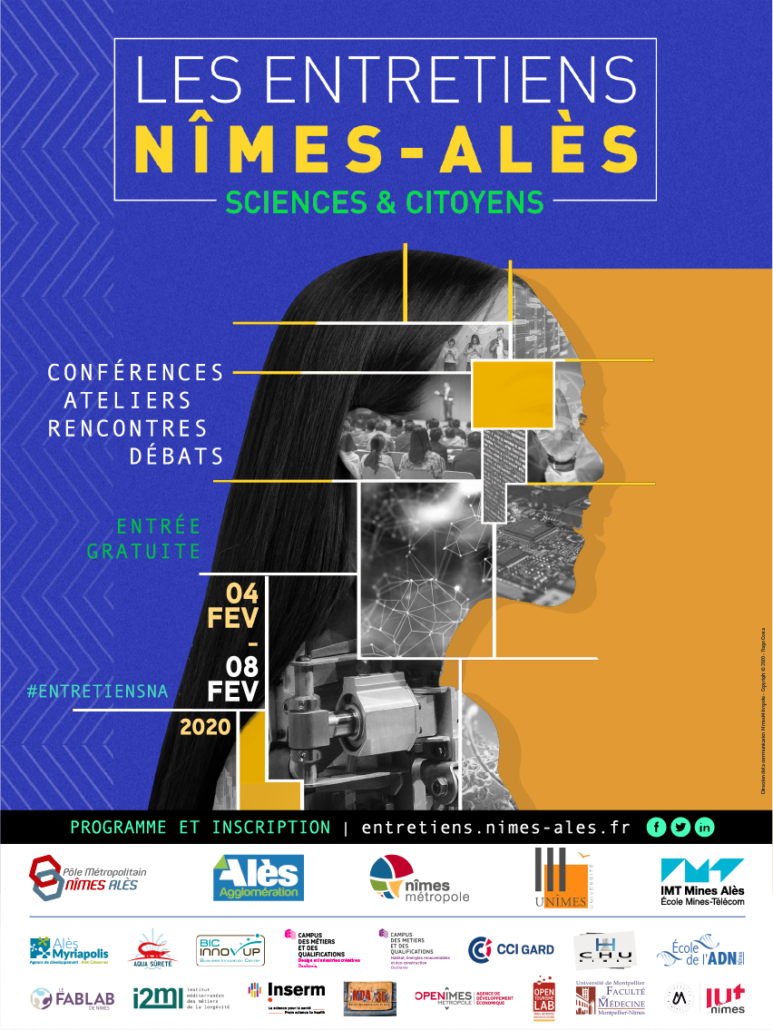
As part of the 2020 edition of the Entretiens Nîmes-Alès, the Faculty of Medicine at its Nîmes campus is opening the doors to its simulation platform, SimHu, in partnership with the Nîmes University Hospital. Our teams will introduce you to the latest technologies used in medical education, particularly simulation manikins. High-fidelity simulation workshops will be offered to the public, giving participants the chance to step into the shoes of future healthcare professionals!
The event will take place on Saturday, February 8, 2020, starting at 9 a.m. at our Carreau Campus in Lanes!
Address: 186 Chemin du Carreau de Lanes, 30000 NÎMES
Bus: “trambus” line T2 or “bus” line 5 toward CHU Carémeau
Directions by car:A9 Highway, Exit 25 Nîmes Ouest – On-site parking available.
We hope to see many of you there!
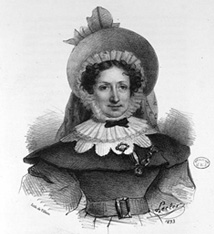
Marie-Anne GILLAIN was born in 1773 in Montreuil, near Versailles.
She was sent to boarding school with the Sisters of the Visitation.
During the Revolution, she took refuge in Etampes with a relative who was the mother superior of the Hospitalières de l’Hôtel-Dieu.
There she attended the surgeon’s lectures and served for two and a half years, from 1793 to 1796, as a hospital volunteer—that is, as a layperson who volunteered her services to the poor and sick.
In 1797, she returned to Versailles to marry Louis BOIVIN, deputy head of the National Domains office.
She became pregnant early on, but was suddenly widowed in 1798 at the age of 25, left without any means of support and with a young daughter to raise.
She then decided to put to use the knowledge she had gained from the surgeon at the Hôtel-Dieu in Étampes and enrolled in the Midwifery School at the Maternity Hospital in 1799.
In 1800, she graduated and left for Versailles to be reunited with her daughter and pursue her career.
In 1801, following the death of her daughter, she obtained permission from Marie-Louise Lachapelle to return to the Maternity Hospice
In 1803, she was appointed chief supervisor of the breastfeeding section. She held this position for eleven years, until 1814. During this long tenure, she took the opportunity to attend the lectures of her patron, the surgeons at the Maternity Hospital (Baudelocque, then Dubois), and the chief physicians (Andry, and especially Chaussier), from whom she gathered observations and lessons.
In 1812, she wrote and published *A Treatise on the Art of Childbirth*. The work was approved by the Ministry of the Interior, which included it among the textbooks given to graduates of the Maternity School.
In 1814, the position of supervisor that she held was eliminated, and she was dismissed with a severance payment equal to her annual salary, or 360 francs.
Starting in October, she was hired as a storekeeper and steward at the Poissy General Hospital, a position she held until January 1819, when the General Hospital was converted into a prison.
Little is known about this period of her life: Did she continue her obstetric practice despite her new, more administrative duties? Did she do so at the general hospital? Or with a private clientele? In any case, for a time she appears to have earned a comfortable annual salary of 1,200 francs—almost as much as the head midwife at the Maternity Hospital.
In 1818, she entered the Paris Medical Society’s competition anonymously, submitting a paper on internal uterine hemorrhages. She was awarded the medal.
On February1, 1819, she joined the Maison Royale de Santé in Paris as chief supervising midwife, with a modest salary of 350 francs per year.
In 1821, an opportunity for promotion arose following the death of Marie-Louise Lachapelle.
According to procedure, the General Council of the Hospices must submit to the Minister of the Interior a list of five female candidates to succeed the renowned midwife.
On November 14, 1821, the Council voted to approve a list with Marie-Anne Boivin at the top; she received 12 out of 12 votes in the first round of voting to select the top candidate.
A month and a half later, the Minister of the Interior endorsed the Council’s decision.
But the winner declined the position (or rather, resigned), forcing the board to propose another list. Why the refusal? All contemporary biographers attribute this decision to a public promise Marie-Anne Boivin is said to have made to her former patron never to replace her, even after her death. If that is the case, she kept her word, and another midwife, Madeleine Catherine Legrand, was appointed in 1822.
Marie-Anne Boivin therefore continued to practice at the Maison Royale de Santé, where she accumulated observations, publications, and honors.
In 1828, she presented a paper on spontaneous abortions, which was awarded a prize by the Bordeaux Medical Society.
In September 1835, at the age of 62, worn out and exhausted, she retired and urged the hospice board to grant her a pension. Finally, after suffering a first stroke that left her hemiplegic, she died in May 1841.
In 1902, one of the rooms in the renovated maternity ward was named after Marie-Anne Boivin.
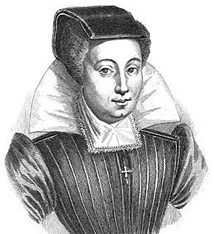
She was born in 1563 on Boulevard Saint-Germain or in Mons to a family of doctors.
In 1594, she married Martin BOURSIER, a master surgeon and student of Ambroise PARÉ.
She finds herself without any means of support when her husband is enlisted in the king's army.
She quickly gained a reputation among the ladies of the court and delivered the queen's children six times.
She is paid 500 crowns for the birth of a boy and 300 for the birth of a girl.
It lost its prominence following the death of Marie de Bourbon-Montpensier, wife of Gaston d’Orléans, at the time of the birth of the Grande Mademoiselle.
According to the surgeons who performed the autopsy on the woman who had given birth, her death was attributed to placental debris remaining in the uterus, and Louise Bourgeois was subsequently accused of negligence.
At that time, there were few male obstetricians practicing, and they were trying to gain the upper hand over the midwives' guild.
Louise questions their competence by harshly criticizing the autopsy findings and the skills of the obstetricians; however, her response has the opposite effect of what she intended, as it ends up giving them publicity.
She was the first midwife to write a book on obstetrics, *Various Observations on Infertility, Miscarriage, Fertility, Childbirth, and Diseases of Women and Newborns*, published in 1609.
In this book, she points out that infertility in a couple can be caused by the man, even though—like the doctors of that era—she confuses the ability to procreate with sexual vigor.
She identified the role of malnutrition in fetal health, and she was the first to prescribe iron supplements to treat anemia.
She emphasizes the importance of anatomical knowledge for midwives and urges doctors to allow them to attend lectures and dissection sessions.
In 1636, the Parisian midwives submitted a petition to the Faculty of Medicine requesting that Louise Bourgeois be allowed to teach them obstetrics, but their request was denied.
Subsequently, however, one of her students, Marguerite du Tertre de la Marche, was appointed head of the midwives at the Hôtel-Dieu and succeeded in overhauling their training program.
She died on December 20, 1636, on Boulevard Saint-Germain at the age of 73.
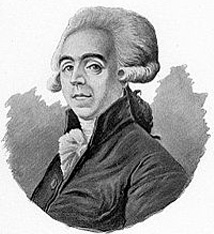
He was born on November 30, 1745, in Heilly, Picardy.
He was the son of Jean Baptiste BAUDELOCQUE, a surgeon, and Anne Marguerite LEVASSEUR. His brothers Félix Honoré (1744–1794) and Jean Baptiste (1749–1800) were both doctors. He was the third of ten children.
It was his father who introduced him to surgery in the countryside of Picardy.
He completed his studies in Paris at the Hôpital de la Charité, where a renowned professor of obstetrics, Solayrès de Renhac (1737–1772), was on staff.
In 1772, following Solayrès’s untimely death at the age of 35, he collected the manuscripts of his lectures and succeeded him as professor of obstetrics at the Hôpital de la Charité. Thanks to Baudelocque, Solayrès’s work was saved from oblivion.
In 1775, at the initiative of Augier du FOT, a surgeon and childbirth instructor in Soissons, he published—based on manuscripts bequeathed by Solayrès de RENHAC—the first edition of a manual intended for the training of midwives. This work was later republished under his name alone, under the title“Principles of the Art of Childbirth: Questions and Answers for Student Midwives.” It was reprinted three times during Baudelocque’s lifetime and three more times posthumously.
In 1776, following the defense of his dissertation on symphysotomy, titled“An in partu propter angustiam pelvis impossibili, symphysis ossium secanda?”, he was appointed surgeon at the Hôpital de la Charité in Paris and was awarded the title of Master of Surgery by the Paris College of Surgery.
On April 5 or 6, 1777, in Paris, he married Andrée DERULLIER (née de Vulier, de Voulier, de Rullie, or de Rouillier), whose family made mannequins of pregnant women for demonstrations in childbirth classes; she died on January 4, 1787, childless.
In 1781 and 1789, he published the first two editions of his scholarly treatise*The Art of Childbirth* in two volumes. He became famous for his forceps, his practice of cesarean sections, and the invention of the pelvimeter, which measures the external anteroposterior diameter to identify patients who might experience difficulties during childbirth.
On September 14, 1788, in Amiens, he married Marie Catherine Rose Laurent; the couple had five children (three daughters and two sons).
During the French Revolution, the guilds and faculties were abolished. Hospitals lost some of their staff and funding. Baudelocque, however, managed to build a reputation as an obstetrician thanks to a clientele in the city and private obstetrics classes.
In 1794, the former Faculty of Medicine was replaced by the École centrale de Santé de Paris, where he was responsible for teaching medical students and midwives.
In October 1795, the Hospice de la Maternité took in poor women and unwed mothers to assist them during childbirth and provided clinical training for midwives and doctors from the École de Santé.
In addition, this facility also takes in abandoned children.
In 1798, Baudelocque, in addition to his position as professor of obstetrics at the Paris School of Public Health, became chief surgeon at the Maternity Hospital.
In 1802, the Hospice de la Maternité school was founded, where Baudelocque put his teaching skills to use, employing mannequins to allow students to practice examinations and obstetric procedures. He emphasized observation over active intervention, preferring to let nature take its course and using instruments as little as possible.
Busy with his many responsibilities, he delegated part of his authority to the head midwife of the Maternity Ward, Marie-Louise Lachapelle (1769–1821), who took on part of the training of the midwifery students and was authorized to use forceps on her own in the event of a difficult delivery.
He was involved in a high-profile lawsuit brought against him by an obstetrician, Jean François SACOMBE, a fierce opponent of cesarean sections and a defender of traditional midwifery practices. Sacombe, who had set himself up as a defender of midwives and accused Baudelocque of infanticide, ultimately lost his case in 1804 and, in the process, any sense of proportion.
In 1806, Napoleon appointed Jean-Louis Baudelocque to the chair of obstetrics, the first medical specialty chair in France.
He became the obstetrician to the queens of Spain, Holland, and Naples, as well as to all the ladies of the court.
He had been chosen and selected in advance to deliver the heir awaited by Napoleon and Empress Marie-Louise of Austria. But, struck down by a cerebral hemorrhage, he would not live to see the birth of the King of Rome.
He died on May 2 or 3, 1810, at 16 Rue Jacob in Paris (6th arrondissement), where he lived, at the age of 65.
He was buried at the Vaugirard West Cemetery, then exhumed due to land acquisition for the construction of what is now Boulevard Pasteur.
He was then buried on August 17, 1839, at Père-Lachaise Cemetery (45thdivision).
He was the most famous obstetrician of his time.
A physician at the Hôpital des Enfants Malades, he would lend his name to the Baudelocque Clinic in 1890.
In 1966, the Port-Royal Maternity Hospital was built. The two facilities merged in 1993 (14th arrondissement of Paris).
There is now a midwifery school on Avenue Denfert-Rochereau that bears her name.
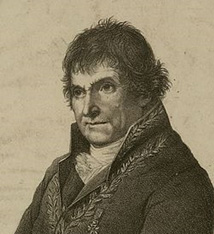
He was born on July 2, 1746, in Dijon, in the parish of Saint Pierre.
His father was a master glazier.
After completing his training at the Dijon hospital, his mother sent him to Paris to continue his medical studies, and he enrolled at the Royal College of Surgery, where he attended classes regularly from 1765 to 1767 and took anatomy courses taught by Raphaël SABATIER and Jean-Joseph SUE.
At the same time, he was learning the basics of surgery at Lafaye’s clinics and, in the afternoons, at those of Isaac GOURSAUD.
His years of surgical training came to an end in 1768, when he earned the title of Master of Surgery; he then settled in Dijon as a surgeon
He married Jeanne CARRE, the daughter and granddaughter of a master surgeon, on July 27, 1767, in Quetigny, Côte d’Or. Together they had a son, Bernard François Hector (1769–1837).
In 1769, he began teaching a free course in human and comparative anatomy, which was attended by many students for more than ten years.
In 1774, the Estates of Burgundy established a chemistry program with Louis-Bernard GUYTON de MORVEAU as the full professor and Hugues MARET and François CHAUSSIER as assistant professors. Upon MARET’s death in 1786, he was promoted to second professor of chemistry.
In Dijon, his professional qualities earned him the favor of his patients, and his reputation quickly spread beyond Burgundy; he distinguished himself at the Academy of Surgery through several presentations, and as a result, he was awarded the Academy’s Gold Medal at the public session on April 10, 1777.
He received his Doctor of Medicine degree from the University of Besançon on January 14, 1780, and in 1784, he became a corresponding member of the Royal Society of Medicine. That same year, he was admitted to the Academy of Sciences, Arts, and Literature in Dijon, where he became secretary-general following the retirement of Guyton de Morveau.
In 1785, at the request of the Estates of Burgundy, he published a popular guide on the treatment of bites from rabid animals: “Method for Treating Bites from Rabid Animals and Vipers; Followed by a Summary on the Malignant Pustule” (with Joseph Enaux, 1726–1798).
In 1789, he published a study on the muscles of the human body, in which he proposed a more rational classification than the one taught up to that point: “A Brief Overview of the Muscles of the Human Body According to the Methodical Classification and Nomenclature Adopted in the Public Anatomy Course at Dijon”; this work was reprinted in 1797.
On December 20, 1789, he read a paper titled “Surgical-Forensic Observations on an Important Point of Criminal Jurisprudence” at the Academy of Dijon, in which he demonstrated the role that a physician could play in assisting the justice system; this work attracted attention, and the following year he launched a course in forensic medicine in Dijon.
On 3 Nivôse, Year III (December 23, 1794), he married Angélique LABOREY in Dijon (Crébillon District); they also had a son, Franck Bernard Simon (1804–1866).
In 1794, Antoine-François Fourcroy was tasked by the National Convention with reorganizing medical education and sought out a figure who could provide him with the details of this reorganization. Claude-Antoine Prieur-Duvernois, from the Côte-d’Or, who headed the Department of Science and the Arts on the Committee of Public Safety, recommended François Chaussier, who thus joined the Committee of Public Instruction: he drafted a report and a proposed decree, which he read from the rostrum of the Convention on 7 Frimaire, Year III (November 27, 1794); In it, he proposed the creation of a single “Central School of Health” in Paris; the members of the Convention, who were broadly in favor of decentralization, called for the creation of other similar schools in Montpellier and Strasbourg, and it was on this basis that the report was adopted on 14 Frimaire (December 4).
Chaussier returned to Dijon, where he resumed his lectures and studies as well as the duties entrusted to him: he had been appointed physician of the Dijon Hospices in April 1793 and Prison Surgeon; he did not remain there long, however, as he was recalled to Paris to occupy the chair of anatomy and physiology at the School of Health. Chaussier was, in the words of Joseph-Henri Réveillé-Parise, the most famous professor of physiology at the École de Paris: he argued that vitalism was the foundation of all studies in physiology.
A decree dated 7 Vendémiaire, Year III (September 28, 1794) officially established the École Centrale des Travaux Publics, which would later become the École Polytechnique, the Board of Directors proposed, less than a month after the school opened, to establish an infirmary there and to appoint a “health officer” (the revolutionary term for doctors) to care for sick students and also to teach lessons on “the art of preventing and alleviating diseases.” The roster of École Polytechnique staff for the following year lists him as an assistant to Claude Louis Berthollet, “simultaneously responsible for the courses in Zootechnics and Public Health, and School Physician”: in fact, he taught Berthollet’s course during the latter’s absence in Italy in 1796–1797. After the formalization of chemistry instruction, Chaussier appears to have abandoned teaching this science and confined himself almost entirely to his duties as a physician.
In 1799, *Les tables synoptiques* was published to great acclaim. It provides a summary of the physiology, pathology, and treatment of the various anatomical systems of the human body.
On May 9, 1804, he was appointed Physician of the Maternity Hospitals and entrusted with the chairmanship of the medical examination boards for the examinations to become a Public Health Officer, Pharmacist, and Midwife for the district of the Paris Faculty of Medicine.
He was a member of the commission appointed by the Minister of the Interior in October 1810 to study “secret remedies”; there he worked alongside André Marie Constant Duméril, Jean-Joseph Menuret, and Nicolas Deyeux.
In 1815, after the fall of the First Empire, he was replaced as physician at the École Polytechnique, but he retained his chair at the Faculty until November 21, 1822, when the Restoration reorganized the Faculty: he was appointed honorary professor and his chair was revoked. He was deeply embittered by this, and the next day, he suffered a stroke that temporarily left him unable to speak or walk. He recovered, however, though he remained hemiplegic—a condition that did not prevent him from continuing his work at the Maternity Hospital.
On May 6, 1823, he was admitted tothe Academy of Sciences.
Between 1824 and 1827, he published several works on forensic medicine: “Forensic Manual of Poisons, Preceded by Considerations on Poisoning”14, “Collection of Papers, Consultations, and Reports on Various Topics in Forensic Medicine”15, “A Forensic Medical Treatise on the Viability of the Newborn, Presented toHis Excellency the Keeper of the Seals, Minister of Justice”16
François Chaussier died at his home in Paris on June 19, 1828, at the age of 81, from a stroke.
He was buried at Père-Lachaise Cemetery (18th division) on June 21: Nicolas-Philibert Adelon delivered a speech on behalf of the Academy; Marie-Alexandre Désormaux, representing the Faculty, did the same; and Duméril, on behalf of the Royal Academy of Sciences, read a lengthy eulogy.
Franck CHAUSSIER, thesecond son, followed in his father's footsteps and defended his doctoral dissertation in 1827 in Montpellier.
He is a French physician, a professor at the Paris Faculty of Medicine, and a member of the Royal Academy of Medicine and the Academy of Sciences.
Chaussier was the chief editor of the articles on pharmacy inthe *Encyclopédie méthodique*13.
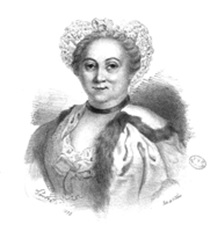
She was born in 1712 in Clermont-Ferrand to a family of doctors.
For the first three years, she studied under Anne BAIRSIN, a midwife.
On September 26, 1739, she received her diploma and shortly thereafter became a licensed midwife.
She worked as a master midwife at Châtelet in Paris for sixteen years.
In 1752, to put theory into practice, she published a book titled *A Summary of the Art of Childbirth*.
In 1754, she returned to Auvergne and began giving free lessons.
In 1758, she designed her famous demonstration “machine” (made of wood, cardboard, fabric, and cotton), which was approved on December1 by the Academy of Surgery.
During the two-month training course, the students were encouraged to practice on the mannequin.
She died on April 16, 1794, at the age of 79, in Bordeaux, in poverty and solitude, with her niece and her husband absent. There is a Rue Angélique du Coudray in Thorigné-Fouillard and also a Rue Madame-du-Coudray in Clermont-Ferrand, her hometown. The maternity ward at the Melun Hospital (77) is also named after her.