Tag archive for: Innovation

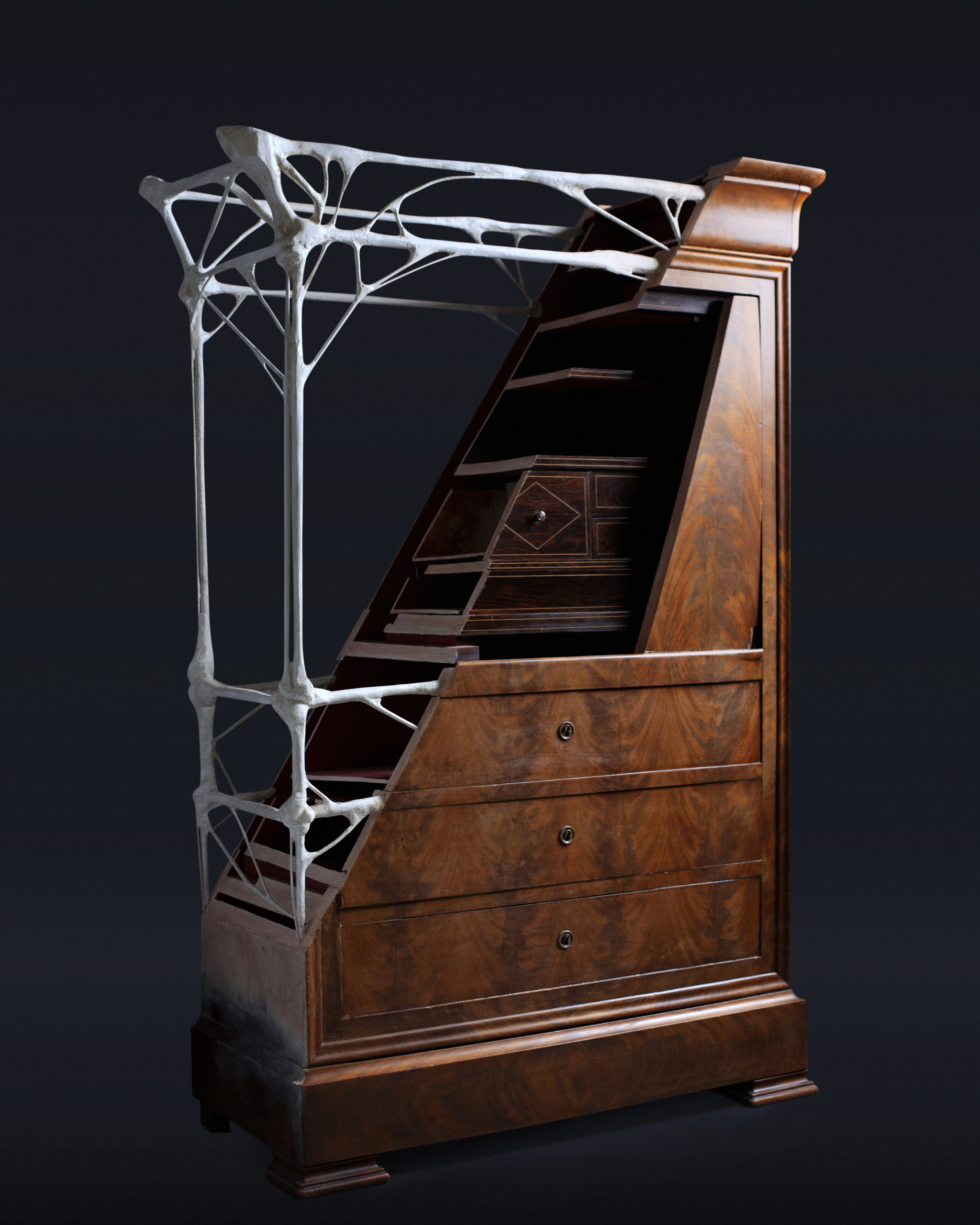
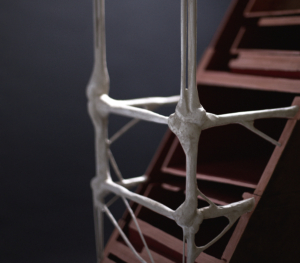
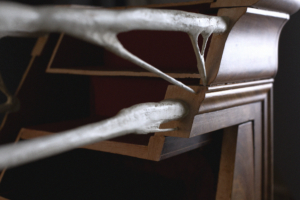
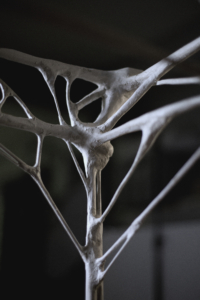
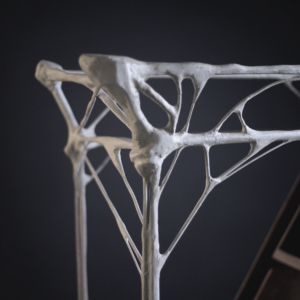
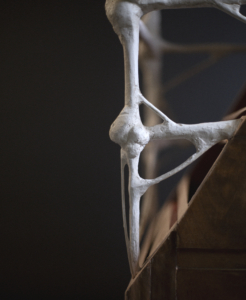
Visual artist and portraitist Cédric Matet and digital artist Jane Kleis are back to present their work "L'anatomie du secrétaire" (The Anatomy of the Secretary) at the exhibition "Les Aliénés du Mobilier national, le retour" (The Insane of the National Furniture, the Return) at the Cité de la Photographie et de l'Image in Paris.

Cédric Matet and Jane Kleis are no strangers to our faculty...

After a residency at the Anatomy Conservatory of the Montpellier School of Medicine for the exhibition "L'humain dans son Jardin" (Humans in their Garden), the artists were inspired to create the exhibition "Les Aliénés" (The Insane).

But what is this exhibition organized by Le Mobilier National?

It should be noted that the latter, located in Paris, has countless pieces of furniture in storage, unused and having lost their heritage value.

He chose to entrust some of his pieces to visual artists with the aim of enhancing the collections of the former Royal Furniture Repository. Jane Kleis and Cédric Matet were invited to reinterpret a 19th-century secretary desk that had been forgotten by everyone.

Like an anatomical dissection, the visual artist and photographer sought to understand and reveal the secrets of this 19th-century secretary desk. The secretary desk is both a functional and decorative piece of furniture. It features a drop-front that can be used to store documents or valuable items. The artists chose to focus on the anatomical aspect of the piece of furniture. They photographed the different parts of the secretary desk, from the base to the drawers, striving to reveal its beauty and complexity.

L’Anatomie du Secrétaire was born after a long period of exploratory work during their residency at our faculty.

The artists dissected the piece of furniture to understand its essence and the complexity of its construction, thereby revealing its hidden beauty. Without betraying the piece, it is now unveiled for all to see.

Through contemporary art, the aim is to give heritage a voice once again, bringing it back to life.

The exhibition by Cédric Matet and Jane Kleis is a true invitation to contemplation. It allows us to see a piece of furniture in a new light, to appreciate it for its beauty and complexity. The exhibition "Les Aliénés du Mobilier national, le retour" (The Madmen of the National Furniture Collection, the Return) is a unique opportunity to discover an exceptional object.

The two exhibitions by the artists reflect his interest in the beauty and complexity of nature. They invite us to see the world around us with fresh eyes.

This exhibition runs until January 2, 2024.

The anatomy museum continues to play its role in educating our health students, and the proof is that it teaches both doctors and artists!

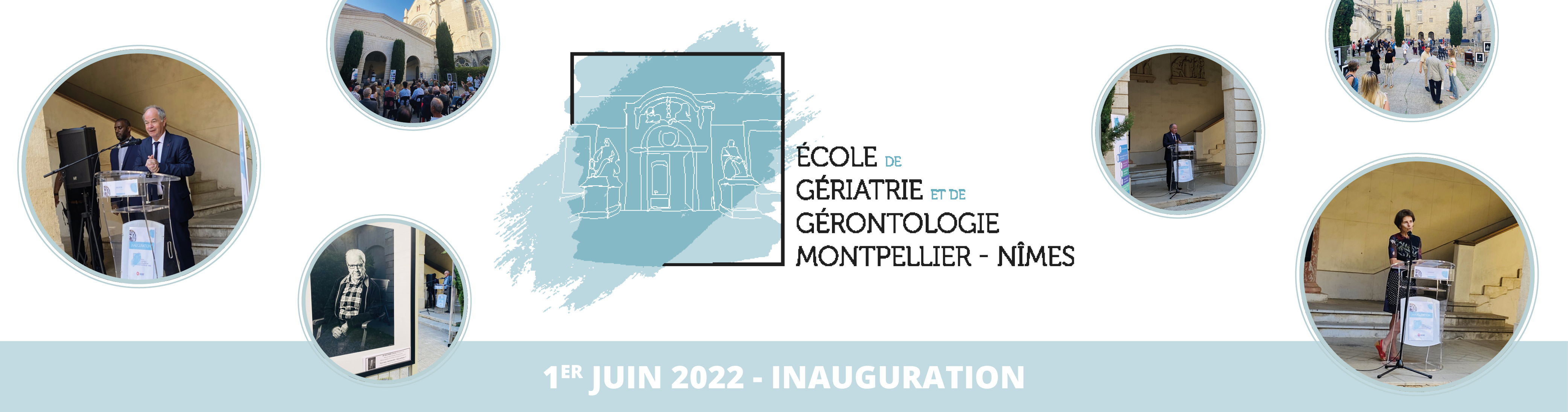
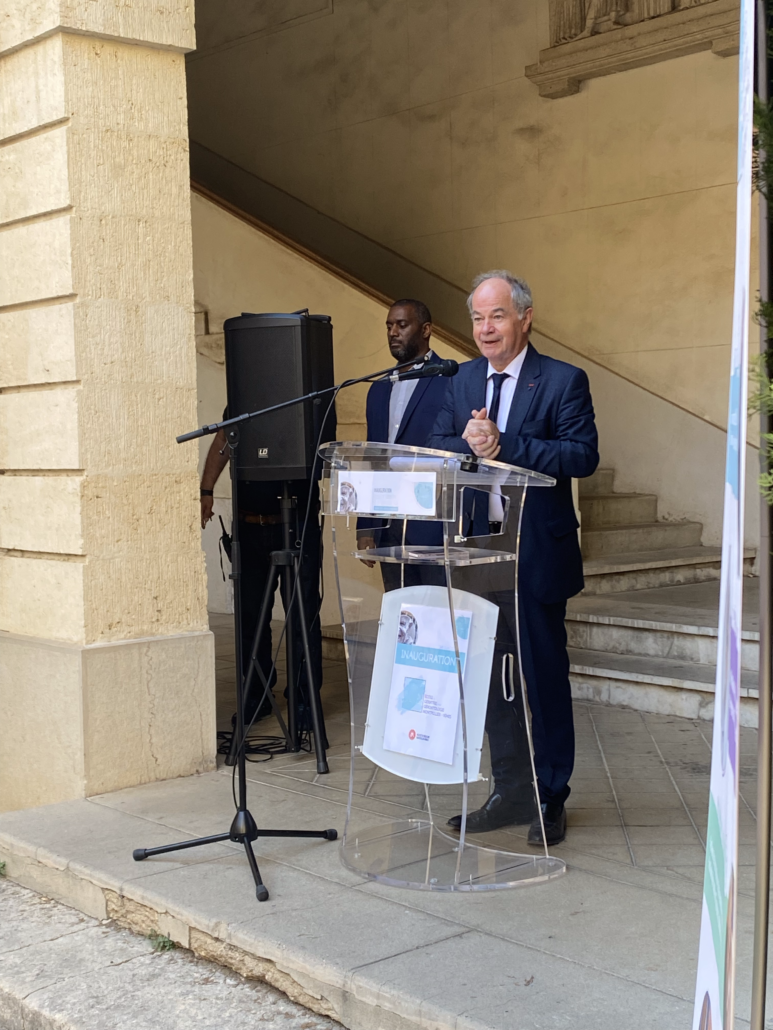
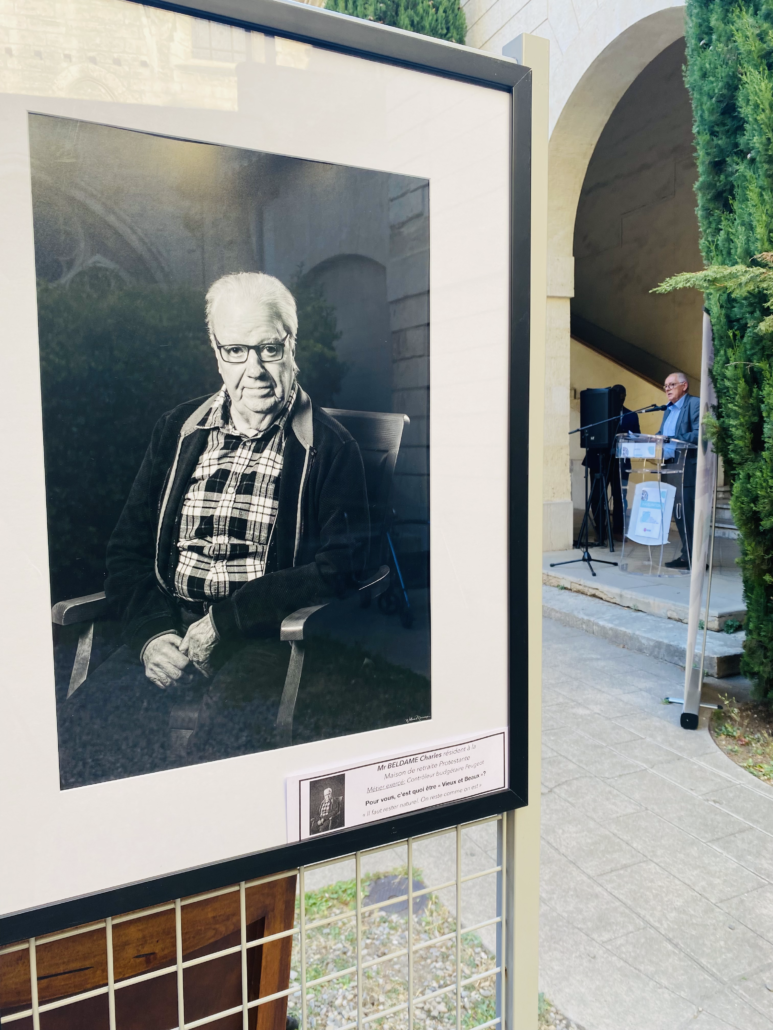
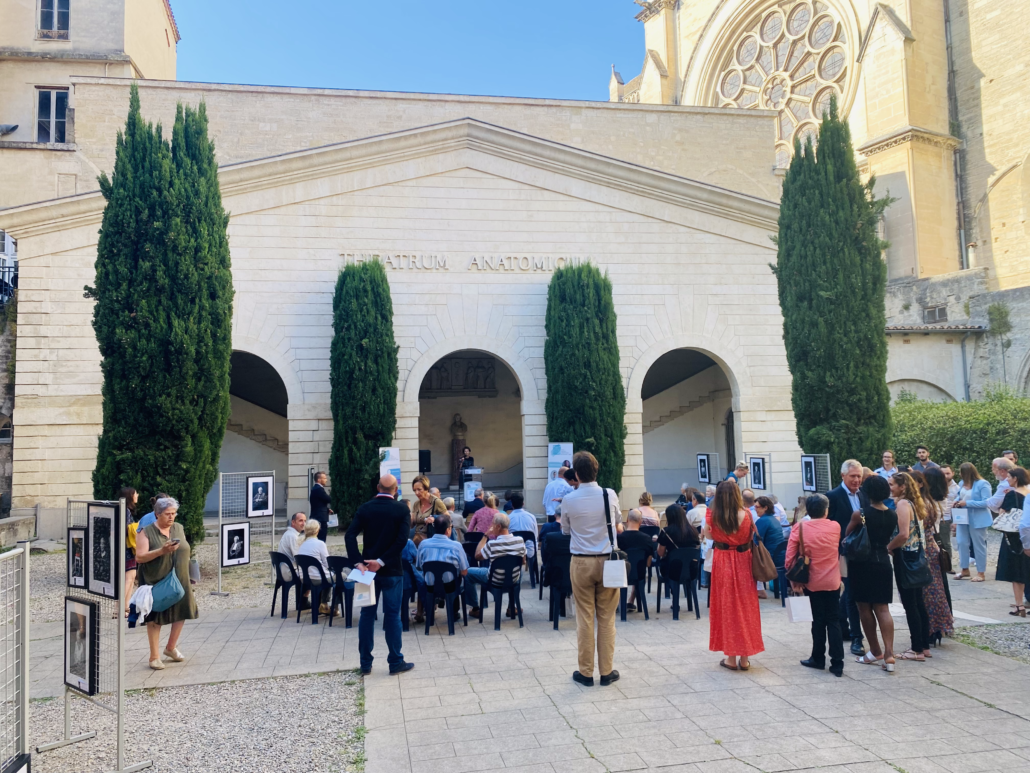
On June 1, 2022, the School of Geriatrics and Gerontology was inaugurated in the historic building of the Faculty of Medicine. We celebrated this achievement in the presence of Isabelle Laffont, Dean of the Faculty; Jacques Mercier, Vice President ofthe University of Montpellier; and Nicole Marin-Khoury, Deputy Mayor of the City of Montpellier.

A school that is unique in France...

This project, led by Professor Claude Jeandel, Director of the School of Geriatrics and Gerontology; Dr. Stéphanie Miot, Deputy Director; Ms. Myriam Aggoun, Administrative Manager; and Ms. Marie-Laure Portalez, Research Engineer, is the first school of its kind in France.

This school was born out of a societal observation: we are facing a real demographic challenge. This challenge is reflected in an aging population and an increase in the number of people losing their independence (2.45 million in 2060, compared to 1.6 million in 2030). Providing appropriate training in gerontology for students and professionals in the sector has become essential in view of these societal, medical, and scientific challenges.

In order to offer a cross-disciplinary and holistic approach to issues relating to old age, a diverse range of training courses has been created, offering innovative teaching methods in the sector's various fields of application (medical, epidemiological, psychological, legal, etc.).

… and innovative

Stemming from the IDEFI-TIL program (Initiatives for Excellence in Innovative Training – Trans Innov Longevity) launched in 2014 at the Faculty, the gerontology courses offered by the Faculty of Medicine have already enabled many professionals in the medical and paramedical fields to specialize in this sector.

Innovation is a top priority at the School of Geriatrics and Gerontology, which offers training courses tailored to e-learning pathways. Simulation workshops  are also organized once a year. Finally, tutoring is provided by former students from the various training programs.

In addition, older people will be involved in teaching, and certain training courses will be designed for them as part of therapeutic education.

4 major training areas


  • A hub for healthcare professionals

    Intended for professionals in the health and medical-social sector.

  • A hub for physicians and medical students

    Educational coordination of medical school teaching units

  • A center for family caregivers

    Training, awareness-raising, and support activities

  • A center for patients

    Training on chronic diseases and therapeutic patient education

#WeTalkedAboutIt

This initiative is already making waves! Check out the various press articles below!

Article from Midi Libre: The first steps of a School of Geriatrics and Gerontology at the Faculty of Medicine

La Marseillaise: A school of geriatrics and gerontology in Montpellier

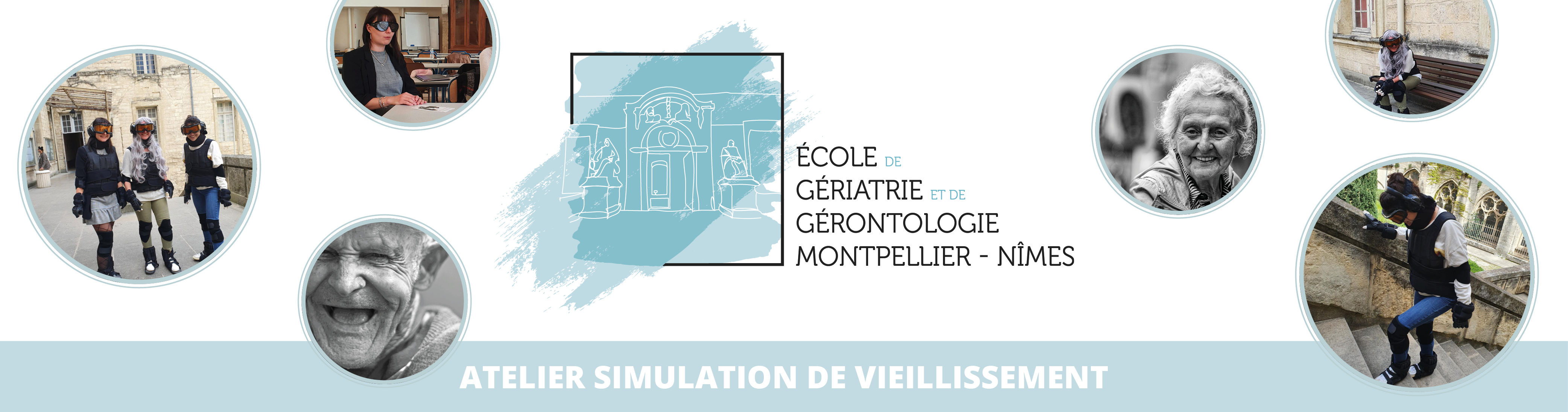
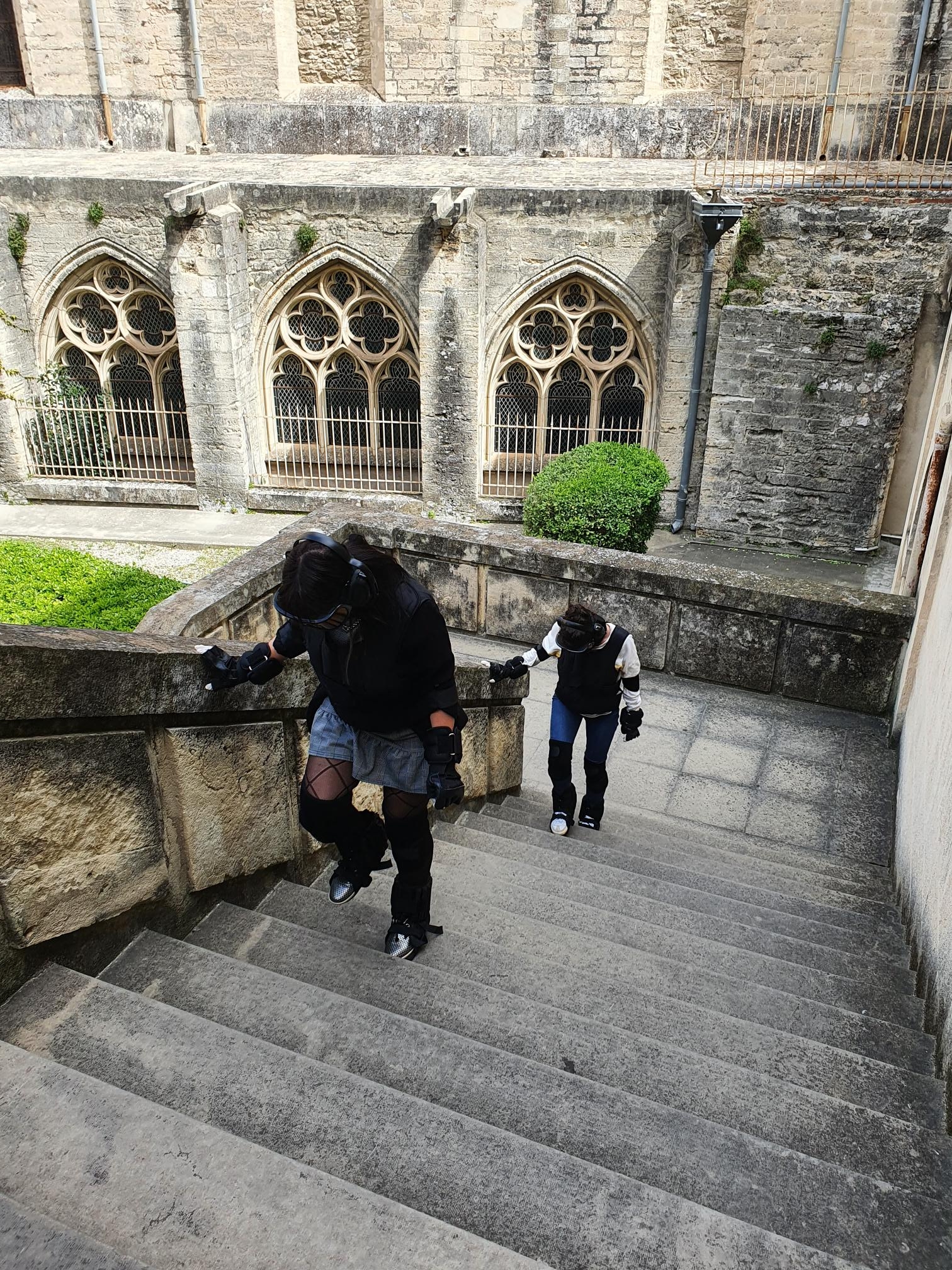
Older people represent more than 20% of the French population (Source INSEE 2020), yet aging remains poorly understood. Thanks to the simulation tools offered in this innovative workshop, participants will be able to jump forward several years in time. This will allow them to hone their skills in supporting older people through experience.

Why this workshop?

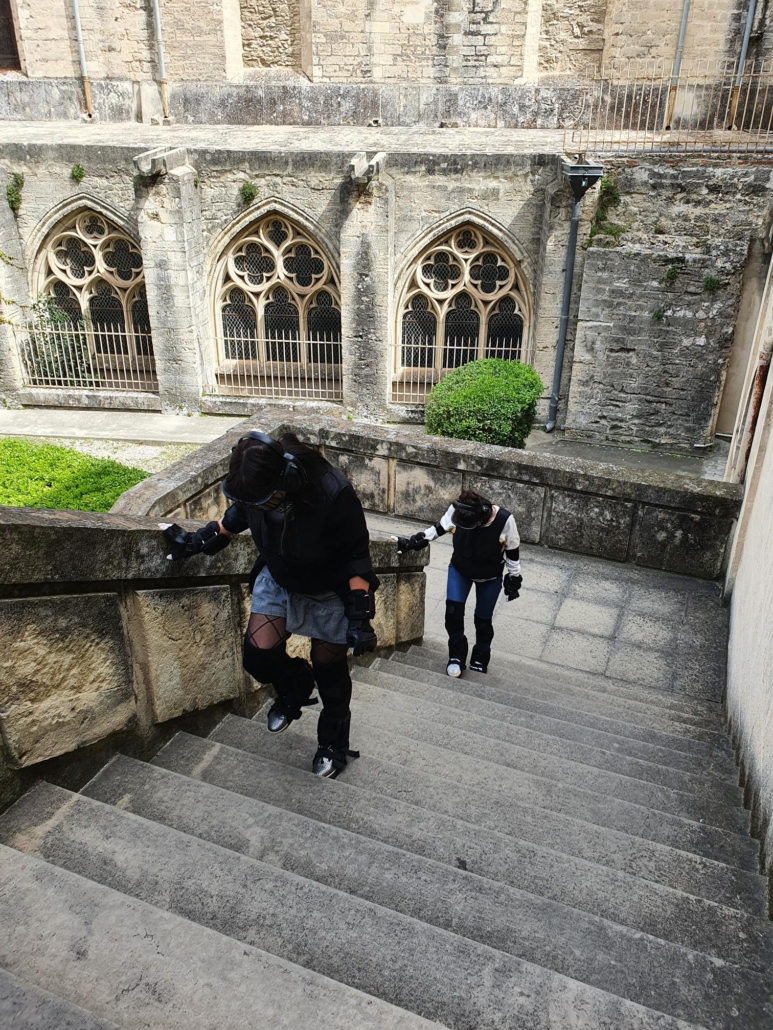
This workshop, offered by the School of Geriatrics and Gerontology, was created to allow participants to experience the main impairments associated with aging. 

It is led by its administrative manager, Myriam Taroudjit, and Marie-Laure Portalez, design engineer. 

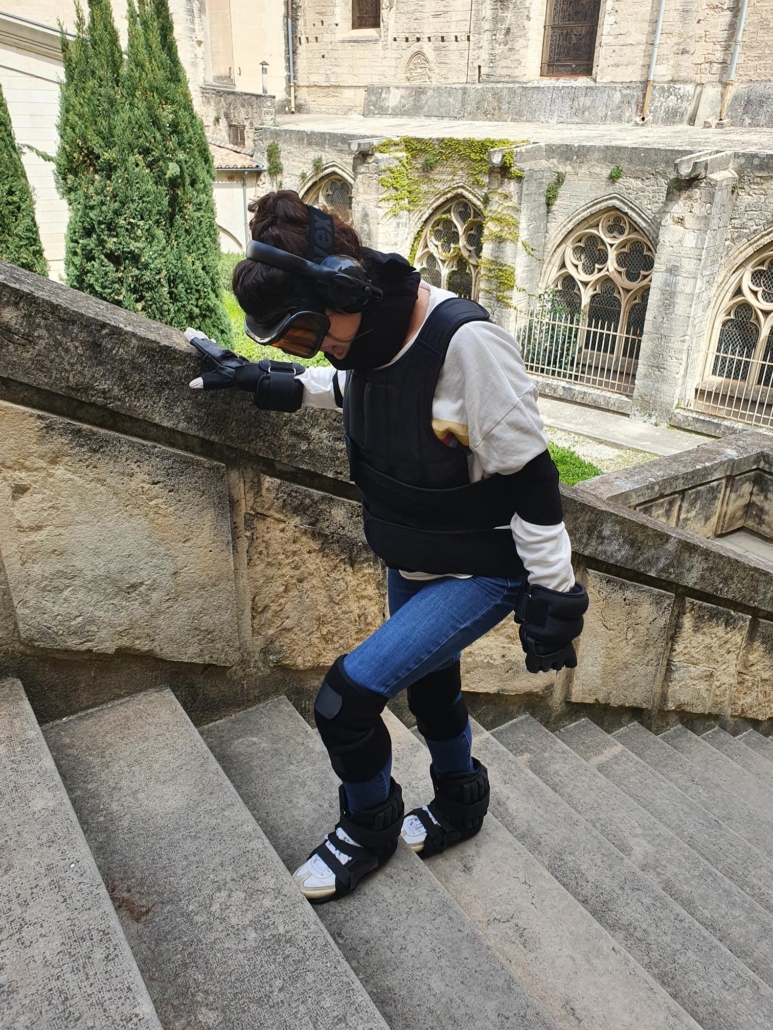
Special equipment allows participants to experience the main age-related impairments through sensory means. This enables them to perceive the difficulties faced by older adults and better understand their behaviors and specific needs.

“Genuine learning through experience with the aim of improving the living conditions of elderly people.”

The effectiveness of this simulation method was the subject of a study conducted by medical students at Julius-Maximilians University in Würzburg (Dr. Filz S.A., Dr. Swoboda W. et al.).

The research, conducted in the form of practical training sessions involving the wearing of a simulation suit, led to the following results:

  • Ability to empathize with the living conditions of an elderly person after the practical training: 83% of participants.
  • Ability to put oneself in the shoes of an elderly person after the practical training: 90% of participants.
  • Understanding of the physical condition of an elderly person after the practical training course: 95% of participants


How?

Using simulation suits made up of several elements, participants put themselves in the shoes of an elderly person by experiencing the physical and mental challenges associated with aging.

Some examples: 

  • SPECIAL GLASSES

    They cause a different perception of color, grainy blurring, sensitivity to glare, and/or narrowing of the visual field.

  • THE HEADPHONES

    It causes high-frequency hearing loss.

  • THE WEIGHT VEST

    This vest allows participants to experience spinal curvature, forward pelvic tilt, poor posture, restricted mobility, loss of strength, increased physical stress, and/or impaired balance.

  • GLOVES

    They cause restricted hand mobility, decreased agility, and decreased tactile sensation.

  • ANKLE WEIGHTS

    Ankle weights cause loss of muscle strength, impaired coordination, and an unsteady gait with shuffling feet.

  • THE SOFT SOLE OF THE OVERBOOT

    This special sole provides a spongy feel and reduces sensitivity to contact with the ground, allowing you to experience a feeling of insecurity.

  • SPECIAL GLOVES

    These other gloves enable the simulation of tremors, reproduced realistically thanks to electrical muscle stimulation and a continuously adjustable control module.

Feedback from our students

Every year, this innovative workshop is offered to students at the School to complement their curriculum and improve their understanding of the elderly. The feedback has been overwhelmingly positive:

Stephanie: “This workshop was very interesting, and everyone who works with older people should be able to participate in this simulation workshop. Losing your senses is very unsettling.

Mariam: “This afternoon, I experienced what the elderly people I care for go through every day. Muscle pain, hearing and vision problems, slowness, due to an environment that is no longer suitable for them to move around safely.”

Maïlys: “In a professional setting, I will pay particular attention to these 'pains' and the way in which people experience and endure them in their daily lives in order to best adapt the responses to their needs."


More photos: 

After winning MUSE's Take-Off 3 competition, Dr. Herrero and Dr. Bonnel presented the PREPABLOC training course during the "Research and Surgical Innovation 2021" session of the National Academy of Surgery. The course was then awarded the prize for educational innovation! Let's take a look back at this unique training course.


PRÉPABLOC: training for tomorrow's operating room professionals

The construction of the project

The launch of PREPABLOC stems from a co-creation initiative led by Dr. Herrero, supported by Dr. Ferrandis. A multi-professional and multidisciplinary team was formed, bringing together:

  • The teaching staff at the CHU's IBODE school,
  •  Assistant Clinical Directors at CHU and ICM hospitals,
  •   the LIRMM teams,
  • Gipsotherapist in the Emergency Department of the University Hospital


Training program

Proposed and coordinated by the innovation extractor, this is an innovation marathon in the form of a competition between teams of around ten people. Creativity sessions enable participants to design useful projects in record time and learn how to pitch them at the end of the week. The five themes were stress, communication, the surgical teaching methods of tomorrow, the appeal of operating room professions, and inventing an "Escape Game."

 Future IBODES, who will mentor tomorrow's surgeons, had the opportunity to participate in various theoretical and practical workshops throughout a week-long "conference." IBODE school officials focused their presentations on hygiene and instrumentation. The assistant chief physicians at CHU andICM led theoretical courses, talking about their work as hospital surgeons, leading workshops on sutures and surgical knots, and allowing students to test their skills on a laparoscopy console.  The LIRMM teams also collaborated on the high-tech university hospital simulation platform at the Arnaud de Villeneuve campus, which Dr. Debien and his teams operate on a daily basis. A workshop was also dedicated to plaster casting with Christophe, the CHU's emergency room plaster therapist. 


The objectives of this course  
  • Train students before they arrive for their internship

    To be able to offer all medical students structured training that is harmonized prior to their arrival for surgical or emergency room internships.

  • Reducing stress for these students

    As well as that of the supervisors who welcomed them into the wards and who, in addition to the time needed to train them on top of their workload, were always anxious about them making mistakes due to a lack of knowledge in this highly controlled environment.

  • Raise awareness that harmonious teamwork is a factor for success.

    This will benefit not only patients but also the peace of mind of a demanding workplace.

  • Encouraging people to pursue these careers

    With objective information.

  • Introduce innovation methodology in "project" mode at an early stage

    Pso that students know how to create, structure, and present projects in line with their ambitions for their professional and scientific future.

A project supported by MUSE

This project was made possible thanks to financial support from MUSE (Montpellier University of Excellence) through a call for projects entitled " Take OFF 3 " call for projects won in June 2020 with the active help of the innovation extractor (Dr. Christophe BONNEL and Anaïs CAUSSE). The team at the MUSE Center for Educational Innovation (CSIP) also contributed to the project by creating a fun, interactive card game and writing the script for an "Escape Game" that will be offered next year.


PREPABLOC: a highly successful training program

The success of the project

The creation of this Open Teaching Unit was a success with students. Founded by a multi-professional and multidisciplinary team, this project was particularly popular with an interested audience of third-year studentsyear of medicine, engineering students from LIRMM (roboticists), and IBODE students (operating room nurses).


The future of PREPABLOC

The students particularly appreciated the experience and the winning project on the surgical teaching methods of tomorrow is being studied to try to give it a future. The teaching teams in Nîmes, already well versed in these concepts, are already involved in adapting it, and the PREPABLOC team will share its experience with all those who, at the national level, wish to draw inspiration from it in accordance with the wishes of the academy. 


As debates on student mental health have resurfaced in the wake of the health crisis and at a time of undergraduate reform, our teaching teams have developed a unique educational concept in collaboration with students and users. Temporarily named "Interpersonal Skills and Therapeutic Communication," this empathy-focused teaching program is a true ethical and educational innovation. To learn more, we turned to the project leaders: Dr. Amandine Luquiens and Prof. Céline Bourgier, as well as Théo Lacoste, a student member of the steering committee.


Genesis of a project focused on empathy

A need for evaluation arising from the R2C evaluation methods

In 2018, the draft reform of the second cycle of medical studies (R2C) was submitted to the various educational managers at the Faculty and caught the attention of Professor Céline Bourgier. She noted that the R2C assessment methods would include evaluating students' interpersonal skills and empathy through the clinical skills certificate (C3). However, at that time, our training program did not include any courses dedicated entirely to developing these skills. 

Joined in 2019 by Dr. Amandine Luquiens, a psychiatrist and addiction specialist at Nîmes University Hospital, the two doctors will work together to lead the project to develop an innovative teaching unit capable of meeting the requirements of R2C. Their first step is to study the current level of empathy among medical students.


A striking observation: medical students' empathy declines as they progress through their studies.

Their initial findings are surprising. Through their bibliographic research, the two practitioners discovered that medical students tend to experience a decline in empathy throughout their studies. "This decline begins at the same time as hospital internships. It would seem that the difference between 'the idealization of the healthcare profession' and 'the reality of the healthcare profession' is a triggering factor," explains Amandine Luquiens.

Another observation: this decline is strongly correlated with the problems of burnout and depression that health students may encounter.


Structured teaching to halt this decline and ensure better quality of care in the future

These findings motivated the project leaders to create a new innovative teaching unit (UE) with a dual objective: 

  • Equip students with the tools and skills necessary to improve the quality of careby instilling in them a person-centered approach rather than just symptoms/pathologies.
  • Preventing psychosocial risks, not only for patients, but also for students, future healthcare professionals.

These two complementary elements will therefore be co-developed by a dedicated committee composed of teachers, students, and users.


A jointly developed EU for acquiring skills related to empathy towards oneself and towards patients

Stages in the construction of the EU

Such a university requires a period of creation and experimentation, which will take shape within the Faculty in five major stages: 

  • STEP 1

    Creation of a cross-functional steering committee

    As this was a collaboratively created course unit, the teachers were keen to set up a steering committee involving students to ensure that the course unit was tailored to their needs as closely as possible. The committee is also supported by the Faculty's Teaching Council (then chaired by Professor Denis Morin) and is made up of teachers from different backgrounds and specialisms in order to ensure a comprehensive overview of the project.

  • Review of existing arrangements and expansion of the steering committee

    With the help of administrative staff, Amandine Luquiens and Céline Bourgier are identifying existing teaching units and courses within the training program, focusing on the patient-doctor relationship, building the care relationship, and interpersonal skills. This allows them to contact the teachers responsible for the existing courses and integrate them into the steering committee for the new teaching unit.

    STEP 2

  • STEP 3

    Revision of existing courses, development of the EU

    The steering committee is proposing a new organization of existing courses over a period of five years. This involves reorganizing them into a more logical order, with a more gradual implementation that is consistent with students entering hospital internships. In parallel with the reorganization of existing courses, new courses are being proposed to complement the training program, such as the therapeutic communication module, divided into three progressive levels, which will incorporate the existing theater workshop.

  • Integration of the EU into the pilot promotion program

    The DFGSM2 2021-22 cohort is the pilot cohort and will inaugurate the entire EU curriculum over the five years. A few modules are also being offered to DFGSM3 students in order to test the curriculum (step 6). 

    STEP 4

  • STEP 5

    Follow-up of a cohort of students to evaluate teaching

    In order to measure the impact of teaching on students, three cohorts are regularly assessed on criteria related to empathy, well-being, and the concept of the care relationship. The DFGSM2 21-22 class will be compared to the DFGSM3 21-22 class, which will have benefited from a lighter teaching load, and to the DFASM1 21-22 class, which will not have been able to benefit from the various EU modules.


A structured EU to facilitate students' acculturation in the subject of emotion management

As Théo Lacoste, Vice Dean of Students for 2021-2022, points out, medical students are "perfectionists": "They are selected because they are the best. And this selection process continues over the years. The need to be, or at least appear, 'infallible' at all levels—whether professionally or emotionally—continues until it becomes an almost cultural component of our way of thinking." 

However, it is precisely a acculturation on this subject that this EU should encourage: Amandine Luquiens explains: "We are seeking to acculturate students, and even the faculty as a whole. The faculty takes care of its students, and students must take care of themselves. We will therefore help them to acquire tools that will enable them both to protect themselves and to curb 'emotional suppression', a management strategy used for many years by doctors to understand the patient-caregiver relationship."

 PTo achieve this objective, the EU is structured around four major modules, all of which are mandatory: 

  • Introduction to mindfulness meditation Mindfulness
  • Peer-to-peer exchanges of practices : this module encourages open discussion and also provides a better understanding of professional communication within a healthcare team.
  • Therapeutic communication : a multi-year module with theoretical instruction on announcements, integration of theater workshops, and simulation workshops.
  • Stigmatization in healthcare : a module featuring user testimonials in front of students about situations they may have experienced during their healthcare journey


In summary: an innovative initiative in more ways than one

Humanism is a core value of the Faculty. It is an integral part of its history, but it is also a value that will shape its future, as demonstrated by this innovative program in more ways than one. Indeed, it represents an ethical and educational innovation

  • Co-created with students, teaching staff, users, and administrative personnel: a true example of cross-functional collaboration between the women and men of our community. 
  • who is interested in the real social and societal issue for health students and intervenes early enough enough in their studies to anticipate it and long enough to address it in depth
  • which incorporates theoretical modules but also, and above all, highly practical modules, focused on a human approach to the patient-caregiver relationship, particularly through simulation workshops.
  • creator of key skills key skills in empathy and interpersonal skills: essential tools for a more humane approach to medicine
  • carrying a message both for students and their future patients


Open perspectives on other courses

The introduction of this EU in the medical curriculum inevitably raises the question of other courses offered by the faculty (midwifery, paramedical). "Medicine is relatively behind compared to other courses," admits Dr. Luquiens. "Indeed, there are already course units in other programs, but not in such a structured way over time. The idea is therefore, once this course unit has been proven, to "spread" it to other programs, with a view to taking a transdisciplinary approach to these skills."


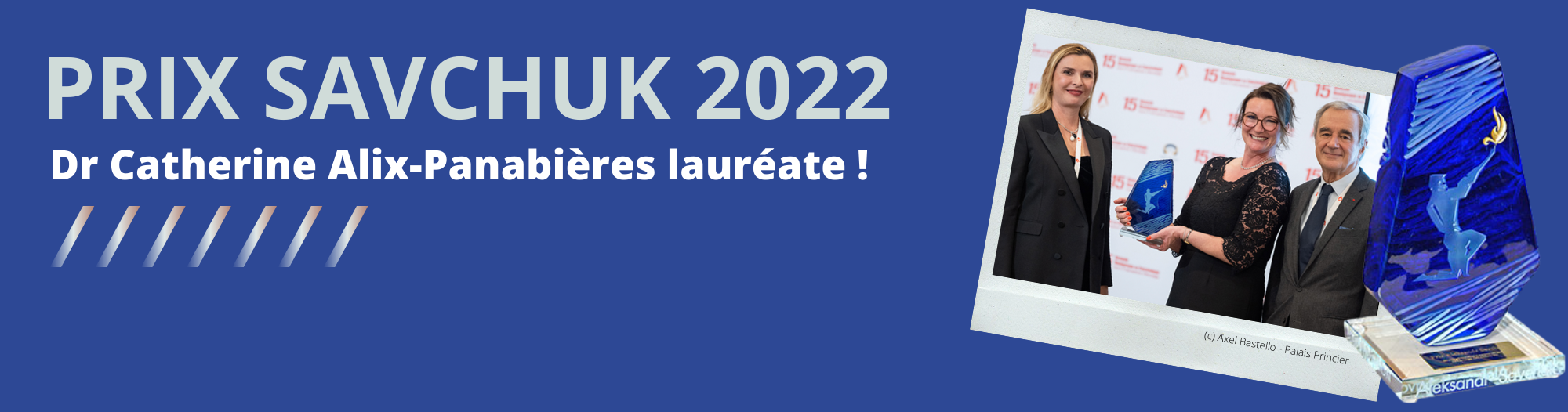
On Thursday, January 27, 2022, Dr. Catherine Alix-Panabières received the prestigious Savchuk Prize at the 15th Cancer Research Biennial for her work on "liquid biopsies." A look back at 23 years of research in the field of cancer research.

A career focused on the development of liquid biopsy

Dr. Alix-Panabières, director of the Rare Human Circulating Cells (CCRH) laboratory at Montpellier University Hospital, has been dedicated to her research for 23 years. Invented by her in 2010 with her German colleague, Professor Klaus Pantel from Hamburg, the term "liquid biopsy," which complements tissue biopsy, refers to a blood test that is performed repeatedly during a patient's treatment.


A non-invasive procedure

Liquid biopsy provides access to circulating cells or elements that are released by the primary tumor or metastases. The advantage? It offers the possibility of studying tumors located in inaccessible areas, repeatedly and non-invasively. After taking a blood sample, this procedure provides information on the progression of the tumor and therefore on the treatment.

His research focuses on three fundamental aspects:

  1. Understanding the biology of the tumor and its destination.
  2. Technology: Dr. Alix-Panabières is working on a patent focused on this new technique for detecting circulating tumor cells.
  3. A translational clinical study. Liquid biopsy allows treatment to be tailored to each patient's stage, particularly when starting treatment.
We extend our warmest congratulations to Dr. Catherine Alix-Pananières on receiving this award!


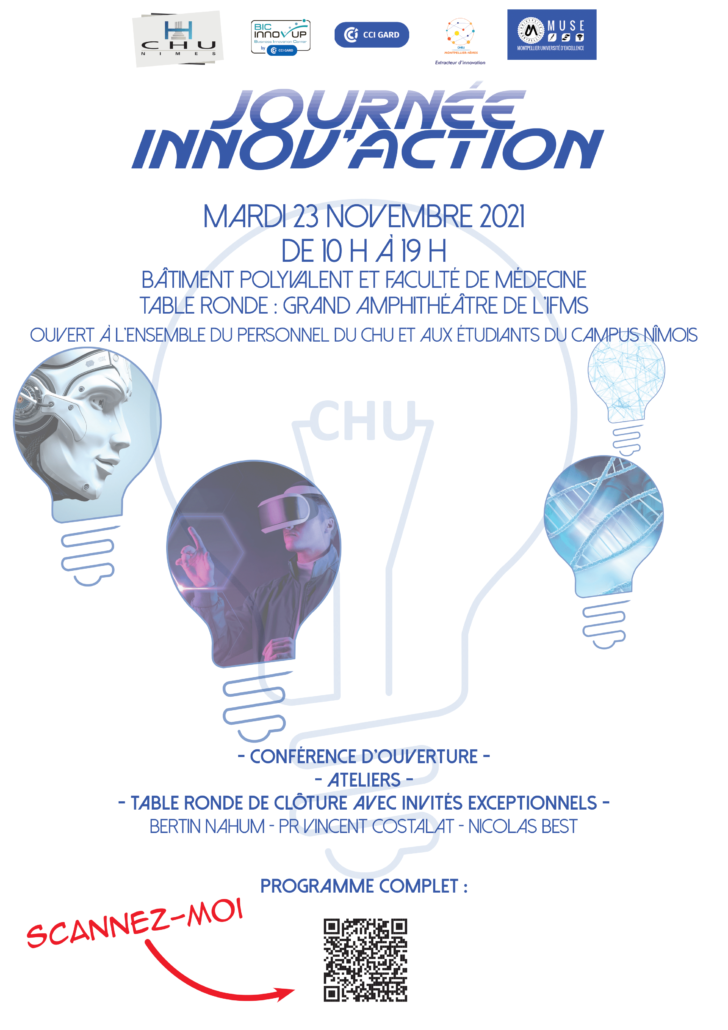
The Nîmes University Hospital is organizing Innov'Action Day in partnership with MUSE! Open to all professionals at the hospital, as well as our students in Nîmes, this day will be an opportunity to learn about the health innovation sector. Organized into several workshops, participants will be able to learn about the process of starting a business! Discover the program for the day in this article!

On the agenda

  • 10 a.m. to 11 a.m.

    Opening Conference - Hall of Honor, Multipurpose Building (University Hospital)

    • Introduction by the CEO, the President of CME, and the event partners
    • Presentation of the innovation support system at Nîmes University Hospital, with the assistance of Montpellier-Nîmes Innovation Extractor
    • Innov’action Trophy: presentation of the 2021 winners and launch of the 2022 Trophy
  • Workshops - morning sessions

    • The program and workshop rooms can be found below.
    • All workshops take place at Nîmes University Hospital, except for Workshop 7, which takes place at the faculty.

    11 a.m. to 1 p.m.

  • 2:30 p.m. to 4:30 p.m.

    Workshops - afternoon sessions

    • The program and workshop rooms can be found below.
    • All workshops take place at Nîmes University Hospital, except for Workshop 7, which takes place at the faculty.
  • From innovative idea to market launch: keys to success, based on two success stories

    with: Bertin Nahum, CEO of Quantum Surgical; Professor Vincent Costalat, Head of the Montpellier University Hospital and co-founder of Sim&Cure; and Nicolas Best, CEO of the Nîmes University Hospital

    5:30 p.m. to 7:00 p.m.


Detailed workshop schedule

  • Workshop 1 - There's no such thing as a small innovation: why and how should I protect my ideas or inventions?

    (Moderators: Armelle LEONARD – Intellectual Property Engineer, Regimbeau Law Firm, Valérie GIBERT-CORREAS – Head of the Valorization and Partnerships Unit, Nîmes University Hospital / Witness: Prof. Pierre CORBEAU – Immunology Department, Nîmes University Hospital)

    • 11:00 a.m.–11:45 a.m.: Senior HR Manager
    • 3:30 p.m. to 4:15 p.m.: Multimedia Room
  • Workshop 2 - My small business, or How can I get support for my business creation project?

    (Moderators: Antoine HOUSSIN – Director of BIC Innov’up and Head of Industry, Industry Services, and Innovation at the Gard Chamber of Commerce and Industry; Claire RAVENEAUX – Business Advisor, Gard Chamber of Commerce and Industry / Guest speaker: Dr. Stéphanie HUBERLANT – Gynecology, Obstetrics, and Reproductive Medicine Department, Nîmes University Hospital)

    • 12:00 p.m.–12:45 p.m.: Hall of Honor
    • 2:30–3:15 p.m.: Hall of Honor
  • Workshop 3 - Getting started on my innovative project or business creation without the hassle: simple and effective tools and methods do exist!

    (Facilitators: Rajaa NOUALI – FabLab Coordinator, Nîmes, Gaspard LEPINE – Partnership Manager, ISite MUSE), Christophe BONNEL – Innovation Extractor, Nîmes University Hospital)
    * Workshop 3 will focus mainly on building a business canvas. For these reasons, it will be limited to a maximum of 12 participants.

    • 11:00 a.m.–11:45 a.m.: DRM Main Hall
    • 2:30–3:15 p.m.: DRM Main Hall
  • Workshop 4 - Mobilizing talented young people: schools and universities, a wealth of resources for developing my project!

    (Moderators: Marine ROYER – Lecturer in Master's Degree in Design and Innovation Society, University of Nîmes, Pierre COUTURIER – Lecturer and Head of the Mechatronics Platform, IMT Mines Alès / Witnesses: Christophe REYNAUD – ENT Department, Nîmes University Hospital)

    • 11:00 a.m.–11:45 a.m.: Multimedia Room
    • 12:00 p.m.–12:45 p.m.: Multimedia Room
  • Workshop 5 - Approaching and getting to know the company that suits me: the keys to smart collaboration to bring an innovative project to fruition

    (Moderators: Virginie COSTE – Head of Partnership Development and Promotion in Biohealth, iSite MUSE, Tarek RAHMANI – Head of Promotion, Nîmes University Hospital / Witness: Prof. Stéphane DROUPY – Urology Department, Nîmes University Hospital)

    • 12:00 p.m.–12:45 p.m.: Big CHALLENGE
    • 2:30–3:15 p.m.: Big CHALLENGE
  • Workshop 6 - The 10 mistakes to make when launching your e-health application

    (Moderators: Antoine HOUSSIN – Director of BIC Innov’up and Head of Industry, Industry Services and Innovation at the Gard Chamber of Commerce and Industry, Thierry CHEVALLIER – Head of the Medical Device Evaluation Institute (IDIL), Nîmes University Hospital / Witnesses: Florent VIANNAY – Innovation Project Manager, BIC Innov’Up, Willy FAGART – Physiotherapist, Center for the Evaluation of Medical Devices and Disabilities (CEDMH), Nîmes University Hospital)

    • 11:00 a.m.–11:45 a.m.: Hall of Honor
    • 3:30–4:15 p.m.: Hall of Honor
  • Workshop 7 - Studying and participating in a business start-up: it is possible to succeed at both! A guide to entrepreneurship for students

    (Moderators: Catherine PEYROUX – Director of PEPITE-LR, Amine MOKRI – Entrepreneurship Manager, ISite MUSE / Witnesses: Christophe BONNEL – Innovation Extractor, Nîmes University Hospital, Dr. Valentin FAVIER – ENT Department, Montpellier University Hospital)

    • 12:00 p.m.–12:45 p.m.: Faculty of Medicine
    • 3:30 p.m. to 4:15 p.m.: Faculty of Medicine


As part of the 800th anniversary celebrations of the Faculty of Medicine, in partnership with the Occitanie Ethical Reflection Space and under the patronage of the National Academy of Medicine, we will be hosting the symposium "Man Facing Science" at our Arnaud de Villeneuve campus.


A symposium organized to mark the 800th anniversary of the Faculty of Medicine.

Healthcare is evolving, raising ethical and societal questions.

Topics such as the ethical challenges of predictive biotechnology, innovation in the context of a health crisis, and ethical guidelines for innovation in neuroscience will be addressed at this conference, organized in partnership with the Occitanie Regional Ethics Center.

Open to all (upon free registration), this event will welcome members of the Academy of Sciences and the National Academy of Medicine, which is sponsoring the event.


Conference program, October 7, 2021, on the ADV campus

  • 8:30 a.m.

    Home

  • Introductory Remarks

    Jean-François ALLILAIRE – Philippe AUGE – Michel MONDAIN

    9:00 a.m.

  • 9:20 a.m.

    When does opposition to medical and scientific facts become unreasonable?

    Jean-François MATTEI

    Introduction by Jacques BRINGER

  • Challenging experts in times of scientific uncertainty and health crises

    Virginie TOURNAY

    Host: Claude JAFFIOL

    10:00 a.m.

  • 10:40 a.m.

    Maintaining scientific integrity in the age of COVID-19

    Alain FISCHER (on video) – Didier HOUSSIN

    Introduction by Bernard CHARPENTIER

  • Science, politics, and society: lessons from the COVID-19 crisis

    Jean-François DELFRAISSY

    11:20 a.m.

  • 12:20 p.m.

    Lunch Break

  • What ethical guidelines should guide innovation in neuroscience?

    Michel CLANET

    1:30 p.m.

  • 2:15 p.m.

    New technologies to read our minds?

    Laurence DEVILLERS (on video) – Emilie OLIE

    Host: Jacques TOUCHON

  • Organoids: facts and fantasies

    Albano MELI – Jean-Marc LEMAITRE

    Host: Alain PRIVAT

    3:15 p.m.

  • 4:15 p.m.

    Algorithm-based care: impact on patient relationships

    Alain LIVARTOWSKI – Bernard NORLINGER

    Host: Jacques BRINGER

  • The ethical challenges of predictive biotechnology

    Pierre LE COZ – Pascal PUJOL

    Host: François-Bernard MICHEL

    5:15 p.m.

  • 6:00 p.m.

    Conclusion

UM Thursdays

Update on 09/29/20 – Unfortunately, the UM Thursdays events scheduled for October 6 and 8 have been canceled due to the current health situation. After launching on the Arnaud de Villeneuve Campus in January, UM Thursdays are back at the end of 2020 for a series of new conferences on health. UM Thursdays sessions will be held on the Faculty of Pharmacy Campus and at the Orangerie in the Jardin des Plantes.


A series of unique conferences on health

UM Thursdays are back in 2020! Open to the public, these conferences are an opportunity to learn more about new health technologies and teaching methods, as well as to broaden your knowledge of medicinal plants and aromatherapy! These topics will be covered throughout the year by faculty members from our university.

Update on 09/29/20 – Unfortunately, the UM Thursdays on October 6 and 8 have been canceled due to the current health situation.

Tuesday, October 6, 2020 – Medicinal plants

As far back as we can trace in ancient manuscripts, the future of humanity seems to have always been closely linked to plants. The renown of the first doctors (since Hippocrates, the Father of Medicine, 450 BC) was mostly built on their extensive knowledge of plants and the treatments they derived from them. Logically, therefore, the plants used to formulate these new remedies ("medicines" = "pharmacon") were called "medicinal." But what remains of this historical and ancestral definition? What does it still mean for our contemporaries, and how important are "medicinal plants" in 2020?


Thursday, October 8, 2020 – Using aromatic plants: between perfume and medicine

One event, two conferences! Learn more about the Jardin des Plantes, plants, and perfumes!

● 3:00 p.m.: Montpellier Botanical Garden, the oldest in France – by Thierry Lavabre-Bertrand
● 4:00 p.m.: Using aromatic plants: between perfume and medicine – by Sylvie Munier


Due to the health situation, masks must be worn by everyone.


To (re)discover – Thursday, January 16, 2020 – Medical Education: The Paths of Innovation

"Never the first time for a healthcare professional." Even though there is always a first time, it is important to prepare future healthcare professionals through scenario-based learning, whether for technical procedures, interpersonal skills, interprofessional communication, or preparation for emergency situations where all actions must be perfectly coordinated.

Inspired by aeronautical standards, healthcare simulation platforms are an essential tool for training future healthcare professionals in technical and interpersonal skills, complementing their practical experience with patients. This first edition of UM Thursdays during the 800th anniversary of the Faculty of Medicine is an opportunity to discover these remarkable tools by exploring the Arnaud de Villeneuve Health Campus and to understand the challenges of these teaching techniques, which are fully in line with the Faculty of Medicine's doctrine of placing people at the center of its concerns.


Below is the program for the day's conferences, starting at 3 p.m. in the Rondelet Amphitheater!

  • A simulation-based teaching platform: just a gimmick? – by Blaise Debien
  • Research in simulation-based teaching – by Valérie Courtin
  • Teaching through role-playing: assessment by the C3 – by Philippe Guilpain

The MUSE project ("Montpellier University of Excellence") brings together 19 institutions committed to educational advancement and innovation. Today, several projects led by members of the Faculty have been selected and will be funded by the foundation. 

Towards new training courses: TakeOff #3

A call for projects has been launched by the MUSE Foundation to strengthen educational innovation, particularly in the transformation and creation of new training courses. The objective is simple: to align as closely as possible with current labor market demand and societal needs, and even to anticipate future needs in line with societal changes. 

Of the 30 projects selected, three are from the Faculty of Medicine and will therefore be allocated a budget to enable them to be carried out. 

  • The project " Development of teaching tools to support the training of nurses in advanced practices in onco-hematology " led by Nadine Houede.
  • The " Rabelais Health-Sciences Dual Degree Program " project led by Stephan Matecki
  • The " Montpellier Summer School of Surgical Initiation " led by Astrid Herrero.

Supported for three academic years, these projects will enable us to train our students even more effectively!

And tailored teaching tools: TakeOff #4

In addition to these new training courses, the Muse Foundation also supports innovative educational equipment projects. To ensure continuity in education, the working environment must also be adapted. 

As a result, three other projects from the Faculty, this time concerning new innovative equipment, were selected:

  • A " educational app for monitoring learning and performing technical procedures in medicine " led by Antoine Debourdeau and Valentin Favier.
  • A " Sound and visual immersion in a healthcare simulation training session " led by Blaise Debien.
  • A project on " The Benefits of Acquiring a Digital Surgical Simulator for the Implementation of the 2021-2023 Medical Education Reform. Learning and Certification of a Diploma in Surgery Outside the Operating Room " led by Astrid Herrero and François Régis Souche.

Many educational innovations are therefore expected to emerge over the coming years at the Faculty of Medicine, both in terms of training and teaching tools!

A commitment to innovation already in place: TakeOff#1 and TakeOff#2

Two other calls for projects launched by I-Site Muse had already taken place previously. These were TakeOff#1 and TakeOff2.

Once again, the Faculty responded quickly and some of its proposals were selected. First, during the initial call for proposals, TakeOff#1

  • The creation of " International DIU: Emerging Infections ", proposed by Éric Delaporte. 
  •  The creation of a "Digital Laboratory for Preclinical Sciences", led by Fares Gouzi. 
  • A proposal "Anatomy and Surgery Learning through Simulation and 3D Printing", presented by Valentin Favier.
  • A "Extended Reality Surgical Pedagogy", supported by Nicolas Lonjona.
  • A project of "Craftsmanship at the service of innovation in medical simulation", led by Astrid Herrero. 

Then, in a second phase, during the TakeOff#2 call for projects: 

  • The "International Master's in One Health and Infectious Diseases", which follows on from the International DIU created thanks to TakeOff#1. 
  • The creation of an "Interdisciplinary educational escape game in a simulation center: Mystery at SimHU Nîmes", which helps develop cohesion, communication, and collaboration among future healthcare professionals. 
  • The creation of a "VESALE 3D dynamic virtual dissection for teaching surgical anatomy", which is part of a commitment to never perform a procedure on a patient for the first time