Montpellier-Nîmes School of Geriatrics and Gerontology

In 2022, the Faculty’s gerontology training program officially became the Montpellier-Nîmes School of Geriatrics and Gerontology.

The school offers a wide range of training programs for healthcare professionals who wish to advance their skills and/or specialize in the fields of geriatrics and gerontology. The school will also provide therapeutic education to older adults and training to family caregivers to support them in their caregiving roles.

Studies in Montpellier & Nîmes

Initial and Continuing Education

NEWS

THE LATEST NEWS FROM THE SCHOOL!

Latest News

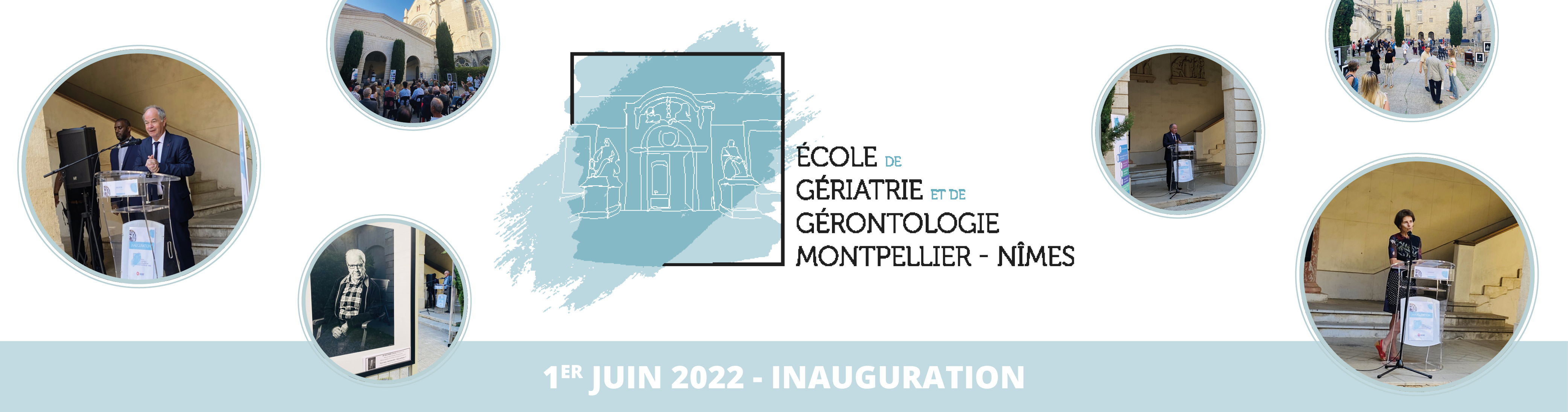
Inauguration of the School of Geriatrics and Gerontology

, ,
On June 1, 2022, the School of Geriatrics and Gerontology was inaugurated in the Faculty of Medicine’s Historic Building. We were able to celebrate this achievement in the presence of Isabelle Laffont, Dean of the Faculty; Jacques Mercier, Vice President of the University of Montpellier; and Nicole Marin-Khoury, Deputy Mayor of the City of Montpellier.

Older

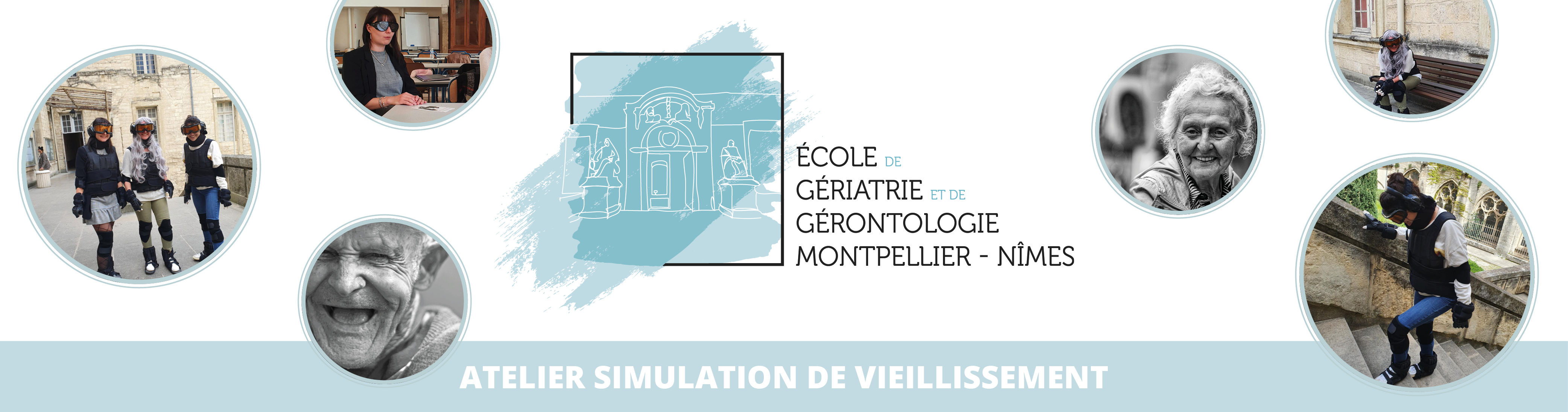
Gerontology | Aging Simulator: Innovating to Gain a Better Understanding

, ,
Thanks to the tools offered in this innovative aging simulation workshop at the Montpellier School of Gerontology, participants will be able to take a leap forward in time by several years!

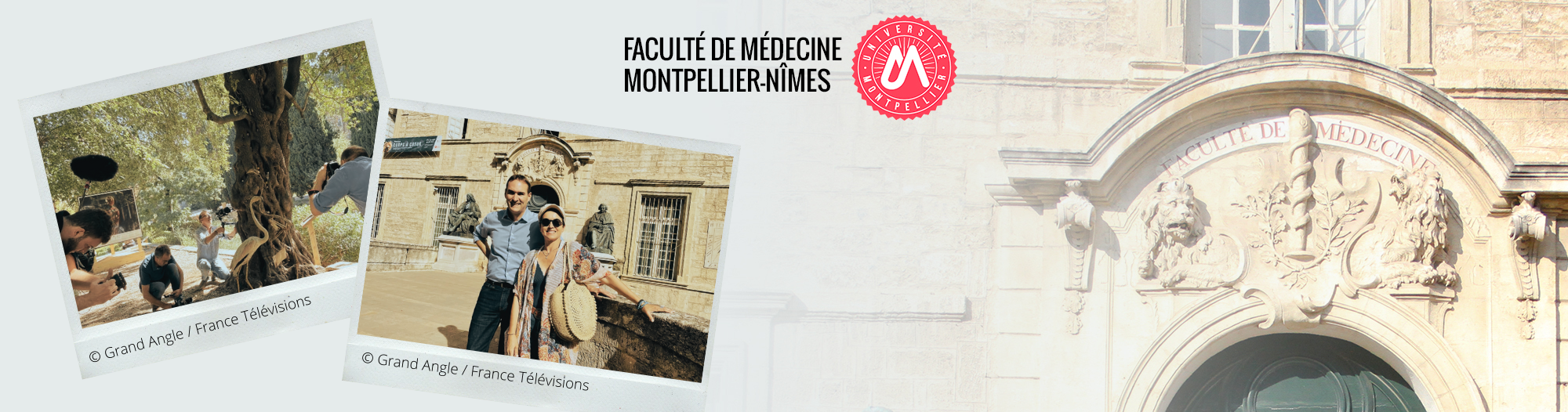
#PeopleAreTalkingAboutIt: Ô La Belle Vie: Check out the School of Medicine!

, , , , ,
On January 30, 2022, the France 3 program *Ô la Belle Vie* featured the Montpellier Faculty of Medicine in a special episode. Available for replay, the episode explores the history of this renowned center of learning—which has been in existence for 800 years—and its latest developments.

OVERVIEW

THE SCHOOL OF GERONTOLOGY IN A NUTSHELL

OUR SCHOOL

Older adults are at the center of political, social, medical, and scientific concerns. Population aging, increased life expectancy, and the rise in chronic, disabling diseases make it essential to better train professionals who work with older adults, whether in existing or emerging fields. In fact, by 2060, the number of people with reduced independence will reach 2.45 million, up from 1.6 million in 2030.

In light of this significant demographic challenge, there is an urgent need to provide students and professionals in the field of gerontology with a diverse range of training programs that employ innovative teaching methods across various disciplines (medical, epidemiological, psychological, legal, etc.) in order to foster a cross-disciplinary and holistic approach to the issues facing the elderly.

It was in this context, and in order to address these demographic challenges, that the Montpellier School of Geriatrics and Gerontology was established in July 2021. Under the direction of Dr. Stéphanie MIOT, the school oversees the accreditation, promotion, and coordination of the university’s academic programs.

It brings together faculty members in geriatrics and gerontology at the University of Montpellier-Nîmes.

The school's various departments

The school is organized around four areas:

  • EDUCATION DIVISION FOR HEALTHCARE PROFESSIONALS

    Available to professionals in the health and medical-social sectors.

  • DIVISION OF EDUCATION FOR PHYSICIANS AND MEDICAL STUDENTS

    Available as part of continuing education and initial training programs.

  • CAREGIVERS' CENTER

    For family members and friends of older adults who are losing their independence.

  • THERAPEUTIC EDUCATION CENTER

    For patients.

The School in Numbers

18

Training Courses

Our school offers 2 master's programs, 9 university diplomas (DU and DIU), and 7 short courses for healthcare professionals

500

Class

Our courses are integrated into a digital resource library designed for hybrid learning

450

Graduates

Since 2006, as part of the two master’s programs in gerontology offered by the school

25

Tutors

A team of 25 mentors, regularly selected from the school’s pool of alumni

2

Annual Conferences

Conferences recognized within the scientific and medical communities: CIPEG and CNMC

Excellent employment rates

Employment at 18 months
0%
Employment at 30 months
0%

Source: OSIPE 2020, for students in master's programs in gerontology

TRAINING OFFER

THE SCHOOL OF GERONTOLOGY: FROM UNIVERSITY DIPLOMA TO MASTER'S DEGREE

The school's various programs

The school offers a wide range of programs to meet various needs: advanced training, introductory courses, or specialization. To this end, the program is organized into three types of courses: Master’s degrees, University Diplomas (DU), and Short Courses (FC).

THE MASTER'S PROGRAM

The school offers a wide range of programs tailored to different needs: advanced training, introductory courses, and specialized programs. To this end, the program offerings are organized into three types of courses: Master’s programs, university diplomas (DU and DIU), and short courses.

The Master 2 in Gerontology offers students a choice of two tracks:

  • Career Path: Management and Coordination of Services and Facilities
  • Research and Training Track in Gerontology

The Master’s program consists of about twenty modules, some of which are required, while others are tailored to the various professional tracks offered. Each track comprises 10 modules of 30 hours each. These modules cover all major topics in gerontology and longevity to address the diversity of relevant professions and students’ expectations. This wide variety of modules allows for the customization of training tracks based on students’ prior knowledge, their expectations, and their career goals. The Master’s in Gerontology therefore offers multiple, interdisciplinary tracks tailored to a diverse student body.

Each student's course of study will be determined in consultation with the Master's program director in order to identify the modules necessary to achieve their career goals.

UNIVERSITY DIPLOMAS (DU)

The DU-DIU programs are designed for all professionals in the field of gerontology (medical, paramedical, and medical-social professionals, supervisors, and administrative staff) and anyone interested in learning more about older adults.

The University Diploma in General Knowledge of the Elderly aims to provide or enhance knowledge in the fields of gerontology and disabilities among the elderly.

The 50-hour University Diploma (DU) in General Knowledge of the Elderly is offered exclusively through e-learning. Access to the learning platform is available from November 15 through June 30. Students choose their own days and times to complete the course based on their availability.Course objectives:

    • Build on one's knowledge of aging and disability
    • Learn about the various services and benefits available to older adults with disabilities
    • Promoting changes in practices regarding the aging of people with disabilities
    • Developing a gerontological culture to adapt support for aging people with disabilities and their families
    • Exploring new support mechanisms

PROGRAM

LEARN MORE

Older adults are more vulnerable when they lose control over their social and personal environment. This vulnerability increases the risk of cognitive, functional, and social frailty. Identifying a situation of frailty can help foster resilience.

The 48-hour University Diploma (DU) in Vulnerability and Fragility in Older Adults is offered exclusively through e-learning. Access to the learning platform is availablefrom November 15 through June 30. Studentschoose the days and times they wish to participate based on their availability.

Training Objectives:

  • Understanding the Concepts of Vulnerability and Fragility
  • Understanding the Consequences of Frailty in Aging
  • Knowing how to identify and anticipate risk factors
  • Understanding the ethical and legal issues related to vulnerability
  • Identify and utilize support networks and services for frail older adults

PROGRAM

LEARN MORE

When a person’s situation—whether they are elderly or not, have a disability, or are in a vulnerable situation—requires the support and intervention of several categories of professionals, their healthcare journey is identified as complex. The healthcare coordinator or complex care pathway coordinator supports both professionals and patients by coordinating professional interventions, with the goal of obtaining the patient’s consent to prevent gaps in care.

This training program is designed for professionals in the health, social, or medical-social sectors to help them acquire the knowledge and skills necessary to coordinate complex clinical situations. It aims to provide training in assessment, tailored planning, coordination, and continuity of services, with a view to integrating care and services while respecting the individuals receiving support, as well as their needs, desires, and wishes.
This 142-hour training program consists of five 5-day modules, delivered in person by professionals working in the fields of gerontology, disability, child welfare, and social vulnerability.

Training Objectives:

    • Be able to assess a situation and determine the needs of an individual or a population
    • Know how to implement, plan, and coordinate the resources needed to meet these needs
    • Knowing how to approach, consult with, and monitor the work of all types of healthcare and support professionals
    • Knowing how to work collaboratively with individuals, their caregivers, and their families
    • Understanding the multidimensional assessment approach and its tools
    • Understanding Digital Technology in Healthcare
    • Understanding chronic conditions, disabilities, loss of independence, and social and psychological issues that require coordination
    • Be able to analyze the responsibilities of a program coordinator within a collaborative work environment and be able to justify their actions

PROGRAM

LEARN MORE

Aging can lead an older adult to experience sensory, cognitive, or motor disabilities, but the effects of aging on people with disabilities can also result in the emergence of new disabilities and an increase in challenges. With increasing life expectancy, institutions and services in the fields of disability and aging must adapt to care for and support these two populations in entirely new ways.

This training is intended for all those involved in supporting people with disabilities and/or older adults: professionals working in the disability or geriatric care sectors, whether in home care or in residential facilities (FAM, MAS, SAMSAH, SSIAD, SPASAD, EHPAD, USLD), as well as managers involved in the implementation and evaluation of these programs who work within Regional Health Agencies (ARS), departmental councils, national agencies (HAS, ANESM), health insurance funds, and other organizations…
This 100-hour training program consists of four 4-day modules, delivered in person by professionals working in the fields of disability and/or gerontology.

Training Objectives:

  • Build on one's knowledge of aging and disability
  • Learn about the various services and benefits available to older adults with disabilities
  • Promoting changes in practices regarding the aging of people with disabilities
  • Developing a gerontological culture to adapt support for aging people with disabilities and their families
  • Exploring new support mechanisms

PROGRAM

LEARN MORE

This training course on the care of patients with neurocognitive disorders is intended for graduate students in medicine, dentistry, or pharmacy, as well as those in continuing education; physicians, pharmacists, dentists, nurses, nursing assistants, psychologists, physical therapists, speech-language pathologists, occupational therapists, psychomotor therapists, social workers, facility directors, or any other professionals in the health and social services sectors, subject to the approval of the academic committee.

Training Objectives:

Acquire the skills in various areas of expertise (knowledge, technical skills, interpersonal skills) necessary to optimize the care of patients with Alzheimer’s disease or a related syndrome.

This training program is intended for physicians with a medical degree, particularly general practitioners, physicians with a certification in gerontology, coordinating physicians at long-term care facilities, and psychiatrists.

Training Objectives:

  • To better address the growing training needs in the field of geriatric psychiatry as part of the necessary overhaul of the organization of geriatric psychiatric care.
  • Gain knowledge about normal psychological aging, the main psychiatric disorders encountered in older adults, differential diagnoses, psychobehavioral disorders, the proper use of psychotropic medications, alternatives to drug therapy, and the organization of psychiatric care for older adults.

This training program is intended for physicians (M.D.s—French, foreign, and EEC) and medical residents (DES in oncology, organ-specific specialties, geriatrics, internal medicine, and general practice; DESC in oncology) as well as any specialist working in the fields of oncology and geriatrics.

Training Objectives:

To bring together oncologists, geriatricians, and other healthcare professionals to agree on a common strategy for the care of older adults with cancer at different stages of their lives.

To achieve this goal:

  • Geriatric topics will be explored, focusing on major geriatric syndromes that may interfere with cancer care.
  • In parallel, we will discuss the diagnostic and therapeutic management of the most common cancers in this age group.
  • In addition to this theoretical training, students will be expected to gain practical experience through clinical rotations: those coming from oncology will learn about the specific aspects of geriatric practice, and those coming from geriatrics will learn about the specific aspects of oncology practice.
  • Students will be asked to prepare and present clinical cases that will help them reflect on the practical application of the onco-geriatric approach.

This DIU may be of interest to physicians with a French and/or EU DE** degree and a non-EU degree who are specialists in Cardiology, Nephrology, holders of the Capacité in Geriatrics, holders of the DESC in Geriatrics, holders of the DES in Geriatrics, specialists in Internal Medicine, holders of the DES in Vascular Medicine, holders of the DESC in Vascular Medicine, holders of the DESC in Emergency Medicine, or holders of the CAMU. This program is also intended for students in initial training (DES in Cardiology and Vascular Diseases, DES in Cardiovascular Medicine, DESC in Geriatrics, DES in Geriatrics, DES in Vascular Medicine, DESC in Emergency Medicine, DES in Nephrology, and for international students enrolled in the DFMS/DFMSA programs in Cardiology, Geriatrics, and Nephrology. By way of an individually granted exemption, a specialist physician or a student enrolled in another specialty track may be authorized to pursue the D.I.U. based on a particular interest in this continuing education program.

Training Objectives:

Consider various diagnostic and therapeutic approaches based on common clinical situations that pose particular challenges due to the patients’ age and living conditions.

  • Compare the technical capabilities (coronary revascularization via angioplasty, percutaneous aortic valve replacement, extrarenal blood purification techniques, kidney transplantation, etc.) of a well-equipped hospital with those of a facility caring for the elderly that lacks technical resources.
  • For each situation, analyze the conditions under which hospitals with state-of-the-art medical facilities should be consulted, and compare these with the participants’ experiences, particularly in terms of age groups and practical difficulties.
  • Specify the cost-effectiveness of each treatment approach based on the specific conditions, for clinicians who do not have in-depth knowledge of current technical options for cardiovascular and renal conditions.

This training program is intended exclusively for physicians who hold a state-issued Doctor of Medicine degree and are fully licensed to practice medicine in France, or for practitioners with degrees from outside the European Union who have passed the Knowledge Assessment Exam (EVC) as part of the procedure for admission to practice (PAE).
(Not open to those in initial training.)

Training Objectives:

This DIU provides physicians with additional skills that enable them to improve care for older adults and is a prerequisite for applying to the DIU in Geriatric Coordination, which is required to apply for a position as a coordinating physician.

The training program consists of approximately 70 hours of e-learning, 37 hours of in-person skills-based training, and 6 half-day in-person seminars (21 hours).

  • A national training program organized by the National College of Geriatric Educators and the National Professional Council
    for Geriatrics.
  • For general practitioners, the DIU in Geriatric Medicine qualifies them to apply for certification in Geriatrics, provided the candidate meets the criteria set by the Geriatrics Committee of the National Council of the Order of Physicians (CNOM). This qualification is required to apply if the applicant does not already hold a previously obtained certification in Gerontology.

SHORT-TERM TRAINING COURSES (FC)

The School of Geriatrics and Gerontology offers a range of short, practical training courses designed for professionals who work with older adults, with the aim of promoting their well-being and health.

These short-term courses are offered exclusively through e-learning. They are designed to help professionals and support staff enhance their skills in specific areas. Each student receives personalized tutoring throughout the course.

Most older adults express a desire to continue living at home. But aging at home must be possible under the best possible conditions. Today, “aging well at home” has become not only a social issue but also an economic one.

This training is intended for all key community stakeholders—whether professional caregivers or family caregivers—who are involved in the daily care of individuals at risk of losing their independence and/or who are dependent, and who wish to improve the quality of their care by adapting the individual’s home environment.

Training Objectives:

  • Understanding the motivations of older adults to remain in their own homes
  • A Glimpse into the Challenges of Home Care
  • Respect the existing layout of the home to preserve the habits and familiar surroundings of the person losing their independence
  • Identifying desirable adjustments and necessary changes
  • Understand the upheavals that these changes bring about in order to adapt and better convince people of their merits
  • Recognizing the impact and quality of technical diagnostics
  • Prevent and identify risks
  • Learn about available financial assistance programs
  • Offer simple yet sustainable solutions

PROGRAM

LEARN MORE

The decision to move into a care facility is often driven by a loss of independence, poor health, or a need for safety. This often abrupt transition is a major upheaval for both the elderly person receiving care and their caregiver.

This training is intended for anyone who works with older adults and wishes to identify their specific needs in order to better address them. This training is led by psychologists and an anthropologist who specialize in aging. It explores this delicate stage of life from a cognitive perspective, but above all from psychological and relational perspectives, as well as the consequences for the individual’s place in their environment. It focuses on highlighting practical ways to live life to the fullest, remaining an active participant through informed professional and compassionate support.

Training Objectives:

  • Understanding the Psychological Needs of Older Adults in Care Facilities
  • Understanding Aging Through Psychological Stages
  • Better Identify Crises and the Resources Needed to Address Them

PROGRAM

LEARN MORE

The decline in motor function among older adults stems from various causes and can lead to postural instability and an increased risk of falls. This training is intended for anyone who wishes to gain a better understanding of motor disorders in order to support older adults and prevent falls.

Training Objectives:

  • Acquire the clinical, medical, and practical knowledge needed to recognize and support people with motor disorders
  • Understanding the Link Between Cognitive and Motor Disorders to Provide Better Support
  • Understanding the multifactorial causes of these conditions and knowing how to assess them to better prevent falls
  • Understand the related quality-of-life issues and analyze the role of the environment

This 7-hour training course is taught by geriatricians, a neurologist, an occupational therapist, and a psychomotor therapist, providing a comprehensive approach to motor disorders. It is designed to provide specialized training in fall prevention through a medical, psychological, psychomotor, and occupational therapy approach to this complex topic.

PROGRAM

LEARN MORE

Medications play an important and necessary role in the medical care of older adults. However, taking medications can cause unwanted and unexpected side effects with significant consequences for this vulnerable population.

This training program is designed for healthcare professionals who work with older adults and wish to deepen their knowledge and understanding of the specific aspects of geriatric pharmacotherapy and acquire the skills needed to manage pain in older adults.

Training Objectives:

  • Comparing knowledge regarding medication prescribing with the concept of frailty in older adults
  • Understanding Multimorbidity in Older Adults to Consider Prescriptions and Their Consequences
  • Anticipating Side Effects and Iatrogenic Risks in Older Adults
  • Pain Management in Geriatrics

This 6-hour training course is taught by geriatricians, a pharmacologist, and a psychologist. It covers the medical and pharmacological aspects of caring for older adults. It examines pain management from both medical and psychological perspectives. It provides an ethical perspective on geriatric care.

PROGRAM

LEARN MORE

Demographic studies confirm that end-of-life care primarily concerns the very elderly. This end-of-life stage in old age presents caregivers with complex medical situations and difficult questions.

This training is intended for anyone who works with older adults and wishes to understand and provide support during old age and at the end of life.

Training Objectives:

  • Analyze the psychological mechanisms of this stage of life
  • Understanding suffering and its various forms of expression in order to better support those affected and establish a professional stance

This 8-hour training course is taught by clinical psychologists and an anthropologist. It explores a psychological approach to old age from the perspective of vulnerabilities and resources. It sheds light on suffering, its psychological or relational causes, and the psychological mechanisms at work as death approaches. It provides an overview of palliative care, support networks, and their activities in light of the law and human rights.

PROGRAM

LEARN MORE

Swallowing disorders are common among older adults and become increasingly frequent with advancing age. They can take various forms. They are a source of concern for those who care for older adults because they can be life-threatening.

This training course is designed for professionals who work with older adults and wish to deepen their understanding of swallowing disorders commonly found in the geriatric population, in order to better identify and manage them. It is led by a speech-language pathologist who works with the geriatric population, both in nursing homes and in patients’ homes. The material is illustrated with several clinical examples to aid understanding.

This training course highlights that dysphagia is a geriatric syndrome that is often overlooked and requires a comprehensive, multidisciplinary, and personalized approach.

Training Objectives:

  • Understanding the Connection Between Nutrition, Diet, and Aging
  • Understanding the Mechanisms of Swallowing
  • Understand the pathophysiological mechanisms of dysphagia in order to better identify them
  • Understanding screening, assessment, and management methods
  • Recognizing the Link Between Dysphagia and Quality of Life

PROGRAM

LEARN MORE

Alzheimer’s disease and related conditions put patients at risk of losing their independence and can be unsettling for their loved ones. Understanding and interpreting cognitive impairments helps us better grasp the consequences of the disease.

This training is intended for anyone who works with older adults and wishes to deepen their understanding of Alzheimer’s-type disorders or related conditions in order to rethink their approach to care.

Training Objectives:

  • To understand the mechanisms underlying dementia and neurocognitive disorders and to provide the tools needed to understand these conditions and their behavioral manifestations
  • Learn to recognize how the environment and relationships can lead to these behaviors
  • Knowing How to Adopt an Observant Attitude
  • Understanding the Different Models of Support for Behavioral Disorders

This 7.5-hour training course is taught by geriatricians, psychiatrists, psychologists, and gerontology consultants.  It presents the clinical and etiological profiles of dementias to promote a better understanding of these conditions. It sheds light on clinical signs and behaviors from the perspective of their significance, thereby paving the way for non-pharmacological approaches and the latest support tools. It highlights the crucial role that the environment plays in the lives of both patients and healthcare professionals.

PROGRAM

LEARN MORE

The organic origin of the behavioral and psychological symptoms of neurocognitive disorders varies from one condition to another. However, the causes of behavioral disorders must be thoroughly investigated in order to offer non-pharmacological interventions and alternatives to medication. In fact, the French Health Safety Agency strongly advises against the use of medication due to its side effects.  This approach to care often proves to be beneficial and comforting for both the patient and their loved ones.

This training is intended for anyone who cares for or works with older or frail adults suffering from neurocognitive disorders (such as Alzheimer’s disease and related conditions) and/or exhibiting behavioral difficulties. It aims to provide a better understanding of neurocognitive disorders, to identify observed behavioral symptoms, and to develop a systematic approach for pinpointing the factor(s) triggering a behavioral episode, with the goal of calming the person experiencing the disturbance(s). It seeks to provide tools to prevent the onset of such disturbances and improve their management. It provides step-by-step guidance on developing medication regimens designed to prevent the onset of these disturbances. Finally, it offers recommendations on verbal and nonverbal communication to foster a therapeutic alliance and ensure the best possible care.

Training Objectives

  • Understanding Cognitive Disorders and Identifying the Signs of the Most Common Neurodegenerative Diseases
  • Identify and assess the behavioral and psychological symptoms of neurocognitive disorders (Alzheimer's-type and related disorders)
  • Develop a framework for reflection to help identify the trigger of a behavioral crisis and prevent it from occurring
  • Understand the process for developing and implementing non-pharmacological interventions tailored to cognitive difficulties, with the goal of preventing the onset of behavioral disorders
  • Knowing how to adapt verbal and nonverbal communication

PROGRAM

LEARN MORE

Experiencing the challenges of aging or disability helps us better understand people’s needs and improve preventive measures.

This training program is designed for individuals who wish to deepen their understanding of older adults or people with disabilities. Experiencing conditions related to aging and physical and sensory disabilities through a simulator helps participants better understand the people they support and fosters empathy.

The first part consists of 7 hours of instruction, and the second part features a 3-hour hands-on workshop.

Training Objectives:

  • Understanding Normal Aging and Geriatric Syndromes
  • Understanding Different Disabilities
  • Understanding the geriatric care system and the disability care system
  • Understanding the tools for identifying vulnerability in older adults
  • To experience the effects of aging and disability in everyday life in order to better understand them and provide better support
  • Understanding the Vulnerabilities of the People We Serve
  • Understanding the Importance of Prevention
  • Adapt one's attitude, behavior, and communication to the person's remaining abilities
  • Fostering Empathy
  • Promoting Kindness and Compassionate Care

PROGRAM

LEARN MORE

INNOVATIVE TEACHING METHODS

FROM THE AGING SIMULATION WORKSHOP TO ALUMNI MENTORING

Workshop on Simulating Age-Related Conditions

The School of Geriatrics and Gerontology provides students in its various programs with state-of-the-art educational technology that allows them to experience the major impairments associated with aging:

  • Narrowing of the visual field
  • Hearing Loss
  • Restricted head movement
  • Joint stiffness
  • Loss of muscle strength
  • Decreased agility
  • Reduced coordination of movements

This workshop enables participants to:

  • to experience firsthand the main age-related sensory impairments
  • to understand the challenges faced by older adults
  • to better understand the behavior of older adults and their specific needs

A truly experiential learning process aimed at improving the quality of life for older adults

E-learning courses

Short e-learning courses

EDUCATION DIVISION

FOR HEALTHCARE PROFESSIONALS

This center, designed for professionals in the health and medical-social sectors, offers several degree programs, both in-person and online.

The courses are taught by university hospital physicians and external professionals who are active in the field of gerontology.

Our Training Programs

The Education Center for Healthcare Professionals offers several degree programs at the master’s level, as well as university certificates (DU and DIU) and short-term courses:

1

MASTER'S DEGREE

9

DU & DIU

8

SHORT COURSES

EDUCATION DIVISION

FOR PHYSICIANS AND MEDICAL STUDENTS

CAREGIVERS' CENTER

FOR FAMILY MEMBERS AND FRIENDS OF ELDERLY PEOPLE WHO ARE LOSING THEIR INDEPENDENCE

Overview of Information for Family Caregivers

We invite you to explore the basic concepts in the video below:

You can select the video below based on the information you're looking for:

Below you will find

the presentation of the information module

"Understanding my loved one’s illness”

Below you will find

the 3 videos in the informational module

"Understanding my loved one’s illness.”

Below you will find

the presentation of the information module

"Supporting a Loved One"

Below you will find

the 3 videos in the informational module

"Supporting my loved one."

Below you will find

the presentation of the information module

"Taking Care of Myself"

Below you will find

the 3 videos in the informational module

"Taking Care of Myself".

You are caring for someone with a neurodegenerative disease,

MND Occitanie offers you support and a listening ear

by a psychologist,

Available 7 days a week

from 6 p.m. to 10 p.m.

THERAPEUTIC EDUCATION CENTER

FOR PATIENTS

Page under construction

CONTACTS

FROM THE SCHOOL OF GERONTOLOGY AND GERIATRICS

MANAGEMENT

School Principal

Dr. Stéphanie Miot

Advisor to Management

Prof. Claude Jeandel

ADMINISTRATION

Administrative Manager

Myriam Aggoun

04 34 43 36 58


Instructional Engineer

Marie-Laure Portalez

04 34 43 36 57