
At the Montpellier Health Tutoring Association (ATSM), we have been committed since 2006 to supporting first-year health studies students (PASS/LAS).
Supported in particular by grants from the Hérault Medical Association and the School of Medicine—with whom we work closely—the support
we provide is designed to be high-quality but, above all, free of charge.
Our association is made up of students in their 2nd through 4th years in various health-related fields (midwifery, dentistry, and medicine), who are recruited and trained by university professors. Our goal is to enable any student to enroll in MMOPKI health programs (Medicine, Midwifery, Dentistry, Physical Therapy, Nursing) without financial constraints.
In this article, we invite you to discover what a year with us is like!
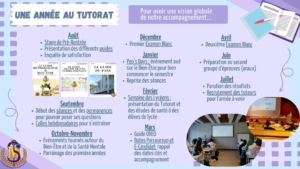
2023–2024 Mentoring Program
The first event organized by the tutoring program, aimed at first-year students, is the Pre-Semester Workshop (or SPR). First-year students participate in educational sessions covering the essentials of the first-semester courses, as well as workshops on study skills and well-being. This early start to the semester is strongly recommended for success in the PASS/LAS program. In fact, with the support of tutors, students develop their study methods using materials reviewed and approved by the faculty’s teaching team. This SPR concludes with a pop quiz—a graded and ranked exam—to prepare students for the type of exams they will take throughout the year.
As part of a commitment to continuous improvement, the tutoring program conducts a satisfaction survey at the end of the Pre-Semester Workshop to gather feedback from the students. This feedback is valuable for future planning, as it helps tailor the workshop to the needs of first-year students in the following academic year.
During the SPR, we introduce students to the Guides, which have been created by the ATSM tutors over the years. First, the PASS Guide (Specific Pathway to Health Care) and the LAS Guide (Bachelor’s Degree in Health Care) help students better understand the details of the reform, which continue to evolve each year. They also explain the programs (see also the Guide to Minor Programs for Academic Reorientation) and the general operations of the faculty, including an overview of the various student organizations there.
In addition to this guide focused on academic studies, these guides list various places in Montpellier where students can work, seek medical care, or enjoy themselves. The activities suggested are tailored to both the budget and the limited free time available to first-year students—keeping in mind that this downtime is essential for students’ physical and mental well-being.
There is also a Methodology/Well-Being Guide, which offers plenty of useful advice—both for managing daily life (diet, sleep, exercise, stress, etc.) and for learning to work more effectively—an International Students Guide, which is new for 2023, as well as an Oral Exam Guide, which helps students at the end of the year. The International Student Guide features numerous testimonials and tips covering administrative matters, practical issues, and adjusting to life in a new country—often far from family—which can be especially challenging for students in the PASS or LAS programs.
All of these guides are available on the ATSM's LinkTree.
In early September, two weeks after lectures begin, tutoring sessions start. Prior to the scheduled sessions, PASS students have access to materials in both print and digital formats: a number of multiple-choice quizzes, reviewed and approved by the subject-matter professors, which should ideally be completed in advance so they can be graded during the session. During these sessions, students gather in a lecture hall or classroom with several tutors. The tutors correct the multiple-choice questions by addressing the most complicated points and sharing their methods, tips, and othermnemonic techniques with the students. Students are welcome to ask any questions they may have. If they have further questions, they can use the online forum or visit the tutoring center, where tutors are available during pre-scheduled hours.
In Semester 1, LAS students must complete the “Health” course. Thus, the tutoring program for LAS students remains the same, except that the sessions are conductedonline. At the ATSM office, the position of vice president in charge of Health-Track Bachelor’s Degrees (LAS) was created following the reform; this person serves as the primary point of contact between students and the heads of the various faculties and answers students’ questions throughout the academic year.
To ensure equal opportunities among the various campuses hosting LAS students, sessions are held weekly on Zoom.
In addition to providing academic support, the tutoring program aims to expand its personal support for first-year students. It was with this goal in mind that the Health, Social Services, and Support Center and the Well-Being Center were created. This support is particularly valuable at the beginning and throughout the first semester, as this is when students are settling in, completing administrative procedures to obtain various forms of financial aid, and during the winter months, when the focus on mental health is even more pronounced.
The first year of health studies can be stressful and may take a toll on students’ mental health. As a result, projects and initiatives are being developed to promote mental health within the faculty. In particular, the ATSM organizes training in suicide crisis prevention and management, led by faculty professionals, to equip ATSM members with the skills to refer students in distress to appropriate resources. This training, which complements the pedagogical training our tutors receive, ensures that we are qualified to extend our support beyond academic matters. Our directory,“Key Contacts for Psychological Support,”lists contacts for various emergency situations, psychological counseling, support for a range of issues, and assistance for students with disabilities; it is also available via the LinkTree mentioned above.
The ATSM works in collaboration with the Joint Office for Preventive Medicine and Health Promotion (SCMPPS) and the Handiversité Office to implement the Disability Tutoring Program. The Disability Tutoring Program is in line with our commitment to equal opportunity among students: sessions are held in small groups (2–5 students) to accommodate each student’s needs, but the session curriculum is strictly the same as that of the academic tutoring program. The ATSM is one of the few tutoring programs in France to offer this type of support, and every effort is made to ensure that we continue to provide high-quality education to all our students without any discrimination.
A mentoring campaign is also organized in October: all first-year students can sign up for it. They are then paired with second- and third-year students in the MMOPK program to ensure they receive the best possible support throughout the year.
The month of December in the tutoring program concludes—two weeks after the end of lectures—with the first mock exam. Over the course of two days, students are placed in a real exam setting: the same sequence of tests, duration of the exams, and number of multiple-choice questions per subject as on the actual exam day. To support the students, this final practice session is proctored and facilitated by the tutors. At the end of these two days of mock exams, the exams are graded, scored, and ranked. Students then have access to their scores and rankings. The development of these sessions and mock exams, in direct collaboration with the teachers, ensures that the educational resources used are representative and accurate. This event, which brings together more than 900 students each year, therefore provides realistic preparation for the ranked exam they will take in early January.
The second semester follows the same schedule as the first: sessions begin in late January and end in early April. What sets this semester apart is the preparation for the Essay Question (QR) in the Humanities and Social Sciences (SHS). The SHS tutors first conduct standard sessions to reinforce the PASS students’ knowledge and then organize Essay Question (EQ) workshops. These sessions focus on the methodology of the EQ and are supplemented by EQ consultations: a tutor schedules a consultation slot with a student to review in detail the strengths and areas for improvement in the student’s submitted EQ, enabling personalized and tailored support.
The Montpellier Health Tutoring Association, in addition to providing effective academic support, offers PASS/LAS students emotional and methodological support . We therefore have an Instagram page, “Tuto Pep’s” (@tuto_peps), as well as a Facebook page called “Tuto Pep’s, ” both of which are designed to help students make the most of their first year. There, you’ll find study tips, advice on healthy living, mental health, applying for scholarships, and managing housing, as well as words of encouragement, introductions to the various degree programs, and information on changing your major.
For example, there are the “Midis Partage,” where tutors come to answer questions from PASS/LAS students and share their experiences during the lunch break. “Midis Jeux” are also organized, featuring board games, as well as “Blind Tests” organized by the Med’ley music club, where first-year students can come to relax.
Finally, the major wellness event of the year takes place from late January through early February: the Pep’s Days. This event consists of four lunchtimes spread over two weeks, featuring activities such as massages by physical therapy students, blind taste tests, sophrology sessions, sign language classes, self-hypnosis, and more… Savory and sweet buffets are available to students, and Welcome Packs filled with goodies are handed out. This completely free event allows PASS/LAS students to take their minds off things and have fun with their friends during their breaks in what has been a particularly challenging year for them.
The academic counseling center is especially important during the second semester, as this is when the Parcoursup and E-Candidat application processes take place. In addition, after receiving their first-semester grades, many students begin to question their academic path. It is also during this time that we organize a Career Guidance Fair at the university: the concept is similar to a career fair, but it features students from programs other than MMOPKI, many of whom are in the paramedical field.
Every year, the Joint University Service for Information, Guidance, and Career Placement (Scuio-IP) recruits one of our tutors to serve as their ambassador. This ambassador’s role will be to present health-related degree programs at various high schools in the region. All tutors also receive training on the Reform of Admission to Health Studies so they can best answer students’ questions. PASS/LAS students also have access to an OREO (Guidance and Reorientation) forum on their Moodle platform, where they can ask any questions related to their academic guidance.
We also interact with high school students at college fairs, immersion days, and open houses where we are present. At some fairs, we even serve as direct representatives of the Montpellier School of Medicine. It is the VP OREO’s role to organize these events, in collaboration with the school.
High School Students’ Week has been held every year since 2021 during the February school break. To ensure that as many high school students in the region as possible can participate, the various sessions are held on Zoom, typically in the late afternoon. This program is completely free, and you can attend as many sessions as you’d like. If health conditions permit, we also offer an in-person day where high school students can come and explore the university and learn how it operates.
During this week, high school students will have the opportunity to learn about the various health-related programs available after completing a PASS or LAS track, and how to gain admission to these programs. There is also a study skills session to help students prepare for that infamous “first year.” Finally, we offer introductory sessions to the various courses students will take during their first year, linking them to the concepts they’ve learned in high school. The goal of this week is to reassure high school students about the challenges of their future studies.
The tutoring program provides support both academically and emotionally, even beyond the first year. In fact, our Career Redirection Guide ensures that everyone has a backup plan in case they are not admitted to a healthcare program after completing a PASS or LAS program. In this guide, you’ll discover many other—sometimes lesser-known—programs, such as certain paramedical programs, and learn how to apply to them.
However, this requires some thought throughout the year, as it’s important not to miss key deadlines on platforms like Parcoursup or E-candidat, which allow you to have a backup plan for the coming year.
The second-semester mock exam is similar to the first-semester one. Spread over two days, it includes four 1-hour exams (UE4, UE6, UE8, UE9), one 1.5-hour exam (UE7: Biophysics), and a 2-hour essay exam (UE5: Humanities and Social Sciences), just like the final exam held in late April. Thanks to the enthusiasm of the tutors supervising these exams, the mock exam takes place in a positive atmosphere.
It serves as a final practice session and allows students to refine their study methods, improve their knowledge, and gauge their standing among their peers before the actual graded exam.
The tutoring program also provides free preparation for the second set of exams. These consist of two oral exams: a commentary on an image-based document and an analysis of an issue related to human health. Each exam lasts 30 minutes, with 20 minutes of preparation, a 5-minute presentation, and a 5-minute discussion with the panel. Thus, during the week preceding their oral exams, the tutors—who have been selected and trained by the faculty advisors in charge of the oral exams—conduct three preparation sessions for the students they are mentoring.
This is an opportunity for students to practice public speaking, develop their critical thinking skills, and become familiar with the format of these exams. For PASS students, this preparation takes place in small groups in person. The same program is offered online for LAS students.
At ATSM, tutors are recruited in July. Second-year health studies tutors are called Trainee Tutors (TS), and they are supervised by the Vice President in charge of Trainee Tutors throughout the year. The recruitment process aims to identify the best candidates to mentor first-year students.
This supervision of tutors continues throughout the academic year, notably through ongoing training provided, on the one hand, by third-year Qualified Tutors (TQs) who mentor Trainee Tutors (TSs), and, on the other hand, through training sessions on a wide variety of topics: Reform of the admission process for health studies programs, creation of multiple-choice questions, training on tutors’ rights and responsibilities… In fact, tutors have rights and responsibilities, such as attending their PASS and LAS sessions, holding in-person or online office hours, proctoring quizzes and mock exams, and answering questions from PASS/LAS students on the dedicated forum; it is the combination of fulfilling these responsibilities that enables us to provide high-quality tutoring. At the end of the year, following an interview with the tutoring program’s supervising professors, Trainee Tutors can become Qualified Tutors.
Finally, our association is recognized by the Ministry of Higher Education and Research, having obtained ministerial accreditation that attests to the quality and relevance of our support, which aims to promote equal opportunity and ensure that health studies are accessible to everyone. Throughout the year, we strive to provide high-quality tutoring, remaining true to our commitment to offer completely free support centered on solidarity among student cohorts—a cornerstone of health studies at the Montpellier-Nîmes School of Medicine.
ATSM Contacts:
Facebook: Tutorat Santé Montpellier
Instagram: @tutoratsantemtp
Twitter: @TutoratSanteMTP
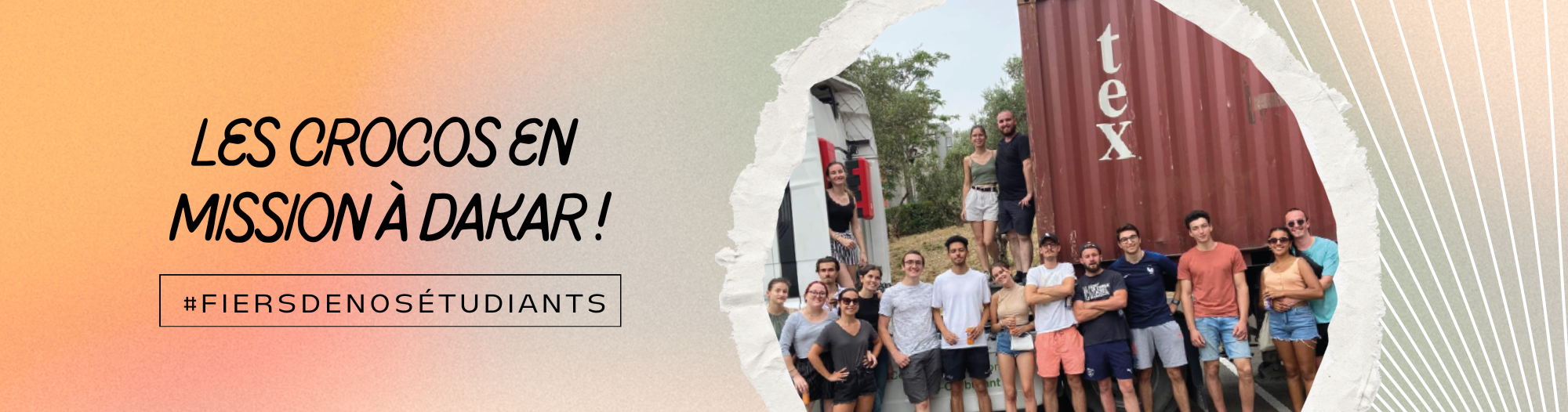
Our students have talent and ideas to spare! While our students in Montpellier are getting involved in a community service project in Togo, our students in Nîmes have chosen Senegal and the city of Dakar for the annual humanitarian project organized by the Crocos du Monde association. It’s a wonderful initiative that we didn’t want to miss the chance to share. Here’s a report and an interview.
To learn more about the ins and outs of this project, we sat down with Joffrey Buland, the 2021–22 President of Crocos du Monde! Check out his interview below!
Hello, my name is Joffrey Buland, and I am currently a second-year medical student in Nîmes. During the “Dakar 2022” project organized by Crocos du Monde, when I was a first-year medical student, I served as president of the association. The president’s role, in collaboration with the executive committee, is to organize the international project. We were responsible for communicating with local contacts, issuing requests for quotes for the end-of-year shipping container, and organizing its shipment as well as the trip to the destination.
This project was a first for Les Crocos du Monde; our goal was to launch an international initiative that would be more sustainable—a long-term partnership that could be renewed each year. It was with this same goal of sustainability in mind that we came up with the idea of the shipping container, to give a second life to the supplies we were able to collect throughout the year. Since Les Crocos du Monde is focused first and foremost on sharing and sustainable development, the idea seemed like a natural fit. The goal was to collect medical and paramedical supplies throughout the year through various partners, which were then shipped to Senegal—specifically to the Fatick General Hospital, located 150 km south of Dakar.
We turned our attention to Senegal thanks to a doctor at the Nîmes University Hospital, Dr. Christophe Boisson, who helped us immensely in setting up our project. Dr. Boisson has been sending containers of medical supplies to Dakar for several years now; it was with him and our trusted contacts on the ground that we decided to focus our efforts on the Fatick General Hospital. This led to an official partnership between the Carémeau University Hospital and the Dakar University Hospital, of which “Les Crocos du Monde” and Fatick are branches. This partnership has three main areas of focus: the delivery of medical supplies—in which we participated—medical and paramedical training through the simulation center, and training for biomedical engineers and technicians.
The collection of supplies began with the hospital identifying its needs and providing us with a list. From that list, we selected the supplies we were able to obtain—those that were within our reach. The “Dakar 2022” project was therefore primarily focused on the nephrology unit, which is currently undergoing rapid development in Fatick. Once we had identified our target, we reached out to our partners—including individuals, other organizations, and, primarily, the Nîmes University Hospital and Dr. Boisson—and began our search and collection efforts.
By the end of the year, we had collected enough to fill a 33-cubic-meter container—2.5 metric tons of equipment. Most of it was urology and nephrology equipment, including catheters and urinary ostomy kits, but we also collected some surgical equipment, such as ventilator circuits and laparoscopy kits. We were also fortunate to find large electronic equipment, seven emergency stretchers, and a delivery table. Since the goal was to give the items we sent a second life, all expiration dates were checked, and all electronic equipment was tested and refurbished as needed through Apelem, an association of biomedical engineers and technicians that is part of the partnership with the Nîmes University Hospital.
The four of us traveled to Nîmes with three second-year medical students, two of whom are now part of the executive committee. The goal was to take them on a tour of facilities such as the Fatick General Hospital, where they will be collecting supplies, so that they could get a clear idea of their upcoming 2023 project. At the same time, we wanted to introduce them to our trusted partners and local contacts, which will facilitate better communication in the coming year and help them understand the why, the how, and the for whom. This trip was deeply enriching on a personal level; it allowed us to see and understand different hospital and cultural systems, with resources that also varied to some extent depending on the facility.
Humanitarian medicine has always been my life’s work; ever since I started PACES, my goal has always been to join Doctors Without Borders or other organizations to go on missions. When I discovered the Crocos du Monde association, and I had the chance—along with my friends—to get involved in my own way starting in my first year of medical school, I didn’t hesitate. This year has allowed me to further deepen and strengthen this dream for after I graduate.
To answer this question, I’ll hand it over to Chloé Messines, the new president of Crocos du Monde for the 2022–2023 term.
Chloé: Les Crocos du Monde has always focused on the partnership between the Nîmes and Dakar university hospitals, and more specifically on putting together the container of medical equipment; the bulk of our internal funding and the events we organize are aimed at financing this project. Furthermore, it is important for us—as well as for our Senegalese partners—to meet in person and confirm that the container was well received. Just as we did last year, Les Crocos du Monde are committed to traveling to Dakar and Fatick to connect with the people who made this project possible. Now, our goal for this year is also to foster a vibrant community life for our members by offering a wider variety of events (clean walks, school outreach, outreach patrols, etc.), with a focus on inter-organizational collaboration (such as our participation in the “Nîmes en Rose” project led by the midwifery association and “Pep’s Week” with Tutorat Santé Nîmes). In this way, we’re drawing on the motivation of second-year medical and midwifery students to ensure the association’s successful development.

The Med’ley association organizes music-related events, including singing contests, concerts in bars, karaoke nights, and music quizzes. The student association aims to bring together medical and health science students to satisfy their love of music! For the third time, Med’ley is organizing a concert at the Jardin des Plantes: Don’t miss this event!
For this third edition of the Concert at the Jardin des Plantes, the Med’ley association is organizing a musical event with the primary goal of raising funds for the “RIRE”association.
Supported by Med’ley for the past two years, the organization aims to brighten the days of children in the pediatric ward by bringing in clowns. A concert will therefore be held on July 1, 2022, at the Jardin des Plantes from 6:00 p.m. to 10:30 p.m.
This is a chance to be enchanted by the essence of summer and to watch performances by students from Montpellier who have been practicing and preparing for months for this event.
Snacks and food will be available for purchase to support the RIRE association, and a raffle will be held with a chance to win unique prizes.

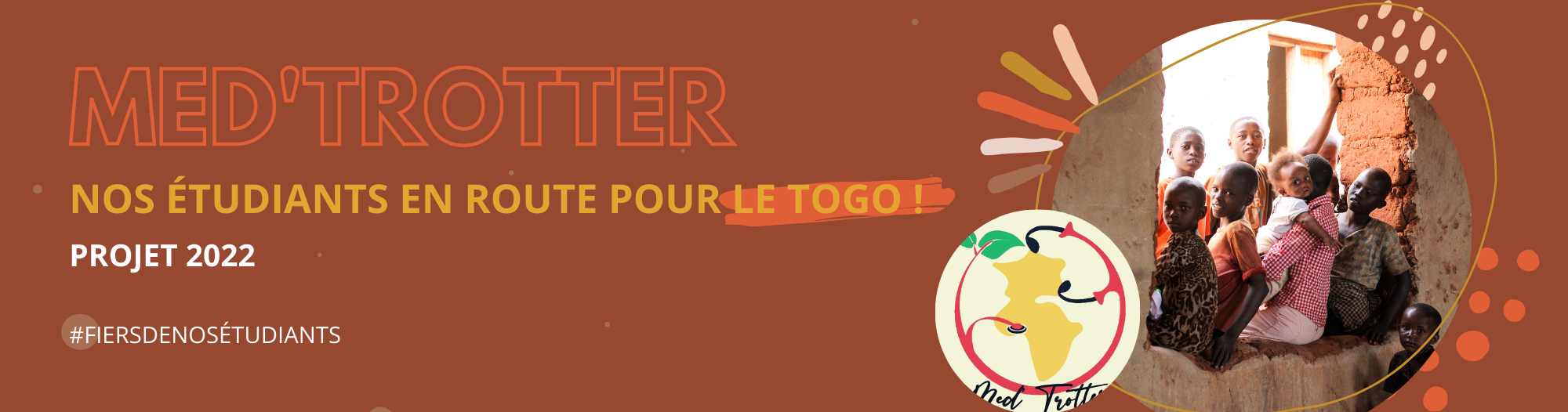
Did you know? The ACM’s Exchange Division is organizing an international solidarity mission to Togo this year! Thirteen students will have the opportunity to fly there in July to join an organization working to renovate a school. Interview.
We are Anouk Evrard and Claire Boin. We are currently DFGSM3 students at the Faculty, and we also hold elected positions within the ACM. Our role as Vice Presidents for Exchange is to facilitate international exchanges (for both incoming and outgoing students) and inter-CHU exchanges (exchanges between university hospitals during the summer internship).
New this year is this international solidarity project we’ve named “Med’Trotter”!
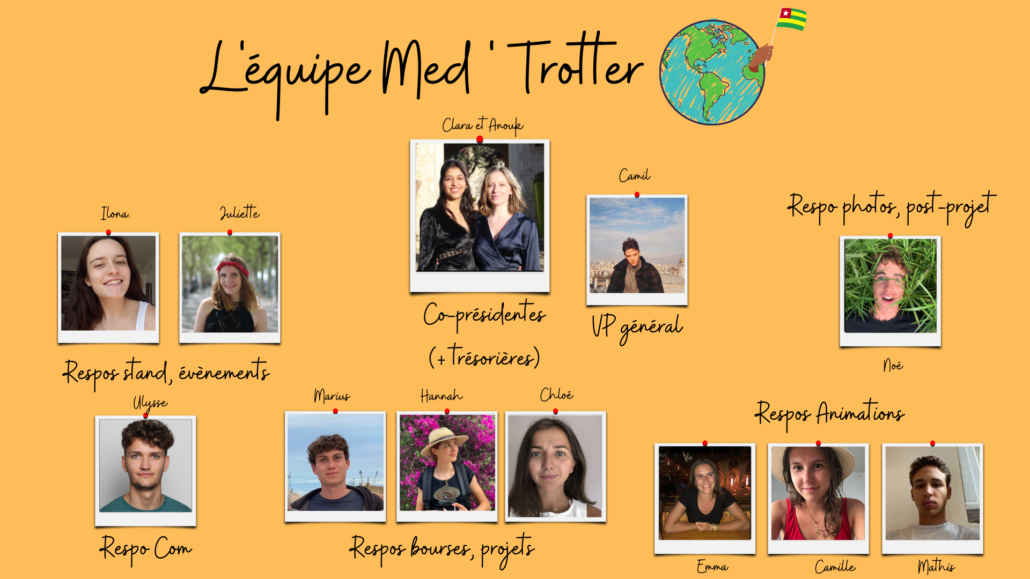
Med’Trotter is a project that was conceived by Camille Borne, our former VP of Exchange, in 2019. Unfortunately, due to the health crisis, the project couldn’t come to fruition, which is why we decided to revive it this year!
Specifically, this is a project in partnership with“Espace Hotsi.” It is a Togolese nonprofit organization that carries out renovation projects to improve residents’ quality of life.
This year, the goal is to spend a month helping this nonprofit organization with the renovation of a school in Wli, near Tsévié.
With some hard work! We’ll be helping the association’s members for a month to renovate four classrooms and the restrooms. This is very important because the school serves students from preschool through elementary school, so it will benefit many children.
Since it gets very hot in Togo, we’ll only be able to work on the construction site in the mornings. So we’ve planned to lead workshops with the children and villagers in the afternoons. We’ve come up with several themes centered on art, drawing, sculpture, sports, singing, dancing, and even gardening! Of course, we’ll also help by providing academic support and conducting awareness-raising activities. To do this, we’ve drawn inspiration from the initiatives we carry out during our healthcare missions. We’ve also reached out to Médecins du Monde so they can guide us on the most effective way to raise awareness. We really want to do things right.
And then in the evening, it’ll be a chance to gather for evening gatherings. We want to spend time with the local people and share our stories, cultures, and traditions.
This project requires 24,000 euros in funding. These expenses cover not only the construction project itself and the school and gardening supplies we need for the workshops, but also, of course, all costs related to transportation, lodging, and medical expenses for the 13 medical students who are about to set off!
To raise these funds, we have already applied for and received a grant from the FSDIE. This grant will cover the travel expenses for 5 of the 13 students who are going. We have also applied for grants from the CROUS, the JSI (Jeunesse Solidarité Internationale, funded by the Fonjep), and the department. We are currently awaiting the results.
Our final strategy is self-funding. To that end, we’ve set up the “Stand TOGO,” which we host once a month at the university. Our goal is to sell snacks and, most importantly, secondhand clothing to fund our trip.
So you can help us by donating clothes you no longer want at the student union office and/or by buying clothes you like when the booth is set up! Nothing goes to waste: clothes that aren’t too worn are donated during outreach drives organized by the ACM’s ISS division!
We have also set up a fundraising page for anyone who would like to make a donation.
Finally, we’re holding a raffle in April! Just pick up a ticket at the student union. The drawing will take place at our Togo booth on April 21! Pins will also be on sale for the occasion, so don’t forget to stop by and follow us on Instagram: @med_trotter !
For the second year , the Agnes McLaren Association is organizing a medical award worth €4,000! Applications are open to students at the Montpellier-Nîmes School of Medicine who will defend their clinical thesis between September 2021 and March 2023. See below for registration details and the eligibility criteria for your thesis.
TheAgnes McLaren Association, founded in 2018, works to preserve the memory ofAgnes McLaren, a Scottish woman and the first female physician to graduate from the Montpellier School of Medicine in 1878. In honor of this physician, who dedicated her life to caring for the most disadvantaged women and those excluded from society, the association wishes to present a medical award for the first time.
Thus, to mark the Faculty’s 8th centennial in 2020, the association established the Agnès McLaren Prize in Medicine. Every two years, this award recognizes a thesis and a post-thesis project, focusing on the health of women in precarious or vulnerable situations or the health of children exposed to precariousness and/or vulnerable situations. It also funds a research project based on this thesis. The prize, in the amount of €4,000, will be awarded in June 2023 following a preliminary selection by a committee and review by a jury composed of healthcare professionals.
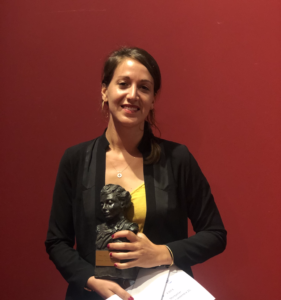
In 2021, the award was won by Justine Allouche for her work focused on assessing knowledge and practices regarding cervical cancer screening among women engaged in prostitution in the Gard and Hérault departments. Justine was featured in an article in Midi Libre on that occasion!
To be considered for this medical award, candidates must meet several eligibility criteria:
The second edition of the McLaren Medical Award will take place in five phases, as follows:
We hope many of you will enter this new contest! So get writing, and good luck on your theses!
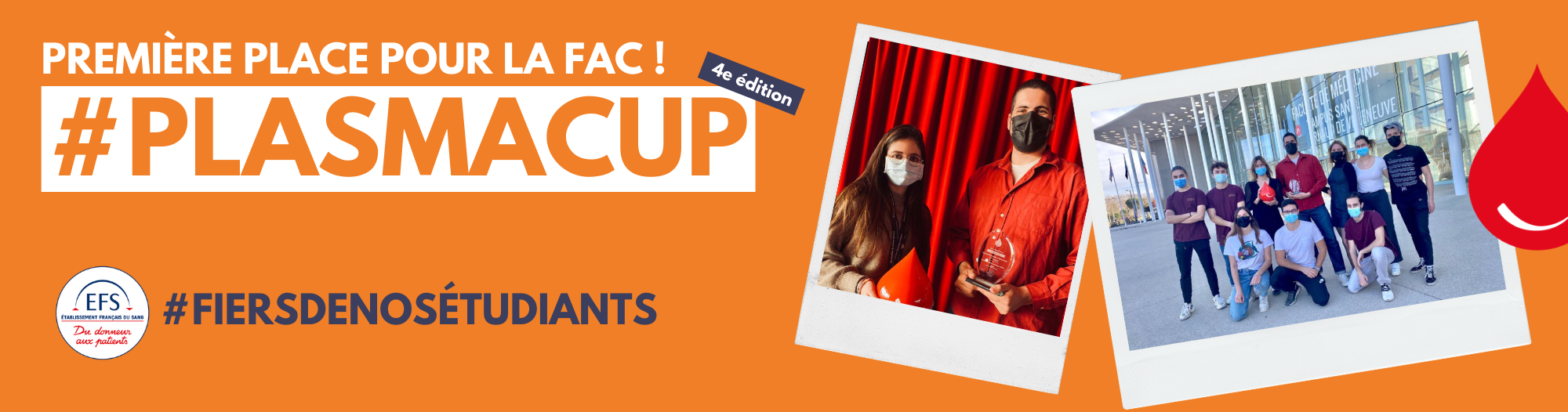
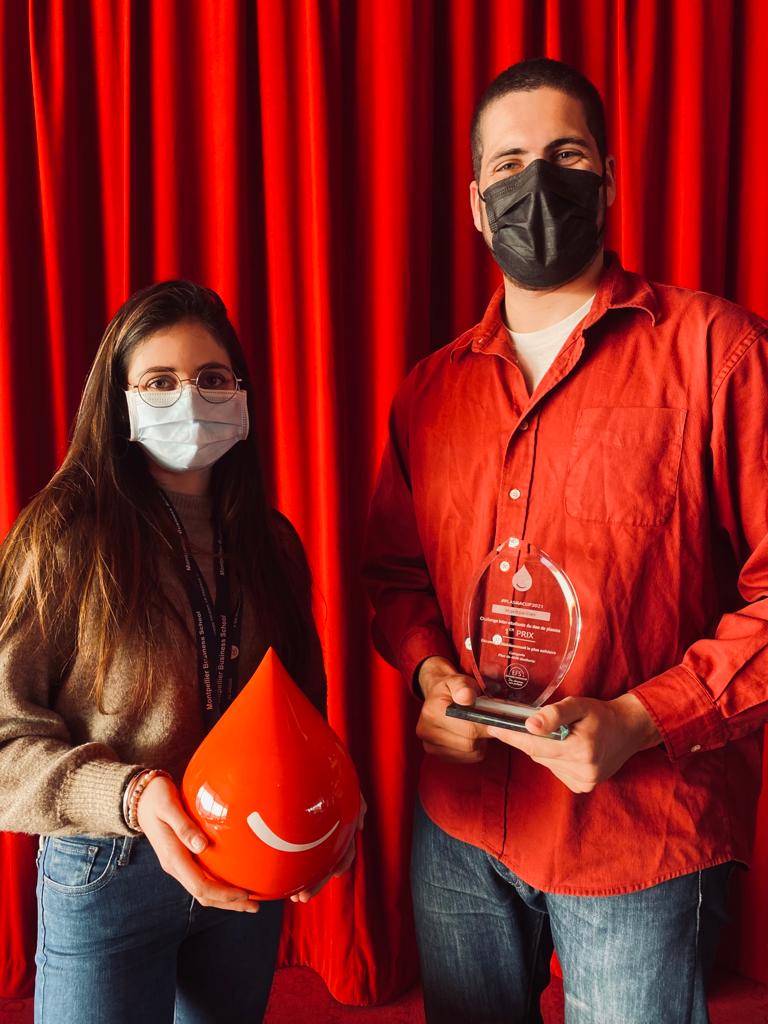
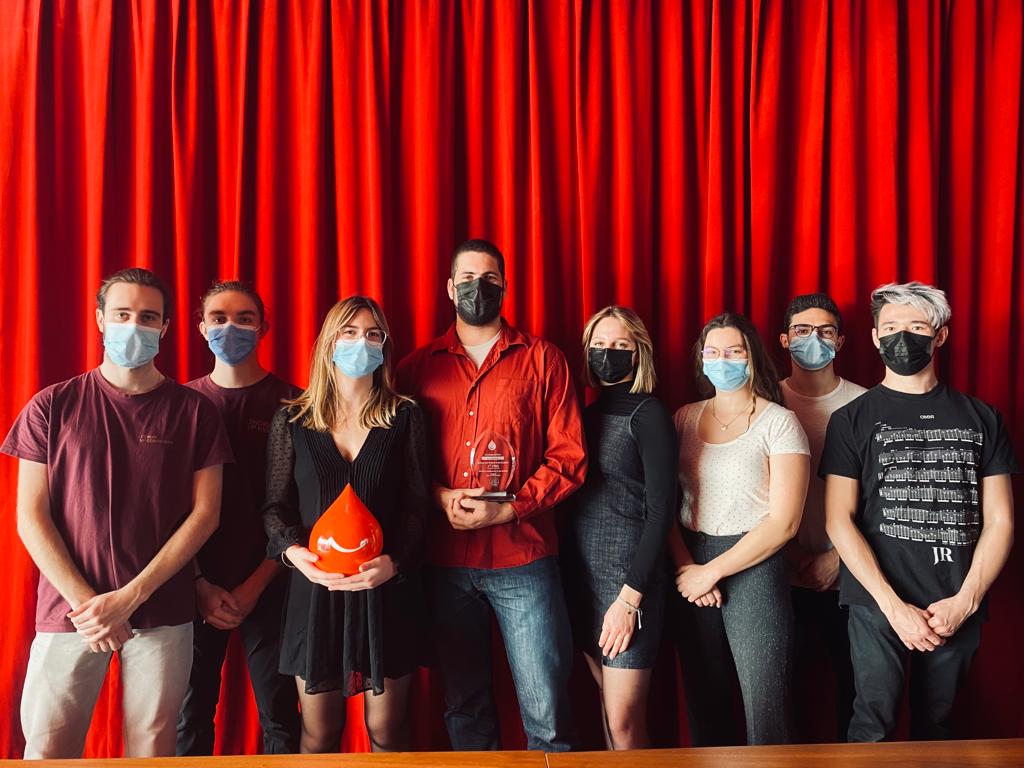
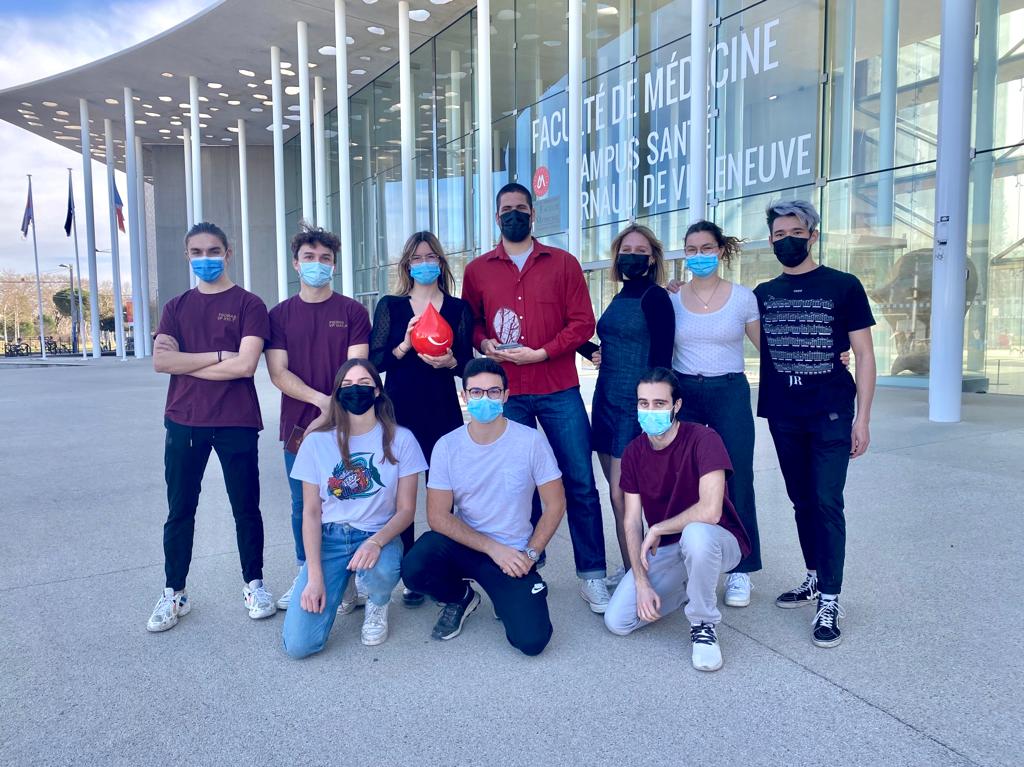
After placing second in 2017, our students are back in full force this year and took first place in the PlasmaCup, an intercollegiate challenge organized by the EFS to raise awareness about the importance of plasma donation. Here’s a look back at the challenge and the experience of our student coordinators for the Faculty of Medicine—Esteban, Pauline, and Carlota, members of the ACM association.
Every year, the PlasmaCup is organized by the EFS (Etablissement Français du Sang) in several university towns across France. What is the goal of this challenge? To raise awareness among as many students as possible about the importance of plasma donation.
In Montpellier, the Maison du Don is where it all happens. Located in the Euromédecine neighborhood and accessible by tram (Line 1), the Maison du Don welcomes donors of blood, plasma, and platelets.
As part of the PlasmaCup, a box was set up so that each student donor could indicate their home institution. Each donation earned the institution 1 point.
With a total of 17 donations, the Faculty of Medicine has taken the top spot in the “Grandes Écoles” category. This ranking is a source of great pride for Esteban, Pauline, and Carlota, who serve as President and Vice Presidents, respectively, of the ACM’s ISS (Health and Social Innovation)chapter. “The EFS Solidarity Trophy will join the 2017 trophy in the student union’s office!” says Esteban. In fact, the ACM had previously coordinated the Faculty of Medicine’s participation as well. That year, we took second place.
To reward our students, Emilie Moral, the EFS promotions coordinator, presented the trophy to Esteban on Friday, February 4, along with tickets to an escape room, tickets to the MHR vs. Stade Français rugby game, and other goodies. “The prizes will be redistributed to the donors,” Carlota emphasizes.
Esteban and Carlota wanted to share their experience with us. ““After confirming my participation in the PlasmaCup by placing my ballot in the box, I met with the EFS doctor to verify that I was indeed eligible to donate plasma. Then, for about 45 minutes, I went through the donation process, which is actually very similar to giving blood, except for the machine that separates the blood from the plasma,” explains Carlota.
“As a healthcare student, I found the process really interesting. Compared to a typical blood donation, you interact with the healthcare professionals overseeing the donation for much longer, and it’s a great opportunity to talk with them. The equipment used is also impressive. It really helps tie things in with what we’re learning in class,” says Esteban.
When asked if donating was tiring, Carlota is quick to reassure: “Not at all! Unlike donating blood, the red blood cells are transfused back into us. There’s no anemia, so there’s no fatigue.”
With all this in mind, there’s no reason to be afraid of donating plasma! Emilie Moral tells us that the PlasmaCup will return in the fall of 2022.
“The ACM will be back again!” says Esteban. But that’s not all: The Plasma Cup is open to all members of the university community. So we’re counting on our students—as well as faculty and staff—to contribute to the 2022 challenge! Stay tuned for more updates 🙂
In addition to the blood drives organized on our campuses by student organizations (in Montpellier by the ACM in October, February, and April), you can donate blood, plasma, or platelets at the Maison du Don in Montpellier:
Since the transition to health-related studies in Montpellier can be difficult to navigate, the Montpellier Health Tutoring Association (ATSM) offers a week-long internship and training program so that high school students can embark on these studies well-informed and well-prepared!
To mark High School Students’ Week, members ofthe Montpellier Health Tutoring Association have put together a comprehensive program designed to provide the best possible support not only to prospective medical students but also to their parents and the teaching staff at various high schools.


Each year, a new Vice Dean is elected by the students to represent them before the Dean and in the Faculty’s various governing bodies (Management Council, Academic Council, etc.). This year, Florian is taking over from Salomé. Read his interview here: learn about his background, his role in supporting students, and the projects he hopes to implement throughout this academic year! An Interview.
Hello! My name is Florian Mary. I'm currently a senior in medical school in Montpellier, and I'm originally from Perpignan (Go USAP! 🟡🔴).
To put it briefly, you know, I don't think there are any right or wrong choices, but I think that, like many others, I haven't yet decided on my future path; I have several specialties in mind, including General Practice.
It’s important to note that the VDE is, first and foremost, an elected student representative, and like any elected official, my term will last two years.
Our shared responsibility is therefore to represent students before the faculty’s academic and administrative bodies (the UFR, to be precise), whether during council meetings or committee meetings.
Nevertheless, for the next year, I will be responsible for tasks specific to the VDE, which include serving as the primary point of contact for the Dean and faculty representatives on all matters concerning students, and managing the team of elected officials and ADEMMOOS members to ensure we are as effective as possible in handling various issues and in the association’s development.
Furthermore, communication with other student organizations and academic programs within the faculty is essential, whether it involves a project idea, student representation, or facilitating certain exchanges. I believe these connections offer us new perspectives for reflection and allow us to lift each other up.
Before my term as an elected official and VDE, I had already spent two years immersed in the student organization scene—first as a mentor, then as Vice President of Representation at the Montpellier Medical Student Association—driven by a desire to be there to help students.
And I have to say that the experiences and the people I’ve met this year at ACM—whether it’s everyone in my class, the “veteran” VP Reprez, and Salomé, of course—have played a big part in that.
I was curious, and I felt that this position was a wonderful opportunity to continue contributing to the students and to the life of the school.
So it requires a certain amount of organization, and last year was particularly helpful in that regard, especially because I was juggling a very demanding schedule of volunteer work and academic studies.
But I set aside my volunteer slots at lunchtime so I can usually keep my work time in the evening.
So the primary goal is to continue the projects started by previous executive boards, whether it’s the flu vaccination campaign, the Future Interns Forum…
This year, we have a clever mix of experience and new ideas, and it shows in our projects.
We want to ramp up our communication efforts, building on last year’s momentum—especially through ADEMMOOS’s Instagram (👉 go follow us if you haven’t already)—while also staying active on other social media platforms.
Reforms are, of course, at the heart of our mandates, and well-being and sustainable development are also areas where ideas take shape.
Usually, it's just installing a beer tap in the cafeteria 🙃.
On a more serious note, these are mainly questions about how our studies are organized and proposals for changes that require discussion with the school administration and teachers.
Student representatives serve as a channel for students to make their voices heard, and this is a theme that runs through many of the messages.
I think that given the times we're living in, it's important to take care of ourselves and others.
Reach out to your family and friends, share your thoughts, chat, and talk with them—but don't stay alone. And if you need to, you can turn to us; there will always be someone there to help.
And take this opportunity to watch some movie classics—no more excuses for missing out on *The Green Mile* or *Forrest Gump* 🍿.
It's very simple—just visit ADEMMOOS's Facebook, Instagram, and Twitter accounts, or send an email 📩 for those who prefer that method to ademmos.elus.etudiants@gmail.com.
Or they can also come talk to us—we're all really nice, and we don't bite!
So, I think that having experience in the nonprofit sector—whatever form it takes—can be helpful and will give you an added edge for the position, as well as allow you to gain valuable experience.
Next, you need to be aware of the amount of work involved and the importance of the position, but don't worry—good organization and a desire to do a good job will work in your favor.
After all, you’re not alone, and being a VDE means, above all, being part of a team.
Having a great team like the one I'm part of is therefore essential to making this term as successful as possible!

The Montpellier Medical Sports Association (ASMM) is an organization founded about ten years ago with the goal of promoting sports among medical students in a friendly atmosphere. While this objective has remained unchanged over the years, the ASMM has evolved, notably by welcoming PACES (soon to be PASS-LAS) and midwifery students.Our association allows health sciences students to reconnect with sports—which are often neglected during their studies—in a friendly and relaxed setting. These opportunities are especially important for PACES/PASS/LAS students, who face considerable pressure related to their entrance exams. The entire team is therefore there to listen to them, providing moral support and a friendly outlet. This year’s goal is to open membership to other health-related programs, particularly to physical therapy and dental students.
Throughout the year, we hold two sessions per week: one exclusively for PACES/PASS/LAS students and the other for medical and midwifery students. The content of our sessions varies based on the members’ preferences. Sessions often consist of exercises focused on endurance or strength training, as well as a more recreational component featuring team sports such as ULTIMATE.
We also organize activities outside of class: canoeing, beach volleyball, trampoline, pétanque, laser tag, indoor soccer…
Joining our association gives students access to our sessions and sports events all year round. Membership costs 5€ for PACES, LAS, PASS, and second- and third-year medical and midwifery students. Registration is free for students in higher years. You can sign up at any time throughout the year, either online via the Pumpkin app or in person at the start of a session or before an event: it couldn’t be easier—just download the app and create an account using the code ASMM.
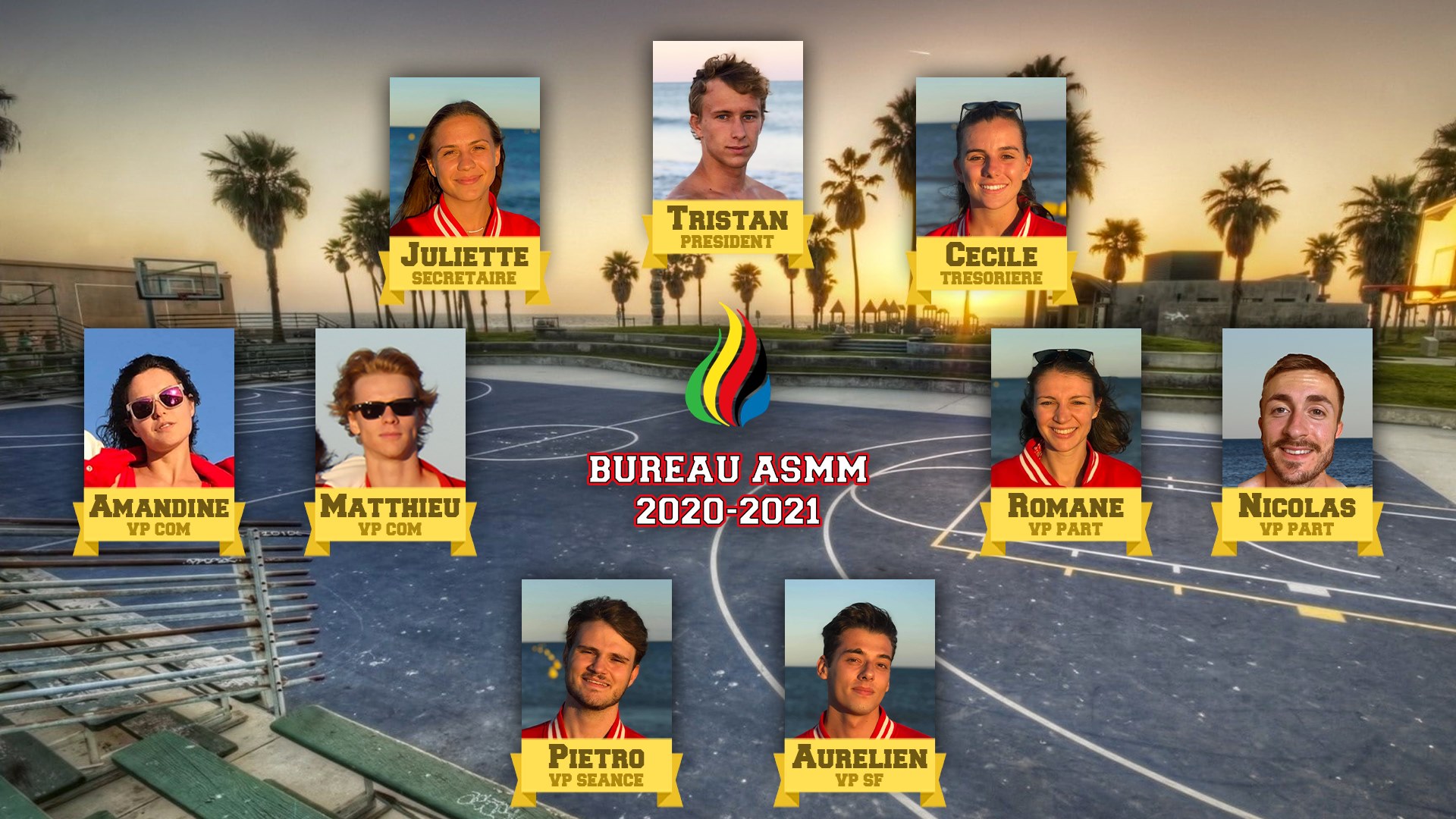
A new executive board is elected internally each year. It consists mainly of third-year medical students, as well as one midwifery student. The current executive board consists of:
The current health crisis has led us to rethink our sessions, particularly by no longer offering team sports. We’ve also divided participants into groups of 10, then 6, to limit the spread of the virus and protect our members. Safety measures (wearing masks, using hand sanitizer) are also strictly followed during our sessions and events. We also prioritize outdoor activities, such as our running sessions. We’re also working with partner sports facilities to offer small-group activities to our members, which they can enjoy whenever they want (bowling, rock climbing, escape rooms, laser tag, etc.). We’ve also launched live yoga sessions on Instagram, which help us balance student well-being with the need to limit group activities.
Instagram: tim_asmm
Facebook: tim asmm
Website: ASMM Association


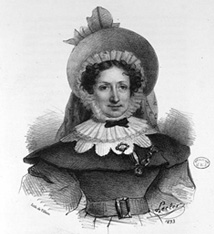
Marie-Anne GILLAIN was born in 1773 in Montreuil, near Versailles.
She was sent to boarding school with the Sisters of the Visitation.
During the Revolution, she took refuge in Etampes, at the home of a relative who was the mother superior of the Hospitalières de l’Hôtel-Dieu.
There she attended the surgeon’s lectures and served for two and a half years, from 1793 to 1796, as a hospital volunteer—that is, as a layperson who volunteered her services to the poor and sick.
In 1797, she returned to Versailles to marry Louis BOIVIN, deputy office manager at the National Domains.
She became pregnant early on, but in 1798, at the age of 25, she was suddenly widowed, left destitute, and with a young daughter to raise.
She then decided to put to use the knowledge she had gained from the surgeon at the Hôtel-Dieu d’Étampes and enrolled in the Midwifery School at the Maternité in 1799.
In 1800, she graduated and left for Versailles to be reunited with her daughter and pursue her career.
In 1801, following the death of her daughter, she obtained permission from Marie-Louise Lachapelle to return to the Maternity Hospice
In 1803, she was appointed chief supervisor of the breastfeeding unit. She held this position for eleven years, until 1814. During this long tenure, she took the opportunity to attend lectures given by her patron, the surgeons at the Maternity Hospital (Baudelocque, then Dubois), and the chief physicians (Andry, and especially Chaussier), from whom she gathered insights and lessons.
In 1812, she wrote and published *A Treatise on the Art of Childbirth*. The work was approved by the Ministry of the Interior, which included it among the textbooks given to graduates of the Maternity School.
In 1814, the position of supervisor that she held was eliminated, and she was dismissed with a gratuity equal to her annual salary, or 360 francs.
Starting in October, she was hired as a storekeeper and steward at the Poissy General Hospital, a position she held until January 1819, when the General Hospital was converted into a prison.
Little is known about this period of her life: Did she continue her obstetric practice despite her new, more administrative duties? Did she do so at the general hospital? Or with a private clientele? In any case, it appears that for a time she received a comfortable annual salary of 1,200 francs—almost as much as the head midwife at the Maternity Hospital.
In 1818, she entered the Paris Medical Society’s competition anonymously, submitting a paper on internal uterine hemorrhages. She was awarded the medal.
On February1, 1819, she joined the Maison Royale de Santé in Paris as chief supervising midwife, with a modest salary of 350 francs per year.
In 1821, an opportunity for promotion arose following the death of Marie-Louise Lachapelle.
According to procedure, the General Council of the Hospices must submit to the Minister of the Interior a list of five female candidates to succeed the renowned midwife.
On November 14, 1821, the Council voted to approve a list with Marie-Anne Boivin at the top; she received 12 out of 12 votes in the first round of voting to select the top candidate.
A month and a half later, the Minister of the Interior endorsed the Council's decision.
But the winner declined the position (or rather, resigned), forcing the board to propose another list. Why the refusal? All contemporary biographers attribute this decision to a public promise Marie-Anne Boivin is said to have made to her former patroness never to replace her, even after her death. If this is true, she kept her word, and another midwife, Madeleine Catherine Legrand, was appointed in 1822.
Marie-Anne Boivin therefore continued to practice at the Maison Royale de Santé, where she amassed a body of observations, publications, and honors.
In 1828, she presented a paper on spontaneous abortions, which was awarded a prize by the Bordeaux Medical Society.
In September 1835, at the age of 62, worn out and exhausted, she retired and urged the hospice board to grant her a pension. Finally, after suffering a first stroke that left her with hemiplegia, she died in May 1841.
In 1902, one of the rooms in the renovated maternity ward was named after Marie-Anne Boivin.
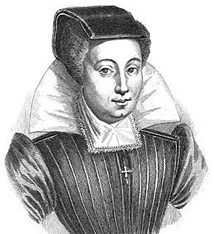
She was born in 1563 on Boulevard Saint-Germain or in Mons to a family of doctors.
In 1594, she married Martin BOURSIER, a master surgeon and student of Ambroise PARÉ.
She finds herself without any means of support when her husband is enlisted in the king's army.
She quickly gained a reputation among the ladies of the court and delivered the queen's children six times.
She is paid 500 crowns for the birth of a boy and 300 for the birth of a girl.
It lost its fame following the death of Marie de Bourbon-Montpensier, wife of Gaston d’Orléans, during the birth of the Grande Mademoiselle.
According to the surgeons who performed the autopsy on the woman who had given birth, her death was attributed to placental debris remaining in the uterus, and Louise Bourgeois was subsequently accused of negligence.
At that time, there were few male obstetricians practicing, and they were trying to gain the upper hand over the midwives' guild.
Louise questions their competence by harshly criticizing the autopsy findings and the skills of the obstetricians; however, her response has the opposite effect of what she intended, as it ends up giving them publicity.
She was the first midwife to write a book on obstetrics, *Various Observations on Infertility, Miscarriage, Fertility, Childbirth, and Diseases of Women and Newborns*, published in 1609.
In this book, she points out that infertility in a couple can be caused by the male partner, even though, like the doctors of that era, she confuses the ability to procreate with sexual vigor.
She identified the role of malnutrition in fetal health, and she was the first to prescribe iron supplements to treat anemia.
She emphasizes the importance of anatomical knowledge for midwives and urges doctors to allow them to attend lectures and dissection sessions.
In 1636, the Parisian midwives submitted a petition to the Faculty of Medicine requesting that Louise Bourgeois be allowed to teach them obstetrics, but their request was denied.
Subsequently, however, one of her students, Marguerite du Tertre de la Marche, was appointed head of the midwives at the Hôtel-Dieu and succeeded in overhauling their training program.
She died on December 20, 1636, on Boulevard Saint-Germain at the age of 73.
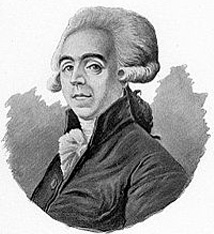
He was born on November 30, 1745, in Heilly, Picardy.
He was the son of Jean Baptiste BAUDELOCQUE, a surgeon, and Anne Marguerite LEVASSEUR. His brothers Félix Honoré (1744–1794) and Jean Baptiste (1749–1800) were both doctors. He was the third of ten children.
It was his father who introduced him to surgery in the countryside of Picardy.
He completed his studies in Paris at the Hôpital de la Charité, where a renowned professor of obstetrics, Solayrès de Renhac (1737–1772), was on staff.
In 1772, following Solayrès’s untimely death at the age of 35, he collected the manuscripts of his lectures and succeeded him as professor of obstetrics at the Hôpital de la Charité. Thanks to Baudelocque, Solayrès’s work was saved from oblivion.
In 1775, at the initiative of Augier du FOT, a surgeon and instructor of childbirth in Soissons, he published—based on manuscripts bequeathed by Solayrès de RENHAC—the first edition of a manual intended for the training of midwives. This work was later republished under his name alone, under the title“Principles on the Art of Childbirth: Questions and Answers for Midwifery Students.” It underwent three reprints during Baudelocque’s lifetime and three more posthumously.
In 1776, following the defense of his dissertation on symphysotomy, titled“An in partu propter angustiam pelvis impossibili, symphysis ossium secanda?,” he was appointed surgeon at the Hôpital de la Charité in Paris and was awarded the title of Master of Surgery by the Paris College of Surgery.
On April 5 or 6, 1777, in Paris, he married Andrée DERULLIER (née de Vulier, de Voulier, de Rullie, or de Rouillier), whose family made models of pregnant women for demonstrations in childbirth classes; she died on January 4, 1787, without children.
In 1781 and 1789, he published the first two editions of his scholarly treatise*The Art of Childbirth* in two volumes. He became famous for his forceps, his practice of cesarean sections, and the invention of the pelvimeter, which measures the external anteroposterior diameter to identify patients who might experience difficulties during childbirth.
On September 14, 1788, in Amiens, he married Marie Catherine Rose Laurent; the couple had five children (three daughters and two sons).
During the French Revolution, the guilds and faculties were abolished. Hospitals lost some of their staff and funding. Baudelocque, however, managed to build a reputation as an obstetrician thanks to a clientele in the city and private obstetrics classes.
In 1794, the former Faculty of Medicine was replaced by the École centrale de Santé de Paris, where he was responsible for teaching courses to medical students and midwives.
In October 1795, the Hospice de la Maternité took in poor women and unwed mothers to assist them during childbirth and provided clinical training for midwives and doctors from the École de Santé.
In addition, this facility also takes in abandoned children.
In 1798, Baudelocque, in addition to his position as professor of obstetrics at the Paris School of Health, became chief surgeon at the Maternity Hospital.
In 1802, the Hospice de la Maternité school was founded, where Baudelocque put his teaching skills to use, employing mannequins to help students practice examinations and obstetric procedures. He emphasized observation over intervention, preferring to let nature take its course and using instruments as little as possible.
Busy with his many responsibilities, he delegated part of his authority to the head midwife of the Maternity Ward, Marie-Louise Lachapelle (1769–1821), who took on part of the training of the midwifery students and was authorized to use forceps on her own in the event of a difficult delivery.
He was involved in a sensational lawsuit brought against him by an obstetrician, Jean François Sacombe, a fierce opponent of cesarean sections and a defender of traditional midwifery practices. Sacombe, who had set himself up as a defender of midwives and accused Baudelocque of infanticide, ultimately lost his case in 1804 and, in the process, any sense of moderation.
In 1806, Napoleon appointed Jean-Louis Baudelocque to the chair of obstetrics, the first chair in a medical specialty in France.
He became the obstetrician to the queens of Spain, Holland, and Naples, as well as to all the ladies of the court.
He had been chosen and selected in advance to deliver the heir awaited by Napoleon and Empress Marie-Louise of Austria. But, struck down by a cerebral hemorrhage, he would not live to see the birth of the King of Rome.
He died on May 2 or 3, 1810, at 16 Rue Jacob in Paris (6th arrondissement), where he lived, at the age of 65.
He was buried in the Vaugirard West Cemetery, then exhumed due to land acquisition for the construction of what is now Boulevard Pasteur.
He was then buried on August 17, 1839, at Père-Lachaise Cemetery (45thdivision).
He was the most famous obstetrician of his time.
A doctor at the Hôpital des Enfants Malades, he would lend his name to the Baudelocque Clinic in 1890.
In 1966, the Port-Royal Maternity Hospital was built. The two facilities merged in 1993 (14th arrondissement of Paris).
There is now a midwifery school on Avenue Denfert-Rochereau that bears her name.
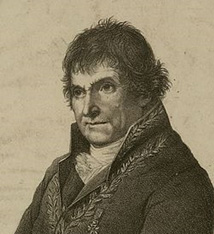
He was born on July 2, 1746, in Dijon, in the parish of Saint Pierre.
His father was a master glazier.
After completing his training at the hospital in Dijon, his mother sent him to Paris to continue his medical studies, and he enrolled at the Royal College of Surgery, where he attended classes regularly from 1765 to 1767 and took anatomy courses taught by Raphaël SABATIER and Jean-Joseph SUE.
At the same time, he was learning the basics of surgery at Lafaye’s clinics and, in the afternoons, at those of Isaac GOURSAUD.
His years of surgical training came to an end in 1768, when he earned the title of Master of Surgery; he then settled in Dijon as a surgeon
He married Jeanne CARRE, the daughter and granddaughter of a master surgeon, on July 27, 1767, in Quetigny, Côte d’Or. Together they had a son, Bernard François Hector (1769–1837).
In 1769, he began teaching a free course in human and comparative anatomy, which was attended by many students for more than ten years.
In 1774, the Estates of Burgundy established a chemistry program with Louis-Bernard GUYTON de MORVEAU as the tenured professor and Hugues MARET and François CHAUSSIER as assistants. Upon MARET’s death in 1786, he was promoted to second professor of chemistry.
In Dijon, his professional qualities earned him the favor of his patients, and his reputation quickly spread beyond Burgundy; he distinguished himself at the Academy of Surgery through several presentations, and as a result, he was awarded the Academy’s Gold Medal at the public session on April 10, 1777.
He received his Doctor of Medicine degree from the University of Besançon on January 14, 1780, and in 1784, he became a corresponding member of the Royal Society of Medicine. That same year, he was admitted to the Academy of Sciences, Arts, and Literature in Dijon, where he became secretary-general following the retirement of Guyton de Morveau.
In 1785, at the request of the Estates of Burgundy, he published a popular guide on the treatment of bites from rabid animals: “Method for Treating Bites from Rabid Animals and Vipers; Followed by a Brief Treatise on the Malignant Pustule” (with Joseph Enaux, 1726–1798).
In 1789, he published a study on the muscles of the human body, in which he proposed a more rational classification than the one taught up to that point: “A Summary Exposition of the Muscles of the Human Body According to the Methodical Classification and Nomenclature Adopted in the Public Anatomy Course at Dijon”; this work was reprinted in 1797.
On December 20, 1789, he read a paper titled “Surgical-Forensic Observations on an Important Point of Criminal Jurisprudence” at the Academy of Dijon, in which he demonstrated the role that physicians could play in informing the judicial system; this work attracted attention, and the following year he launched a course in forensic medicine in Dijon.
On 3 Nivôse, Year III (December 23, 1794), he married Angélique LABOREY in Dijon (Crébillon District); they also had a son, Franck Bernard Simon (1804–1866).
In 1794, Antoine-François Fourcroy was tasked by the National Convention with reorganizing medical education and sought out a prominent figure who could provide him with the details of this reorganization. Claude-Antoine Prieur-Duvernois, from the Côte-d’Or, who headed the Department of Science and the Arts within the Committee of Public Safety, recommended François Chaussier, who thus joined the Committee of Public Instruction: he drafted a report and a proposed decree, which he read from the rostrum of the Convention on 7 Frimaire, Year III (November 27, 1794); In it, he proposed the creation of a single “Central School of Health” in Paris; the members of the Convention, who were largely in favor of decentralization, called for the creation of other similar schools in Montpellier and Strasbourg, and it was on this basis that the report was adopted on the 14th of Frimaire (December 4).
Chaussier returned to Dijon, where he resumed his lectures and studies as well as the duties that had been entrusted to him: he had been appointed physician of the Dijon Hospices in April 1793 and Prison Surgeon; he did not remain there long, however, as he was recalled to Paris to occupy the chair of anatomy and physiology at the School of Health. Chaussier was, in the words of Joseph-Henri Réveillé-Parise, the most famous professor of physiology at the École de Paris: he argued that vitalism was the foundation of all studies in physiology.
A decree dated 7 Vendémiaire, Year III (September 28, 1794) officially established the École Centrale des Travaux Publics, which would later become the École Polytechnique, the Board of Directors proposed, less than a month after the school opened, to establish an infirmary there and to appoint a “health officer” (the revolutionary term for doctors) to treat sick students and also to give lessons on “the art of preventing and alleviating diseases.” The roster of École Polytechnique staff for the following year lists him as an assistant to Claude Louis Berthollet, “simultaneously responsible for the courses in Zootechnics and Public Health, and School Physician”: in fact, he taught Berthollet’s course during the latter’s absence in Italy in 1796–1797. After the formalization of chemistry instruction, Chaussier appears to have abandoned teaching this science and confined himself almost entirely to his duties as a physician.
In 1799, *Les tables synoptiques* was published to great acclaim. It provides a summary of the physiology, pathology, and treatment of the various anatomical systems of the human body.
On May 9, 1804, he was appointed Physician of the Maternity Hospices and entrusted with the chairmanship of the medical examination boards for the examinations to become a Public Health Officer, Pharmacist, and Midwife for the district of the Paris Faculty of Medicine.
He was a member of the commission appointed by the Minister of the Interior in October 1810 to study “secret remedies”; there he worked alongside André Marie Constant Duméril, Jean-Joseph Menuret, and Nicolas Deyeux.
In 1815, after the fall of the First Empire, he was replaced as physician at the École Polytechnique, but he retained his chair at the Faculty until November 21, 1822, when the Restoration altered the Faculty’s organization: he was appointed honorary professor and his chair was revoked. He was deeply embittered by this, and the next day, he suffered a stroke that temporarily left him unable to speak or walk. He recovered, however, though he remained hemiplegic—a condition that did not prevent him from continuing his work at the Maternity Hospital.
On May 6, 1823, he was admitted tothe Academy of Sciences.
Between 1824 and 1827, he published several works on forensic medicine: “Forensic Manual of Poisons, Preceded by Considerations on Poisoning”14, “Collection of Papers, Consultations, and Reports on Various Topics in Forensic Medicine”15, “A Forensic Medical Treatise on the Viability of the Newborn, Presented toHis Excellency the Keeper of the Seals, Minister of Justice”16
François Chaussier died at his home in Paris on June 19, 1828, at the age of 81, from a stroke.
He was buried at Père-Lachaise Cemetery (18th division) on June 21: Nicolas-Philibert Adelon delivered a speech on behalf of the Academy; Marie-Alexandre Désormaux, representing the Faculty, did the same; and Duméril, on behalf of the Royal Academy of Sciences, read a lengthy eulogy.
Thesecond son, Franck CHAUSSIER, followed in his father's footsteps and defended his doctoral dissertation in 1827 in Montpellier.
He is a French physician, a professor at the Paris Faculty of Medicine, and a member of the Royal Academy of Medicine and the Academy of Sciences.
Chaussier was the principal editor of the articles on pharmacy inthe *Encyclopédie méthodique*13.
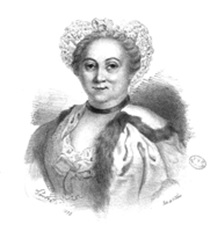
She was born in 1712 in Clermont-Ferrand into a family of doctors.
She first studied for three years under Anne BAIRSIN, a midwife.
On September 26, 1739, she received her diploma and shortly thereafter became a licensed midwife.
She worked as a head midwife at Châtelet in Paris for sixteen years.
In 1752, to combine theory with practice, she published a book titled *A Summary of the Art of Childbirth*.
In 1754, she returned to Auvergne and began giving free lessons.
In 1758, she designed her famous demonstration “machine” (made of wood, cardboard, fabric, and cotton), which was approved on December1 by the Academy of Surgery.
During the two-month training program, the students were encouraged to practice on the mannequin.
She died on April 16, 1794, at the age of 79 in Bordeaux, in poverty and solitude, with her niece and her husband absent. There is a Rue Angélique du Coudray in Thorigné-Fouillard and also a Rue Madame-du-Coudray in Clermont-Ferrand, her hometown. The maternity ward at the hospital in Melun (77) also bears her name.