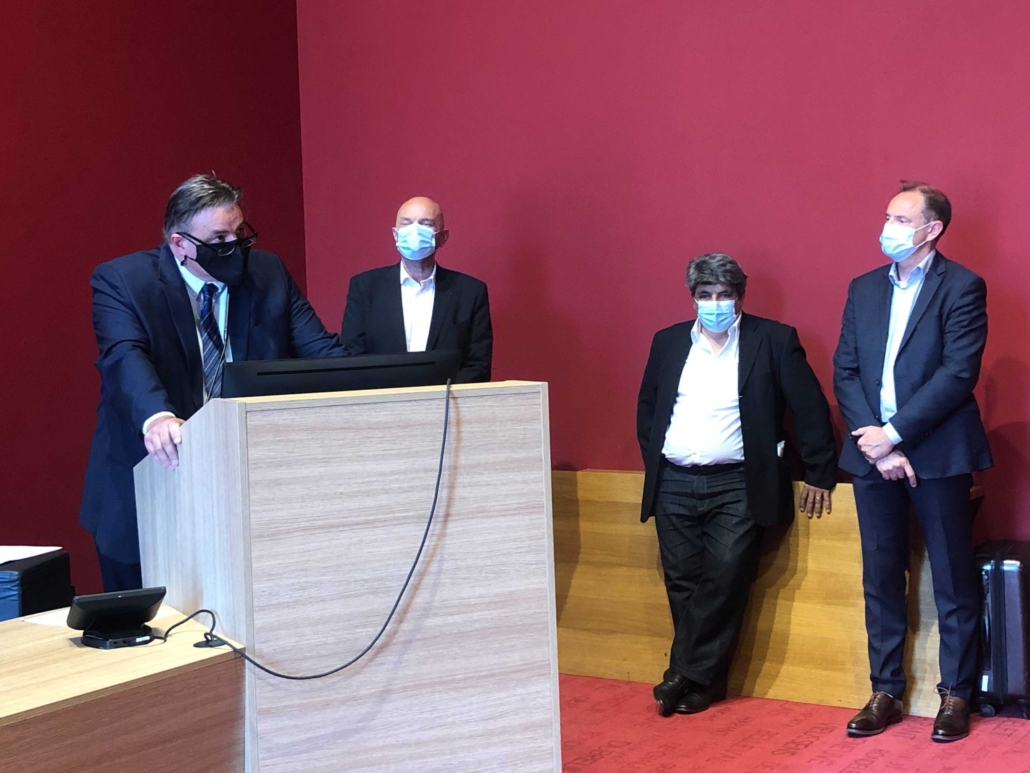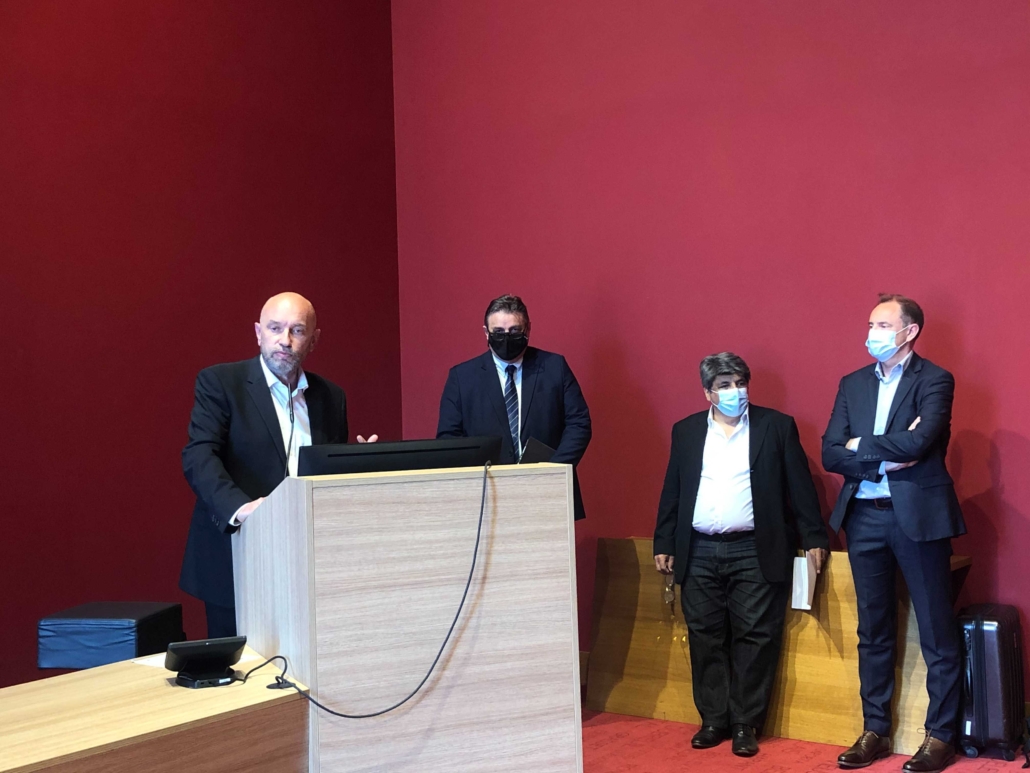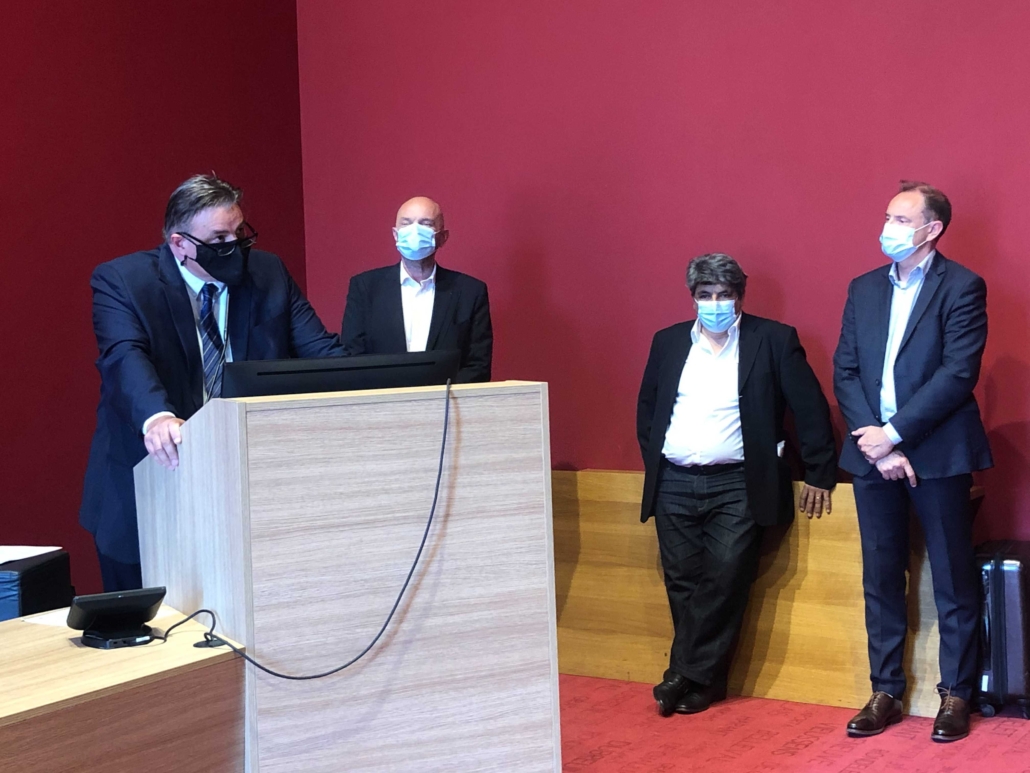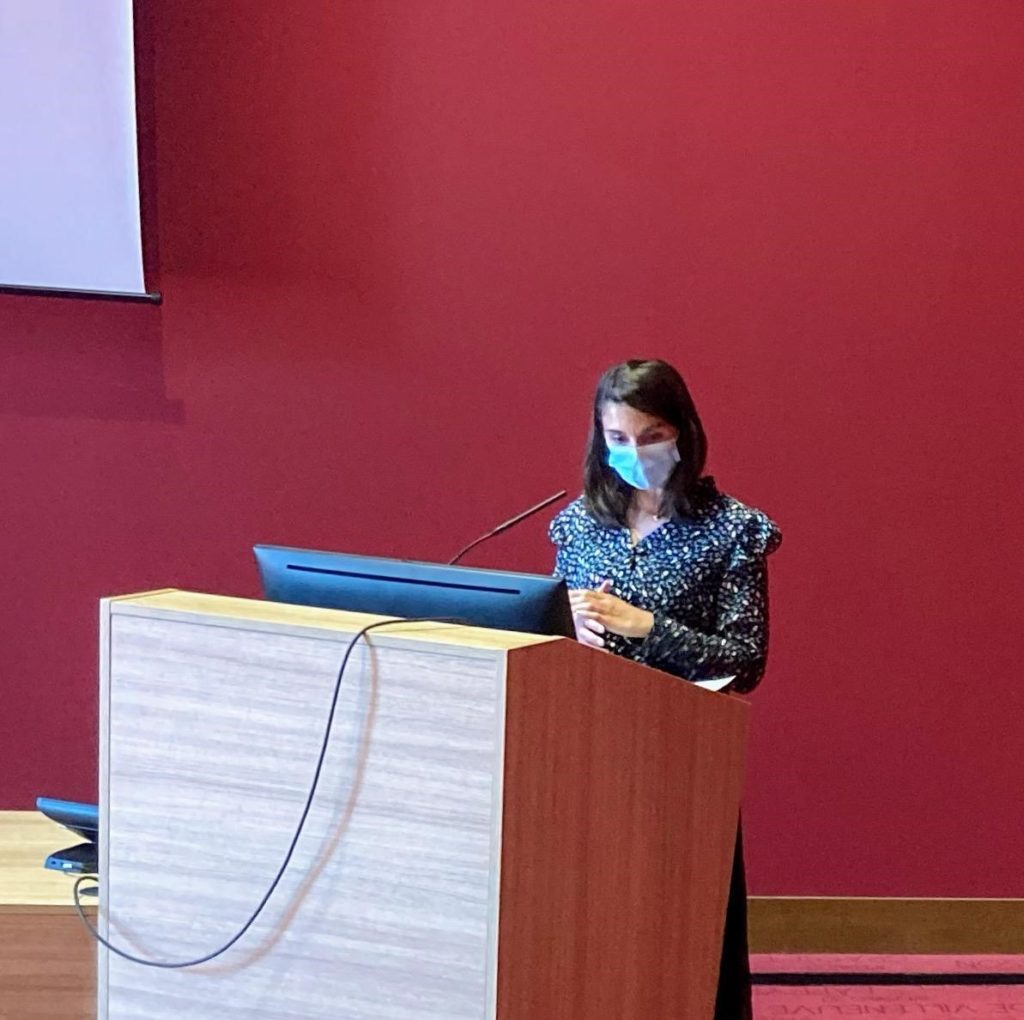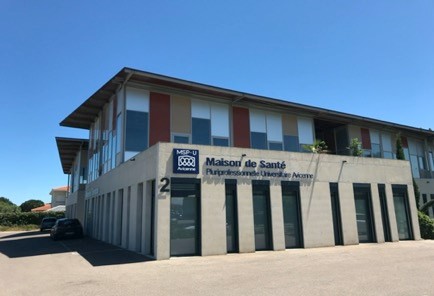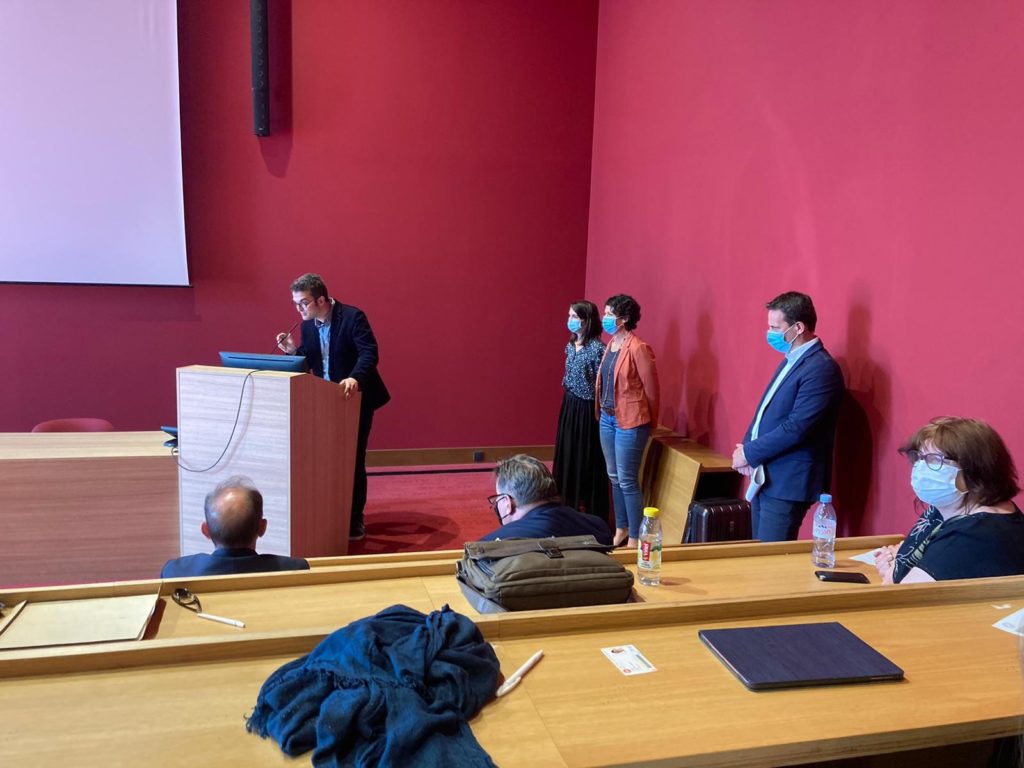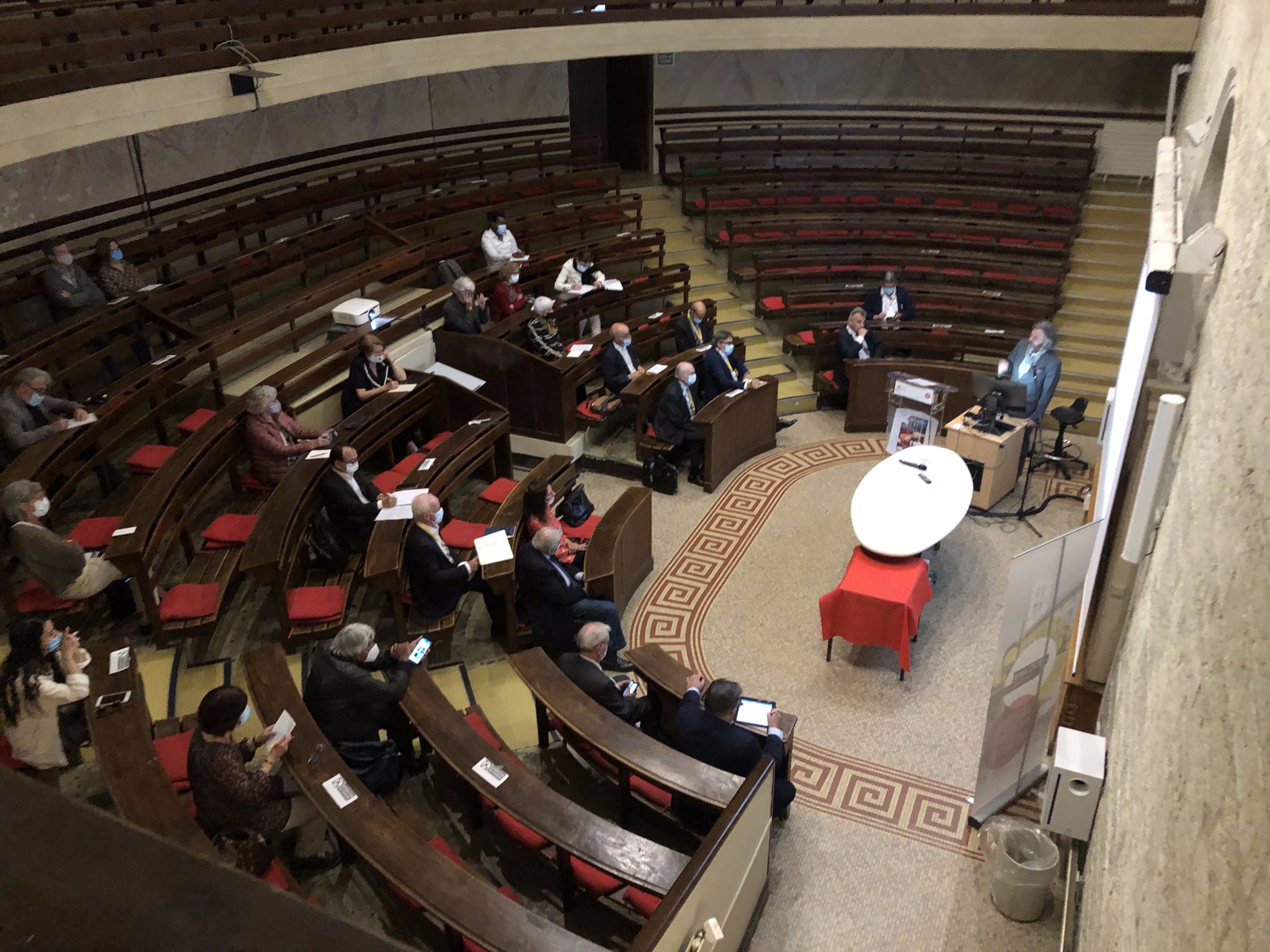
"The Maison de Santé Pluridisciplinaire Universitaire (MSPU) Avicenne was inaugurated in Cabestany near Perpignan in 2018. In June 2021two other MSPUs will complete the network. To mark the opening, a solemn ceremony took place on Thursday May 27 to take stock of the Cabestany MSPU, and to present the project for the two new MSPUs.


MSPU: What's it all about?

A Maison de Santé Pluridisciplinaire is a multi-professional health center that has signed an agreement with the ARS and a university with a medical component, with the aim of developing training and research in primary care.


The Avicenne MSPU: a conclusive assessment

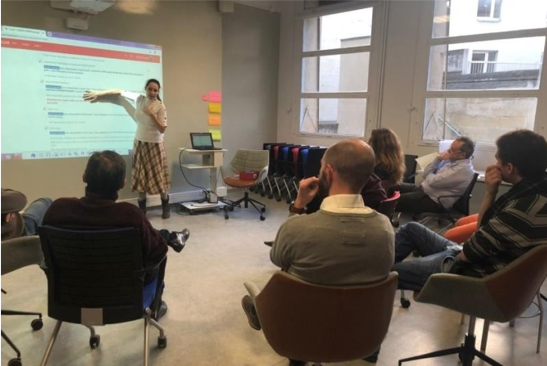
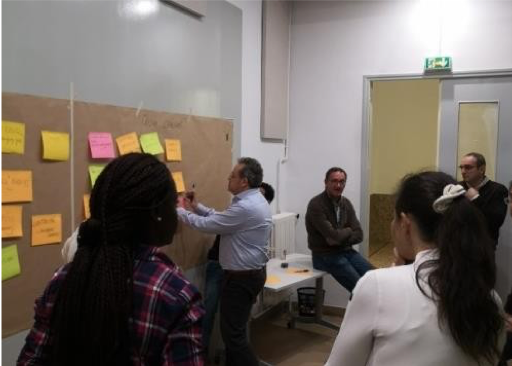
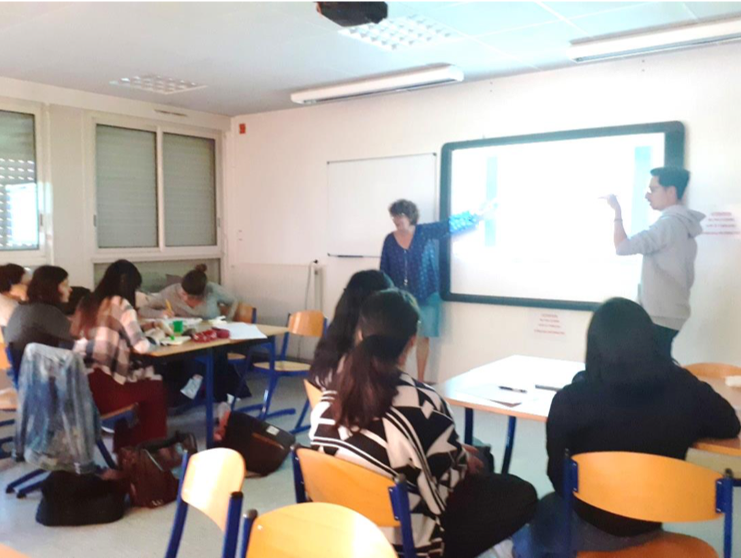
This MSPU, managed by Dr Mark OUDE ENGBERIK and bringing together some thirty healthcare professionals in different fields, has carried out several projects over the last 5 years. Two main projects were discussed at the conference:

  • The TSAPP project, which aims to train healthcare professionals in access to care for people with disabilities.
  • The SPES (Soins Primaires Environnement et Santé) project aims to develop a health and environmental culture among professionals and the general public.

At university level, this MSPU has 16 training supervisors in several health fields, and welcomes 6 to 10 trainees a year.

Two new MSPUs in the region

Following the success of the projects carried out by the Avicenne MSPU, two other homes have been inaugurated in the region to meet local needs in this field.

  • MSPU LA SOURCE

    • Inaugurated in February 2020, this MSPU is located in Vergèze and managed by Dr Céline Varraut.
    • It employs 25 professionals in 10 different health fields
    • It focuses its objectives on three main themes: territory, training and care.
  • MSPU Pauline Lataud

    • This multi-site MSPU is located in Castries, Prades le Lez, Saint Georges d'Orques and Vendargues, and is managed by Dr Philippe Lognos.
    • It employs 50 professionals in 9 different health fields
    • It also focuses on the same themes as its predecessor.

These three MSPUs have a common project: to build a research network and make the service accessible to local citizens.

On the occasion of the HAS's favorable opinion on the first prescription of pre-exposure treatment (PrEP) in the city, the University Departments of General Medicine of Toulouse and Montpellier, together with COREVIH Occitanie (Comité de la coordination régionale de la lutte contre les IST et le VIH), are offering an online themed evening on HIV prevention, in particular PrEP, STIs, and addiction issues around sexual health.


Course of the webinar

The webinar will take place on Monday June 14 at 8pm. It is aimed at general practitioners practicing in the Occitanie region.
Moderators will be Julie Dupouy (MCUPH, DUMG Toulouse), Beatrice Lognos (MCUPH, DUMG Montpellier) and Marie Bistoquet (COREVIH physician).

  • Introduction and COREVIH in a nutshell (moderators)

  • HIV and STI epidemiology in 2020 (France, Occitania, Cities) (Alain Makinson, President of COREVIH, MCUPH Maladies Infectiuses Montpellier) (15 minutes)

  • STIs: treatment and vaccination (Dr Pauline Lansalot Matras, COREVIH physician) (20 minutes)

  • PrEP, what do the studies say? (Pr Pierre Delobel, Maladies Infectieuses, Toulouse) (20 minutes)

  • Diversified prevention and PrEP in practice (Dr Cyril Perrollaz, CeGIDD Montpellier), (15 minutes)

  • Psychoactive substances and sexual performance: chemsex (Pr Hélène Rigole, Addictologie Montpellier) (20 minutes)

  • Prep and prevention in the city: what I do (Dr Julien Artigny, DUMG Toulouse) (20 minutes)

  • Summary and Q&A (30 minutes)

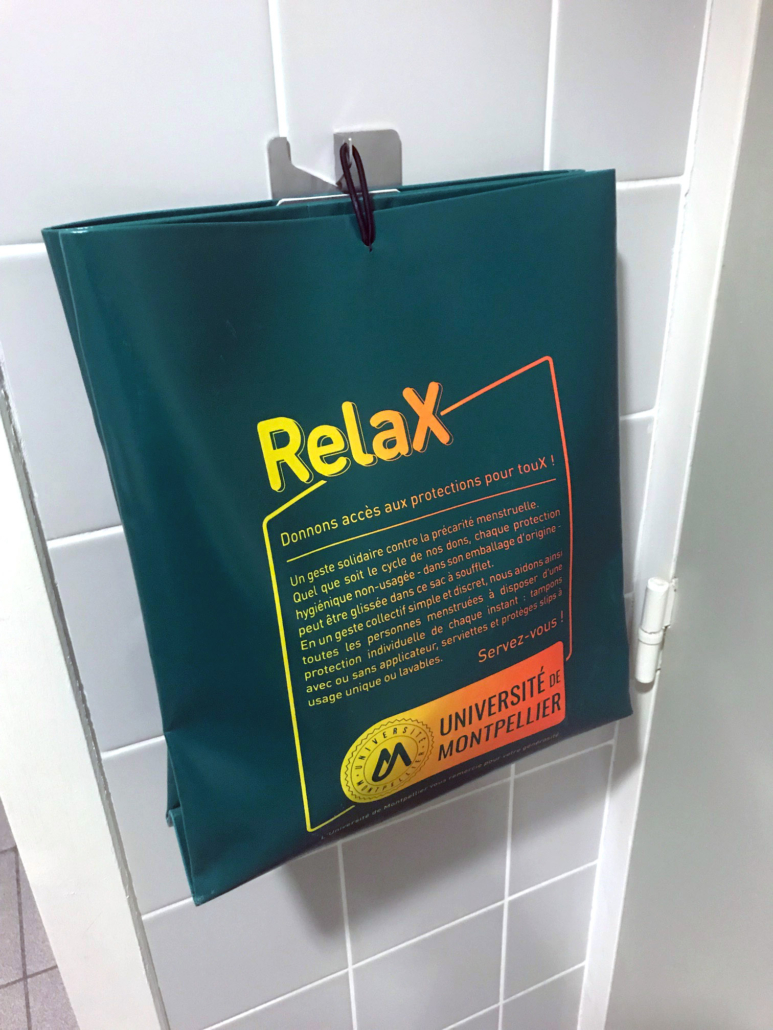
The UM, the Faculty of Medicine and student associations are taking their turn in the fight against menstrual precariousness at university, with a solidarity initiative called RelaX, so that every student can experience menstruation with dignity.


According to a recent study published in February 2021,33% of female students report financial difficulties in purchasing sanitary protection. These difficulties affect the physical, mental and social health of the most precarious people.

The University of Montpellier is committed to this fight, particularly on the Montpellier Faculty of Medicine campus. You'll find these bags on the Nîmes campus, in the toilets on the first floor of Building A and in those of Building B next to the cafeteria, on the Arnaud de Villeneuve campus in the associations' premises and finally in the toilets on the 1st floor of the UPM. Everyone can contribute with a simple, discreet gesture, by donating sanitary protection in its original packaging.

This bag will enable students to drop off or pick up sanitary pads on a self-service basis.

Given the prolonged crisis and the fast-paced workload of teams working in medical and social establishments and services for the elderly (EHPAD and SSIAD) for over a year now, there is a significant need for replacements in these structures.


Students, find your summer job now!

Faced with the current health crisis, the need for healthcare staff in EHPADs and SSIADs has increased considerably. As a result, there are a number of vacancies throughout the region. These structures offer several types of positions, such as care assistants, auxiliaires de vie, animateurs... You can therefore apply for several positions, depending on your desires and your level of education.


Why apply?


  • Enrich your professional experience

  • Serving the collective interest

  • Discover new professions

How to apply?

Students who are unable to find a summer job using the tools at their disposal can also register directly on the platform https://renfortrh.solidarites-sante.gouv.fr/ by clicking on the "I'm an available professional" link and filling in the short questionnaire with their dates of availability and location. They must register as a caregiver. An ESMS will then be able to call them directly.


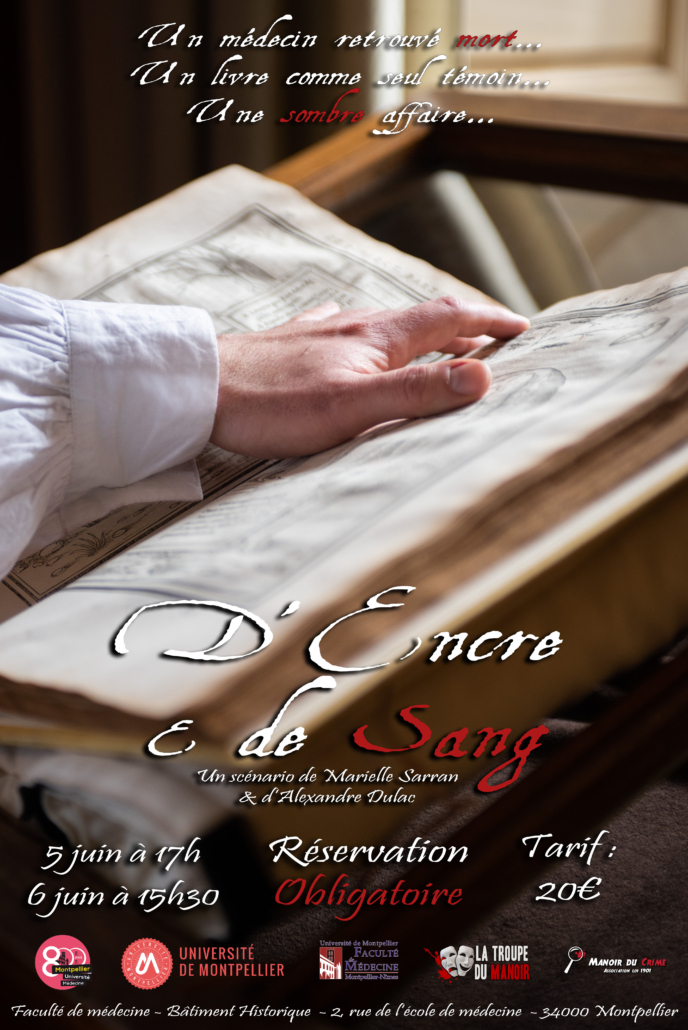
The celebration of 800 years of our Faculty continues with a new fun event! Join the Manoir du Crime team on Saturday June 5 and Sunday June 6 for an unforgettable evening of thrills and spills...

A full-scale survey

The historic building will be the setting for a life-size game. Fans of Cluedo and detective series, don your best investigator's costume to unravel the mysteries of the Troupe du Manoir!

The year is 1806. Gabriel Prunelle is on the road to the Empire, assembling an important collection of works to create a unique library.
But meanwhile, in Montpellier, something dark is afoot in the faculty. One of the books recovered by Monsieur Prunelle is at the heart of a macabre discovery.
Can you get to the bottom of it?

This Soirée du Crime marks the return of the Manoir du Crime Association after several months of waiting.
And it's with the University of Montpellier and the Faculty of Medicine that the Troupe du Manoir celebrates its return.
To mark the Faculty's 800th anniversary, we are once again delighted to welcome you to the prestigious anatomy amphitheatre of the historic building opposite the Jardin des Plantes.

An event that respects barrier gestures

In order to offer you a beautiful evening in an incredible setting while respecting health regulations, here are the rules to follow:

- masks are mandatory for everyone, including troop members.
- Hydro-alcoholic gel will be available. Don't hesitate to use it.
- Teams of 6 players will be formed to respect the "6" rule in force.
- Teams will be spread out in the amphitheatre to respect social distancing.
- The evening's "assistants" (members of the Troupe du Manoir) will be gloved to give you the evening's documents.
- Part of the evening will take place outdoors, in the main courtyard.

A registered event

Two sessions are offered:

  • Saturday June 5 from 5 to 8 p.m.
  • Sunday June 6 from 3:30 p.m. to 6:30 p.m.

Single price: €20

In 2018, Doctor Fares GOUZI took part in the MUSE call for projects aimed at supporting the pedagogical transformation of training courses. He emerged as the winner with his project entitled "Laboratoire Numérique de sciences précliniques".


What is MUSE "Take-Off"?

The MUSE project Montpellier University of Excellence "mobilizes the strengths of 16 institutions towards a common ambition: to create a research-intensive thematic university in Montpellier, internationally recognized for its impact in fields related to agriculture, the environment and health, likely to become an academic partner for all the members of the consortium, to which they will have strong links and which they will be able to draw on.

Through these "Take Off" calls for projects, it supports the pedagogical transformation strategy of the institutions and components of the MUSE consortium. In 3 years, the I-SITE MUSE has mobilized €6 million to support pedagogical innovations through this program. The "Laboratoire Numérique de Sciences Préclinique" project is one of those selected for Take-Off #1. Find out more in this article!

Docteur Gouzi's project is in line with MUSE's intentions

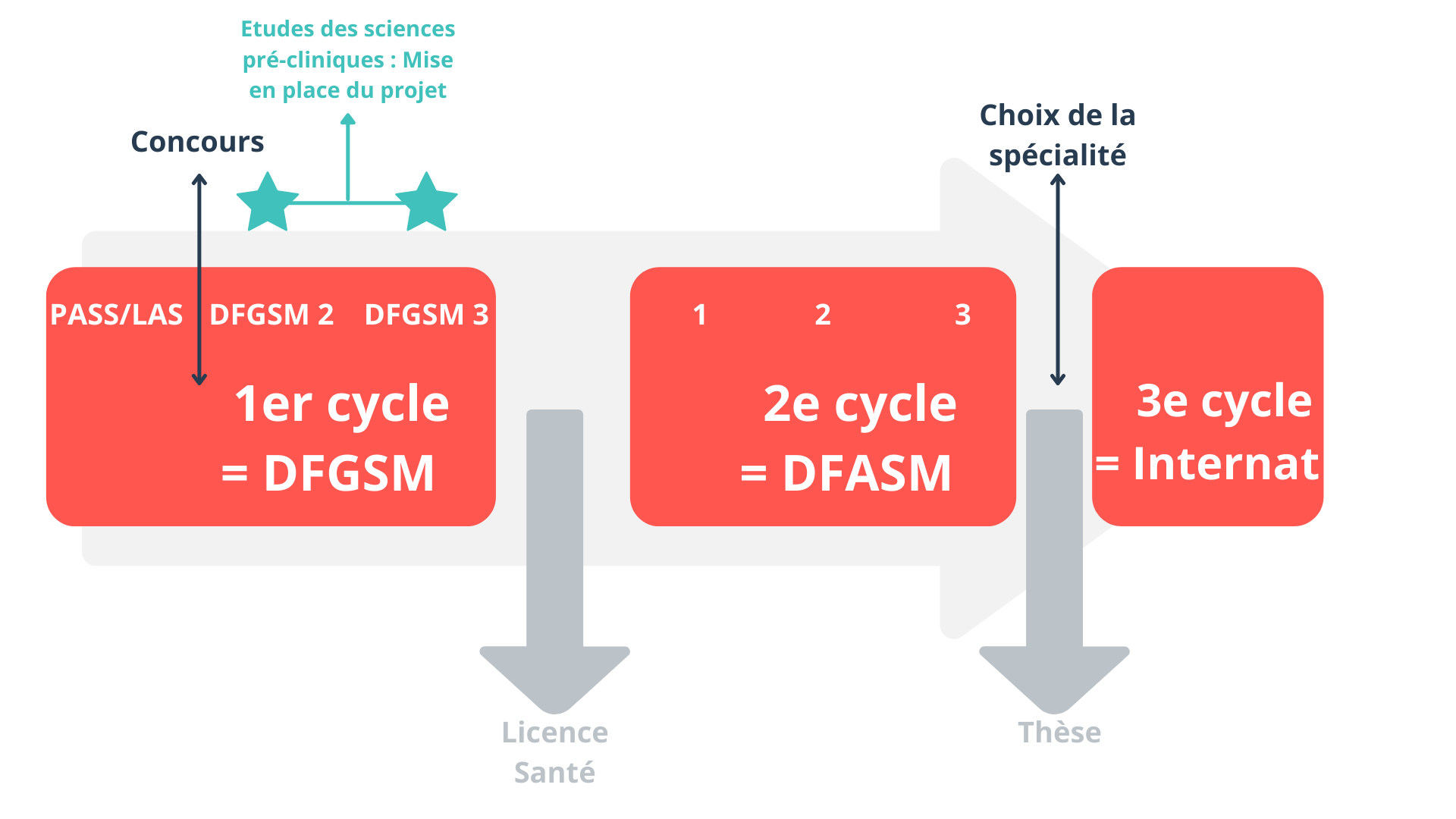
Dr. Gouzi was one of the winners of MUSE's Take Off 1 project, aimed at supporting pedagogical transformation. To better understand Doctor Gouzi's project, we need to start by understanding what pre-clinical sciences are. These pre-clinical disciplines form the basis of the1st cycle of health studies. There are seven of them: Anatomy, Histology, Embryology, Biophysics, Physiology, Cell Biology, Biochemistry... and they are studied in the 2nd and 3rd years of health studies.

Before Dr. Gouzi's project was set up, pre-clinical disciplines were mainly studied through lectures. These lectures accounted for 77% of their courses in these disciplines.


Teachers at the heart of the project

To bring his project to fruition, Dr. Gouzi, who also teaches physiology, mobilized his medical and teaching colleagues to form the Groupe de Réflexion pour l'Enseignement des Sciences Pré-Cliniques en Santé (GRESP). Together, they created the Groupe de Réflexion pour l'Enseignement des Sciences Pré-cliniques en Santé (GRESP), a group of a dozen volunteer teachers who met twice a month for several hours over the course of a year to reflect on the project.


A reorganization project

As mentioned above, lectures have come to dominate the teaching of health studies. The GRESP project aims to reorganize teaching and integrate more practical work and tutorials. To implement the project, the teachers have chosen the Teaching Unit entitled "Respiratory Apparatus", which is a UE studied in the 2nd year of health studies. The ultimate aim is to combine active teaching with a multi-disciplinary approach.


But then, what is it? :


  • Active teaching

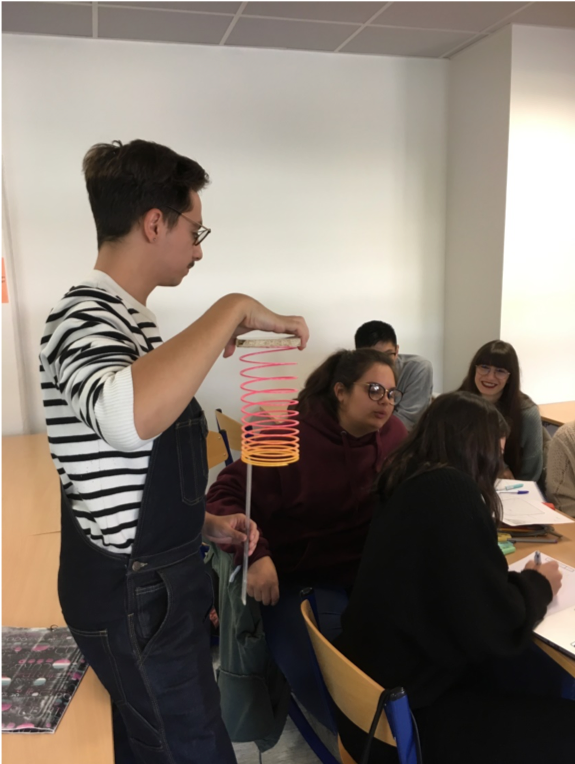
    Active pedagogy aims to involve students in the learning process. Instead of simply listening and digesting information, students reflect, manipulate, annotate and interact with each other and with the teacher. This practice requires the formation of smaller groups of students. This is why, with the GRESP project, lectures have been reduced from 77% to 34%, to make way for more practical work and directed teaching.

  • Multidisciplinarity

    Multidisciplinarity is the coexistence of several disciplines working on the same subject. In the case of the GREPS project, this was achieved by completely reorganizing the various courses in the "Respiratory Apparatus" EU. Students no longer study the seven pre-clinical disciplines separately, but rather simultaneously. Courses have been broken down by organ, and each discipline is dealt with simultaneously through a particular organ.

A long process of setting up


To technically implement this project, the GREPS members made a number of modifications:

- As mentioned above, they first changed the ratios of the different types of courses, considerably reducing the number of hours of lectures, replacing them with practical work and tutorials. However, the total number of hours has remained unchanged, to avoid increasing student workload and to comply with the current reform.

- Then they modified the course content to incorporate more active teaching and multi-disciplinarity. To achieve this, a number of new features were introduced:

  • The creation of teaching scenarios for the various subjects in the "Respiratory equipment" course.

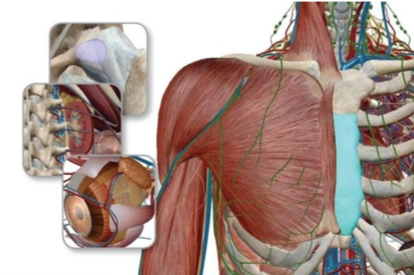
  • Thanks to the creativity of the teachers, they were also able to set up digital tools to illustrate the different scenarios (e.g. visiblebody: a digital tool representing a human body in 3D where each part of the body can be removed, analyzed and dissected, enabling students to do practical anatomy work online and free of charge).

  • The creation of a space on Moodle: with a space that takes up the structuring by objective and allows students to work from home, on a regular basis.

  • The use of non-digital tools such as models to help students understand more easily than with a diagram.

  • Use of videos: e.g. live syncope: students have to think about what happened to find out what caused the syncope. They then check their hypotheses using the software provided.

A useful pedagogical transformation

  • The aims of this project are to develop students' pre-clinical science skills by introducing them to reasoning and the experimental approach. But also by making them think and understand things more dynamically.

  • The aim, for those involved in the project, was also to restore meaning and coherence to pre-clinical science instruction. They wanted to create a logical learning path from which students would be able to extract more knowledge.

But does it work?


A project underway since 2019

This project, effective since 2019 within the Faculty of Medicine of Montpellier-Nîmes, has enabled the realization of many other things:

  • Firstly, this project is a pilot for the hybridization of teaching. Although this was not the main objective at the outset, the courses taught in this teaching unit are both distance and face-to-face. In the face of the current health crisis, it provides an example of how to redesign courses in a hybrid way.
  • At the same time, this project is a pilot for the new reform. In fact, the new PASS/LAS reform for access to health studies has led to changes in the 2nd and 3rd years. If the effectiveness of active pedagogy and multidisciplinarity can be proven, this model can be transferred to other teaching units, faculties or branches.
  • Finally, from a scientific point of view, the evaluations that have been or will be carried out will enable us to prove the usefulness, in terms of learning, of such a project.


The Université de Médecine de Montpellier is the oldest university medical school in the world. It celebrated its 800th anniversary on August 17, 2020. To mark the occasion, a series of events were scheduled to take place during 2020. In view of the current health situation, these events had to be postponed until 2021. The 800th anniversary will be marked by a series of events running until the end of the year. Among them, 5 scientific or academic symposia are organized remotely or in person in the faculty buildings.
Find out more below:

  • SFHST symposium

    April 21 to 24, 2021

    This year, the Société Française d'Histoire des Sciences et des Techniques (SFHST) has chosen Montpellier as the venue for its triennial congress, to mark the 800th anniversary of its founding. 100% digital, this congress brings together top-level professors and experts from all over Europe.

  • The faculty writes its contemporary history

  • Colloque Médecine et Judaïsme

  • June 4 and 5, 2021

    This colloquium, organized by academics from the University of Montpellier and Paul Valéry University, will provide an opportunity to discuss this great name in medieval surgery. It will take place remotely.


    Gui de Chauliac symposium

  • SFHM meeting

    June 18 and 19, 2021

    The Société Montpelliéraine d'Histoire de la Médecine (SMHM) and the Société Française d'Histoire de la Médecine (SFHM) are getting together for a series of joint days focusing on the 800th anniversary of Montpellier's Faculty of Medicine.


Find out more about the program for each event and how to register on the 800th anniversary website.

Professor Jean-Pierre Dedet is a physician and microbiologist. He has been Professor Emeritus at Montpellier University's Faculty of Medicine since 2010. Following his book "800 ans d'enseignement de la Médecine à Montpellier : la plus ancienne École de Médecine du Monde Occidental" (800 years of medical teaching in Montpellier: the oldest medical school in the Western world), published last year to mark the 800th anniversary of the Faculty of Medicine, Professor Dedet returns with his new book "Epidémie: de la peste noire à la covid-19"* (Epidemics: from the Black Death to covid-19), dealing with different epidemics throughout history.

The book:

Professor Dedet's new book*, published by Dunod (EKHO collection), has been available since April 2021.

This book recounts the history of the greatest epidemics, placed in their global, scientific and historical context. It also offers an opportunity to reflect on how epidemics emerge, and how we can anticipate them. The book is introduced by a foreword written by Françoise Barré-Sinoussi, winner of the 2008 Nobel Prize for Medicine and Physiology.


Meeting with Jean-Pierre Dedet, Professor Emeritus of the Faculty and author of the book :


In this new book you deal with the subject of epidemics. Why did you decide to tackle this subject?

This book is a reprint of an earlier work entitled "Les épidémies, de la peste noire à la grippe A/H1N1", published by Dunod in 2010. In light of the current health crisis, this earlier work has attracted renewed interest. Editions Dunod then asked me to republish the book and talk about the current epidemic, which I gladly accepted.


How are epidemics dealt with in your book?

The aim of this book is twofold: firstly, to discuss thehistory of epidemics from a scientific point of view; to show what scientific progress has been made in the epidemiological field throughout history. But also, to talk about epidemics in history: what are the human, sociological, economic and cultural consequences of an epidemic? What is the significance of past epidemics today? What factors led to the emergence of epidemics? How have they evolved throughout history? Where do they stand today?


Who is this book for?

This book is aimed at the general public. Epidemics and their histories are explained in a simplified way to make the book accessible to all readers. The aim is to popularize the subject, and to help the public take a step back from epidemics in general, and Covid-19 in particular.


Why did you ask Françoise Barré-Sinoussi to write the preface? 

I worked at the Pasteur Institute for 20 years, which enabled me to meet a lot of people in the field. I had already called on Luc Montagnier for my book " La microbiologie, de ses origines aux maladies émergentes ", published in 2007. Françoise Barré-Sinoussi specializes in the AIDS epidemic, for which she was awarded the Nobel Prize in Medicine and Physiology in 2008. So it seemed obvious to me to call on her. This book is a kind of link between my career in Pasteur and my career in Montpellier!


What are your plans for the future?

I'm currently writing my next book on vaccines and vaccination. It will also be aimed at the general public.

*Professor Dedet's new book is available for €8.90 in bookshops and online.