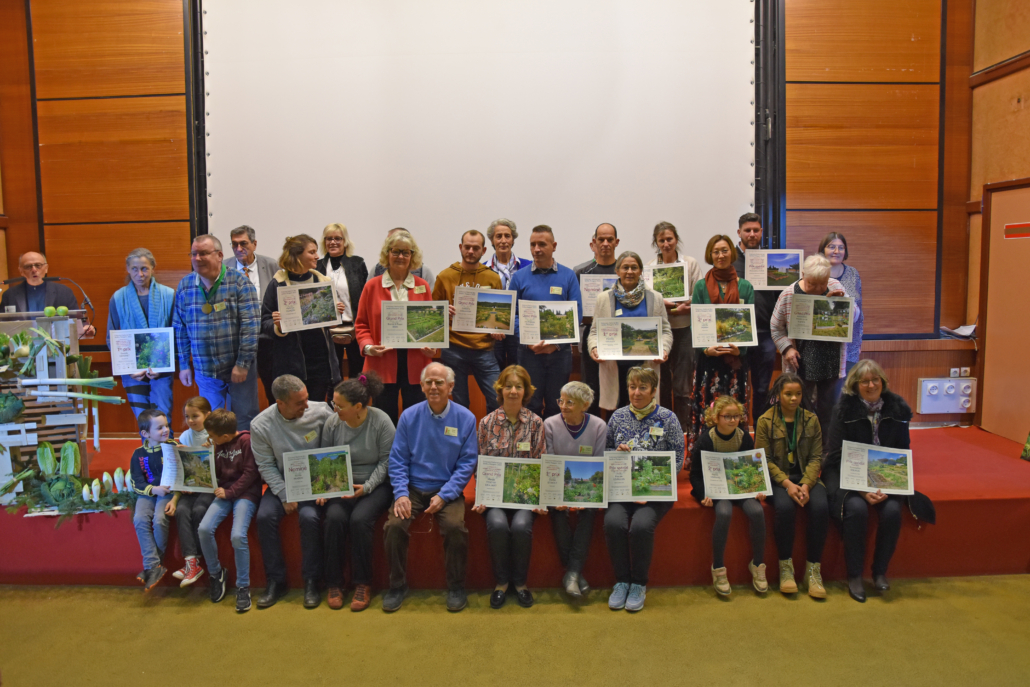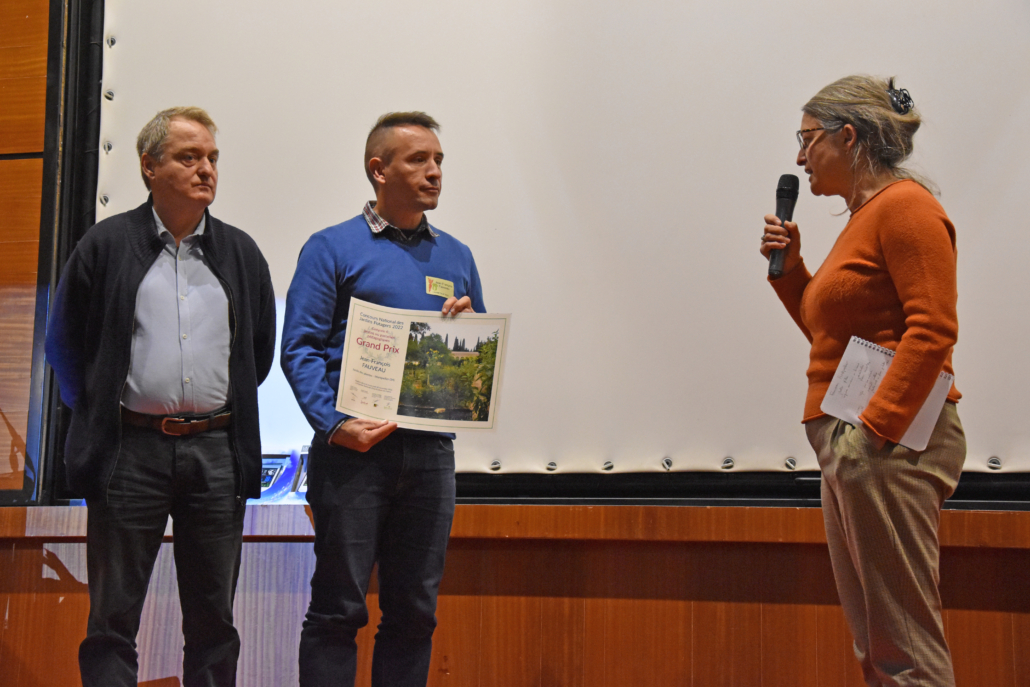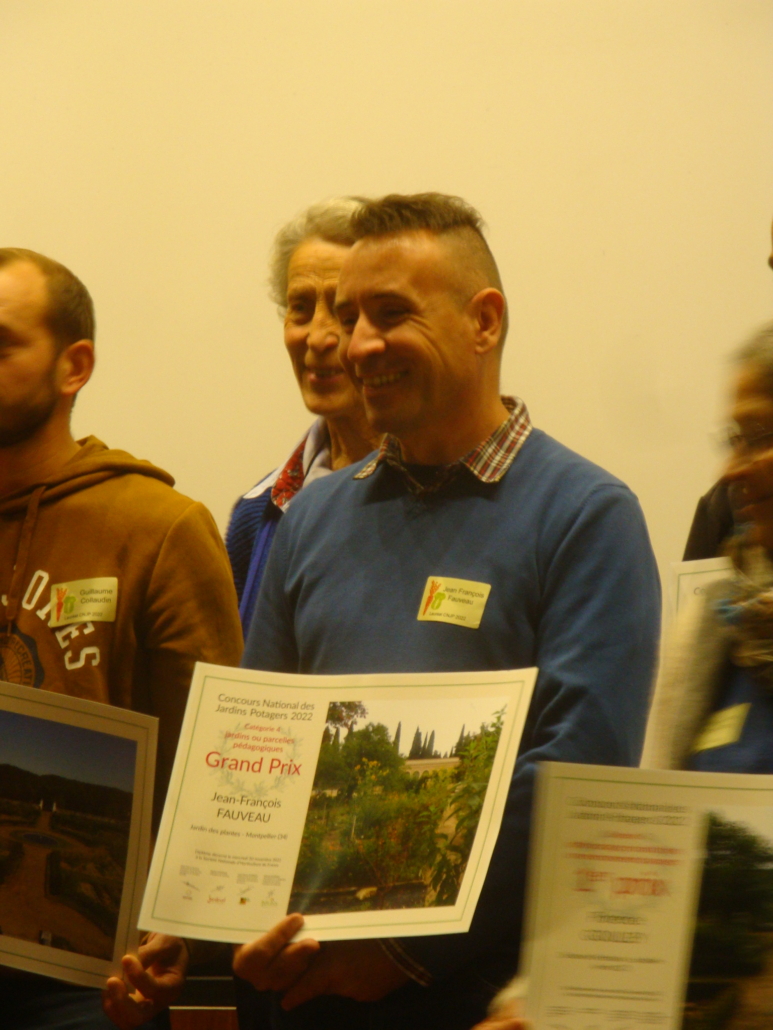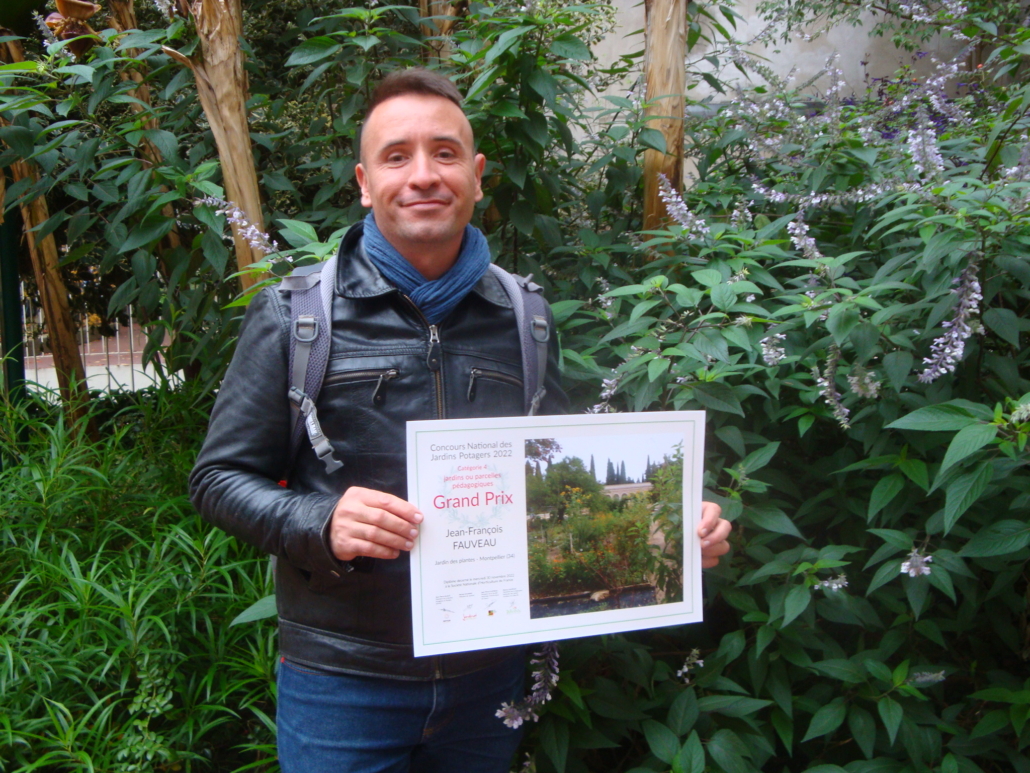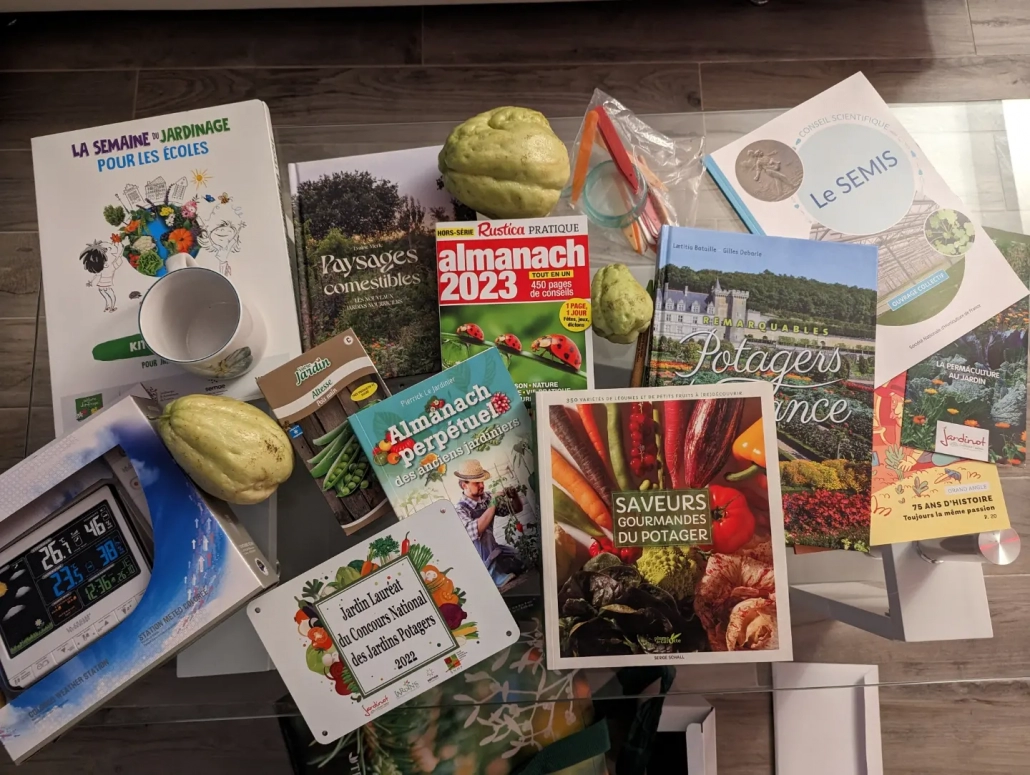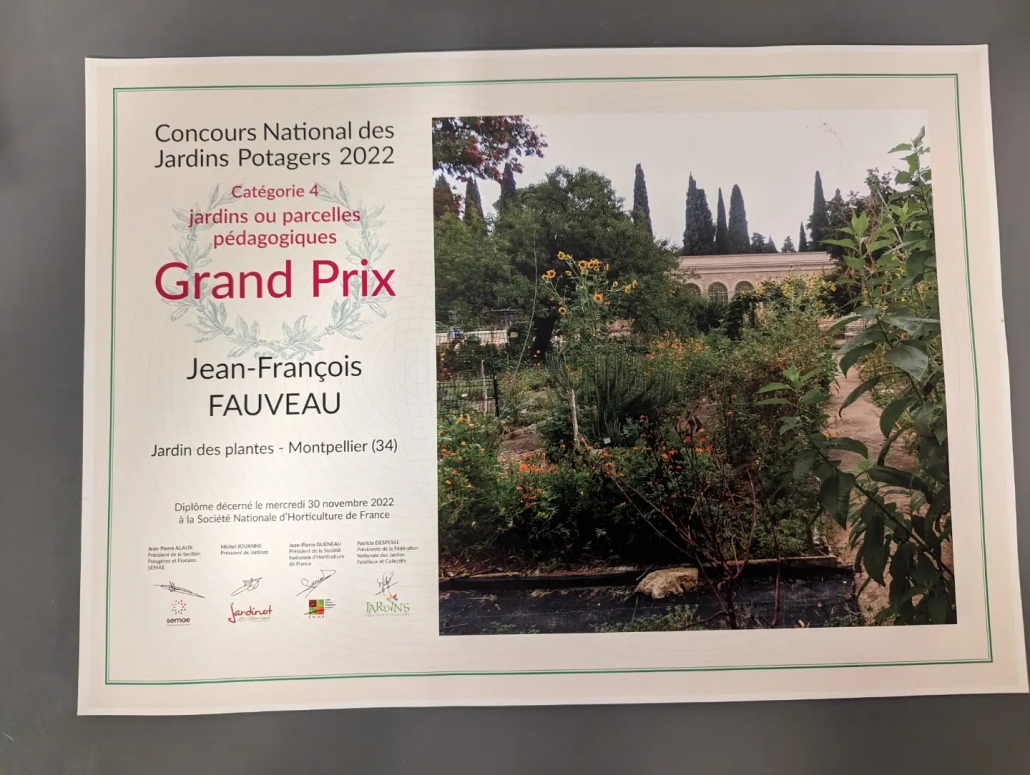
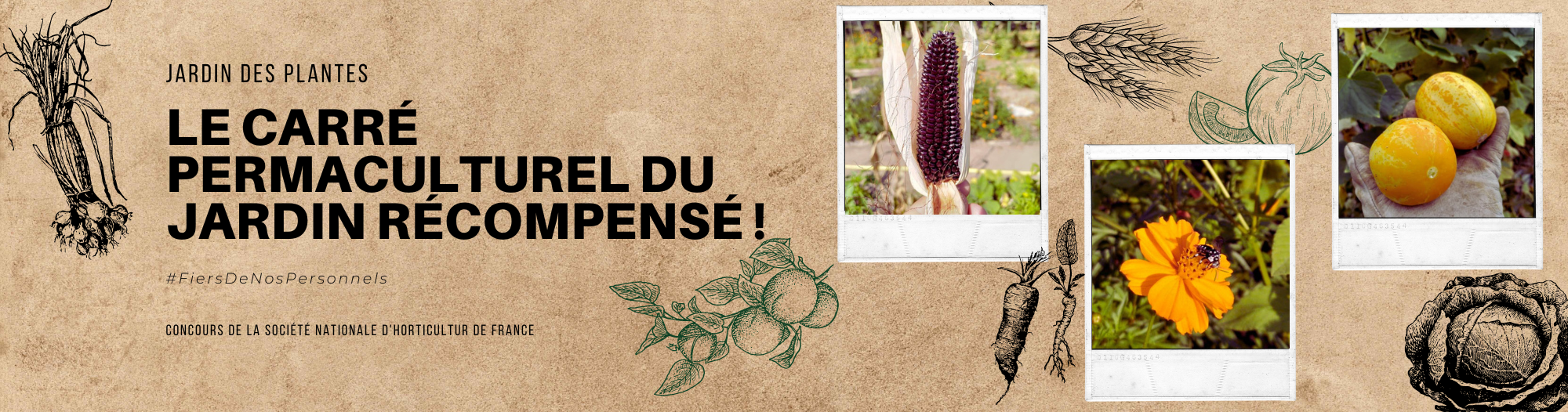
Did you know? The Jardin des Plantes is home to many original features. One of the most recent is a permaculture vegetable garden. Created two years ago on the initiative of Jean-François "Jeff" Fauveau, a member of our team of botanist-gardeners, this permaculture square is now a winner of the prestigious national vegetable garden competitionorganized by the Société Nationale d'Horticulture de France ! An immense source of pride for our Faculty and the teams at the Jardin des Plantes. At the prize-giving ceremony on November 30, we met Jeff, who told us all about the project.


A project born of post-confinement reflection

In 2020, Jeff had the idea of creating a permaculture vegetable garden at the Jardin des Plantes. Intrigued by current events at the time, our gardener had observed that many people were seizing on permaculture to respond to political and economic issues.

Committed to the Jardin des Plantes' mission of raising awareness, Jeff wants to use this garden to encourage Montpellier residents to reclaim their agricultural heritage and take back control of their food. To achieve this, he has designed his project around the varieties of plants we should be growing on our balconies, terraces and gardens in our Mediterranean climate.


What is a permaculture garden?

When we ask Jean-François to explain what a Permaculture Garden is, he answers on two levels:

  • The technical side: permaculture stems from practices shared throughout the world, aimed at observing soil chemistry so as to have as little effect as possible on the soil and its construction. The aim is to associate specific varieties of plants, mainly perennials, to create symbiotic systems that avoid the use of chemical inputs such as pesticides or fertilizers.
  • Values: more than a simple practice, permaculture is, according to Jeff, based on a system of values aimed at "protecting the earth, people and sharing the surplus".


In short, a permaculture garden is a garden designed to last, thanks to meticulous observation of biological ecosystems. Worked with respect for nature, the seasons and people, it produces plants grown without the use of chemicals.


The Jardin des Plantes permaculture square: a place of plant diversity, open to the public

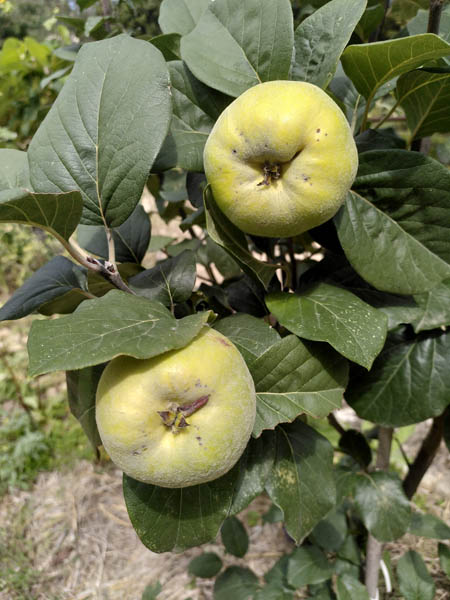
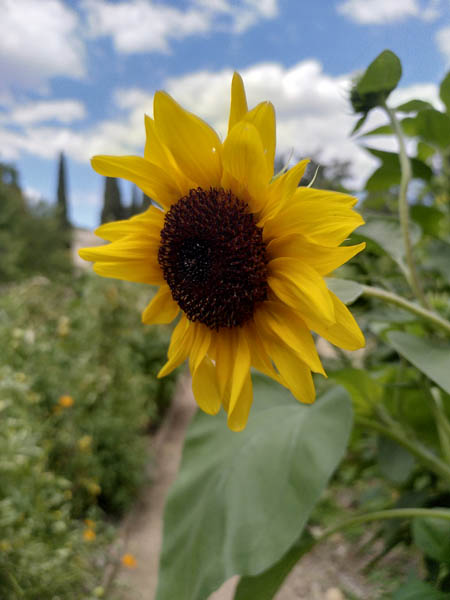
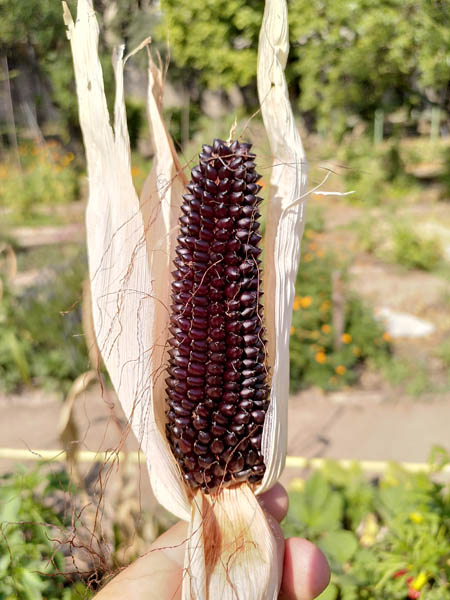
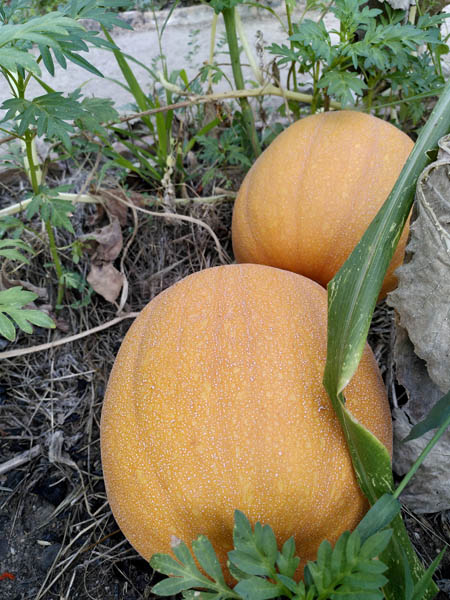
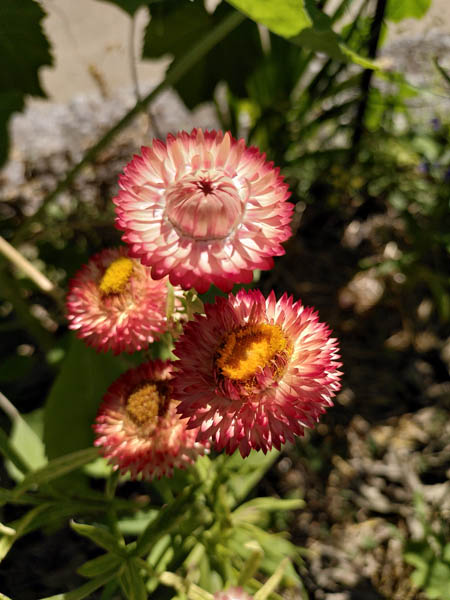
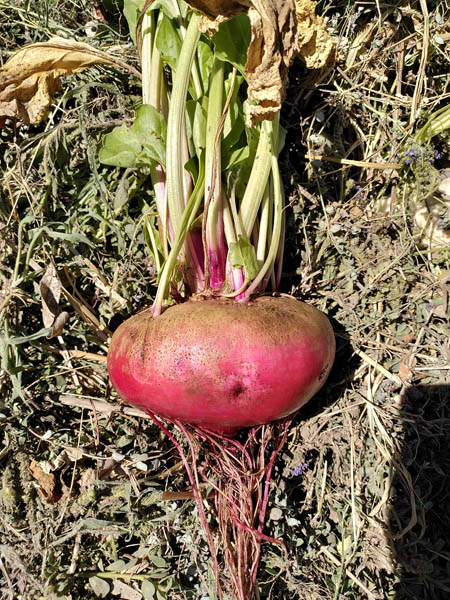
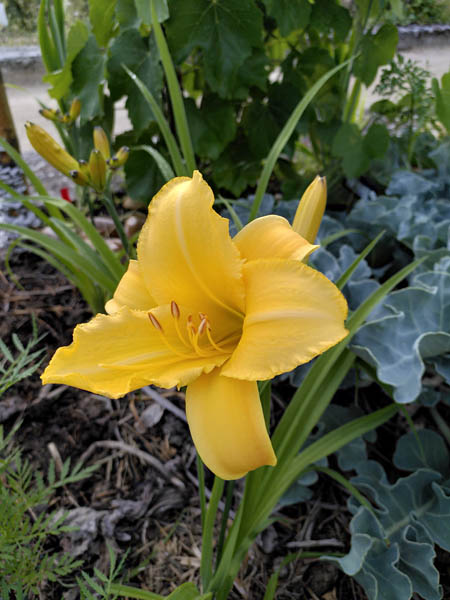
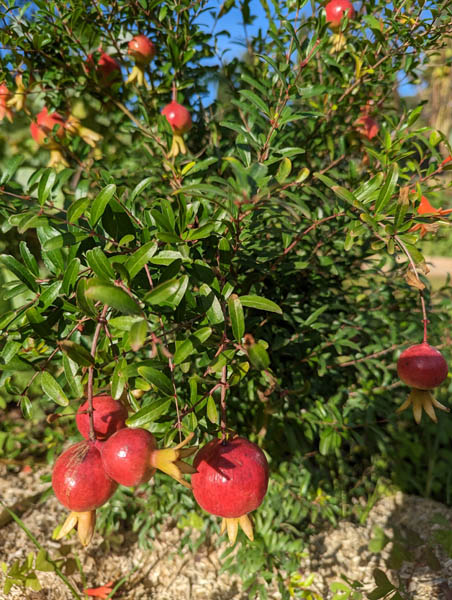
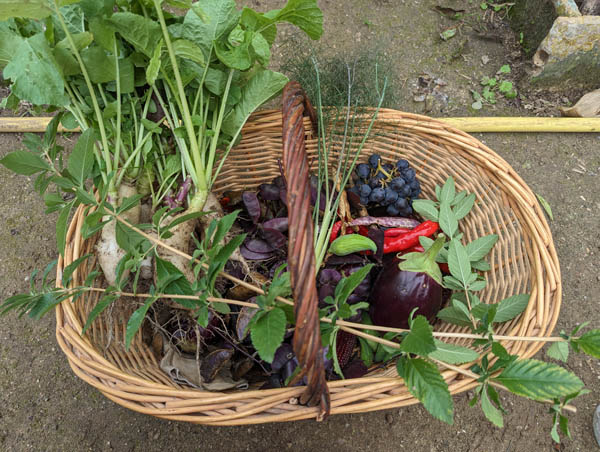
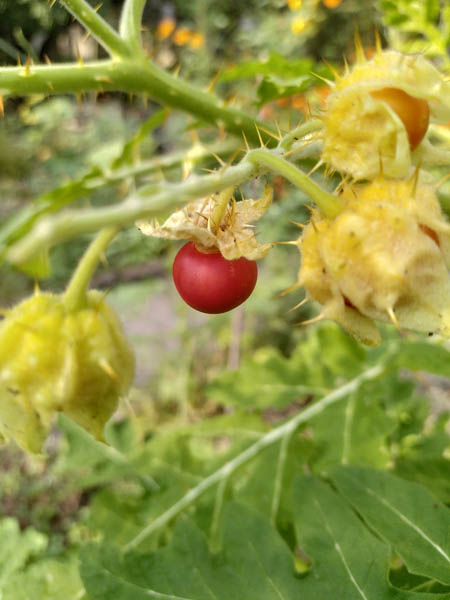
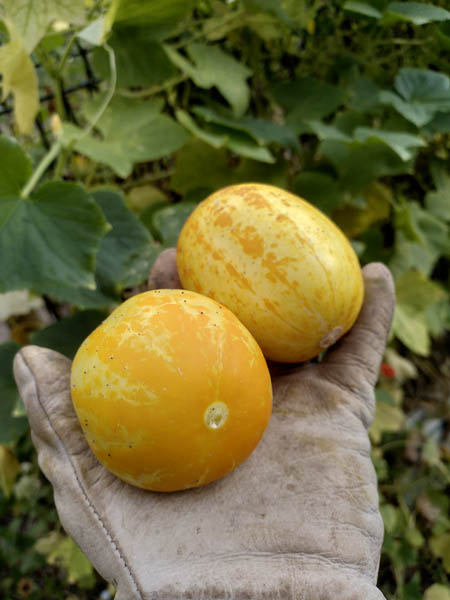
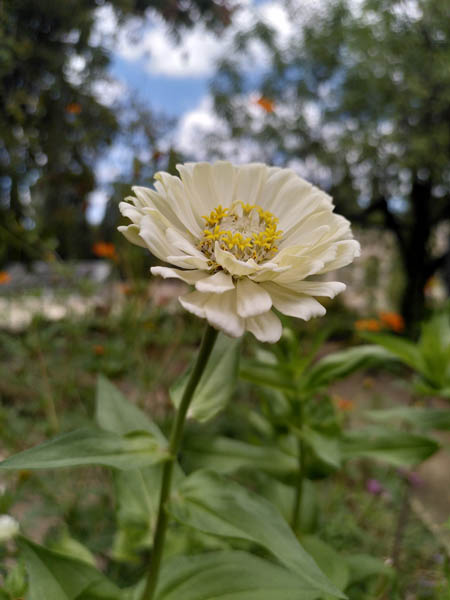
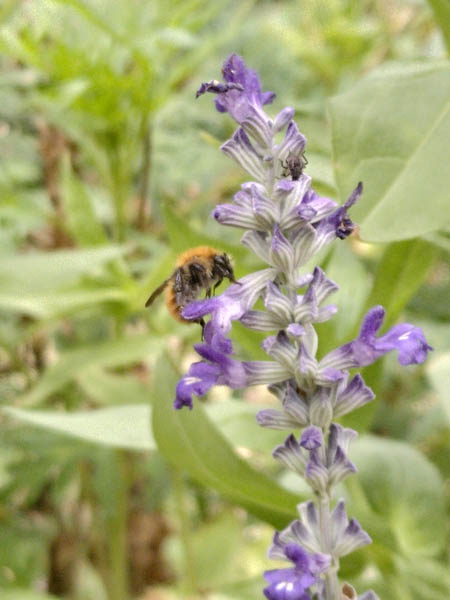
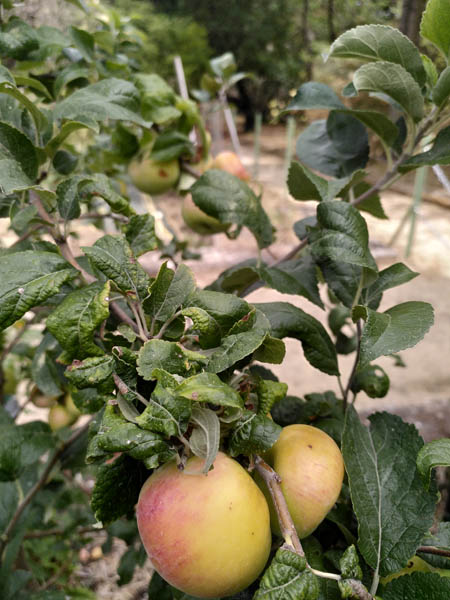
Initiated in 2020, the permaculture garden can be seen in square number 4 of the systematic school of the Jardin des Plantes. Covering an area of almost 200 m², the vegetable garden concentrates over 250 species of plants, all edible. Among the species grown, Jeff tries to vary between "classic" plants and more "original" ones. These include tomatoes, eggplants, cucumbers, apples, grapes and corn, as well as Daubenton's cabbage, Rocambolle garlic, stevia, peanuts and bissap. Edible flowers are also on hand to brighten up the taste buds of even the most discerning gourmets.

This permaculture vegetable garden is tended by Jeff, who also makes a point of showing it to Montpellier residents on guided tours between March and November. Jeff takes advantage of the opportunity to give advice on permaculture and to show visitors the fruits of his labor by giving them a few fruits and vegetables to enjoy when in season!


An original project, winner of the 2022 national vegetable garden competition

All this variety and these educational initiatives have undoubtedly contributed to making this project one of the winners of the national vegetable garden competition!

After applying in June for category 4 "Educational Garden or Plot", the Jardin des Plantes teams welcomed the competition juries in September for a two-hour visit, during which they asked our gardener a number of technical questions.

A few weeks later, Jeff was delighted to discover that he had been selected from among the 60 gardens competing for the Grand Prix for the best educational kitchen garden in France! 

Jean-François and Emmanuel Spicq, head of cultivation at the Jardin des Plantes, received the award at a ceremony in Paris on November 30, 2022. A real source of pride for Jeff :

"It's a very nice surprise. I'm very happy, because this project and this competition allow us to step outside our usual perimeter. It puts us in contact with other national institutions and opens us up to the outside world. I'm looking forward to exchanging ideas with the other participants and winners, so that we can take this project to the next level!


Continuation of Le Jardin projects

As well as putting our garden in the spotlight, this competition is an opportunity to develop new relationships and partnerships with other gardeners, gardens and/or institutions, associations.

"I hope that these exchanges will provide me with new tips for developing the practice of permaculture on other projects. After the vegetable garden, I'd like to experiment with other gardening colleagues at the Jardin des Plantes, with the possibility of developing a new permaculture square on the theme of drought-resistant plants!" enthuses Jeff.

The square, already identified, will be located on the Dunal Dellile massif, another of the systematic school's plots. We wish our Garden teams all the best for the future with this new project, which will perhaps be an opportunity to apply for this competition, in another category!


Practical info :

Every five years, a new dean's team, made up of vice-deans and project managers, is appointed by the Dean to represent him or her in defined missions. This year, Pr Nadine Houede has been appointed Vice-Dean for Finance. She will soon succeed Vice-Dean Messner in this role. Read her interview here: find out more about her background and the projects she hopes to implement as part of her mission!

You were nominated by Dean Isabelle Laffont. Can you tell us a little about your background and your speciality?

With two doctorates in medicine and biostatistics, I was fortunate enough to spend two years in Canada at the end of my studies, which gave me solid experience in urological oncology and a dynamic approach to research. I spent the first part of my career as an oncologist at the Bordeaux cancer center, where I was head of the onco-urology department and the early-phase trials unit, and an active member of French and American oncology learned societies.

Currently head of department at Nîmes University Hospital and deputy head of the department, I lead a number of research programs within an INSERM unit in Montpellier and fight to ensure that research advances are rapidly made available for the benefit of patients.


How do you plan to reconcile your activities as vice-dean with your other professional commitments?

I'm fortunate to be supported by a young and dynamic oncology team, and I hold two positions inherent to my university status: Director of the Cancéropole Grand Sud-Ouest, in close contact with cancer research teams, and now Vice-Dean in charge of finance, supporting faculty and student projects.


What are your contributions and objectives? What projects would you like to carry out in your role?

As the Dean has placed her trust in me through this appointment, I wish to assist her as best I can in the management tasks assigned to me, both for her specific DI and DIU actions and in relation to the university. I'll be working to achieve a balanced budget, so as to offer students and teachers the best possible teaching conditions.


What motivated you to accept this appointment?

If I must stress that numbers are in my nature, two factors motivated me to accept this position: on the one hand, my gratitude to the faculty that appointed me Professor in 2015 and my wish in return to contribute all my resources to the pursuit of its actions, and on the other, the benevolent companionship of my predecessor Prof. Patrick Messner.

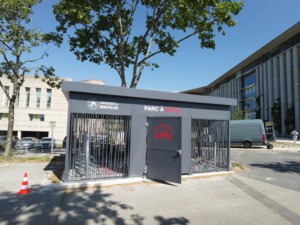
On a regular basis, the DVC (Direction de la Vie des Campus) launches calls for projects called "ALIVE" to improve student life on the campuses of the University of Montpellier. These projects, built in collaboration with students on each campus, give rise to original initiatives that are funded by the CVEC. In 2020, the Faculty responded to the call to create a secure bike shelter on the Arnaud de Villeneuve campus.

What are we talking about?

Alive is a series of calls for projects launched each year by the DVC (Direction de la Vie des Campus) with clearly defined specifications:

"As part of the deployment of the CVEC*, the University of Montpellier has decided to launch the ALIVE call for projects for UFRs, Schools and Institutes. The call for projects is for the creation or renovation of spaces dedicated to student life on UM campuses, outside teaching premises".

The purpose of these calls for projects is to :

  • Improving conditions for students and student life
  • Developing a better way of living together for students.


The 2020-2021 project: a secure bicycle shelter for the ADV campus

In 2020, the Faculty of Medicine, in collaboration with the Vice-Dean of Students at the time, Florian Mary, decided to consult its fellow students and respond to the ALIVE call for projects. What emerged from this consultation was the need for a secure bicycle shelter. Construction began in January 2022 and was completed at the start of the new academic year.

The bike shelter is now up and running, with secure card access for 150 ADV Campus students. These students signed up voluntarily in September, following an e-mail appeal from the faculty management. In January 2023, the number of accesses will be increased if the shelter is found to be under-used.

This shelter is a real advantage for our students, who can combine efficiency and ecology by choosing the bicycle as their mode of transport. The shelter's security features greatly reduce the risk of theft!


* Law No. 2018-166 Orientation et Réussite des Étudiants of March 8, 2018, known as the ORE law, created a student and campus life contribution (CVEC), intended according to Article L. 841-5.-I of the Education Code to "promote the reception and social, health, cultural and sporting support of students and to bolster the preventive and health education actions carried out for their benefit."

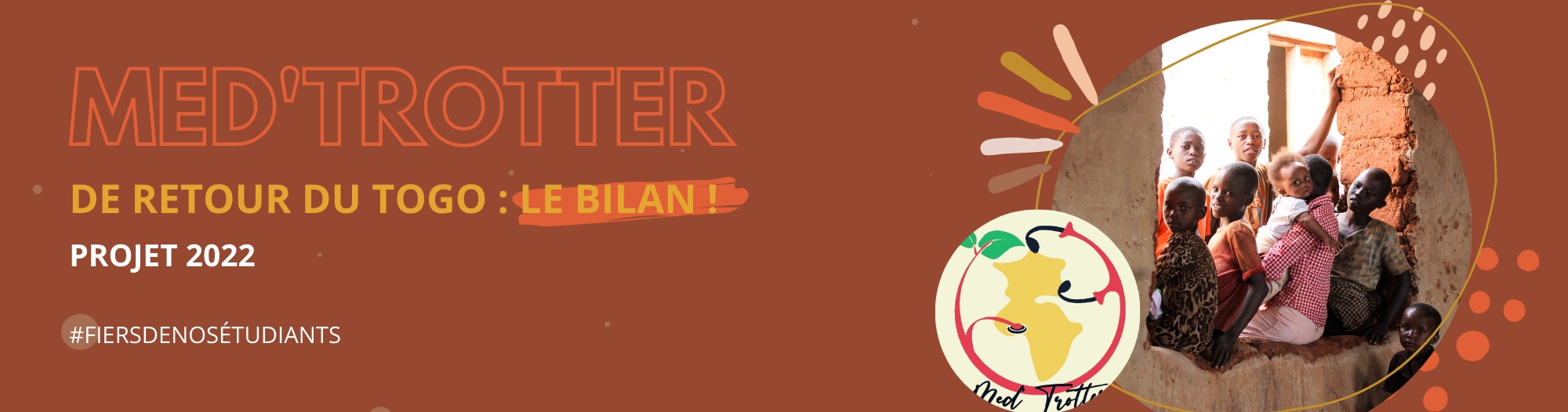
In July, via the ACM exchange center, 13 students had the opportunity to fly to Togo as part of a solidarity project for an association working to rehabilitate a school. A film was shown to mark the end of the International Solidarity Project! A look back.

How was your trip?

The trip went wonderfully well. We obviously had a lot of fears, since although the project was conceived 3 years ago, it never came to fruition because of the health crisis. We were therefore the first to leave, but the trip went off without a hitch, whether in terms of the pre-project (fund-raising, scholarships, tombola, etc.), safety, relations with the Togolese volunteers, the children, the work site, etc. Our arrival was also well prepared by our local partner association Espace Hotsi, who accompanied us from our arrival at the airport to our departure, managing our accommodation, meals, transport, etc.

What were your missions?

Our main mission was to help renovate 4 kindergarten/primary school classrooms and latrines. Our support began with a financial contribution, as we financed the materials and volunteers (around 3800 euros). Secondly, we provided human support by building up additional manpower on the site.
In the afternoons, we organized games and workshops with volunteer village children (painting, dodgeball, etc.). We also attended the school's end-of-year results ceremony. We also took the opportunity to donate the school equipment needed for the start of the 2022 school year to the pupils, thus ensuring equal opportunities for all, since not all children have the means to pay for the equipment required.

What have you put in place?

The project involved renovation of the staircases (masonry), roof, gutters and paintwork (we sanded and repainted the exterior and interior walls).

Have you encountered any complications you weren't expecting?

We can't say we were faced with any real complications. We had prepared ourselves to be bothered by the different hygiene, but in the end we adapted quite quickly (adaptation is quick when you have no choice). What surprised us most of all was the children's autonomy, from a very early age (sometimes a 5-year-old can carry and look after his 1-year-old brother). We were also able to observe the cultural difference when it comes to romantic relationships and their conceptualization. Apart from the culture shock inherent in this kind of experience, we didn't really encounter any major complications. It's simply a question of adapting to all aspects of life in a country where the way of life is the opposite of what we know in Europe.

Before your trip, you got in touch with Médecin du Monde. How did you go about raising awareness?

Indeed, we had an initial contact with Médecin du Monde, who were very keen to accompany us on this adventure, but unfortunately after several reminders we heard nothing from them. We had therefore prepared some awareness-raising sessions, but on the ground the practice was much less straightforward than we had expected. Firstly, because the children don't all speak French well, depending on their age (they learn French at school, as it's the country's official language). They were also keen to play with us and do physical activities. The disparity of the group didn't allow us to carry out our awareness-raising activities as we had hoped. This aspect of the mission is therefore an area for improvement for next year.

What impact has the experience had on you?

This is a difficult question. I think it took each of us some time to "digest" what we had experienced. We wouldn't presume to say that this trip has changed us completely, and that we're new people now. But this experience has certainly left its mark and brought us a lot from a human point of view. It's sometimes interesting to "get slapped in the face", and we can say that it was a real cultural, social and human whirlwind that we experienced. On our return, as medical students at the Montpellier-Nîmes Faculty, we're still caught up in our daily routine, but there's not a day goes by when I don't think about that trip to Togo. I don't know if this experience will make me a better person, or improve my practice as a future doctor, but it certainly gave me something.

What's your assessment?

I'm pleased to be able to say that the outcome of this mission is extremely positive. Of course, we can improve on the management of the departure beforehand, the management of money on site (withdrawal difficulties), and the preparation and adaptation of awareness-raising. But the fact alone that we have successfully completed the mission is a success. What's more, we're certain of the usefulness of our action, since we're in contact with Étienne, the school principal, who regularly sends us videos of the children having classes in their newly renovated building. We're sure we'll be able to continue the project, and do our utmost to improve on this year's little mishaps.

Do you have any new projects?

The new Vice-Presidents in charge of exchanges at the Association Carabine Montpelliéraine recently presented this year's new project to the medical students, which involves going back to Togo with the association Espace HOTSI. Indeed, we are convinced that the continuity of this mission is essential for another year. The form of the project remains the same (renovation work, construction, educational support, etc.), while the content has yet to be defined with the new Med'Trotters team, which will soon be selected.

Discover the Med'Trotters adventure on video!