
This week, we meet Justine Rizzo, president of the Montpellier midwifery students' association, AMESF. Find out all you need to know about this association in this interview!

In a few words, what is AMESF?

AMESF is the student association of the Montpellier midwifery program. Our objectives are to represent student midwives, to offer services and entertainment to our members, and to set up solidarity and humanitarian actions. To this end, we are involved in several networks of associations. Firstly, on a local level with AGEM, the Association Général des Etudiants Montpelliérains, and then on a national level with ANESF, the Association Nationale des Etudiants Sages-Femmes.


What activities or actions do you organize throughout the year? 

Several projects punctuate our year, some for entertainment, such as the end-of-year Gala, and the Concert en rose, which is a charity event for the Naître en Rose association.

Throughout the year, we also organize a number of fund-raising events where our members can volunteer to help us run stalls. During the month of "Octobre Rose", we promote breast cancer prevention and raise funds for the association "Cancer du sein, Parlons en! We also take part in the Telethon and Sidaction

This year, for the first time, we have set up a project called "Endometriosis". It's particularly close to our hearts, as this little-known disease affects around 10% of women. We visited a number of faculties in Montpellier to meet students and lecturers from outside the health sector (Faculty of Science, Paul Valéry University and the STAPS Faculty). We were able to provide information on the disease, through flyers, quizzes/games and a model containing a wealth of information. We ended the week by organizing a "ciné-débat" conference on the subject at the Faculty of Medicine. Following a short film, an exchange took place between various health professionals (midwife, gynecologist) and the public. As a result, we were able to raise awareness of this disease, as well as funds for research by the "EndoFrance" association.

Finally, we also collaborate with the Etablissement Français du Sang (French Blood Establishment), raising awareness of blood, plasma and bone marrow donation every month, and announcing the various blood drive locations in our publications.

Why did you personally choose the maieutics stream? What do you think the association brings to students in this field?

What I like about being a midwife is being able to work in the health sector, to help families at a particular time in their lives, such as the birth of a child, and to accompany, support and advise women throughout their lives. Being a midwife means having a wide range of skills and knowledge, from gynecology to pediatrics and obstetrics. It means knowing women's physiology inside out, and knowing how to detect the slightest problem.

As for the association, it provides students in this field with support, activities and a certain curiosity about different issues. It also enables them to take part in various solidarity and humanitarian projects, as mentioned above. The association provides students in this stream with support for newcomers and seniors alike.

Why do you think you should join your association? 

Membership offers many advantages, which we divide into various categories. 

Schooling department
The entertainment division
Student Services
Partnership department
Representation division
Solidarity Division
It enables us to set up a system for sharing notes and printing out courses in paper format. We also place group orders for books and course materials.  It enables members to take part in the parties we organize, and to obtain preferential rates in certain restaurants, bars and clubs in Montpellier. It's also an opportunity to develop a spirit of cohesion through our events, such as the end-of-year gala. It gives access to "SOS Nounou", a system that puts student midwives in touch with parents looking for baby-sitters. We also offer the possibility of ordering baskets of vegetables at affordable prices. It enables our members to obtain reduced prices from our association's partners It enables students to be informed of and participate in the various debates and training courses organized by AGEM and ANESF. It entitles members to take part in all the actions we undertake, such as those mentioned above.

How do I join?

By paying the €10 membership fee at the AMESF office on the Arnaud de Villeneuve Campus, 641 avenue du Doyen Gaston Giraud, Montpellier 34090. 

Since this year, any student, whatever their course of study, can join our association. They don't have access to all the benefits of a midwifery student, but are welcome to join our festive events, share their ideas or take part in our various projects, for example!

A few words about the 2020-2021 office?

We have total confidence in the new generation, and we can't wait to see what they come up with! 

In the meantime, you can find us on all our networks!

Facebook : AMESF - Association Montpelliéraine des Étudiants Sages-Femmes

Instagram: amesf_sfmtp

Snapchat: amesf_sfmtp

Twitter: AMESF_SFMTP



Physical activity is not just a way of losing weight. Sport has major medical, social and economic benefits. Walking, running or gardening activates metabolic mechanisms - in other words, the biological reactions taking place in our bodies.

The benefits of sport can be seen both physically and mentally:

Physical health

Fight against overweight and diabetes-type diseases

Strictly speaking, sport cannot prevent obesity or overweight. However, physical activity is regularly prescribed as a complement to appropriate treatment to help patients achieve their goals.

Muscle can produce certain hormones, known as myokines, which have long-range metabolic effects on several organs. As Cédric Moro (Director of Research at Inserm's Institute of Metabolic and Cardiovascular Diseases in Toulouse) explains, "In an obese patient, the muscle contains a little fat. Exercise melts this fat, making insulin more effective in supplying the muscle with sugar. This limits the onset of type 2 diabetes". 

The positive effects of sport on overweight or diabetic problems are only beneficial if practised correctly. There are certain recommendations that must be followed to be effective with a minimum of side-effects. 

Cardiovascular diseases

As far as cardiovascular disease is concerned, the risk factors are well known: smoking, stress, hypertension... Regular physical activity improves and regulates the functioning of the cardiac system, leading to a reduction in cardiovascular risks:

  • Potential 50% reduction in arterial hypertension
  • Increase in good cholesterol levels
  • Regulation of blood sugar levels

We also know that below a VO2 max threshold, i.e. the maximum amount of oxygen consumed by the body during intense effort, a heart failure patient requires a transplant. Physiology researcher at the I2MC, Thibaut Guiraud, explains that "with activity, you improve your physical capacity and you can get out of the red zone, which is above 5 METs (equivalent to the ability to walk at 4-5 km/h for a few minutes)".

Regular physical activity makes the heart more resistant, helping to prevent or slow cardiovascular problems.


Cancer

It's no longer a secret that physical activity can be beneficial in the recovery from certain cancers.

Cancer is the leading cause of death, ahead of cardiovascular disease: the number of cases has doubled over the last 30 years.

Practicing sports during treatment helps the body to counteract some of the negative effects of treatment, such as fatigue. Provided, of course, that the effort is moderate and adapted to the treatment. Béatrice Fervers, oncologist at the Centre Léon-Bérard, explains that "the sooner a patient starts physical activity after diagnosis, the better he or she will be able to counter the side effects".

Physical activity modifies body composition (reducing visceral adiposity and maintaining or even improving muscle mass), as well as muscular strength. The possible consequences of regular physical activity on the mechanisms involved in tumor proliferation are well explained: the best-documented effects concern breast cancer and relate to glycemic regulation, increased insulin sensitivity, an anti-inflammatory effect and hormonal regulation.

According to ISERM researchers, physical activity can reduce the risk of recurrence of breast and colon cancer.

Mental health

As we saw in the article on meditation, physical activity contributes to better mental health.

Sport doesn't just help people with illnesses. Sport also enhances the well-being of the person practicing it, with reduced psychological risks.

Anti-stress

Physical activity can help reduce stress. In fact, sport triggers the body to produce hormones called endorphins, the "feel-good" hormones. As a result, after a sporting activity, anxiety levels are reduced. 

Doctor Martine Duclos, endocrinologist and head of the Sports Medicine Department at CHU Gabriel-Montpied and CHU Estaing (Clermont-Ferrand), explains that sport can be used to compensate for the use of anxiolytics, for example: "in anxious or stressed subjects, regular physical activity provides the same benefits as anxiolytics, without the side-effects and habituation; it also provides an action similar to that of antidepressants in subjects suffering from mild to moderate depression". Sport also induces the secretion of neuromediators implicated in depression when they are deficient, serotonin in particular.

As well as having a calming effect, sport also allows us to take a break from the daily grind, and forget the little worries that usually occupy our minds while we're doing it.

Sleep quality

It's just a short step from stress reduction to improved sleep. 

Doctor Duclos testifies that "sporting activity will have two positive consequences: you'll have fewer problems falling asleep, and sportsmen and women will wake up less early".

This is due in particular to the regulation of blood pressure and the secretion of endorphins, which help you to relax. So, thanks to sport, you're less stressed, which leads to physical fatigue rather than psychological fatigue.

What's more, practising sport forces people to organize themselves better and therefore regulate their biological rhythms (also known as circadian rhythms). It also implies a better diet for better performance. All these factors play an important role in sleep quality.

However, it's important not to exercise too late in the day, "otherwise it will shift your sleep schedule", stresses Martine Duclos.

Brain and depression

Finally, sport enables the brain to secrete dopamine. Dopamine is a neurotransmitter involved in the reward mechanism.

Memory, cognition, mood: physical exercise optimizes mental performance and health.

Lisa Weinberg's team at the Georgia Institute of Technology (USA) carried out a study on students: memorizing 90 photos. One group was asked to perform a leg exercise while the other group remained seated. Two days later, the students were asked to recognize as many images as possible out of a batch of 180: the trained group was able to recognize 60%, 10% more than the controls.

Researcher Martine Duclos found a "positive correlation between their physical condition and the type of high school they attended (general, vocational, agricultural)". According to Dr. Duclos, this is because "muscular activity leads to the production of myokines, proteins which, through a complex mechanism, stimulate the brain to produce growth factors, neurotrophins and more specifically BDNF (brain-derived neurotrophic factor). It promotes the creation of micro-vessels (angiogenesis) and the production of new neurons (neurogenesis)".

Faculty sports - Association ASMM (AS Médecine Montpellier)

This 3-4-member sports association serves medical students who wish to engage in regular physical activity. With the aim of promoting sport, it provides sports fields and equipment, and organizes university competitions.

Our projects :

  • Creation of a women's volleyball team;
  • Development of a rugby team combining medical and dental students;
  • Creation of a basketball team made up of medical, pharmacy and odontology students;
  • Organization of futsal, tennis, pétanque and beach volleyball tournaments.

Office :

Chairman: Mustapha MOUSTAFAOUI
Secretary: Maxime FOULQUIER
Treasurer: Youssef TRIGUI


Contact:

Institute of Biology
4 Boulevard Henri IV
34965 Montpellier Cedex 2

Instagram


Sources :
https://lejournal.cnrs.fr/articles/le-sport-est-bon-pour-la-sante-cest-prouve
https://www.naturaforce.com/blog/2017/06/03/bienfaits-du-sport-sur-la-sante/
https://www.sciencesetavenir.fr/sante/bouger-ameliorer-le-cerveau_29226

Stress and anxiety have an impact on our cardiovascular system, leading to increased stress and anxiety. It's a vicious circle! Non-medicinal solutions exist and are within the reach of many people. Meditation is one of them.

Meditation is known to have a number of positive effects on health.

Stimulates the brain

One of the special features of mindfulness meditation is that it helps you develop your memory by encouraging attention. The mind is like a muscle. So, like any other muscle, to develop it, you need to train it daily with the help of mindfulness meditation.

The latter keeps your attention focused on a precise idea and prevents your mind from wandering too much.

Did you know?

Mindfulness meditation, or mindfulnessconsists in concentrating on sensations, breathing, emotions and thoughts, without making value judgments. It was developed by Jon Kabat-Zinn, a professor of medicine at the University of Massachusetts.

American studies led by Harvard Medical School neuroscientist Sara Lazar have shown that meditation increases gray matter in the areas of learning, memory and emotional control.

This study also proved that meditation can be highly beneficial for people with attention disorders: it reduces hyperactivity and impulsivity, and thus strengthens attention.

Antidepressant 

Among the other benefits of meditation, research has shown that it reduces stress and anxiety, and therefore the risk of depression. How does it work? You concentrate on your breathing, simply by becoming aware of your inhalation and exhalation. These techniques are easily accessible to everyone, even children.

Did you know?

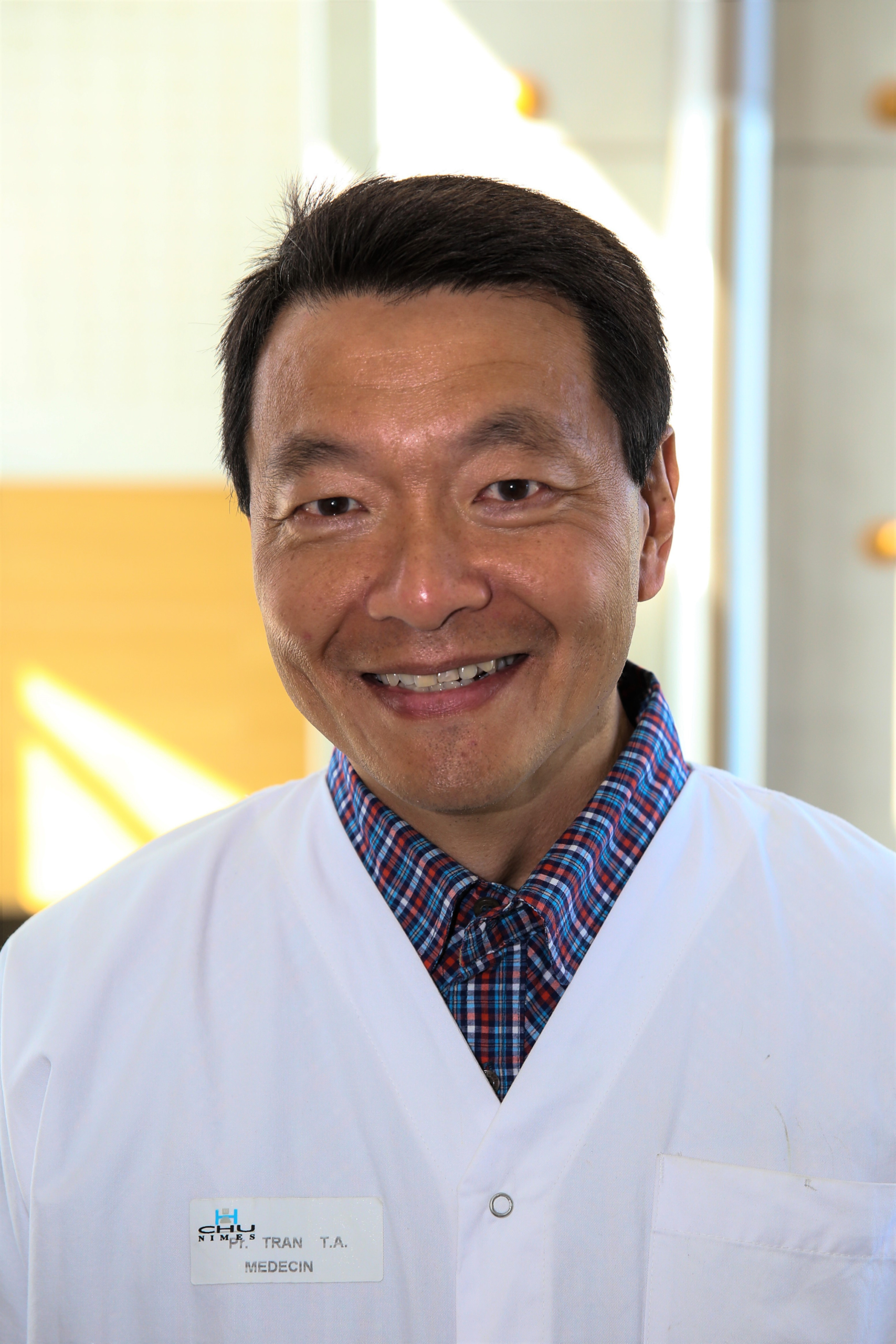
Professor Tu-Anh Tran, who teaches at the Faculty, has posted 4 guided meditations* on his YouTube channel, so that children and their families can practice throughout the day to help them find peace and focus on their work.

Episode 1:

Episode 2:


Episode 3:


Episode 4:


This method increases respiratory movement, enabling better diffusion of oxygen throughout the body, and particularly to the brain. Finally, mindfulness meditation improves the functioning of the prefrontal cortex, which is dedicated to managing emotions. This develops intuition and creativity, while limiting negative emotions such as stress, fear and anger.

"Meditation balances the degrees of excitation of the two cerebral hemispheres. This point of balance facilitates harmony between body and mind. Meditation is a precious resource in an age that generates more and more psychosomatic imbalances" - Marc de Smedt, French editor, writer and journalist, specialist in meditation techniques and world wisdoms.

Immunity booster

Finally, meditation is also known for its benefits as an immunity booster. 

In fact, mindfulness meditation has an effect on pro-inflammatory genes, enabling the body to regenerate more easily after a stressful or anxious situation. 

The rest it provides is considered more effective and deeper than that achieved during sleep. The body produces less waste thanks to increased oxygenation of the lungs, which in turn affects the hormonal, vascular and muscular systems. This in turn increases immunity and regulates pain sensitivity.

Did you know?

The Montpellier-Nîmes Faculty of Medicine offers a University Diploma (DU) in Meditation and Health.
Course objective(s) :
To understand the principles and benefits of meditation and how to apply it to improve the health of caregivers and patients.
Skills acquired

  • Identifying what meditation is and isn't
  • Understand the physiological mechanisms of meditation and their relevance to health Identify possible applications of meditation in healthcare settings
  • Continue or strengthen your own regular practice
  • Implement a project integrating meditation into your care environment (for your patients or professional entourage)

Studies using the "Mindfulness-bases stress reduction" (MBSR) protocol have shown positive effects on the reduction of pro-inflammatory genes, immune response to the flu vaccine, immune communication in cancer patients and immune cell activity in HIV patients.

Things to remember

During this unprecedented health crisis, it's important to find new ways to protect ourselves from the stress and anxiety of confinement. For example, practicing meditation in a group, even at a distance, helps break the feeling of social isolation and creates bonds of belonging.

Meditation

  • Promotes attention and memory
  • Helps regulate stress and anxiety
  • Helps the immune system to develop


*These meditations are taken from his book "Méditasoins: petites méditations pour grands maux de l'enfant", published by Thierry Souccar.
*Journal of Behavioral and Cognitive Therapy (2010) 20, 11-15 - Impact of the mindfulness-based stress reduction (MBSR) therapeutic approach on psychological health (stress, anxiety, depression) in students - C. Berghmans∗, C. Tarquinio, M. Kretsch


The Healthcare Professional :

We would like to thank Prof. Tran for his help in writing this article.

Tu-Anh Tran

Tu-Anh Tran

Professor, Head of Pediatrics Department Nîmes University Hospital

Pr Tu-Anh TRAN is a pediatrician specializing in inflammatory and rheumatological diseases in children, and head of the pediatric department at the Centre Hospitalier Universitaire de Nîmes. A meditation enthusiast himself, he was behind the creation of one of the first university meditation diplomas in France, at the Montpellier-Nîmes Faculty of Medicine: "Meditation and Health". Professor Tran has been using meditation to treat his young patients for over 10 years.


The current situation is leading us (or leading us) towards new activities, and reading is one of them. In this period of confinement, many digital books have been made available free of charge online. Whether you're a keen reader or just want to discover new areas of knowledge, there's something for everyone.


So here's a list of several themes and platforms that might help you find what you're looking for:


Montpellier Inter-University Library

The Bibliothèque InterUniversitaire de Montpellier (BIU) is the first port of call for students at the University of Montpellier, giving them access to all the documents available on the platform.

Here you will find :

  • Scientific journals
  • Books
  • E-books
  • Theses and dissertations

There's something for everyone, whether you're looking to learn, study or work on your thesis. 


Gallica BNF

The Bibliothèque Nationale de France also offers a wide range of free books, but that's not all! You'll find :

  • to read: ePubs
  • to see: conferences
  • to discover: selections of treasures
  • for students: resources
  • for children: activities, coloring, stories


Online reading - Medicine

In addition to the above resources, some sites offer pdf and ebooks related to the studies you are pursuing. This is the case of the "Livres pour tous" site, which has a section on Medicine and Health with free documents accessible to all.

The same applies to the "Univers médecine" website, which offers books on medicine at different levels.


Major groups and publishers

To help the French get through this health crisis, some major retailers and publishers have made free e-books available. 

With a wide variety of themes, you can find :

  • Thrillers
  • Romance
  • Fantasy
  • French Literature


A host of authors to delight you: J.K. Rowling, Harlan Coben, Stephen King...


Wikisource and Project Gutenberg

On these two sites, you'll find thousands of free books and texts to consult! With a wide range of themes, there's something for everyone.

Wikisource Gutenberg

And if you haven't found the book you're looking for, we'll give you the link to this online book reservoir!