Dear students, in the article below you will find the MMOPKE admission results for the second group of tests for PASS students registered for the 2020-21 academic year.

Following the completion of the second group of tests and the entry into force of the decree issued by the Ministers of Health and Higher Education authorizing the University of Montpellier to transfer unfilled places from LAS to PASS, received today, the admissions jury has been able to meet to define the main and complementary admission lists for each of the MMOP courses in your PASS pathway group.


PASS results

Click on the button below to download the PASS results for the second group of tests:

Understanding the results

To help you understand the acronyms and analyze your results, consult the help section below:

When the result displays ADAC, this means you have been admitted before choice, with LC standing for liste complémentaire (complementary list). However, for Medicine and Maieutics courses, if the result displayed is LC when you are admitted to Medicine or Maieutics when you refer to the ranking display (ADMP), this is linked to the existence of two training sites. Distribution is by order of merit, so you need to reference these courses in your prioritized choices, in accordance with the procedure specified in the attached document.

On the ADMP display = admitted before choice to medical or maieutic training, regardless of training site: Nîmes or Montpellier

Two steps to complete: 

  • STEP 1: PRIORITIZING CHOICES

    To enable you to prioritize your choices, the "choix de filière" application will be open from Friday July 23, 2021 at 2pm until Monday July 26, 2021 at 9am.
    • Specific to Medicine and Maieutics :

    In view of the very tight deadlines, for each of these courses you will choose the Montpellier or Nîmes site at the end of the2nd group of exams, directly in the choice of courses application, prioritizing the course site that interests you most when you are admitted or on the complementary list in at least one of these two courses. 

  • STEP 2: CONFIRM OR WITHDRAW ADMISSION

    You must confirm or waive admission to an MMOP course in the event that you are admitted to an MMOP course.

    Once you have completed step 1 and closed the "choix de filière" application, you will receive an e-mail inviting you to consult the results of your possible admission and to answer a questionnaire as soon as possible, so that you can accept or reject your possible admission to an MMOP course.

    ATTENTION: CONFIRMATION OF ADMISSION IS REQUIRED OR YOU WILL LOSE THE BENEFIT! 

As you probably already know, the Jardin des Plantes is a unique place to relax in Montpellier. But did you know that it is also a place of discovery and exchange? The botanist-gardeners take this role to heart, and organize numerous events throughout the year to help you discover it from this angle. This is particularly true of the current " Summer Visits". Last but not least, the Jardin des Plantes has a year-round educational function, a rapidly expanding mission that goes back to its origins (the teaching of botany) around the objectives and using the tools of today's world. To reinforce this pedagogical aspect, one of them, Denis Nespoulous, has created connected trails to enable you to discover the garden as you've never seen it before!

The origins of the Jardin des Plantes' connected trails

The trail called "SMART BOTA" was created in 2018 for Tela Botanica's introductory botany MOOC.

This association, created in 1999 and bringing together a large network of French-speaking botanists, aims to :

  • promote the exchange of information between botanists,
  • animate projects using digital tools,
  • produce royalty-free flora data,
  • raise awareness and provide training in botany.

What are connected trails?

Connected trails are information sheets accessible to all and spread over several routes. They can be accessed via a QR CODE, using a smartphone or tablet. They enable you to discover the riches of the garden on your own. The four different routes are displayed at the entrance to the Jardin des Plantes: all you have to do is let yourself be guided, or get lost in the alleys.

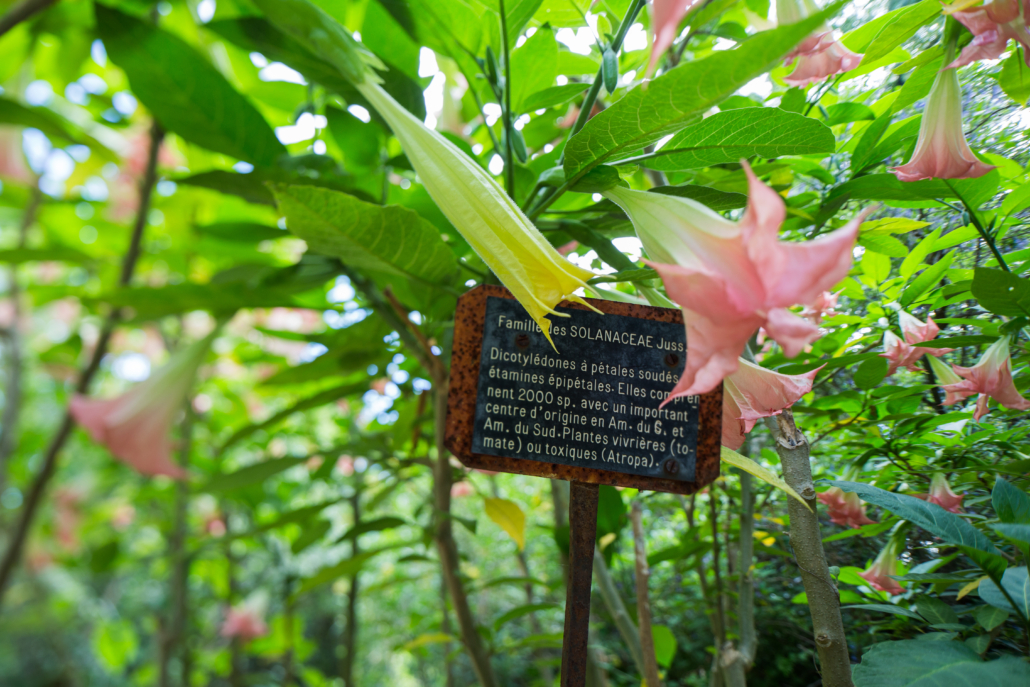
On these botanical cards, you'll find information about the plant you're scanning, such as a description, its uses and habitat. A fun way to learn more about the flora that surrounds us!

The garden's five connected paths

For the moment, you can find five connected trails in the Jardin des Plantes. These are likely to evolve over time, thanks to your collaboration.

The SMART'BOTA trail

The second connected trail at Montpellier's Jardin des Plantes, and the first with an educational vocation, it was created in 2018 for Tela Botanica's Introduction to Botany MOOC for which Denis is the referent. Its aim is to introduce botany to enthusiasts. It features around sixty species and introduces you to the main plant families.

The SMART'PHARMA trail

An extension of the first "SMART'BOTA" trail, this trail was created for students at Montpellier's Faculty of Pharmacy. A multitude of plants can be used for therapeutic and medicinal purposes. The trail enables to students to combine the the theoretical aspects of their courses with the practical aspects of observing plants directly in the Garden. This educational trail is also accessible to all. It also features some sixty plant species.

The REMARKABLE TREES trail

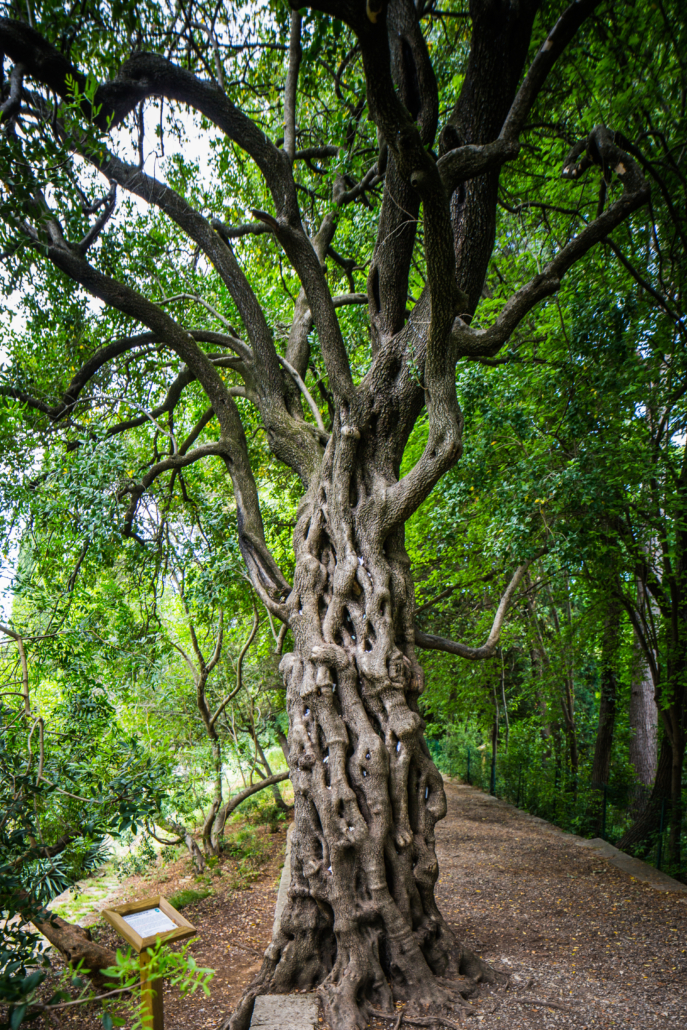
This trail, created in 2014, is the oldest in the Jardin des Plantes. It allows you to discover all the secrets of the great trees of the Jardin des Plantes. It's also the only trail that can be walked without your smartphone, as it has reading desks, but don't hesitate to flash the QR Codes integrated into the panels to connect to all the secrets of botany! This connected trail is made up of 25 species of trees chosen from among the garden's most remarkable and oldest.

The FOLLOWING HERBS trail

This trail, created as part of Tela Botanica's MOOC Herbes Folles (second edition planned for this autumn!), aims to help you rediscover these plants, pejoratively referred to as "weeds". They, too, have their virtues, and beyond their inconveniences, which cannot be denied, play an important role in our environment. Les herbes folles du jardin invites you to take a closer look at the issues surrounding biodiversity. This tour will enable you to see these "weeds" in a different light...

The SEASON OBSERVATORY trail

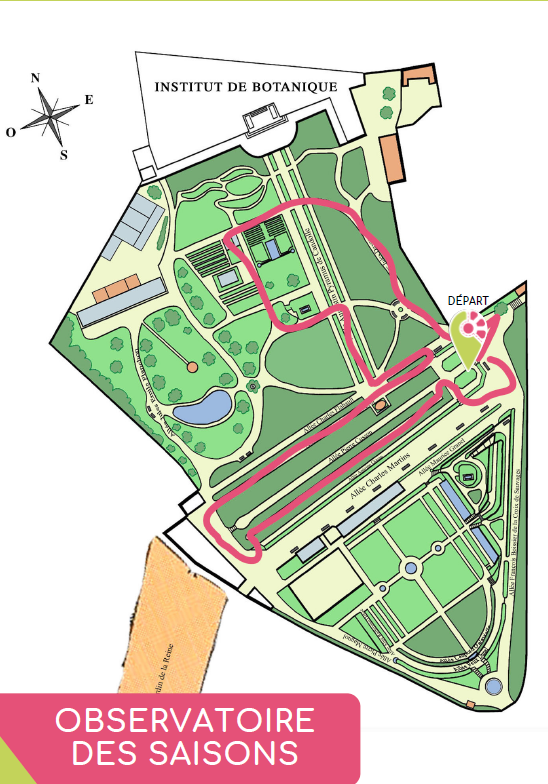
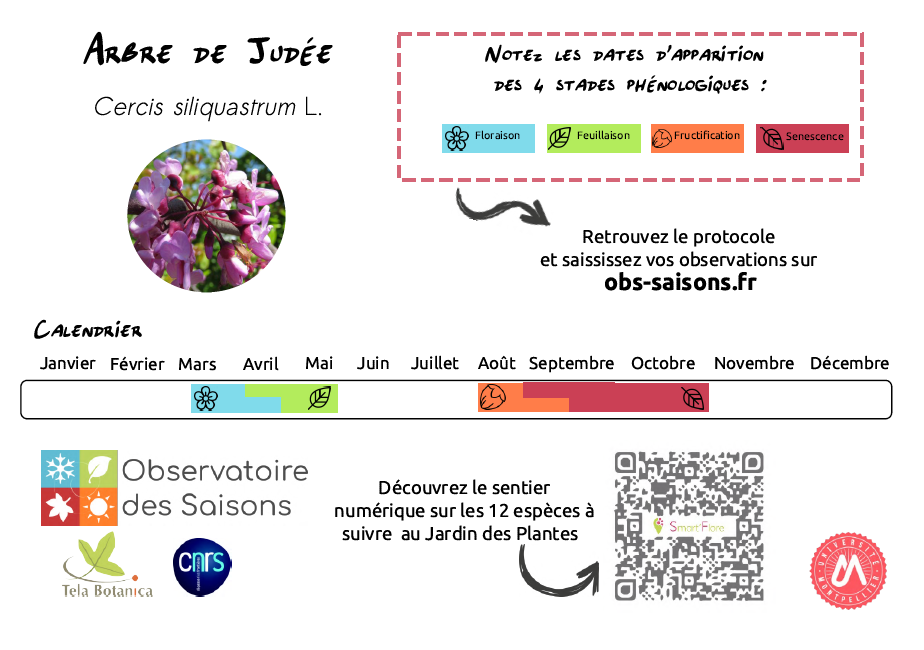
The last trail is somewhat unusual in that it is itself connected to a participatory science. Become a player in this CNRS program by observing the 12 species that make up the trail. Its aim is also to raise awareness of global warming by introducing us to phenology (the observation of periodic events, in this case in plants). At the entrance to the Jardin des Plantes, you can ask for a specially designed form on which to record your observations. This data will help scientists to better understand and monitor climate change and its associated issues.


And for the more curious, discover the

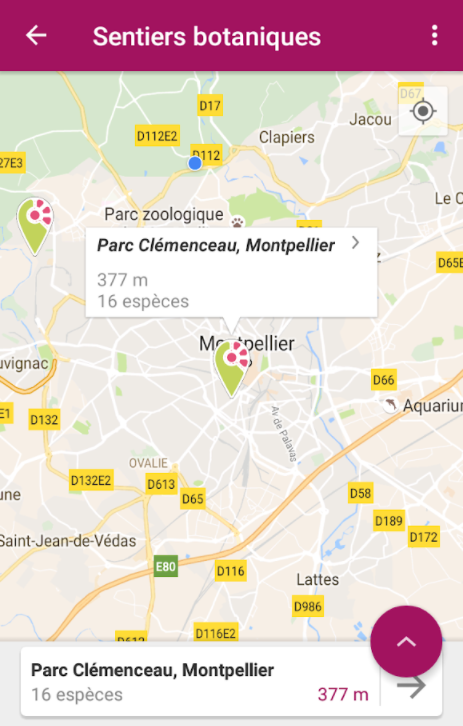
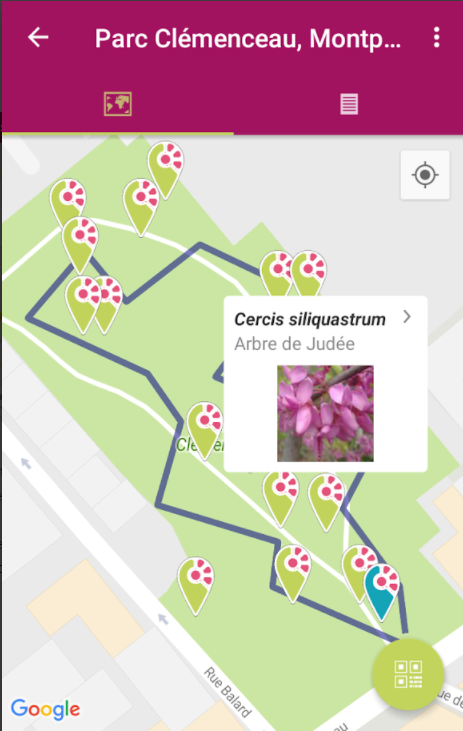
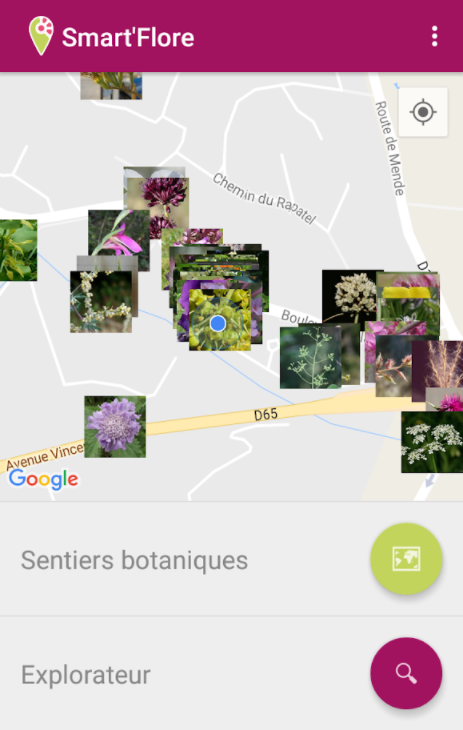
If you'd like to discover more about Montpellier's Jardin des Plantes using digital tools, you can download the SMART' FLORE application for all your Android devices. It offers you :

  • Trails near you
  • Plants geolocated to the nearest metre
  • Access to all botanical files created as part of this collaborative project

The SPES (Soins Primaires Environnement et Santé) program is a training project of the University Department of General Medicine of the Montpellier-Nîmes Faculty of Medicine and the Avicenne University Multi-Professional Health Centre in Cabestany. A one-day training session for General Medicine interns and a conference for the general public will take place on September 9, 2021.


Genesis of the project

It is part of the call for projects launched by ARS Occitanie as part of the 3rd Regional Health-Environment Plan, of which it is one of the winners. In particular, it aims to strengthen citizens' and healthcare professionals' understanding of environmental health.

Project organization

It is organized in 3 stages:

  • Distance learning for interns in general medicine (1st year of DES de Médecine Générale) and teachers in the department of general medicine.

  • This face-to-face event will take place on Thursday, September 9, 2021, in the historic building of the Montpellier-Nîmes Faculty of Medicine. Aimed at general medical interns in the 1st year of their DES, the morning will be devoted to presentations and discussions with experts in environmental health, and the afternoon to work sessions with interns to co-construct thesis work in environmental health.

  • A conference for the general public on Thursday evening, September 9, 2021, at the historic Bâtiment de la faculté de médecine de Montpellier-Nîmes. Aimed at the general public, this year's conference will focus on air pollution.

Find out more about SPES training

Meeting with the training manager

Doctor François Carbonnel, Senior Lecturer in General Medicine at the Montpellier-Nîmes Faculty of Medicine and general practitioner at the Avicenne MSPU, is the winner of the call for projects launched by ARS Occitanie.

Why did you decide to set up this Primary Care Environment and Health course?

The environment can pose risks to our society and our health. This training course is designed to raise awareness of environmental health among our colleagues. We want to train them in this little-known field.

What is the aim of this new training course?

Thanks to this training, future general practitioners will first be able to identify the risks that the environment poses to health, so as to be able to treat them. Secondly, they will be able to predict and avoid them.

Who should attend?

This course is aimed primarily at interns and teachers of general medicine. The aim is for the training to become permanent and useful, so that we can offer it on a wider scale and ensure that environmental health issues are addressed in all regions.

September 9

The day will be divided into two parts: the first will be devoted to training interns and teachers of general medicine. A second phase, open to the general public, will include a conference.

Here is the program for these two parts:

Program for interns

  • 8H30

    Welcoming participants

  • 9H

    Official speeches

  • 10H

    Designing spaces to combat sedentary lifestyles by G.Ninot

  • 11H

    Air pollution by I. Annesi-Maesano

  • 12H

    Allergies and the environment by P. Demoly

  • 13H

    Lunch break

  • 14H

    Accompanying thesis workshops on environmental health by DUMG members

Conference program for the general public

  • 17H30

    "Environmental Health at the University of Montpellier and in our territories".

  • 18H30

    "Speaker: Prof. Isabella Annesi-Maesano, INSERM Research Director, Co-Director of the Institut Desbrest d'Epidémiologie et Santé Publique (IDESP), UMR 1302, INSERM and University of Montpellier.


Please note that this program is subject to change depending on the health context.


Dear students, in the article below you will find the MMOPKE admission results for the second group of tests for LAS students registered for the 2020-21 academic year.


LAS results

Click on the button below to download the results of the LAS admitted to the second group of tests:

Understanding the results

To help you understand the acronyms and analyze your results, consult the help section below:

When the result displays ADAC, this means you have been admitted before choice, with LC standing for liste complémentaire (complementary list). However, for Medicine and Maieutics courses, if the result displayed is LC when you are admitted to Medicine or Maieutics when you refer to the ranking display (ADMP), this is linked to the existence of two training sites. Distribution is by order of merit, so you need to reference these courses in your prioritized choices, in accordance with the procedure specified in the attached document.

On the ADMP display = admitted before choice to medical or maieutic training, regardless of training site: Nîmes or Montpellier

Two steps to complete: 

  • STEP 1: PRIORITIZING CHOICES

    In order to help you prioritize your choices, the "choix de filière" application will be open from Monday July 19 12:00 until Tuesday July 20 12:00.
    • Specific to Medicine and Maieutics :

    In view of the very tight deadlines, for each of these courses you will choose the Montpellier or Nîmes site at the end of the2nd group of exams, directly in the choice of courses application, prioritizing the course site that interests you most when you are admitted or on the complementary list in at least one of these two courses. 

  • STEP 2: CONFIRM OR WITHDRAW ADMISSION

    You must confirm or waive admission to an MMOP course in the event that you are admitted to an MMOP course.

    At the end of step 1, you will receive an e-mail inviting you to consult the results of your possible admission and to answer a questionnaire as soon as possible, so that you can accept or reject your possible admission to a MMOP course.

    ATTENTION: CONFIRMATION OF ADMISSION IS REQUIRED OR YOU WILL LOSE THE BENEFIT! 

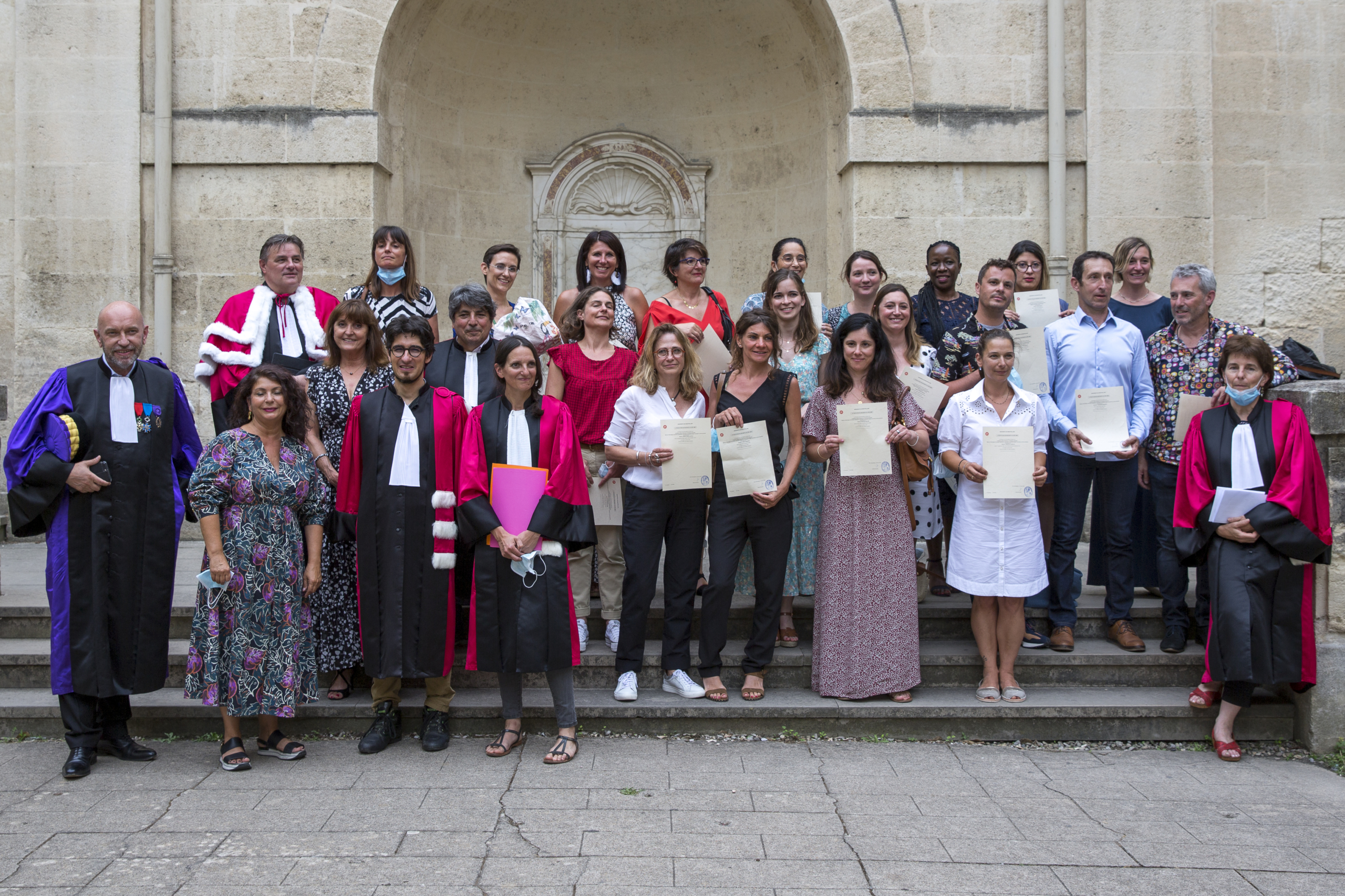
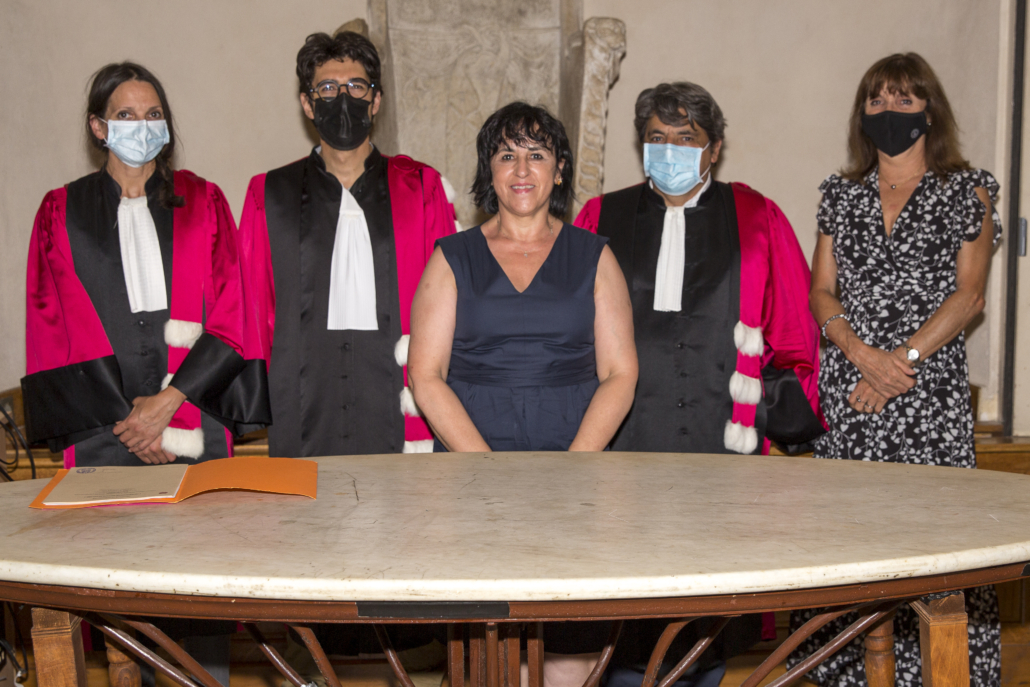
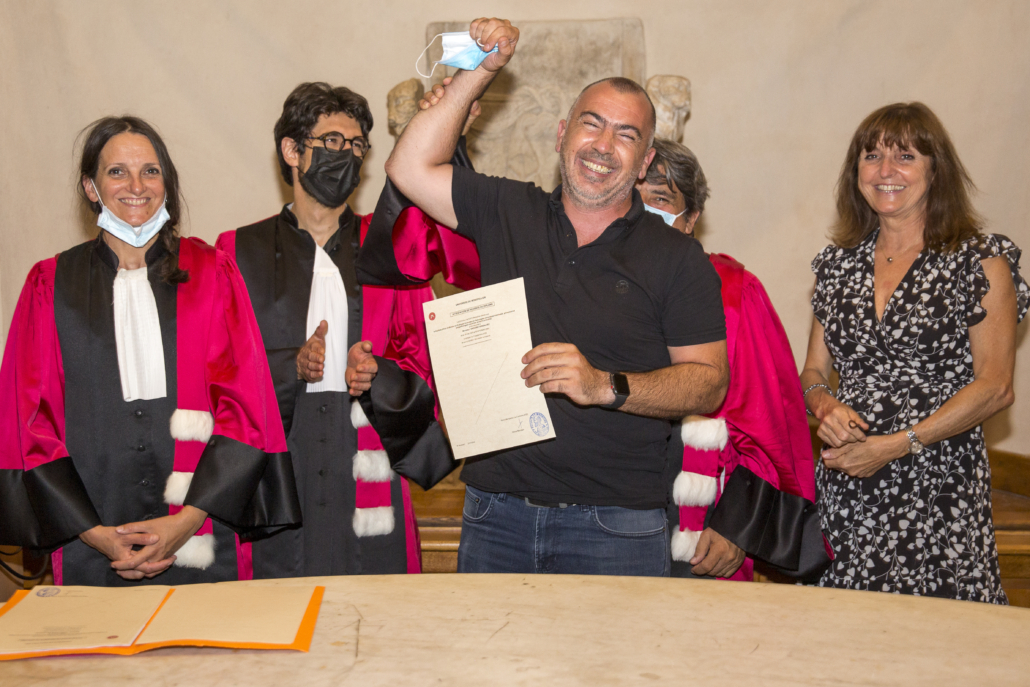
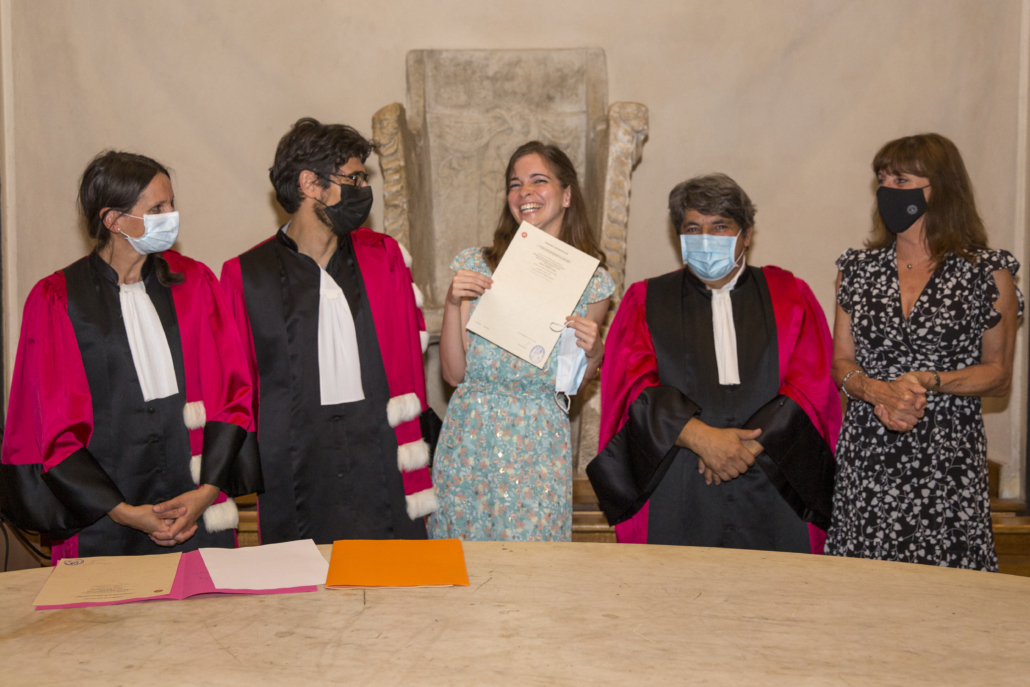
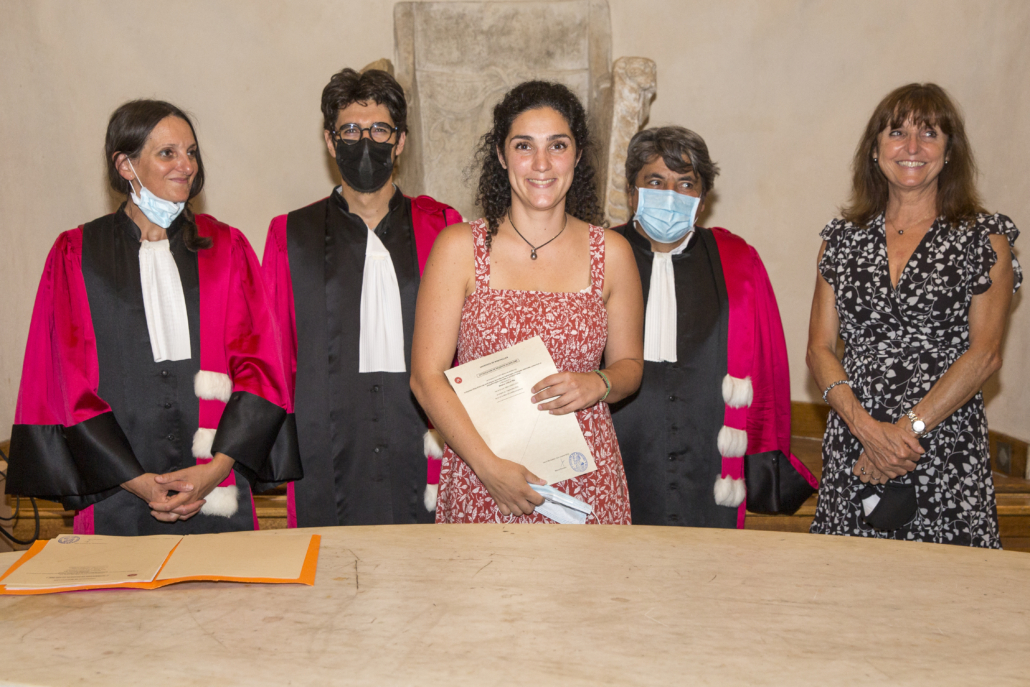
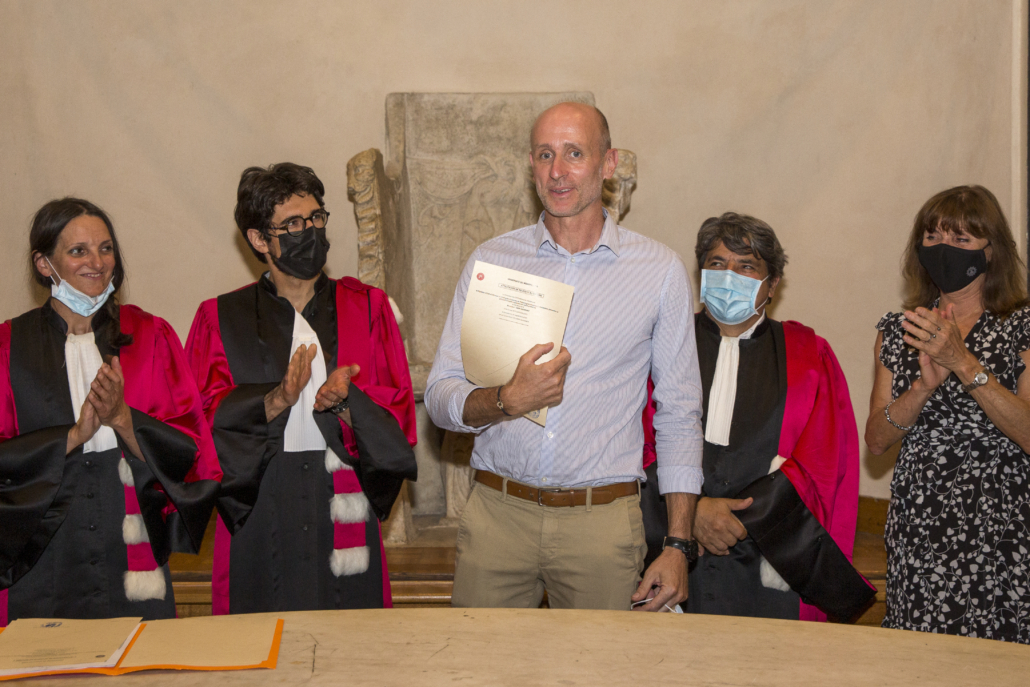
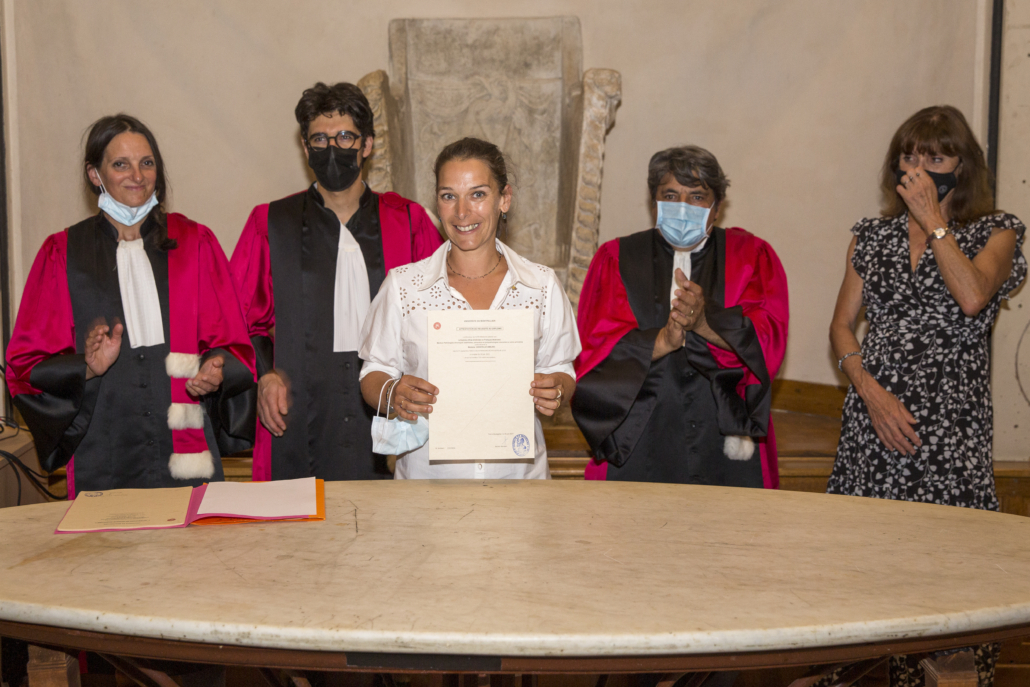
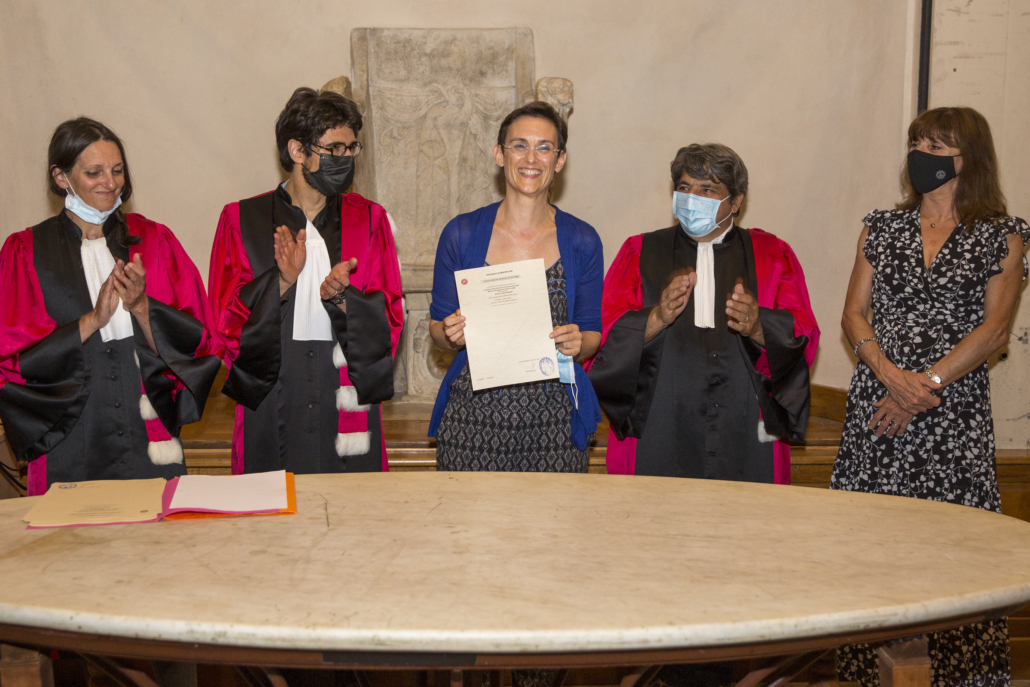
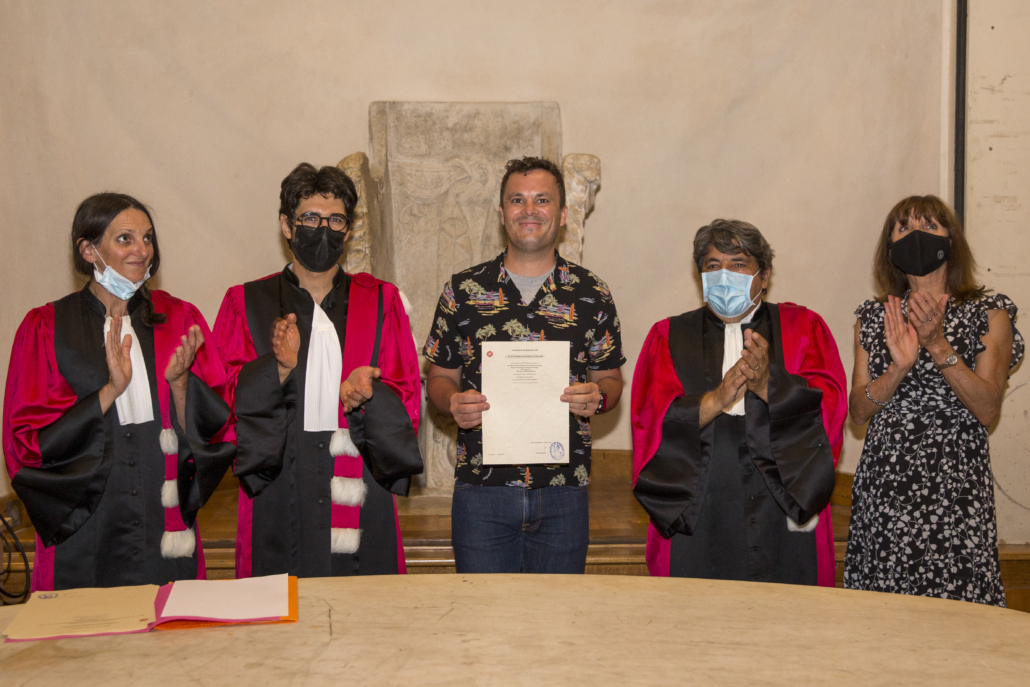
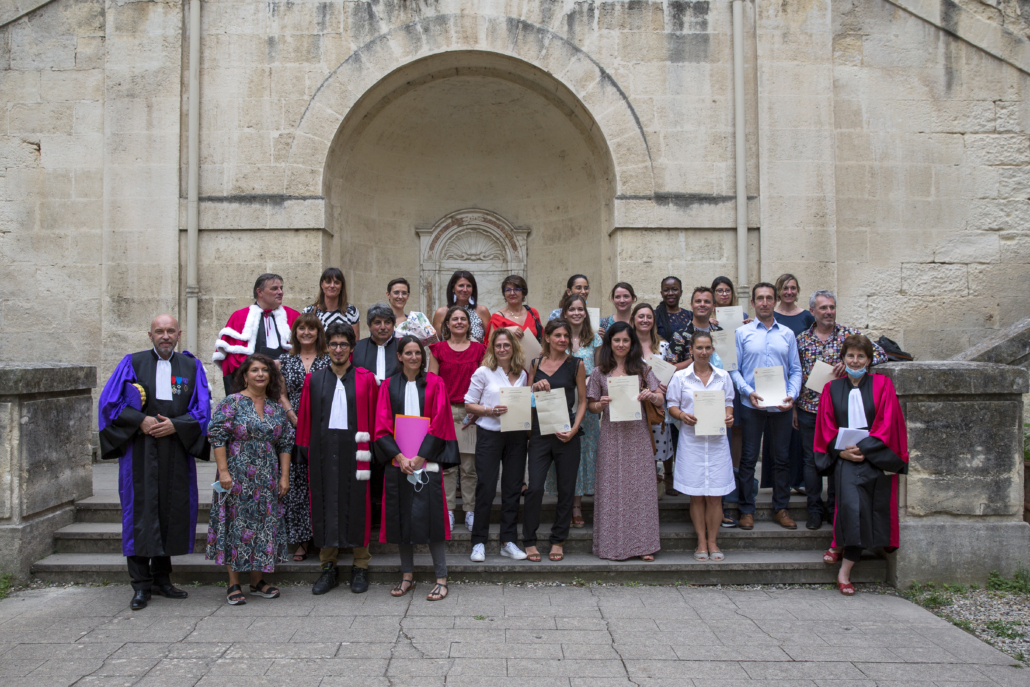
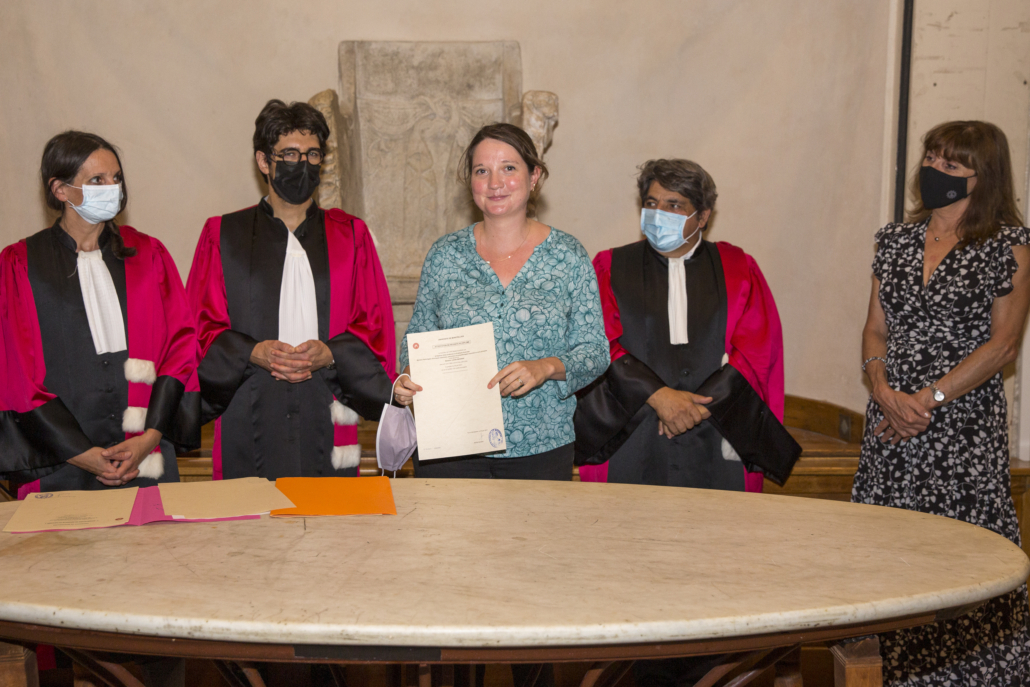
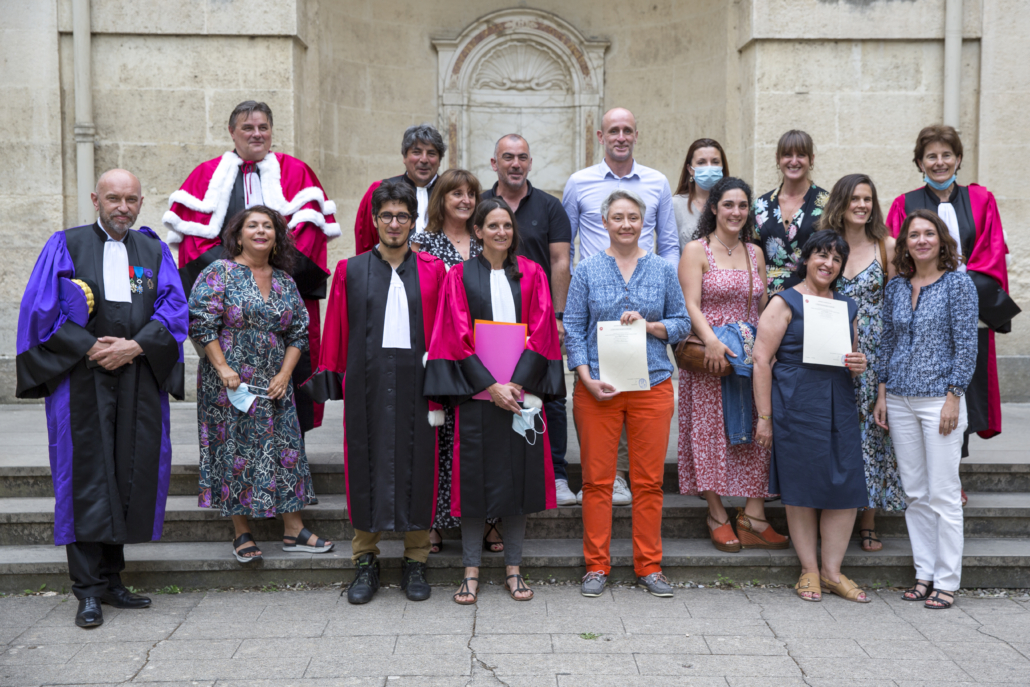
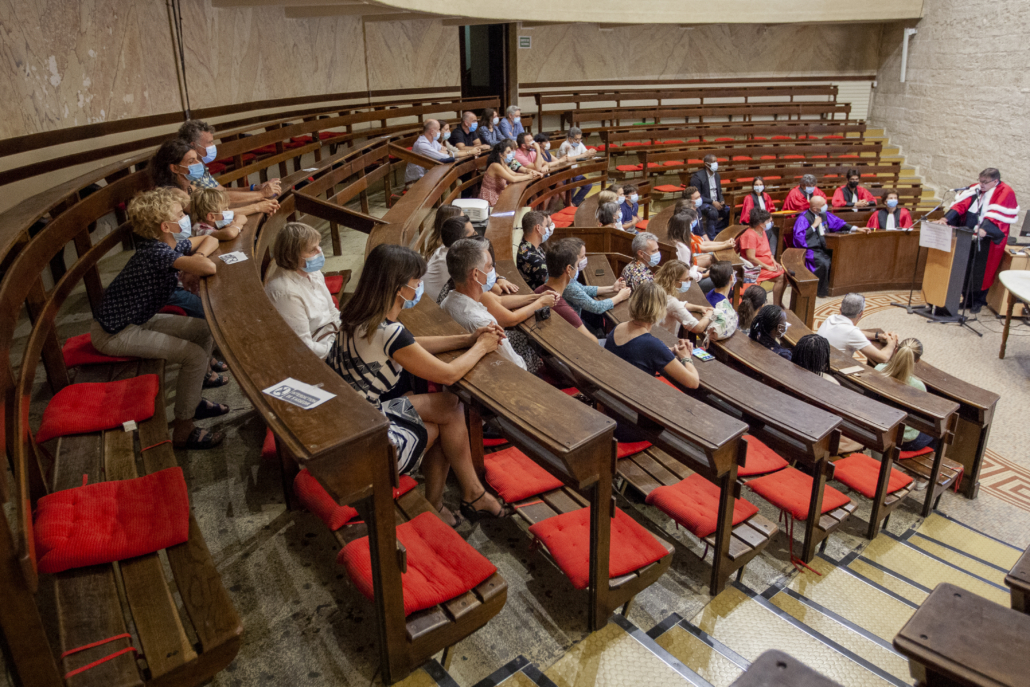
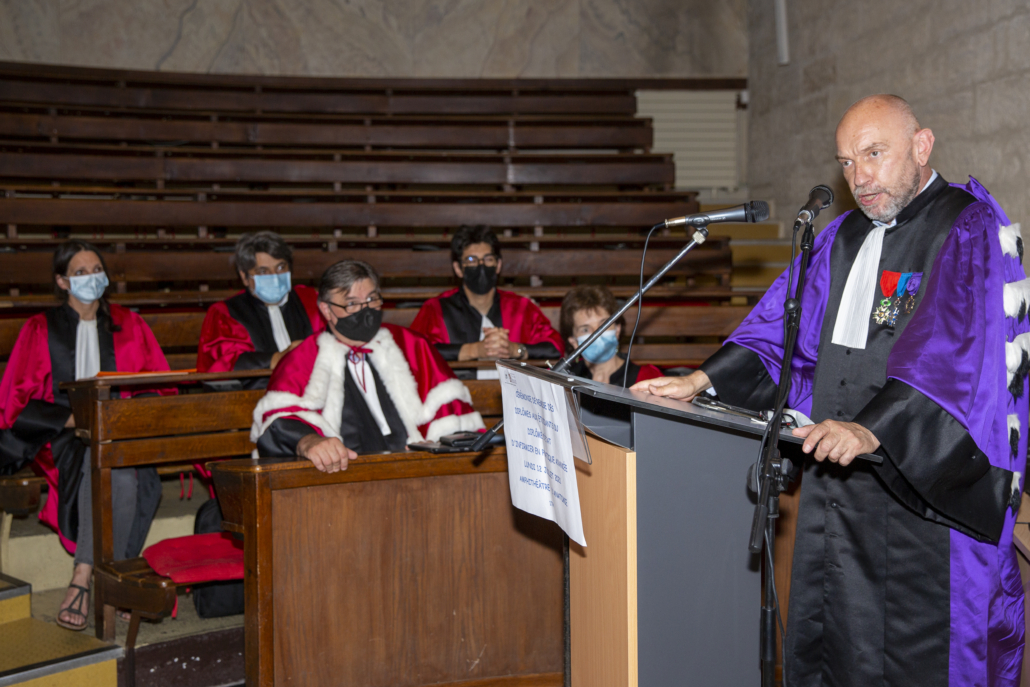
For the first time, the Faculty of Medicine had the honor of awarding diplomas to the IPA students in the classes of 2020 and 2021.

Graduation ceremony

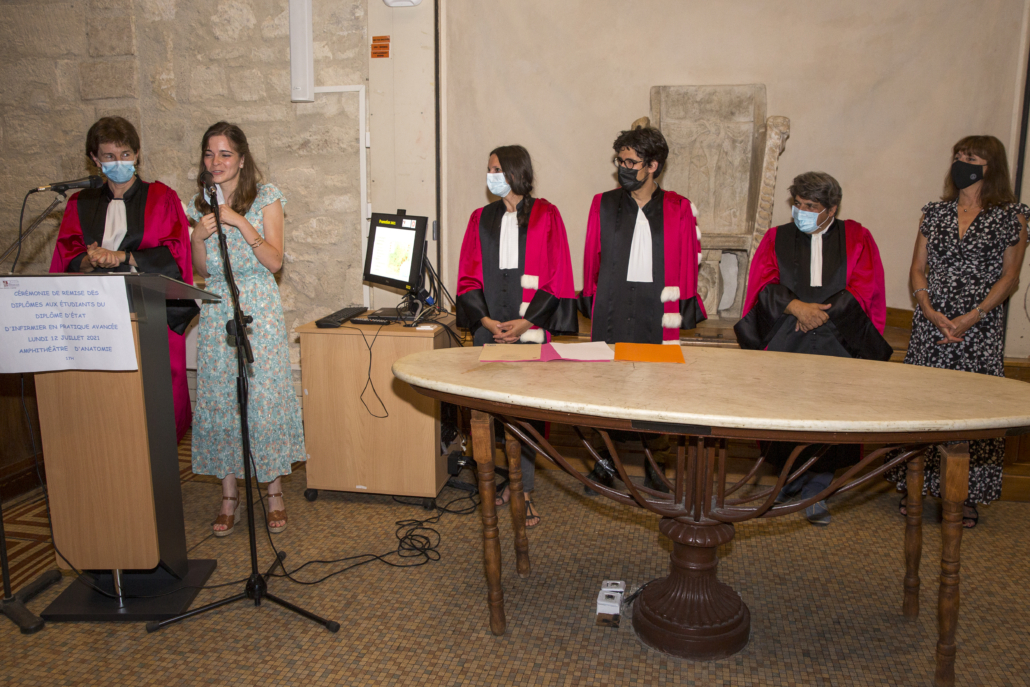
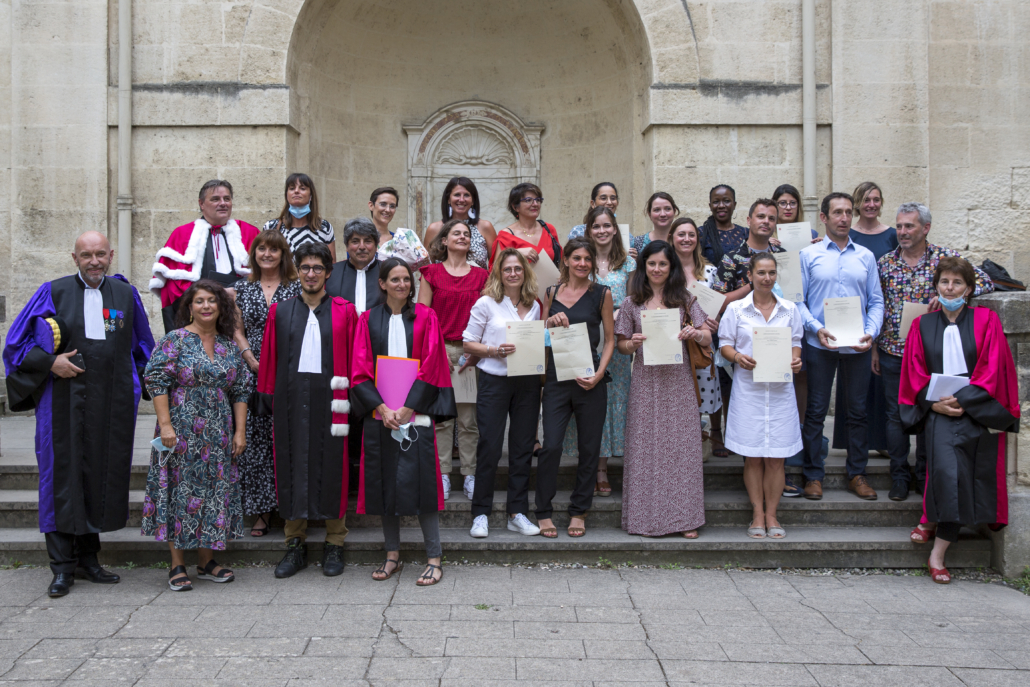
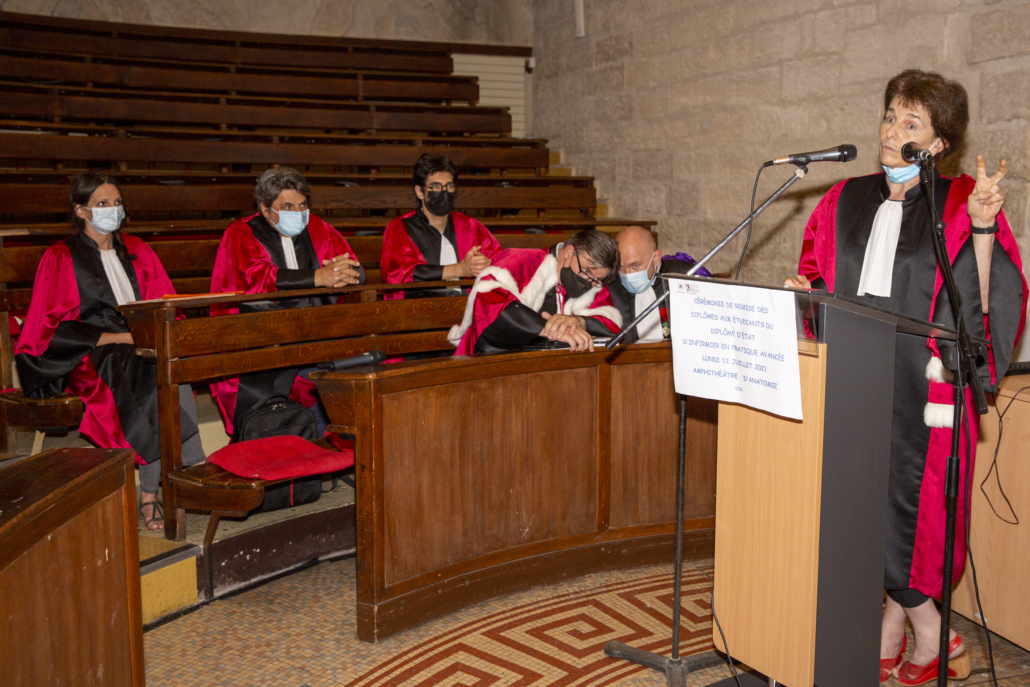
The ceremony took place on July 12, 2021 in the Faculty's historic building. A total of 36 students from the classes of 2020 and 2021 received their diplomas.

ON THE PROGRAM : 

  • 5PM SPEECH

    Dean Mondain and the President of Montpellier University took the opportunity to congratulate the new graduates and thank the course's partners. Isabelle Laffont, head of the DE IPA program, also said a few words.

  • 6 p.m. Graduation ceremony

    These speeches were followed by the presentation of diplomas. This was an opportunity for the Head of Education to look back over the 36 different career paths of the new graduates, and to congratulate them personally.

  • 7 p.m. Group photo

    Group photos of the two graduating classes in the presence of the Dean, the President of the University, the Head of Teaching and the DE teachers.

  • 7:30 p.m. Social time

    The new graduates enjoyed a convivial moment over a buffet.

See our selection of photos from the day!

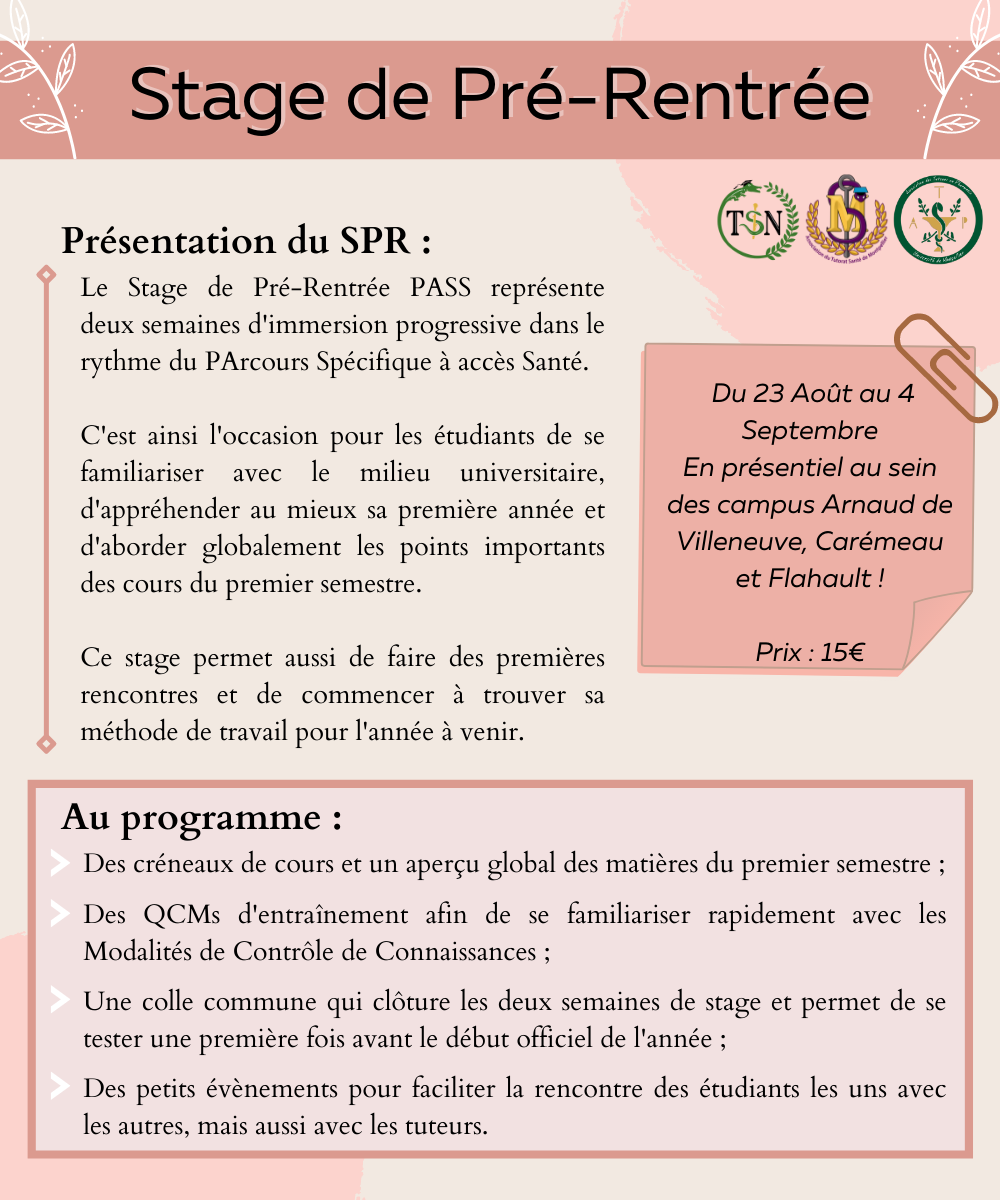
In preparation for the PASS and LAS years, the University of Montpellier's health tutoring associations (Association du Tutorat Santé de Montpellier, Tutorat Santé Nîmes and Association des Tuteurs en Pharmacie) have set up a Pre-Reentry Internship to help students integrate into university life and prepare for the year ahead.


The objectives of this course

This internship gives you the opportunity to familiarize yourself with the key points of the courses that will be covered in the first semester, to start finding your own work rhythm and to have a gradual immersion in a PASS or LAS year.

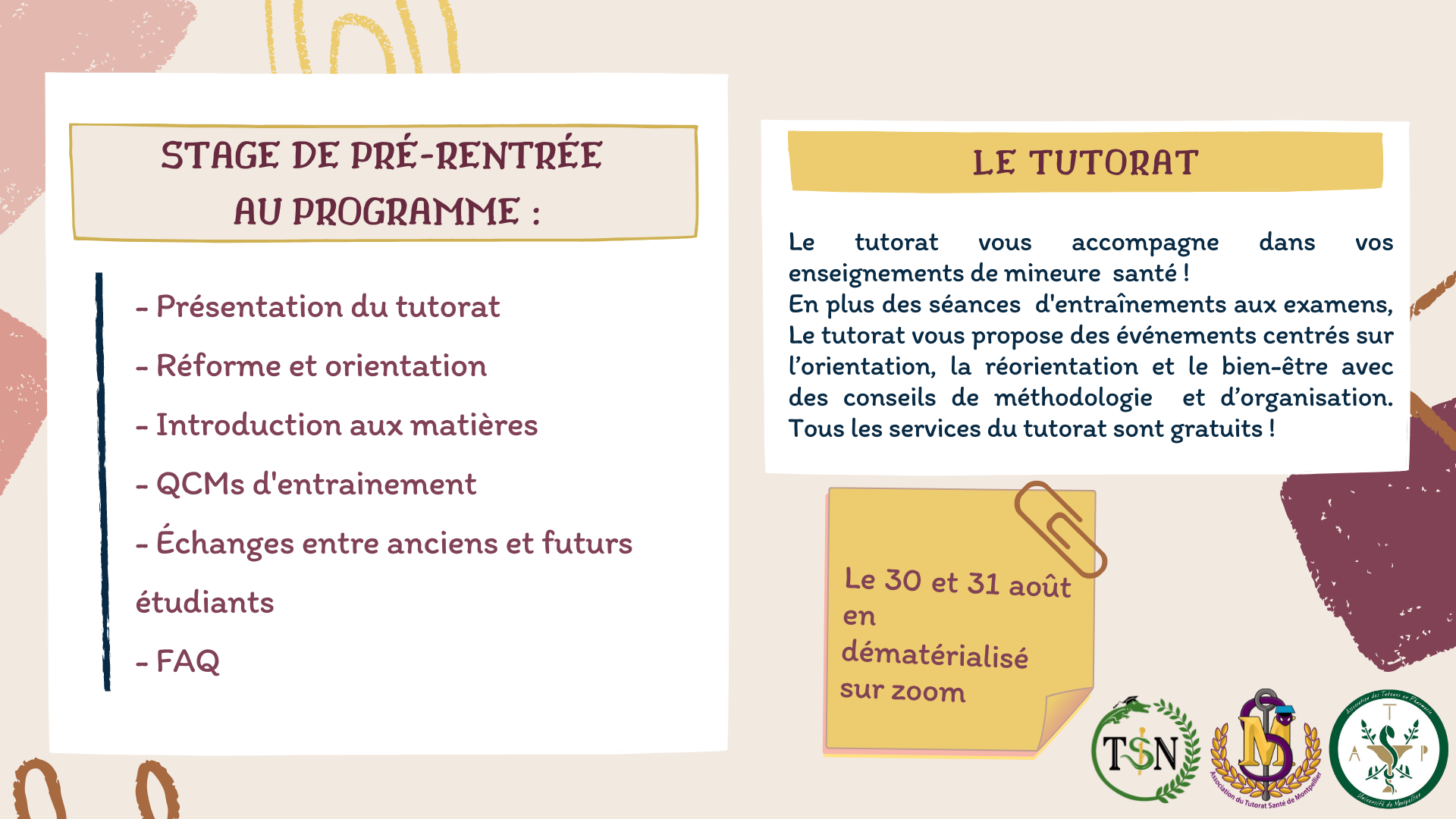
As a result, two separate SPRs will be organized:

  • FOR PASSES

    An SPR for PASS students, starting on August 23 and ending on September 4 with a common glue.

  • FOR LAS

    An SPR for LAS students, scheduled for August 30 and 31, providing an introduction to the health minor.

Pre-entry course for PASS students

Membership of the PASS Pre-Reentry Course will cost 15€, which is required to pay for printed handouts of the slide shows presented. You'll also need to register for the tutorial, which is free and open all year round (available here).

This SPR will take place from August 23 to September 4. It will take place in person at the respective sites of the three associations, i.e. :

ATSM

Arnaud de Villeneuve site,

641 Av. du Doyen Gaston GIRAUD

34 090 Montpellier

TSN

Carémeau site,

186 Chemin du Carreau de Lanes

30 900 Nîmes

ATP

Faculty of Pharmacy,

15 Av. Charles FLAHAULT

34 090 Montpellier


The face-to-face organization of this internship is designed to facilitate students' first contacts with the university environment, not only with each other, but also with the tutors with whom they will interact throughout the year.

Here is the registration link:

ATSM Pre-Reentry Course ATP Pre-Reentry Course TSN Pre-Reentry Course

The Pre-Reentry course for LAS students

The SPR will take place on August 30 and 31. To ensure equal opportunities for students from all faculties, it will be held online via the ZOOM platform.

Here is the link to registration (the LAS Pre-Reentry Workshop is common to all 3 sites):

In 2020, Doctor Valentin FAVIER, in collaboration with Doctor Antoine Debourdeau, once again took part in the MUSE call for projects aimed at supporting the pedagogical transformation of training courses. His project, entitled "Application de Suivi Pédagogique de l'Apprentissage et Réalisation des gestes Techniques en médecine" (Application for Pedagogical Monitoring of Learning and Performing Technical Gestures in Medicine), won the award.

Genesis of the project

The quality of physician training is a public health issue in order to care population for years to come. Medical competence is a long process, during which the student must master both theoretical and technical skills. Medical interns must learn the gestures and procedures that will form the basis of their medical practice over the 4 to 6 years of their internship. Theoretical knowledge is frequently assessed by theoretical examinations.

At present, medical interns carry out their clinical internships according to a predefined syllabus, divided into semesters, and obtain their diploma of specialized studies at the end of their course with the defense of a dissertation. 

Nevertheless, during their internshipmedical students work full-time in the hospital, and their training at training at the university is reduced to a few days a year. to a few days a year.

However, the validation of the medical curriculum does not take the intern's technical skills into account, and there are few tools for tracking their acquisition and observing the learner's progress as he or she progresses through internships.

It was against this backdrop that Doctors Favier and Debourdeau decided to set up an application to track the progress of healthcare students' technical skills.

The birth of SPART APP

SPART-App is a project that provides medical interns, their trainers and the educational supervisor with a mobile application to record every procedure performed during their internship (e-carnet). This pilot project concerns the specialties of anesthesia-intensive care, gastroenterology, ENT and maxillofacial surgery. Its objectives are as follows:


  • For the learnerFor the learner, this e-carnet enables real-time monitoring of progress (success rate, learning curve), highlights areas for improvement, and alerts the training manager to any lack of practice.

  • For the supervisorFor the supervisor, this tool can be used to identify the difficulties experienced by the learner, to clarify and find solutions to blocking points, and to build a debriefing.

  • For the training managerIt will enable them to adapt teaching objectives on a case-by-case basis to the difficulties encountered by students, to identify training shortcomings (notably the number of gestures) in order to alert supervisors, and to propose concrete, personalized solutions to the student and his or her supervisory team.

Application: a strategic choice

The formatThe dematerialized format, via an off-network application, eliminates the need for procedure books, which are not regularly annotated. Interns can evaluate their actions immediately afterwards, on their smartphones.

Each intern will have a student account, specific to his or her specialty. On this account, the intern can enter each procedure performed over time, detailing the gesture, success or failure, and difficulties encountered. With the data entered into the application, it is possible to track the student's learning curve.

The supervisor of the procedure performed may, if he or she wishes, validate the intern's assessment of the procedure, and use it as a basis for a debriefing debriefing. The teacher will have at his disposal the data of each intern he supervises. This will enable the teaching supervisor (head of department) to ensure that a sufficient number of procedures have been carried out by each intern, and to identify interns in difficulty, so as to provide them with greater support.

The impact of START APP

Thanks to this project, Dr. Favier hopes to change the way people learn technical skills, and generate short-, medium- and long-term impacts.

  • In the short term, SPART-app will enable us to take stock of current technical training in medicine and surgery. At present, this training is subjective and varies from one trainer to another. This project would be a tool for objectivizing and rationalizing student follow-up.

  • In the medium term, this system will enable students to to monitor progress and orientate their training course and skills. The project could also be extended to courses other than those mentioned above. This pedagogical innovation could then be rolled out nationwide under the impetus of the University of Montpellier.

    In scientific terms, the data collected from this application will be used to carry out pedagogical studies in each of the specialties concerned, with the aim of assessing the impact of interventions (including simulation, a component also being studied by Dr. Favier) on the acquisition of technical skills, in order to guide changes in teaching practices in a rational way.

  • In the long term,this pedagogical transformation will lead to improved practices at local and national level, with a real impact on improving patient safety by reducing the risk of technical errors.

At present, Drs Favier and Debourdeau's project is progressing and should be launched shortly.

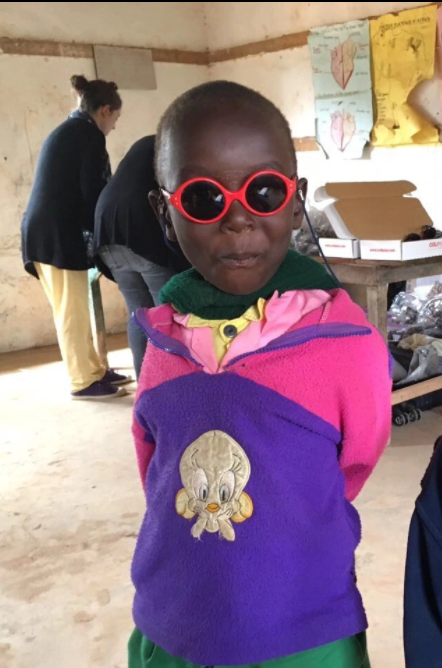
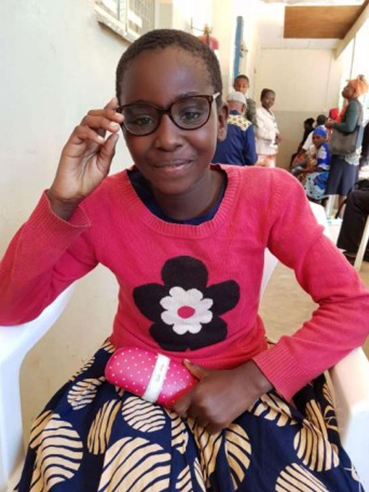
Julie Bay, a first-year orthoptics student, will be going on a humanitarian mission to Kenya from October 30 to November 14, 2021. The aim of this mission is to carry out free eye screenings for school children in Taïta.

An Eye Need View mission

Eye Need View is an association under the law of 1901 created in 2014 by three orthoptists. Its aim is to organize visual screening, refraction and training missions in the field of visual health in developing countries.

For the first time, Eye Need View is calling on students in the field of visual health to carry out its next humanitarian mission in Kenya. On this occasion, five students from France's fourteen orthoptic departments are taking part in the project.

The Faculty of Medicine represented by Julie Bay

And this year, a student in her 1st year of orthoptics at the Montpellier-Nîmes Faculty of Medicine has been selected for the mission. Recruited following the submission of her CV and covering letter, she will represent the Faculty and the University of Montpellier throughout the mission. We had the opportunity to meet her:

Hi Julie, can you introduce yourself in a few words?

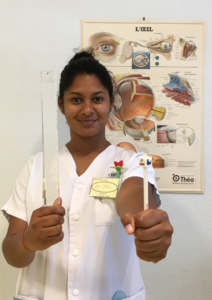
My name is Julie Bay, I'm 29 and I'm originally from Reunion Island. After obtaining my BTS in optics and accumulating several professional experiences in this field, I decided to retrain as an orthoptist. I am currently a student at the Montpellier-Nîmes Faculty of Medicine.

How did you hear about the Eye Need View project?

As I was very interested in the field of visual health and humanitarian aid, I regularly kept up to date with news on the subject. One day I saw the call for projects from the FFEO (Fédération Française des Etudiants en Orthoptie) concerning the Eye Need View mission, and I decided to apply because this project corresponded perfectly to my expectations.

Why did you want to take part in this humanitarian mission?

First of all, humanitarian action has always attracted me, and I've always been committed to putting my know-how at the service of others. Those around me have always encouraged me to take part in solidarity actions. Back in Réunion Island, my family and I were already involved in an association to help disadvantaged people. What's great about this project is that it allows me to combine my work with my desire to help others. I've already carried out humanitarian screening missions in Paris with Vision For Life for underprivileged people. It helps me to grow both personally and professionally.

We don't always know it, but 10% of children have a visual impairment at the age of 6 and are not treated. Vision disorders have a considerable impact on children, especially when it comes to learning. So this mission is very important to me.

How did you finance your humanitarian mission?

The cost of the mission is estimated at 9000€ for all participating students. We received €6,000 in support from our partners. I also received funding from the Fonds de Solidarité et de Développement des Initiatives Étudiantes(FSDIE) of the University of Montpellier, which aims to help students with projects in various fields.

Finally, we're organizing an online fund-raising campaign to raise the necessary funds.

The course of the mission

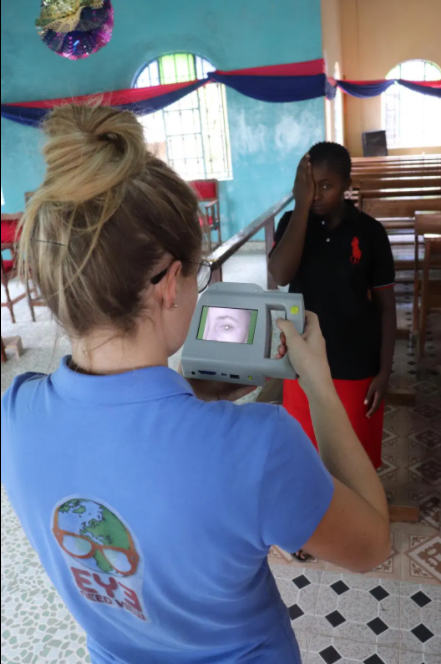
The aim of the two-week mission is to screen 2,500 children in schools in the village of Taïta, in southern Kenya. To make this possible, the mission is divided into several stages:

  • Collecting glasses

    The first stage of the mission is to collect as many children's glasses as possible. The aim is to collect a minimum of 500 glasses before leaving for the mission, so as to have a wide range of corrective lenses available on site.

  • Sorting glasses

    Once all the glasses have been collected, the students will have to clean, sort and label them so that distribution during the mission is as quick and easy as possible.

  • Departure for the mission

    Following these two crucial stages, the students will finally fly from Paris to Nairobi, Kenya.

    Over a two-week period, they will travel throughout the village of Taïta to meet children in schools and carry out vision screenings. Glasses will then be given immediately to any children needing corrective lenses.

  • Back to France

    After their mission, the students will return to France to take part in the FFEO congress in Paris and present the results of this initiative. In this way, they hope to raise the profile of their respective Faculties and pass on to other students their desire to take part in a humanitarian mission.

Support Julie's project

The Eye Need View association and the students taking part in this humanitarian project are determined to make a success of this mission. You can support them in two different ways:

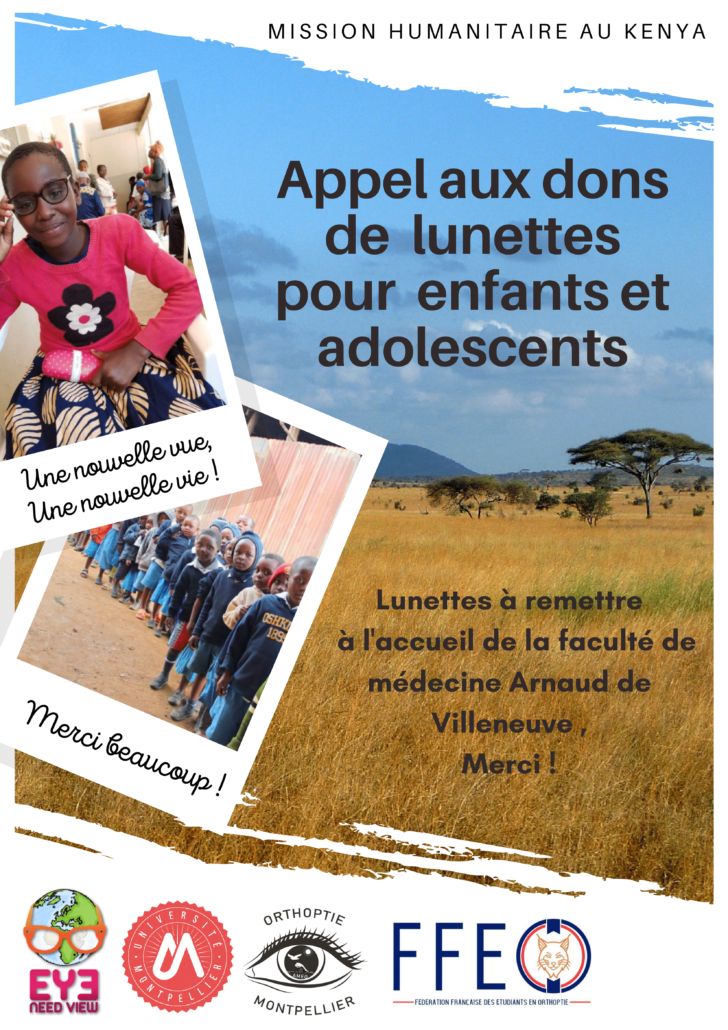
  • Eyewear donations: Boxes are available on the Arnaud de Villeneuve Campus to collect child-sized glasses.
  • Via financial donation: You can make a donation to help finance this humanitarian mission by clicking on this button.