Following government announcements, France is once again subject to strict restrictions to limit the spread of COVID-19 for the entire month of April 2021. These measures are affecting the faculty’s normal operations. Please find the details regarding these new arrangements below.

Exams:

  • Exams

    The national health-related degree exams that were scheduled to be held in person will continue to be held in person, in accordance with the exemption permitted by the new decree of April 2, 2021. This applies to the PASS exams on April 22 and 23 and the exams for disciplinary minors on May 7, 10, and 11. They will therefore take place as scheduled and in person (in accordance with the exemptions authorized by the government). However, this does not apply to the DU and DIU exams, which will be held remotely.

  • Mock Exams

    The practice exams organized by the PASS tutoring programs are moving entirely online.

    • These exams will take place as scheduled on April 10 for the PASS exams and on April 28, 29, and 30 for the PACES exams.
    • The exam topics and forms will be available on Moodle during exam times, following the same procedure as the quizzes held throughout the school year.
    • Flexible schedules are always available for those who have requested them from Handiversité
    • Students must register using this form by April 7 for the PASS program and by April 18 for the PACES program:https://forms.gle/waJMSQYD8BzN2d5o7


The lessons:

  • Organization

    Classes will continue under the same guidelines that were in effect previously, namely that in-person attendance is permitted for up to 20% of the faculty’s total capacity. In classrooms, health and safety guidelines and preventive measures must be followed (maximum 50% of classroom capacity).

  • Instructions

    Students should refer to the instructions from the academic affairs offices for their respective programs, which are regularly sent to them by email. Please find the directory of these offices below.

Undergraduate and Graduate Admissions Office:med-scol-1-2@umontpellier.fr

PASS/PACES Office:

PACES Contact:paces-bureau@umontpellier.fr

PASS Contact:pass-bureau@umontpellier.fr

Undergraduate Office (DFGSM):med-scol-dfgsm-mtp@umontpellier.fr

Graduate Studies Office (DFASM): med-scol-dfasm-mtp@umontpellier.fr

Office of Cross-Curricular Education: 

CESP Contact: med-cesp@umontpellier.fr

Contact Passerelles:med-passerelles@umontpellier.fr

International Relations Contact:med-ri@umontpellier.fr

Office of Graduate Medical Studies:  medecine-theses@umontpellier.fr

FMC, DPC, DU, DIU Office: med-fmc-dpc@umontpellier.fr

How the University Libraries Operate:

Library operations will continue as usual. The libraries close at 6:45 p.m., before the curfew.


Important Information

  • Written confirmation of your appointment (sent by email) is required to enter the university library. This, along with your student ID andyour travel exemption certificate, will serve as proof of the necessity of your visit.
  • Any student who must come to campus for one of the reasons listed above must present a completedtravel authorization form (reason 1) and carry their student ID card to verify their student status in case of a check.

Since getting started in health-related studies in Montpellier can be daunting, the Montpellier Health Tutoring Association (ATSM) offers a week-long internship and training program so that high school students can embark on these studies well-informed and well-prepared!


The program:

To mark High School Students’ Week, members ofthe Montpellier Health Tutoring Association have put together a comprehensive program designed to provide the best possible support not only to future medical students but also to their parents and the teaching staff at various high schools.


  • This week, dedicated to high school students, will take place from April 19 to 23, from 4:00 p.m. to 8:00 p.m., online via Zoom!


  • By the end of this completely free week, high school students will understand how the reform of admission to health-related programs (Medicine, Midwifery, Pharmacy, Dentistry, Physical Therapy, and Occupational Therapy under the PASS program) works!


  • The association also offers a training program specifically designed for secondary school teaching staff to equip them with the skills needed to guide high school students in choosing their academic paths.


  • High school students will be fully informed about this year’s tutoring program, which offers academic and emotional support—completely free of charge and supervised by university professors!


  • Members of the ATSM association will lead a workshop on how to prepare for college admission. The program will also include a conference bringing together students who have been accepted into health-related programs, their parents, and high school students and their parents.


  • This week also includes students in their junior and sophomore years, with a comprehensive overview of the PASS and LAS programs and a discussion on which specialized courses to choose.


  • For seniors, tutors will review the key points of the high school curriculum that students need to master in order to ensure they have a solid foundation.

Practical Information:


This year, students at the University of Montpellier have the opportunity to showcase their talents through a graphic design contest on the theme of racism.

National Weekof Education and Action Against Racism will take place from March 21 to 28. To mark the occasion, the Mission for the Prevention and Action Against Racism and Antisemitism, in coordination with the Student Vice President, the Office of Campus Life, and the Office of Communications at the University of Montpellier, is organizing a contest for students.

This graphic design contest will take place from March 23 to May 28, 2021, and will give students the opportunity to express themselves on an important topic: racism and antisemitism. Through graphic designs (posters, social media posts, flyers, photographs, illustrations, etc.), students will be able to highlight the University of Montpellier’s commitment to combating all forms of discrimination.

The Contest:

  • Objectives

    • Promoting republican values and raising awareness about anti-racism through graphic design
    • Breaking Down Prejudices
    • Upholding the values of Liberty, Equality, and Fraternity
  • Organization

    • Collection of Graphic Designs
    • Selection of 10 winners at the conclusion of this contest
  • Price

    • The 10 best graphic designs will form the basis of a campaign to raise awareness, educate the public, and take action against racism and anti-Semitism.
    • The 10 students who created the selected designs will each receive a FNAC gift card worth 150€.


How to participate:


Good luck, everyone!

Apprenticeship Tax

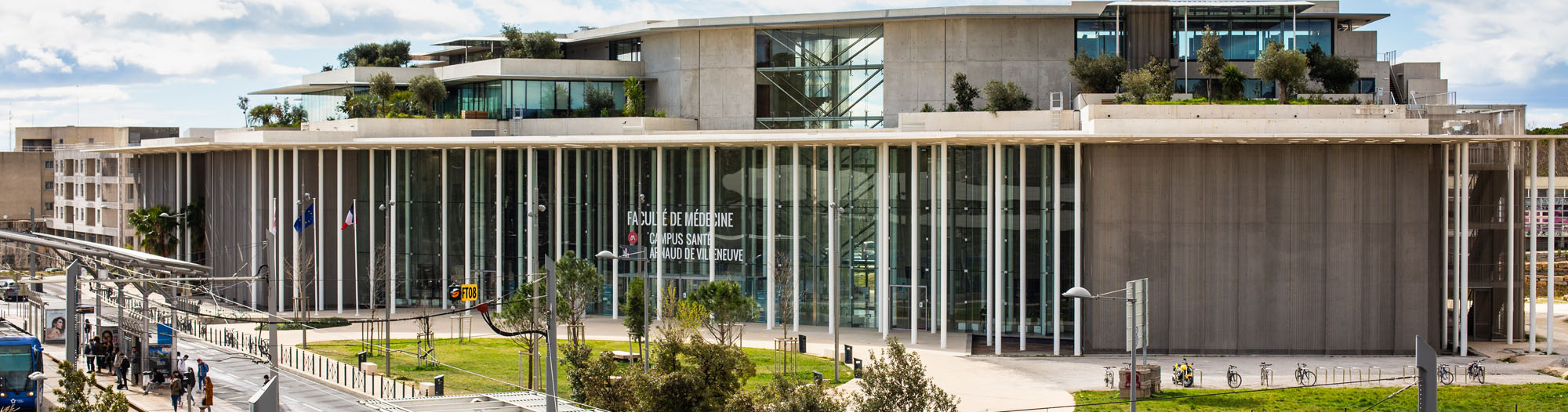
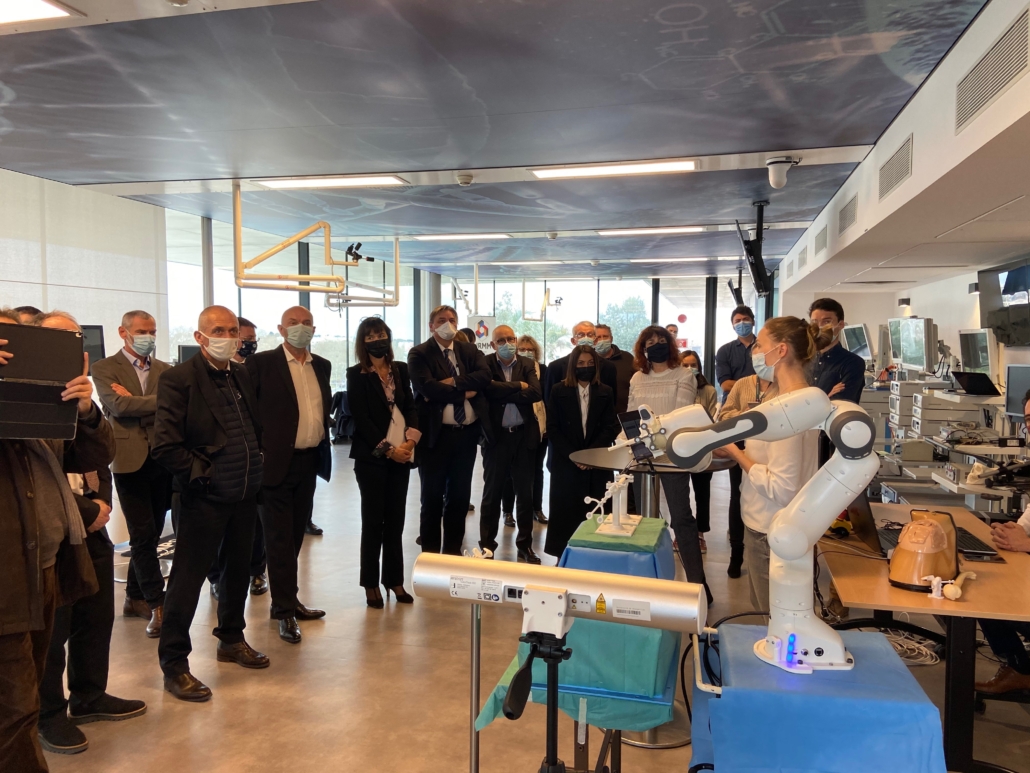
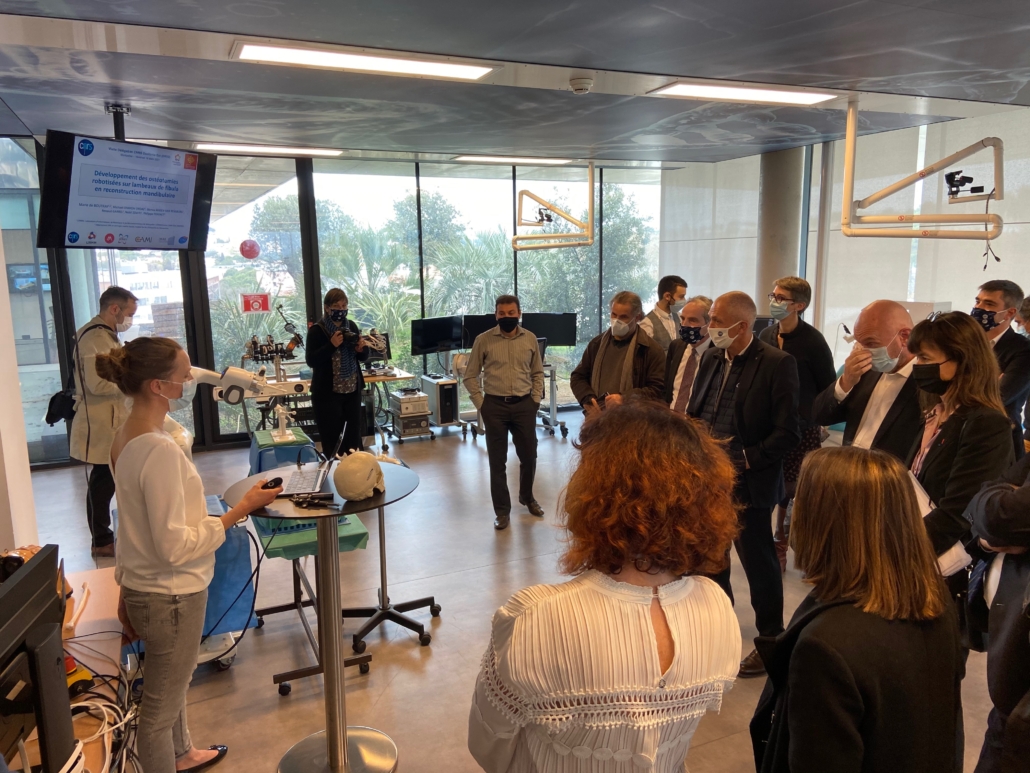
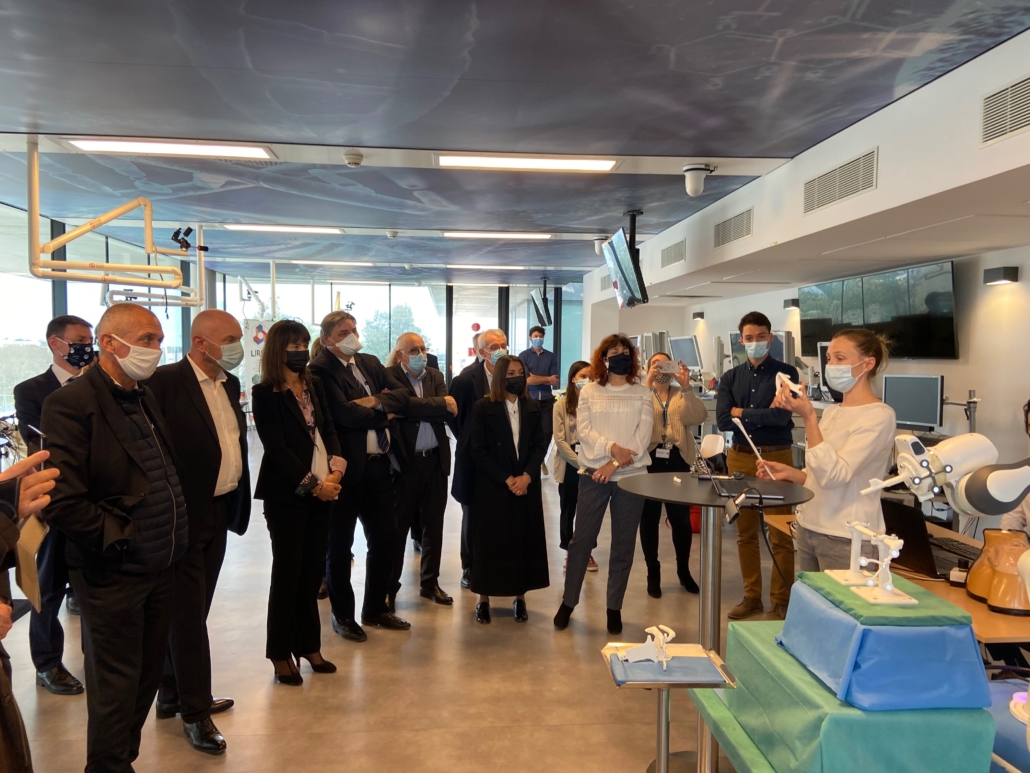
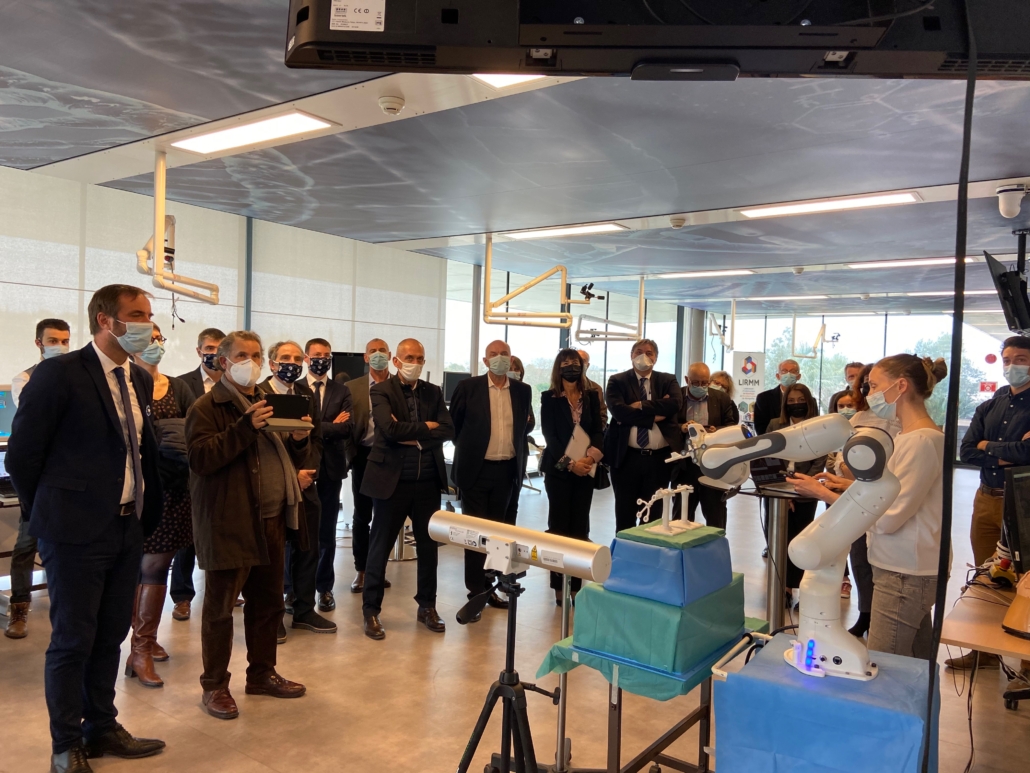
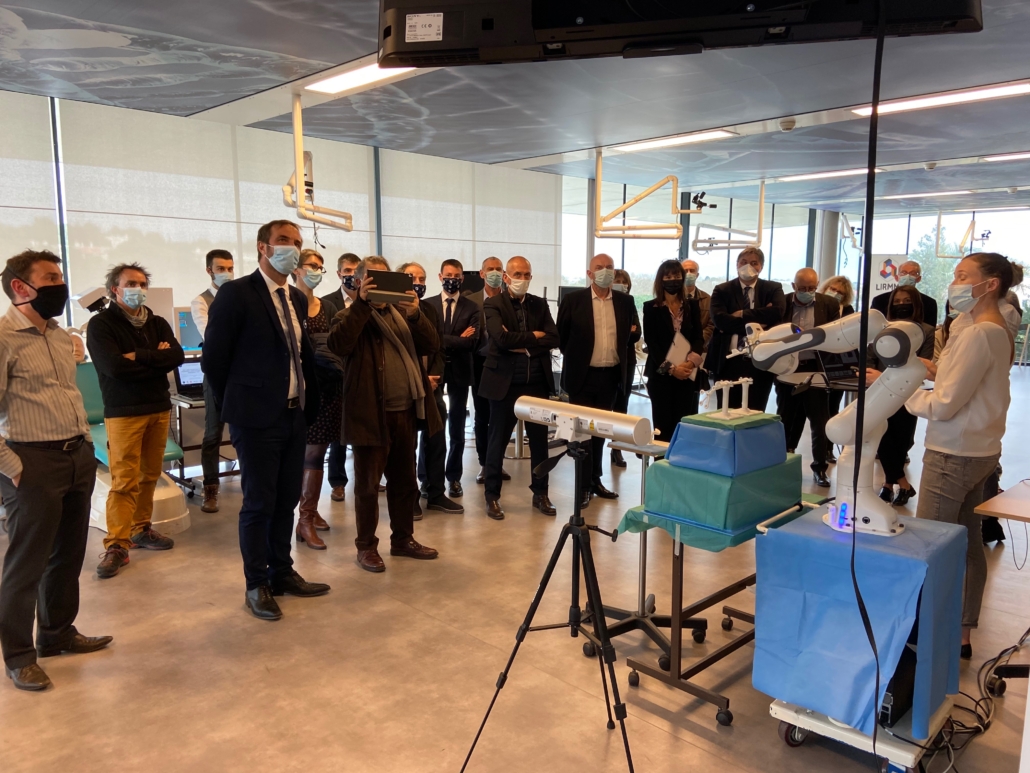
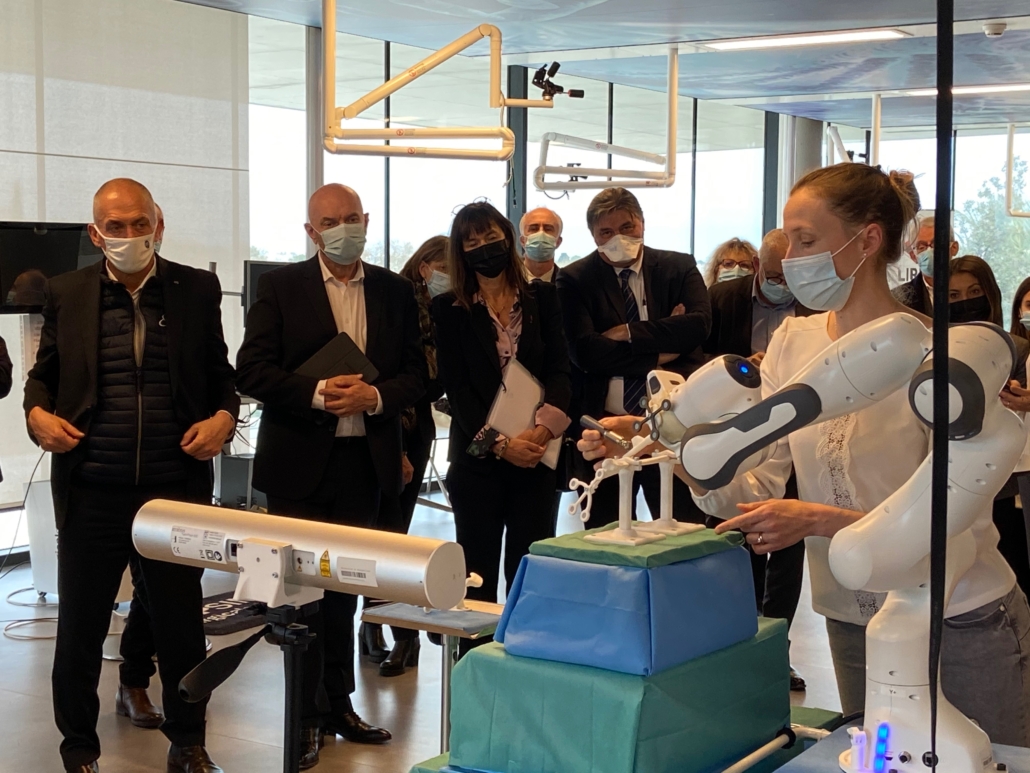
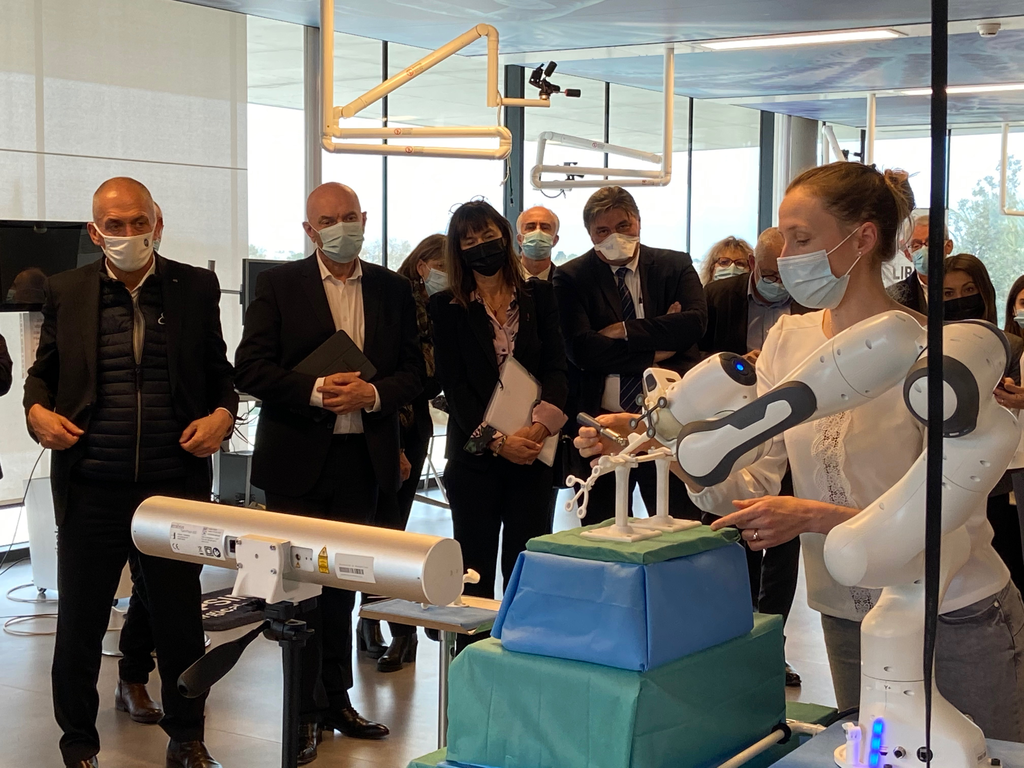
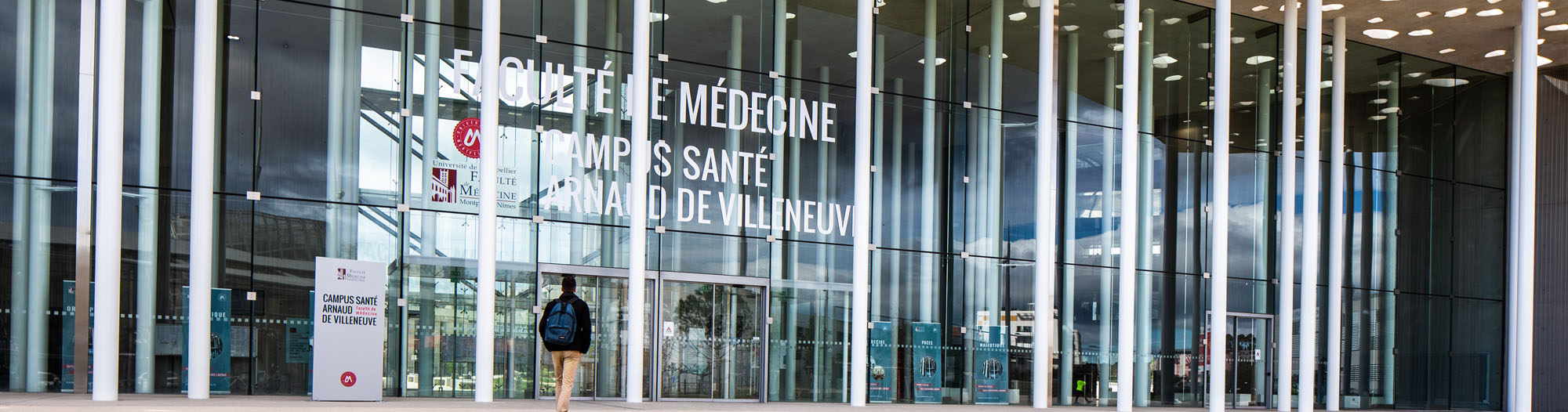
On Friday, March 19, 2021, we were pleased to welcome Antoine Petit, CEO of the CNRS (National Center for Scientific Research), to the Arnaud de Villeneuve campus for the signing of a partnership agreement with the University of Montpellier. We also welcomed Philippe Poignet, director of the LIRMM (Montpellier Laboratory of Computer Science, Robotics, and Microelectronics), who presented the surgical robotics projects being conducted at the Faculty of Medicine.


Remarks by Philippe Poignet, Director of the LIRMM


During this event, we were visited by Philippe Poignet, director of the Montpellier Laboratory of Computer Science, Robotics, and Microelectronics. He took this opportunity to present the surgical robotics projects being conducted by the School of Medicine at the Arnaud de Villeneuve campus. These projects are led by a team at the LIRMM called DEXTER, whose goal is to design, build, and control high-performance robots capable of performing fine, rapid, and/or precise movements.


Presentation of Three Surgical Robotics Projects


  • A maxillofacial surgery project:

Project leaders: Dr. Marie de Boutray (Assistant Professor, Maxillofacial Surgery and Stomatology at Montpellier University Hospital and associate researcher in the LIRMM surgical robotics team), Dr. Nabil Zemiti (Associate Professor at the University of Montpellier), and Prof. Philippe Poignet (Full Professor at the University of Montpellier) of the LIRMM surgical robotics team.

Funding: Fondation des Gueules Cassées, Labex CAMI, Labex Numev.

Project Description: Currently, when faced with mandibular bone loss, the gold standard is to perform autologous bone reconstruction using a free fibula flap (fibular bone graft) revascularized via the cervical vessels. The main challenge of this surgery lies in reshaping the long, straight fibular bone into an angled flap in all three spatial planes to match the shape of the mandible to be reconstructed. Currently, tools exist to help the surgical team optimally achieve this 3D reshaping, such as custom-made cutting guides and plates or 3D-printed models. However, these techniques remain very costly and extremely time-consuming, which limits their use in daily practice. The project team therefore sought to improve this fibular reshaping by using a collaborative robot to guide the surgical procedure. To this end, they developed a robot-assisted fibular reshaping technique coupled with virtual modeling of the osteotomies. This project is currently undergoing preclinical validation on cadaveric models at the Montpellier Faculty of Medicine.

  • An orthopedic shoulder surgery case:

Project leaders: Dr. Pierre-Emmanuel Chammas (Orthopedic Surgery, Montpellier University Hospital), Dr. Nabil Zemiti (Assistant Professor at the University of Montpellier), and Prof. Philippe Poignet (Full Professor at the University of Montpellier) from the LIRMM surgical robotics team.

 Project Description: The significantaging of Western populations is leading to an increase in the incidence of osteoporosis-related fractures as well as osteoarthritic conditions. Joint replacement surgery is a common treatment for these conditions affecting the shoulder (in 2010, 10,831 procedures were performed in France). The medical and economic stakes are high, given the need to operate on more patients with ever-greater safety, precision, and speed.

These conditions are necessary to ensure a return to the patient’s previous quality of life as quickly as possible and to maintain the patient’s independence, which is directly correlated with life expectancy in older adults.

Optimal positioning of joint prostheses is one of the most important factors in achieving the best postoperative functional outcome, minimizing complications, and extending the prosthesis’s lifespan by reducing the risk of wear in the medium and long term.

In this context—and more specifically in total shoulder arthroplasty—proper positioning of the glenoid implant is one of the key factors determining functional outcome and implant longevity. It depends on the initial positioning of a guide pin. Conventional instrumentation is characterized by significant variability in positioning, even when used by expert clinicians. Computer-assisted surgery solutions allow for precise and reproducible positioning, albeit with certain limitations. The project leaders proposed implementing robotic assistance to achieve precise and reproducible positioning of the glenoid pin compared to the use of conventional instrumentation. In a preclinical study conducted at the Montpellier School of Medicine, they demonstrated that this solution allows for more precise and reproducible angular positioning of the glenoid pin, regardless of the surgeon’s level of expertise.

  • An ENT surgery plan

Project leaders: Dr. Fréderic Venail (Full Professor and Physician-Researcher in ENT Surgery at the Montpellier University Hospital) and Dr. Nabil Zemiti (Associate Professor at the University of Montpellier), Prof. Philippe Poignet (Full Professor at the University of Montpellier), and Lucas Lavenir (Ph.D. student at the University of Montpellier) from the LIRMM’s surgical robotics team.

Funding: Agir pour l’audition Foundation, Labex CAMI, Occitanie Region.


Project Description: Cochlear implants are the first functional neuroprostheses to have been developed for humans. They restore hearing in individuals with severe to profound hearing loss. Implantation of these devices requires the insertion of an electrode array into the cochlea, thereby enabling electrical stimulation of the tips of the auditory nerve fibers.

Today, the insertion of this electrode array is a critical step in the surgical procedure because it requires advancing this network of electrodes, each 1 mm in diameter, through a small opening (~2 mm) in the cochlea (round window). This insertion is performed in the clinic manually, “blindly,” and without the ability to monitor or correct the trajectory inside the cochlea.

The lack of visual control and the limited maneuverability of the electrode array are responsible for much of the damage to cochlear structures and the resulting loss of residual hearing. This risk prevents the implantation of cochlear implants in individuals with milder hearing loss.

To address these issues, the project leaders are currently working (as part of Lucas Lavenir’s thesis) on the development of navigation software to guide surgical procedures for the implantation of auditory neuroprostheses using a specialized ultrasound probe….

This probe is mounted on Collin Medical’s RobOtol system, which enables automatic monitoring of the insertion motion and electrode guidance.

The successful completion of this project will pave the way for safer therapeutic interventions for inner ear disorders, such as the in situ administration of drugs or gene therapy, which cannot be performed safely with the tools currently available to ENT surgeons.


A partnership agreement for the 2021–2026 period

The CNRS andthe University of Montpellier are renewing their partnership for a second five-year term. This agreement, which brings together the CNRS, the University of Montpellier, Paul Valéry University, the National School of Chemistry of Montpellier, and the Occitanie Academic Region, aims to define the elements of a shared scientific policy, implemented through the management of joint research units and their operational implementation, by formalizing fundamental agreements on their management and operation.


The partnership's five major scientific areas


  • Agriculture-Environment-Biodiversity

    This fieldisa key strength of the University of Montpellier, which conducts research on biodiversity and examines a wide range of organisms and environments. The University is rankedfirst in Franceandsecond worldwide in the 2020 Shanghai Ranking for ecology.

  • Biology and Health:

    In the field of biology, Montpellier is one of the most attractive and prominent centers in the country.

  • Chemistry

    With a global presence and appeal, Montpellier’s chemistry sector is a center of excellence in three key areas that address major societal challenges: energy, materials, and transport; the utilization of natural resources and sustainable chemical processes; and human health and safety. 

  • Mathematics, Computer Science, Physics, and Systems

    Several topics in basic research are addressed and applied within this scientific field, particularly in mathematics, computer science, mechanics, physics, and astrophysics.

  • Humanities and Social Sciences

    The University of Montpellier focuses its research in this field on various topics: 

    • spatial sciences
    • environmental sciences
    • economics
    • political science
    • areas of law


A Steering and Monitoring Committee

To ensure the partnership is monitored at both the strategic and operational levels, the agreement provides for the establishment of a steering and monitoring committee. The signatories commit to sharing progress reports on a regular basis. The terms of this agreement were defined following negotiations guided by the goal of achieving balance and taking into account the specific characteristics of the shared units.


We would like to thank Nabil Zemiti, the lead researcher on the three surgical robotics projects, for his invaluable assistance in writing this article.

Every year, the Faculty organizes “Printemps de la Médecine,” an event for general practitioners. Due to the current public health situation, this 5th edition will be held virtually. Find all the details in this article!


An event for general practitioners

These events provide an opportunity to review all the major medical developments of the year in the morning and to explore best practices in areas of routine medical practice through workshops in the afternoon. Like previous events, this one will be submitted to the ANDPC website for certification, and the Faculty will handle registrations for physicians wishing to participate. In the meantime, mark this date on your calendar!

For any additional information, particularly regarding the program and registration procedures, please feel free to contact the office in charge of CPD administration at the Faculty at the following address:  med-fmc-dpc@umontpellier.fr.


The program for this 5th edition

This entire event will take place on Zoom. To join the sessions, you must register in advance. Please feel free to contact the office in charge of CPD management at the Faculty at the following email address:  med-fmc-dpc@umontpellier.fr!


  • 8:30 a.m. – 8:40 a.m.

    Opening Remarks

    Introduction to the event by the Dean, Professor Hubert BLAIN, and Dr. David COSTA

  • Conference: What's New?

    Featuring: Camille ROUBILLE (8:40–9:15 a.m.); Hubert BLAIN (9:15–9:50 a.m.) and David COSTA (9:50–10:25 a.m.)

    8:40 a.m. – 10:25 a.m.

  • 10:25 a.m. – 10:45 a.m.

    Time for discussion

    Discussion Time: Q&A

  • Controversy

    Controversy, opening with an introduction by the AM on: “For or Against the Use of PSA Tests in Prostate Cancer Screening?”

    10:45 a.m. – 11:30 a.m.

  • 11:30 a.m. – 12:00 p.m.

    Closing Remarks

    A Message from the Dean
    A Message from the Hérault Departmental Council of the Order
    A Message from the Occitanie Regional Health Agency (ARS)

  • Thesis Awards

    Thesis Award Ceremony

    12:00 p.m. – 12:30 p.m.

  • 2:00 p.m. – 6:00 p.m.

    Online workshops on Zoom

    2 workshops, 2 hours each:

    • from 2:00 p.m. to 4:00 p.m.
    • from 4:00 p.m. to 6:00 p.m.

    Each workshop will be held simultaneously during both time slots, with participants alternating between the two time slots and the two workshops:

    1. What is the best way to support a patient at the end of life?
    2. Addiction—how can we best support patients struggling with addiction?


To register, click the link below! The Office of Continuing Medical Education and CPD looks forward to seeing many of you there!

Prospective students, be sure to mark your calendars! The open house will be held online on Saturday, March 6, 2021. More information will be posted here soon!


Come join us at our Faculty's Open House!

Come join us at our Faculty’s Open House, which will take place on March 6, 2021, from 10 a.m. to 4 p.m.! This year’s event, organized by the University of Montpellier, will be 100% virtual.

At our booth, you can:

  • Ask our students, faculty, and administrative staff your questions
  • Viewing Videoconferences
  • Attend webinars
  • Download documentation
  • You can pre-register now!


And to make sure you don't miss a thing about our department, download our program!

Open House Pre-Registration Download our program

To learn everything about Open House events at UM (and thus about all of its departments), visit this page: https://www.umontpellier.fr/articles/journee-portes-ouvertes-de-lum

PASS and LAS students: In this article, you’ll find a message from Dean Mondain regarding the available spots in DFGSM2 (second year of medical school) for the upcoming academic year. You’ll also find an update on the available spots in midwifery. 

An Update on Places in Maieutics

A Message from the Dean (School of Medicine)

Key Points – MEDICINE Program


  • Regarding enrollment in the DFGSM2 (MEDICINE) program for the 2021–22 academic year

    320 spots will be available in DFGSM2 (MEDICINE)for the 2021–22 academic year, including:

    • 172 spots for PACES repeat students
    • 148 spots for PASS, LAS, and bridge programs . 70% of these 148 spots are reserved for PASS students.

    Update as of April 7, 2021: One additional spot is available in medicine, allocated to the PASS.

  • Regarding repeating the PASS

    Students are not allowed to repeat the PASS program. 

    However, you can apply for the MMOP program a second time during LAS 2 or LAS 3 if you have the required ECTS credits.

  • Regarding the success rate for PASS students transitioning to the MEDICINE program

    The minimum pass rate is 5.8%

    • This rate is higher than that of first-time PASS applicants in 2019–2020, which was 5.6%
    • This minimum rate would correspond to an unlikely scenario: that is, if all students enrolled in the PASS program were to apply to medical school.

    This minimum rate is guaranteed and can only go up.

    The final acceptance rate will not be known with certainty until after the MMOP application phase, which will take place at a later date, depending on the preferences of all students.


The study rooms that have been closed until now will reopen for students in the Historic Building.
The Faculty Administration has approved the reopening of the study rooms and the Bonaventure Laurens Room. Only students enrolled in their sixth year of medical school will be allowed access.
The requirements for access are as follows:
  • Open from 8:00 a.m. to 5:30 p.m.
  • Wednesday, January 20, through Friday, January 29, 2021
  • A maximum of 10 students per classroom
  • Masks are required; hand sanitizer is available in every room

A rotation schedule will be set up so that all students can have access to the study rooms during the period specified above.

This service may be suspended in the event of changes to public health regulations imposed by the government.

Due to the pandemic, the government has imposed a curfew on the entire French population. All residents must be home by 6:00 p.m. starting Saturday, January 16, 2021. See below for information on how the curfew will affect the Faculty’s hours of operation.

Opening of the premises

The Faculty's facilities in Montpellier (the historic site and the Arnaud de Villeneuve campus) and Nîmes will close at 6:00 p.m. Faculty members must leave the premises by 5:30 p.m.

Please note that the Jardin des Plantes also closes at 5: 30 p.m.

Impact on the Business Units

  • The Downtown History and Medicine Library remains open during its regular hours
  • The UPM Medicine Library is changing its hours and will close at 5:30 p.m.
  • The Nîmes Medicine Library is changing its hours and will close at 5:30 p.m.

Reserving a time slot for your visit is still required at all university libraries:

  • ⚠️ Access to the university libraries is limited to borrowing and returning materials and equipment, as well as individual study on site. Access to group study rooms is therefore temporarily suspended;
  • ⚠️ Access is by appointment only: users must therefore reserve a borrowing/return time slot or a study space, either through Affluences or by email, depending on the library in question


How In-Person Exams and Lab Sessions Work

Exams and lab sessions scheduled to take place in person will proceed as planned. Your academic departments will contact you directly via email 📩 to provide information regarding these specific cases. If these sessions start close to or after 6:00 p.m., students must carry a special exemption form for personal travel (check reason 1), their student ID, and their class schedule (available on the digital campus platform), to present if asked.

We would like to remind everyone of the importance of following preventive measures to limit the spread of the virus. Wearing a mask remains mandatory in all Faculty facilities.

Following a webinar on COVID-19 care from the community to the hospital, a new webinar will focus on vaccination. Join us on February 1! Find all the details in this article.


“Vaccination and COVID-19: From Theory to Practice”; a webinar organized by the Faculty and the University Hospitals for residents and physicians

On February 1, 2020, at 7:00 p.m., a webinar will be held for physicians and residents. TheThe webinar will focus on vaccination in the context of the COVID-19 pandemic.

Designed as a true academic course, it will provide participants with the latest scientific information on the vaccine, target populations, and the practical aspects of this vaccination campaign. The webinar is presented and developed by faculty members specializing in emergency medicine, pulmonology, clinical pharmacology, infectious diseases, and general medicine.


Webinar Agenda

Professor Michel Amouyal (Department of General Medicine), Professor Jacques Reynes (Head of the Vaccination, Infectious and Tropical Diseases Steering Committee), and Dr. Paul Loubet ( Infectious Disease Specialist, Nîmes University Hospital) will invite Professors Fessler, Le Moing, and Demoly, as well as to Drs. Bourgeois, Makinson, Morquin, and Villiet.


Each presentation will last 10 to 20 minutes. The webinar will be followed by a panel discussion. 


  • COVID and Vaccine Development: Why So Fast?

    Dr. Alain Makinson, Department of Infectious and Tropical Diseases, Montpellier University Hospital (10 minutes)

  • Vaccines and COVID: What Do the Studies Say?

    Prof. Vincent Le Moing, Infectious and Tropical Diseases, Montpellier University Hospital (15–20 minutes)

  • Vaccines and COVID: Allergies and Contraindications

     Prof. Pascal Demoly, Pulmonology and Allergy, Montpellier University Hospital (10 minutes)

  • Vaccines and COVID: Target Populations and Prioritization

    Dr. David Morquin, Infectious and Tropical Diseases, Montpellier University Hospital (10 minutes)

  • Vaccines and COVID-19: Practical Considerations: Storage, Cold Chain, and Administrative Procedures

    Dr. Maxime Villiet, Clinical Pharmacology (10 minutes)

  • Discussion, Q&A (30 minutes), and summary

     with the previous speakers, the moderators, Dr. Anke Bourgeois (Vaccination Center – Bouisson Bertrand Institute), and Prof. Pierre Fesler (member of the Vaccination Steering Committee) in attendance (30 minutes)


Replay

Click the link below to watch the recording of this webinar!