The SPES (Primary Care, Environment, and Health) program is a training initiative organized by the Department of General Practice at the Montpellier-Nîmes School of Medicine and the Avicenne University Multidisciplinary Health Center in Cabestany. A one-day training session for general practice residents, as well as a public lecture, will take place on September 9, 2021.


The origins of the project

It is part of the call for proposals launched by the Occitanie Regional Health Agency (ARS) as part of the 3rd Regional Health and Environment Plan, of which it is one of the winning projects. In particular, it aims to increase public and healthcare professionals’ engagement with environmental health.

Project Organization

To this end, it is organized in three stages:

  • A distance learning program offered to first-year residents in general practice (first year of the DES in General Practice) and to faculty members in the Department of General Practice.

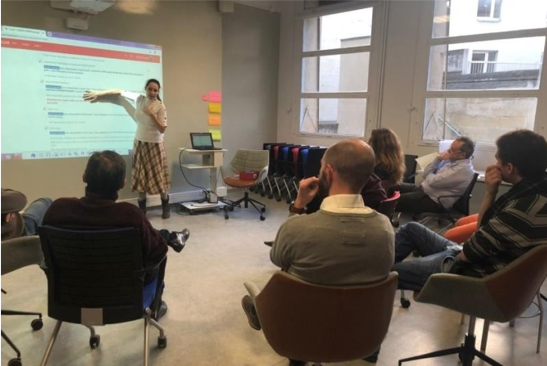
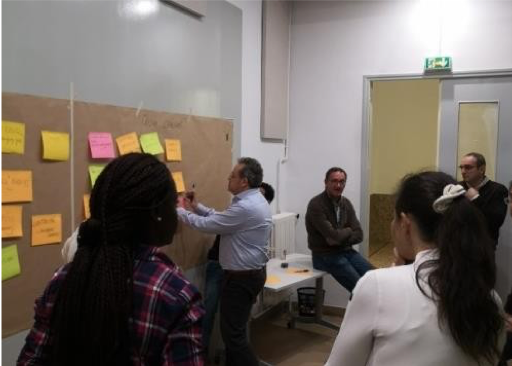
  • This in-person session will take place on Thursday, September 9, 2021, at the historic building of the Montpellier-Nîmes Faculty of Medicine. Intended for first-year general medicine residents pursuing a DES (Specialization Diploma), the morning will be devoted to presentations and discussions with experts in environmental health, and the afternoon to working sessions with the residents to collaboratively develop thesis projects in environmental health.

  • A public lecture on the evening of Thursday, September 9, 2021, at the historic building of the Montpellier-Nîmes Faculty of Medicine. Aimed at the general public, this year’s lecture will focus on air pollution.

Learn more about the SPES program

Meeting with the academic advisor

Dr. François Carbonnel, an associate professor at the Department of General Medicine in the Faculty of Medicine of Montpellier-Nîmes and a general practitioner at the Avicenne Medical Practice, has been selected as the winner of the call for proposals organized by the Occitanie Regional Health Agency (ARS).

Why did you decide to launch this Primary Care, Environment, and Health training program?

The environment can pose risks to our communities and our health. This training aims to raise awareness among our colleagues about what environmental health entails. We want to educate them about this still relatively unknown field.

What is the purpose of this new training program?

Through this training, future general practitioners will first be able to identify environmental health risks so that they can treat them. Later, they will be able to predict and prevent them.

Who is this training course intended for?

This training program is primarily intended for residents and faculty in general practice. The goal is to make this program sustainable and effective so that we can offer it on a larger scale and ensure that environmental health issues are addressed across all regions.

September 9

The event will consist of two parts: the first part will focus on training residents and general practice instructors. The second part, open to the general public, will feature a lecture.

Here is the schedule for these two games:

Schedule for the day for residents

  • 8:30 a.m.

    Welcome for participants

  • 9H

    Official speeches

  • 10H

    Designing Spaces to Combat a Sedentary Lifestyle by G. Ninot

  • 11H

    Air Pollution by I. Annesi-Maesano

  • 12H

    Allergies and the Environment by P. Demoly

  • 13H

    Lunch break

  • 14H

    Thesis advising workshops on environmental health led by members of the DUMG

Conference program for the general public

  • 5:30 p.m.

    “Environmental Health at the University of Montpellier and in Our Regions”

  • 6:30 p.m.

    “Air Pollution” Speaker: Prof. Isabella Annesi-Maesano, INSERM Research Director, Co-Director of the Desbrest Institute of Epidemiology and Public Health (IDESP), UMR 1302, INSERM and the University of Montpellier


Please note that this program is subject to change depending on the health situation.


Dear students, please find below the admission results for the MMOPKE program from the second round of exams for LAS students enrolled for the 2020–21 academic year.


LAS Results

Click the button below to download the list of LAS students admitted to the second round of exams:

Understanding the Results

To fully understand the acronyms and analyze your results, see the help section below:

If the result shows "ADAC," it means you have been admitted before the selection process; "LC" stands for "supplementary list." However, for the Medicine and Midwifery programs, if the result shows "LC" even though you are admitted to Medicine or Midwifery when you check the ranking list (ADMP), this is due to the existence of two training sites. Since allocation is based on merit, you must therefore list these programs in your prioritized choices in accordance with the procedure specified in the attached document.

On the list: ADMP = admitted prior to program selection in the medical or midwifery program, regardless of the training location: Nîmes or Montpellier. 

Two steps to follow: 

  • STEP 1: PRIORITIZING OPTIONS

    To help you prioritize your choices, the program selection application will be open from Monday, July 19 at 12:00 PM until Tuesday July 20 at 12:00 PM.
    • Specific features for Medicine and Midwifery:

    Given the very tight deadlines, for each of these programs, you will select either the Montpellier or Nîmes campus after thesecondround of examsdirectly within the program selection app, prioritizing the campus that interests you most if you are admitted or placed on the waiting list for at least one of these two programs. 

  • STEP 2: CONFIRM OR DECLINE THE OFFER OF ADMISSION

    If you are admitted to an MMOP program, you must either accept or decline the offer .

    At the end of Stage 1, you will receive an email inviting you to review the results of your potential admission and to complete a questionnaire as soon as possible so that you can accept or decline your potential admission to an MMOP program.

    IMPORTANT: YOU MUST CONFIRM YOUR ADMISSION OR YOU WILL LOSE YOUR PLACE!! 

Dear students, every year, health sciences students admitted to the medical program are assigned to either the Montpellier or Nîmes teaching sites. This year, the assignment will take place on July 16 at 9:00 a.m.


Due to recent developments, the terms of this allocation have changed. Please refer to the article below, updated on July 15, 2021, at 8:00 a.m.


For students who have chosen to study medicine

You are currently enrolled in the PASS or LAS program and have expressed an interest in continuing your studies in the medical track in DFGSM 2 for the 2021–2022 academic year, provided you pass the MMOP selection committee.

Under this program, admitted students are assigned to either the Montpellier or Nîmes campuses of the Montpellier-Nîmes Faculty of Medicine.

The following are hereby summoned:

  • THOSE ADMITTED DIRECTLY AFTER THE FIRST ROUND OF EXAMS

    You are scheduled to meet on July 16 at 9:00 a.m. in theRabelais Amphitheater.


PLEASE NOTE: Candidates admitted to the second round of exams WILL NOT be notified.


Practical Information

  • Absence with a proxy

    In the eventof a justified absence, you may have someone else represent you by providing apower of attorneyalong with allsupporting documents.

    We appreciate your efforts to attend or to have someone represent you.

  • Absence without authorization

    If you are not present in the lecture hall when your name is called, and if no one holding a power of attorney accompanied by all required supporting documents appears on your behalf, you will be automatically assigned to any unfilled seats based on your ranking after the roll call procedure described above. 

  • Address

    641 Doyen Gaston Giraud Avenue,

    34090 Montpellier


Dear students, please find below the admission results for the MMOPKE program from the first round of exams for PASS and LAS students enrolled for the 2020–21 academic year.


PASS Results

Click the button below to download the PASS results.


LAS Results

Click the buttons below to download the LAS results.


Understanding the Results

To fully understand the acronyms and analyze your results, see the help section below:


Spotlight on: ADAC "Admitted Before Selection" Results

Candidates who are directly admitted following the first set of exams must:

>> confirm their acceptance of admission, specifying—if their name appears on multiple admission lists—the program in medicine, pharmacy, dentistry, or midwifery they have definitively chosen ; failure to do so will result in the loss of their admission and disqualification from taking the second set of exams for the program to which they were directly admitted. This agreement constitutes a waiver of the right to take the second set of exams.

Section III of Article 11 of the Order of November 11, 2019

The student must clearly state their decision:
>> either they explicitly accept the program to which they were admitted following the first round of exams, in which case they waive their right to participate in the second round of exams and the possibility of being admitted to another program;

>> or they may forfeit the results of the first set of exams and take the second set of exams to try again for admission to another program. They may also try again to gain admission to the program they previously passed up through direct admission. However, there is no guarantee that they will be admitted to that program.

Guide to the Reform Resulting from Law No. 2019-774 of July 24, 2019, on the Organization and Transformation of the Healthcare System, March 2021, p. 8.

Determination of Minimum Grades in Accordance with Article 7 of the MMOP 2020–2021 Admission Guidelines


Following the HAS’s approval of the first-time prescription of pre-exposure prophylaxis (PrEP) in community settings, the University Departments of General Practice in Toulouse and Montpellier, along with COREVIH Occitanie (the Regional Coordination Committee for the Fight Against STIs and HIV), are hosting an online themed evening on HIV prevention—specifically through PrEP—STIs, and addiction issues related to sexual health.


Webinar Agenda

The webinar will take place on Monday, June 14, at 8:00 p.m. It is intended for general practitioners practicing in the Occitanie region.
The moderators for this event will be Julie Dupouy (MCUPH, DUMG Toulouse), Beatrice Lognos (MCUPH, DUMG Montpellier), and Marie Bistoquet (COREVIH physician).

  • Introduction and COREVIH in a Nutshell (moderators)

  • Epidemiology of HIV and STIs in 2020 (France, Occitanie, Cities) (Alain Makinson, President of COREVIH, Associate Professor of Infectious Diseases, Montpellier) (15 minutes)

  • STIs: Treatment and Vaccination (Dr. Pauline Lansalot Matras, COREVIH Physician) (20 minutes)

  • PrEP: What Do the Studies Say? (Prof. Pierre Delobel, Infectious Diseases, Toulouse) (20 minutes)

  • Diverse Prevention Strategies and PrEP in Practice (Dr. Cyril Perrollaz, CeGIDD Montpellier), (15 minutes)

  • Psychoactive Substances and Sexual Performance: Chemsex (Prof. Hélène Rigole, Addiction Medicine, Montpellier) (20 minutes)

  • Pre-hospital Care and Prevention in Urban Settings: My Approach (Dr. Julien Artigny, Toulouse University Hospital) (20 minutes)

  • Summary and Q&A (30 minutes)

In 2018, Dr. Fares Gouzi submitted a proposal to the MUSE call for projects, which aims to support the educational transformation of training programs. His project, titled “Digital Laboratory for Preclinical Sciences,” was selected as a winner.


MUSE "Take-Off": What is it?

The MUSE project “ Montpellier University of Excellence brings together 16 institutions toward a shared goal: to establish in Montpellier a research-intensive, thematically focused university, internationally recognized for its impact in fields related to agriculture, the environment, and health, capable of becoming, for all members of the consortium, a close academic partner with which they will be strongly connected and of which they can be proud.

Through these “Take Off” calls for proposals, it supports the educational transformation strategy of the institutions and components of the MUSE consortium. Over the past three years, I-SITE MUSE has raised €6 million to support educational innovations through this program. The “Preclinical Digital Science Lab” project is one of the projects selected for Take-Off #1. Learn more about it in this article!

Dr. Gouzi’s project is in line with MUSE’s objectives

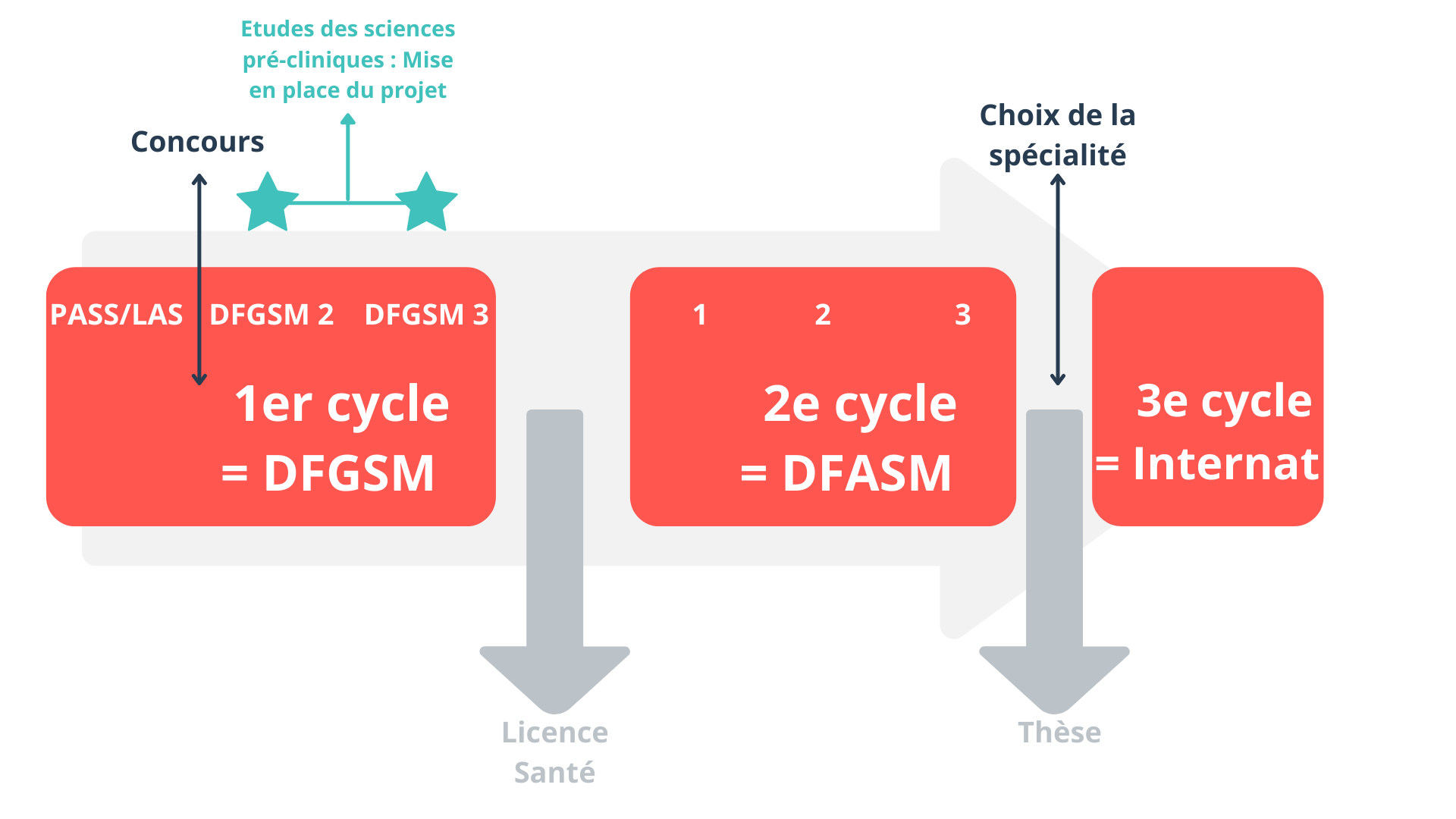
Dr. Gouzi participated in and won MUSE’s Take Off 1 program, which aims to support educational transformation. To better understand Dr. Gouzi’s project, one must first understand what preclinical sciences are. These preclinical disciplines form the foundation of thefirst cycle of health studies. There are seven of them: Anatomy, Histology, Embryology, Biophysics, Physiology, Cell Biology, Biochemistry… and they are studied during thesecond andthird years of health studies.

Before Dr. Gouzi’s project was implemented, preclinical subjects were primarily taught through lectures. These lectures accounted for 77% of the coursework in these subjects.


Teachers at the heart of the project

To carry out his project, Dr. Gouzi, who also teaches physiology, enlisted the help of his fellow doctors and faculty members. Together, they created the Reflection Group for the Teaching of Preclinical Health Sciences (GRESP), bringing together a dozen volunteer faculty members. This GRESP met twice a month for several hours over the course of a year to discuss the project together.


A reorganization plan

As mentioned earlier, lectures played a significant role in health studies education. The GRESP project aims to reorganize the curriculum and incorporate more practical work and tutorials. To implement the project, the instructors selected the course unit titled “Respiratory Systems,” which is taught in the second year of the health studies program. The ultimate goal is to create a curriculum that combines active learning with a multidisciplinary approach.


But then, what is it? :


  • Active learning

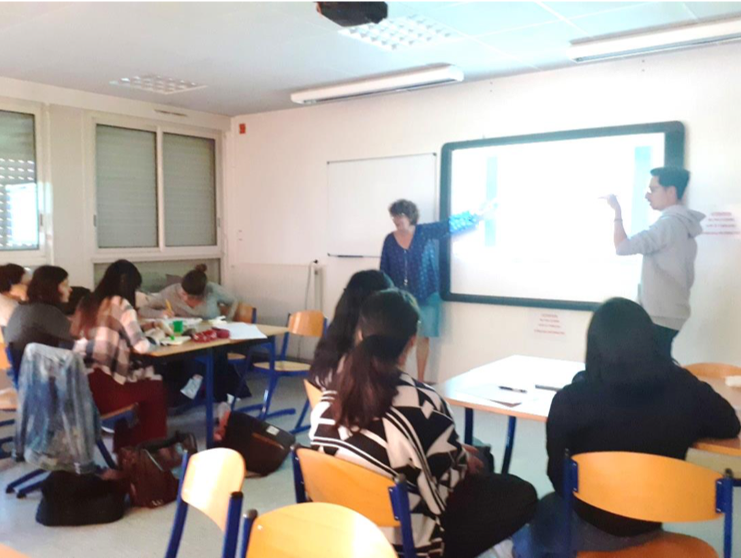
    Active learning aims to engage students in their learning process. Instead of simply listening and absorbing information, students think critically, engage hands-on, take notes, and interact with one another as well as with the instructor. This approach requires organizing students into smaller groups. That is why, with the GRESP project, the proportion of lectures has decreased from 77% to 34% to make room for more practical work and guided instruction.

  • Interdisciplinarity

    Interdisciplinarity involves bringing together the work of several disciplines on a single subject. In the case of the GREPS project, this was achieved through a complete reorganization of the various courses in the “Respiratory Systems” course unit. As a result, students no longer study the seven preclinical disciplines separately but rather simultaneously. The courses have been organized by organ, and each discipline is addressed simultaneously through a specific organ.

A long process of implementation


To implement this project from a technical standpoint, GREPSmembers made numerous changes:

 Asmentionedearlier, they firstadjusted the ratios of the different types of courses, significantly reducing the number of lecture hours and replacing them with lab sessions and tutorials. However, the total number of hours remained unchanged so as not to increase the students’ workload and to comply with the current reform.

 Then they revised the course content to incorporate more active learning and interdisciplinary approaches. To achieve this, several new initiatives were implemented:

  • The development of lesson plans for the various topics covered in the "Respiratory System" course.

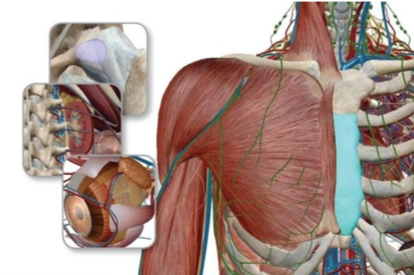
  • Thanks to the teachers’ creativity, they were also able to implement digital tools that illustrate various scenarios (e.g., VisibleBody: a digital tool that displays a 3D model of the human body where each body part can be removed, analyzed, and dissected, allowing students to engage in hands-on anatomy practice online for free).

  • Creating a course on Moodle: a course that follows the structure organized by learning objectives and allows students to work from home on a regular basis.

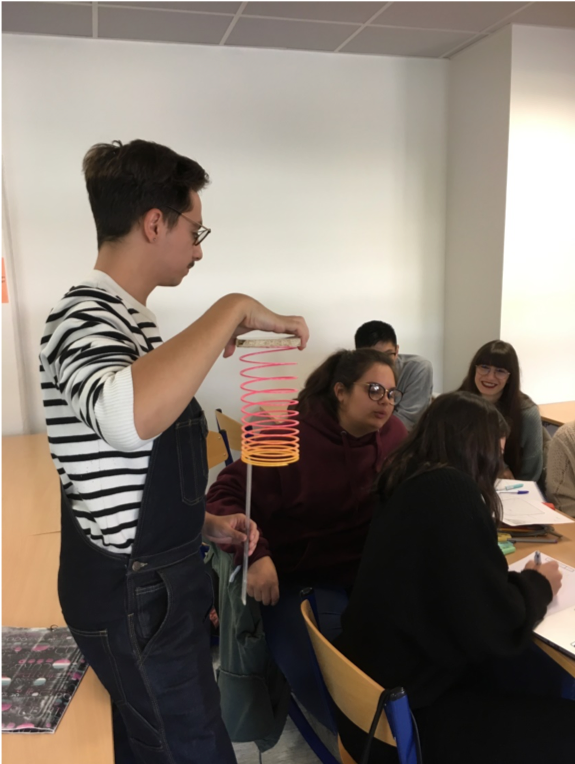
  • The use of non-digital tools, such as models, for example, to help students understand more easily than with a diagram.

  • The use of videos: e.g., a live demonstration of syncope; students must analyze what happened to determine the cause of the syncope. Following this, they test their hypotheses using the software provided to them.

A meaningful educational transformation

  • The objectives of this project are to help students develop skills in preclinical sciences by introducing them to scientific reasoning and the experimental method. It also aims to encourage them to think critically and understand concepts in a more dynamic way.

  • Another goal for the project team was to restore meaning and coherence to pre-clinical science education. They wanted to create a logical learning path from which students could gain a deeper understanding.

But does it actually work?


A project that has been underway since 2019

This project, which has been underway since 2019 at theMontpellier-NîmesSchool of Medicine, has made it possible to achieve many other things:

  • First, this project is a pilot program for hybrid learning. Although this was not the primary objective at the outset, the courses offered in this teaching unit are delivered bothremotelyand in person. In light of the current health crisis, it serves as an example of how to redesign courses to be hybrid.
  • At the same time, this project serves as a pilot for the new reform. In fact, the new reform regarding admission to health studies (PASS/LAS)has led to changes in the second and third years. If the effectiveness of active learning and interdisciplinary approaches can be demonstrated, this model could be replicated in other academic units, other faculties, or even other programs.
  • Finally, from a scientific perspective, the evaluations that have been or will be conducted will demonstrate the educational value of such a project.


In this article, you will find a statement from Prof. Mariano-Goulart, Prof. Lumbroso, and Dean Mondain regarding recent developments concerning the suspension of the numerus clausus for PACES repeat students. 


"Dear students,


We invite you to read the statement from the Conference of Deans of Medical Schools, following the announcement suspending the decree on the numerus claususfor PACES repeat students, particularly the sentence The bottom line is thatunder no circumstances will the numerus clausus for PACES repeaters be reduced, nor will the number of available spots for PASS/LAS students.”
 
The first year of health studies is a challenging one for students of all generations; the unprecedented health conditions we are facing, questions about a new reform, and the various announcements made in recent months do not make things any easier.
We hope this message will put your mind at ease and help you regain your composure so you can prepare for your end-of-year exams as effectively as possible.


Good luck to everyone.


Best regards. »
Professor Denis Mariano-Goulart
Professor Serge Lumbroso
Dean Michel Mondain

Every year, the Faculty organizes "Printemps de la Médecine," an event for general practitioners. Due to the current health situation, this fifth edition will be held online. Find all the details in this article!


An event for general practitioners

These sessions provide an opportunity to review all the major medical developments of the year in the morning and to explore best practices in common clinical settings through workshops in the afternoon. Like previous sessions, this event will be submitted to the ANDPC website for accreditation, and the Faculty will handle registrations for physicians wishing to participate. In the meantime, mark this date on your calendar!

For any further information regarding the program or registration procedures, please feel free to contact the office responsible for continuing professional development (CPD) at the Faculty at the following address:  med-fmc-dpc@umontpellier.fr.


The program for this 5th edition

The entire event will take place on Zoom. To join the sessions, you must register in advance. Please feel free to contact the office responsible for CPD management at the Faculty at the following address:  med-fmc-dpc@umontpellier.fr!


  • 8:30–8:40 a.m.

    Opening Remarks

    Introduction to the event by the Dean, Professor Hubert BLAIN, and Dr. David COSTA

  • Conference: What's new?

    Featuring: Camille ROUBILLE (8:40–9:15 a.m.); Hubert BLAIN (9:15–9:50 a.m.) and David COSTA (9:50–10:25 a.m.)

    8:40 a.m. – 10:25 a.m.

  • 10:25 a.m. – 10:45 a.m.

    Time for discussion

    Discussion Time: Q&A

  • Controversy

    Controversy, opening with an introduction by the AM on: “For or Against the Use of PSA Tests in Prostate Cancer Screening?”

    10:45 a.m. – 11:30 a.m.

  • 11:30 a.m. – 12:00 p.m.

    Closing Remarks

    A Message from the Dean
    A Message from the Hérault Departmental Council of the Order
    A Message from the Occitanie Regional Health Agency

  • Thesis Awards

    Thesis Award Ceremony

    12:00 PM – 12:30 PM

  • 2:00 PM – 6:00 PM

    Online workshops on Zoom

    2 workshops, each lasting 2 hours:

    • from 2:00 p.m. to 4:00 p.m.
    • from 4:00 p.m. to 6:00 p.m.

    Each workshop will be held simultaneously during both time slots, with participants rotating between the two time slots and the two workshops:

    1. What is the best way to support a patient at the end of life?
    2. Addiction – how can we best support patients struggling with addiction?


To register, click the link below! The Office of Continuing Medical Education and CME looks forward to seeing many of you there!

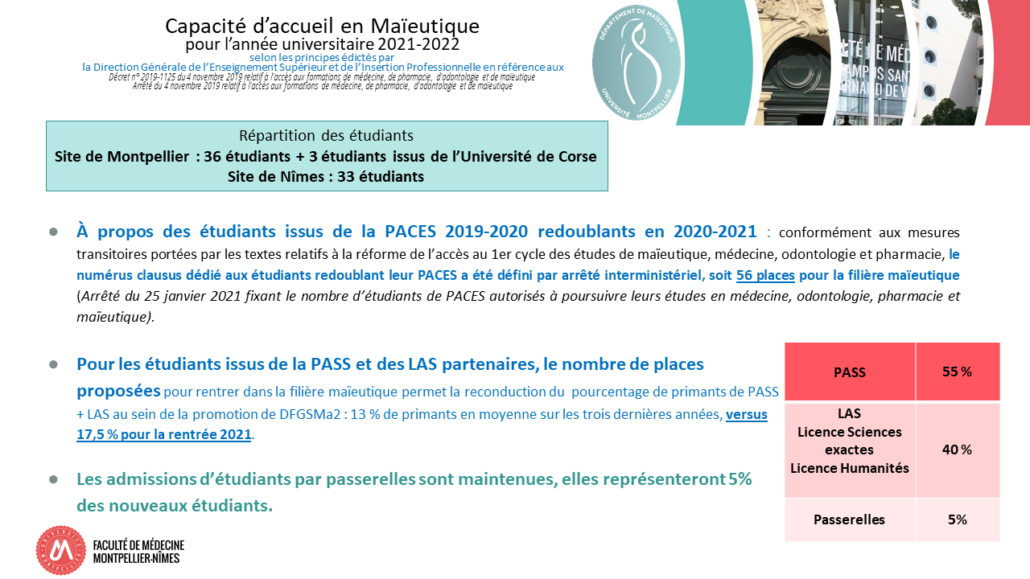
PASS and LAS students: In this article, you’ll find a message from Dean Mondain regarding available spots in DFGSM2 (second year of medical school) for the upcoming academic year. You’ll also find an update on available spots in midwifery. 

An Update on Places in Maieutics

A Message from the Dean (School of Medicine)

Key Points – MEDICINE Program


  • Regarding enrollment in the DFGSM2 (MEDICINE) program for the 2021–22 academic year

    320 spots will be available in DFGSM2 (MEDICINE)for the 2021–22 academic year, including:

    • 172 spots for PACES repeat students
    • 148 spots for PASS, LAS, and bridge programs . 70% of these 148 spots are reserved for PASS students.

    Update as of April 7, 2021: One additional spot is available in the medical program, allocated to the PASS.

  • Regarding repeating the PASS

    Students are not permitted to repeat the PASS course. 

    However, you can apply again for the MMOP program during your second or third year of the LAS program if you have the required ECTS credits.

  • Regarding the success rate for PASS students transitioning to the MEDICINE program

    The minimum pass rate is 5.8%

    • This rate is higher than that of first-time PASS applicants in the 2019–2020 academic year, which was 5.6%
    • This minimum rate would correspond to an unlikely scenario: that is, if all students enrolled in the PASS program were to apply to medical school.

    This minimum rate is guaranteed and can only go up.

    The final acceptance rate will not be known with certainty until after the MMOP application phase, which will take place at a later date, depending on the preferences of all students.


Following a webinar on COVID-19 care from the community to the hospital, a new webinar will focus on vaccination. Join us on February 1! Find all the details in this article.


“Vaccination and COVID-19: From Theory to Practice”; a webinar organized by the Faculty and the University Hospitals for residents and physicians

On February 1, 2020, at 7:00 p.m., a webinar will be held for physicians and residents. TheThe main topic of the webinar will be vaccination in the context of the COVID-19 pandemic.

Designed as a true academic course, it will provide participants with the latest scientific data on the vaccine, target populations, and the practical aspects of this vaccination campaign. The webinar is presented and developed by faculty members specializing in emergency medicine, pulmonology, clinical pharmacology, infectious diseases, and general medicine.


Webinar Agenda

Professor Michel Amouyal (Department of General Medicine), Professor Jacques Reynes (Head of the Vaccination Steering Committee – Infectious and Tropical Diseases), and Dr. Paul Loubet ( Infectious Disease Specialist, Nîmes University Hospital) will introduce Professors Fessler, Le Moing, and Demoly, as well as to Drs. Bourgeois, Makinson, Morquin, and Villiet.


Each presentation will last 10 to 20 minutes. The webinar will be followed by a panel discussion. 


  • COVID and vaccine development: Why so fast?

    Dr. Alain Makinson, Department of Infectious and Tropical Diseases, Montpellier University Hospital (10 minutes)

  • Vaccines and COVID: What Do the Studies Say?

    Prof. Vincent Le Moing, Department of Infectious and Tropical Diseases, Montpellier University Hospital (15–20 minutes)

  • Vaccines and COVID: Allergies and Contraindications

     Prof. Pascal Demoly, Pulmonology and Allergy, Montpellier University Hospital (10 minutes)

  • Vaccines and COVID-19: Target Populations and Prioritization

    Dr. David Morquin, Department of Infectious and Tropical Diseases, Montpellier University Hospital (10 minutes)

  • Vaccines and COVID-19: Practical Considerations: Storage, Cold Chain, and Administrative Procedures

    Dr. Maxime Villiet, Clinical Pharmacology (10 minutes)

  • Discussion, Q&A (30 minutes), and summary

     in the presence of the previous speakers, the moderators, Dr. Anke Bourgeois (Vaccination Center – Institut Bouisson Bertrand), and Prof. Pierre Fesler (member of the Vaccination Steering Committee) (30 minutes)


Replay

Click below for the link to the recording of this webinar!