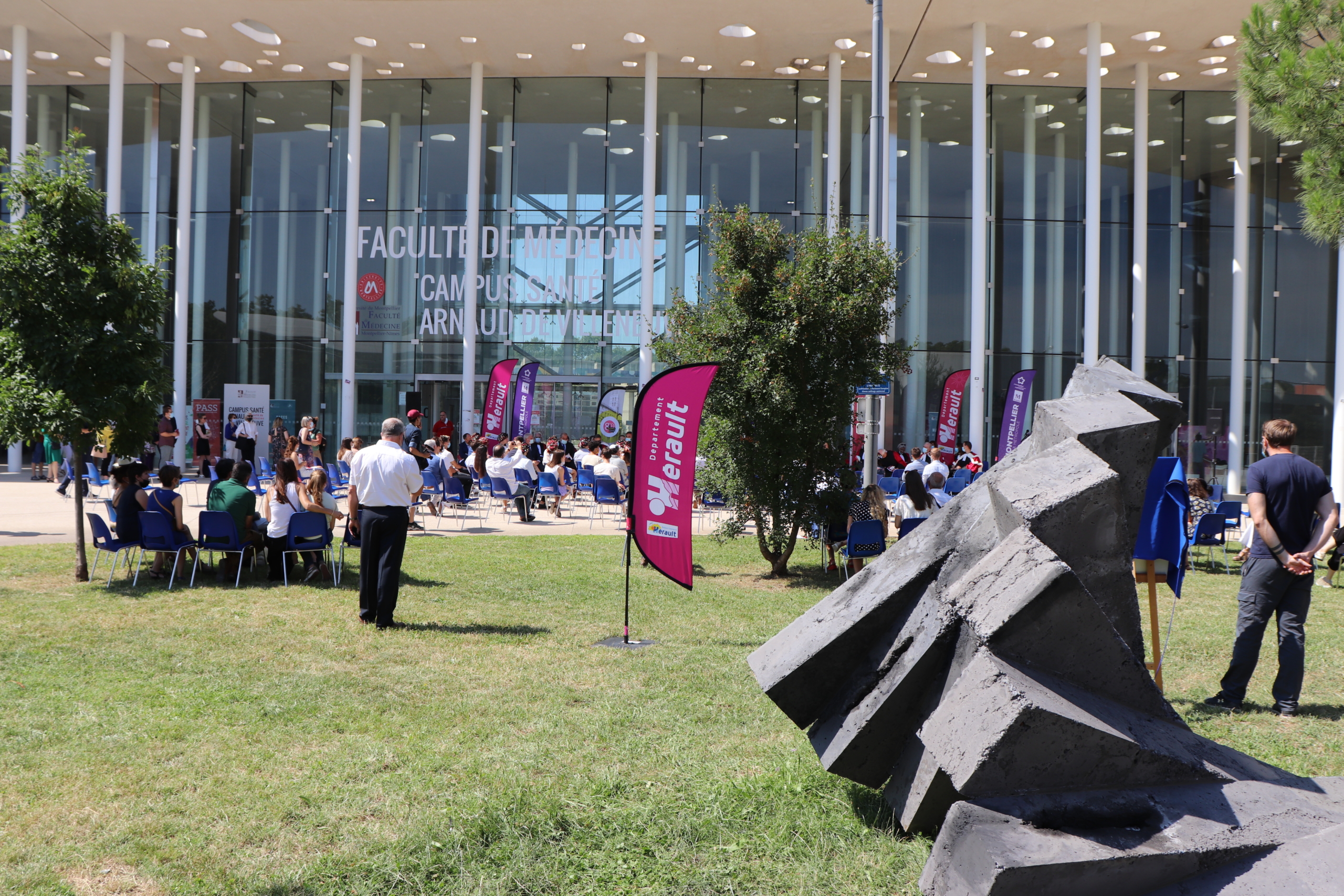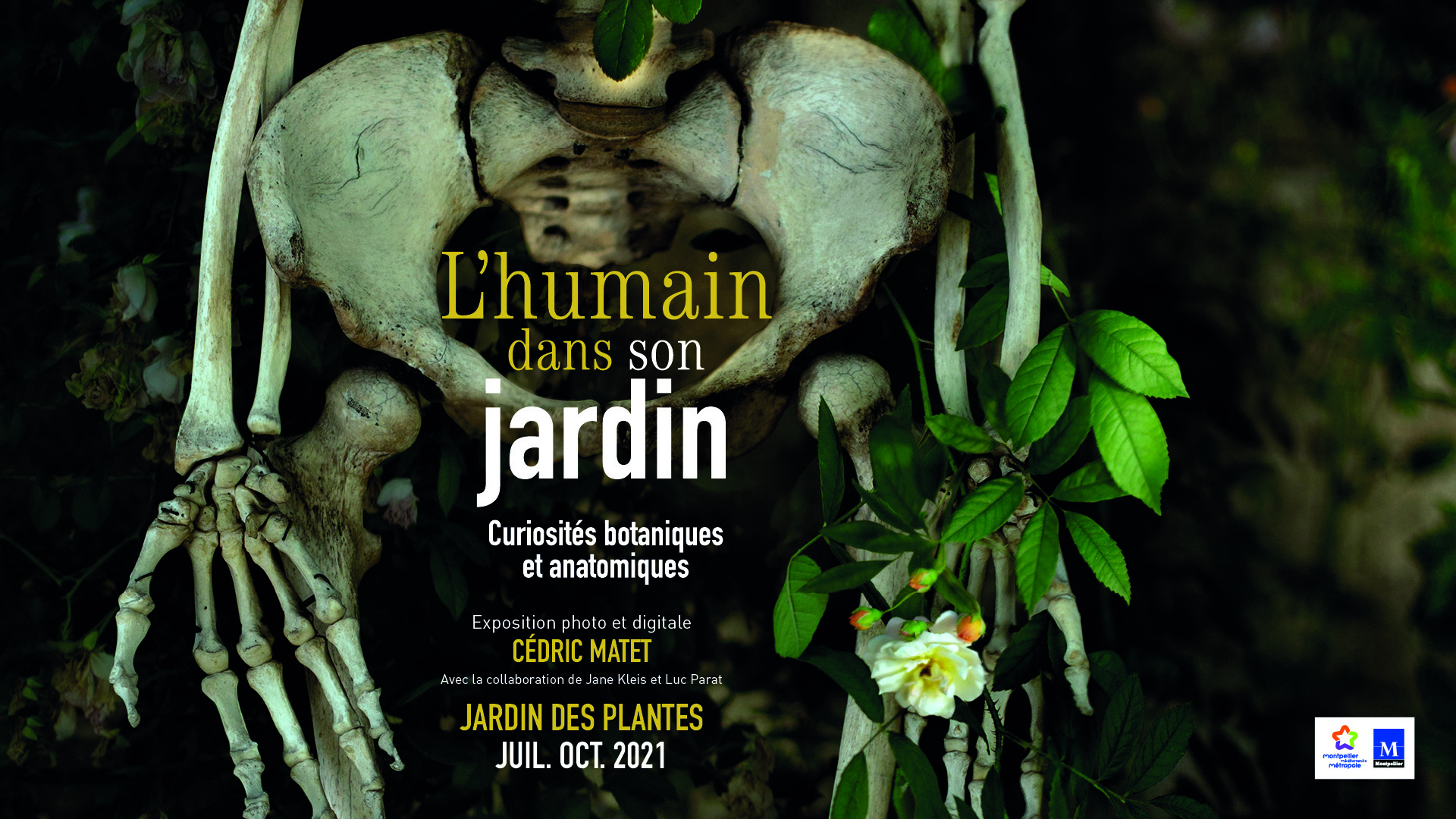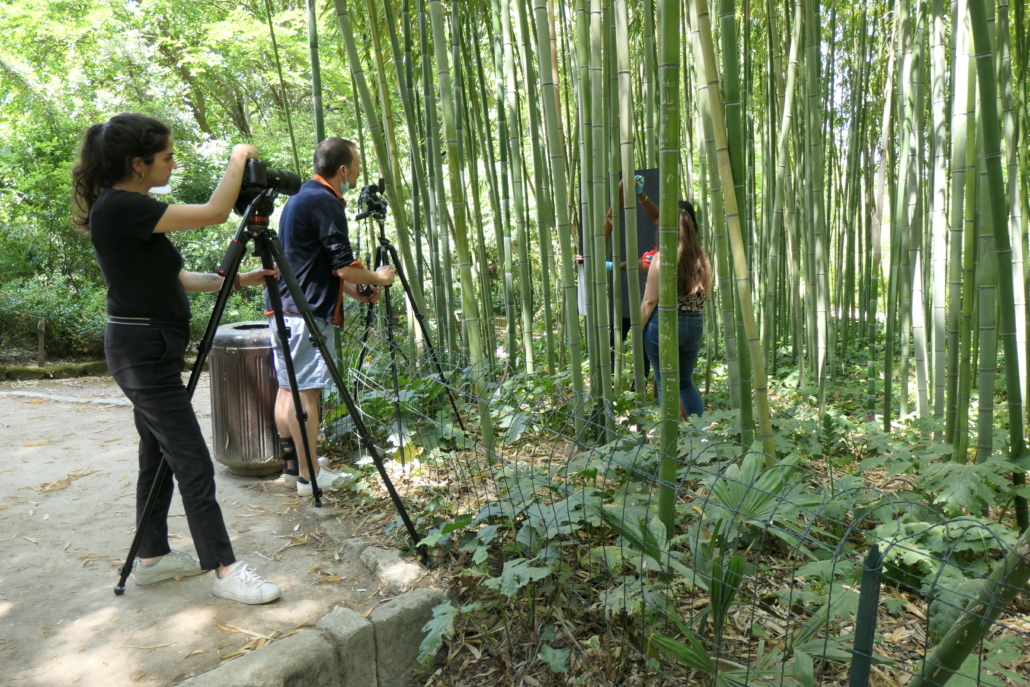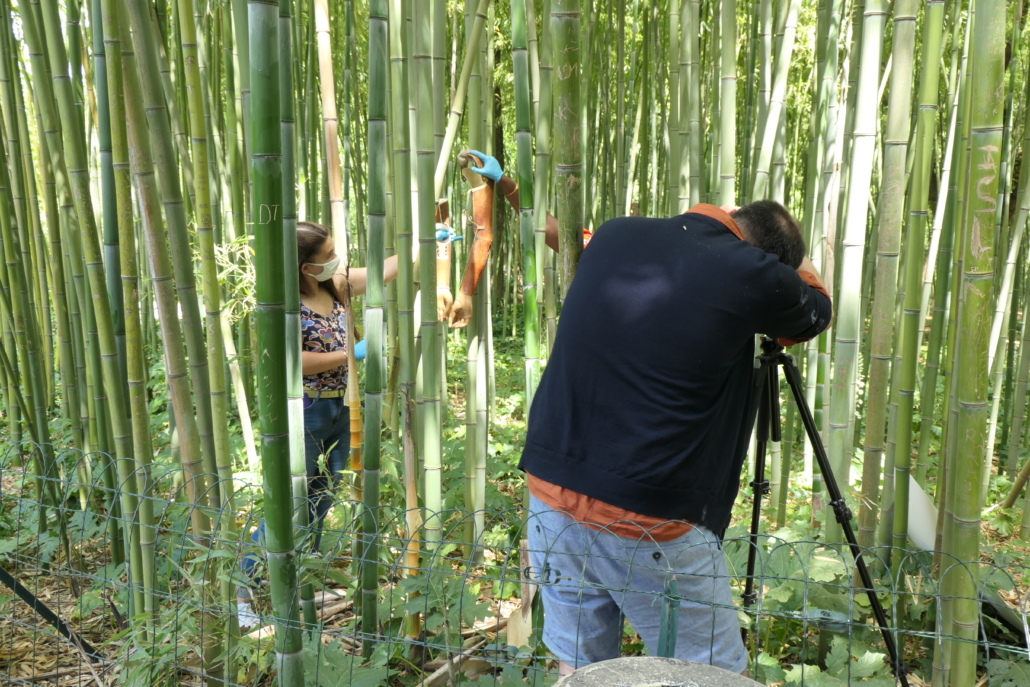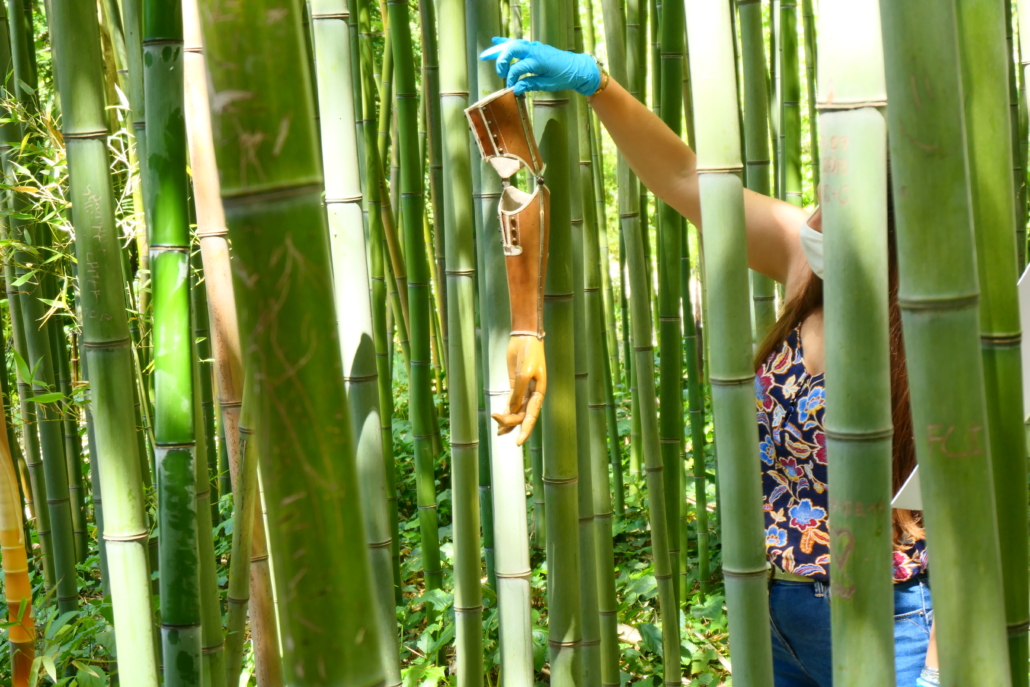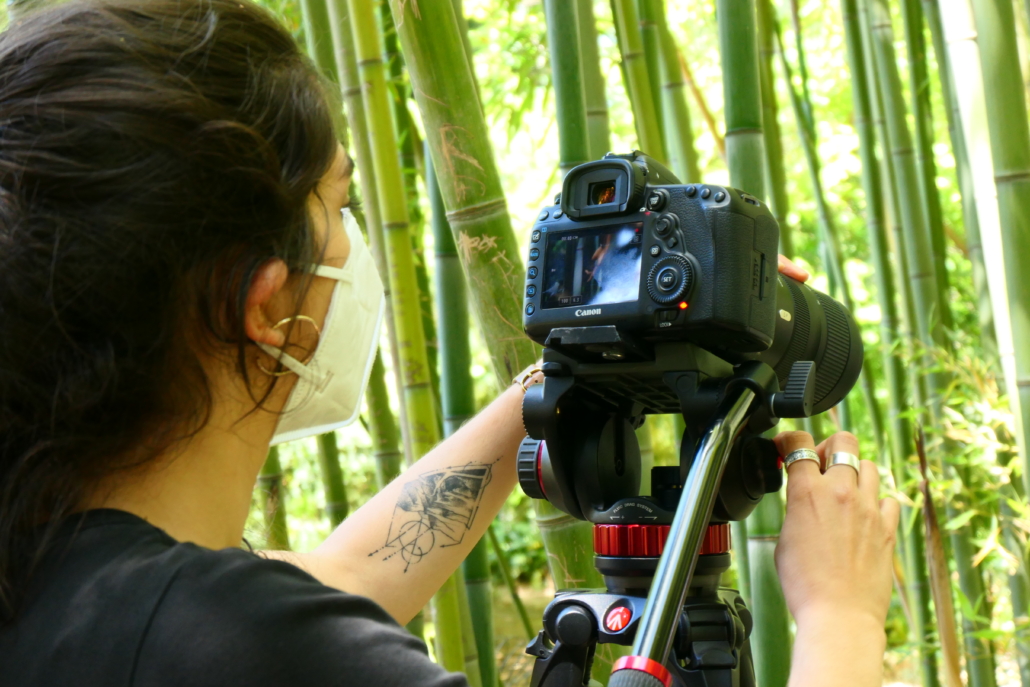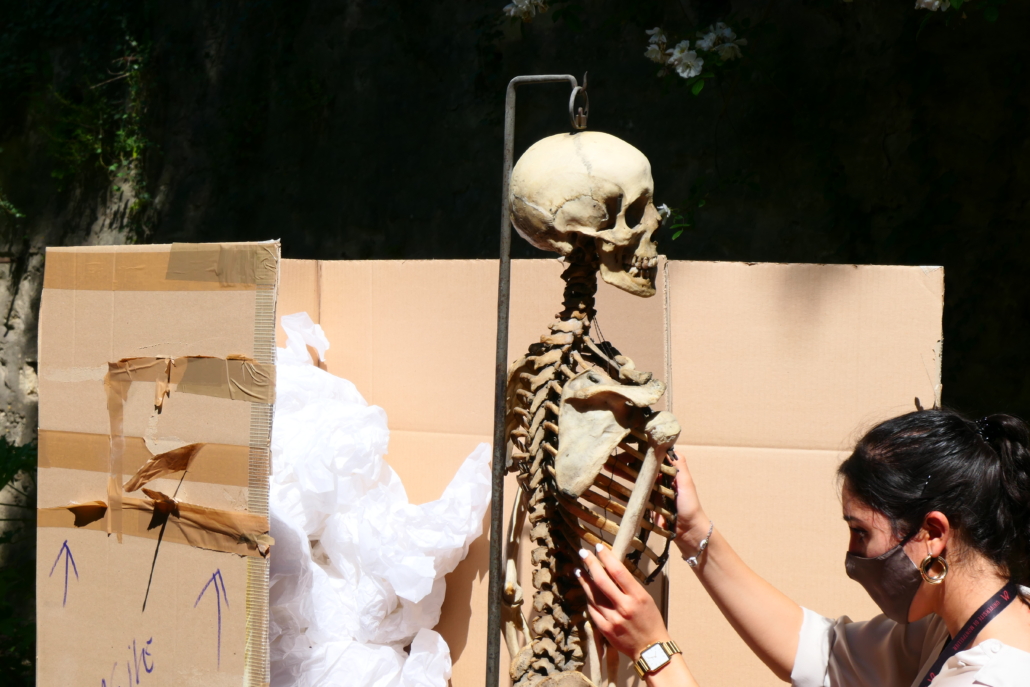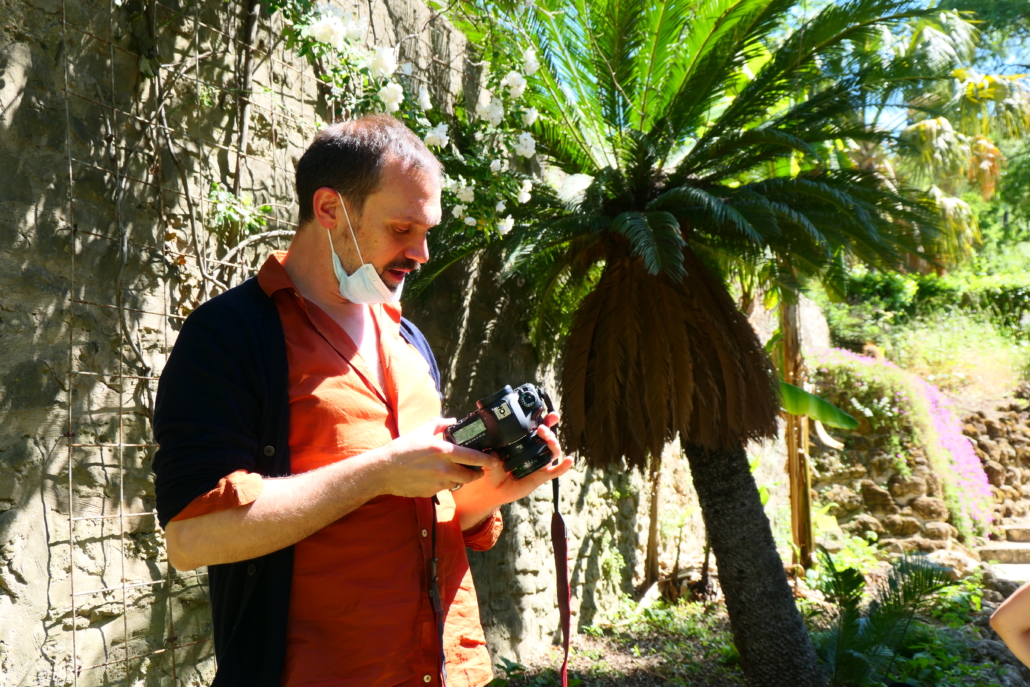

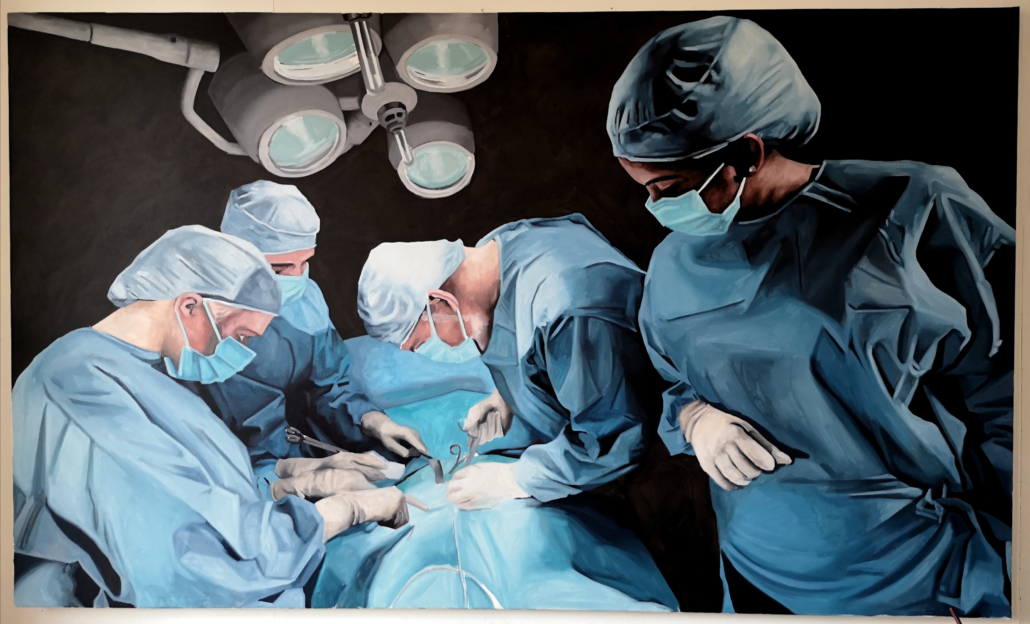
As part of the 800th-anniversary celebrations, a photography exhibition will take place from July 10 to October 10. Curated by renowned photographer CédricMATET, it will be held at the Jardin des Plantes. In 2020, this photographer also curated the exhibition “Behind the Masks,” whichfeatures200 portraits of medical personnel.

Practical Information


"People in Their Gardens"

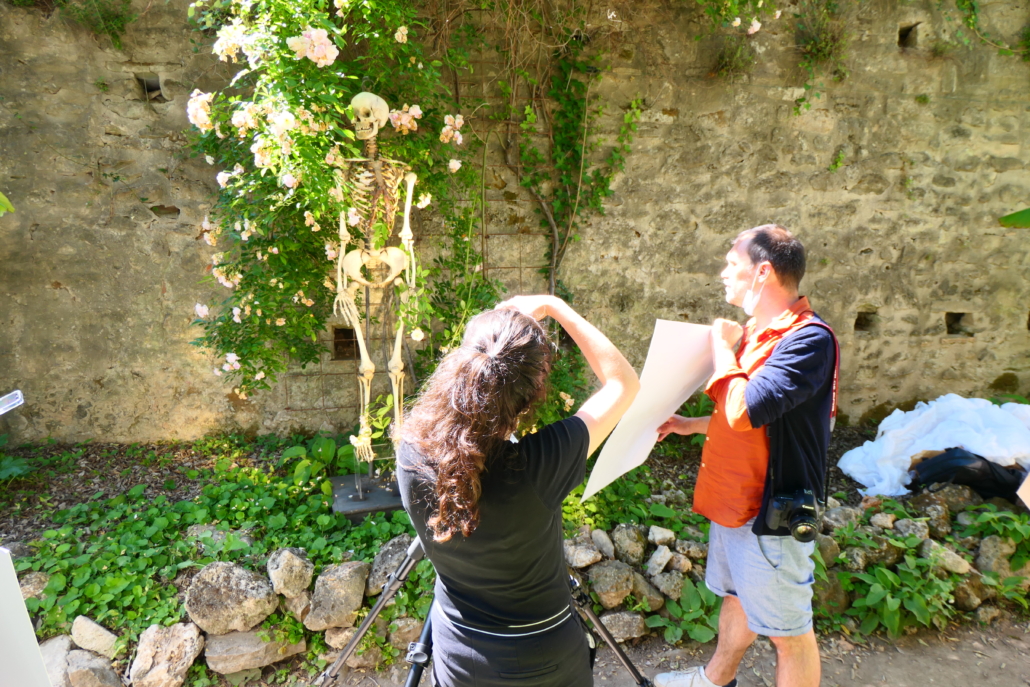
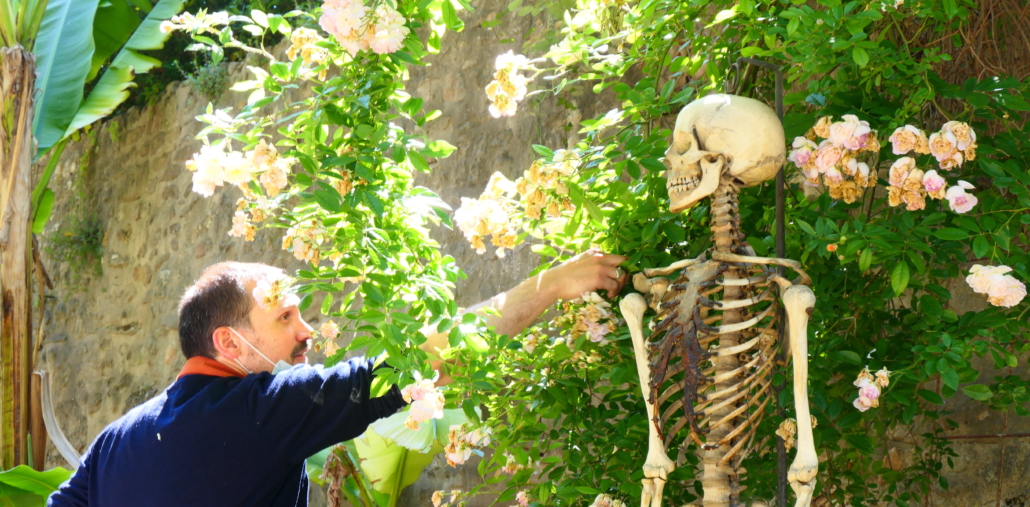
The title of the exhibition is fundamentally linked to itscontent. In fact, for this exhibition, the artist chose to work with anatomical specimens from the Faculty’s anatomy collection. To better understand his project, we interviewed the photographer.


What is your background?

I’m originally fromSète. I attended a design school in Montpellier that is now called ESMA. After that, I enrolled at the Gobelins School of Visual Arts in Paris. Later, I went back to school to earn a master’s degree in Urban Planning and Sustainable Development because I’m interested in cities. In the meantime, I’ve been working in art direction and design at various communications agencies.

What interests me is connecting art to the city, to maps, to cartography, and to people. In my view, an artist must be rooted in their context: urban, political, and human.


Can you tell us about the “Behind the Masks” project?

It was GéraldCHANQUES, a professor at the faculty and a doctor atSaint EloiHospital, who contacted me and proposed this project. I wanted to convey a vision ofwhat healthcare providers can be and the commitments they make. 


How would you describe yourself?

If I had to define myself and my work, I would talk abouttransdisciplinarity. I am a photographer, but I’m also a visual artist; I enjoy working with various materials and collaborating with people from different fields.


Can you tell us about your new exhibition, “Man in His Garden”?

It’s been a while since I first thought of writing about the Jardin des Plantes, but I’ve always had a real passion for the anatomy museum I visited when I was a student. Being able to explore botany through the garden, but also to explore humanity and research on the human body—I think that’s fabulous. The project was a collaboration between the two of us, once again with ProfessorCHANQUES.
This project is interesting becauseit takes me out of my comfort zone;I usuallytake portraits, but that’s not the case here.
Furthermore, since all the rooms are designated as heritage sites, I have a special relationship with the curator. She’s the third subject of this project—I can’t work without her. Usually, I direct my model,but here I can’t because of the piece’s fragility—every movement must be carried out by the curator.
It’sinteresting becausethe artwork and the garden exist independently of me. 

There are three of us working on this project: Jane, who creates digital art and is a videographer; Luc, who does motion design, among other things; and me, who works with visuals and handles the art direction for the whole project. None of us knows what the final result will be.


How did you choose the anatomical structures?

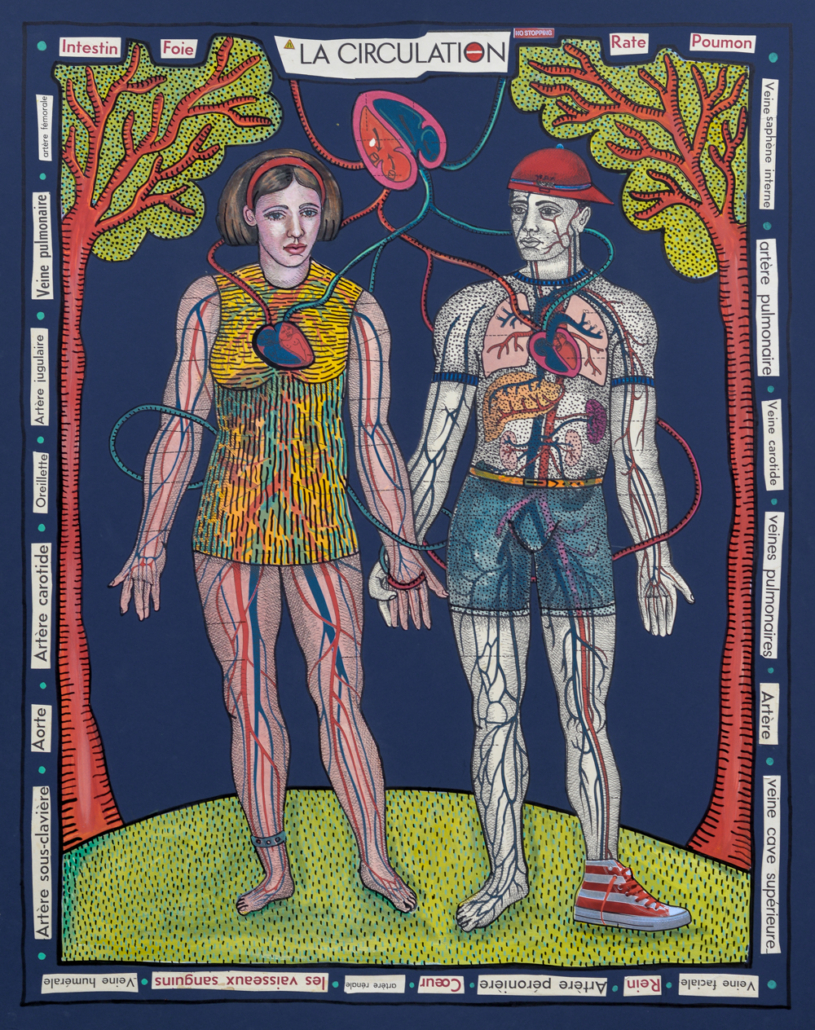
I first sought advice from ProfessorCHANQUES and the curators to find out which pieces are emblematic of the conservatory. I didn’t choose the pieces based on their aesthetic appeal, since the goal of this exhibition is to tell a story and convey meaning.
The only exception to this is a bust we found—no one knows the identity of the person depicted, its history, or the era it comes from. I found it fragile and touching, so I decided to include it. It’s the only piece I selected based on a gut feeling.

There are some pieces that,unfortunately, we were unable to include because of their fragility. I was also drawn to other pieces, but they didn’t depict the human body and therefore strayed from the subject. I’ll explore those later for another, more personal project.

Some pieces are also too heavy to move. However, that’s part of the exhibition’s story.
For some pieces that we couldn’t bring out to the Jardin des Plantes, we brought the Jardin to them by using branches and foliage.


One hundred years ago, students from the Montpellier Faculty of Medicine unveiled works of art in the Jardin des Plantes and its historic building to celebrate the 7th centennial. To recreate this symbolic gesture on the occasion of the 800th anniversary, an association was founded by current students in 2019.

The Birth of an Association

To carry out this project,the Association Carabine Montpelliéraine (ACM) and the Syndicat des Internes du Languedoc-Roussillon (SIRL) have joined forces to createthe Association for a Historic Ceremony of Montpellier Medical Students (ACHEMM). The association consists of 19 members and is chaired by Allan Guilliey, a fourth-year medical student. The association’s goal is to bring the project to fruition, from concept to completion, including the search for artists who will exhibit their works at the new Arnaud de Villeneuve Campus.

An event redesigned in response to the COVID-19 pandemic

Originally, this exhibition was to be launched with a gala organized by ACHEMM students. Numerous European institutions were to be invited to the event in late 2020, and the association had the opportunity to speak at the COIMBRA Group conference, initially scheduled for June 2020. Founded in 1985, this group aims to bring together and promote excellence among European universities, with the goal of sustaining high standards of education, research, and academic mobility on an international level, while fostering unique cultural ties.
Unfortunately, due to health restrictions that have forced a rethinking of the event, an opening reception for the exhibition will now take place in July 2021 to showcase the students’ work.

A colossal undertaking

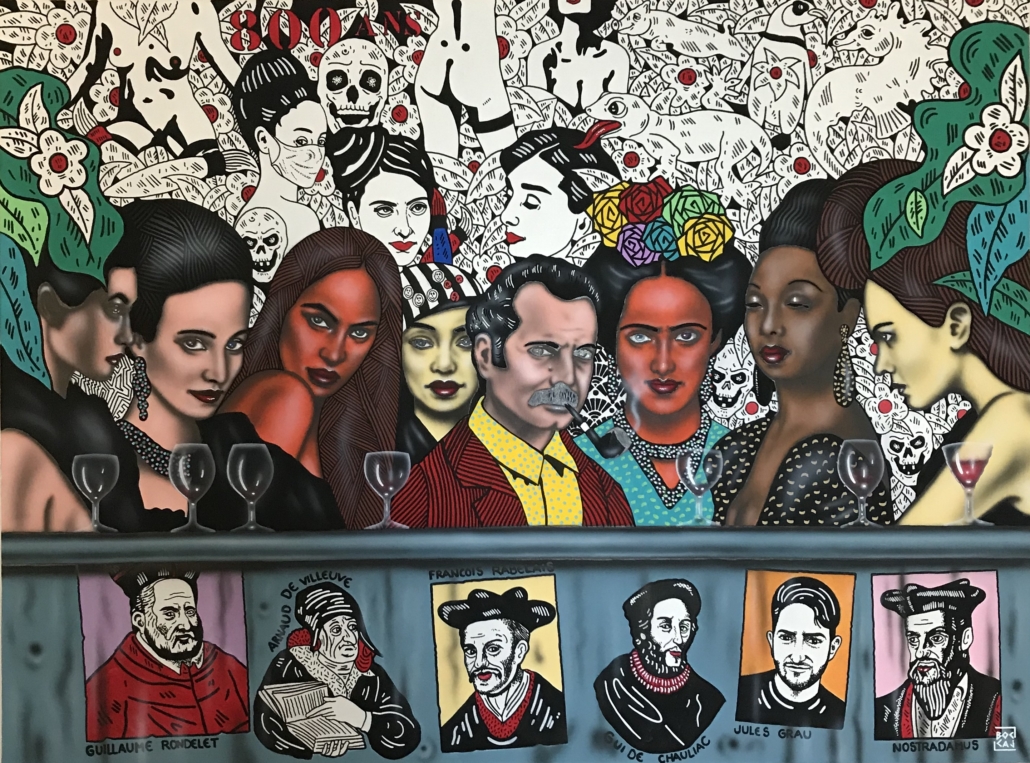
To carry out this project, the students in the association had to invest a great deal of their time and energy. To showcase meaningful works, the students issued a call for submissions to local artists. About twenty artists submitted their work; the students then selected thirteen of them based on which pieces seemed artistically most suited to the project.

Next, the association’s members had to approach local governments to secure funding to pay the artists. These institutions were invaluable in helping to bring this project to fruition.
Ultimately, a tremendous amount of organizational work was carried out over the course of these two years to showcase this exhibition and, through it, the history of the Faculty.

Transmission as a common thread

The theme of this exhibition is transmission. Indeed, in 2017, the 800-year-old Faculty was enriched by a new, state-of-the-art campus: the Arnaud de Villeneuve Campus. The works in this exhibition bridge the gap between these two sites, combining the classical and the modern, realism and abstraction, to represent both locations and, through them, both eras.

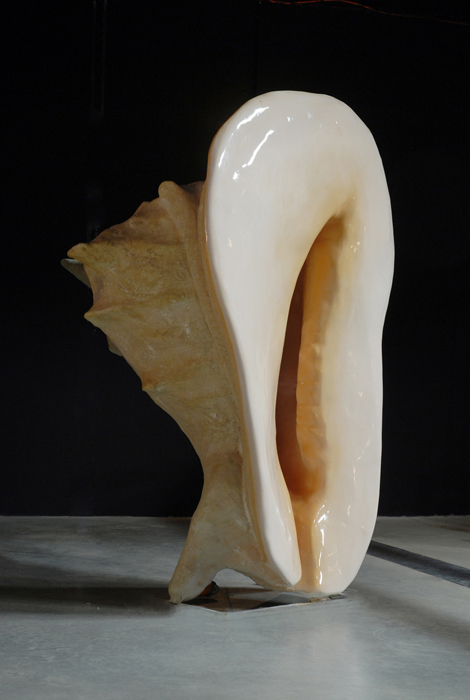
The centerpiece of this exhibition, created by Nicolas Daubanes, is a DNA molecule—a reminder that, although the Faculty is spread across different sites, all of these campuses share the same DNA and are part of its history.

Artists and Their Works

Visit the exhibition

Guided tours will be offered on Saturday, July 10, and Sunday, July 11, starting at 2:00 p.m. They will be conducted in accordance with public health guidelines. Registration is required:


The association would like to thank all of its partners (the DRAC, the FRAC, the Hérault Department, the Occitanie Region, Pumkin, the CROUS, the University of Montpellier, the Montpellier Metropolitan Area, and the City of Montpellier) for their support, as well as Professor Gérald CHANQUES and the faculty staff who worked to ensure the smooth running of this project. 

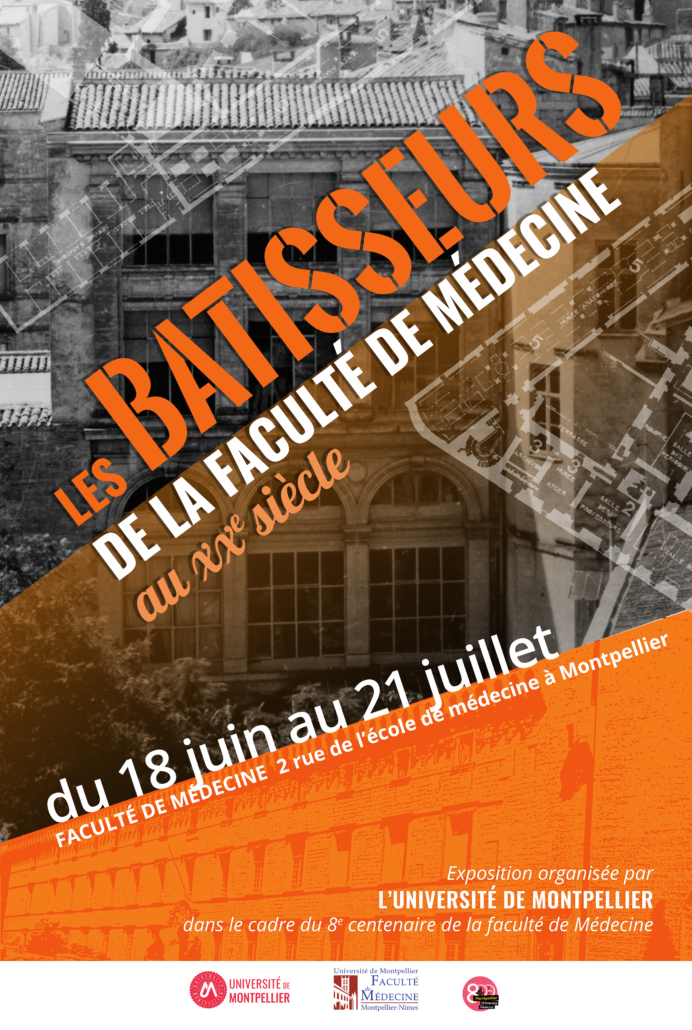
In 2016 and 2018, Ms. Barjon and Ms. Blanc, daughters of former Dean Gaston Giraud, bequeathed their father’s archives to the University of Montpellier. Thanks to these archives, we are now able to present an exhibition on the evolution of the Faculty’s various buildings and sites since its 700th anniversary, commemorated in 1921.


An exhibition divided into several sections

This exhibition, organized by the University of Montpellier’s Archives Department (Sophie Dikoff, Antoine Redouly, and Gwendoline Perrault) in collaboration with Ms. Barjon and Professor Dedet—and with the special participation of Dean Jacques Bringer, Professor Daniel Jarry, and Mr. Serge Caminade—will focus on the evolution of the various buildings and sites that make up the Faculty: the Historic Building, the Institute of Biology, the extensions in Nîmes and on the northern site of Montpellier (the UPM and the Arnaud de Villeneuve campus building), and finally the Jardin des Plantes.

Dive into the heart of the archives

Thanks to donations from the family of former Dean Giraud, this exhibition features a wealth of photographs. You can admire photos of the old buildings and gain an appreciation of how their architecture has evolved over time. The exhibition also showcases other documents that shed light on the buildings’ development, such as architectural plans, handwritten letters, and postcards…

A large-scale project
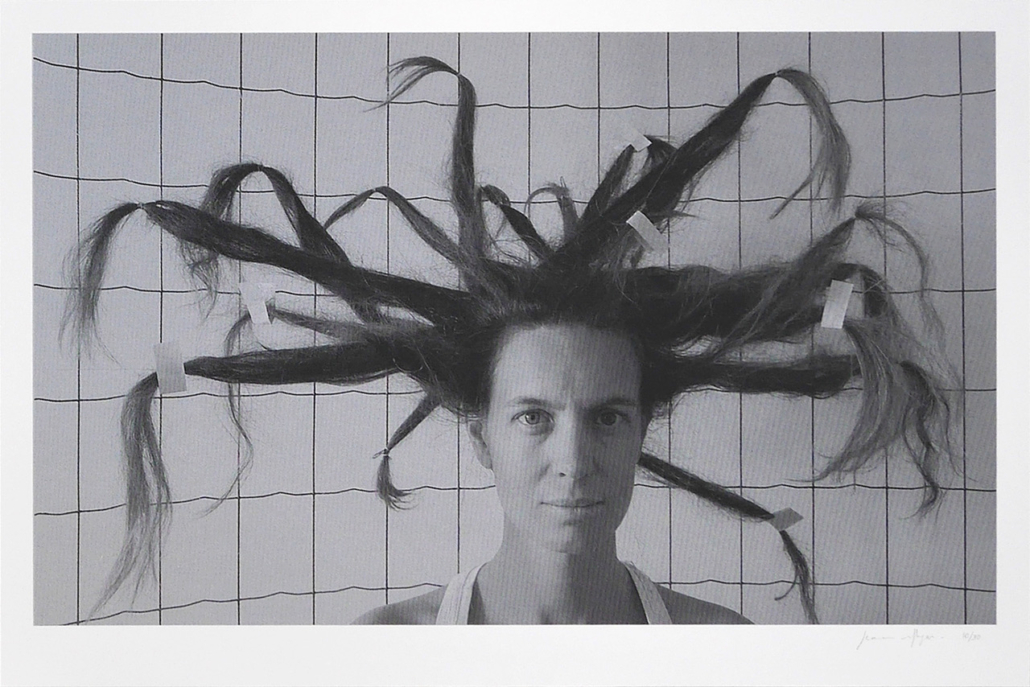
To mark the occasion, we spoke with Sophie Dikoff, the archivist in charge of this exhibition, to learn how it was put together.

Could you tell us about your job?

My role as an archivist at the University of Montpellier is to assist all departments in managing their archives in accordance with current legislation governing public archives. I carry out this mission in collaboration with the Hérault Departmental Archives, which provides scientific and technical oversight. Archives serve to document changes—whether architectural, societal, or otherwise…


Where do the archival materials in this exhibition come from?

Most of these items come from donations by Dean Giraud’s family. Indeed, the dean kept many documents related to his various projects, both in his capacity as dean of the Montpellier Faculty of Medicine and in his personal capacity, as he was passionate about the history of medicine and the Montpellier Faculty of Medicine. The remaining archival materials come from the University’s image collection, the University’s photo library, and that of the Conference of University Presidents, which have been supplemented by photographs taken for the exhibition.


How long did it take you to prepare this exhibition?

The exhibition was originally scheduled to take place in October 2020, but due to health restrictions, we had to postpone it. So I’ve been working on this project since around the beginning of 2020. The process is very time-consuming, as it first requires conducting research to understand the various aspects of the subject (searching archives, reading, meeting with experts), selecting the most interesting documents, obtaining permission to use photos in accordance with copyright laws, writing texts, and determining a visitor route. For the exhibition design, we enlisted the help of a professional exhibition designer, André Dumonnet. For this exhibition, the approach was to organize the presentation by building and then in chronological order. One panel presents a timeline covering all buildings and sites.
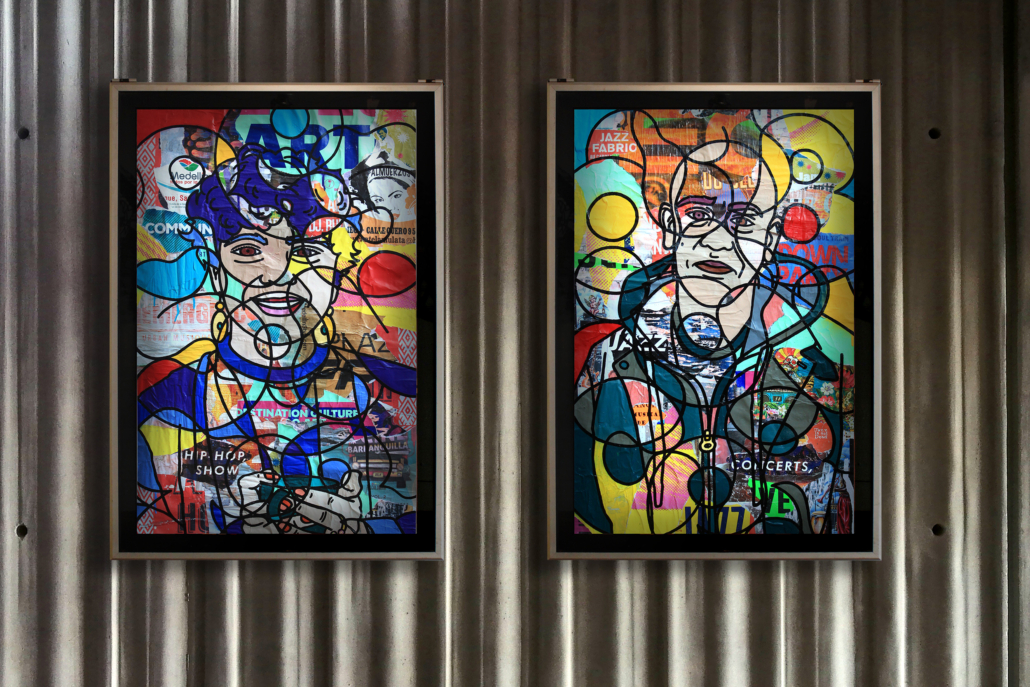
 

An exhibition open to everyone

The exhibition, which will run from June 18, 2021, at 1:30 p.m. to July 21, 2021, at 6:00 p.m., is free of charge. Self-guided tours will be available Wednesday through Friday from 1:30 p.m. to 6:00 p.m. and on Saturdays from 10:00 a.m. to 12:30 p.m., with guided tours available on Saturdays from 1:30 p.m. to 6:00 p.m.


Dear Students, Every year, health sciences students admitted to the medical program are assigned to either the Montpellier or Nîmes teaching campuses. This year, the assignment will take place on July 16 at 9:00 a.m.


Due to recent developments, the terms of this distribution have changed. Please refer to the article below, updated on July 15, 2021, at 8:00 a.m.


For students who have chosen to study medicine

You are currently enrolled in the PASS or LAS program and have expressed a desire to continue your studies in the medicine track in DFGSM 2 for the 2021–2022 academic year, provided you pass the MMOP selection committee.

Under this program, admitted students are assigned to either the Montpellier or Nîmes campuses of the Montpellier-Nîmes School of Medicine.

The following are hereby summoned:

  • THOSE ADMITTED DIRECTLY AFTER THE FIRST ROUND OF EXAMS

    You are scheduled to meet on July 16 at 9:00 a.m. in theRabelais Amphitheater.


PLEASE NOTE: Candidates admitted to the second round of exams WILL NOT be notified.


Practical Information

  • Absence with a proxy

    In the eventof an excused absence, you may be represented by someone holding apower of attorney, accompanied by allsupporting documentation.

    Thank you for making arrangements to attend or to have someone represent you.

  • Absence Without Authorization

    If you are not present in the lecture hall when your name is called, and if no one holding a power of attorney accompanied by all required supporting documents appears on your behalf, you will be automatically assigned to any unfilled seats based on your ranking after the roll call procedure described above. 

  • Address

    641 Avenue du Doyen Gaston Giraud,

    34090 Montpellier


Following the HAS’s approval of the initial prescription of pre-exposure prophylaxis (PrEP) in community settings, the University Departments of General Medicine in Toulouse and Montpellier, along with COREVIH Occitanie (Regional Coordination Committee for the Fight Against STIs and HIV), are hosting an online themed evening on HIV prevention—specifically through PrEP—STIs, and addiction issues related to sexual health.


Webinar Agenda

The webinar will take place on Monday, June 14, at 8:00 p.m. It is intended for general practitioners practicing in the Occitanie region.
The moderators for this event will be Julie Dupouy (MCUPH, DUMG Toulouse), Beatrice Lognos (MCUPH, DUMG Montpellier), and Marie Bistoquet (COREVIH physician).

  • Introduction and COREVIH in a Nutshell (moderators)

  • Epidemiology of HIV and STIs in 2020 (France, Occitanie, Cities) (Alain Makinson, President of COREVIH, Associate Professor of Infectious Diseases, Montpellier) (15 minutes)

  • STIs: Treatment and Vaccination (Dr. Pauline Lansalot Matras, COREVIH Physician) (20 minutes)

  • PrEP: What Do the Studies Say? (Prof. Pierre Delobel, Infectious Diseases, Toulouse) (20 minutes)

  • Diverse Prevention Strategies and PrEP in Practice (Dr. Cyril Perrollaz, CeGIDD Montpellier), (15 minutes)

  • Psychoactive Substances and Sexual Performance: Chemsex (Prof. Hélène Rigole, Montpellier Addiction Center) (20 minutes)

  • Prep and Prevention in the City: What I Do (Dr. Julien Artigny, DUMG Toulouse) (20 minutes)

  • Summary and Q&A (30 minutes)

The University of Marseille (UM), the School of Medicine, and student organizations are joining the fight against period poverty on campus through a solidarity initiative calledRelaX, so that every female student can experience her period with dignity.


According to a recent study published in February 2021, 33% of female students report facing financial difficulties in obtaining menstrual products. These difficulties affect the physical, mental, and social health of those in the most vulnerable situations.

The University of Montpellier is committed to this cause, particularly on the campus of the Montpellier School of Medicine. You can find these bags on the Nîmes campus, located in the restrooms on the ground floor of Building A and in those of Building B next to the cafeteria; on the Arnaud de Villeneuve campus in the student organization offices; and finally in the restrooms on the first floor of the UPM building. Anyone can contribute with a simple and discreet gesture by donating sanitary products in their original packaging.

This bag will allow female students to drop off or pick up sanitary products on their own.

Given the ongoing crisis and the very demanding workload that staff in long-term care facilities and medical-social services for the elderly (EHPADs and SSIADs) have been facing for over a year now, significant staffing needs are expected in these facilities.


Students, find your summer job now

In light of the current health crisis, the demand for healthcare staff in nursing homes and home healthcare services has increased significantly. As a result, there are several job openings throughout the region. These facilities offer various types of positions, such as nursing assistants, personal care aides, and activity coordinators. You can therefore apply for multiple positions based on your interests and educational background.


Why Apply?


  • Expand Your Professional Experience

  • Serving the Common Good

  • Discover New Careers

How do I apply?

Students who are unable to find a summer job using the resources available to them can also register directly on the platform https://renfortrh.solidarites-sante.gouv.fr/ by clicking on the “I am an available professional” button and filling out the short questionnaire with their availability dates and the location where they are looking for work. They must register as a nursing assistant. An ESMS can then contact them directly.


The celebration of our Faculty’s 800th anniversary continues with a new, fun-filled event! Join the team at the Manoir du Crime on Saturday, June 5, and Sunday, June 6, for unforgettable evenings full of thrills…

A Full-Scale Investigation

This historic building will be the setting for a life-size game. Fans of Cluedo and mystery shows, put on your best detective outfit to solve the mysteries of theTroupe du Manoir!

The year is 1806. Gabriel Prunelle is traveling the roads of the Empire, gathering a large collection of books to build a one-of-a-kind library.
But meanwhile, in Montpellier, something sinister is brewing at the university. One of the books acquired by Mr. Prunelle is at the center of a macabre discovery. 
Will you be able to get to the bottom of this story?

This “Soirée du Crime” marks the return of the Manoir du Crime Association after several months of anticipation.
And the Manoir Troupe is celebrating its return in partnership with the University of Montpellier and the School of Medicine.
To mark the faculty’s 800th anniversary, we are once again delighted to welcome you to the prestigious setting of the anatomy amphitheater in the historic building located across from the Jardin des Plantes.

A demonstration that adheres to safety guidelines

We want to ensure you have a wonderful evening in an incredible setting while complying with health guidelines, so here are the rules to follow:

– Masks are required for everyone, including members of the Troupe.
– Hand sanitizer will be available. Please feel free to use it.
– Teams of 6 players will be formed to comply with the current “Rule of 6”
– Teams will be spread out throughout the auditorium to ensure social distancing
– The evening’s “assistants” (members of the Troupe du Manoir) will wear gloves when handing out event materials.
– Part of the evening will take place outdoors, in the main courtyard.

An event requiring registration

Two sessions are offered:

  • Saturday June 5, from 5 p.m. to 8 p.m.
  • Sunday June 6, from 3:30 p.m. to 6:30 p.m.

Flat rate: 20€

In this article, you’ll find a message from Prof. Mariano-Goulart, Prof. Lumbroso, and Dean Mondain regarding recent news about the suspension of the numerus clausus for PACES repeat students. 


"Dear students,


We invite you to read the statement from the Conference of Deans of Medical Schools, following the announcement suspending the decree on the numerus claususfor PACES repeat students, particularly the sentence The key point is thatunder no circumstances will the numerus clausus for students repeating PACES be reduced, nor will the number of available spots for PASS/LAS students.”
 
The first year of health studies is a challenging one for students of all generations; the exceptional health conditions we are currently facing, questions about a new reform, and the various announcements made in recent months do not make things any easier.
We hope this message will put your mind at ease and help you regain your composure so you can prepare as best as possible for the end-of-year exams.


Good luck, everyone.


"Best regards."
Professor Denis Mariano-Goulart
Professor Serge Lumbroso
Dean Michel Mondain

MUSE, Montpellier University of Excellence, is organizing a contest for students to test their knowledge of the university.

The CONNECT competition runs from March 29 to April 9, 2021, and is open only to students who are members of the MUSE consortium during the 2020–2021 academic year.

Students must answer 10 multiple-choice questions on MUSE topics.

After completing this survey, students will have the chance to win one of the 100 prizes up for grabs:

  •  15€500 gift cards for the Odysseum shopping center
  • 20 €250 gift cards for the Odysseum shopping center
  • 40 €100 gift cards for the Odysseum shopping center
  • 25 Montpellier University of Excellence Sweatshirts

The drawing will take place between April 26 and 30, 2021.


Good luck, everyone!