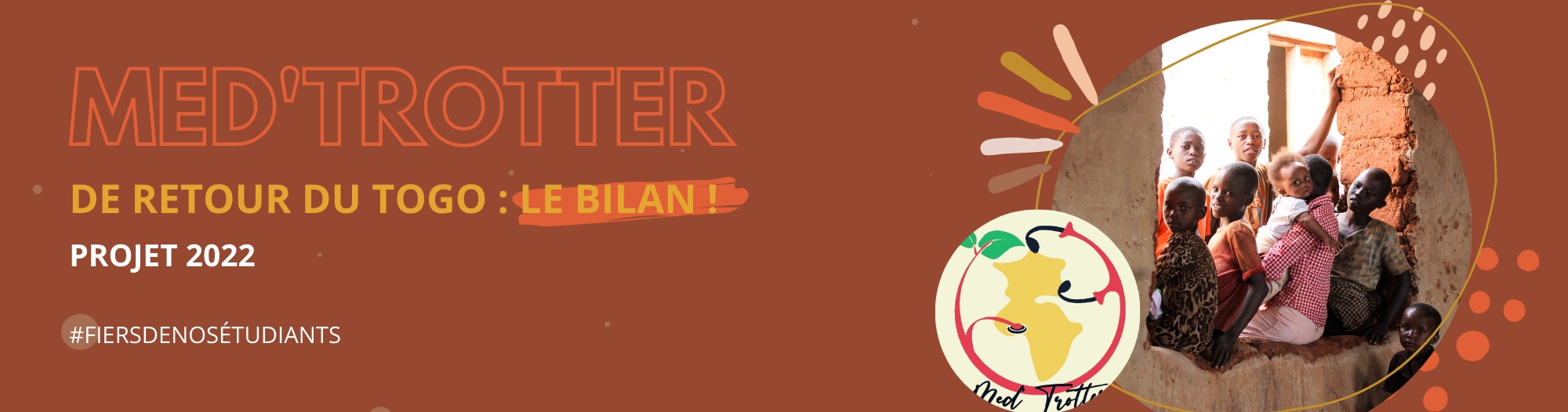
In July, through the ACM’s exchange program, 13 students had the opportunity to travel to Togo as part of a solidarity project for an organization working to renovate a school. A presentation evening for the International Solidarity Project was held, featuring a film screening! Here’s a recap of their experience.

How was your trip?

The trip went wonderfully well. We were obviously very anxious because, although the project had been planned three years ago, it had never come to fruition due to the health crisis. So we were the first to go, but the trip went well in every aspect—from the pre-project phase (fundraising, grants, raffles, etc.), to safety, to our relationships with the Togolese volunteers and the children, and on the construction site itself… Our arrival was also well organized by our local partner organization, Espace Hotsi, which accompanied us from our arrival at the airport until our departure, handling accommodations, meals, transportation, and more…

What were your responsibilities?

Our main mission was to help renovate four kindergarten and elementary school classrooms, as well as the latrines. Our support was primarily financial, as we covered the costs of materials and volunteers (approximately 3,800 euros). We also provided hands-on assistance by serving as additional labor on the construction site.
In the afternoons, we organized games and workshops with the village children who volunteered (painting, dodgeball, etc.). We also attended the school’s end-of-year ceremony where academic results were announced. We took this opportunity to provide the students with the school supplies needed for the start of the 2022 school year, thereby ensuring equal opportunities since not all children can afford to pay for the required supplies.

What have you put in place?

The project involved renovating the staircases (masonry), the roof, the gutters, and painting (we sanded and then repainted the exterior and interior walls).

Have you encountered any unexpected complications?

We can’t say we ran into any real complications. We had prepared ourselves to be put off by the different hygiene standards, but we actually adapted pretty quickly (adaptation happens fast when you have no choice). So, what surprised us most at first was how independent the children were, even from a very young age (sometimes a 5-year-old would carry and take care of their 1-year-old sibling). We also noticed cultural differences regarding romantic relationships and how they are conceptualized. Aside from the culture shock inherent in this kind of experience, we didn’t really face any major complications; it’s simply a matter of adapting to every aspect of life in a country where the way of life is the opposite of what we know in Europe.

Before your trip, you reached out to Médecins du Monde. How did you go about raising awareness?

In fact, we initially got in touch with Médecins du Monde, who were very eager to support us in this endeavor; unfortunately, after several follow-ups, we didn’t hear back from them. So we had prepared some awareness-raising sessions, but once we were there, putting them into practice proved much more difficult than we had anticipated. First of all, because not all the children speak French well, depending on their age (they learn French at school since it is the country’s official language). And above all, they just wanted to play with us and do physical activities. The diversity of the group therefore prevented us from carrying out our awareness-raising activities as we had hoped. This aspect of the mission is therefore an area for improvement for next year.

How did the experience affect you?

That’s a pretty tough question. I think it took each of us some time after we got back to “process” everything we’d been through. We don’t claim that this trip completely transformed us or that we’re now entirely different people. But this experience certainly left its mark and gave us a lot on a human level. It’s sometimes good to get a “wake-up call,” and we can say that what we experienced was a true cultural, social, and human whirlwind. Back home, we’re still ourselves—medical students at the Montpellier-Nîmes Faculty, caught up in the grind of our daily routine—but not a day goes by without me thinking back on that trip to Togo. I don’t know if this experience will make me a better person or improve my practice as a future doctor, but it has given me something—that much is certain.

What is your assessment of the situation?

I am pleased to say that the outcome of this mission has been extremely positive. Of course, there is room for improvement in terms of pre-departure planning, on-site financial management (difficulty withdrawing funds), and the preparation and adaptation of our outreach efforts. But the very fact that we successfully completed the mission is a success in itself. Furthermore, we are certain of the value of our work, as we are in contact with Étienne, the school director, who regularly sends us videos of the children attending classes in their newly renovated building. This project is therefore clearly worth repeating, while doing our utmost to improve upon the minor hiccups of this year.

Do you have any new projects?

The new Vice Presidents in charge of Exchange Programs at the Association Carabine Montpelliéraine recently presented this year’s new project to medical students, which involves returning to Togo with the Espace HOTSI association. Indeed, we are convinced that continuing this mission is essential for another year. The format of the project therefore remains the same (renovation work, construction, tutoring, etc.), while the specifics are still to be determined with the new Med’Trotters team, which will be selected soon.

Watch the Med’Trotters’ adventure on video!

Did you know? There’s a tutoring association for upper-level health science students at the Montpellier-Nîmes Faculty of Medicine! Known as TASM3 and easily recognizable thanks to its mascot, THOR the turtle, the association is chaired this year by Siham BELMIR. Read her interview below!


In a nutshell, what is the TASM3 association?

This is a nonprofit mentoring organization that provides guidance and academic support to medical and midwifery students from their second through sixth years.

By the way, should we call you TASM3 or Thor Tutosup’?

TASM3 is the association’s official name, but we’re more commonly known as Tutosup’. Thor is just our mascot, much like Oscar for ACM or Freddie for Med’ley.

What activities do you organize throughout the year? Could you tell us about them?

  • For DFGSM2 students:
    • A P2 SPR course with a review of biophysics and cell biology/histology
    • Wooclap review sessions on all course units covered in the midterms
    • Anatomy Tutoring
    • Small-group internship debriefing sessions


  • For DFGSM3 students:
    • Semiology sessions
    • A workshop on methodology and information about R2C and how to work with middle schools
    • Small-group internship debriefing sessions


  • For DFASMs:
    • ECG and medical imaging interpretation sessions
    • Workshops on suturing and sterile dressing techniques
    • A seminar on outpatient care and how to admit a patient to the hospital
    • Prep sessions for the ECOS


  • For midwives:
    • Review sessions


  • For everyone:
    • Raffles to win medical reference materials and equipment
    • Discounts at participating stores or retailers

Why did you join the organization as an individual?

I joined the association after two years of mentoring first-year students. I’m passionate about teaching, so it felt like a natural step to take over the association. With the R2C reform, I think it’s important to have a Student Support Team worthy of the name to provide the best possible support and guidance to students. I really wanted to expand the association’s activities to broaden our reach on the campuses in Montpellier and Nîmes.

What does your organization offer students? Why do you think someone should join your organization?

It helps students reinforce their knowledge and provides a sense of calm ahead of upcoming midterms and internships. We offer academic and emotional support to students as they navigate their studies, which are known to be demanding and challenging. Our association is based on mentorship and peer learning, which are core values in health studies. We take a different educational approach because these sessions are led by students for students. Tutors are much more accessible and available, and serve as a liaison between students and academic advisors.

How do I join TASM3?

Membership in our association is free and automatic upon entering the second year of medical or midwifery school. It grants you access to our sessions and to the information shared on our Facebook and Instagram pages. We post our partners’ offers, as well as multiple-choice quizzes and practice clinical cases, on our social media channels.

A few words about the 2022–2023 board?

Our office is made up of third- and fourth-year medical and midwifery students from our two campuses in Montpellier and Nîmes. We are deeply committed to the association’s growth; we would like to expand the scope of our tutoring programs and launch new initiatives to better meet students’ needs. We are proud that many of our projects have come to fruition this year, notably the suturing and sterile dressing workshops, as well as the SPR P2, and we hope to continue this momentum.


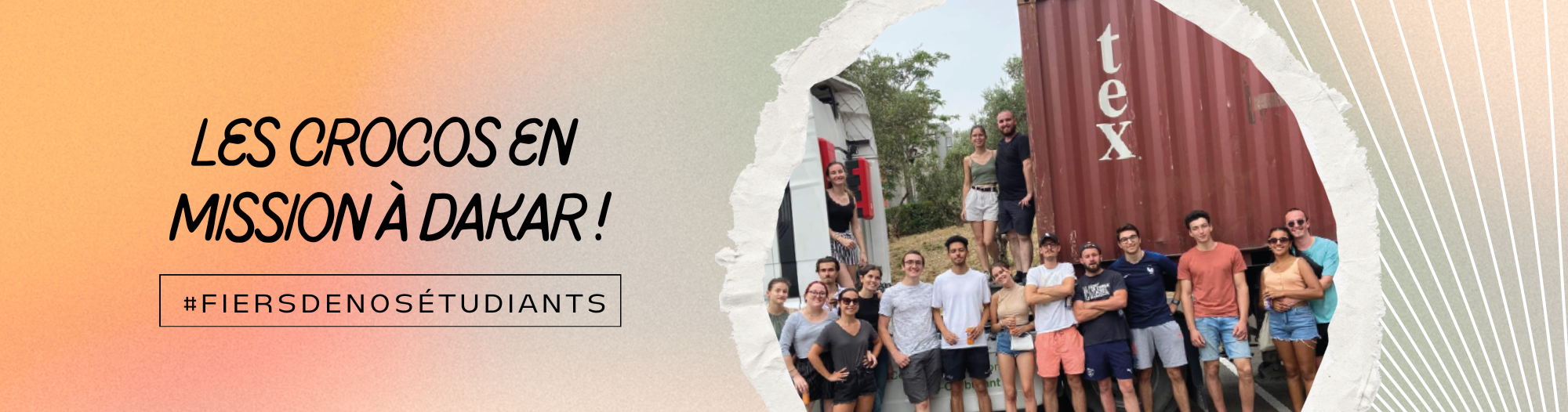
Our students have talent and ideas to spare! While our students in Montpellier are getting involved in a solidarity project in Togo, our students in Nîmes have chosen Senegal and the city of Dakar for the annual humanitarian project organized by the Crocos du Monde association. It’s a wonderful initiative that we didn’t want to miss sharing. Here’s a report and an interview.


Crocos du Monde: A Nîmes-based nonprofit dedicated to humanitarian causes

Founded in 2007, “Les Crocos du Monde ” is a student organization composed of health sciences students from the Faculty of Medicine at its Nîmes campus. Its goal is to enable students to engage in humanitarian activities and raise awareness of global inequalities. The association participates in international solidarity projects focused on health and education, made possible through fundraising efforts conducted during the academic year. Several initiatives have already been carried out in countries such as Cameroon, Burkina Faso, Morocco, and Togo.

What is the DAKAR Project?

This year, Crocos du Monde is taking action in Senegal. For the 2021–2022 project, the association is focusing on raising funds and collecting medical and paramedical supplies to be sent to Fatick. During the school year, students had the opportunity to meet with several organizations—the AAD, the MRCCR, and the OSD—to exchange supplies and knowledge. The Nîmes University Hospital contributed to this cause by providing supplies as part of a partnership and international hospital cooperation initiative established between the Nîmes University Hospital and sites in Senegal.

A project brought to life!

With the help of the administration and members of the CDM, the container was loaded at the Faculty of Medicine in Nîmes. It was then transported to Fos-sur-Mer, from where it departed on June 22 and arrived at the port of Dakar on June 30, 2022.

To confirm that the equipment had arrived safely and to verify that it was functioning properly, three DFGSM2 students traveled to the site from July 15 to 20, 2022, accompanied by the association’s president. The visit provided an opportunity to meet with local contacts and tour the Fann University Hospital as well as the Fatick General Hospital in preparation for next year.


To learn more about the ins and outs of this project, we sat down with Joffrey Buland, the 2021–22 President of Crocos du Monde! Check out his interview below!


Hi Joffrey, could you introduce yourself and tell us what your role is in this project?

Hello, my name is Joffrey Buland and I am currently a second-year medical student in Nîmes. During the Crocos du Monde “Dakar 2022” project, in my first year, I served as president of the association. The president’s role, in collaboration with the executive committee, is to organize the international project. We handled communication with local contacts, issued requests for quotes for the end-of-year container, and organized its shipment as well as the trip to the destination.


Can you tell us more about this project? What did it involve?

This project was a new venture for Les Crocos du Monde; our goal was to launch an international initiative with greater staying power—a long-term partnership that could be renewed each year. It was with this same goal of sustainability in mind that we came up with the idea of the shipping container, to give a second life to the supplies we were able to collect throughout the year. Since Les Crocos du Monde is primarily focused on sharing and sustainable development, the idea seemed fitting to us. The goal was to collect medical and paramedical supplies throughout the year via various partners, which were then shipped to Senegal, specifically the Fatick General Hospital, located 150 km south of Dakar.


Why did you choose Senegal? What led you to make that choice?

We turned our attention to Senegal thanks to a doctor at the Nîmes University Hospital, Dr. Christophe Boisson, who was of immense help in getting our project off the ground. Dr. Boisson has been sending containers of medical supplies to Dakar for several years now; it was with him and our trusted contacts on the ground that we decided to focus our efforts on the Fatick General Hospital. This led to an official partnership between Carémeau University Hospital and Dakar University Hospital, of which Crocos du Monde and Fatick are branches. This partnership has three main focuses: the delivery of supplies, in which we participated; medical and paramedical training through the simulation center; and training for biomedical engineers and technicians.


How did you organize the collection of supplies?

The collection of supplies began with the hospital identifying its needs and providing us with a list. From that list, we selected the supplies we were able to obtain—those that were within our reach. The “Dakar 2022” project was therefore primarily focused on the nephrology unit currently under development in Fatick. Once we had identified our target, we reached out to our partners—including individuals, other organizations, and primarily the Nîmes University Hospital and Dr. Boisson—and began our search and collection efforts.


In the end, what kind of materials were you able to collect? How much is that?

By the end of the year, we had collected enough to fill a 33-cubic-meter container—2.5 tons of supplies. Most of these were urology and nephrology supplies, including catheters and urinary ostomy kits, but we also had some surgical supplies, such as ventilator circuits and laparoscopy kits. We were also fortunate to find large electronic equipment, 7 emergency stretchers, and a delivery table. Since the goal was to give a second life to what we sent, all expiration dates were checked, and all electronic equipment was tested and refurbished as needed through Apelem, an association of biomedical engineers and technicians that is part of the partnership with the Nîmes University Hospital.


You were part of the trip in July. How did it go? What did it mean for you and your colleagues?

The four of us traveled to Nîmes with three second-year medical students, two of whom are now part of the executive committee. The goal was to show them around facilities like the Fatick General Hospital, where they will be collecting supplies, so they could get a clear idea of their upcoming 2023 project. At the same time, we introduced them to our trusted partners and local contacts, which will facilitate better communication in the coming year and help them understand the why, the how, and the for whom. This trip was deeply enriching on a personal level; it allowed us to observe and understand different hospital and cultural systems, with resources that also vary to some extent depending on the facility.


Does this inspire you to get involved in humanitarian medicine?

Humanitarian medicine has always been my main goal; even when I started my pre-med program, my aim was always to join Doctors Without Borders or another organization to go on a mission. When I discovered the Crocos du Monde association, and had the chance—along with my friends—to get involved in my own way starting in my first year of medical school, I didn’t hesitate. This year has allowed me to further deepen and strengthen this dream for after I graduate.


What about future projects for Crocos du Monde?

To answer this question, I’ll hand it over to Chloé Messines, the new president of Crocos du Monde for the 2022–2023 term.

Chloé: Les Crocos du Monde remains focused on the partnership between the University Hospitals of Nîmes and Dakar, and more specifically on assembling the container of medical equipment; the bulk of our internal funding and the events we organize are aimed at financing this project. Furthermore, it is important for us and our Senegalese partners to meet in person and confirm that the container has been received successfully. Just as we did last year, Les Crocos du Monde are committed to traveling to Dakar and Fatick to connect with the people who made this project possible. Now, our goal for this year is also to foster a vibrant community life for our members by offering a wider variety of events (clean walks, school outreach, outreach patrols, etc.), with a focus on inter-organizational collaboration (such as our involvement in the “Nîmes en Rose” project led by the midwifery student association and “Pep’s Week” with Tutorat Santé Nîmes). Thus, we rely on the motivation of second-year medical and midwifery students to ensure the association’s successful development.


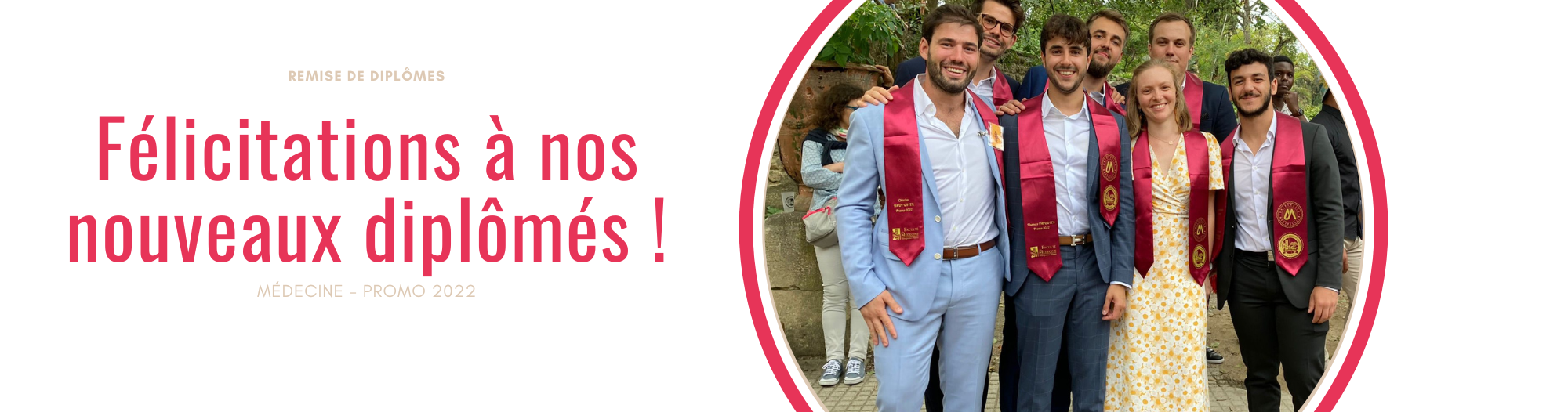
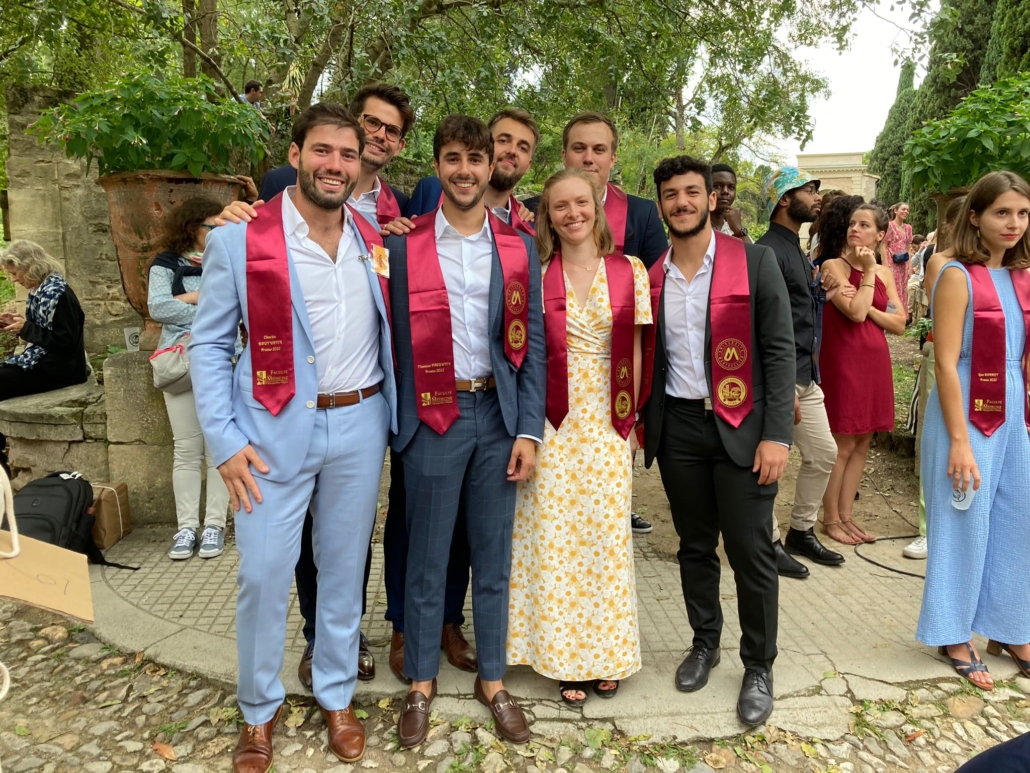
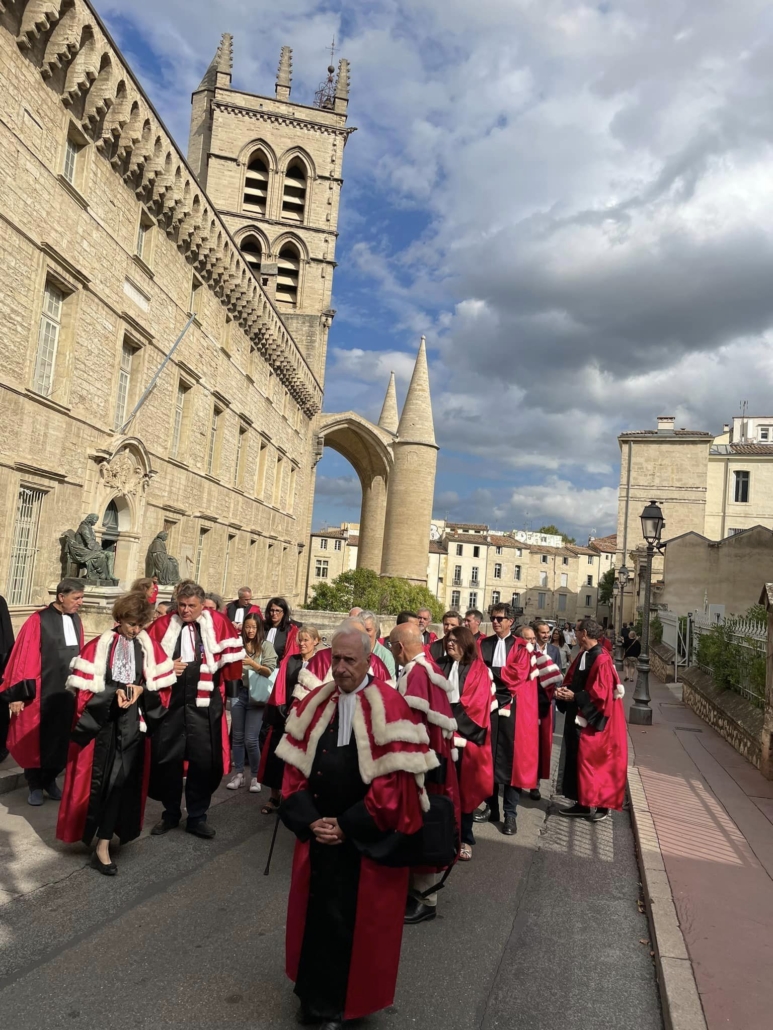
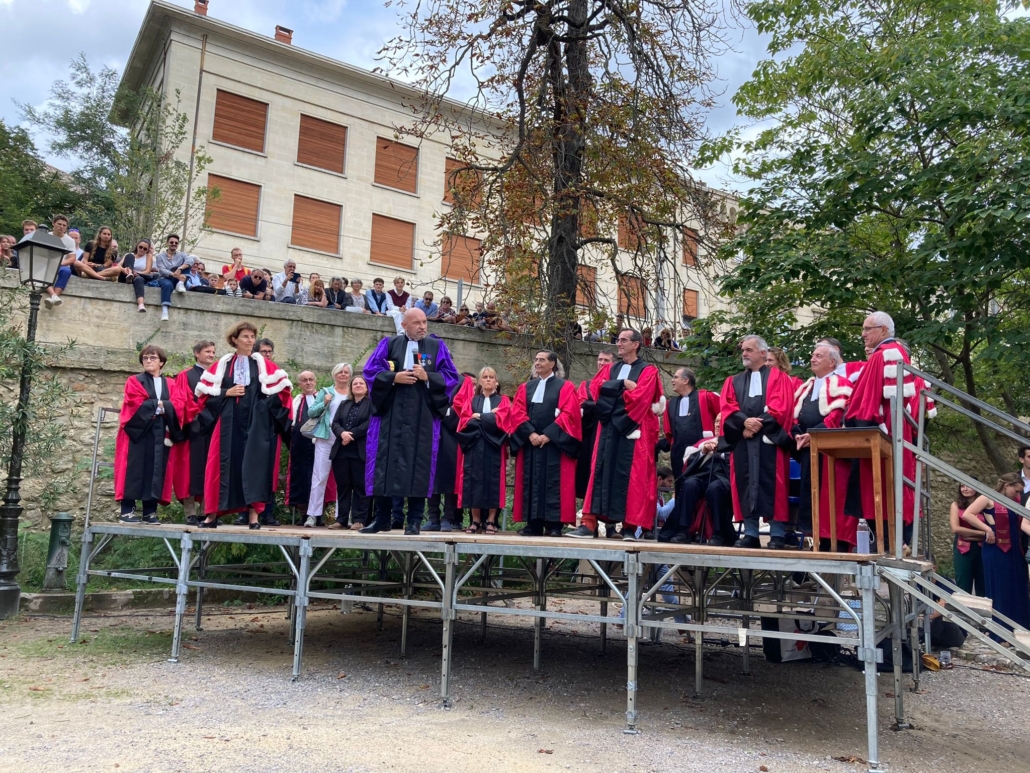
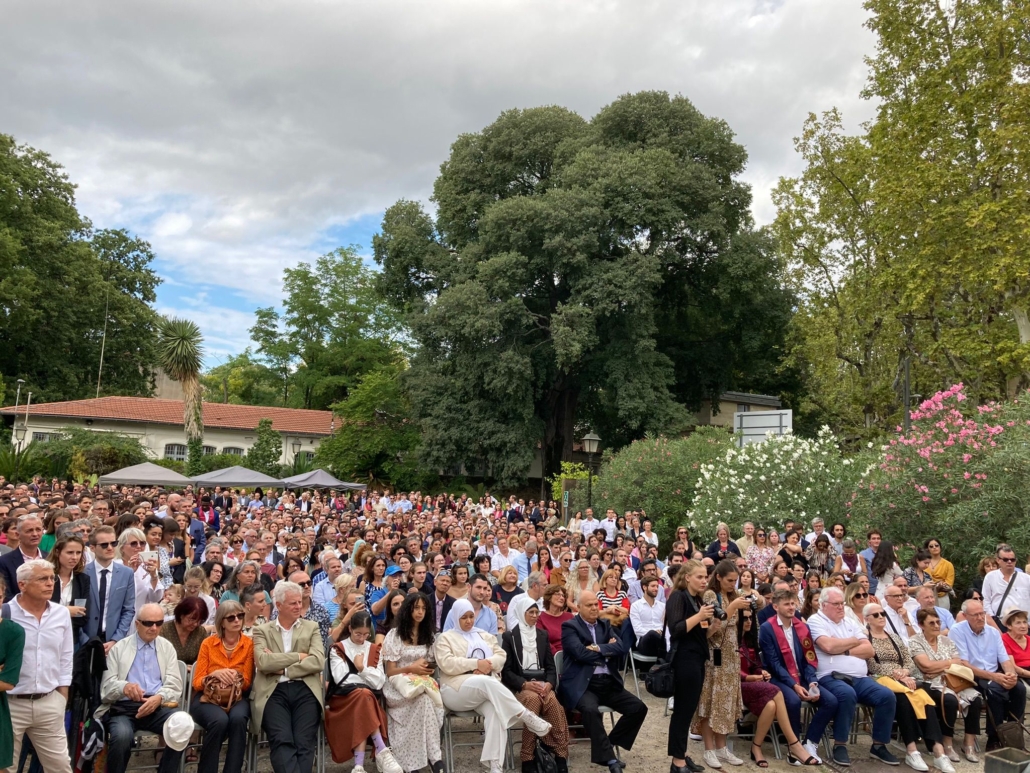
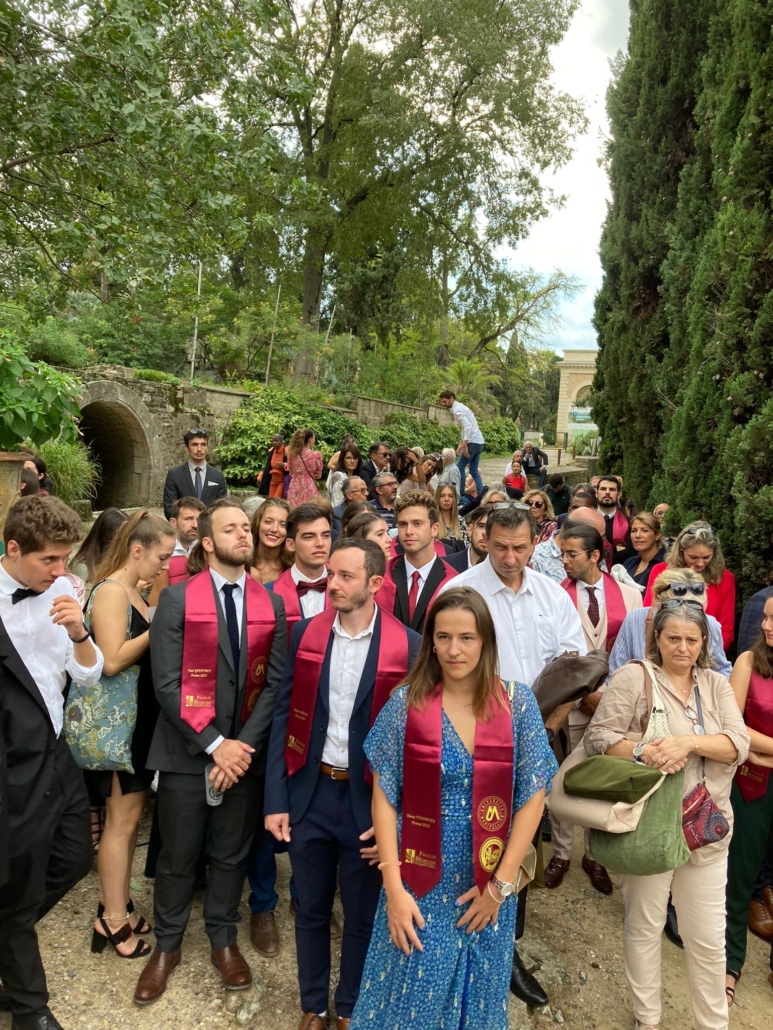
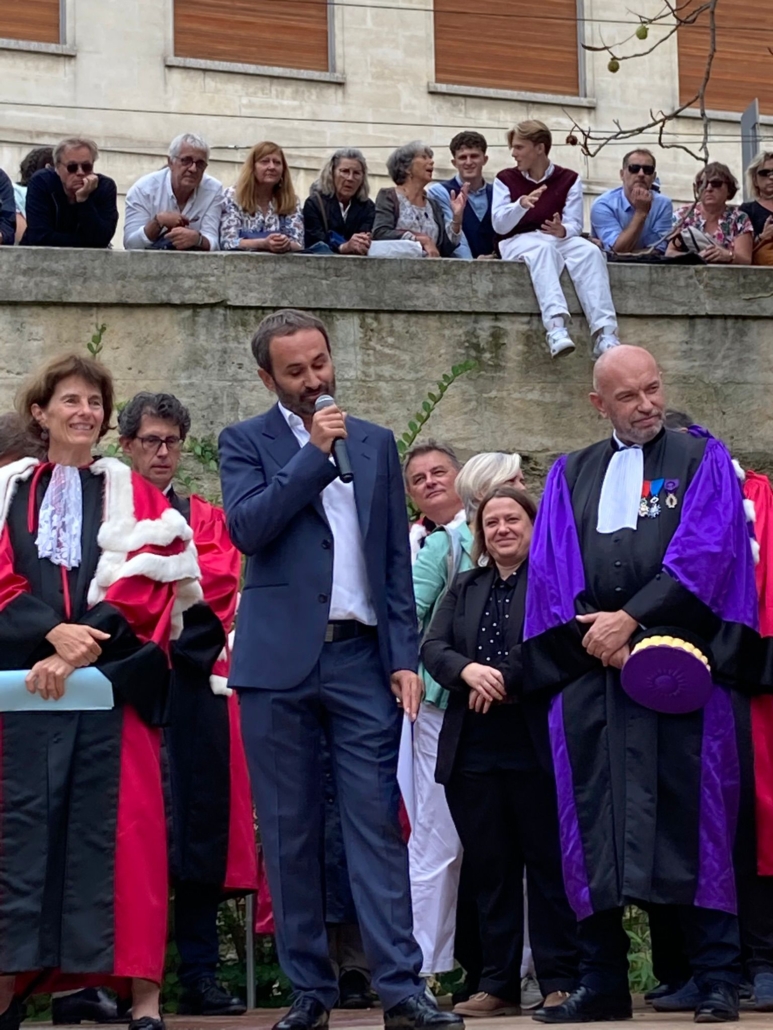
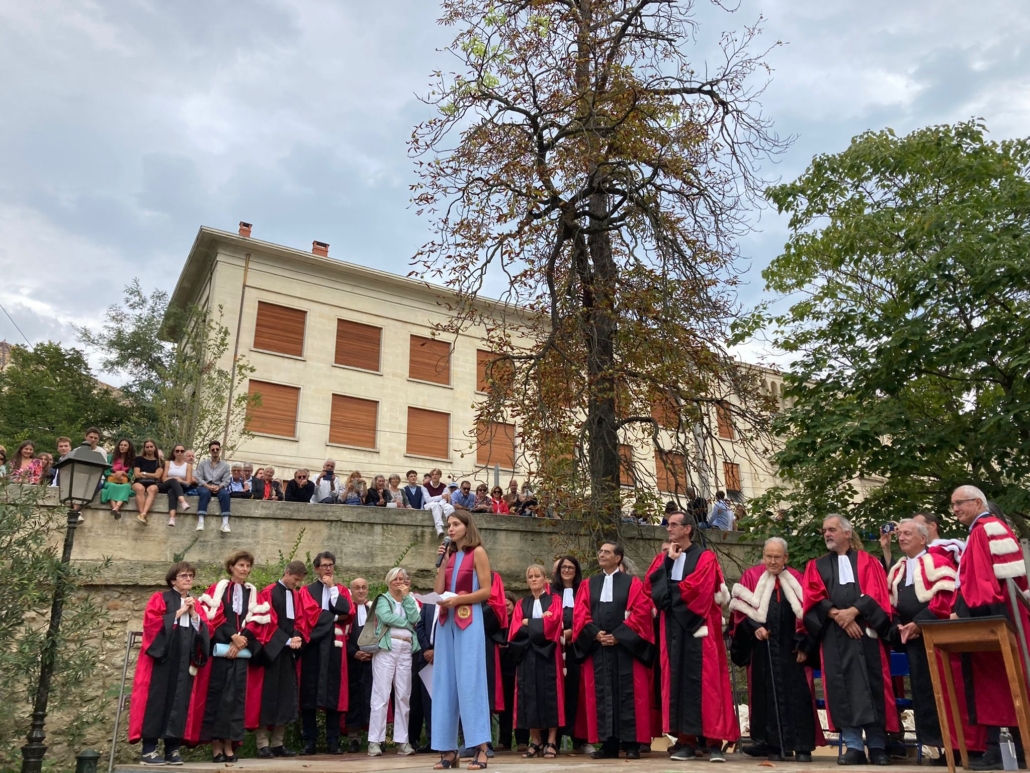
A few weeks after our Advanced Practice Nurses (APNs), it’s now our medical students’ turn to attend their graduation ceremony.

A ceremony traditionally held at the Jardin des Plantes

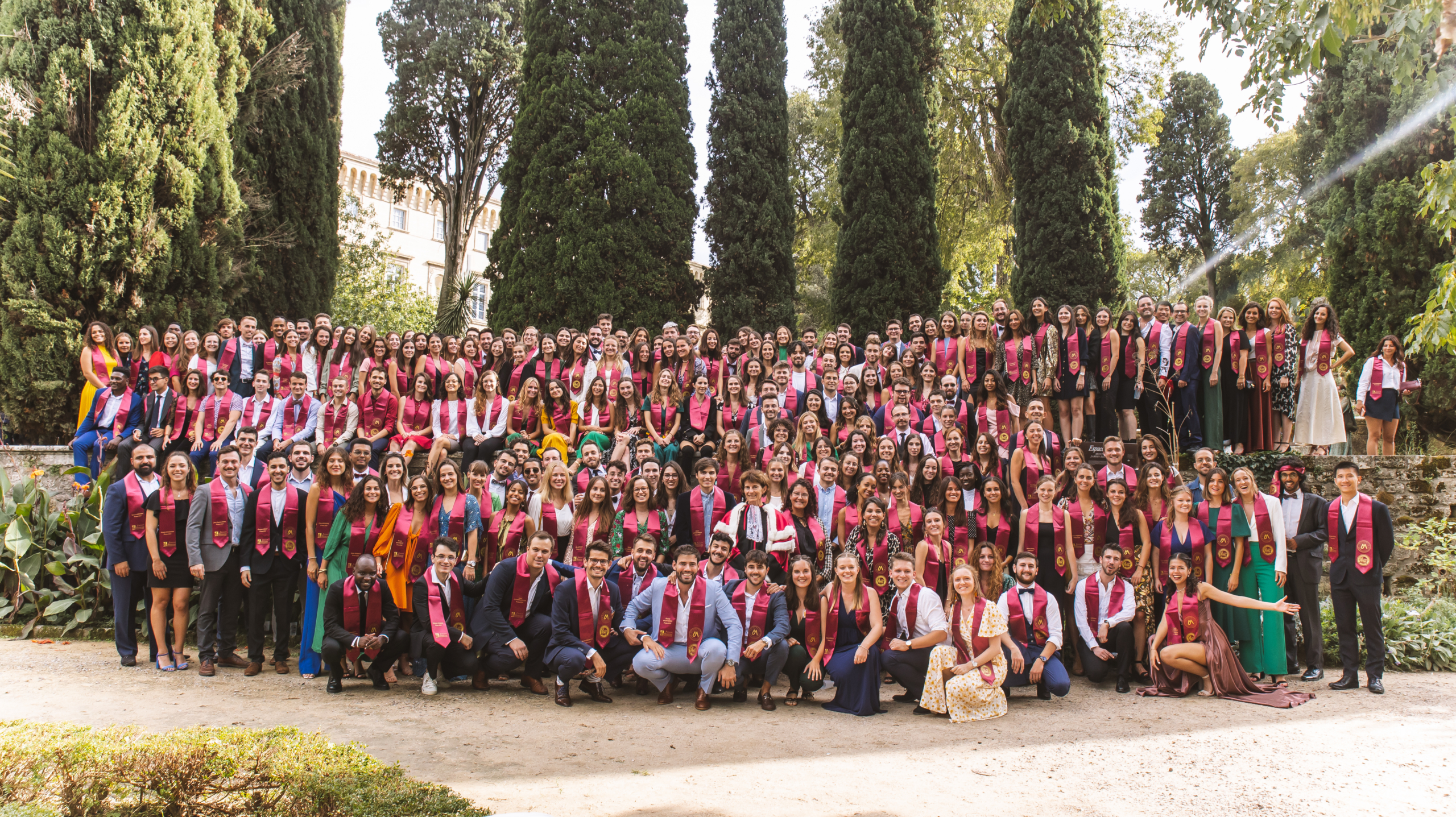
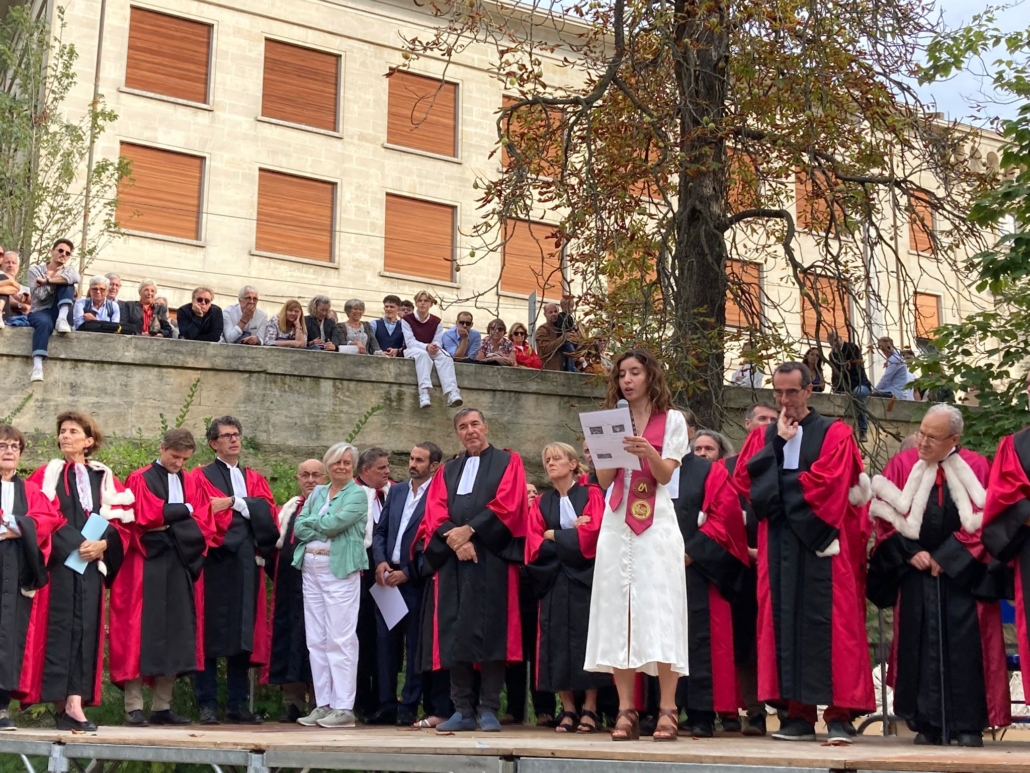
Traditionally held at the Jardin des Plantes on the third weekend of September, this ceremony gives our students’ friends and families the chance to (re)discover the faculty through a private tour of the campus led by our faculty members, before cheering on our new graduates!


A rite of passage into postgraduate medical studies

The students attending this ceremony are completing their first two years of medical school (six years). They are now entering their third year of medical school and will begin their residency in one of the medical or surgical specialties, either in Montpellier or in other cities.

We wish them all the best in their future careers! Congratulations to everyone!


A few photos

This is an event not to be missed for students, practitioners, teachers, and staff: the Cin’éthique film screenings and discussions, organized by the Espace de Réflexion Ethique d’Occitanie, are back. See below for the schedule of upcoming screenings.


A location and schedule to keep in mind for four sessions a year

Cin’éthique’s film screenings and discussions take place at 7:30 p.m. in the Faculty’s anatomy lecture hall, located in the Historic Building. Click on the image below to view the detailed schedule of screenings and accompanying discussions.


This year, as part of Heritage Days, La Mission Bern, in partnership with the Fondation pour le Patrimoine and La Française des Jeux, will present the Jardins des Plantes team with a check funded by the Heritage Lottery! In the afternoon, a program of free guided tours awaits visitors.


The Jardin des Plantes, selected by the Heritage Lottery

As we learned last March, the Jardin des Plantes was selected by the Mission Patrimoine—a program entrusted to Stéphane Bern by the Ministry of Culture along with 18 other French sites to receive funding from the Loto du Patrimoine. In addition to providing significant national exposure, this program will give the Jardin des Plantes administration a much-needed boost for its renovation, with work expected to begin shortly.

To celebrate this occasion, the Jardin des Plantes will host a delegation from Mission Patrimoine and La Française des Jeux during European Heritage Days. An awards ceremony will take place at 10:30 a.m. this Saturday, September 17, at the Jardin des Plantes. This ceremony, attended by Mr. Lloberes, FDJ Regional Director for the Southeast, Mr. Pradel, FDJ Manager for the Hérault Nord Aveyron sector, and Mr. Genet, Regional Delegate for Occitanie-Méditerranée for the Fondation du Patrimoine, will unveil the support provided by the Mission to the Intendance renovation project.


An afternoon filled with guided tours!

To celebrate Heritage Days, our teams of gardeners and teachers are offering—for once—several guided tours. These tours are free and do not require reservations; they are conducted in small groups of 15 to 20 people. Be sure to arrive a few minutes early to secure a spot. If the weather is nice, a bottle of water and a hat are highly recommended!

See the schedule for the day below.


Note: This year, the Historic Building will not be open to the public due to renovation work.


We've talked about it

It’s always an emotional moment for the students, their loved ones, and our staff. On Wednesday, September 7, 2022, we celebrated the graduation of our 22 new advanced practice nurses. The ceremony took place in an intimate setting within the Historic Building.


Congratulations to our newest class of graduates

The DE IPA (State Diploma in Advanced Practice Nursing) is a two-year program offered by the Montpellier-Nîmes Faculty of Medicine since 2020. Each year, just over twenty students enroll in the program. It enables licensed nurses (DE IPA candidates must have at least three years of experience) to acquire advanced skills with the goal of improving the care of patients with chronic conditions.


On Wednesday, September 7, we celebrated the graduation of the Class of 2022. After each graduate in attendance gave a speech, the ceremony was marked, as is tradition, by the tossing of the caps! Congratulations to all our graduates! The staff of the Faculty of Medicine wish you all the best in your future careers.


Welcome to our new students! The orientation meeting for PASS students for the 2022–23 academic year will take place on Monday, September 5, 2022. Find all the details about this meeting based on your assigned campus in the article below.

Back-to-School Meeting for PASS Students (2022–23): Monday, September 5, 2022, starting at 9:00 a.m.

The PASS orientation and information session will take place on Monday, September 5, 2022, from 9:00 a.m. to 1:00 p.m.
The purpose of this orientation session is toinformyouabout the structure of the PASS programand tointroduceyouto the various staff memberswho may be involved during your academic year.


The meeting will take place at your work location

PLEASE NOTE: Due to capacity limitations, site-specific information, and the distribution of your student ID cards, you must attend the orientation meeting for the campus where you are enrolled:

  • ADV (Arnaud de Villeneuve) location: 641 Avenue du Doyen Gaston Giraud, 34093 Montpellier Cedex 5
  • Flahault Campus (School of Pharmacy): 15 Avenue Charles Flahault, 34093 Montpellier Cedex 5
  • Nîmes location: 186 Chemin du Carreau de Lanes, 30900 Nîmes


As they do every summer, the tutoring associations at the University of Montpellier (Montpellier Health Tutoring Association, Pharmacy Tutors Association, Nîmes Health Tutoring) are organizing a pre-semester workshop to help PASS and LAS students prepare as thoroughly as possible. This initiative aims to ease the transition into the academic year through introductory courses and guidance on study methods, while also promoting well-being and social life.


The SPR: A Key Asset for the Year

Participating in the SPR makes it easier to settle into the academic year. In fact, we offer both coursework and study skills sessions that help students avoid being caught off guard by the academic requirements of the PASS or LAS programs.

  • SPR PASS runs from Monday, August 22, through Saturday, September 3.
    SPR LAS runs from Monday, August 29, through Wednesday, August 31.


The Pre-School Re-entry Workshop for PASS Students

For PASS students in the 2022–2023 academic year, the SPR will be held in person at the three campuses: Arnaud de Villeneuve (ATSM), Flahault (ATP), and Carémeau (TSN). The registration fee is €15, which coversthe cost of printing the handouts that will be distributed during the course. You must first register for the tutoring program, which is free and available year-round via the form accessible under the STUDIES AND TRAINING tab → PASS – LAS → TUTORING.

The SPR continues to be highly rated by students, the overwhelming majority of whom feel that the internship was beneficial to them, as shown in the statistics below!

All of our tutor teams are committed to making this orientation week both enjoyable and highly beneficial for the rest of the year. It’s also a great way to get a feel for campus life and form study groups for the rest of the year!

Our Back-to-School Camp will take place at three different locations:

  • ATSM: Arnaud de Villeneuve Site: 641 Avenue du Doyen Gaston Giraud, 34090 Montpellier
  • ATP: Flahault Site: 15 Charles Flahault Avenue, 34090 Montpellier
  • TSN: Carémeau Site: 186 Chemin du Carreau de Lanes, 30900 Nîmes

ATSM:
Link to register for SPR PASS: https://forms.gle/21GpmzweWCLgyau39
The registration deadline is Thursday, August 18, at 11:59 p.m.

ATP:
Link to register for SPR PASS: https://docs.google.com/forms/d/e/1FAIpQLSdDoefyu2xjuxQPiHObibQS0QzDayYlf3rNs4h8QyyE9qpVVw/viewform
The registration deadline is Wednesday, August 17, at 11:59 p.m.

TSN:
SPR PASS registration link: https://docs.google.com/forms/d/e/1FAIpQLSeaVJefKl-V5KA0VlI__a4MurDFT1nuXhl6MYMFZn55cM8SWg/viewform?usp=sf_link
The registration deadline is Saturday, August 20, at 11:59 p.m.


The Pre-School Year Workshop for LAS

For LAS students in the 2022–2023 academic year, this is an online format conducted via virtual meetings onZoom®, in order to ensure equal opportunities across all LAS tracks. The SPR LAS is free but also requires prior registration for the tutoring program.

The SPR is a great way for students to understand the expectations of the LAS, knowing they have the support of an association that will be a reliable source of help, there for them all year round.


ATSM:

Link to register for SPR LAS: https://forms.gle/jRo8YYPge3vUNJEAA

You can register until 11:59 p.m. on August 27.


ATP:  https://docs.google.com/forms/d/e/1FAIpQLSdHKySWfT9_rblJoJaJnissfXYsY-fbkPQYD8uFpeS3PGT31Q/viewform

You can register until 11:59 p.m. on August 17.

TSN:

Link to register for SPR LAS: https://docs.google.com/forms/d/e/1FAIpQLSeaVJefKl-V5KA0VlI__a4MurDFT1nuXhl6MYMFZn55cM8SWg/viewform?usp=sf_link

You can register until 11:59 p.m. on August 20.


#ProudOfOurStudents – We’re in the news!

Dear students, please find below the admission results for the MMOPK program from the second round of exams for PASS students enrolled for the 2022–23 academic year.


PASS Results

Click on the links below to download the results of the PASS candidates admitted to the second round of exams:


Students enrolled in… Preliminary Results for the Second Group of Events FINAL Results for the Second Round of Events
PASS Results Results

Understanding the Results

Understanding the Results

To fully understand the acronyms and analyze your results, see the help section below:

A Closer Look at the Abbreviations "AJ, ADAC, LC" 

Depending on the type of health training, you may see different results:

  • ADAC “Admitted Before Selection”: You have been admitted to the corresponding program before the selection process. This means that if you want this program, you are guaranteed a spot.
  • LC "Waiting List": You are dependent on the choices made by those ahead of you in the ranking, who may free up spots. Thus, depending on the choices made by those ahead of you in the ranking, you may end up with your first choice, your second choice, or your third choice...
  • AJ “Deferred”: You have been deferred from the program and are not eligible to take the second set of exams.


IMPORTANT: Feel free to indicate your preferences. You will be assigned to your first-choice option if a spot is available.


Two steps to follow: 

  • STEP 1: PRIORITIZING OPTIONS

    To help you prioritize your choices, the course selection app on the ENT (under the "My File" tab) will be available: 
    • from Tuesday, July 12, 2022, through Friday, July 15, 2022, at 9:00 a.m. for students currently enrolled in the PASS program
    • Note  : Specific information for the Medicine and Midwifery programs: Regarding your order of preference, for each of these two programs, you must choose between the Montpellier campus or the Nîmes campus.>> There are therefore 7 possible program choices: Medicine Nîmes / Medicine Montpellier / Midwifery Nîmes / Midwifery Montpellier / Dentistry / Pharmacy / Physical Therapy
  • STEP 2: CONFIRM OR DECLINE THE OFFER OF ADMISSION

    If you are admitted to an MMOP program, you must either accept or decline the offer .

    At the end of Stage 1, you will receive an email inviting you to review the results of your potential admission and to complete a questionnaire as soon as possible so that you can accept or decline your potential admission to an MMOP program.

    Confirmation deadlines (on MOODLE): 
    • from Friday, July 15, 2022, through Monday, July 18, 2022, at 9:00 a.m. for students currently enrolled in the PASS program


ATTENTION

CONFIRMATION OF ADMISSION IS REQUIRED OR YOU WILL LOSE YOUR PLACE!!