• Link to Facebook
  • Link to LinkedIn
  • Link to Instagram
  • Link to YouTube
  • Students
  • Healthcare professionals
  • Companies
  • Teachers
  • Staff
  • High school students
Montpellier-Nîmes School of Medicine
  • the Faculty
    • A Message from the Dean
    • Organization
    • Study Sites
    • Teaching Resources
      • Moodle
      • Anatomy Lab
      • Experimental Technical Facility
      • Simulation Platform
        • Montpellier Simulation
      • Patient-Caregiver Relationship
      • EU Interpersonal Skills and Therapeutic Communication
      • Standardized Participants
    • Teaching Assignments
    • Apprenticeship Tax
    • Room Rentals
      • Historic Building
      • Botanical Garden
      • ADV Campus
      • Nîmes Campus
    • Professional Filming
  • Education and Training
    • 2026 Registration
    • PASS – LAS
      • PASS – LAS – Prospective Students
      • PASS – Enrolled Students
      • LAS – Enrolled Students
      • Tutoring Sessions
    • Medicine
      • Undergraduate Program (DFGSM)
      • Graduate Program (DFASM)
      • Graduate Program (DES)
      • Theses
    • Maieutics
      • Undergraduate Program (DFGSMa)
      • Graduate Program (DFASMa)
      • University Department of Maieutics
    • Paramedical
      • Speech Therapy
      • Orthoptics
      • Psychomotor Skills
      • FROM IPA
      • Paramedical Institutes
    • Masters
      • Master's in Health
        • EDSB Master's Degree
        • Master's in Gerontology
        • Master Rehab
        • Master's in Social Sciences and Humanities
        • RSN Master's Degree
      • Master's Degree in Health Biology
        • IDIL Master's Program in "Sciences for Human Health"
        • Master BiotIN
        • Master's in Clinical Trials
      • Traditional Medicine and Science Program
      • Early Medicine and Science Program
    • Thematic Schools
      • School of Geriatrics and Gerontology
      • School of Surgery
      • School of Cancer
    • DU – DIU – Skills – CPD
      • DU – DIU – FC – MC
      • Capacities
      • CPD
    • Bridge Programs, Program Changes, Transfers, and MMOP Applications from Outside the EEA
    • CESP
    • Caesura
    • Special Academic Programs and Accommodations
  • International Exchanges
  • Innovation
    • Health Research
    • Experimentation
      • Nîmes Experimental Research Facility (PTNIM)
      • Workshops
  • Faculty Life
    • Student Health
    • News
    • Student Life
      • Faculty Organizations
      • Daily Life in Montpellier
      • Daily Life in Nîmes
    • Employee Life
      • Teaching Assignments
    • Podcasts
    • e-Rabelais Journal
  • Heritage
    • 800 years
      • 2020–21 Celebrations
    • History of the Faculty
    • University Historical Library
    • Temporary Exhibitions
      • Body to Heart
      • 20th-Century Architects
      • Camille
    • Atger Museum
    • DOR Museum
    • Anatomy Museum
  • Botanical Garden
    • Practical Information
    • Visit the Garden
    • Events
    • Educational Activities
    • History and Heritage of the Garden
  • 2026 Registration
  • Click to open the search field Click to open the search field Search
  • Menu Menu

Sports: Health Benefits

Headlines, Coronavirus, Student Life

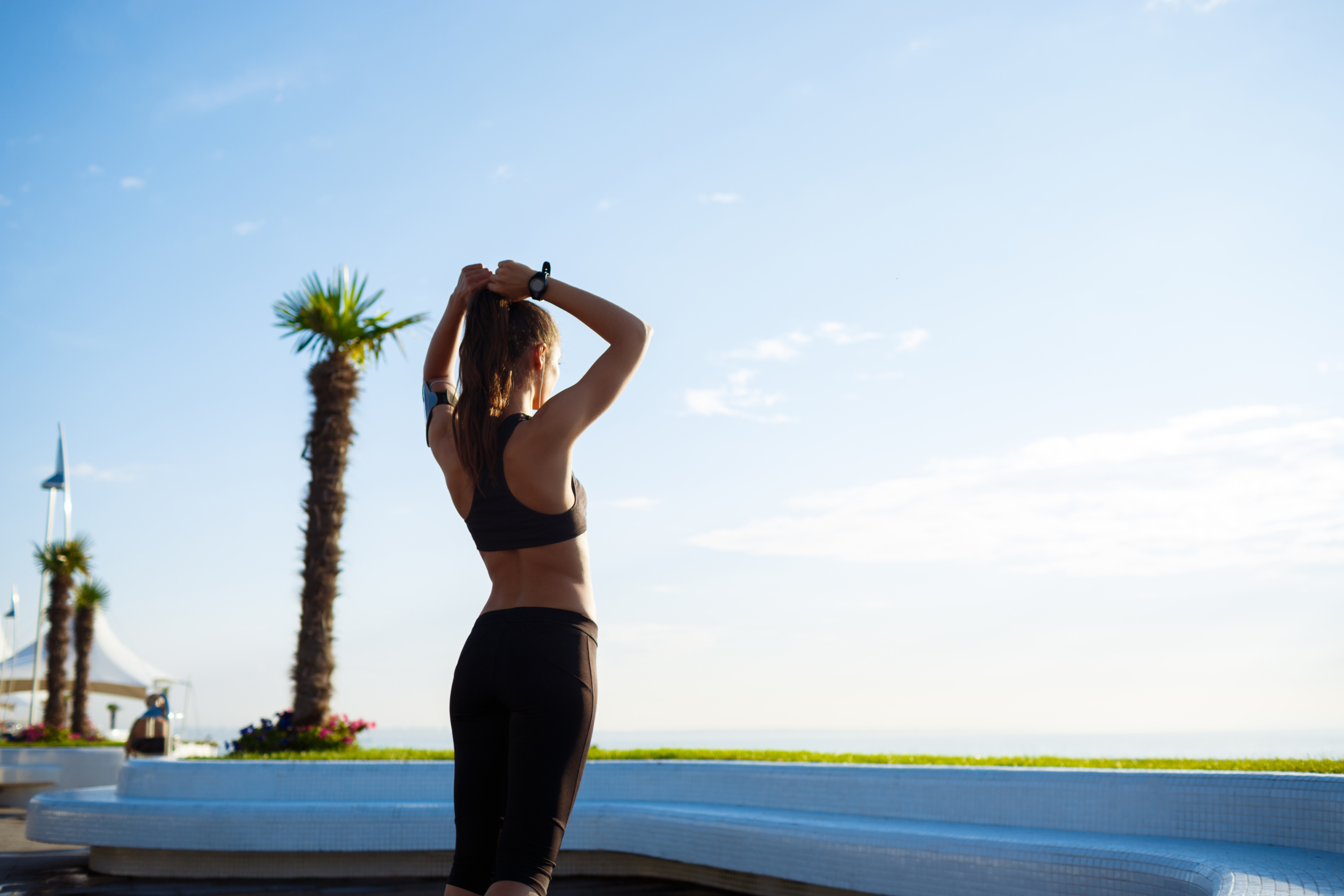
Physical activity is not just a way to lose weight. Exercise offers significant benefits from a medical, societal, and economic perspective. It actually helps boost the immune system and promotes overall well-being: walking, running, or gardening activates metabolic processes—in other words, biological reactions—that take place within our bodies.

The benefits of exercise can be seen not only in one's physical appearance but also in one's mental health:

Physical Health

Combating Obesity and Diabetes-Related Diseases

Strictly speaking, exercise does not prevent obesity or being overweight. However, physical activity is often recommended as a supplement to appropriate treatment to help patients achieve their goals.

In general, exercise helps regulate weight with the goal of achieving a more toned physique. Muscles can produce certain hormones, called myokines, that have metabolic effects on various organs at a distance. As Cédric Moro (research director at Inserm’s Institute of Metabolic and Cardiovascular Diseases in Toulouse) explains, “In an obese patient, muscle tissue contains some fat. Exercise burns this fat, and insulin then becomes more effective at supplying the muscle with glucose. This, in particular, helps prevent the onset of type 2 diabetes.” 

The positive effects of exercise on weight issues or diabetes are only beneficial if exercise is done correctly. There are guidelines that must be followed to ensure effectiveness with minimal side effects. 

Cardiovascular Diseases

When it comes to cardiovascular disease, the risk factors are well known: smoking, stress, high blood pressure… Regular physical activity improves and regulates the functioning of the cardiovascular system, leading to a reduction in cardiovascular risks:

  • Potential 50% reduction in high blood pressure
  • Increase in "good" cholesterol levels
  • Regulation of Blood Sugar Levels

We also know that below a certain VO2 max threshold—the maximum amount of oxygen the body consumes during intense exercise—a patient with heart failure must undergo a transplant. Thibaut Guiraud, a physiology researcher at I2MC, explains that “With exercise, you improve your physical capacity and can move out of the ‘red zone,’ which is above 5 METs (equivalent to the ability to walk at 4–5 km/h for a few minutes).”

Thus, regular physical activity helps the heart become stronger and can therefore prevent or slow the onset of cardiovascular problems.


Cancer

It's no secret anymore: physical activity can help with the recovery from certain cancers.

Cancer is the leading cause of death, ahead of cardiovascular disease: the number of cases has doubled over the past 30 years.

Exercising during treatment helps the body counteract certain negative effects of treatment, such as fatigue. Provided, of course, that the exercise is moderate and tailored to the specific treatment. Béatrice Fervers, an oncologist at the Léon-Bérard Center, explains that “The sooner a patient begins physical activity after diagnosis, the better they are able to counteract side effects.”

In fact, physical activity alters body composition (reducing visceral fat and maintaining or even increasing muscle mass) as well as muscle strength. The possible effects of regular physical activity on the mechanisms involved in tumor proliferation can be explained: the best-documented effects relate to breast cancer and involve blood sugar regulation, increased insulin sensitivity, an anti-inflammatory effect, and hormonal regulation.

According to researchers at ISERM, physical activity may help reduce the risk of recurrence in breast and colon cancers.

Mental Health

As we saw in the article on meditation, physical activity contributes to better mental health.

Exercise doesn't just help people with illnesses. It also promotes the well-being of those who engage in it, reducing psychological risks.

Stress Relief

Physical activity can help reduce stress. In fact, exercise triggers the body to produce hormones called endorphins, which are known as “feel-good” hormones. As a result, anxiety levels are reduced after physical activity. 

Dr. Martine Duclos, an endocrinologist and head of the Sports Medicine Department at the Gabriel-Montpied and Estaing University Hospitals (Clermont-Ferrand), explains that exercise can help reduce the need for anti-anxiety medications; for example, “in people who are anxious or stressed, regular physical activity provides the same benefits as anti-anxiety medications, without the side effects or risk of dependence; it also has an effect similar to that of antidepressants in people suffering from mild to moderate depression.” Exercise also stimulates the release of neurotransmitters involved in depression when they are deficient, with serotonin being the primary one.

Beyond its calming effect, exercise also allows us to take a break from our daily lives and forget the little worries that usually occupy our minds while we’re working out.

Sleep Quality

It's just a short step from reducing stress to improving sleep. 

Dr. Duclos states that “exercise will have two positive effects: you’ll have less trouble falling asleep, and athletes will wake up less often in the middle of the night.”

This is due, in particular, to the regulation of blood pressure and the release of endorphins, which help us relax more effectively. As a result, exercise reduces stress, leading to physical fatigue rather than mental fatigue.

In addition, participating in sports requires people to organize themselves better and, as a result, regulate their biological rhythm (also known as the circadian rhythm). This also involves eating a healthier diet to improve performance. All of these factors play an important role in sleep quality.

However, it’s important not to exercise too late in the day “because otherwise it will push back your bedtime,” Martine Duclos points out.

The Brain and Depression

Finally, exercise causes the brain to release dopamine. Dopamine is a neurotransmitter involved in the reward system.

Memory, cognition, mood: Physical exercise enhances mental performance and health.

Lisa Weinberg’s team at the Georgia Institute of Technology (United States) conducted a study with students: memorizing 90 photos. The first group was asked to perform a leg-strengthening exercise while the other group remained seated. Two days later, the students were asked to identify as many images as possible from a set of 180: the group that exercised was able to identify 60%, 10% more than the control group.

Researcher Martine Duclos observed a “positive correlation between their physical fitness and the type of high school they attended (general, vocational, agricultural).” According to Dr. Duclos, this can be explained by the fact that “muscle activity triggers the production of myokines, proteins that, through a complex mechanism, prompt the brain to produce growth factors, neurotrophins, and more specifically BDNF (brain-derived neurotrophic factor). It promotes the formation of microvessels (angiogenesis) and the production of new neurons (neurogenesis).”

Sports at the University – ASMM Association (AS Médecine Montpellier)

This sports club consists of 3–4 members who support medical students who wish to engage in regular physical activity. With the goal of promoting sports, it provides them with sports fields and equipment and organizes intercollegiate competitions.

Our projects:

  • Formation of a women's volleyball team;
  • Formation of a rugby team made up of medical and dental students;
  • Formation of a basketball team made up of medical, pharmacy, and dental students;
  • Organization of futsal, tennis, pétanque, and beach volleyball tournaments.

Office:

President: Mustapha MOUSTAFAOUI
Secretary: Maxime FOULQUIER
Treasurer: Youssef TRIGUI


Contact:


Institute of Biology
4 Boulevard Henri IV
34965 Montpellier Cedex 2

Instagram


Sources: 
https://lejournal.cnrs.fr/articles/le-sport-est-bon-pour-la-sante-cest-prouve
https://www.naturaforce.com/blog/2017/06/03/bienfaits-du-sport-sur-la-sante/
https://www.sciencesetavenir.fr/sante/bouger-ameliorer-le-cerveau_29226

May 18, 2020/by School of Medicine
https://facmedecine.umontpellier.fr/wp-content/uploads/2020/05/Sport-scaled.jpg 1707 2560 School of Medicine https://facmedecine.umontpellier.fr/wp-content/uploads/2024/06/LOGO-CLASSIQUE-H-300x135.png School of MedicineMay 18, 2020, 2:23:05 PMMay 18, 2020, 2:24:43 PMSports: Health Benefits

Meditation & Health: 3 Benefits of Meditation for the Body

Headlines, Coronavirus, Staff Life, Student Life

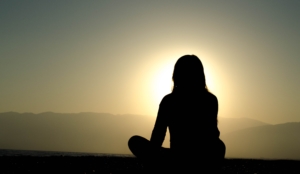
Stress and anxiety affect our cardiovascular system, which in turn leads to increased stress and anxiety. It’s a vicious cycle! However, non-pharmacological solutions do exist and are accessible to many people. Among them is meditation.

Meditation is known to have several positive effects on health.

Stimulates the brain

One of the unique aspects of mindfulness meditation is that it helps improve memory by enhancing attention. This involves thinking of the mind as a muscle. Just like any other muscle, to strengthen it, you need to train it daily through mindfulness meditation.

The latter helps keep your attention focused on a specific idea and prevents your mind from wandering too much.

Did you know?

Mindfulness meditation, or mindfulness, involves focusing on one’s sensations, breathing, emotions, and thoughts without making value judgments. It was developed by Jon Kabat-Zinn, a professor of medicine at the University of Massachusetts. 

American studies led by neuroscientist Sara Lazar of Harvard Medical School have shown that meditation may increase gray matter in the areas of the brain associated with learning, memory, and emotional control.

This study also showed that meditation can be highly beneficial for people with attention disorders: it reduces hyperactivity and impulsivity, thereby improving attention.

Antidepressant 

Among the other benefits of meditation, research has shown that it helps reduce stress and anxiety, and thus lowers the risk of depression. How does it work? You focus on your breathing by simply becoming aware of each inhalation and exhalation. These techniques are easily accessible to everyone, even children.

Did you know?

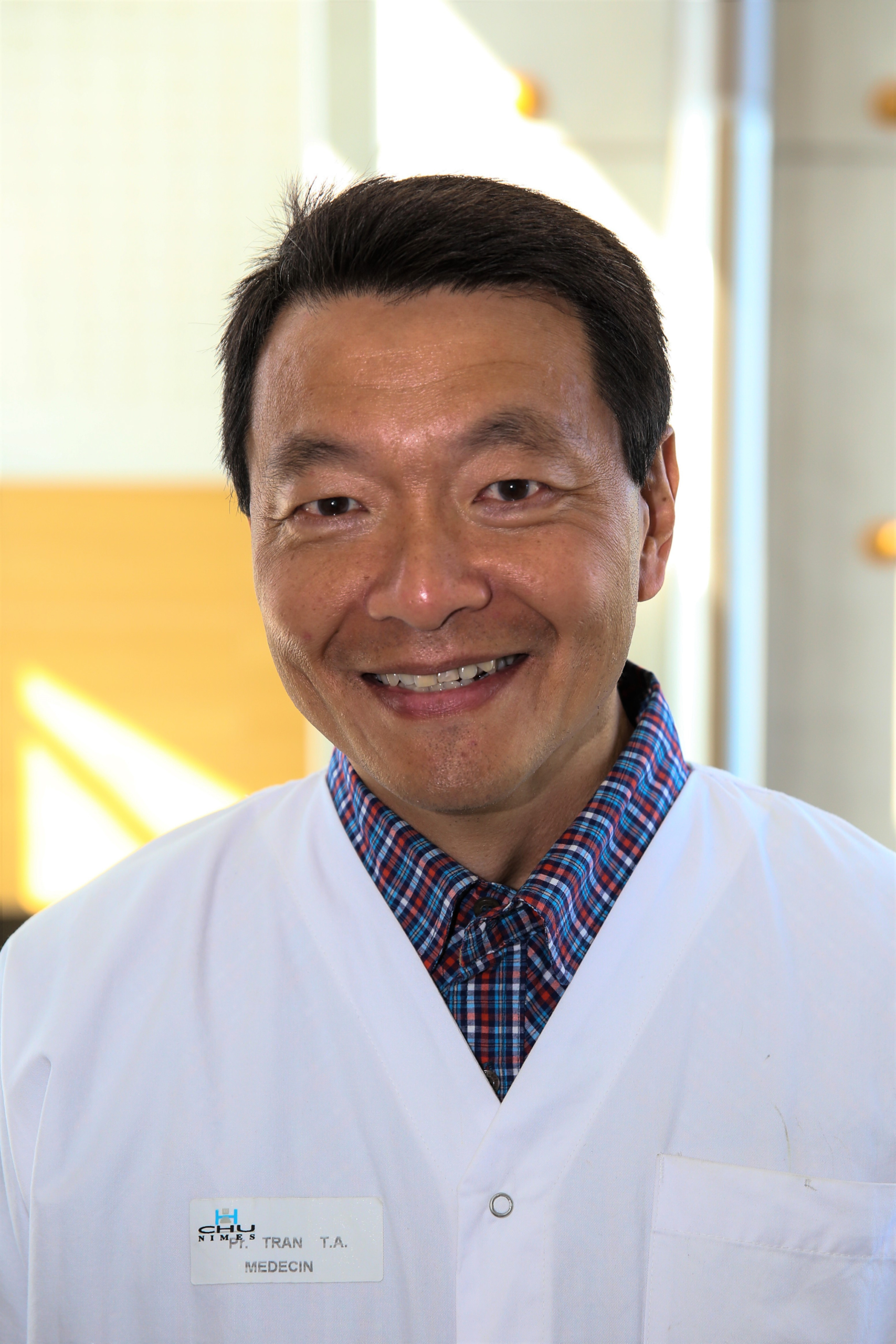
Professor Tu-Anh Tran, a faculty member at the School, has posted four guided meditations* on her YouTube channel so that children and their families can practice them throughout the day to find inner peace and focus on their work.

Episode 1:

Watch the video

Episode 2:

Watch the video
 

Episode 3:

Watch the video
  

Episode 4:

Watch the video


This method increases respiratory movement, allowing for better oxygen diffusion throughout the body—and particularly in the brain. Finally, mindfulness meditation improves the functioning of the prefrontal cortex, which is responsible for regulating emotions. It enhances intuition and creativity while reducing negative emotions such as stress, fear, and anger.

“Meditation balances the levels of activity in the two hemispheres of the brain. This balance fosters harmony between the body and the mind. Meditation is a valuable resource in an era that is generating more and more psychosomatic imbalances” – Marc de Smedt, French publisher, writer, and journalist, specializing in meditation techniques and world wisdom.

Immune Booster

Finally, meditation is also valued for its benefits as an “immunity booster.” 

In fact, mindfulness meditation affects pro-inflammatory genes, allowing the body to recover more easily after a stressful or anxious situation. 

The rest it provides is considered more effective and deeper than that achieved during sleep. The body produces fewer waste products thanks to increased oxygenation of the lungs, which in turn affects the hormonal, vascular, and muscular systems. This, in turn, leads to a boost in immunity and a regulation of pain sensitivity.

Did you know?

The Montpellier-Nîmes Faculty of Medicine offers a University Diploma (DU) in Meditation and Health. 
Course Objectives:
To understand the principles and benefits of meditation and learn how to apply it to improve the health of healthcare providers and patients.
Skills acquired

  • Identifying What Meditation Is—and Isn't
  • Understand the physiological mechanisms of meditation and their health benefits; identify possible applications of meditation in healthcare settings
  • Continue or strengthen your own regular practice
  • Implement a project that integrates meditation into your healthcare setting (for your patients or colleagues)

Studies using the“Mindfulness-Based Stress Reduction”(MBSR) protocol have shown positive effects on the reduction of pro-inflammatory genes, the immune response to the flu vaccine, immune signaling in people with cancer, and immune cell activity in patients with HIV.

Key Takeaways

During this unprecedented health crisis, it is important to find new ways to protect ourselves from the stress and anxiety caused by lockdown. Practicing meditation in a group—even remotely—can help break the feeling of social isolation and foster a sense of belonging.

Meditation

  • Promotes concentration and improves memory
  • Helps manage stress and anxiety
  • May help the immune system develop


*These meditations are excerpted from her book *Méditasoins: Short Meditations for Children’s Major Ailments*, published by Thierry Souccar.
*Journal of Cognitive and Behavioral Therapy (2010) 20, 11–15 – Impact of the Mindfulness-Based Stress Reduction ( MBSR) therapeutic approach on mental health (stress, anxiety, depression) among students – C.Berghmans∗, C. Tarquinio, M. Kretsch


The Healthcare Professional:

We would like to thank Professor Tran for his assistance in writing this article.

Tu-Anh Tran

Tu-Anh Tran

Professor, Chief of the Pediatrics Department at Nîmes University Hospital

Professor Tu-Anh TRAN is a pediatrician specializing in inflammatory and rheumatic diseases in children, and head of the pediatrics department at the Nîmes University Hospital. A meditation practitioner himself, he spearheaded the creation of one of France’s first university-level meditation programs, “Meditation and Health,” at the Montpellier-Nîmes School of Medicine. Professor Tran has been using meditation to treat his young patients for over 10 years.

Montpellier-Nîmes School of Medicine


May 11, 2020/by School of Medicine
https://facmedecine.umontpellier.fr/wp-content/uploads/2020/05/simon-migaj-Yui5vfKHuzs-unsplash-scaled.jpg 1616 2560 School of Medicine https://facmedecine.umontpellier.fr/wp-content/uploads/2024/06/LOGO-CLASSIQUE-H-300x135.png Faculty of MedicineMay 11, 2020, 2:44:27 PMMay 11, 2020, 5:18:38 PMMeditation & Health: 3 Benefits of Meditation for the Body

Books: Online Resources for Learning, Studying, or Entertainment

Headlines, Coronavirus, Staff Life, Student Life

The current situation is leading us (or bringing us back) to new activities, and reading is one of them. During this period of lockdown, many e-books have been made available for free online. Whether you’re an avid reader or someone looking to explore new areas of knowledge, there’s something for everyone.


Here is a list of several themes and platforms that might help you find what you're looking for:


Montpellier Interuniversity Library

A go-to resource for students at the University of Montpellier, the Montpellier Interuniversity Library (BIU) gives students at the University of Montpellier access to all the materials available on the platform.

So, you'll find the following there:

  • Scientific journals
  • Books
  • E-books
  • Theses and dissertations

There's something for everyone—whether you're looking to broaden your horizons, study, or work on your thesis. 

Access the BIU


Gallica BNF

The National Library of France also offers a wide selection of free books to everyone—but that's not all! Check out:

  • Read: ePubs
  • Don't miss: the lectures
  • Check out: our curated selections of treasures
  • For students: resources
  • For kids: activities, coloring pages, stories

Go to Gallica


Online Reading – Medicine

In addition to the resources mentioned above, some websites offer PDFs and e-books related to your field of study. One such site is “Livres pour tous,” which has a section Medicine and Health section with documents that are free and accessible to everyone.

The same is true of the “Univers médecine” website, which offers books on medicine tailored to different skill levels.

World of Medicine

Books for Everyone


Major corporations and publishers

To help the French people get through this health crisis, some major retailers and publishers have made free e-books available. 

With a wide variety of themes, you'll find:

  • Crime Novels
  • Romance
  • Fantasy
  • French Literature


A host of authors to delight you: J.K. Rowling, Harlan Coben, Stephen King…


FNAC e-books

Amazon e-books

Northern Ferret

Wikisource and Project Gutenberg

On these two websites, you’ll find thousands of books and articles available for free! With such a wide variety of topics, there’s something for everyone.

Wikisource Gutenberg

And if, after checking all these links, you still haven't found the book you're looking for, here's a link to this online book database!  

Online Book Repository

May 3, 2020/by School of Medicine
https://facmedecine.umontpellier.fr/wp-content/uploads/2020/04/patrick-tomasso-Oaqk7qqNh_c-unsplash-scaled.jpg 1707 2560 School of Medicine https://facmedecine.umontpellier.fr/wp-content/uploads/2024/06/LOGO-CLASSIQUE-H-300x135.png Faculty of MedicineMay 3, 2020, 3:29:54 PMApril 29, 2020, 8:49:34 PMBooks: Online Resources for Learning, Studying, or Entertainment

Remote Work and Distance Learning: Best Practices for a Better Internet Connection

Headlines, Coronavirus, Student Life

The lockdown is forcing universities and their faculties to adapt. Classes are now held online, and exams will soon be as well. While we are currently conducting several stress tests to ensure that all our students have optimal conditions for taking their exams, you will find below some tips for improving the quality of your internet connection, as well as a reminder of the procedure to follow for your future online exams.

Testing Your Internet Speed and Interpreting the Results

To enable students to take their exams online and allow staff to work under the best possible conditions, the DSIN is providing a tool that lets you measure the quality of the connection between your home and the university: https://testdebit.umontpellier.fr/

Data Receipt (Download)

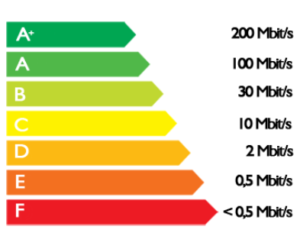
After completing this test, the results will appear, and you can interpret them using this short guide:

  • A speed between D and F is considered slow (low throughput);
  • A C-class speed between 3 and 7 Mb/s is classified as “medium speed”; it is at these speeds that remote work can begin to be carried out under good conditions.
  • A speed of 8 Mb/s or higher is considered the threshold for a "broadband" connection.
  • Connections faster than 30 Mb/s are classified as “ultra-high-speed.”

Sending Data (Upload)

This value represents the speed at which data is transmitted from your computer to the Internet; it is often referred to as “upload speed” or “Upload.”

An average data rate of 1.2 Mb/s is sufficient to transmit data from your computer.

Response time (ping) 

This value represents the time it takes for a round trip between your computer and the server hosting the files used to measure the data download speed; it is often referred to as “latency.”

A value within the green range is required to ensure high-quality (uninterrupted) video conferences.

Improving Your Wi-Fi Connection

If the connection is not optimal (between D and F), you must:

  • Use a wired connection whenever possible : The connection will be more stable, and devices connected via Wi-Fi will have better speeds.
  • Positioning Your Set-Top Box Correctly : Avoid placing it under the TV or in a closed cabinet. Ideally, set it up about 1.50m above the floor in an open area. Never place anything on top of it, and plug it in directly (do not use a telephone extension cord or a power strip).
  • Stop programs that are currently running: To get the most out of your bandwidth, be sure to turn off Wi-Fi on devices you’re not using (phones, smart devices).
  • Disable automatic Wi-Fi scanning : By default, Windows constantly scans for nearby wireless networks. This feature, which is unnecessary if you always connect to your own network, consumes bandwidth.
  • Check to make sure you don't have a virus: Whether by displaying ads or secretly using the computer's resources, some malware unnecessarily consumes bandwidth.


If, after checking all these steps, your connection is still weak, please contact your registrar’s office so they can help you access the exams under the best possible conditions. Please also feel free to report any problems you encounter during the exams.

Taking exams

With an optimal internet connection, students can take their exams.

To do this, students must log in the same way they do for tablet-based exams in lecture halls: log in from your device via SIDES + ENT authentication + enter the exam code.

The box codes will be sent by email before the event.

On the day of the test, we encourage students to, if possible, put themselves in an exam-like situation:

  • Start the connection at least 15 minutes before the times listed (to allow for any unforeseen circumstances)
  • Staying alone in a room
  • Bring only the materials needed for the exam (pen, blank scratch paper, etc.)
  • Do not attempt to connect to any applications other than the one required for the exam. This could disrupt the connection and interfere with your ability to write the exam.

Once the test begins, it's up to you! 

We wish you the best of luck on your exams!

Bonus

In this article, you'll also find our tips for studying remotely!

April 27, 2020/by School of Medicine
https://facmedecine.umontpellier.fr/wp-content/uploads/2020/04/laptop-1478822_1920.jpg 1280 1920 School of Medicine https://facmedecine.umontpellier.fr/wp-content/uploads/2024/06/LOGO-CLASSIQUE-H-300x135.png Faculty of MedicineApril 27, 2020, 11:19:22 a.m.April 30, 2020, 2:19:56 PMRemote Work and Distance Learning: Best Practices for a Better Internet Connection
Nutrition - 5 Tips

5 Nutrition Tips During Lockdown

Headlines, Coronavirus, Staff Life, Student Life

During this lockdown, there’s no shortage of temptations when it comes to “snacks” and treats… Should you give in and feel guilty, or resist and feel frustrated? We spoke with Prof. Ariane Sultan, a professor at the Faculty who specializes in nutrition, and dietitian Nicolas Sahuc, a lecturer at the Faculty. Together with them, we’ve compiled five dietary and nutritional tips to follow during the lockdown… but that’s not all!


1 / Listen to your body and its needs!

Lockdown is turning our routines upside down: our schedules are out of sync… and so are our bodies! Sometimes, we don’t feel hungry at the traditional “breakfast, lunch, dinner” times. Don’t panic! According to Nicolas Sahuc, we need to pay close attention to our body’s rhythm, which varies from day to day and isn’t necessarily aligned with “social” schedules: “Don’t worry if you’re not hungry at ‘mealtimes’; instead, eat when you’re really hungry.” To do this, you need to listen to your body and pay attention to genuine feelings of hunger and fullness. “That doesn’t necessarily mean eating three meals a day…” emphasizes Professor Sultan.

All in all: think about your body’s natural rhythms and pay attention to your hunger cues before you even think about nutrition! 


2 / Don't pick or avoid any foods: think about how long they keep you full! 

“When you’re hungry, any food will satisfy your hunger. However, not all foods keep you feeling full for the same amount of time.”. The dietitian's advice is to opt for foods that will keep you full for longer: choose a banana over a cookie for a snack, or better yet, if you're really hungry, have a proper, balanced meal.


3 / Don't feel guilty, but think big!

That said, don’t feel guilty either if you really want that cookie for an afternoon snack. The key is to think about nutrition holistically: “Nutrition is all about overall balance. If you eat balanced meals regularly and at your own pace, there’s no reason to feel guilty.” On the other hand, balanced nutrition isn’t a “one-off”: just one balanced meal every now and then isn’t enough! Professor Sultan confirms this: “A balanced diet is determined over the course of a week rather than a single day.”


4 / Choose balanced meals

“A balanced meal will keep you full for about 5 hours, while an unbalanced meal or a snack will keep you full for only 2 to 2.5 hours.” It’s therefore important to plan your meals with a variety of foods that will keep you full over time. “Contrary to popular belief, a meal without bread or starchy foods won’t help you stay in shape, since you’ll be hungry again two hours later.” For a balanced and substantial meal, it’s recommended to include: bread, starchy foods, a source of protein (meat, fish, eggs, or plant-based protein), a dairy product (yogurt or cheese), fruits and vegetables for fiber, and a small amount of fat. Ariane Sultan points out that “this combination should be adjusted based on how hungry you feel”. As for meal variety, the dietitian emphasizes that “the composition of a balanced meal is always the same; you just need to vary the foods according to your tastes!” 


An example of a balanced meal: 

  • 1 serving of Basque-style chicken, with vegetables (fresh or frozen), rice, and salad
  • 1 slice of bread
  • 1 yogurt or 1 piece of cheese
  • A few strawberries


But don't forget Professor Sultan's advice, which recommends carefully assessing your hunger: “If you’re not very hungry, there’s no need for all those starchy foods—or just cut back on them!”

5 / Carbohydrate-rich snacks for periods of intense work

And because we know that exams are coming up for many of you, we asked the dietitian for his recommendations on snacks during periods of intense work. According to him, “You should opt for carbohydrate-rich foods, such as cereal bars or fruit compotes, which are nutritious and convenient. Swedish “Havreflarn”-style cookies are also a good alternative: they don’t contain too much added sugar and are easy to make at home.” However, as our dietitian points out: “Before you even think about snacks, the most important thing is learning how to manage your stress! Breathing exercises are very effective in helping you do that.” “And don’t forget physical activity!” the professor adds, “You can stay active no matter the circumstances—even during lockdown! You just have to adapt your routine and adjust to the situation!”


Of course, we weren't going to leave you hanging like that: we've picked out a few Swedish pancake recipes for you… : 

Recipe 1 Recipe 2 Recipe 3

…and apps to help you manage stress:

COVID-19 Support


We'll be back in the next few days with more on physical activity, so stay tuned! And in the meantime: get cooking 😉!


Healthcare Professionals:

We would like to thank them for their assistance in writing this article.

Ariane Sultan
https://twitter.com/SultanAriane

Ariane Sultan

Professor of Nutrition

Ariane Sultan is a professor of nutrition on the nutrition and diabetes team at the Montpellier University Hospital (CHU), Lapeyronie Hospital. As chair of the CLAN (Food and Nutrition Liaison Committee) at the Montpellier University Hospital, she teaches several courses in nutrition and diabetology at the Faculty of Medicine.

Montpellier-Nîmes School of Medicine
Nicolas Sahuc
https://twitter.com/nicolassahuc

Nicolas Sahuc

Dietitian

Nicolas Sahuc has been a certified dietitian since 2003 and specializes in eating disorders. He regularly gives seminars to medical residents at our faculty on eating disorders and childhood obesity.

Montpellier-Nîmes School of Medicine

April 10, 2020/by School of Medicine
https://facmedecine.umontpellier.fr/wp-content/uploads/2020/04/element5-digital-acrBf9BlfvE-unsplash-scaled.jpg 1707 2560 School of Medicine https://facmedecine.umontpellier.fr/wp-content/uploads/2024/06/LOGO-CLASSIQUE-H-300x135.png Faculty of MedicineApril 10, 2020, 4:43:52 PMMay 11, 2020, 4:50:56 PM5 Nutrition Tips During Lockdown
Working from Home and Studying

5 Tips for Working from Home

Headlines, Coronavirus, Staff Life, Student Life

Due to the lockdown causedthe COVID-19 health crisis, the daily routines of most of us have been turned upside down. To help you adapt as best as possible to working from home for some and distance learning for others, today we’re sharing 5 tips to put into practice!

1 – Set a schedule for yourself

To stay productive while working from home, you’ll need to plan your time! Setting an alarm and establishing daily and weekly goals are important steps to stay on track! Having a clear idea of the tasks you need to complete each day and allocating a specific amount of time to each one will help you structure your workday. To help you, we’ve even prepared a schedule you can print and customize yourself! This system works just as well for projects with deadlines as it does for exam prep. Knowing how to set goals and stick to them is the key to productivity.

Download the Schedule

2 – Setting Up Your Own Workspace

Working from home isn't always easy—there are plenty of distractions. Instead of working in front of the TV or in bed, you should focus on creating a dedicated workspace. Set up your own office, a place where you’ll only go to work and where you’ll feel comfortable. A computer, sheets of paper, pens, a houseplant—keep everything within reach everything you might need for your work! You can also keep a small object nearby to keep your hands busy during brainstorming sessions—whether it’s a pen for jotting down notes on paper or a stress ball to squeeze!


3 – Stay in touch with these colleagues 

It’s easy to feel lonely or overwhelmed when working from home! Staying in regular contact with your colleagues will not only allow you to connect with others but also help you motivate one another! This is especially essential for those leading team projects. Schedule regular debriefs to check in on everyone’s progress, and keep a group chat open at all times so you can respond to emergencies or answer questions. 

Also, if you're having connection issues, this article has all our tips for getting the best possible network! 

4 – Separate work and personal life

Is there anything tricky about working from home? It’s hard to separate your professional life from your personal life. You’re at home, surrounded by your family, but you’re also at work. The first thing to do is to get into work mode. You wouldn’t go to the office in your pajamas, so in the morning when you wake up, have breakfast, do a little exercise, and get dressed before settling into your remote work space. Also, let your family and friends know your work hours so they’ll disturb you as little as possible during those times.

5 – Take breaks 

Don’t spend the whole day focused on your classes or your computer—to keep up the pace, you need to take breaks. Whether you’re at college or at work, you probably take breaks from time to time, so do the same at home! Folding your laundry, having a cup of coffee on your patio or by the window, or simply doing nothing on your couch will help clear your mind. Getting back to work will be all the easier afterward because your mind will be clear. So don’t feel guilty about taking breaks! It’s normal to want to move around a bit, especially when you’re stuck at home all day, and it will help you refocus. 

6 – (Bonus) and stay tuned!

And since we’re here for you every day during this lockdown, don’t forget to follow us on social media: Facebook, Twitter, and Instagram.

Your favorite organizations are also getting involved, so don't forget to follow them too!

Organizations


March 30, 2020/by communication
https://facmedecine.umontpellier.fr/wp-content/uploads/2020/03/student-849825.jpg 526 2000 communication https://facmedecine.umontpellier.fr/wp-content/uploads/2024/06/LOGO-CLASSIQUE-H-300x135.png communicationMarch 30, 2020, 4:27:53 PMApril 27, 2020, 1:10:03 PM5 Tips for Working from Home

#Coronavirus – URGENT: PACES and ECN Exams Postponed

Headlines, Coronavirus, Coronavirus Measures, Student Life

Due to the exceptional circumstances of the health crisis, the Ministry of Higher Education and Research has decided to postpone certain entrance exams, including the PACES and ECNi exams. Admission to paramedical programs through competitive exams is also affected. Read this article for more information.


Postponement of the PACES Exam

The entrance exam following the PACES program for admission to the second year of health sciences studies (Medicine, Midwifery, Dentistry, Pharmacy) will be held starting in the second half of June.

→ We will let you know as soon as possible the official rescheduling date and the terms of this rescheduling for our Faculty.


Update on April 3, 2020: PACES EXAM DATES

The PACES Exam has been officially rescheduled from June 23 to June 25, 2020

Postponement of the ECNi

The National Computer-Based Qualifying Exams (ECNi), which grant admission to postgraduate medical studies, will take place from July 6 to 8, 2020.

Paramedical: Applications will be reviewed based on the application materials only

Other entrance exams, which primarily concern admission to paramedical training programs, will be replaced by a review of candidates’ academic records as part of the national pre-enrollment process via the Parcoursup platform.   


Download the Ministry's Official Press Release
March 26, 2020/by School of Medicine
https://facmedecine.umontpellier.fr/wp-content/uploads/2020/03/COUV-Reports-Concours.png 526 2000 School of Medicine https://facmedecine.umontpellier.fr/wp-content/uploads/2024/06/LOGO-CLASSIQUE-H-300x135.png School of MedicineMarch 26, 2020, 4:49:37 PMApril 3, 2020, 12:07:16 PM#Coronavirus – URGENT: PACES and ECN Exams Postponed

#Coronavirus – Guidelines for Internships

Headlines, Coronavirus, Coronavirus Measures, Student Life

During the COVID-19 pandemic, some internships are continuing as usual, while others have been suspended.

Find out here—based on your profile—what arrangements have been made and who to contact! 

Medical students

Undergraduate Students (DFGSM2 and 3)

The DFGSM 2 & 3 clinical rotations have been canceled (including the semiology rotations, the medical services rotation, and the MIA and MIC rotations).

For more information: med-scol-1-2@umontpellier.fr 

Clinical Rotations (Graduate Level)

The DFASM 1, 2, and 3 internships will continue, subject to two possible restrictions at the discretion of the department heads hosting you:

  1. health-related reasons involving the student (an intensive care unit treating COVID-19 patients, SMIT) or the patient (EPHAD),
  2. educational reasons due to a reorganization of departments that makes it impossible to accommodate the student.

Students who are not currently on clinical rotations must be identified and will be offered reassignment within the hospital (either to another department, or to participate in the COVID-19 response, telephone duties, emergency department support, or support for certain departments). This reassignment will be offered based on the needs expressed by the Medical Affairs Departments or on the available clinical rotations, in consultation with the Faculty, to maintain a real-time record of each student’s assignment.

We ask that every DFASM 1, 2, and 3 student email their academic advisor with information about their current status (and any changes to it):

Thomas Thieblemont in Montpellier: med-scol-1-2@umontpellier.fr
Sébastien Cousin in Nîmes: mednimes-scolarite@umontpellier.fr

Please keep your school’s registrar’s office informed of your current situation:

  1. You were accepted into the internship as planned, or:
  2. if your placement has been suspended in the department to which you were assigned (and your current activity, if you are a student already on assignment), or: 
  3. If you are currently in class (with no scheduled internship) and willing to participate in an initiative. 

 
As a reminder, if there is no hospital activity, the rule is to quarantine at the residence closest to the facility where the student is practicing; the student must be reachable, as they may be called upon at any time for reassignment.

Regarding the movement of hospital students:
A travel authorization will be emailed to you by the Medical Affairs Department (DAM) so that you can travel to your clinical rotation. This permit allows travel between home and work only.

Residents (Postgraduate)

The residency program continues under the same arrangements as before. Some residents may be reassigned to certain departments within the subdivision that are experiencing staff shortages, on a voluntary basis, coordinated by the Medical Affairs Departments (DAM). We would like to thank all of our residents for their dedication to caring for patients during these times of crisis. 


Students in other programs

Are you a student in the midwifery program, a paramedical program (speech-language pathology, orthoptics), or a master’s program? Here are the guidelines for your internships.

Maieutics Track

Internships in the 4th and 5th years will continue as scheduled. Students will receive instructions regarding their placements directly via email.

Speech-Language Pathology and Orthoptics Programs

Internships are suspended until further notice.

Masters

Internships have been suspended, and more information is available on the UM website.

Internships Abroad

Internships scheduled to take place abroad are suspended until further notice. No internship agreements will be signed.

If you are abroad and currently participating in an internship, please contact the Faculty through its International Relations Office for guidance: med-ri@umontpellier.fr  

If your internship has been suspended: #StayHome

In any case, regardless of your field of study, if your internship has been temporarily or permanently suspended, we ask that you follow the government’s guidelines and #StayHome. 


The lockdown will help support the work of our healthcare workers by limiting the number of infections—and thus the number of patients in hospital wards. We are counting on your cooperation to limit the impact of this epidemic. Protect yourself and your loved ones, stay home, follow preventive measures, observe social distancing guidelines, and go out only when necessary. 

Learn More


You can also join the civic reserve to contribute to the collective effort:

I want to help

Finally, the Faculty will be there for you throughout this entire period—providing important updates, fostering a sense of community, suggesting activities, and even helping you with your studying. Don’t forget to follow us on social media: @FacultemedMPL on Twitter and @FacMedecineMtpNîmes on Facebook! 


Twitter

Montpellier-Nîmes School of Medicine

March 24, 2020/by School of Medicine
https://facmedecine.umontpellier.fr/wp-content/uploads/2020/03/COUV-Covid-Stages.png 526 2000 School of Medicine https://facmedecine.umontpellier.fr/wp-content/uploads/2024/06/LOGO-CLASSIQUE-H-300x135.png School of MedicineMarch 24, 2020, 5:38:37 PMMarch 24, 2020, 6:54:30 PM#Coronavirus – Guidelines for Clinical Rotations

#Coronavirus – General Provisions Regarding the Pandemic at the School of Medicine

Headlines, Coronavirus, Coronavirus Measures, Businesses, Emergency, Staff Life, Student Life

Here you will find all the information regarding how the School of Medicine is operating during the coronavirus crisis. This article will be updated regularly throughout the crisis.


Update from Tuesday, March 24, 2020.
Changes since the last update are marked with an *


The Jardin des Plantes will be closed to the public starting March 17, 2020

In accordance with government announcements and to prevent gatherings of more than 100 people, the Jardin des Plantes will be closed to the public starting Tuesday, March 17, 2020.

Closure and complete suspension of classes effective Monday, March 16

In-person classes—including lectures, tutorials, lab sessions, and simulation room sessions—will be suspended. Student study areas and CROUS cafeterias will also be closed. The institution (across all campuses and buildings) will be closed until further notice. 

Schedule for the Mock ECN Exams, March 16–18

Since the Faculty is closed to the public and students, the mock ECN exams will be administered at home, following the same format as the test held on Thursday, March 12. 

PACES Classes and Tutoring

In-person classes for PACES students will be suspended starting March 16. Courses will be made available online shortly so that students can continue their studies. PACES tutoring sessions in Montpellier (ATM2) and Nîmes (TSN) are also suspended until further notice.

*Internships for students in all fields of study

Guidelines for internships are available in this article.


This article will be updated as the crisis and the response measures evolve. We encourage you to check back regularly!


Useful Links

For any information regarding crisis management at the Faculty, please contact the General Affairs Office: medecine-covid19@umontpellier.fr

For information about the coronavirus: https://www.gouvernement.fr/info-coronavirus


To limit the spread of the virus, be sure to follow preventive measures.

March 13, 2020/by School of Medicine
https://facmedecine.umontpellier.fr/wp-content/uploads/2020/03/Couverture-article-covid-ADV-gris.jpg 526 2000 School of Medicine https://facmedecine.umontpellier.fr/wp-content/uploads/2024/06/LOGO-CLASSIQUE-H-300x135.png School of MedicineMarch 13, 2020, 6:28:27 PMMarch 25, 2020, 8:20:55 PM#Coronavirus – General Measures Regarding the Epidemic at the Faculty of Medicine

Open House: February 29, 2020

Headlines, Events, Training, Student Life

Every year, we open the doors of our faculty in Montpellier and Nîmes to give you all the information you need to study with us! So join us on Saturday, February 29, 2020, to learn all about our degree programs!


A day trip to Montpellier and Nîmes

As we do every year, we’ll welcome you to our two cities, Montpellier and Nîmes, to introduce you to our academic programs and give you a tour of our campuses!

In Montpellier, come visit our Arnaud de Villeneuve Health Campus!

641 Avenue du Doyen Gaston Giraud – 34000 MONTPELLIER

Parking will be available on site. Various presentations will be held throughout the day, including one on the reform of the first year of health studies. You can also learn about paramedical programs. Open from 10 a.m. to 4 p.m.

In Nîmes, come visit our Carémeau Health Campus!

186 Chemin du Carreau de Lanes – 30000 NIMES

You’ll also be able to park on site. Just like in Montpellier, various presentations will be held throughout the day, particularly on the reform of the first year of health studies. Please note that the Nîmes Campus does not offer any paramedical programs. Open from 10 a.m. to 4 p.m.


Download the JPO Program for the Two Campuses


Come meet our students, faculty, and staff!

Throughout the day, you’ll have the opportunity to meet our students (from all programs), our faculty, and, of course, our staff. We’ll all be happy to answer your questions and provide guidance tailored to your needs. We’d also be delighted to show you around our campuses through guided tours.

So, if you're interested in health studies, don't hesitate—come out in large numbers on February 29! We hope to see many of you there!


Check out the videos below of the day's presentations—worth watching and rewatching:

Video 1 Video 2 Video 3 Video 4
February 12, 2020/by School of Medicine
https://facmedecine.umontpellier.fr/wp-content/uploads/2020/02/Bandeau_Facebook_JPO_UM_2020.jpg 315 851 School of Medicine https://facmedecine.umontpellier.fr/wp-content/uploads/2024/06/LOGO-CLASSIQUE-H-300x135.png Faculty of MedicineFebruary 12, 2020, 8:38:48 PMMarch 2, 2020, 7:42:08 PMOpen House: February 29, 2020
Page 20 of 22"‹1819202122›»

Pages

  • Undergraduate Program (DFGSM)
  • Undergraduate Program (DFGSMa)
  • Graduate Program (DFASM)
  • Graduate Level (DFASMa)
  • Graduate Program (DES)
  • 4th OCCITAN CONFERENCE ON PSYCHOMOTRICITY: 11/21/26
  • 800 years
  • Home
  • ACM
  • Educational Activities
  • News
  • ADEMMOOS
  • AMEO – Orthoptics
  • AMESF
  • Anatomy Lecture Hall
  • ANIMN
  • ASMM – Montpellier Sports Medicine Association
  • AMEP Association
  • TASM Association
  • Faculty Organizations
  • Atrium
  • ATSM
  • BAS in Geriatrics and Gerontology (copy)
  • Historic Building
  • 20th-Century Architects
  • Library
  • University Historical Library
  • Biotin
  • Dean's Office
  • Camille
  • ADV Campus
  • Nîmes Campus
  • Capacities
  • Categories
  • CCC
  • 2020–21 Celebrations
  • CESP
  • Caesura
  • CNESF
  • Anatomy Museum
  • Anatomy Museum
  • Body to Heart
  • Main Courtyard
  • Crocodiles of the World
  • Medicine and Science Program
  • Early Start Program in Medicine and Science
  • Nurse
  • FROM IPA
  • Dyslalia – Speech-Language Pathology
  • Primavera Application Package
  • Rabelais Dual Degree Program in Health and Science
  • CPD
  • DU-DIU
  • International Exchanges
  • School of Surgery
  • School of Geriatrics and Gerontology
  • School of Geriatrics and Gerontology (copy)
  • Thematic Schools
  • Front Screen
  • Campsites
  • Tags
  • Education and Training
  • Temporary Exhibitions
  • Faculty
  • Registration Form: Standardized Patients
  • Apprenticeship Tax Form
  • Gallery of Chancellors and Deans
  • Honoré Piquet Gallery
  • Tecknê Makrê Gallery
  • Management and Evaluation of Clinical Trials
  • History and Heritage of the Garden
  • Practical Information
  • Innovation
  • TEST entry
  • Registration – General Information
  • 2026 Registration
  • Paramedical Institutes
  • JAM
  • Botanical Garden
  • Botanical Garden
  • open-house-day
  • Anatomy Lab
  • LAS – Enrolled Students
  • The forecourt
  • Room Rentals
  • Maieutics
  • MAIEUTICS
  • MAP
  • EDSB Master's Degree
  • IDIL Master's Program in "Sciences for Human Health"
  • Master Rehab
  • RSN Master's Degree
  • Master's in Social Sciences and Humanities
  • MASTERS
  • Masters
  • Master's in Gerontology
  • Med’Trotter
  • Med’ley – Music
  • Medicine
  • MEDICINE
  • Legal Notice
  • My Reservations
  • Montpellier Artistic Project
  • Moodle
  • A Message from the Dean
  • Teaching Resources
  • Atger Museum
  • Atger Museum of Graphic Arts
  • DOR Museum
  • Orfila Rouviere Museum
  • Jardin des Plantes Newsletter
  • not found
  • Organization
  • Speech Therapy
  • SPEECH THERAPY
  • Orthoptics
  • ORTHOPTICS
  • Osmosis
  • Paramedical
  • Historical Timeline
  • Partnership
  • PASS
  • PASS – Enrolled Students
  • PASS – LAS
  • PASS – LAS – Prospective Students
  • Bridge Programs, Program Changes, Transfers, and MMOP Applications from Outside the EEA
  • Heritage
  • 800th Anniversary Plaque
  • Experimental Technical Facility
  • Simulation Platform
  • Podcasts
  • Caregivers' Center
  • Gate of Honor
  • Preliminary Report of an Assault
  • Professionals
  • PSYCHOMOTRICITY
  • Psychomotor Skills
  • Special Academic Programs and Accommodations
  • Patient-Caregiver Relationship
  • e-Rabelais Journal
  • Deliberation Room
  • Dissection Room
  • Conference Hall
  • Board Room
  • Showcase Room
  • Student Health
  • SILR – Union of LR Residents
  • Montpellier Simulation
  • Study Sites
  • your
  • Apprenticeship Tax
  • Theses
  • Tower
  • Professional Filming
  • TSN: Nîmes Health Tutorial
  • Tutoring Sessions
  • EU Interpersonal Skills and Therapeutic Communication
  • Teaching Assignments
  • Coat Check
  • Faculty Life
  • Daily Life in Nîmes
  • Everyday Life in Montpellier
  • Visit the Garden
  • You are a student
  • Are you a staff member or a teacher?
  • You are a healthcare professional
  • You are a business
  • Health Research
  • Nîmes Experimental Research Technical Facility (PTNIM)
  • Workshops

Categories

  • 800 years
  • Headlines
  • ATSM
  • Coronavirus
  • Coronavirus Measures
  • School of Systematics
  • as the main banner
  • Businesses
  • Events
  • Exhibition
  • Training Courses
  • International
  • Jardin des Plantes
  • botanical garden
  • Room Rental
  • Richer Mountain
  • MUSE
  • JDP Newsletter
  • botanical trails
  • Heritage
  • spring
  • Reception
  • Research/Innovation
  • Conference Room
  • Meeting Room
  • Study
  • 800 Years of History
  • emergency
  • Employee Life
  • Student Life
  • Areas of the Botanical Garden

Archive

  • September 2026
  • July 2026
  • June 2026
  • May 2026
  • April 2026
  • March 2026
  • February 2026
  • January 2026
  • December 2025
  • November 2025
  • October 2025
  • September 2025
  • August 2025
  • July 2025
  • June 2025
  • May 2025
  • April 2025
  • March 2025
  • February 2025
  • January 2025
  • December 2024
  • November 2024
  • October 2024
  • September 2024
  • July 2024
  • June 2024
  • May 2024
  • April 2024
  • March 2024
  • February 2024
  • January 2024
  • December 2023
  • November 2023
  • October 2023
  • September 2023
  • July 2023
  • April 2023
  • March 2023
  • February 2023
  • January 2023
  • December 2022
  • November 2022
  • October 2022
  • September 2022
  • August 2022
  • July 2022
  • June 2022
  • May 2022
  • April 2022
  • March 2022
  • February 2022
  • January 2022
  • December 2021
  • November 2021
  • October 2021
  • September 2021
  • July 2021
  • June 2021
  • May 2021
  • April 2021
  • March 2021
  • February 2021
  • January 2021
  • December 2020
  • November 2020
  • October 2020
  • September 2020
  • August 2020
  • July 2020
  • June 2020
  • May 2020
  • April 2020
  • March 2020
  • February 2020
  • January 2020
  • December 2019
  • November 2019
  • October 2019
  • September 2019
  • August 2019
  • June 2019
  • November 2016

Downtown Montpellier: Historic Building

Faculty headquarters and mailing address
2 rue École de Médecine
CS 59001
34060 Montpellier cx 2
04 34 43 36 00

North Montpellier

Arnaud de Villeneuve Health Campus and Administration
641 Avenue du Doyen Gaston Giraud
34070 Montpellier
04 34 43 35 00/01

Nîmes

Carémeau Health Campus and Administration
186 Chemin du Carreau de Lanes
CS 83021
30908 Nîmes cedex 2
04 66 02 81 81

Montpellier Botanical Garden

Boulevard Henri IV
34000 Montpellier

Follow us

Student Health

Links

  • Access to the Digital Classroom
  • Moodle
  • DIU Website
  • Capacities Website
  • PASS
  • 800 years
  • Legal Notice

Profiles

  • Students
  • Healthcare professionals
  • Businesses
  • Teachers
  • Staff
  • High school students
© Copyright - Montpellier School of Medicine
  • Link to Facebook
  • Link to LinkedIn
  • Link to Instagram
  • Link to YouTube
Scroll up Scroll up Scroll up

We use cookies to provide the services and features offered on our website and to improve our users' experience. Cookies are pieces of data that are downloaded or stored on your computer or other device. By clicking “I Accept,” you consent to the use of cookies. You can always disable them later.

I agree

Cookies and Privacy Settings


How We Use Cookies

We may set cookies on your device. We use cookies to track when you visit our websites, how you interact with us, to enhance your user experience, and to personalize your interaction with our website.

Click on the various topics in this category to learn more. You can also change some of your preferences. Please note that blocking certain types of cookies may affect your experience on our websites and the services we are able to offer.

Essential Web Cookies

These cookies are strictly necessary to provide you with the services available on our site and to use certain features of the site.

Because these cookies are absolutely necessary for the website to function properly, rejecting them will affect how the site works. You can always block or delete cookies through your browser settings and force them to be blocked on this site. However, the message asking you to accept or reject them will reappear every time you visit our site.

We respect your choice to block cookies, but to avoid asking you this question on every page, please allow us to use one cookie to remember your choice. You are free to change your mind at any time and adjust your settings to improve your browsing experience. If you block cookies, we will remove all cookies from this domain.

We provide you with a list of cookies placed on your computer through our domain, so you can see what is stored there. For security reasons, we cannot show or display external cookies from other domains. These can be accessed through your browser settings.

Google Analytics Cookies

These cookies collect aggregated information to help us understand how our site is used and how effective our marketing efforts are, or to help us customize our site to improve your browsing experience.

If you do not want your visit to our site to be tracked, you can block tracking in your browser here:

Other External Services

We also use various external services such as Google Web Fonts, Google Maps, and other video hosting providers. Since these providers may collect personal data such as your IP address, we allow you to block them here. Please be aware that this may significantly limit certain features of our site. The changes will take effect after you reload the page.

Google Font Settings:

Google Maps Settings:

reCAPTCHA Settings:

Vimeo and YouTube Video Embedding:

Other cookies

The following cookies are also required—you can choose to allow their use:

Privacy Policy

You can find more details about cookies and privacy settings on our Legal Notice page.

Privacy Policy
Accept settingsHide notification only
Request for a self-guided tour of the JARDIN des PLANTES

Request for a self-guided tour of the JARDIN des PLANTES

For the group formed

Self-guided tours are only available during public hours, specifically:

SUMMER HOURS

April 1 through September 30: 12:00 p.m. to 8:00 p.m., except on Mondays.

WINTER HOURS

October 1 through March 31: 11 a.m. to 6 p.m., except on Mondays.

This form is an informational document used to track group visits to the botanical garden. It also provides us with data needed to compile statistics on visitor attendance.


    For children, please indicate their age (maximum of 70 children):

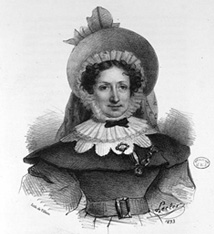
    Marie-Anne BOIVIN

    Marie-Anne GILLAIN was born in 1773 in Montreuil, near Versailles.

    She was sent to boarding school with the Sisters of the Visitation.

    During the Revolution, she took refuge in Etampes, at the home of a relative who was the mother superior of the Hospitalières de l’Hôtel-Dieu.

    There she attended the surgeon’s lectures and served for two and a half years, from 1793 to 1796, as a hospital volunteer—that is, as a layperson who volunteered her services to the poor and sick.

    In 1797, she returned to Versailles to marry Louis BOIVIN, deputy office manager at the National Domains.

    She became pregnant early on, but in 1798, at the age of 25, she was suddenly widowed, left destitute, and with a young daughter to raise.

    She then decided to put to use the knowledge she had gained from the surgeon at the Hôtel-Dieu d’Étampes and enrolled in the Midwifery School at the Maternité in 1799.

    In 1800, she graduated and left for Versailles to be reunited with her daughter and pursue her career.

    In 1801, following the death of her daughter, she obtained permission from Marie-Louise Lachapelle to return to the Maternity Hospice

    In 1803, she was appointed chief supervisor of the breastfeeding unit. She held this position for eleven years, until 1814. During this long tenure, she took the opportunity to attend lectures given by her patron, the surgeons at the Maternity Hospital (Baudelocque, then Dubois), and the chief physicians (Andry, and especially Chaussier), from whom she gathered insights and lessons.

    In 1812, she wrote and published *A Treatise on the Art of Childbirth*. The work was approved by the Ministry of the Interior, which included it among the textbooks given to graduates of the Maternity School.

    In 1814, the position of supervisor that she held was eliminated, and she was dismissed with a gratuity equal to her annual salary, or 360 francs.

    Starting in October, she was hired as a storekeeper and steward at the Poissy General Hospital, a position she held until January 1819, when the General Hospital was converted into a prison.

    Little is known about this period of her life: Did she continue her obstetric practice despite her new, more administrative duties? Did she do so at the general hospital? Or with a private clientele? In any case, it appears that for a time she received a comfortable annual salary of 1,200 francs—almost as much as the head midwife at the Maternity Hospital.

    In 1818, she entered the Paris Medical Society’s competition anonymously, submitting a paper on internal uterine hemorrhages. She was awarded the medal.

    On February1, 1819, she joined the Maison Royale de Santé in Paris as chief supervising midwife, with a modest salary of 350 francs per year.

    In 1821, an opportunity for promotion arose following the death of Marie-Louise Lachapelle.

    According to procedure, the General Council of the Hospices must submit to the Minister of the Interior a list of five female candidates to succeed the renowned midwife.

    On November 14, 1821, the Council voted to approve a list with Marie-Anne Boivin at the top; she received 12 out of 12 votes in the first round of voting to select the top candidate.

    A month and a half later, the Minister of the Interior endorsed the Council's decision.

    But the winner declined the position (or rather, resigned), forcing the board to propose another list. Why the refusal? All contemporary biographers attribute this decision to a public promise Marie-Anne Boivin is said to have made to her former patroness never to replace her, even after her death. If this is true, she kept her word, and another midwife, Madeleine Catherine Legrand, was appointed in 1822.

    Marie-Anne Boivin therefore continued to practice at the Maison Royale de Santé, where she amassed a body of observations, publications, and honors.

    In 1828, she presented a paper on spontaneous abortions, which was awarded a prize by the Bordeaux Medical Society.

    In September 1835, at the age of 62, worn out and exhausted, she retired and urged the hospice board to grant her a pension. Finally, after suffering a first stroke that left her with hemiplegia, she died in May 1841.

    In 1902, one of the rooms in the renovated maternity ward was named after Marie-Anne Boivin.

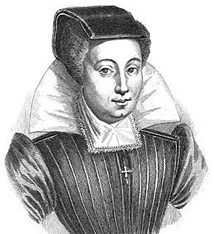
    Louise BOURGEOIS

    She was born in 1563 on Boulevard Saint-Germain or in Mons to a family of doctors.

    In 1594, she married Martin BOURSIER, a master surgeon and student of Ambroise PARÉ.

    She finds herself without any means of support when her husband is enlisted in the king's army.

    She quickly gained a reputation among the ladies of the court and delivered the queen's children six times.

    She is paid 500 crowns for the birth of a boy and 300 for the birth of a girl.

    It lost its fame following the death of Marie de Bourbon-Montpensier, wife of Gaston d’Orléans, during the birth of the Grande Mademoiselle.

    According to the surgeons who performed the autopsy on the woman who had given birth, her death was attributed to placental debris remaining in the uterus, and Louise Bourgeois was subsequently accused of negligence.

    At that time, there were few male obstetricians practicing, and they were trying to gain the upper hand over the midwives' guild.

    Louise questions their competence by harshly criticizing the autopsy findings and the skills of the obstetricians; however, her response has the opposite effect of what she intended, as it ends up giving them publicity.

    She was the first midwife to write a book on obstetrics, *Various Observations on Infertility, Miscarriage, Fertility, Childbirth, and Diseases of Women and Newborns*, published in 1609.

    In this book, she points out that infertility in a couple can be caused by the male partner, even though, like the doctors of that era, she confuses the ability to procreate with sexual vigor.

    She identified the role of malnutrition in fetal health, and she was the first to prescribe iron supplements to treat anemia.

    She emphasizes the importance of anatomical knowledge for midwives and urges doctors to allow them to attend lectures and dissection sessions.

    In 1636, the Parisian midwives submitted a petition to the Faculty of Medicine requesting that Louise Bourgeois be allowed to teach them obstetrics, but their request was denied.

    Subsequently, however, one of her students, Marguerite du Tertre de la Marche, was appointed head of the midwives at the Hôtel-Dieu and succeeded in overhauling their training program.

    She died on December 20, 1636, on Boulevard Saint-Germain at the age of 73.

    Jean-Louis BAUDELOCQUE

    He was born on November 30, 1745, in Heilly, Picardy.

    He was the son of Jean Baptiste BAUDELOCQUE, a surgeon, and Anne Marguerite LEVASSEUR. His brothers Félix Honoré (1744–1794) and Jean Baptiste (1749–1800) were both doctors. He was the third of ten children.

    It was his father who introduced him to surgery in the countryside of Picardy.

    He completed his studies in Paris at the Hôpital de la Charité, where a renowned professor of obstetrics, Solayrès de Renhac (1737–1772), was on staff.

    In 1772, following Solayrès’s untimely death at the age of 35, he collected the manuscripts of his lectures and succeeded him as professor of obstetrics at the Hôpital de la Charité. Thanks to Baudelocque, Solayrès’s work was saved from oblivion.

    In 1775, at the initiative of Augier du FOT, a surgeon and instructor of childbirth in Soissons, he published—based on manuscripts bequeathed by Solayrès de RENHAC—the first edition of a manual intended for the training of midwives. This work was later republished under his name alone, under the title“Principles on the Art of Childbirth: Questions and Answers for Midwifery Students.” It underwent three reprints during Baudelocque’s lifetime and three more posthumously.

    In 1776, following the defense of his dissertation on symphysotomy, titled“An in partu propter angustiam pelvis impossibili, symphysis ossium secanda?,” he was appointed surgeon at the Hôpital de la Charité in Paris and was awarded the title of Master of Surgery by the Paris College of Surgery.

    On April 5 or 6, 1777, in Paris, he married Andrée DERULLIER (née de Vulier, de Voulier, de Rullie, or de Rouillier), whose family made models of pregnant women for demonstrations in childbirth classes; she died on January 4, 1787, without children.

    In 1781 and 1789, he published the first two editions of his scholarly treatise*The Art of Childbirth* in two volumes. He became famous for his forceps, his practice of cesarean sections, and the invention of the pelvimeter, which measures the external anteroposterior diameter to identify patients who might experience difficulties during childbirth.

    On September 14, 1788, in Amiens, he married Marie Catherine Rose Laurent; the couple had five children (three daughters and two sons).

    During the French Revolution, the guilds and faculties were abolished. Hospitals lost some of their staff and funding. Baudelocque, however, managed to build a reputation as an obstetrician thanks to a clientele in the city and private obstetrics classes.

    In 1794, the former Faculty of Medicine was replaced by the École centrale de Santé de Paris, where he was responsible for teaching courses to medical students and midwives.

    In October 1795, the Hospice de la Maternité took in poor women and unwed mothers to assist them during childbirth and provided clinical training for midwives and doctors from the École de Santé.

    In addition, this facility also takes in abandoned children.

    In 1798, Baudelocque, in addition to his position as professor of obstetrics at the Paris School of Health, became chief surgeon at the Maternity Hospital.

    In 1802, the Hospice de la Maternité school was founded, where Baudelocque put his teaching skills to use, employing mannequins to help students practice examinations and obstetric procedures. He emphasized observation over intervention, preferring to let nature take its course and using instruments as little as possible.

    Busy with his many responsibilities, he delegated part of his authority to the head midwife of the Maternity Ward, Marie-Louise Lachapelle (1769–1821), who took on part of the training of the midwifery students and was authorized to use forceps on her own in the event of a difficult delivery.

    He was involved in a sensational lawsuit brought against him by an obstetrician, Jean François Sacombe, a fierce opponent of cesarean sections and a defender of traditional midwifery practices. Sacombe, who had set himself up as a defender of midwives and accused Baudelocque of infanticide, ultimately lost his case in 1804 and, in the process, any sense of moderation.

    In 1806, Napoleon appointed Jean-Louis Baudelocque to the chair of obstetrics, the first chair in a medical specialty in France.

    He became the obstetrician to the queens of Spain, Holland, and Naples, as well as to all the ladies of the court.

    He had been chosen and selected in advance to deliver the heir awaited by Napoleon and Empress Marie-Louise of Austria. But, struck down by a cerebral hemorrhage, he would not live to see the birth of the King of Rome.

    He died on May 2 or 3, 1810, at 16 Rue Jacob in Paris (6th arrondissement), where he lived, at the age of 65.

    He was buried in the Vaugirard West Cemetery, then exhumed due to land acquisition for the construction of what is now Boulevard Pasteur.

    He was then buried on August 17, 1839, at Père-Lachaise Cemetery (45thdivision).

    He was the most famous obstetrician of his time.

    A doctor at the Hôpital des Enfants Malades, he would lend his name to the Baudelocque Clinic in 1890.

    In 1966, the Port-Royal Maternity Hospital was built. The two facilities merged in 1993 (14th arrondissement of Paris).

    There is now a midwifery school on Avenue Denfert-Rochereau that bears her name.

    François CHAUSSIER

    He was born on July 2, 1746, in Dijon, in the parish of Saint Pierre.

    His father was a master glazier.

    After completing his training at the hospital in Dijon, his mother sent him to Paris to continue his medical studies, and he enrolled at the Royal College of Surgery, where he attended classes regularly from 1765 to 1767 and took anatomy courses taught by Raphaël SABATIER and Jean-Joseph SUE.

    At the same time, he was learning the basics of surgery at Lafaye’s clinics and, in the afternoons, at those of Isaac GOURSAUD.

    His years of surgical training came to an end in 1768, when he earned the title of Master of Surgery; he then settled in Dijon as a surgeon

    He married Jeanne CARRE, the daughter and granddaughter of a master surgeon, on July 27, 1767, in Quetigny, Côte d’Or. Together they had a son, Bernard François Hector (1769–1837).

    In 1769, he began teaching a free course in human and comparative anatomy, which was attended by many students for more than ten years.

    In 1774, the Estates of Burgundy established a chemistry program with Louis-Bernard GUYTON de MORVEAU as the tenured professor and Hugues MARET and François CHAUSSIER as assistants. Upon MARET’s death in 1786, he was promoted to second professor of chemistry.

    In Dijon, his professional qualities earned him the favor of his patients, and his reputation quickly spread beyond Burgundy; he distinguished himself at the Academy of Surgery through several presentations, and as a result, he was awarded the Academy’s Gold Medal at the public session on April 10, 1777.

    He received his Doctor of Medicine degree from the University of Besançon on January 14, 1780, and in 1784, he became a corresponding member of the Royal Society of Medicine. That same year, he was admitted to the Academy of Sciences, Arts, and Literature in Dijon, where he became secretary-general following the retirement of Guyton de Morveau.

    In 1785, at the request of the Estates of Burgundy, he published a popular guide on the treatment of bites from rabid animals: “Method for Treating Bites from Rabid Animals and Vipers; Followed by a Brief Treatise on the Malignant Pustule” (with Joseph Enaux, 1726–1798).

    In 1789, he published a study on the muscles of the human body, in which he proposed a more rational classification than the one taught up to that point: “A Summary Exposition of the Muscles of the Human Body According to the Methodical Classification and Nomenclature Adopted in the Public Anatomy Course at Dijon”; this work was reprinted in 1797.

    On December 20, 1789, he read a paper titled “Surgical-Forensic Observations on an Important Point of Criminal Jurisprudence” at the Academy of Dijon, in which he demonstrated the role that physicians could play in informing the judicial system; this work attracted attention, and the following year he launched a course in forensic medicine in Dijon.

    On 3 Nivôse, Year III (December 23, 1794), he married Angélique LABOREY in Dijon (Crébillon District); they also had a son, Franck Bernard Simon (1804–1866).

    In 1794, Antoine-François Fourcroy was tasked by the National Convention with reorganizing medical education and sought out a prominent figure who could provide him with the details of this reorganization. Claude-Antoine Prieur-Duvernois, from the Côte-d’Or, who headed the Department of Science and the Arts within the Committee of Public Safety, recommended François Chaussier, who thus joined the Committee of Public Instruction: he drafted a report and a proposed decree, which he read from the rostrum of the Convention on 7 Frimaire, Year III (November 27, 1794); In it, he proposed the creation of a single “Central School of Health” in Paris; the members of the Convention, who were largely in favor of decentralization, called for the creation of other similar schools in Montpellier and Strasbourg, and it was on this basis that the report was adopted on the 14th of Frimaire (December 4).

    Chaussier returned to Dijon, where he resumed his lectures and studies as well as the duties that had been entrusted to him: he had been appointed physician of the Dijon Hospices in April 1793 and Prison Surgeon; he did not remain there long, however, as he was recalled to Paris to occupy the chair of anatomy and physiology at the School of Health. Chaussier was, in the words of Joseph-Henri Réveillé-Parise, the most famous professor of physiology at the École de Paris: he argued that vitalism was the foundation of all studies in physiology.

    A decree dated 7 Vendémiaire, Year III (September 28, 1794) officially established the École Centrale des Travaux Publics, which would later become the École Polytechnique, the Board of Directors proposed, less than a month after the school opened, to establish an infirmary there and to appoint a “health officer” (the revolutionary term for doctors) to treat sick students and also to give lessons on “the art of preventing and alleviating diseases.” The roster of École Polytechnique staff for the following year lists him as an assistant to Claude Louis Berthollet, “simultaneously responsible for the courses in Zootechnics and Public Health, and School Physician”: in fact, he taught Berthollet’s course during the latter’s absence in Italy in 1796–1797. After the formalization of chemistry instruction, Chaussier appears to have abandoned teaching this science and confined himself almost entirely to his duties as a physician.

    In 1799, *Les tables synoptiques* was published to great acclaim. It provides a summary of the physiology, pathology, and treatment of the various anatomical systems of the human body.

    On May 9, 1804, he was appointed Physician of the Maternity Hospices and entrusted with the chairmanship of the medical examination boards for the examinations to become a Public Health Officer, Pharmacist, and Midwife for the district of the Paris Faculty of Medicine.

    He was a member of the commission appointed by the Minister of the Interior in October 1810 to study “secret remedies”; there he worked alongside André Marie Constant Duméril, Jean-Joseph Menuret, and Nicolas Deyeux.

    In 1815, after the fall of the First Empire, he was replaced as physician at the École Polytechnique, but he retained his chair at the Faculty until November 21, 1822, when the Restoration altered the Faculty’s organization: he was appointed honorary professor and his chair was revoked. He was deeply embittered by this, and the next day, he suffered a stroke that temporarily left him unable to speak or walk. He recovered, however, though he remained hemiplegic—a condition that did not prevent him from continuing his work at the Maternity Hospital.

    On May 6, 1823, he was admitted tothe Academy of Sciences.

    Between 1824 and 1827, he published several works on forensic medicine: “Forensic Manual of Poisons, Preceded by Considerations on Poisoning”14, “Collection of Papers, Consultations, and Reports on Various Topics in Forensic Medicine”15, “A Forensic Medical Treatise on the Viability of the Newborn, Presented toHis Excellency the Keeper of the Seals, Minister of Justice”16

    François Chaussier died at his home in Paris on June 19, 1828, at the age of 81, from a stroke.

    He was buried at Père-Lachaise Cemetery (18th division) on June 21: Nicolas-Philibert Adelon delivered a speech on behalf of the Academy; Marie-Alexandre Désormaux, representing the Faculty, did the same; and Duméril, on behalf of the Royal Academy of Sciences, read a lengthy eulogy.

    Thesecond son, Franck CHAUSSIER, followed in his father's footsteps and defended his doctoral dissertation in 1827 in Montpellier.

    He is a French physician, a professor at the Paris Faculty of Medicine, and a member of the Royal Academy of Medicine and the Academy of Sciences.

    Chaussier was the principal editor of the articles on pharmacy inthe *Encyclopédie méthodique*13.

    Angélique Marguerite Le BOURSIER du COUDRAY

    She was born in 1712 in Clermont-Ferrand into a family of doctors.

    She first studied for three years under Anne BAIRSIN, a midwife.

    On September 26, 1739, she received her diploma and shortly thereafter became a licensed midwife.

    She worked as a head midwife at Châtelet in Paris for sixteen years.

    In 1752, to combine theory with practice, she published a book titled *A Summary of the Art of Childbirth*.

    In 1754, she returned to Auvergne and began giving free lessons.

    In 1758, she designed her famous demonstration “machine” (made of wood, cardboard, fabric, and cotton), which was approved on December1 by the Academy of Surgery.

    During the two-month training program, the students were encouraged to practice on the mannequin.

    • In 1759 (or 1757 or 1767), Louis XV granted her a pension and issued her a royal charter authorizing her to teach throughout the kingdom; she embarked on an obstetric tour of France that would last 25 years and continue until 1783, during the reign of Louis XVI, training more than 5,000 women and surgeons.
    • In 1768, she enlisted the help of her niece, Mlle Marguerite GUILLOMANCE.
    • In 1769, asecond edition of her book was published, which she had illustrated with 26 charming color engravings.
    • In 1770, she hired a young surgeon in Bordeaux, Mr. COUTANCEAU, who married her niece shortly thereafter.
    • In 1789, she was staying with her niece.

    She died on April 16, 1794, at the age of 79 in Bordeaux, in poverty and solitude, with her niece and her husband absent. There is a Rue Angélique du Coudray in Thorigné-Fouillard and also a Rue Madame-du-Coudray in Clermont-Ferrand, her hometown. The maternity ward at the hospital in Melun (77) also bears her name.

    Venue Rental

    Request a Quote


      By submitting this quote request, I agree to share the above information with the Montpellier-Nîmes School of Medicine and I also agree to be contacted. The information collected on this form is stored in a computerized database by the Montpellier-Nîmes School of Medicine for the management of its business affairs. It is retained for 5 years and is intended for the Communications & Business Affairs Department of the Montpellier-Nîmes Faculty of Medicine. In accordance with the French Data Protection Act, you may exercise your right to access and correct your personal data by contacting the Communications Department at the following address: med-activites-commerciales@umontpellier.fr