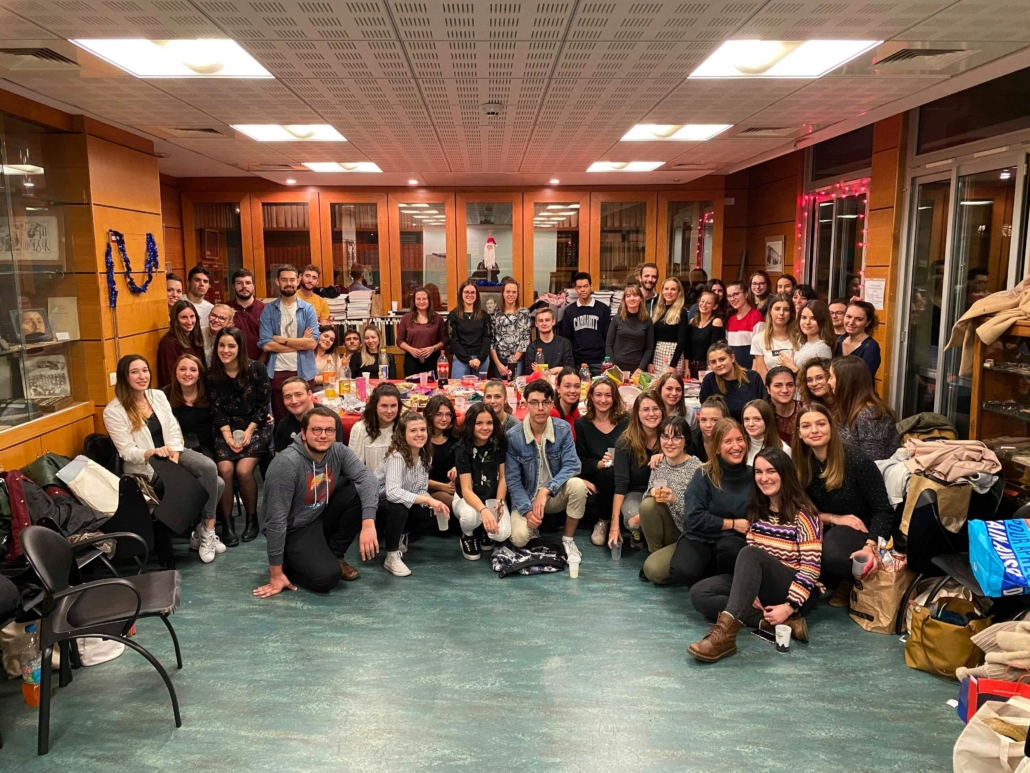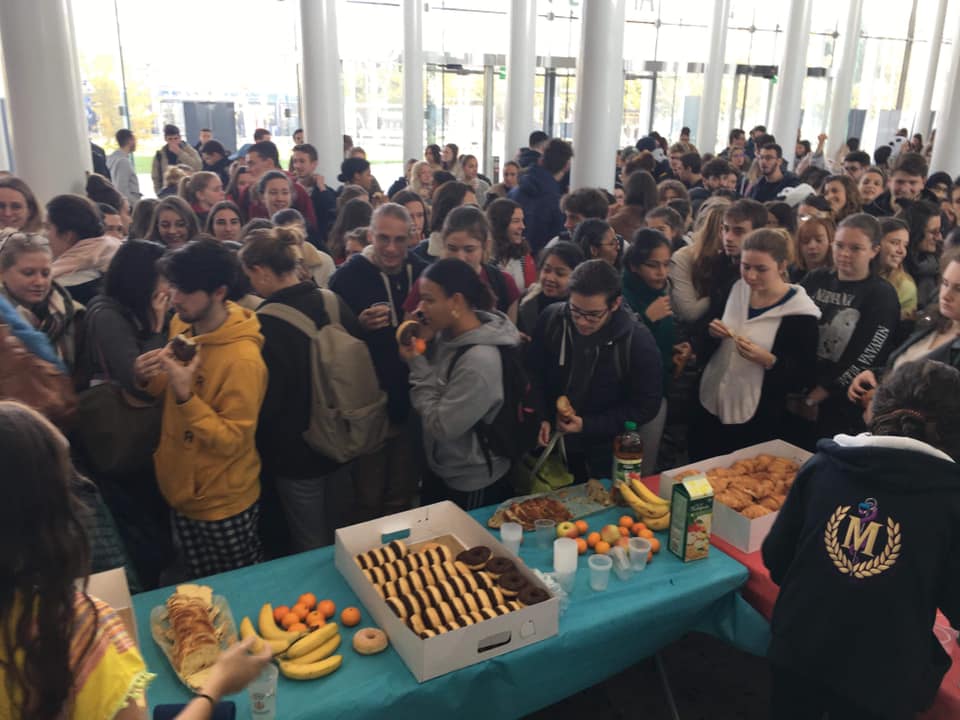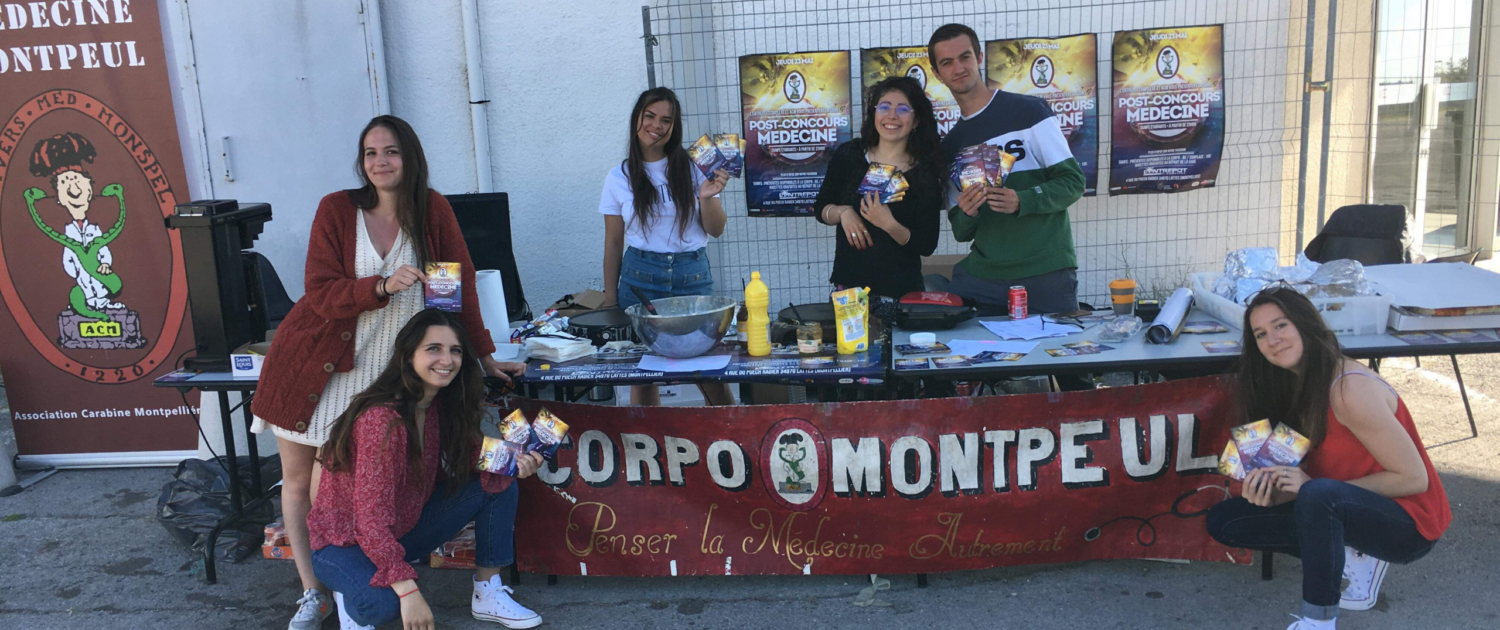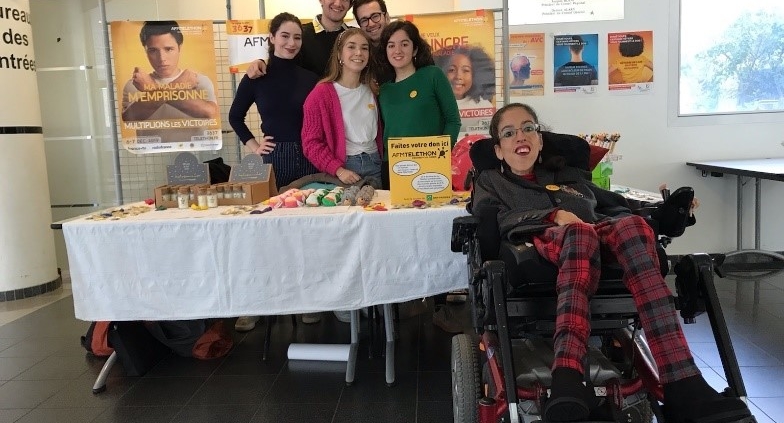
In addition to the Med’Ley Association, this week we also feature the Association Carabine Montpelliéraine (ACM) and its president, Colin Azria.

In a nutshell, what is the Association Carabine Montpellieraine?

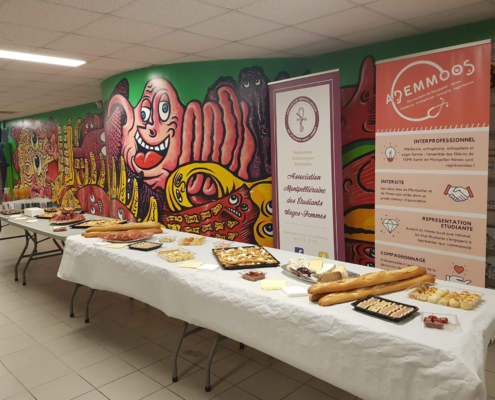
The Association Carabine Montpelliéraine (or the Montpellier Medical Student Association) is a non-profit, non-partisan, and non-denominational association governed by the French Law of 1901, which aims to represent medical students in Montpellier. It is the only association that officially and exclusively represents medical students in Montpellier from the first year (PACES) through the sixth year.

Working closely with the PACES Tutoring Program and the faculty of the School of Medicine, the ACM supports students throughout their academic journey by providing various resources (books, handouts, stethoscopes, and other supplies) and offering them the opportunity to participate in a variety of events (community service initiatives, cultural events, student parties, galas, etc.).

In addition, the ACM is part of the local student representation network (Z’élus associatifs) and the national network (ANEMF – National Association of Medical Students in France), which advocates for students’ interests before administrative and government bodies.

What activities or initiatives do you organize throughout the year?

The initiatives we undertake are wide-ranging and encompass all the opportunities that may arise during our studies. First, we have set up a direct sales service for course handouts to help students learn more effectively. 

We participate in national and international exchange programs, which we organize through the ANEMF network in the form of various exchange programs. 

For several years now, we have also built strong relationships with local businesses throughout Montpellier that offer us “great deals.” We are also in the process of expanding our scope of action to play a more active role in community solidarity and sustainable development in our beautiful city of Montpellier. From simple student parties to global health charity events like the Telethon, Movember, Pink October, or Sidaction, and the Medicine Gala—as well as a daily Culture section offering organic food baskets, “ciné’kult” film screenings, and great deals for students in Montpellier—the ACM aims to support medical students throughout their studies.

Why did you personally choose to study medicine, and what does the association offer students in this program?

Personally, I’ve always been drawn to medical concepts, so it was only natural that I chose this path. It’s only when you choose to study medicine that you realize just how much work still lies ahead. But it’s by volunteering your time to serve an organization that you truly realize the immense scope of the work you can and must do. Having briefly described our activities above, I believe that the Corpo Médecine is an institution that, for several generations now, has been part of the daily lives of medical students and helps keep our traditions alive. 

Why do you think someone should join your organization? 

By joining our association, you’ll be able to discover all our great deals in Montpellier, participate in all our events, gain access to the services we offer (sales of handouts, supplies, books, etc.), and much more!

How do I sign up? 

Joining is easy—just stop by our office at the Arnaud de Villeneuve campus, located at 641 Avenue du Doyen Gaston Giraud, 34090 Montpellier. The membership fee is €10, payable annually. 

A few words about the 2020–2021 board?

The election of the Corpo Médecine executive board takes place at the end of each academic year and is conducted by second-year students. They select members from their class to form the executive board for the following year. You can find out more about the new executive board members on our website.

We're also on social media—you can find us at: 

Last week, we met with the Carabins Crocodiles Association to learn more about community life in Nîmes. Today, Gaël Gomez, president of the Montpellier music association, is taking part in a Q&A session!

In a nutshell, what is Med’Ley?

Med’ley Montpellier Association is the music club based at the School of Medicine. Since last year, it has been open to all students in healthcare programs (medicine, midwifery, pharmacy, dentistry, physical therapy, etc.). Above all, our goal is to bring music into these long and challenging studies. It also allows all these future healthcare professionals to interact with one another during our various events. It is not just a club for musicians, but rather an opportunity for students to meet and connect in a musical setting.

What activities or initiatives do you organize throughout the year?

The Med’ley association organizes a wide variety of events. First and foremost, we are fortunate to be able to bring joy to hospitalized children by performing in the pediatric wards at the Arnaud de Villeneuve and Gui de Chauliac university hospitals

In addition to our humanitarian efforts, we organize concerts at popular bars in Montpellier, as well as Blind Test and karaoke nights—all with the aim of bringing people together through music. 

In addition, for the past two years, our singing competition, the Med’ley Music Awards, has brought together singers from all academic disciplines at the University of Montpellier and other cities such as Toulouse and Nîmes. Held in the anatomy amphitheater, this competition brings together more than 200 people every year, with a new feature introduced this year: direct qualification for the finals of the Coupe de France d’Interprétation for our grand prize winner. The winner also gets to enjoy a studio recording session with our partner. 

In addition, at the end of the academic year, we usually organize a large outdoor concert in the Jardin des Plantes, complete with food and drink stands; however, due to the current crisis, this event could not take place.

Med’ley also gives musicians the opportunity to perform at many other events, such as the Gala Médecine, the ACM’s Open Stages, and Heritage Days, among others.

Finally, throughout the year, we offer lessons in our music room to help members learn an instrument, as well as jam sessions to bring musicians together. 

What does the association offer students?

The club gives health science students the chance to come together through music, regardless of their major, and take their minds off things. It allows people to connect and socialize in a much more relaxed setting—through music. 

In addition, through our work in pediatrics, these future healthcare professionals can come to view the hospital in a different light—from a more entertaining perspective. 

Why do you think someone should join your organization? 
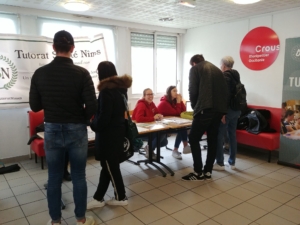
First of all, our members have free access to our music room in the historic building, where they can practice, rehearse, or use the instruments provided for their use. 

They also have the opportunity to play at the CHU and perform at all the various events we organize. But they can also simply come by to take advantage of our many special rates and enjoy a great time with music. 

Members who want to learn to play an instrument or pick it back up can join our Med’ley tutorials. 

Finally, they’ll be able to take advantage of discounts and special offers from our various partners. 

How do I sign up? 

Membership, which costs €5 for second-year students (DFGSM2, DFGSA2, etc.), €3 for PACES students and third-year students, and is free for students in higher years, can be purchased at any time of the year. 

You can join us during our office hours at the various schools, before or during our events, or by contacting us through our social media channels.

A few words about the 2020–2021 board?

The 2020–2021 executive board has already been selected and will take office following the handover General Assembly, which will be held in early June. This motivated, promising board, brimming with new ideas, is sure to satisfy our future members, especially since it brings together four health-related programs… 

In the meantime, you can follow us on social media:

Facebook: @MedleyMontpellierAssociation 

Instagram: @medley.asso


Following our meeting with AMESF, this week we’re joined by the 2019–2020 executive board of the Corporation Carabins Crocodiles (CCC). President Célia Pourtier and the other members tell us more about the Nîmes-based association.

In a nutshell, what is the CCC?

The Carabins Crocodiles Association is a nonprofit organization governed by the law of July 1, 1901, and the decree of August 16, 1901. Run by second- and third-year medical students, it plays many roles in student life at the Nîmes Faculty of Medicine: for example, publishing and selling handouts for students at the Nîmes campus. We also organize student events, whether they are social, charitable, cultural, athletic, or recreational.

The association enables us both to represent our members before the administrative bodies of the Montpellier-Nîmes Faculty of Medicine and the University of Montpellier, in collaboration with student representatives, and to integrate and support local SCOPE/SCORE leaders.

What activities or initiatives do you organize throughout the year? 

Throughout the year, the association organizes public health events to raise awareness among students at the Faculty and raise funds for various organizations: 

  • Movember to raise awareness about prostate cancer screening during the month of November. 
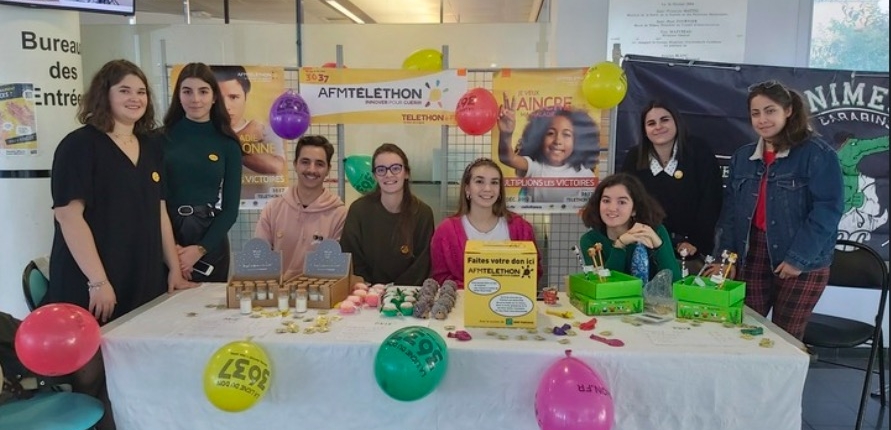
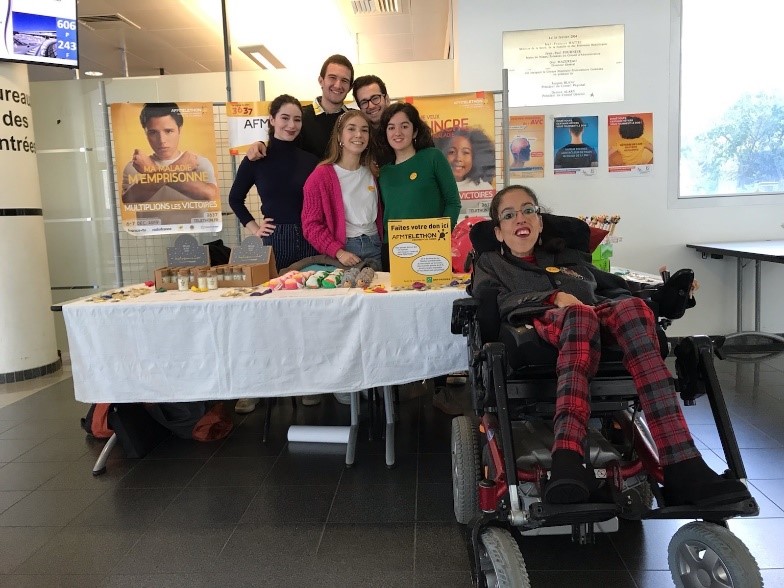
  • The Telethon, the CCC is running a booth in the lobby of the Nîmes University Hospital and raising funds for the foundation. 
  • Sexual health education and a rose sale on Valentine's Day, to raise awareness about various STIs and methods of contraception. 
  • Teddy Bear Hospital to help young children become familiar with the hospital environment. 
  • The Blind Dining Experience at Vatel with the French Federation of the Blind and Visually Impaired(FAAF) 

We support first-year PACES students by publishing and selling study guides, in consultation with university professors. We also support them throughout the year by organizing meals for them at the Carémeau campus, as well as by providing support after the first-semester exams. 

We organize many student social events, such as the annual gala in November and the post-PACES exam party in December. 

This year, we also organized the D4 mock exam in coordination with Lucas Dafontis and the ACM at the Montpellier campus.

Why did you personally choose to study medicine, and what does the association offer students in this program?

“Personally, I felt called to practice medicine while I was preparing for my PACES exam; I was 18 years old. It suddenly became clear to me that I wanted to help those who are suffering and vulnerable, and to preserve life in all its beauty. Medicine is a fascinating field; the studies are difficult, but I had never seen such a supportive, almost family-like spirit among those who would become my future colleagues.” CéliaP. 

“With a strong interest in the sciences and a desire to help others—though I wasn’t yet sure how—I first enrolled in a biology program at a university of applied sciences after graduating from high school. After earning my degree, I took the PACES exam with the goal of pursuing pharmacy, which is what I ended up doing. Then, in my fourth year, with a growing desire to be in direct contact with patients in the hospital and to make decisions regarding their care, I finally realized that medicine was the perfect fit for me. After a long personal and professional journey—and a transfer later—here I am in what I consider the most rewarding field of study. It’s long and difficult, but so engaging, satisfying, and enriching. Plus, there’s a great sense of camaraderie and some wonderful friendships.” LaureM. 

As for the association, it offers student members the opportunity to thrive through teamwork, develop new projects, and find fulfillment through their personal involvement. It also provides members with a setting outside the hospital where they can gather, share ideas, and socialize.

Why do you think someone should join your organization? 
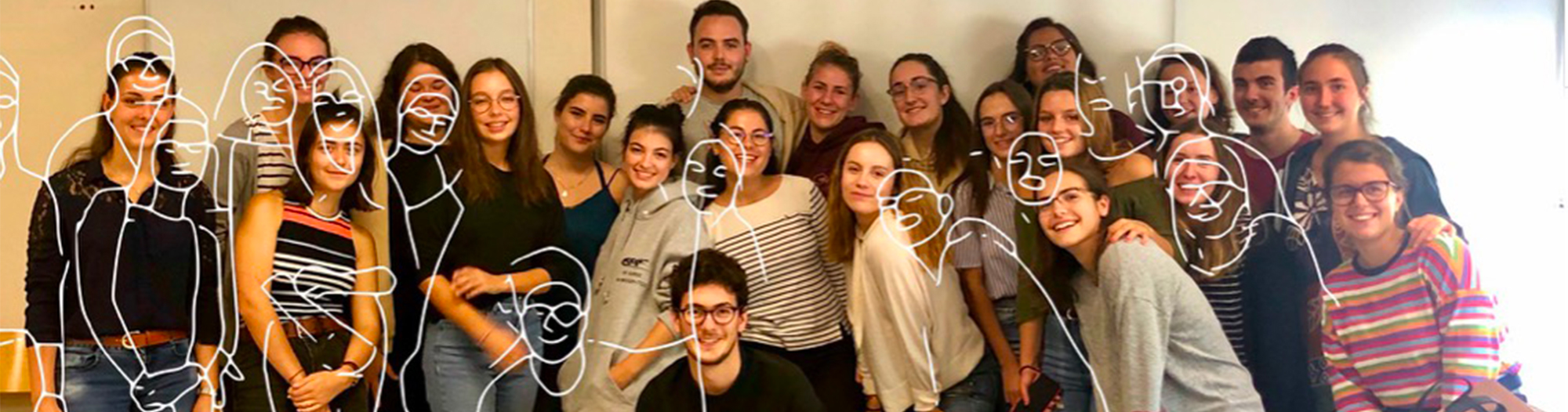
Joining our association offers several benefits. First, students in PACES, DFGSM2, and DFGSM3 can purchase the lecture notes and handouts we offer to supplement their studying. Members also have the opportunity to participate in our student gatherings of any kind or to purchase the various merchandise and goodies we make available to them, such as the Faculty sweatshirt.

Finally, membership gives every student a voice at General Meetings.

How do I sign up?

Joining is very simple: just fill out a membership form with your name, address, email address, and phone number, and pay the fee of ten euros. 

You will then receive your membership card, which will allow you to purchase the courses you need at the student union office on the Nîmes campus. 

A few words about the 2020–2021 board?

Only one slate of candidates was submitted for the election of the Executive Board of the Carabins Crocodiles student association; it was presented and unanimously approved by the members present at the general meeting held to accept the resignation of the 2019–2020 Executive Board. Consequently, following the resignation of our Executive Board, the new representatives of the association are: 

Chairman: Alexandre CARRAT 

Treasurer: Arthur POMMIER 

Executive Vice President: Léhéna CACHIA 

Secretary: Ambrine BOUZIT 

Due to social distancing guidelines and in light of current health measures—with the faculty closed until further notice—this general meeting was held via Zoom. More than 40 people attended the meeting. 

Finally, you can now follow us on Facebook: @CCC.Corpo 

Contact us on Facebook via the account: Charles Claude Croco 

Find us on Instagram: @CharlesClaudeCroco


This week, we’re talking to Justine Rizzo, president of the Montpellier Midwifery Students’ Association (AMESF). From its goals and initiatives to its mission—find out everything you need to know about this association in this interview!

In a nutshell, what is AMESF?

AMESF is the student association for the midwifery program in Montpellier. Our goals are to represent midwifery students, provide services and recreational activities for our members, and organize solidarity and humanitarian initiatives. To this end, we are part of several student association networks. First, at the local level with AGEM, the General Association of Montpellier Students, and also at the national level with ANESF, the National Association of Midwifery Students.


What activities or initiatives do you organize throughout the year? 

Our year is punctuated by several events, some for entertainment purposes—such as the End-of-Year Gala—and others, like the Concert en rose, which is a charity event benefiting the Naître en Rose association.

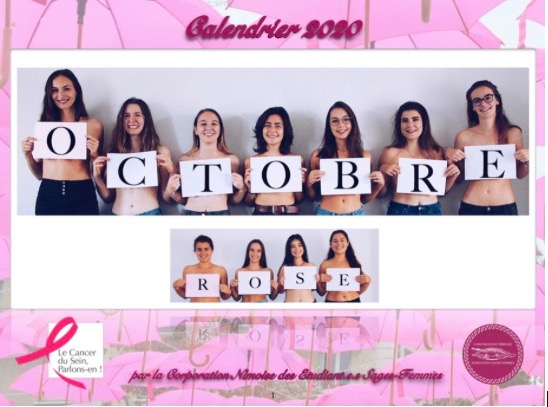
Throughout the year, we also organize several community outreach events where our members can volunteer to help us staff booths. During “Pink October,” we raise awareness about breast cancer and hold a fundraiser for the organization “Cancer du sein, Parlons en !” We also participate in the Telethon and Sidaction

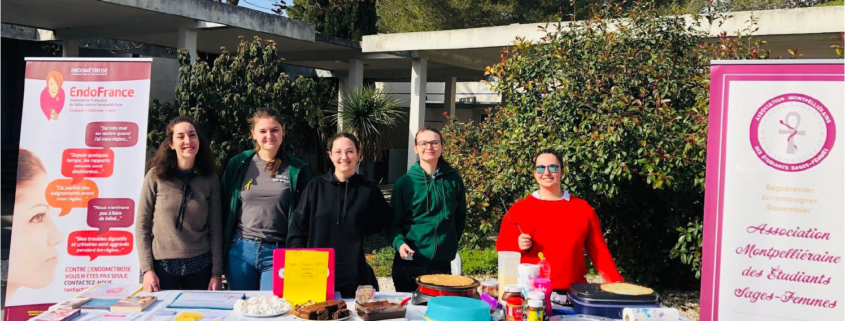
This year, a new project was launched for the first time: the “Endometriosis” project. It is particularly close to our hearts because this condition is not well known, yet it affects about 10% of women.  We visited several faculties in Montpellier to meet with many students and faculty members who aren’t necessarily in the health field (Faculty of Sciences, Paul Valéry University, and the Faculty of Sports Science). We were able to raise awareness about this condition through flyers, quizzes and games, and an information display. We concluded the week by organizing a “film-discussion” event at the Faculty of Medicine on the topic. Following a short film, a discussion took place between various healthcare professionals (midwives, gynecologists) and the audience. We thus raised awareness about this condition and also raised significant funds for research through the “EndoFrance” association.

Finally, we also partner with the French Blood Establishment; every month, we raise awareness about donating blood, plasma, and bone marrow, and announce the various collection sites through our publications.

Why did you personally choose the midwifery program? In your opinion, what does the association offer students in this program?

What I love about being a midwife is working in healthcare, helping families during a special time in their lives—such as the birth of a child—and being able to guide, support, and advise women throughout their lives. Being a midwife requires a wide range of skills and knowledge, including gynecological, pediatric, and obstetric expertise. This profession involves having a thorough understanding of women’s physiology and being able to detect even the slightest problem.

For its part, the association provides students in this program with support, activities, and opportunities to explore various issues. It also allows them to participate in various community service and humanitarian projects, as mentioned earlier. The association offers support to both new students and upperclassmen in this program.

Why do you think someone should join your organization? 
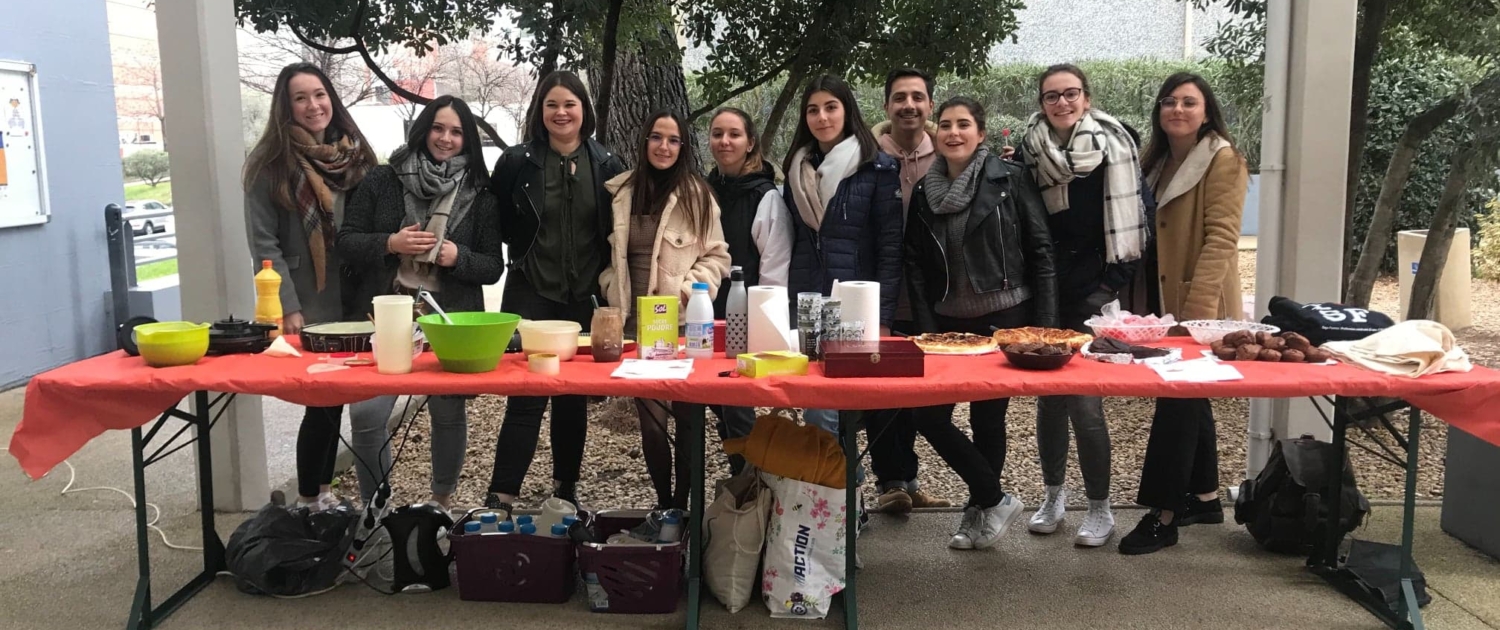
Membership offers many benefits, which we have categorized into several areas. 

The Education Division
The Entertainment Hub
The Student Services Office
The Partnership Division
The Representation Division
The Solidarity Division
It allows us to set up a system for sharing notes and printing out course materials in paper format. We also place group orders for books and supplies for the workshops.  It allows members to attend the events we organize and enjoy special rates at select restaurants, bars, and nightclubs in Montpellier. It’s also an opportunity to foster a sense of community through our events, such as the end-of-year gala. It provides access to “SOS Nounou,” a service that connects midwifery students with parents looking for babysitters. We also offer the option to order vegetable baskets at affordable prices. It allows our members to get discounted prices from our association's partners It allows students to stay informed about the various discussions and training sessions organized by AGEM and ANESF and to participate in them. It entitles members to participate in all the activities we organize, such as those mentioned above.

How do I sign up?

By paying the €10 membership fee at the AMESF office, located on the Arnaud de Villeneuve Campus at 641 Avenue du Doyen Gaston Giraud, Montpellier 34090. 

Starting this year, any student, regardless of their major, can join our association. While they don’t have access to all the same benefits as midwifery students, they’re welcome to attend our social events, share their ideas, or get involved in our various projects, for example!

A few words about the 2020–2021 board?

We have complete confidence in the next generation; great things are in store, and we can’t wait to see them bring all their projects to life! 

In the meantime, you can find us on all our social media platforms!

Facebook: AMESF – Montpellier Association Association of Midwifery Students in Montpellier

Instagram: amesf_sfmtp

Snapchat: amesf_sfmtp

Twitter: AMESF_SFMTP


Physical activity isn’t just a way to lose weight. Exercise offers significant benefits from medical, social, and economic perspectives. It actually helps boost the immune system and promotes overall well-being: walking, running, or gardening activates metabolic processes—in other words, biological reactions—that take place within our bodies.

The benefits of exercise can be seen not only in one's physical appearance but also in one's mental health:

Physical health

Combating obesity and diabetes-related diseases

Strictly speaking, exercise alone cannot prevent obesity or being overweight. However, physical activity is often recommended as a complement to appropriate treatment to help patients achieve their goals.

In general, exercise helps regulate weight with the goal of achieving a more toned physique. Muscles can produce certain hormones, called myokines, which have metabolic effects on various organs at a distance. As Cédric Moro (research director at Inserm within the Institute of Metabolic and Cardiovascular Diseases in Toulouse) explains, “In an obese patient, muscle tissue contains some fat. Exercise burns this fat, and insulin then becomes more effective at supplying the muscle with glucose. This notably reduces the risk of developing type 2 diabetes.” 

The positive effects of exercise on weight issues or diabetes are only beneficial if done correctly. There are guidelines that must be followed to ensure effectiveness with minimal side effects. 

Cardiovascular diseases

When it comes to cardiovascular disease, the risk factors are well known: smoking, stress, high blood pressure… Regular physical activity improves and regulates the functioning of the cardiovascular system, thereby reducing cardiovascular risks:

  • Potential 50% reduction in high blood pressure
  • Increase in good cholesterol levels
  • Blood sugar control

We also know that below a certain VO₂ max threshold—the maximum amount of oxygen the body consumes during intense exercise—a patient with heart failure requires a transplant. Thibaut Guiraud, a physiology researcher at I2MC, explains that “With exercise, you improve your physical capacity and can move out of the ‘red zone,’ which is above 5 METs (equivalent to the ability to walk at 4–5 km/h for a few minutes).”

Regular physical activity helps strengthen the heart and thus prevent or delay cardiovascular problems.


Cancer

It’s no secret that physical activity can help with the recovery from certain cancers.

Cancer is the leading cause of death, ahead of cardiovascular disease: the number of cases has doubled over the past 30 years.

Exercising during treatment helps the body counteract certain negative side effects of treatment, such as fatigue. Provided, of course, that the exercise is moderate and tailored to the specific treatment. Béatrice Fervers, an oncologist at the Léon-Bérard Center, explains that “The sooner a patient begins physical activity after diagnosis, the better they are able to counteract side effects.”

In fact, physical activity alters body composition (reducing visceral fat and maintaining or even increasing muscle mass) as well as muscle strength. The potential effects of regular physical activity on the mechanisms involved in tumor proliferation can be explained: the best-documented effects pertain to breast cancer and involve glycemic regulation, increased insulin sensitivity, an anti-inflammatory effect, and hormonal regulation.

According to researchers at ISERM, physical activity may help reduce the risk of recurrence in breast and colon cancer.

Mental health

As we saw in the article on meditation, physical activity contributes to better mental health.

Exercise doesn’t just help people with health conditions. It also promotes well-being in those who engage in it, helping to reduce psychological risks.

Stress relief

Physical activity can help reduce stress. In fact, exercise triggers the body to release hormones called endorphins, which are known as “feel-good” hormones. As a result, anxiety levels are reduced after physical activity. 

Dr. Martine Duclos, an endocrinologist and head of the Sports Medicine Department at the Gabriel-Montpied and Estaing University Hospitals (Clermont-Ferrand), explains that exercise can help reduce the need for anti-anxiety medications; for example, “in anxious or stressed individuals, regular physical activity provides the same benefits as anti-anxiety medications, without the side effects or risk of dependency; it also has an effect similar to that of antidepressants in people suffering from mild to moderate depression.” Exercise also stimulates the release of neurotransmitters involved in depression when they are deficient, serotonin being the primary one.

Beyond its calming effect, exercise also allows us to take a break from our daily routine and forget the little worries that usually occupy our minds while we’re working out.

Sleep quality

It’s just a short step from reducing stress to improving sleep. 

Dr. Duclos notes that “exercise has two positive effects: you’ll have less trouble falling asleep, and athletes will wake up less often in the middle of the night.”

This is largely due to the regulation of blood pressure and the release of endorphins, which help us relax more effectively. As a result, exercise reduces stress, leading to physical fatigue rather than mental fatigue.

In addition, participating in sports requires people to be more organized and, as a result, to regulate their biological rhythm (also known as the circadian rhythm). This also involves eating better to improve performance. All of these factors play an important role in sleep quality.

“However, it’s important not to exercise too late in the day, because that will push back your bedtime,” Martine Duclos points out.

The Brain and Depression

Finally, exercise causes the brain to release dopamine. Dopamine is a neurotransmitter involved in the reward system.

Memory, cognition, mood: Physical exercise enhances mental performance and health.

A team led by Lisa Weinberg at the Georgia Institute of Technology (United States) conducted a study involving students who were asked to memorize 90 photos. The first group was asked to perform leg exercises while the other group remained seated. Two days later, the students were asked to identify as many images as possible from a set of 180: the group that exercised was able to identify 60%, 10% more than the control group.

Researcher Martine Duclos observed a “positive correlation between their physical fitness and the type of high school they attended (academic, vocational, agricultural).” According to Dr. Duclos, this can be explained by the fact that “muscle activity triggers the production of myokines, proteins that, through a complex mechanism, prompt the brain to produce growth factors, neurotrophins, and more specifically BDNF (brain-derived neurotrophic factor). It promotes the formation of microvessels (angiogenesis) and the production of new neurons (neurogenesis).”

Sports at the University – ASMM Association (Montpellier Medical Students' Association)

This sports club consists of 3–4 members dedicated to serving medical students who wish to engage in regular physical activity. With the aim of promoting sports, it provides them with sports facilities and equipment and organizes intercollegiate competitions.

Our projects:

  • Formation of a women's volleyball team;
  • Formation of a rugby team made up of medical and dental students;
  • Formation of a basketball team made up of medical, pharmacy, and dental students;
  • Organization of futsal, tennis, pétanque, and beach volleyball tournaments.

Office:

President: Mustapha MOUSTAFAOUI
Secretary: Maxime FOULQUIER
Treasurer: Youssef TRIGUI


Contact:


Institute of Biology
4 Boulevard Henri IV,
34965 Montpellier Cedex 2

Instagram


Sources: 
https://lejournal.cnrs.fr/articles/le-sport-est-bon-pour-la-sante-cest-prouve
https://www.naturaforce.com/blog/2017/06/03/bienfaits-du-sport-sur-la-sante/
https://www.sciencesetavenir.fr/sante/bouger-ameliorer-le-cerveau_29226

Stress and anxiety affect our cardiovascular system, which in turn leads to increased stress and anxiety. It’s a vicious cycle! However, non-pharmacological solutions do exist and are accessible to many people. Among them is meditation.

Meditation is known to have several positive effects on health.

Stimulates the brain

One of the unique aspects of mindfulness meditation is that it helps improve memory by fostering attention. This involves treating the mind as a muscle. Just like any other muscle, to strengthen it, you need to exercise it daily through mindfulness meditation.

This helps keep your attention focused on a specific idea and prevents your mind from wandering too much.

Did you know?

Mindfulness meditation, or mindfulness, involves focusing on one’s sensations, breathing, emotions, and thoughts without passing judgment. It was developed by Jon Kabat-Zinn, a professor of medicine at the University of Massachusetts. 

Studies conducted in the United States by neuroscientist Sara Lazar of Harvard Medical School have shown that meditation may increase gray matter in the areas of the brain associated with learning, memory, and emotional regulation.

This study also showed that meditation can be highly beneficial for people with attention disorders: it reduces hyperactivity and impulsivity, thereby improving attention.

Antidepressant 

Research has shown that among the other benefits of meditation is its ability to reduce stress and anxiety, and thus lower the risk of depression. How does it work? You focus on your breathing by simply becoming aware of your inhalation and exhalation. These techniques are easily accessible to everyone, even children.

Did you know?

Professor Tu-Anh Tran, a faculty member at the School, has posted four guided meditations* on her YouTube channel so that children and their families can practice them throughout the day to find inner peace and focus on their work.

Episode 1:

Episode 2:


Episode 3:


Episode 4:


This method increases respiratory movement, allowing for better oxygen diffusion throughout the body and, more specifically, in the brain. Finally, mindfulness meditation improves the functioning of the prefrontal cortex, which is responsible for managing emotions. It enhances intuition and creativity while reducing negative emotions such as stress, fear, and anger.

“Meditation balances the levels of activity in the two hemispheres of the brain. This balance promotes harmony between body and mind. Meditation is a valuable resource in an era that generates more and more psychosomatic imbalances” – Marc de Smedt, French publisher, writer, and journalist, specialist in meditation techniques and world wisdom.

Immune booster

Finally, meditation is also valued for its benefits as an immunity booster. 

In fact, mindfulness meditation affects pro-inflammatory genes, enabling the body to recover more easily after a stressful or anxious situation. 

The rest it provides is considered more effective and deeper than that achieved during sleep. The body produces fewer waste products thanks to increased oxygenation of the lungs, which in turn affects the hormonal, vascular, and muscular systems. This leads to a boost in immunity and a regulation of pain sensitivity.

Did you know?

The Montpellier-Nîmes Faculty of Medicine offers a University Diploma (DU) in Meditation and Health. 
Course Objectives:
To understand the principles and benefits of meditation and learn how to apply it to improve the health of healthcare providers and patients.
Skills acquired

  • Identifying what meditation is—and isn’t
  • Understand the physiological mechanisms of meditation and their health benefits Identify potential applications of meditation in healthcare settings
  • Continue or strengthen your own regular practice
  • Implement a project that incorporates meditation into your healthcare setting (for your patients or colleagues)

Studies using the“Mindfulness-Based Stress Reduction”(MBSR) protocol have shown positive effects on the reduction of pro-inflammatory genes, the immune response to the flu vaccine, immune signaling in people with cancer, and immune cell activity in HIV-positive patients.

Key Takeaways

During this unprecedented health crisis, it is important to find new ways to protect ourselves from the stress and anxiety caused by lockdown. Practicing meditation in a group, even remotely, helps break the feeling of social isolation and fosters a sense of belonging.

Meditation

  • Helps improve focus and boost memory
  • Helps manage stress and anxiety
  • May help the immune system develop


*These meditations are excerpted from her book *Méditasoins: Short Meditations for Children’s Major Ailments*, published by Thierry Souccar.
*Journal of Behavioral and Cognitive Therapy (2010) 20, 11–15 – Impact of the Mindfulness-Based Stress Reduction ( MBSR) therapeutic approach on mental health (stress, anxiety, depression) among students – C.Berghmans∗, C. Tarquinio, M. Kretsch


The Healthcare Professional:

We would like to thank Professor Tran for his assistance in the preparation of this article.

Tu-Anh Tran

Tu-Anh Tran

Professor, Head of the Pediatrics Department at Nîmes University Hospital

Professor Tu-Anh TRAN is a pediatrician specializing in inflammatory and rheumatic diseases in children, and head of the pediatrics department at the Nîmes University Hospital. A meditation practitioner himself, he was instrumental in creating one of the first university-level meditation programs in France, at the Montpellier-Nîmes School of Medicine: “Meditation and Health.” Professor Tran has been using meditation to treat his young patients for over 10 years.


The current situation is leading us (or bringing us back) to new activities, and reading is one of them. During this period of lockdown, many e-books have been made available for free online. Whether you’re an avid reader or someone looking to explore new areas of knowledge, there’s something for everyone.


Here is a list of several themes and platforms that might help you find what you're looking for:


Montpellier Interuniversity Library

The first stop for students at UM, the Montpellier Interuniversity Library (BIU) gives students at the University of Montpellier access to all the materials available on the platform.

There, you'll find:

  • Scientific journals
  • Books
  • E-books
  • Theses and dissertations

There's something for everyone, whether you're looking to learn, study, or work on your thesis. 


Gallica BNF

The Bibliothèque Nationale de France also offers a wide selection of free books to everyone—but that’s not all! Check out:

  • Read: ePubs
  • Don't miss: the lectures
  • Check out: our curated selections
  • for students: resources
  • For kids: activities, coloring pages, stories


Online Reading – Medicine

In addition to the resources mentioned above, some websites offer PDFs and e-books related to your field of study. One such site is “Livres pour tous,” which has a section Medicine and Health section with documents that are accessible to everyone and free of charge.

The same applies to the “Univers médecine” website, which offers books on medicine tailored to different skill levels.


Major corporations and publishers

To help the French people get through this health crisis, some major retailers and publishers have made free e-books available. 

With a wide variety of themes, you'll find:

  • Crime Novels
  • Romance
  • Fantasy
  • French Literature


A host of authors to delight you: J.K. Rowling, Harlan Coben, Stephen King…


Wikisource and Project Gutenberg

On these two websites, you’ll find thousands of books and articles available for free! With such a wide variety of topics, there’s something for everyone.

Wikisource Gutenberg

And if you still haven't found the book you're looking for using all these links, here's a link to this online book database!  

The lockdown is forcing universities and their departments to adapt. Classes are now held online, and exams will soon follow suit. While we are currently conducting several stress tests to ensure that all our students have optimal conditions for taking their exams, you will find below some tips for improving your internet connection, as well as a reminder of the procedure to follow for your upcoming online exams.

Testing Your Internet Speed and Interpreting the Results

To enable students to take their exams online and allow staff to work under the best possible conditions, the DSIN is providing a tool that lets you measure the quality of the connection between your home and the university: https://testdebit.umontpellier.fr/

Data reception (download)

After completing this test, the results will appear, and you can interpret them using this short guide:

  • A speed between D and F is considered slow (low throughput);
  • A C-class speed between 3 and 7 Mbps is classified as "medium speed"; it is at these speeds that remote work can begin to function effectively.
  • Speeds of 8 Mbps or higher are considered "broadband"
  • Connections exceeding 30 Mbps are classified as "ultra-high-speed."

Data upload

This value represents the speed at which data is transmitted from your computer to the Internet; it is often referred to as "upload speed" or simply "upload."

An average download speed of 1.2 Mbps is sufficient for transferring data from your computer.

Response time (ping) 

This value represents the time taken for a round trip between your computer and the server hosting the files used to measure the data download speed; it is often referred to as "latency."

A value in the green zone is required for high-quality video conferencing (without interruptions).

Improving Your Wi-Fi Connection

If the connection is not optimal (between D and F), you should:

  • Use a wired connection whenever possible : The connection will be more stable, and devices connected via Wi-Fi will have better speeds.
  • Positioning Your Router Correctly : Avoid placing it under the TV or in a closed cabinet. Ideally, install it about 1.5 meters above the floor in an open area. Never place anything on top of it, and plug it in directly (do not use an extension cord or power strip).
  • Close any programs that are currently running: To get the most out of your bandwidth, remember to turn off Wi-Fi on devices you’re not using (phones, connected devices).
  • Turn off automatic Wi-Fi scanning : By default, Windows constantly scans for nearby wireless networks. This feature, which is unnecessary if you always connect to your own network, consumes bandwidth.
  • Check for viruses: Whether by displaying ads or secretly using the computer’s resources, some malware unnecessarily consumes bandwidth.


If, after checking all these steps, the connection is still weak, please contact your registrar’s office so they can help you access the exams under the best possible conditions. Please also feel free to report any issues you encounter during the exams.

Take exams

With a reliable internet connection, students can take their exams.

To do this, students must log in the same way they do for tablet-based exams in the lecture hall: log in from your device on SIDES + ENT authentication + enter the exam code.

The box codes will be sent via email before the event.

On the day of the test, we encourage students to, if possible, put themselves in an exam setting:

  • Start the connection at least 15 minutes before the scheduled times (to allow for any unforeseen circumstances)
  • Being alone in a room
  • Keep only the exam materials (pen, blank scratch paper, etc.)
  • Do not attempt to connect to any applications other than the one required for the exam. This could disrupt the connection and interfere with your ability to write.

Once the challenge begins, it’s up to you! 

We wish you the best of luck on your exams!

Bonus

In this article, you’ll also find our tips for studying remotely!

Nutrition - 5 Tips

During this period of lockdown, there’s no shortage of temptations when it comes to snacks and treats… Should you give in and feel guilty, or resist and feel frustrated? We spoke with Prof. Ariane Sultan, a professor at the Faculty specializing in nutrition, and dietitian Nicolas Sahuc, who teaches at the Faculty. Together with them, we’ve compiled five dietary and nutritional tips to follow during lockdown… but that’s not all!


1 / Listen to your body and its needs!

Lockdown is turning our routines upside down: our schedules are out of sync… and so are our bodies! Sometimes, we don’t feel hungry at the traditional “breakfast, lunch, and dinner” times. Don’t panic! According to Nicolas Sahuc, we need to pay close attention to our body’s rhythm, which varies from day to day and isn’t necessarily aligned with “social” schedules: Don’t worry if you aren’t hungry at ‘mealtimes’; instead, eat when you’re really hungry.” To do this, you need to listen to your body and pay attention to genuine feelings of hunger and fullness. This doesn’t necessarily mean eating three meals a day…” emphasizes Professor Sultan.

All in all: think about your body’s natural rhythms and pay attention to your hunger cues before you even think about nutrition! 


2 / Don’t pick and choose or cut out any foods: think about how long they keep you full! 

“When you’re hungry, any food will do to satisfy your hunger. However, not all foods keep you feeling full for the same amount of time.”. The dietitian's advice is to opt instead for foods that will keep you full for longer: choose a banana over a cookie for a snack, or better yet, if you're really hungry, have a proper, balanced meal.


3 / Don't beat yourself up—think big!

That said, don’t feel guilty if you really crave that cookie for a snack. The key is to think about nutrition holistically: “Nutrition is all about overall balance. If you eat balanced meals regularly and at your own pace, there’s no reason to feel guilty.” Conversely, balanced nutrition isn’t a “one-off”: a single balanced meal every now and then isn’t enough! Professor Sultan confirms this: A balanced diet is determined over the course of a week rather than a single day.”


4 / Choose balanced meals

“A balanced meal will keep you full for about 5 hours, while an unbalanced meal or a snack will only keep you full for 2 to 2.5 hours. It is therefore important to plan your meals with a variety of foods that will keep you full over time. “Contrary to popular belief, a meal without bread or starchy foods won’t help you stay slim, since you’ll be hungry again two hours later.” For a balanced and substantial meal, it is recommended to include: bread, starchy foods, a source of protein (meat, fish, eggs, or plant-based protein), a dairy product (yogurt or cheese), fruits and vegetables for fiber, and a small amount of fat. Ariane Sultan notes that “this composition should be adjusted based on how hungry you feel”. As for meal variety, the dietitian emphasizes that “the composition of a balanced meal is always the same; you just need to vary the foods according to your tastes!” 


An example of a balanced meal: 

  • 1 serving of Basque-style chicken, with vegetables (fresh or frozen), rice, and salad
  • 1 slice of bread
  • 1 yogurt or 1 piece of cheese
  • A few strawberries


But don’t forget Professor Sultan’s advice, who recommends paying close attention to your hunger cues: “If you’re not very hungry, you don’t need all those starchy foods—or cut back on them!”

5 / Carbohydrate-rich snacks for periods of intense work

And since we know that exams are coming up for many of you, we asked the dietitian for his recommendations on snacks during busy periods. According to him, “You should opt for carbohydrate-rich foods, such as cereal bars or fruit compotes, which are nutritious and convenient. Swedish “Havreflarn”-style oatmeal cookies are also a good option: they don’t contain too much added sugar and are easy to make at home.” However, our dietitian reminds us: “Before you even think about snacks, the most important thing is learning how to manage your stress! Breathing exercises are very effective in helping you do that.” “And don’t forget physical activity!” the professor adds, “You can stay active no matter what the circumstances—even during lockdown! You just have to adapt your routine and adjust to the situation!”


Of course, we weren't going to leave you hanging: we've picked out a few Swedish pancake recipes for you… : 

Recipe 1 Recipe 2 Recipe 3

…and apps to help you manage stress:


We’ll be back in the next few days with more on physical activity, so stay tuned! In the meantime: get cooking! 😉


Healthcare Professionals:

We would like to thank them for their assistance in writing this article.

Ariane Sultan

Ariane Sultan

Professor of Nutrition

Ariane Sultan is a professor of nutrition on the Nutrition and Diabetes Team at Montpellier University Hospital (CHU de Montpellier), Lapeyronie Hospital. As chair of the CLAN (Food and Nutrition Liaison Committee) at Montpellier University Hospital, she teaches several courses in nutrition and diabetes care at the Faculty of Medicine.

Nicolas Sahuc

Nicolas Sahuc

Registered Dietitian

Nicolas Sahuc has been a registered dietitian since 2003 and specializes in eating disorders. He regularly gives seminars to medical residents at our faculty on eating disorders and childhood obesity.

Working from home and studying

Due to the lockdown due to the COVID-19 health crisis, the routines of most of us have been turned upside down. To help you adapt as best as possible to remote work for some and distance learning for others, today we’re sharing 5 tips to put into practice!

1 – Stick to a schedule

To stay productive while working from home, you’ll need to plan your time! Setting an alarm and establishing daily and weekly goals are key steps to staying on track! Having a clear idea of the tasks you need to complete each day and assigning a specific amount of time to each one will help you structure your workday. To help you out, we’ve even prepared a schedule you can print and customize yourself! This system works for both projects with deadlines and exam prep. Knowing how to set goals and stick to them is the key to productivity.

2 – Setting Up Your Own Workspace

Working from home isn't always easy—there are plenty of distractions. Instead of working in front of the TV or from your bed, you should focus on creating a dedicated workspace. Set up your own office, a place where you’ll only go to work and where you’ll feel comfortable. Computer, sheets of paper, pens, a houseplant—keep everything within reach everything that might come in handy for your work! You can also keep a small object nearby to keep your hands busy while you’re thinking, whether it’s a pen to doodle with on a piece of paper or a stress ball to squeeze!


3 – Stay in touch with these colleagues 

It’s easy to feel lonely or overwhelmed when working from home! Staying in regular contact with your colleagues will not only allow you to interact with others but also help you motivate one another! This is especially essential for those leading team projects. Schedule regular check-ins to review everyone’s progress and keep a group chat open at all times so you can respond to emergencies or answer questions. 

In addition, if you're having connection issues, this article has all our tips for getting the best possible connection! 

4 – Keep your work and personal lives separate

Is there anything tricky about working from home? It’s hard to separate your professional life from your personal life. You’re at home, surrounded by your family, but you’re also at work. The first thing to do is to get into work mode. You wouldn’t go to the office in your pajamas, so in the morning when you wake up, eat breakfast, do a little exercise, and get dressed before settling into your remote work space. Also, let your family and friends know your work hours so they disturb you as little as possible during those times.

5 – Take breaks 

Don’t spend the whole day focused on your classes or your computer; to keep up the pace, you need to take breaks. Whether you’re at college or at work, you probably take breaks from time to time, so do the same at home! Folding your laundry, having a coffee on your patio or by the window, or simply doing nothing on your couch will help clear your mind. Getting back to work will be all the easier afterward because your mind will be clear. So don’t feel guilty about taking breaks! It’s normal to want to move around a bit, especially when you’re stuck at home all day, and it will help you refocus. 

6 – (Bonus) Stay tuned!

And since we’re here for you every day during this lockdown, don’t forget to follow us on social media: Facebook, Twitter, and Instagram.

Your favorite organizations are getting involved too, so don’t forget to follow them as well!