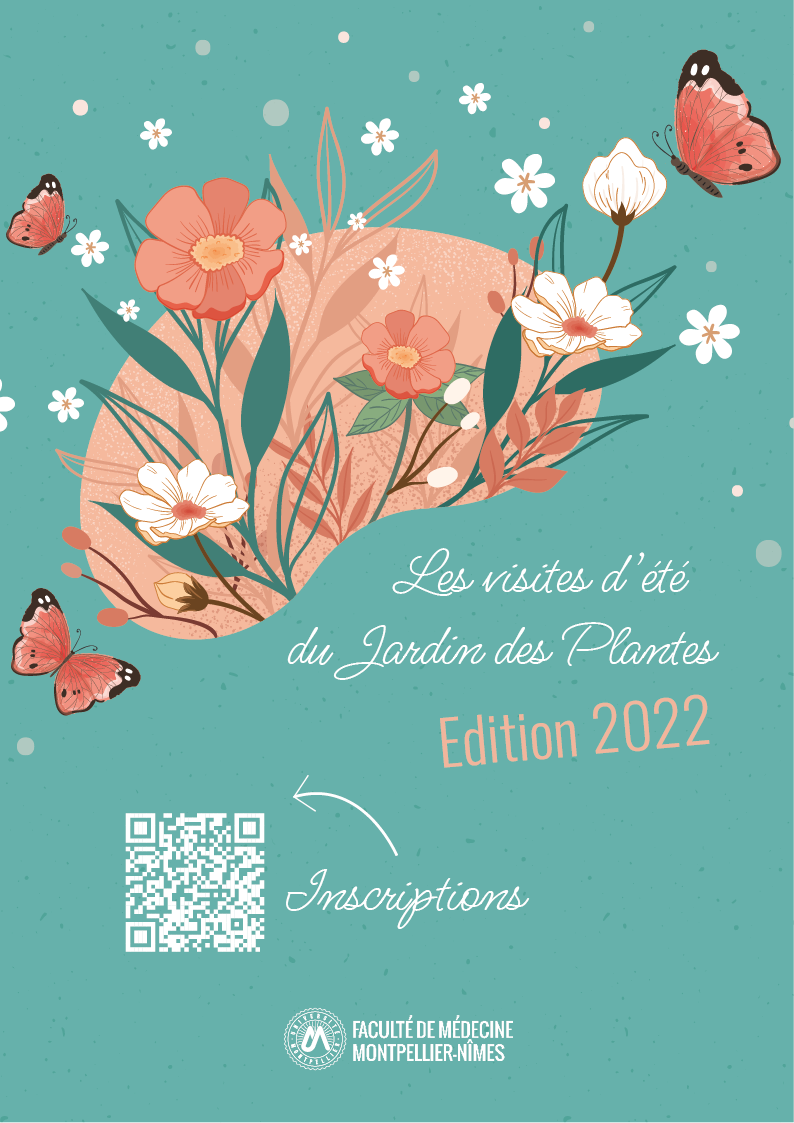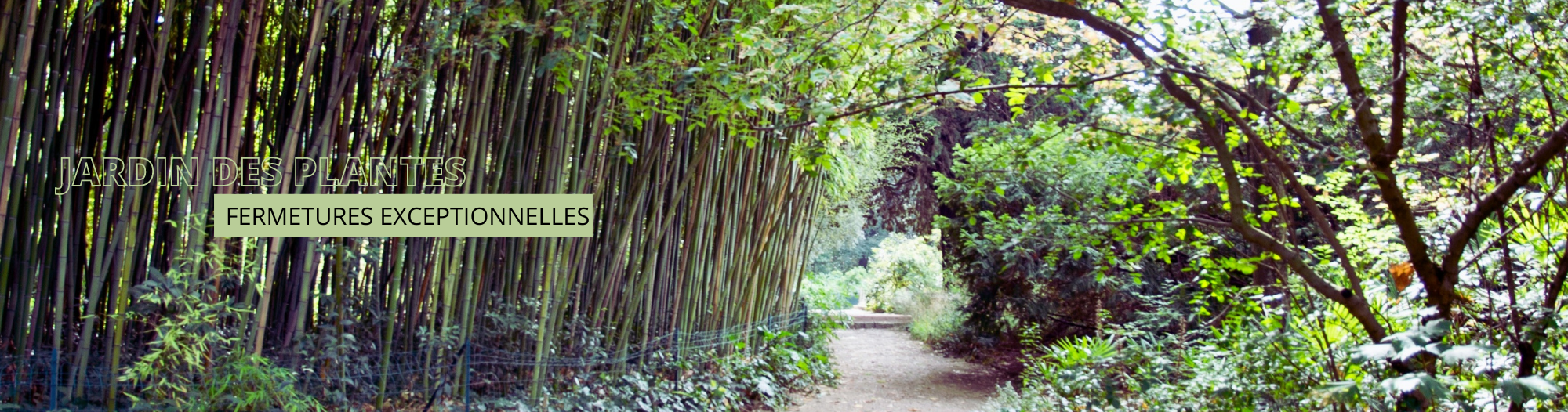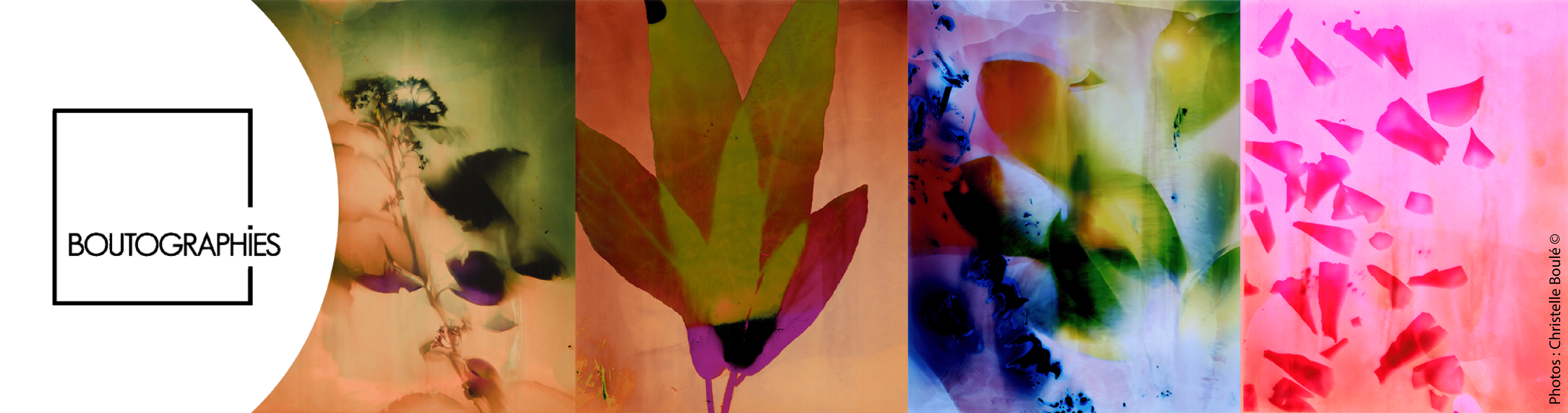
Inspired by the Jardin des Plantes and its historic herbarium, discover the “Botanica” exhibition curated by Christelle Boulé for the Boutographie Festival. From Saturday, May 7, through Sunday, May 29, enjoy a floral stroll right in the heart of the Orangerie.

Off-site programming

Each year, the Boutographie Festival offers a parallel program that creates a circuit through various cultural venues in Montpellier. Originally scheduled for 2019 but canceled due to the health crisis, the Jardin des Plantes is hosting the Botanica project this year—a series of 15 paintings paying tribute to its botanical collections. To learn about the project’s origins and its inspirations, we spoke with artist Christelle Boullé.

What is your background?

I grew up in Montreal and studied art. I later decided to switch to graphic design and earned a bachelor’s degree in 2009. After moving to Lausanne, Switzerland, I worked for four years as a graphic designer at an agency. Following this experience, I decided to resume my studies and enrolled in the Master’s program in photography at ECAN, a world-renowned school, from 2014 to 2016. That’s when I began approaching photography the way I do today—experimentally—particularly through a series I created on perfume. It involves working in a lab, much like with film photography, but here the photos are developed in color. I love that each photo is unique, and this technique is a playground for creativity.

Tell us about the Les Boutographies project  

In 2017, I submitted my graduation project to exhibit at the Pavillon Populaire. I was contacted again in late 2019 for an “Hors les Murs” exhibition, which showcases various photo series throughout Montpellier. They reached out to me because I work with materials. I really like the Boutographies project because it helps showcase emerging artists; it’s very refreshing and gives us the chance to discover projects that don’t get as much exposure.

What about the Botanica project?

This invitation is a wonderful gift. I had been working for two or three years on the visual representation of perfume when Les Boutographies came up with this idea in collaboration with the Jardin des Plantes in Montpellier. So I began researching the site and was immediately inspired. It’s a fantastic place. I watched documentaries and reports to discover the richness of the herbariums, which immediately caught my interest. I wanted to get closer to the material and pay homage to nature, scents, and forms. I then wanted to create a timeless garden—a garden we could have at home or one that might have existed 300 years ago—to bridge the past and the future.

What inspired you when working on the Jardin des Plantes?

I didn’t actually go to the Jardin des Plantes; instead, I decided to imagine it and let myself be inspired. So I turned to my friends who had traveled to places like Japan or Canada and taken photos of plants. My work was based on my research and, above all, on my interpretation of what the garden might be like.


Launched in 2020, the Botanica photography series is still ongoing, and Christelle Boulé continues to work on it.

For a burst of color, visit the Orangery throughout the month of May!

After winning MUSE’s Take-Off 3 competition, Drs. Herrero and Bonnel presented the PREPABLOC training program during the “Surgical Research and Innovation 2021” session at the National Academy of Surgery. The program was then awarded the prize for educational innovation! Here’s a look back at this unique training program.


PRÉPABLOC: a training program for the operating room professionals of tomorrow

Construction of the project

The launch of PREPABLOC stems from a co-creation initiative led by Dr. Herrero, with support from Dr. Ferrandis. A multidisciplinary team was assembled, comprising:

  • The teaching staff at the CHU’s IBODE School,
  •  the Assistant Chief Residents at the CHU and ICM hospitals,
  •   the LIRMM teams,
  • Physical therapist in the Emergency Department at the University Hospital


Course outline

Organized and coordinated by the Innovation Accelerator, this is an innovation marathon in the form of a team competition involving groups of about ten people. Creative workshops enable participants to develop useful projects in record time and learn how to pitch them by the end of the week. The five themes were stress, communication, the future of surgical education, the appeal of operating room professions, and creating an “Escape Game.”

 The future surgical nurses, who will serve as mentors to tomorrow’s surgeons, had the opportunity to participate in various theoretical and practical workshops throughout a week-long “conference.” The directors of the surgical nursing school focused their presentations on hygiene and instrumentation. The Assistant Chief Residents from the hospitals of the University Hospital and theICM , meanwhile, led theoretical courses, sharing insights into their work as hospital surgeons, conducting workshops on suturing and surgical knots, and allowing students to test their skills on a laparoscopy simulator.  The LIRMM teams also collaborated at the high-tech university hospital simulation facility on the Arnaud de Villeneuve campus, which Dr. Debien and his teams operate on a daily basis. A workshop was also dedicated to casting techniques with Christophe, the lead cast technician in the CHU’s emergency department. 


The objectives of this course  
  • Train students before they begin their internship

    To provide all medical students with a structured training program that is standardized before they begin their clinical rotations in surgical or emergency departments.

  • Reduce stress among these students

    As well as that of the supervisors who welcome them into the operating rooms and who, in addition to the time required to train them on top of their regular workload, were always anxious that they might make mistakes due to a lack of familiarity in this highly controlled environment.

  • Raise awareness that effective teamwork is a key factor in success

    This will benefit not only the patient but also foster a sense of calm in a demanding workplace.

  • Encourage people to pursue careers in these fields

    With objective information.

  • Introduce students to the methodology of innovation through project-based learning at an early stage

    Pso that students know how to create, structure, and present projects that align with the ambitions they may have for both their professional and academic futures.

A project supported by MUSE

This project was made possible thanks to financial support from MUSE (Montpellier University of Excellence) through a call for proposals titled “ Take OFF 3 ” won in June 2020 with the active assistance of the innovation facilitator (Dr. Christophe BONNEL and Anaïs CAUSSE). The team at MUSE’s Center for Educational Innovation (CSIP) also contributed to the project by creating an interactive, fun card game and designing an “Escape Game” that will be offered next year.


PREPABLOC: A Highly Successful Training Program

The success of the project

The creation of this Open Course Unit was a success among students. Indeed, founded by a multi-professional and multidisciplinary team, this project was particularly well-received by an interested audience composed of students in their thirdyear year of medical school, engineering students from LIRMM (robotics engineers), and IBODE students (Operating Room Nurses).


The Future of PREPABLOC

The students particularly appreciated the experience and the winning project on the future of surgical education is currently being evaluated to determine how to move forward with it. The teaching teams in Nîmes, already well-versed in these concepts, are already involved in adapting it, and the PREPABLOC team will share its experience with anyone nationwide who wishes to draw inspiration from it, in accordance with the academy’s wishes. 


April 2022 will see elections held for the three councils of our UFR: the Management Council (or UFR Council), the Academic Council, and the Scientific Council. This article provides the schedule for these elections and details on how to run for office and cast your vote.


Election Schedule

  • April 12, 2021

    Elections of staff representatives to the Management Board, Scientific Board, and Academic Board

    • Voting takes place at the ballot box
    • For Montpellier: at the ADV Campus in the Excellence in Practice Room from 9 a.m. to 5 p.m.
    • For Nîmes: in Building D, Room D101, from 9 a.m. to 5 p.m.


Information Regarding the Election for the Management Board

Download all documents related to this election below:

Middle School A

Middle School B
Middle School P
BIATS Middle School


The voter registration lists are available for review at the reception desks of the ADV campus and the Nîmes campus, as well as on the university’s intranet.


Information Regarding the Election for the Educational Council

Download the announcement of the results below


Information regarding the election for the Scientific Council

Download all documents related to this election below:

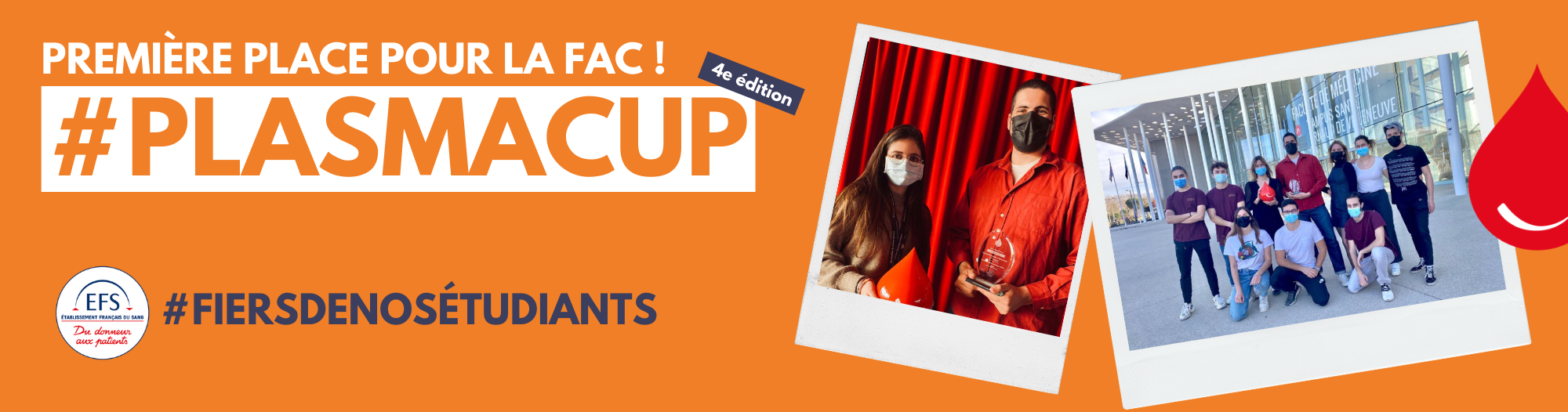
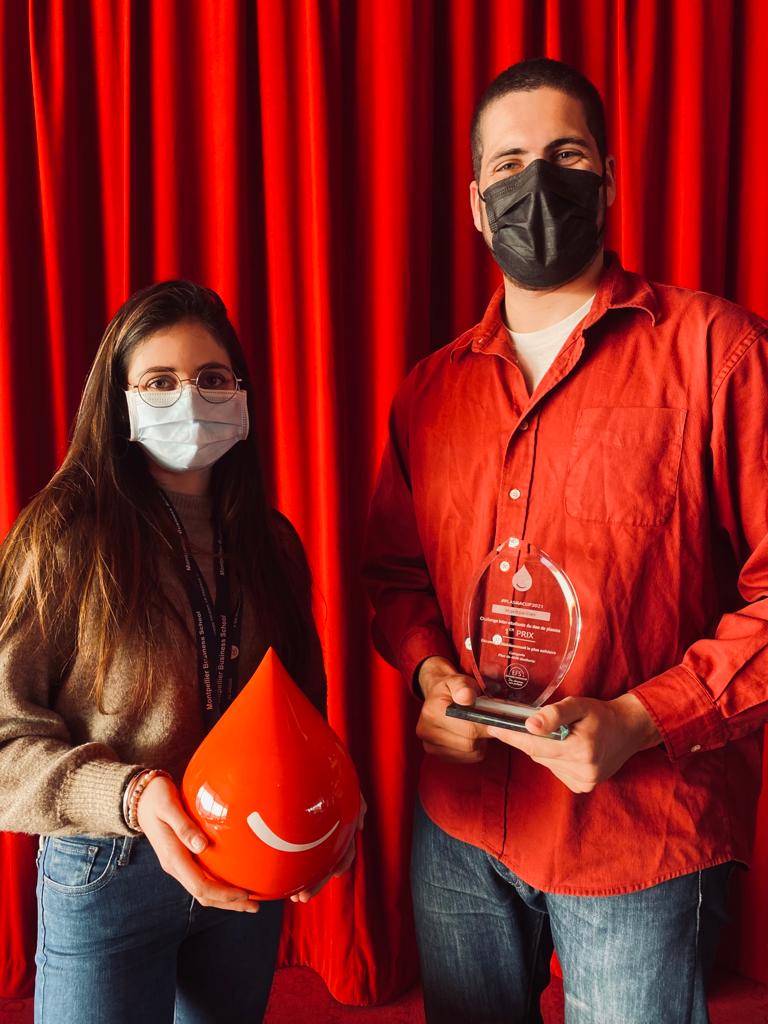
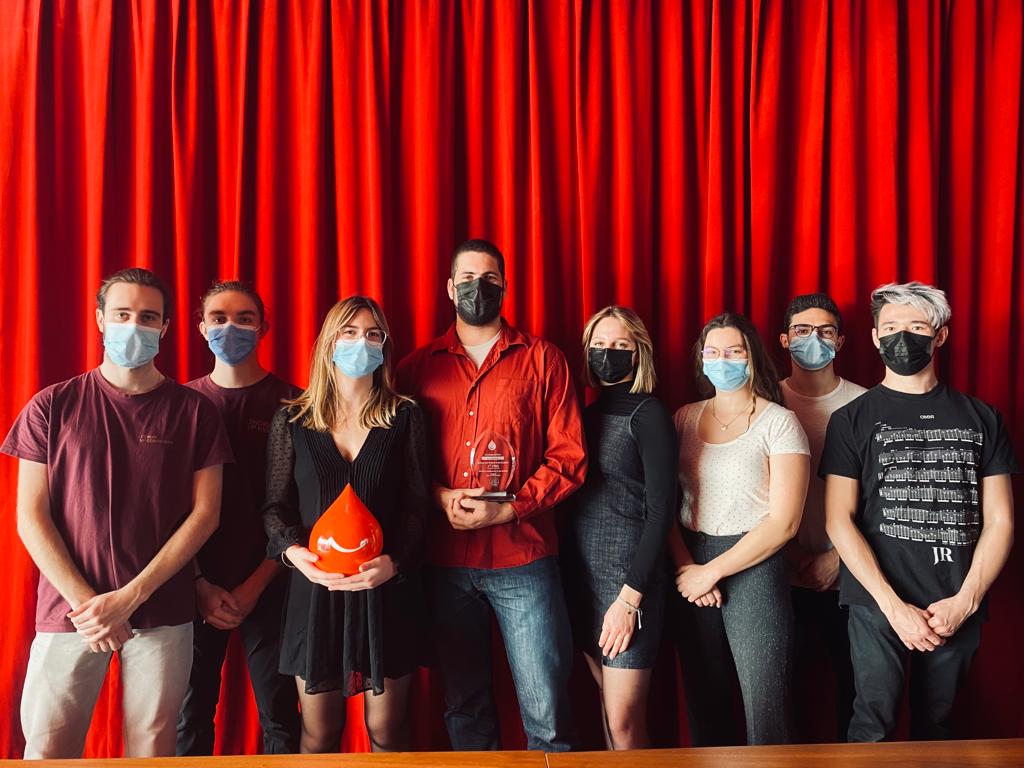
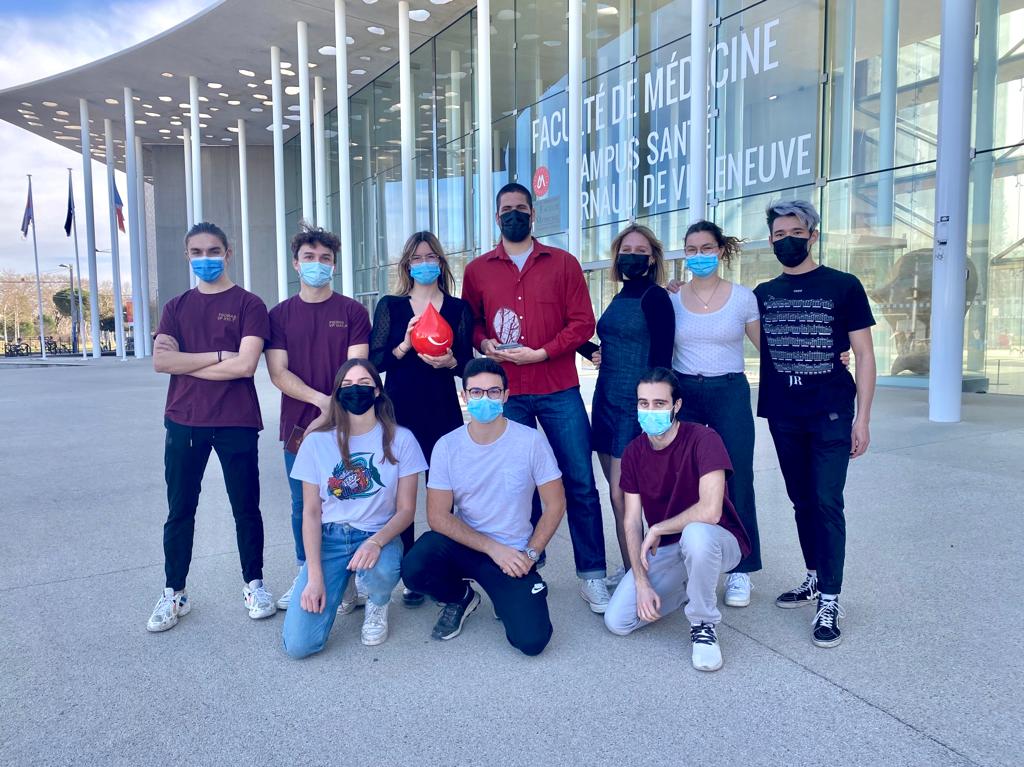
After finishing in second place in 2017, our students are back in full force this year and took first place in the PlasmaCup, an intercollegiate challenge organized by the EFS to raise awareness about the importance of plasma donation. Here’s a look back at the challenge and the experience of our student coordinators for the Faculty of Medicine—Esteban, Pauline, and Carlota, members of the ACM association.


The PlasmaCup, an inter-school competition

Every year, the PlasmaCup is organized by the EFS (French Blood Establishment) in several university towns across France. What is the goal of this challenge? To raise awareness among as many students as possible about the importance of plasma donation.

In Montpellier, the Maison du Don is the place to go. Located in the Euromédecine neighborhood and accessible by tram (Line 1), the Maison du Don welcomes donors of blood, plasma, and platelets.

As part of the PlasmaCup, a box was set up so that each student donor could indicate their home institution. Each donation earned the institution 1 point.


The School of Medicine, winner in the Grandes Écoles category!

With a total of 17 donations, the Faculty of Medicine has taken the top spot in the “Grandes Écoles” category. This ranking is a source of great pride for Esteban, Pauline, and Carlota, who serve as President and Vice Presidents of the ACM’s ISS (Health and Social Innovation)division, respectively. “The EFS Solidarity Trophy will join the 2017 one in the student union office!” says Esteban. In fact, the ACM had previously coordinated the Faculty of Medicine’s participation as well. That year, we took second place.

To reward our students, Emilie Moral, the EFS’s promotions coordinator, presented the trophy to Esteban on Friday, February 4, along with tickets to an escape room, tickets to the MHR vs. Stade Français rugby match, and other goodies. “The prizes will be redistributed to the donors,” insists Carlota.


Plasma Donation: One Hour to Save Lives—A Painless and Informative Experience for Healthcare Students

Esteban and Carlota wanted to share their experience with us. ““After confirming my participation in the PlasmaCup by placing my ballot in the box, I met with the EFS doctor to verify that I was eligible to donate plasma. Then, for about 45 minutes, I went through the donation process, which is essentially like donating blood, except for the machine that separates the blood from the plasma,” explains Carlota.

“As a healthcare student, I found the process really interesting. Compared to a typical blood donation, you spend much more time interacting with the healthcare professionals overseeing the donation, and it’s a great opportunity to talk with them. The equipment used is also impressive. It really helps tie things back to what we’re learning in class,” says Esteban.

When asked if the donation was tiring, Carlota is quick to reassure: “Not at all! Unlike blood donation, the red blood cells are transfused back into us. There’s no anemia, so there’s no fatigue.”


PlasmaCup 2022: The Faculty will be out in full force!

With all this in mind, there’s no reason to be afraid of donating plasma! Emilie Moral tells us that the PlasmaCup will return in the fall of 2022.

“The ACM will be back again!” says Esteban. But that’s not all: The Plasma Cup is open to all members of the university community. So we’re counting on our students, as well as faculty and staff, to contribute to the 2022 challenge! Stay tuned for more updates 🙂


Focus: Where and how can you donate blood, plasma, or platelets in Montpellier?

In addition to the blood drives organized on our campuses by student associations (in Montpellier by the ACM in October, February, and April), you can donate blood, plasma, or platelets at the Maison du Don in Montpellier: 

  • Address : Parc Euromédecine, 392 Av. du Professeur Jean Louis Viala (Parc Euromédecine)
  • Directions : Tram 1 (Euromédecine)
  • Hours :
    • Monday / Thursday: 11:00 a.m. – 6:30 p.m.
    • Tuesday / Wednesday / Friday: 8:30 AM–4:30 PM
    • First and third Saturday of the month: 8:30 a.m. – 4:30 p.m.


On January 30, 2022, the France 3 program *Ô la belle vie* featured the Montpellier Faculty of Medicine in a special episode. Available on demand, you can learn about the history of this renowned center of learning, which has been in existence for 800 years, and its latest developments.

Join Professor Gérald Chanques and Sophie Jovillard as they take you on a tour of our Faculty’s treasures!

As part of the program *Ô la Belle Vie*, join Professor Gérald Chanques as he takes you on a journey to explore the inner workings of the world’s oldest medical school still in operation. Rabelais, Rondelet, and the school’s iconic landmarks will hold no more secrets for you. Combining art and technological innovation, the program will explore topics such as robotics and the work of ceramicist Isabelle Doblas Coutaud, who depicts anatomy through her art. Plus, you’ll get to take a quick trip to the Jardin des Plantes with Cédric Matet, creator of the exhibition“L’Humain dans son Jardin.” 


Ô la Belle Vie – Medicine in Montpellier: A True Art, produced by Grand Angle Production and France Télévisions.

Hosted by Sophie Jovillard. Aired on Sunday, January 30, 2022, and available to watch on demand here


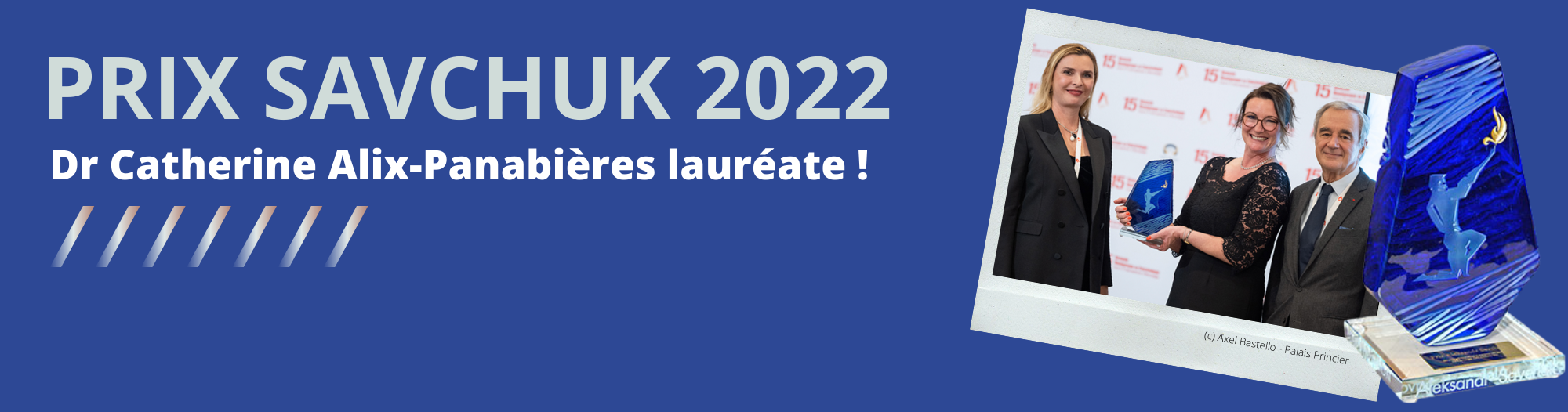
On Thursday, January 27, 2022, Dr. Catherine Alix-Panabières received the prestigious Savchuk Prize at the 15th Oncology Biennial for her work on “liquid biopsies.” A look back at 23 years of research in the field of oncology.

A career focused on the development of liquid biopsy

Dr. Alix-Panabières, director of the Rare Human Circulating Cells (CCRH) laboratory at Montpellier University Hospital, has been dedicated to her research for 23 years. Coined by her in 2010 with her German collaborator, Professor Klaus Pantel of Hamburg, the term “liquid biopsy”—which complements tissue biopsy—refers to a blood test that is performed repeatedly during a patient’s treatment.


A non-invasive procedure

A liquid biopsy provides access to circulating cells or particles released by the primary tumor or metastases. The advantage? It allows for the repeated, non-invasive monitoring of tumors located in hard-to-reach areas. After the blood sample is collected, it provides information on the tumor’s progression and, consequently, the effectiveness of treatment.

His research focuses on three key areas:

  1. Understanding the biology of the tumor and its prognosis.
  2. Technology: Dr. Alix-Panabières is working on a patent for this new technique, which enables the detection of circulating tumor cells.
  3. A translational clinical study. Liquid biopsy allows treatment to be tailored to each patient’s stage of disease, particularly when initiating treatment.

We extend our heartfelt congratulations to Dr. Catherine Alix-Pananières on winning this award!


The Dean of the School of Medicine and all the administrative and academic staff at our institution extend their best wishes to you for 2022. To mark the occasion, watch our Dean, Isabelle Laffont, share her New Year’s greetings in this video.


“I would like to take this opportunity to commend the exceptional dedication of our teams and the adaptability you have all demonstrated in dealing with these challenging circumstances.”

“2021 was a busy year, a positive year, and a successful year, even though it unfolded against the backdrop of a challenging pandemic. I would like to take this opportunity to commend the exceptional dedication of our teams and the adaptability you have all demonstrated in dealing with these difficult circumstances.”


“We are kicking off 2022, a year I hope will be marked by reconciliation, progress, and responsibility.”

“I wish for us all—and for each of you—a peaceful 2022, one that brings a sense of calm back to the COVID front, with the end of this pandemic and its health and societal consequences. I wish you a peaceful 2022, one that also sees the stabilization of the many reforms to medical education that have taken place in recent years. It is time to take a step back and focus on all the programs offered by this faculty. »

“I wish for us all a productive 2022. Productive, first and foremost, in the area of medical education reform, with the implementation of thepostgraduate reform, which will require our time and energy over the next two years. We will also be developing and finalizing the Faculty of Medicine’s health-related master’s programs. And finally, still in the realm of education, the rollout and organization of health simulation, which will play an increasingly significant role in our faculty organizations.”

“Finally, I hope that 2022 will be a year of responsibility. I’ve spoken about social responsibility in the context of territoriality, but I’m also referring to institutional responsibility: the university must continue to take care of itself and its community. It must further strengthen the sense of belonging that staff members feel toward university initiatives.”


“I also hope you’ll continue to maintain the enthusiasm and creativity that define you.”


On Wednesday, December 15, 2021, the dean’s election for the Montpellier-Nîmes Faculty of Medicine took place. Following the vote, Isabelle Laffont, a professor of physical medicine and rehabilitation, was elected dean of the faculty, making her the first woman to hold this position in the faculty’s 800-year history.


A dedicated woman

Isabelle Laffont was born in Toulouse in 1965. After studying medicine at the University of Paris-Ouest, where she earned a degree in Physical Medicine and Rehabilitation in 1995, she began working as a hospital practitioner (PH) at the Montpellier University Hospital in 2008. In 2011, she was awarded the title of University Professor – Hospital Practitioner. Her career has since been marked by her commitment to both teaching and research.

In fact, Isabelle Laffont joined the Faculty in 2014. She served as a member of the graduate medical studies curriculum committee. She also became a member of the Faculty Management Council of the Faculty, where she was appointed Project Manager for the University Integration of Paramedical Professions and Regionalization in 2018. During this term, Professor Laffont established a groundbreaking and pioneering program in the Faculty’s history: that of Advanced Practice Nurses. In addition, she contributed to the creation of new tracks within the Master of Health program at the UFR, and was particularly involved in the REHAB tracktrack, dedicated to rehabilitation professionals and other fields, for which she serves as academic director alongside Prof. Arnaud Dupeyron and Dr. Anthony Gelis.

In addition to her teaching responsibilities, she is also actively involved in the life of the Montpellier University Hospital, becoming a permanent guest of the Board of Directors in 2011. Finally, she is active in professional societies: she heads the SOFMER (French Society of Physical Medicine and Rehabilitation) for three years from 2019 to 2021 and currently serves as secretary general of the ISPRM (International Society of Physical and Rehabilitation Medicine) for the past two years.


“A clear vision for the future of our Faculty”

Building on this experience and her strong commitment to teaching, Isabelle Laffont is running in the 2021 deanery elections to succeed Dean Mondain. At the close of voting, she won the election with 31 of the 40 votes cast, making these elections historic: she becomes the first woman to hold the office of Dean since the Faculty’s founding 800 years ago, in 1220.

Dean Isabelle Laffont states in her mission statement to have a clear vision for the future of our Faculty,” centered on the values of Excellence, Balance, and Openness. Its governance will be caring, respectful of the women and men who enable our institution to fulfill its missions, and attentive to the students for whom we are responsible.

It is committed to a strong educational initiative, aimed at stabilizing medical and paramedical programs—which are regularly subject to reform—and making the necessary adjustments. The well-being of students, faculty staff, and teaching teams will be a key priority during her term. She also intends to continue the work already underway to improve the Faculty’s resources (completion of the Nîmes site, renovation of the historic building, and construction of the Learning Center on the ADV campus).

The Research is a key component of its mission, with a strong commitment to developing activities related to applied clinical research, basic research, and translational research. Links with regional health research stakeholders are crucial: the University of Montpellier, research organizations (INSERM, CNRS, etc.), the University Hospitals of Nîmes and Montpellier, and the IRCM. As such, the Faculty of Medicine will play a pivotal role in shaping the future of medicine and health innovations. It will support research training by promoting dual-track programs for our young students.

Finally, the new Dean outlines her vision for social responsibility of the Faculty of Medicine through various compassionate initiatives: addressing psychosocial risks, improving quality of life at work, and fostering a culture of belonging and team dynamics. Isabelle Laffont’s deanship will be one of collective intelligence.


The entire faculty community extends its best wishes for success to Dean Laffont.


Today marks the end of Dean Mondain’s term as dean. The new deanery elections will take place this afternoon  On this occasion, please find below the message he wished to share with you!

Thank-you video from Dean Mondain

As the final official event marking the Faculty’s 800th anniversary, the Symposium of the Montpellier Academy of Sciences and Letters will focus on the theme “Medicine and Humanism.” This article provides the program for this event, which is open to everyone upon presentation of a health pass.

Practical Information

The conference is free and open to the public. Admission is free, subject to availability. It will be held in the Rabelais Room at 27 Boulevard Sarrail in Montpellier (Tram 1-2, Comédie stop).

Conference Program

The Montpellier Academy of Sciences and Letters is hosting a two-day symposium on the theme “Medicine and Humanism,” exploring the topic from multiple perspectives: historical, ethical, social, and environmental.

  • Friday, December 3 – morning

    The Montpellier School of Medicine: A Long Humanistic Tradition

    8:00–8:30 a.m.: Welcome 

    8:30 a.m.: Doors open

    • 8:30–8:40 a.m.: Fanny DOMBRE-COSTE, First Deputy Mayor of Montpellier
    • 8:40–8:50 a.m.: Bernard BOURGEOIS, from the Institute; Honorary President of the National Conference of Academies
    • 8:50–9:00 a.m.: Philippe AUGE, President of the University of Montpellier
    • 9:00–9:10 a.m.: Michel MONDAIN, Dean of the Faculty of Medicine at Montpellier

    9:10–9:20 a.m.: Introduction to the conference by Thierry LAVABRE-BERTRAND
    President of the Montpellier Academy of Sciences and Letters

    TOPIC 1: The Montpellier Faculty of Medicine: A Long Humanist Tradition
    Moderator: Hilaire GIRON; Engineer, Strategy and Organization Consultant, Systems Analyst, Former President of the Montpellier Academy of Sciences and Letters

     9:20–9:35 a.m.: Testimonial: Humanism and Cancer Medicine
    Henri PUJOL, University of Montpellier, Honorary President of the League Against Cancer

    9:35–10:05 a.m.: The Spirit of the Montpellier School of Medicine
    Thierry LAVABRE-BERTRAND, University of Montpellier
    President of the Montpellier Academy of Sciences and Letters

    10:05–10:45 a.m.: “The ‘1220 Moment’” and the Founding of the University of Medicine in Montpellier
    Jacques VERGER, of the Institute of the Académie des Inscriptions et Belles-Lettres, medievalist

    10:45–11:15 a.m.: Remarkable discoveries in “post-vitalist” medicine in Montpellier: between rationality and serendipity
    Joël BOCKAERT, of the Institute, Academy of Sciences, University of Montpellier

    • 11:15–11:40 a.m.: Break

    11:40 a.m.–12:10 p.m.: Montpellier’s strengths for the medical education of tomorrow
    Jacques BRINGER, of the Academy of Medicine, Honorary Dean of the Montpellier Faculty of Medicine,

  • Medicine and Ethics

    TOPIC 2: Medicine and Ethics
    Moderator: Michel VOISIN
    University of Montpellier, Pediatrician
    Former President of the Montpellier Academy of Sciences and Letters

    2:00–2:15 p.m.: Testimonial: Humanism and Medicine: Palliative Care
    Virginie PEROTIN, Physician specializing in palliative care at the Montpellier Cancer Institute.

    2:15–2:45 p.m.: Medicine: What Is It?
    Olivier JONQUET, University of Montpellier, intensive care physician
    Former President of the Montpellier Academy of Sciences and Letters

    2:45–3:15 p.m.: Giving Birth to the Point of Losing One’s Mind
    Gemma DURAND, Obstetrician-Gynecologist

    3:15–3:55 p.m.: The Ethical Implications of Technological Advances.
    Éric FIAT, Université Paris-Est, philosopher

    3:55–4:30 p.m.: Break

    4:30–5:10 p.m.: Human Nature: How Far Is Too Far?
    Chantal DELSOL, of the Institute of the Academy of Moral and Political Sciences, philosopher

    Friday, December 3 – afternoon

  • Saturday, December 4 – morning

    Medicine and Solidarity

    THEME 3: Medicine and Solidarity
    Moderator: François-Bernard Michel,
    Honorary President of the National Academy of Medicine,
    Honorary President of the Academy of Fine Arts

    8:00–8:15 a.m.: Welcome

    8:15–8:30 a.m.: Testimonial:
    Humanism and Medicine: Student Health Vulnerability, The Student Health Center,
    Jean-Bernard DUBOIS and Michel AVEROUS, University of Montpellier,

    8:30–9:10 a.m.: Healthcare: A Major Upheaval.
    Jean-François MATTEI, of the French Academy of Medicine, former Minister of Health, former President of the French Red Cross

    9:10–10:00 a.m.: Reason and Emotion in Ethical Debates,
    Pierre LE COZ, Academy of Medicine, Aix-Marseille University, philosopher,

    10:00–10:25 a.m.: Break

    10:25–11:05 a.m.: What’s special, what’s new in humanitarian medicine?
    Rony BRAUMAN, former President of Doctors Without Borders:

    11:05–11:45 a.m.: Is there a conflict between access to medicines and market forces?
    Christophe DAUBIÉ, former Director of SANOFI-Montpellier,

    11:45 a.m.–12:15 p.m.: Panel discussion among the speakers

  • Medicine, People, and the Environment

    TOPIC 4: Medicine, Humans, and the Environment
    Moderator: Jacques MATEU,
    President of the Medicine Section of the Montpellier Academy of Sciences and Letters
    Plastic surgeon

    2:00–2:40 p.m.: From Animals to Humans: From AIDS to COVID-19,
    Eric DELAPORTE, University of Montpellier, Infectious Disease Specialist

    2:40–3:45 p.m.: Eating Well While Protecting Human Health and the Planet

    • 2:40–3:15 p.m.: The Case of Meat,
      Pierre FEILLET, French Academy of Agriculture, French Academy of Technologies:
    • 3:15–3:45 p.m.: The Cretan Diet, the Mediterranean Diet, and Vascular Diseases
      Jean-Louis CUQ*, University of Montpellier:

    3:45–4:25 p.m.: Water Resources: A Global Issue? The Issue of the Century?
    Eric SERVAT, University of Montpellier, UNESCO Chair

    2:25–2:45 p.m.: Break

    4:45–5:25 p.m.: The historical controversy between vitalists and reductionists.
    Edgar MORIN, CNRS, sociologist, philosopher

    5:25–6:15 p.m.: Panel discussion among the speakers

    6:15–6:30 p.m.: Closing remarks by Thierry Lavabre-Bertrand, President of the Montpellier Academy of Sciences and Letters

    Saturday, December 4 – afternoon