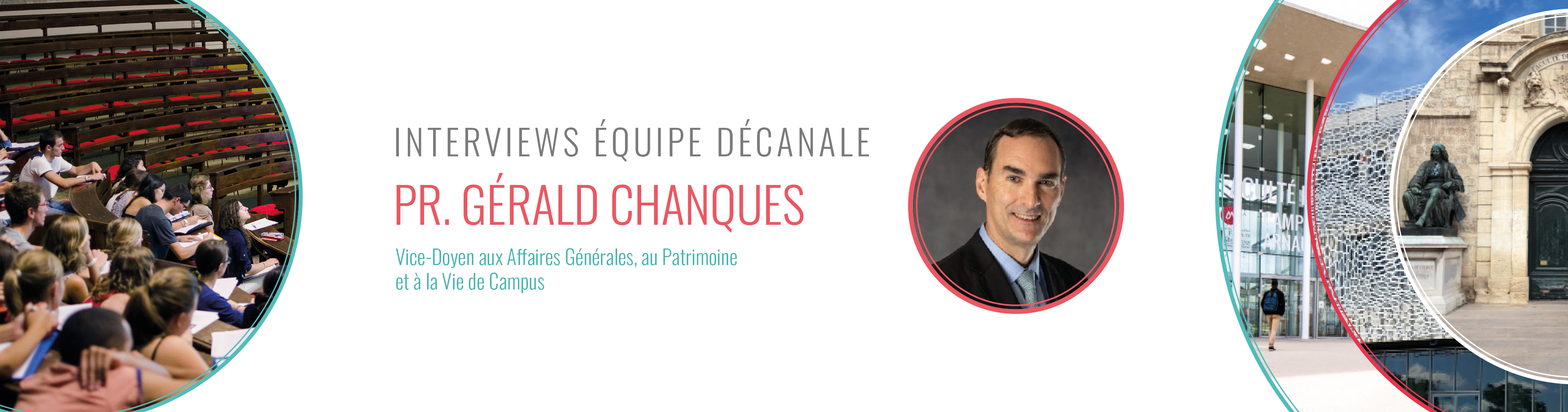
Every five years, a new dean’s office team—composed of associate deans and program coordinators—is appointed by the dean to represent him or her in carrying out specific tasks. This year, Prof. Gérald Chanques was appointed Associate Dean for General Affairs, Heritage, and Campus Life. Read his interview here: learn about his background and the projects he hopes to implement as part of his role!
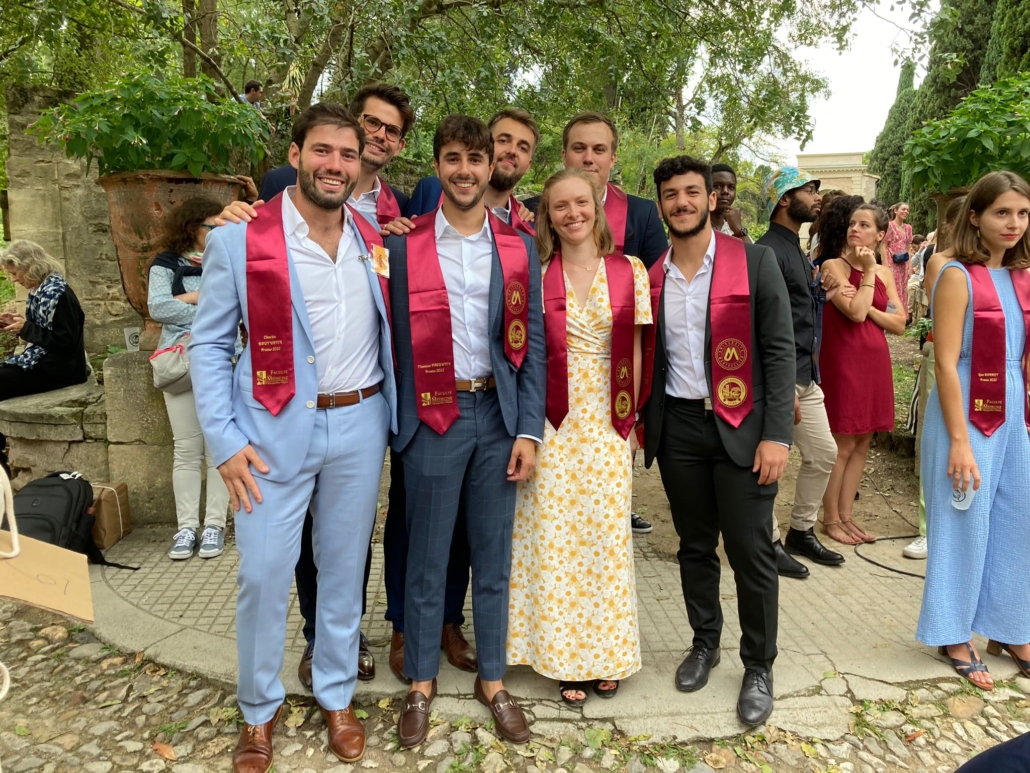
 

You were appointed by the Dean, Ms. Isabelle Laffont. Could you tell us about your background and your area of expertise?

I earned my high school diploma and completed my undergraduate studies in Montpellier, so you could say I’m one-quarter Parisian and three-quarters Montpellier native. I loved my studies so much that it was difficult for me to choose a “specialty.” I chose anesthesiology and critical care for several reasons: first, because of the interdisciplinary nature of medical knowledge, but also because of the human and material resources available within our teams to provide safe care, including pain management and the treatment of the most critical situations.


How do you plan to balance your duties as associate dean with your other professional responsibilities?

This is a project that took shape within my hospital department, in collaboration with my colleagues and my department head, who has always supported and encouraged me throughout my professional career. My involvement at the faculty has grown gradually since my appointment 8 years ago. I continue to maintain a clinical practice that constantly enriches my teaching and research. Conversely, my understanding of academic institutions shapes all my responsibilities as a University Physician-Professor (PUPH). The Faculty and its unique history, as well as the University (I serve on the Committee on Education and University Life and on the disciplinary sections of the Academic Council), prompt me to reflect on every facet of my work—from patient care to teaching and innovation. The societal shift taking place in how we relate to one another—including the fight against inequality and against sexual and gender-based violence—represents a major turning point that our institutions have long anticipated.


What will your contributions and goals be? What projects do you hope to carry out in your role?

I gradually came to realize the importance of teaching and passing on knowledge to the younger generation, as well as the importance of having a faculty that draws on multiple campuses (Nîmes and Montpellier, modernity and heritage) and embodies a true university spirit—one that is meaningful to our patients, our students, and society alike. The Faculty has an urban history. It serves as a bridge to the general public.

Our faculty currently faces multiple challenges in terms of the institution’s organization, its campuses, and the promotion of its heritage: the university community—students, faculty, and administrative staff—must embrace this past and future history and share it with others—our colleagues in other parts of the University, our healthcare colleagues, and the general public. Among the general public are potential patients. The image we project of the faculty through our history and heritage must align with today’s demands—innovation, excellence in care, but also addressing vulnerability and access to care. All of this together defines our faculty, and we cannot rest easy unless we strive to address all these challenges. The unity of the leadership team, united around our dean, will be the strength of the institution—involving all its faculty and administration, those from previous teams, and those preparing future generations.


What motivated you to accept this appointment?

My desire to contribute to a dean’s office initiative focused on community, kindness, and active listening, with ambitious goals for the institution. I was very grateful for this appointment because it allows me to consistently continue the work I’ve been doing for several years with Dean Mondain and Vice Dean Lavabre-Bertrand on complex projects (preparing state-region planning contracts for long-term renovations to the historic building; conducting studies for the learning center; and liaising with the general affairs departments of the Faculty and the University to develop a large number of projects involving institutions, local governments, and businesses as part of the 800th-anniversary celebrations…).

Did you know? There’s a tutoring association for upper-level health sciences students at the Montpellier-Nîmes Faculty of Medicine! Called TASM3 and easily recognizable thanks to its mascot, THOR the turtle, the association is chaired this year by Siham BELMIR. Check out her interview below!


In a nutshell, what is the TASM3 association?

This is a nonprofit mentoring organization that provides guidance and academic support to medical and midwifery students from their second through sixth years.

By the way, should we call you TASM3 or Thor Tutosup’?

TASM3 is the association’s official name, but we’re more commonly known as Tutosup’. Thor is just our mascot, much like Oscar for ACM or Freddie for Med’ley.

What activities do you carry out throughout the year? Can you tell us about them?

  • For DFGSM2 students:
    • A P2 SPR course that reviews biophysics and cell biology/histology
    • Wooclap review sessions on all course units that will be covered on the midterms
    • Anatomy Tutoring
    • Small-group internship debriefing sessions


  • For DFGSM3 students:
    • Semiology sessions
    • A conference on methodology and information about R2C and how to work with middle schools
    • Small-group internship debriefing sessions


  • For DFASMs:
    • ECG and Medical Imaging Interpretation Sessions
    • Suture and Sterile Dressing Workshops
    • A seminar on outpatient care and how to admit a patient to the hospital
    • ECOS Prep Sessions


  • For midwives:
    • Review Sessions


  • For everyone:
    • Raffles to Win Medical Guidelines and Equipment
    • Discounts at participating stores or retailers

Why did you join the organization as an individual?

I joined the association after two years of tutoring first-year students. I’m passionate about teaching, so it was only natural that I took over the association. With the R2C reform, I think it’s important to have a Student Support Team (TAS) worthy of the name to provide the best possible support and guidance to students. I really wanted to expand the association’s activities to broaden our reach on the Montpellier and Nîmes campuses.

What does your organization offer students? Why do you think students should join your organization?

It helps students consolidate their knowledge and provides a sense of calm ahead of upcoming midterms and internships. We offer academic and psychological support to students as they navigate their studies, which are known to be demanding and challenging. Our association is based on mentorship and peer learning, which are core values in health sciences education. We take a different educational approach because these sessions are led by students for students. The tutors are much more approachable and available, and they serve as a point of contact between students and academic advisors.

How do I join TASM3?

Membership in our association is free and automatic upon entering the second year of medical or midwifery school. It gives you access to our sessions and to the information shared on our Facebook and Instagram pages. We post our partners’ offers, as well as multiple-choice quizzes and practice clinical cases, on our social media accounts.

A few words about the 2022–2023 executive committee?

Our office is made up of third- and fourth-year medical and midwifery students from our two campuses in Montpellier and Nîmes. We are deeply committed to the association’s growth; we would like to expand the content offered through our tutoring program and launch new initiatives to better meet students’ needs. We’re proud that many of our projects have come to fruition this year—notably the suturing and sterile dressing workshops, as well as the SPR P2—and we hope to keep up this momentum.


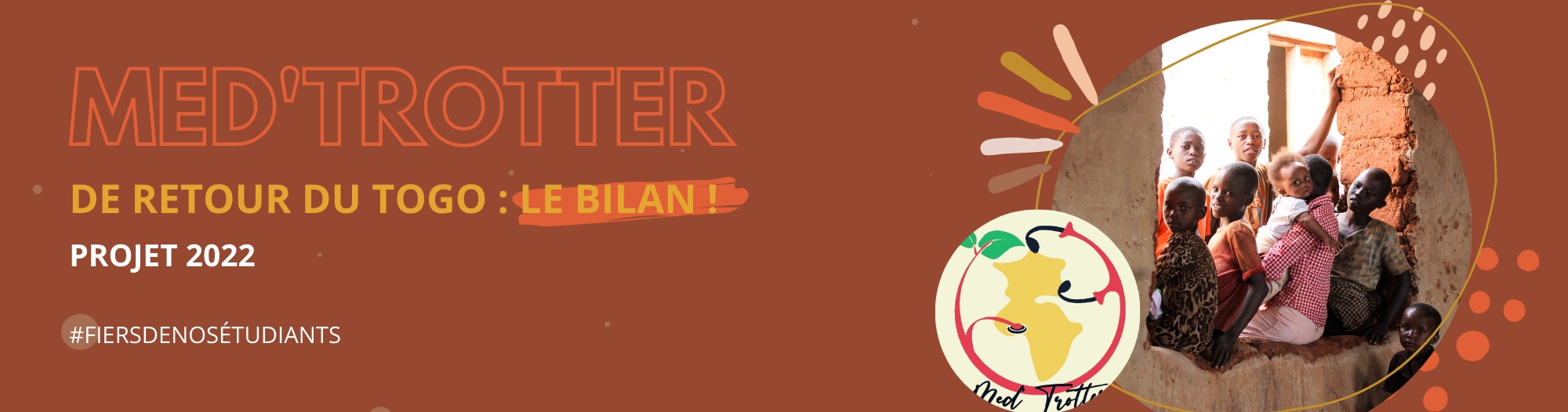
Our students have talent and ideas to spare! While our students in Montpellier are getting involved in a solidarity project in Togo, our students in Nîmes have chosen Senegal and the city of Dakar for the annual humanitarian project organized by the Crocos du Monde association. It’s a wonderful initiative that we didn’t want to miss the chance to share. Here’s a report and an interview.


Crocos du Monde: A Nîmes-Based Organization Dedicated to Humanitarian Causes

Founded in 2007, “Les Crocos du Monde ” is an association of health sciences students at the Faculty of Medicine on its campus in Nîmes. Its goal is to enable students to get involved in humanitarian activities and raise their awareness of global inequalities. The association participates in international solidarity projects focused on health and education, made possible through fundraising efforts conducted throughout the academic year. Several initiatives have already been carried out in countries such as Cameroon, Burkina Faso, Morocco, and Togo.

What is the DAKAR Project?

This year, the Crocos du Monde are taking action in Senegal. For the 2021–2022 project, the association is focusing on raising funds and collecting medical and paramedical supplies to be sent to Fatick. During the school year, students had the opportunity to meet with several organizations—the AAD, the MRCCR, and the OSD—to exchange supplies and knowledge. The Nîmes University Hospital contributed to this cause by providing supplies as part of a partnership and international hospital cooperation initiative established between the Nîmes University Hospital and its sites in Senegal.

A project brought to life!

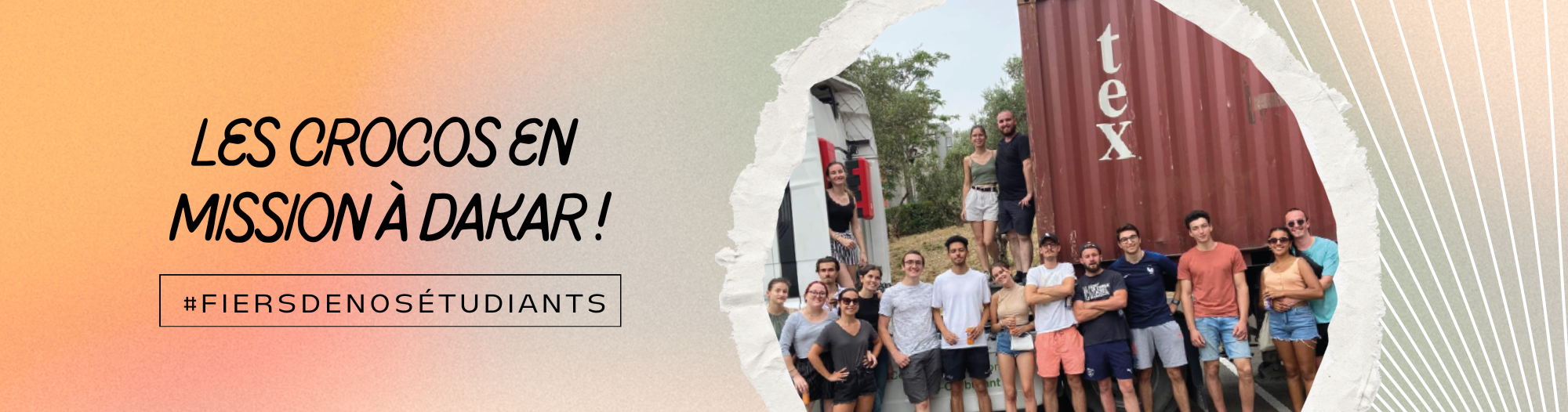
With the help of the administration and CDM members, the container was loaded at the Faculty of Medicine in Nîmes. It was then transported to Fos-sur-Mer, from where it departed on June 22 and arrived at the port of Dakar on June 30, 2022.

To confirm that the equipment had arrived safely and to verify that it was functioning properly, three DFGSM2 students traveled to the site from July 15 to 20, 2022, accompanied by the association’s president. This visit provided an opportunity to meet with local contacts and tour the Fann University Hospital as well as the Fatick General Hospital in preparation for next year.


To learn more about the ins and outs of this project, we sat down with Joffrey Buland, the 2021–22 President of Crocos du Monde! Check out his interview below!


Hello, Joffrey. Could you please introduce yourself and tell us what your role is in this project?

Hello, my name is Joffrey Buland, and I am currently a second-year medical student in Nîmes. During the “Dakar 2022” project organized by Crocos du Monde, when I was a first-year medical student, I served as president of the association. The president’s role, in collaboration with the executive committee, is to organize the international project. We were responsible for communicating with local contacts, issuing requests for quotes for the end-of-year shipping container, and organizing its shipment as well as the trip to the destination.


Can you tell us more about this project? What did it involve?

This project was a first for Les Crocos du Monde; our goal was to launch an international initiative that would be more sustainable—a long-term partnership that could be renewed each year. It was with this same goal of sustainability in mind that we came up with the idea of the shipping container, to give a second life to the supplies we were able to collect throughout the year. Since Les Crocos du Monde is primarily focused on sharing and sustainable development, the idea seemed like a natural fit. The goal was to collect medical and paramedical supplies throughout the year through various partners, which were then shipped to Senegal—specifically to the Fatick General Hospital, located 150 km south of Dakar.


Why did you choose Senegal? What led you to make that choice?

We turned our attention to Senegal thanks to a doctor at the Nîmes University Hospital, Dr. Christophe Boisson, who helped us immensely in setting up our project. Dr. Boisson has been sending containers of medical supplies to Dakar for several years now; it was with him and our trusted contacts on the ground that we decided to focus our efforts on the Fatick General Hospital. This led to an official partnership between the Carémeau University Hospital and the Dakar University Hospital, of which Crocos du Monde and Fatick are branches. This partnership has three main areas of focus: the delivery of supplies—in which we participated—medical and paramedical training through the simulation center, and training for biomedical engineers and technicians.


How did you organize the collection of supplies?

The collection of supplies began with the hospital identifying its needs and providing us with a list. From that list, we selected the supplies we were able to obtain—those that were within our reach. The “Dakar 2022” project was therefore primarily focused on the nephrology unit, which is currently undergoing rapid development in Fatick. Once we had identified our target, we reached out to our partners—including individuals, other organizations, and, primarily, the Nîmes University Hospital and Dr. Boisson—and began our search and collection efforts.


All in all, what kind of materials were you able to collect? How much is that?

By the end of the year, we had collected enough to fill a 33 m³ container—that is, 2.5 metric tons of equipment. Most of it was urology and nephrology equipment, including catheters and urinary ostomy kits, but there was also some surgical equipment, such as ventilator circuits and laparoscopy kits. We were also fortunate to find large electronic equipment, seven emergency stretchers, and a delivery table. Since the goal was to give the items we sent a second life, all expiration dates were checked, and all electronic equipment was tested and refurbished as needed through Apelem, an association of biomedical engineers and technicians that is part of the partnership with the Nîmes University Hospital.


You were part of the trip in July. How did it go? What did you and your colleagues get out of it?

The four of us traveled to Nîmes with three second-year medical students, two of whom are now part of the executive committee. The goal was to take them on a tour of facilities such as the Fatick General Hospital, where they will be collecting supplies, so that they could get a clear idea of their upcoming 2023 project. At the same time, we wanted them to meet our trusted partners and local contacts, which will facilitate better communication in the coming year and help them understand the why, the how, and the for whom of the project. This trip was deeply rewarding on a personal level; it allowed us to observe and understand different hospital and cultural systems, each with resources that vary to some extent depending on the facility.


Does this inspire you to get involved in humanitarian medicine?

Humanitarian medicine has always been my main goal; even when I started PACES, my objective was to join Doctors Without Borders or other organizations so I could go on a mission. When I discovered the Crocos du Monde association, and had the opportunity—along with my friends—to get involved in my own way starting in my first year of medical school, I didn’t hesitate. This year has allowed me to further deepen and strengthen this dream for after I graduate.


What about future projects for Crocos du Monde?

To answer this question, I’ll turn the floor over to Chloé Messines, the new president of Crocos du Monde for the 2022–2023 term.

Chloé: Les Crocos du Monde has always focused on the partnership between the University Hospitals of Nîmes and Dakar, and more specifically on putting together the container of medical equipment; the bulk of our internal investment and the events we organize are aimed at funding this project. Furthermore, it is important for us—as well as for our Senegalese partners—to meet in person and confirm that the container was well received. Just as we did last year, Les Crocos du Monde are committed to traveling to Dakar and Fatick to connect with the people who made this project possible. Now, our goal for this year is also to foster a vibrant community life for our members by offering a wider variety of events (clean walks, school outreach, outreach patrols, etc.), with a focus on inter-organizational collaboration (such as our participation in the “Nîmes en Rose” project led by the midwifery association and “Pep’s Week” with Tutorat Santé Nîmes). In this way, we are relying on the motivation of second-year medical and midwifery students to ensure the association’s successful development.


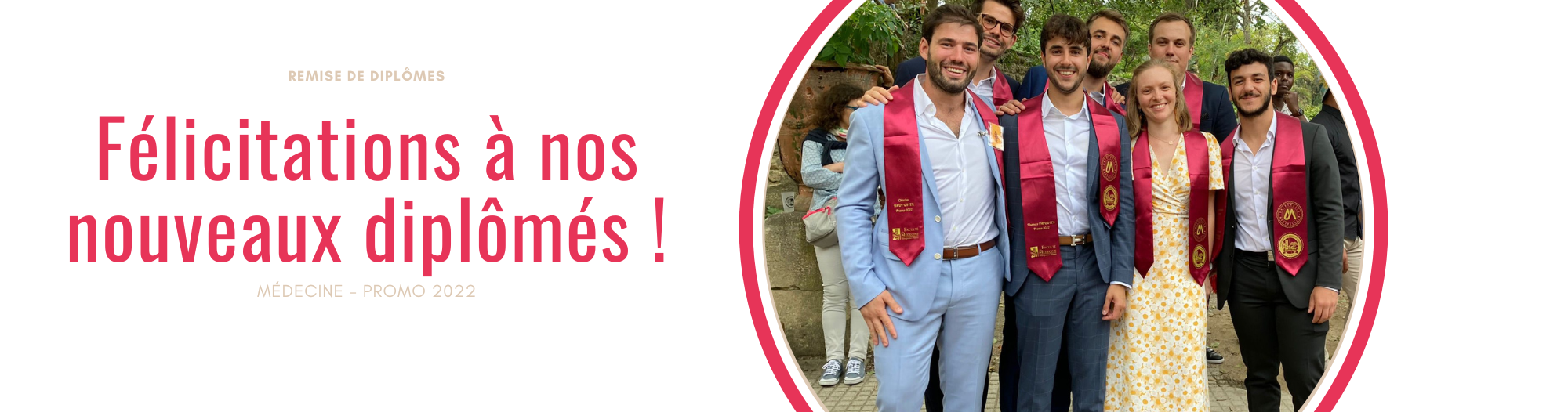
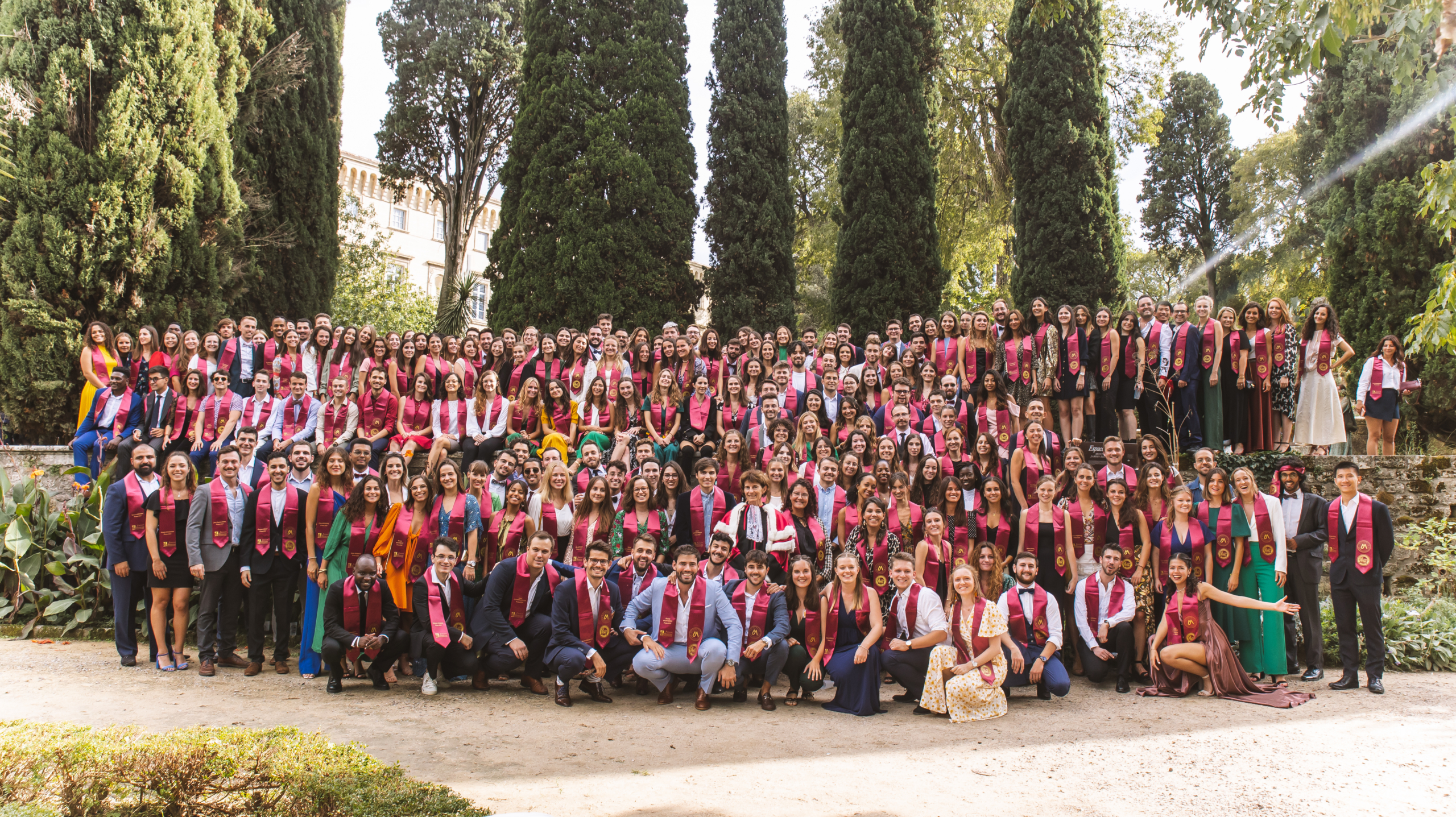
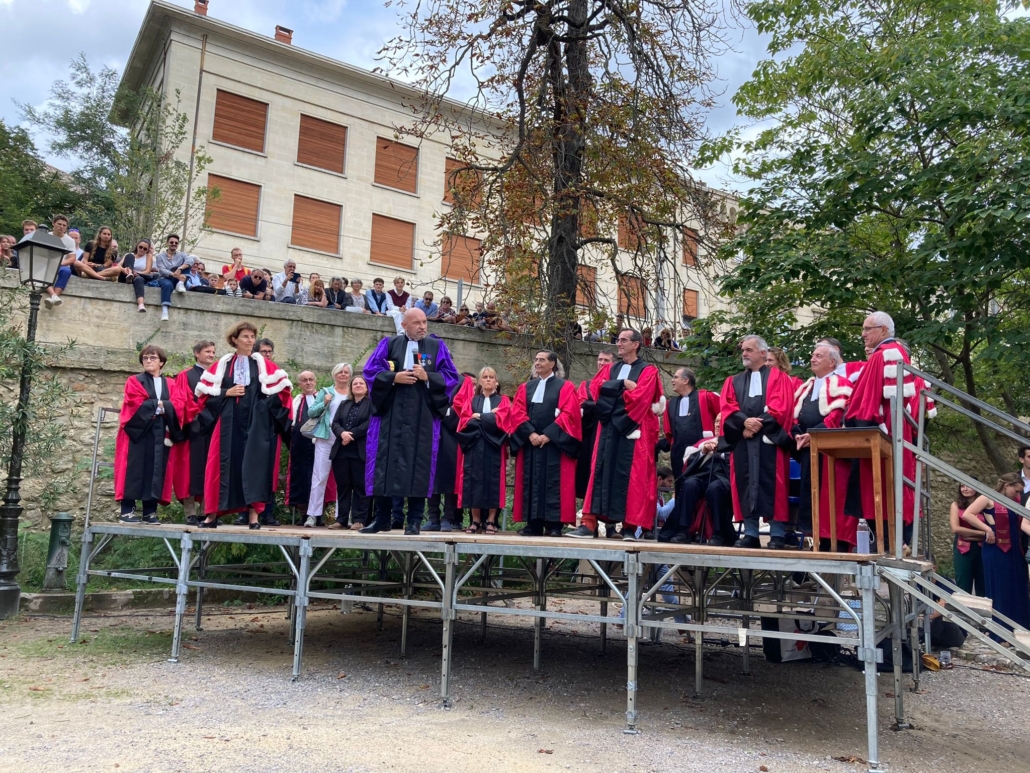
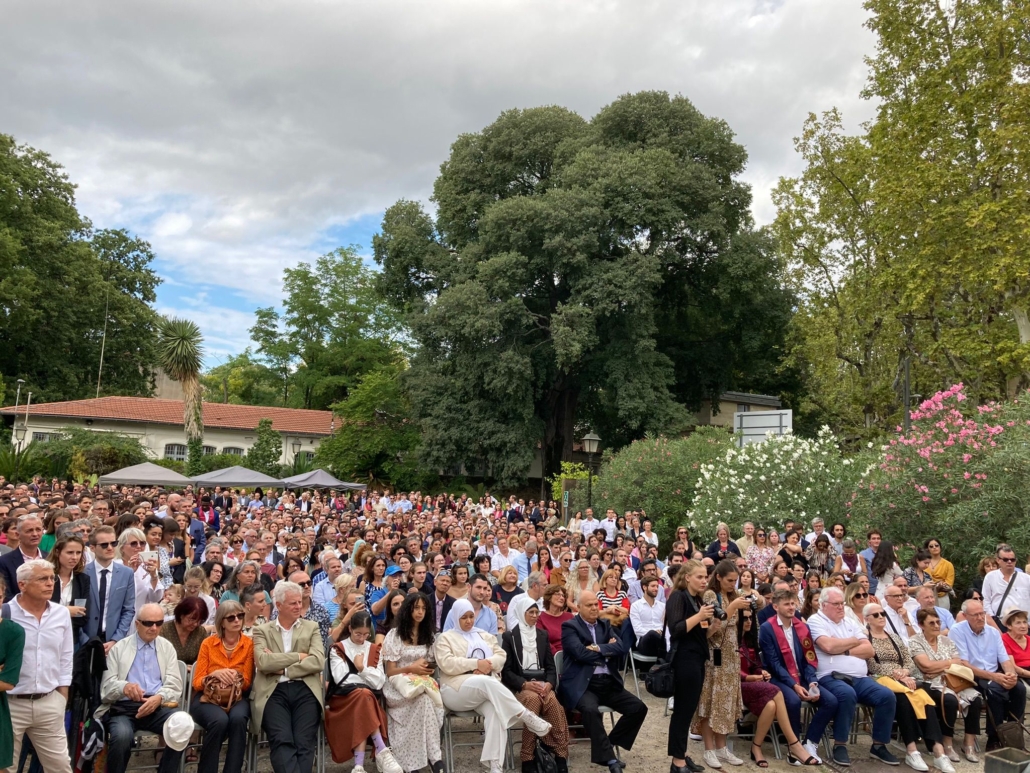
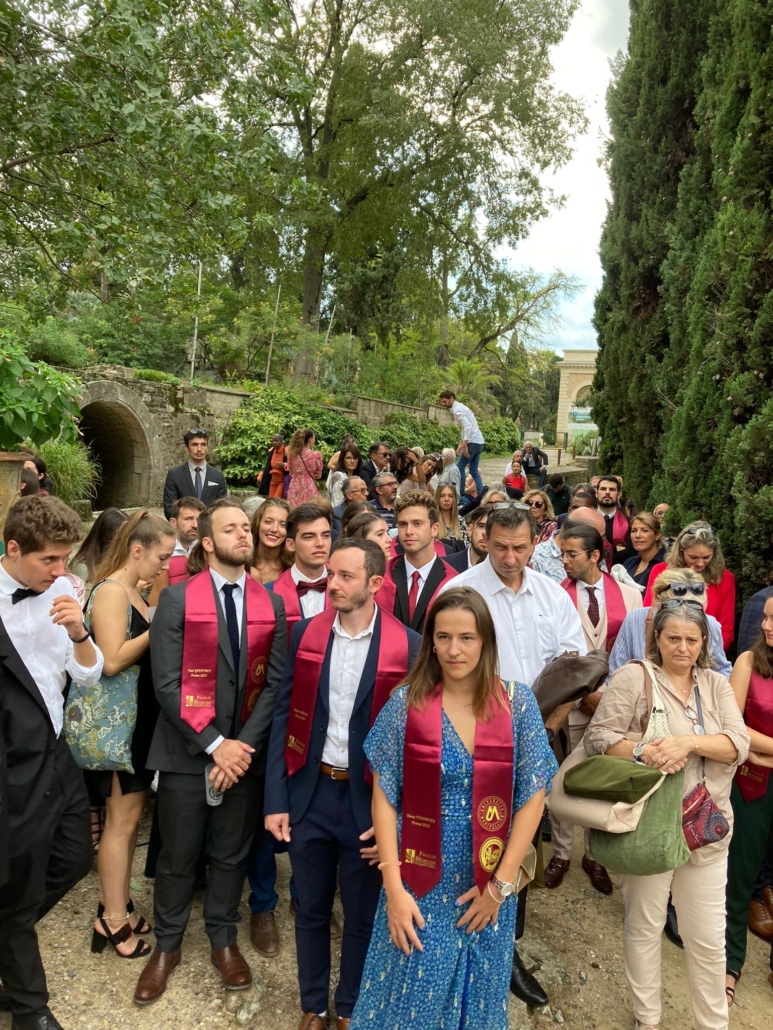
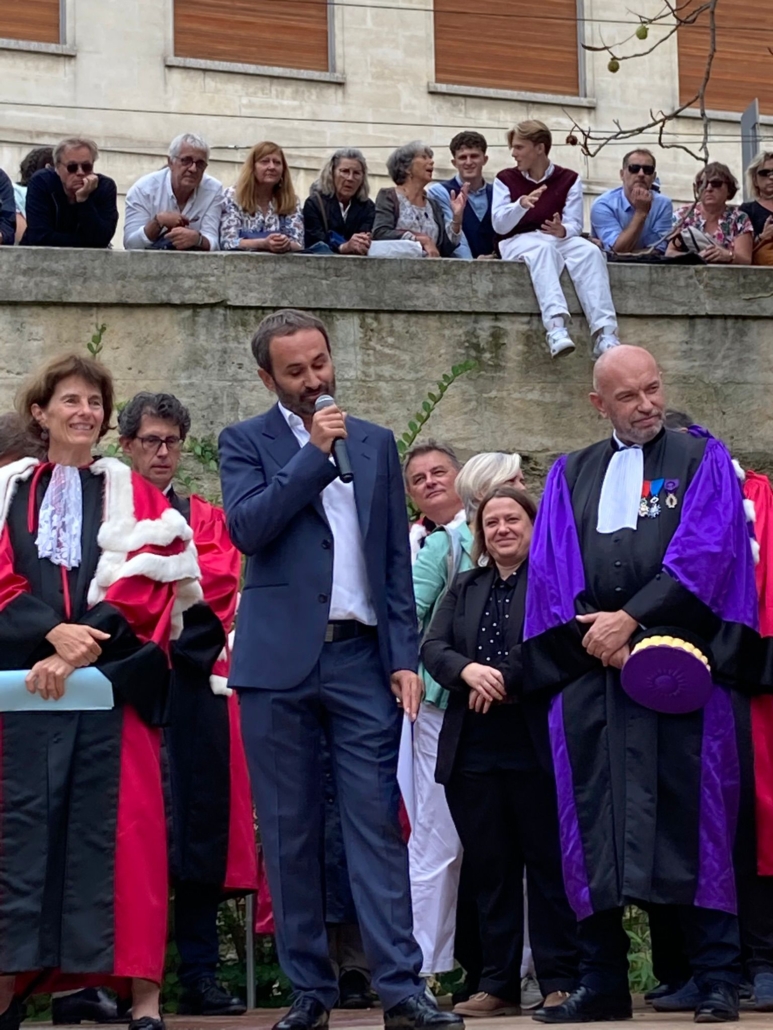
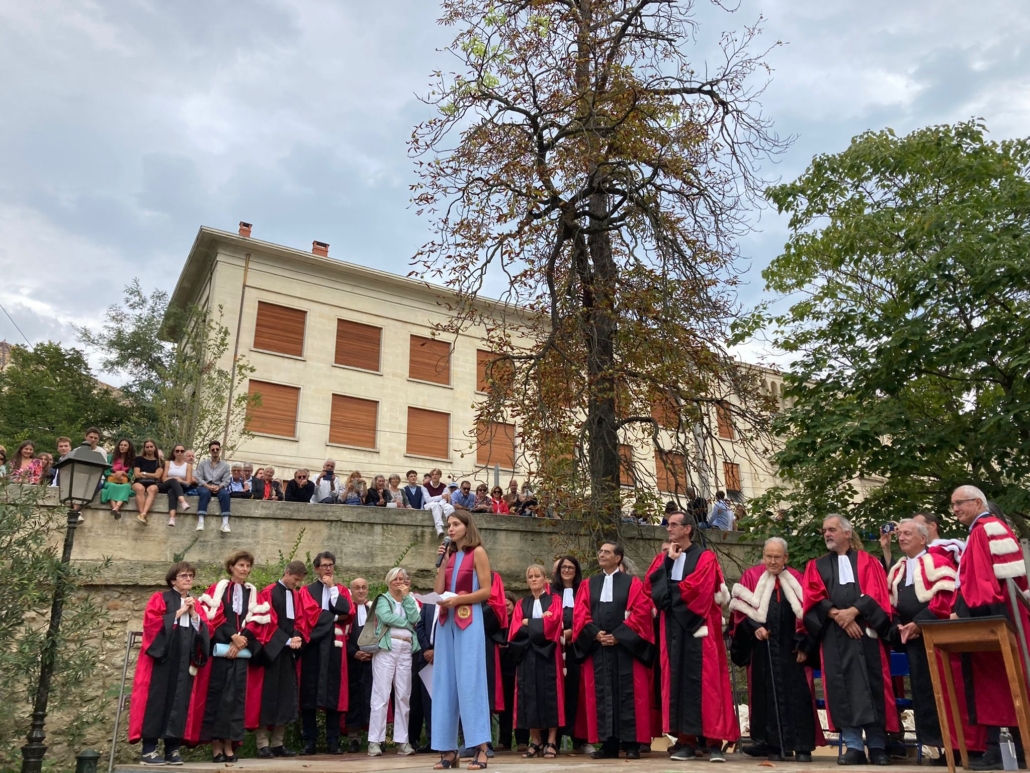
A few weeks after our Advanced Practice Nurses (APNs) graduated, it’s now our medical students’ turn to attend their graduation ceremony.

A ceremony traditionally held at the Jardin des Plantes

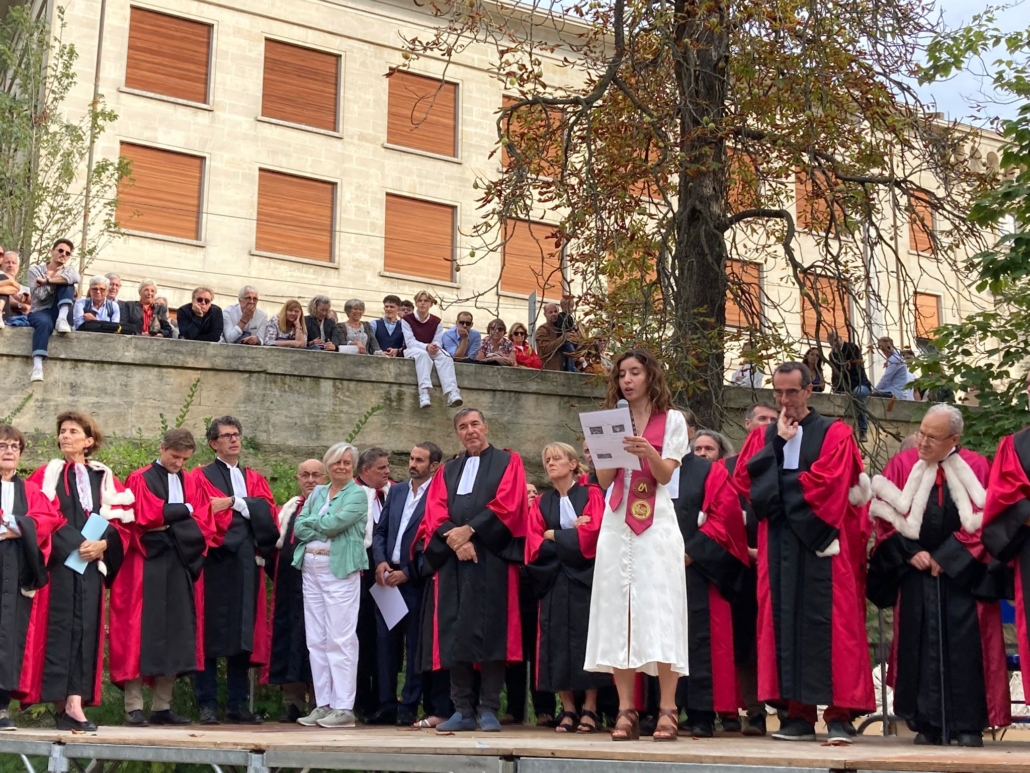
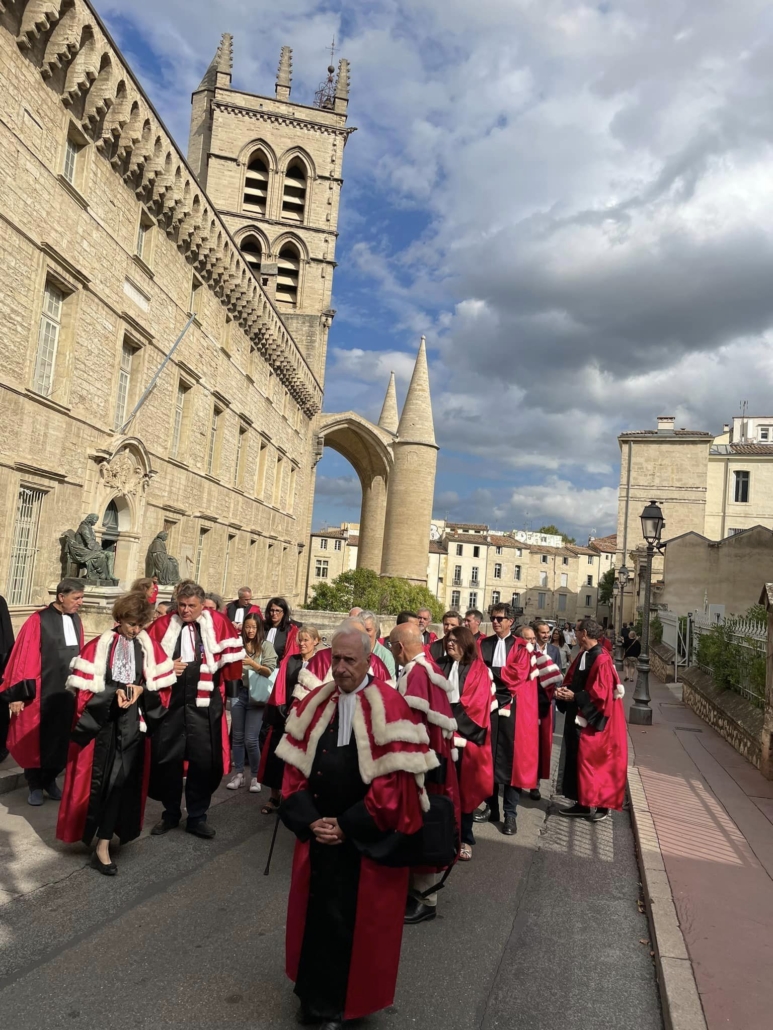
Traditionally held at the Jardin des Plantes on the third weekend of September, this ceremony gives our students’ loved ones and families the opportunity to (re)discover the school through a private tour of the campus accompanied by our faculty members, before applauding our new graduates!


A rite of passage into postgraduate medical studies

The students attending this ceremony are completing their first two cycles of study (6 years). They are now entering the third cycle and will begin their residency in one of the medical or surgical specialties, either in Montpellier or in other cities.

We wish them all the best in their future careers! Congratulations to everyone!


A few photos

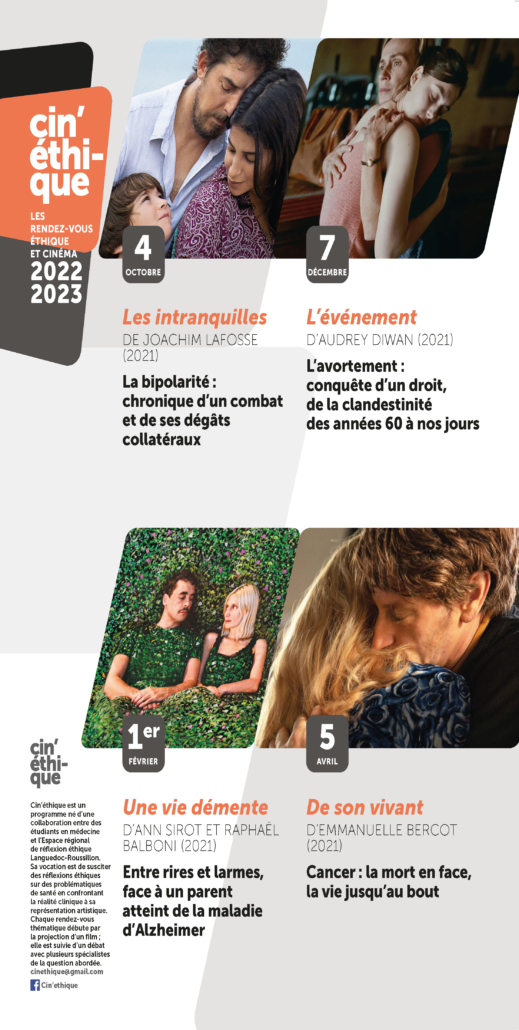
This is an event not to be missed for students, practitioners, teachers, and staff: the Cin’éthique film screenings and discussions, organized by the Espace de Réflexion Ethique d’Occitanie, are making their big comeback. See below for the schedule of upcoming screenings.


A location and schedule to keep in mind for four sessions a year

Cin’éthique’s film screenings and discussions take place at 7:30 p.m. in the Faculty’s anatomy lecture hall, located in the Historic Building. Click on the image below to view the detailed schedule of screenings and accompanying discussions.


The SPES (Primary Care, Environment, and Health) program is a training course offered by the University Department of General Practice at the Montpellier-Nîmes School of Medicine. A one-day training session for general practice residents, as well as a public lecture, will take place on Thursday, October 13, 2022, on the ADV campus.


SPES, a 2021 award-winning training project under the 3rd PRSE, has been renewed by the ARS

SPES is atraining project in environmental healthe for general practice residents. It is part of the call for proposals issued by the Occitanie Regional Health Agency (ARS) as part of the 3rd Regional Health-Environment Plan, of which it is one of the successful applicants. Following asuccess, the ARS proposed a multi-year contract setting out objectives and resources for a period of 3 years.  

SPES is therefore always organized in three stages:

  • A distance learning program offered to general practice residents (first year of the DES in General Practice) and faculty members in the Department of General Practice.

  • This in-person session will take place on Thursday, October 13, 2022, at our Arnaud de Villeneuve Health Campus. Designed for first-year general practice residents pursuing a DES degree, the morning will be devoted to presentations and discussions with experts in environmental health, and the afternoon will feature working sessions with the residents to collaboratively develop their thesis projects in environmental health.

  • A public lecture on Thursday, October 13, 2022, at our Arnaud de Villeneuve Health Campus, starting at 5:30 p.m. Aimed at the general public, this year’s lecture will focus on a topic that is more relevant than ever: “The Health Impacts of Heat Waves”

Program for the 2022 Edition


The start of the school year is often a time for reflection and renewal. It’s a time when many people think about their future prospects—the perfect opportunity to explore continuing education options! To mark this occasion, we’d like to introduce you to one of our 198 university diplomas (DU) and inter-university diplomas (DIU): the DU in “From Normal Cells to Tumor Cells.” To do so, we sat down with the two co-directors of this program, Ms. Szablewski and Mr. Ramirez. Here’s the interview.


Ms. Szablewski, Mr. Ramirez, good morning. Could you please briefly introduce yourselves?

VS: I am Dr. Vanessa Szablewski, MCU-PH in Pathological Anatomy and Cytology at the Montpellier University Hospital. I specialize in hematopathology and ENT pathology. For my research, I am affiliated withINSERM UMR 1058, “Pathogenesis and Control of Chronic and Emerging Infections.” My research focuses on the role of human papillomaviruses (HPVs) in cancers of the head and neck region.

JMR: I have held a Ph.D. in Biological Sciences for Health since 2005. After completing my dissertation, I conducted several postdoctoral fellowships abroad—in Washington, D.C., in the United States; at the Geneva University Hospital in Switzerland; and at the CIC (Centro de Investigación contra el Cáncer) in Spain—before finally returning to France to join the IRMB in Montpellier. In 2015, I was hired as an associate professor at the Montpellier-Nîmes Faculty of Medicine in Professor Thierry Lavabre-Bertrand’s department, where I teach histology and cell biology. In 2019, Vanessa and I created the first website featuring virtual slides that combines three disciplines: anatomy, pathological anatomy, and histology.


You are both in charge of the university certificate program “From Normal Cells to Tumor Cells.” What motivated you to create this program?

JMR: Histology and pathological anatomy are two closely related disciplines; it seemed to me that it is essential for a researcher in the field of health to be familiar not only with histology (the study of tissues) but also with pathological tissues.


Who is this training primarily intended for? How long does it last?

VS: This program is intended for all researchers working in the field of oncology, as well as those who wish to learn about human tissues and the diseases associated with them. It is also intended for physicians who wish to pursue a career in research or for oncologists who wish to acquire a solid foundation in scientific oncology. The program spans one academic year, but classes are held between February and June. The curriculum includes 52 hours of instruction, divided into 6 modules.


What added value will future graduates gain from this program? Does it open up new career paths for enrolled students?

JMR: The primary benefits are, first and foremost, the acquisition of new fundamental skills that will better equip future physicians or researchers in the field of oncology to perform their duties. Second, for all future physicians, the ability to better interpret medical findings provided by a physician specializing in pathological anatomy.


This year, as part of Heritage Days, La Mission Bern, in partnership with the Fondation pour le Patrimoine and the Française des Jeux, will present the Jardins des Plantes team with a check funded by the Loto du Patrimoine! In the afternoon, a program of free guided tours awaits visitors.


The Jardin des Plantes, Selected by the Heritage Lottery

As we learned last March, the Jardin des Plantes was selected by the Mission Patrimoine—a program entrusted to Stéphane Bern by the Ministry of Culture along with 18 other French sites to receive support from the Loto du Patrimoine. In addition to providing significant national visibility, this program will give the Jardin des Plantes administration a much-needed boost for its renovation, with work expected to begin soon.

To celebrate this occasion, the Jardin des Plantes will welcome a delegation from Mission Patrimoine and La Française des Jeux as part of European Heritage Days. An awards ceremony will take place at 10:30 a.m. this Saturday, September 17, at the Jardin des Plantes. This ceremony, attended by Mr. Lloberes, FDJ Regional Director for the Southeast; Mr. Pradel, FDJ Area Manager for Hérault Nord Aveyron; and Mr. Genet, Regional Delegate for Occitanie-Méditerranée for the Fondation du Patrimoine, will announce the Mission’s support for the Intendance renovation project.


An afternoon filled with guided tours!

To celebrate Heritage Days, our teams of gardeners and teachers are offering—for once—several guided tours. These tours are free and do not require reservations; they are conducted in small groups of 15 to 20 people. Be sure to arrive a few minutes early to secure a spot. If the weather is nice, a bottle of water and a hat are highly recommended!

See the schedule for the day below.


Note: This year, the Historic Building will not be open to the public due to renovation work.


We've talked about it

It’s always an emotional moment for the students, their loved ones, and our staff. On Wednesday, September 7, 2022, we celebrated the graduation of our 22 new advanced practice nurses. The ceremony took place during an intimate gathering in the Historic Building.


Congratulations to our newest class of graduates

The DE IPA (State Diploma in Advanced Practice Nursing) is a two-year program offered by the Montpellier-Nîmes Faculty of Medicine since 2020. Each year, just over twenty students enroll in the program. It enables registered nurses (DE IPA applicants must have at least three years of experience) to acquire advanced skills with the goal of improving the care of patients with chronic conditions.


So this Wednesday, September 7, we celebrated the graduation of the Class of 2022. After each graduate in attendance gave a speech, the ceremony was marked, as is customary, by the traditional tossing of the caps! Congratulations to all our graduates! The staff of the School of Medicine wish you all the best in your future professional careers.