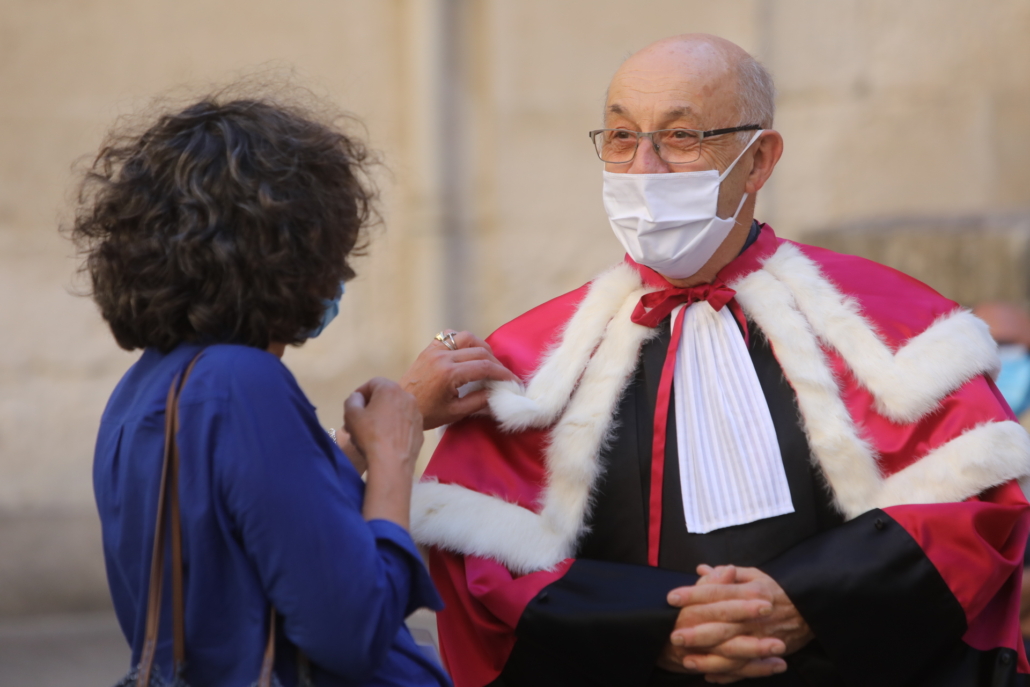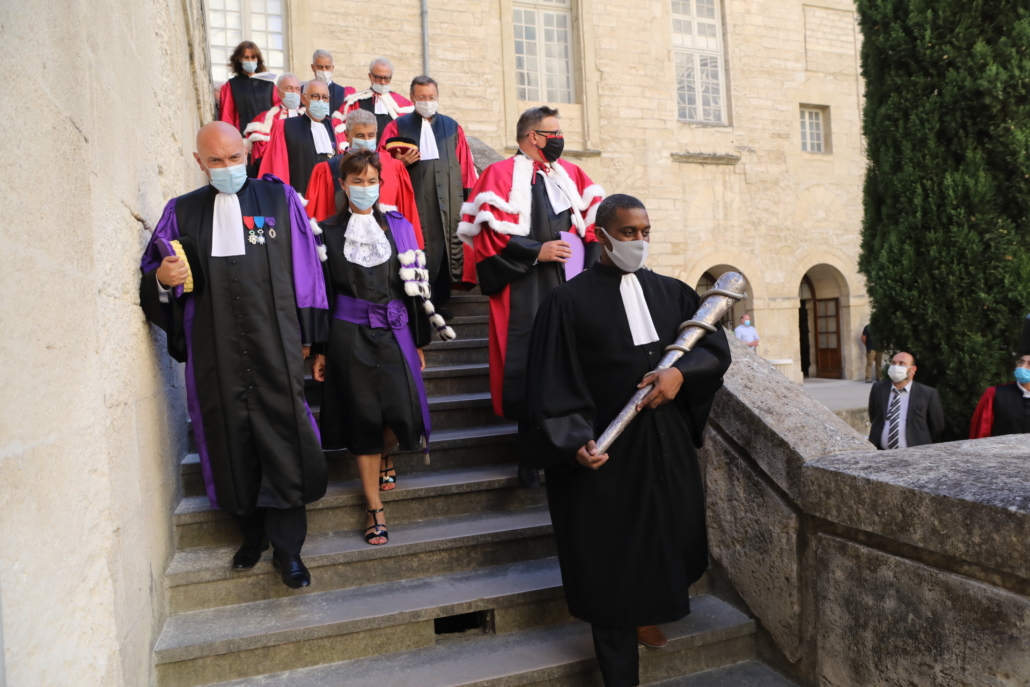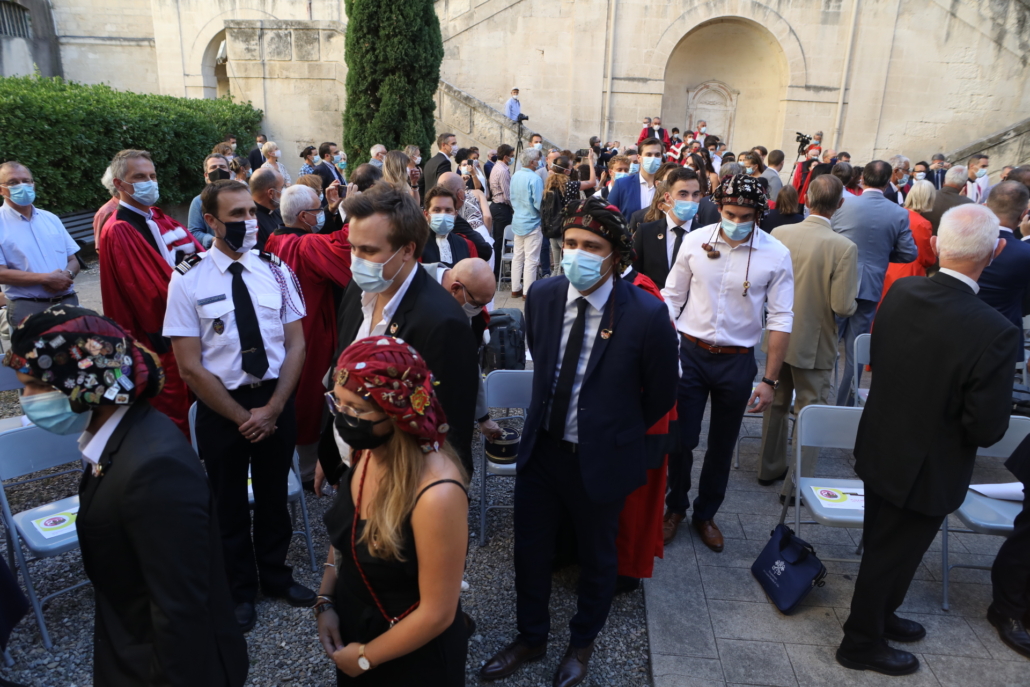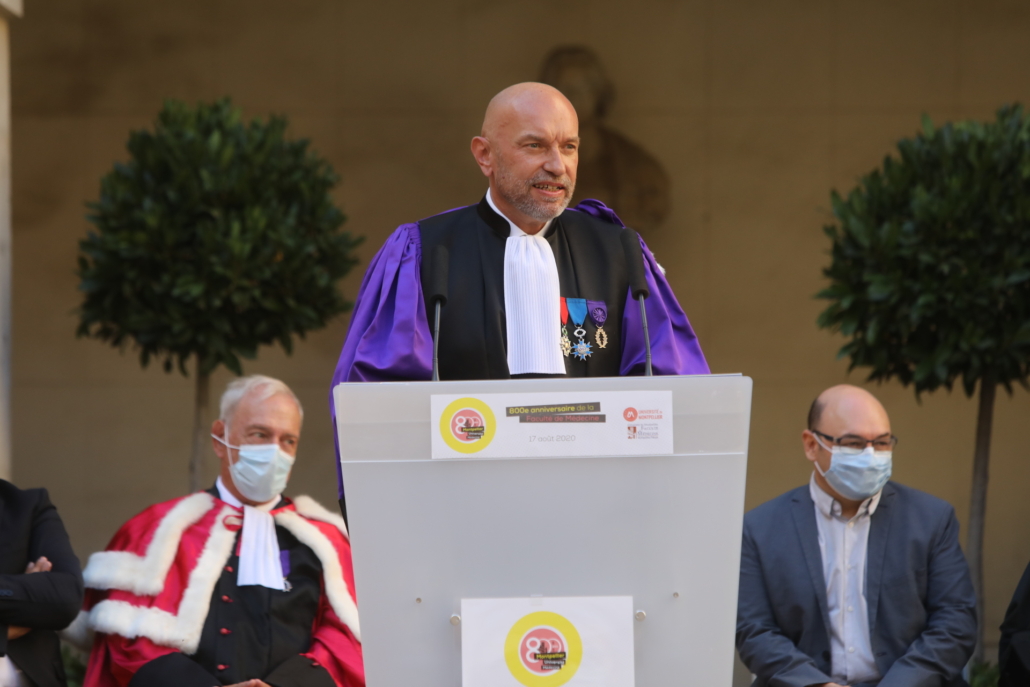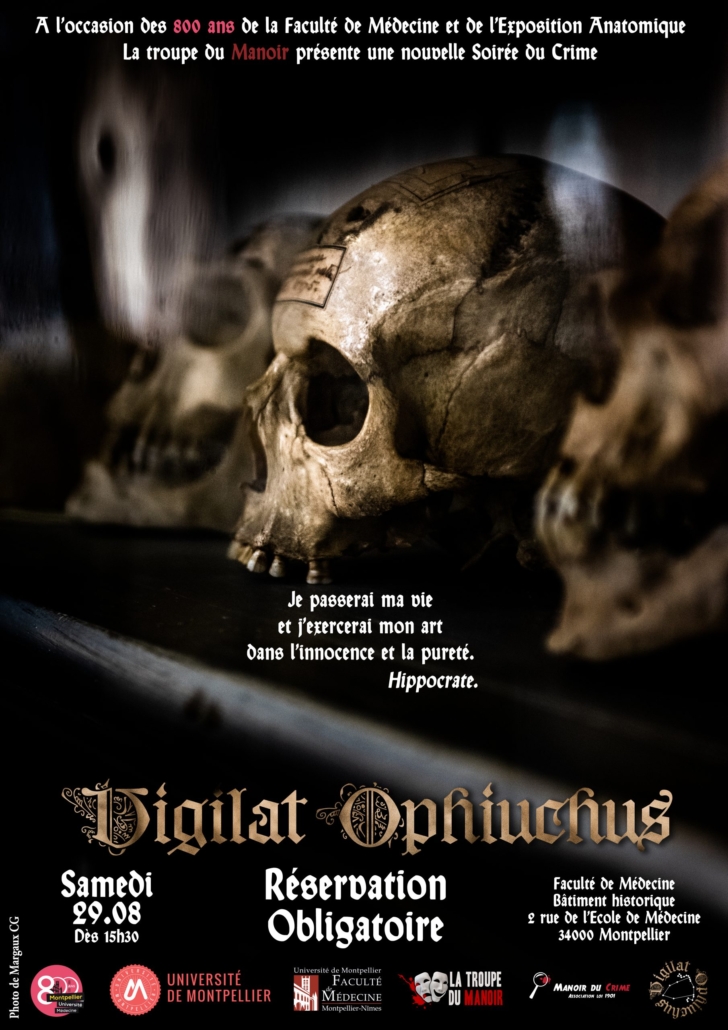
The year marking our Faculty’s 800th anniversary continues with a new, fun-filled event! Join the team at the Manoir du Crime on Saturday, August 29, for an unforgettable evening full of thrills…


A Full-Scale Investigation

This historic building will be the setting for a life-size game. Fans of Cluedo and mystery shows, put on your best detective outfit to solve the mysteries of the Troupe du Manoir!

1935. The press reports that the body of a famous surgeon was found in his home office, which was locked from the inside. However, this was no suicide. The police launch an investigation, and their inquiries soon lead our two detectives to the Montpellier School of Medicine. What conspiracy lies behind this skillfully disguised murder? What will our two investigators discover? Will they dare to delve into the mysteries of the Faculty of Medicine’s history?

Come join us for a Murder Mystery Night with a new twist, set amid our Faculty’s impressive anatomical collection!

On this special day, we’re up for a challenge. In fact, we’ll have to solve the longest mystery ever written by the Troupe du Manoir. To do so, it will be divided into two chapters.

A first group of teams will have the opportunity to solve Chapter I from 4:00 p.m. to 6:30 p.m. These same teams must then pass on everything they have discovered to the teams that will be solving Chapter II during a meal (under the guise of a police inspector). Armed with this information, the new investigators will have to unravel all the mysteries of the Montpellier School of Medicine.


An event requiring registration

Two sessions are offered, each including a buffet dinner:
The first session will be from 4:00 p.m. to 6:30 p.m. The second session will be from 8:00 p.m. to 10:30 p.m. Dinner will be served from 6:45 p.m. to 7:45 p.m.

Prices:
Session 1 OR Session 2 with meal: 40€
Session 1 AND Session 2 with meal: 60€

For more information on the Faculty’s 800th anniversary and the events organized to celebrate it, visit 800ans.fr!

Stress and anxiety affect our cardiovascular system, which in turn leads to increased stress and anxiety. It’s a vicious cycle! However, non-pharmacological solutions do exist and are accessible to many people. Among them is meditation.

Meditation is known to have several positive effects on health.

Stimulates the brain

One of the unique aspects of mindfulness meditation is that it helps improve memory by enhancing attention. This involves thinking of the mind as a muscle. Just like any other muscle, to strengthen it, you need to train it daily through mindfulness meditation.

The latter helps keep your attention focused on a specific idea and prevents your mind from wandering too much.

Did you know?

Mindfulness meditation, or mindfulness, involves focusing on one’s sensations, breathing, emotions, and thoughts without making value judgments. It was developed by Jon Kabat-Zinn, a professor of medicine at the University of Massachusetts. 

American studies led by neuroscientist Sara Lazar of Harvard Medical School have shown that meditation may increase gray matter in the areas of the brain associated with learning, memory, and emotional control.

This study also showed that meditation can be highly beneficial for people with attention disorders: it reduces hyperactivity and impulsivity, thereby improving attention.

Antidepressant 

Among the other benefits of meditation, research has shown that it helps reduce stress and anxiety, and thus lowers the risk of depression. How does it work? You focus on your breathing by simply becoming aware of each inhalation and exhalation. These techniques are easily accessible to everyone, even children.

Did you know?

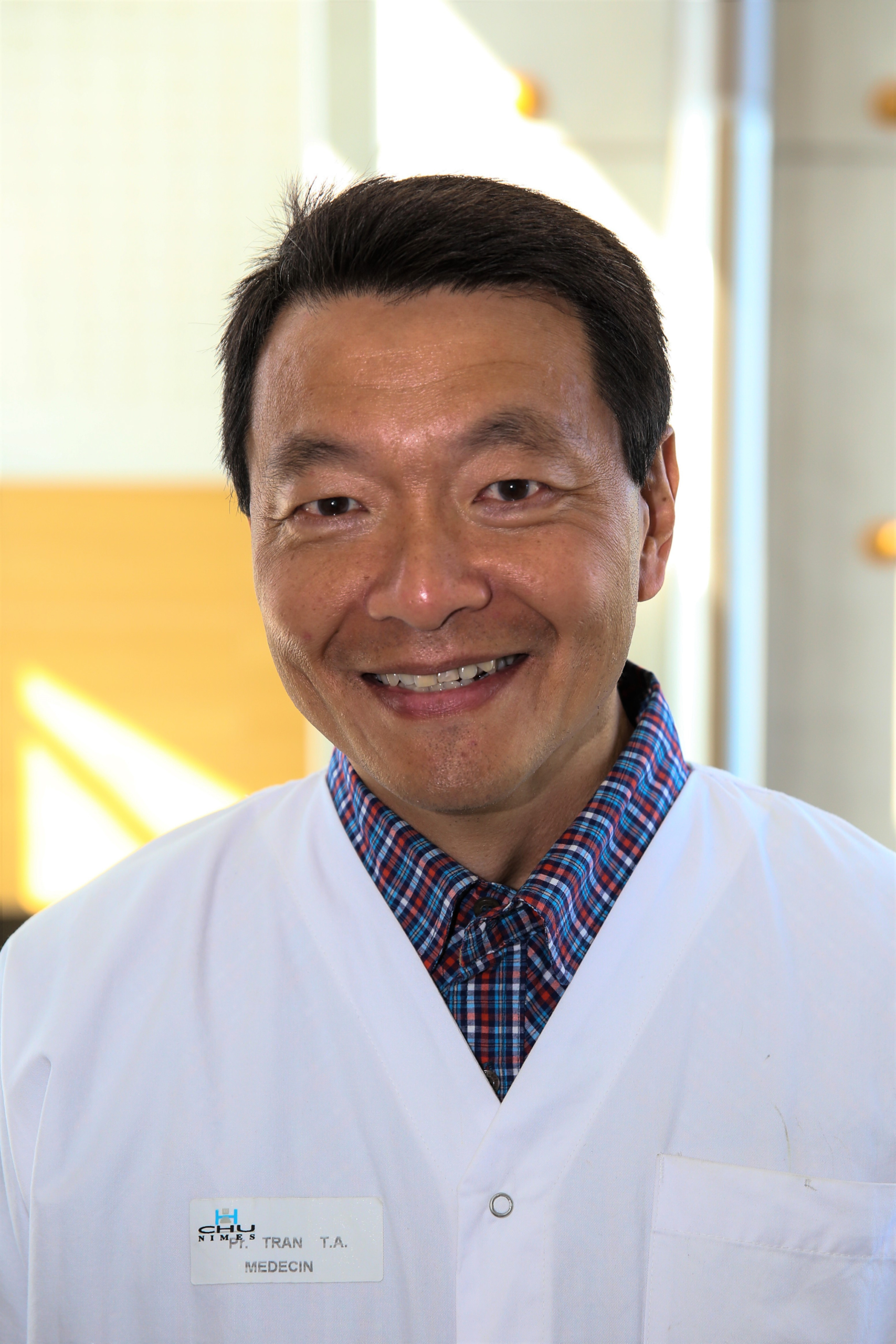
Professor Tu-Anh Tran, a faculty member at the School, has posted four guided meditations* on her YouTube channel so that children and their families can practice them throughout the day to find inner peace and focus on their work.

Episode 1:

Episode 2:


Episode 3:


Episode 4:


This method increases respiratory movement, allowing for better oxygen diffusion throughout the body—and particularly in the brain. Finally, mindfulness meditation improves the functioning of the prefrontal cortex, which is responsible for regulating emotions. It enhances intuition and creativity while reducing negative emotions such as stress, fear, and anger.

“Meditation balances the levels of activity in the two hemispheres of the brain. This balance fosters harmony between the body and the mind. Meditation is a valuable resource in an era that is generating more and more psychosomatic imbalances” – Marc de Smedt, French publisher, writer, and journalist, specializing in meditation techniques and world wisdom.

Immune Booster

Finally, meditation is also valued for its benefits as an “immunity booster.” 

In fact, mindfulness meditation affects pro-inflammatory genes, allowing the body to recover more easily after a stressful or anxious situation. 

The rest it provides is considered more effective and deeper than that achieved during sleep. The body produces fewer waste products thanks to increased oxygenation of the lungs, which in turn affects the hormonal, vascular, and muscular systems. This, in turn, leads to a boost in immunity and a regulation of pain sensitivity.

Did you know?

The Montpellier-Nîmes Faculty of Medicine offers a University Diploma (DU) in Meditation and Health. 
Course Objectives:
To understand the principles and benefits of meditation and learn how to apply it to improve the health of healthcare providers and patients.
Skills acquired

  • Identifying What Meditation Is—and Isn't
  • Understand the physiological mechanisms of meditation and their health benefits; identify possible applications of meditation in healthcare settings
  • Continue or strengthen your own regular practice
  • Implement a project that integrates meditation into your healthcare setting (for your patients or colleagues)

Studies using the“Mindfulness-Based Stress Reduction”(MBSR) protocol have shown positive effects on the reduction of pro-inflammatory genes, the immune response to the flu vaccine, immune signaling in people with cancer, and immune cell activity in patients with HIV.

Key Takeaways

During this unprecedented health crisis, it is important to find new ways to protect ourselves from the stress and anxiety caused by lockdown. Practicing meditation in a group—even remotely—can help break the feeling of social isolation and foster a sense of belonging.

Meditation

  • Promotes concentration and improves memory
  • Helps manage stress and anxiety
  • May help the immune system develop


*These meditations are excerpted from her book *Méditasoins: Short Meditations for Children’s Major Ailments*, published by Thierry Souccar.
*Journal of Cognitive and Behavioral Therapy (2010) 20, 11–15 – Impact of the Mindfulness-Based Stress Reduction ( MBSR) therapeutic approach on mental health (stress, anxiety, depression) among students – C.Berghmans∗, C. Tarquinio, M. Kretsch


The Healthcare Professional:

We would like to thank Professor Tran for his assistance in writing this article.

Tu-Anh Tran

Tu-Anh Tran

Professor, Chief of the Pediatrics Department at Nîmes University Hospital

Professor Tu-Anh TRAN is a pediatrician specializing in inflammatory and rheumatic diseases in children, and head of the pediatrics department at the Nîmes University Hospital. A meditation practitioner himself, he spearheaded the creation of one of France’s first university-level meditation programs, “Meditation and Health,” at the Montpellier-Nîmes School of Medicine. Professor Tran has been using meditation to treat his young patients for over 10 years.


The current situation is leading us (or bringing us back) to new activities, and reading is one of them. During this period of lockdown, many e-books have been made available for free online. Whether you’re an avid reader or someone looking to explore new areas of knowledge, there’s something for everyone.


Here is a list of several themes and platforms that might help you find what you're looking for:


Montpellier Interuniversity Library

A go-to resource for students at the University of Montpellier, the Montpellier Interuniversity Library (BIU) gives students at the University of Montpellier access to all the materials available on the platform.

So, you'll find the following there:

  • Scientific journals
  • Books
  • E-books
  • Theses and dissertations

There's something for everyone—whether you're looking to broaden your horizons, study, or work on your thesis. 


Gallica BNF

The National Library of France also offers a wide selection of free books to everyone—but that's not all! Check out:

  • Read: ePubs
  • Don't miss: the lectures
  • Check out: our curated selections of treasures
  • For students: resources
  • For kids: activities, coloring pages, stories


Online Reading – Medicine

In addition to the resources mentioned above, some websites offer PDFs and e-books related to your field of study. One such site is “Livres pour tous,” which has a section Medicine and Health section with documents that are free and accessible to everyone.

The same is true of the “Univers médecine” website, which offers books on medicine tailored to different skill levels.


Major corporations and publishers

To help the French people get through this health crisis, some major retailers and publishers have made free e-books available. 

With a wide variety of themes, you'll find:

  • Crime Novels
  • Romance
  • Fantasy
  • French Literature


A host of authors to delight you: J.K. Rowling, Harlan Coben, Stephen King…


Wikisource and Project Gutenberg

On these two websites, you’ll find thousands of books and articles available for free! With such a wide variety of topics, there’s something for everyone.

Wikisource Gutenberg

And if, after checking all these links, you still haven't found the book you're looking for, here's a link to this online book database!  

Nutrition - 5 Tips

During this lockdown, there’s no shortage of temptations when it comes to “snacks” and treats… Should you give in and feel guilty, or resist and feel frustrated? We spoke with Prof. Ariane Sultan, a professor at the Faculty who specializes in nutrition, and dietitian Nicolas Sahuc, a lecturer at the Faculty. Together with them, we’ve compiled five dietary and nutritional tips to follow during the lockdown… but that’s not all!


1 / Listen to your body and its needs!

Lockdown is turning our routines upside down: our schedules are out of sync… and so are our bodies! Sometimes, we don’t feel hungry at the traditional “breakfast, lunch, dinner” times. Don’t panic! According to Nicolas Sahuc, we need to pay close attention to our body’s rhythm, which varies from day to day and isn’t necessarily aligned with “social” schedules: Don’t worry if you’re not hungry at ‘mealtimes’; instead, eat when you’re really hungry.” To do this, you need to listen to your body and pay attention to genuine feelings of hunger and fullness. That doesn’t necessarily mean eating three meals a day…” emphasizes Professor Sultan.

All in all: think about your body’s natural rhythms and pay attention to your hunger cues before you even think about nutrition! 


2 / Don't pick or avoid any foods: think about how long they keep you full! 

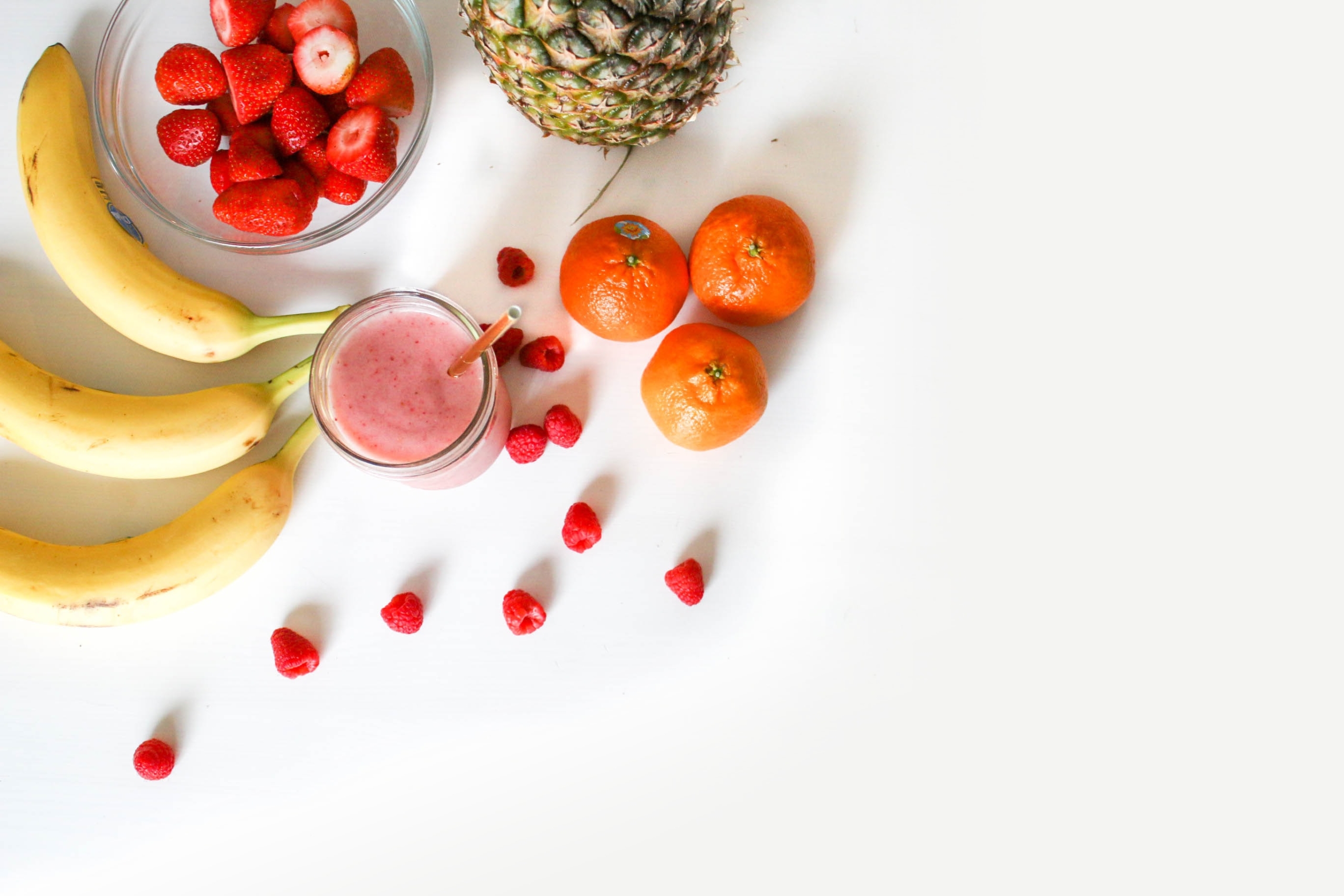
“When you’re hungry, any food will satisfy your hunger. However, not all foods keep you feeling full for the same amount of time.”. The dietitian's advice is to opt for foods that will keep you full for longer: choose a banana over a cookie for a snack, or better yet, if you're really hungry, have a proper, balanced meal.


3 / Don't feel guilty, but think big!

That said, don’t feel guilty either if you really want that cookie for an afternoon snack. The key is to think about nutrition holistically: “Nutrition is all about overall balance. If you eat balanced meals regularly and at your own pace, there’s no reason to feel guilty.” On the other hand, balanced nutrition isn’t a “one-off”: just one balanced meal every now and then isn’t enough! Professor Sultan confirms this: A balanced diet is determined over the course of a week rather than a single day.”


4 / Choose balanced meals

“A balanced meal will keep you full for about 5 hours, while an unbalanced meal or a snack will keep you full for only 2 to 2.5 hours. It’s therefore important to plan your meals with a variety of foods that will keep you full over time. “Contrary to popular belief, a meal without bread or starchy foods won’t help you stay in shape, since you’ll be hungry again two hours later.” For a balanced and substantial meal, it’s recommended to include: bread, starchy foods, a source of protein (meat, fish, eggs, or plant-based protein), a dairy product (yogurt or cheese), fruits and vegetables for fiber, and a small amount of fat. Ariane Sultan points out that “this combination should be adjusted based on how hungry you feel”. As for meal variety, the dietitian emphasizes that “the composition of a balanced meal is always the same; you just need to vary the foods according to your tastes!” 


An example of a balanced meal: 

  • 1 serving of Basque-style chicken, with vegetables (fresh or frozen), rice, and salad
  • 1 slice of bread
  • 1 yogurt or 1 piece of cheese
  • A few strawberries


But don't forget Professor Sultan's advice, which recommends carefully assessing your hunger: If you’re not very hungry, there’s no need for all those starchy foods—or just cut back on them!”

5 / Carbohydrate-rich snacks for periods of intense work

And because we know that exams are coming up for many of you, we asked the dietitian for his recommendations on snacks during periods of intense work. According to him, “You should opt for carbohydrate-rich foods, such as cereal bars or fruit compotes, which are nutritious and convenient. Swedish “Havreflarn”-style cookies are also a good alternative: they don’t contain too much added sugar and are easy to make at home.” However, as our dietitian points out: “Before you even think about snacks, the most important thing is learning how to manage your stress! Breathing exercises are very effective in helping you do that.” “And don’t forget physical activity!” the professor adds, “You can stay active no matter the circumstances—even during lockdown! You just have to adapt your routine and adjust to the situation!”


Of course, we weren't going to leave you hanging like that: we've picked out a few Swedish pancake recipes for you… : 

Recipe 1 Recipe 2 Recipe 3

…and apps to help you manage stress:


We'll be back in the next few days with more on physical activity, so stay tuned! And in the meantime: get cooking 😉!


Healthcare Professionals:

We would like to thank them for their assistance in writing this article.

Ariane Sultan

Ariane Sultan

Professor of Nutrition

Ariane Sultan is a professor of nutrition on the nutrition and diabetes team at the Montpellier University Hospital (CHU), Lapeyronie Hospital. As chair of the CLAN (Food and Nutrition Liaison Committee) at the Montpellier University Hospital, she teaches several courses in nutrition and diabetology at the Faculty of Medicine.

Nicolas Sahuc

Nicolas Sahuc

Dietitian

Nicolas Sahuc has been a certified dietitian since 2003 and specializes in eating disorders. He regularly gives seminars to medical residents at our faculty on eating disorders and childhood obesity.

Working from Home and Studying

Due to the lockdown causedthe COVID-19 health crisis, the daily routines of most of us have been turned upside down. To help you adapt as best as possible to working from home for some and distance learning for others, today we’re sharing 5 tips to put into practice!

1 – Set a schedule for yourself

To stay productive while working from home, you’ll need to plan your time! Setting an alarm and establishing daily and weekly goals are important steps to stay on track! Having a clear idea of the tasks you need to complete each day and allocating a specific amount of time to each one will help you structure your workday. To help you, we’ve even prepared a schedule you can print and customize yourself! This system works just as well for projects with deadlines as it does for exam prep. Knowing how to set goals and stick to them is the key to productivity.

2 – Setting Up Your Own Workspace

Working from home isn't always easy—there are plenty of distractions. Instead of working in front of the TV or in bed, you should focus on creating a dedicated workspace. Set up your own office, a place where you’ll only go to work and where you’ll feel comfortable. A computer, sheets of paper, pens, a houseplant—keep everything within reach everything you might need for your work! You can also keep a small object nearby to keep your hands busy during brainstorming sessions—whether it’s a pen for jotting down notes on paper or a stress ball to squeeze!


3 – Stay in touch with these colleagues 

It’s easy to feel lonely or overwhelmed when working from home! Staying in regular contact with your colleagues will not only allow you to connect with others but also help you motivate one another! This is especially essential for those leading team projects. Schedule regular debriefs to check in on everyone’s progress, and keep a group chat open at all times so you can respond to emergencies or answer questions. 

Also, if you're having connection issues, this article has all our tips for getting the best possible network! 

4 – Separate work and personal life

Is there anything tricky about working from home? It’s hard to separate your professional life from your personal life. You’re at home, surrounded by your family, but you’re also at work. The first thing to do is to get into work mode. You wouldn’t go to the office in your pajamas, so in the morning when you wake up, have breakfast, do a little exercise, and get dressed before settling into your remote work space. Also, let your family and friends know your work hours so they’ll disturb you as little as possible during those times.

5 – Take breaks 

Don’t spend the whole day focused on your classes or your computer—to keep up the pace, you need to take breaks. Whether you’re at college or at work, you probably take breaks from time to time, so do the same at home! Folding your laundry, having a cup of coffee on your patio or by the window, or simply doing nothing on your couch will help clear your mind. Getting back to work will be all the easier afterward because your mind will be clear. So don’t feel guilty about taking breaks! It’s normal to want to move around a bit, especially when you’re stuck at home all day, and it will help you refocus. 

6 – (Bonus) and stay tuned!

And since we’re here for you every day during this lockdown, don’t forget to follow us on social media: Facebook, Twitter, and Instagram.

Your favorite organizations are also getting involved, so don't forget to follow them too!


As part of the crisis management efforts surrounding the coronavirus epidemic, Professors Amouyal and Le Moing will be hosting a videoconference open to all general practitioners this Thursday, March 26, 2020, at 6:00 p.m. Click here for the conference agenda and registration details!


A remote conference

The conference will take place via video conference on Thursday,March 26, 2020, from 6:00 p.m. to 8:00 p.m. It is open to all practicing general practitioners and will focus on the topic: “COVID-19: Current Developments and Management in the Eastern Occitanie Region.” Since the number of participants is limited to encourage interaction between attendees and speakers, registration is free but required.

Registration is now closed. You can find the conference podcast below.

The conference will take place on the GoToMeeting platform, so we recommend that you install the app if you haven't already. You can download it here.

What's on the agenda for the evening

The online event will be hosted by Prof. Amouyal and Prof. Le Moing. It will consist of five key segments:
  1. 6:00–6:15 p.m.: What are your expectations?
  2. 6:15–7:00 p.m.: COVID-19: What We Know—Epidemiology, Clinical Aspects, and Treatment: Paul Loubet, Nîmes University Hospital
  3. 7:00–7:20 p.m.: What's Happening in Hospitals: Hugues Aumaitre, Perpignan; Paul Loubet, Nîmes; Vincent Le Moing, Montpellier

  4. 7:20 p.m.–7:50 p.m.: What's Happening in Town: Michel Amouyal

  5. 7:50–8:00 p.m.: Summary: Michel Amouyal, Vincent Le Moing


A lecture that you can watch later on video.umontpellier.fr

Watch the replay of the conference below!

Here you will find all the information regarding how the School of Medicine is operating during the coronavirus crisis. This article will be updated regularly throughout the crisis.


Update from Tuesday, March 24, 2020.
Changes since the last update are marked with an *


The Jardin des Plantes will be closed to the public starting March 17, 2020

In accordance with government announcements and to prevent gatherings of more than 100 people, the Jardin des Plantes will be closed to the public starting Tuesday, March 17, 2020.

Closure and complete suspension of classes effective Monday, March 16

In-person classes—including lectures, tutorials, lab sessions, and simulation room sessions—will be suspended. Student study areas and CROUS cafeterias will also be closed. The institution (across all campuses and buildings) will be closed until further notice. 

Schedule for the Mock ECN Exams, March 16–18

Since the Faculty is closed to the public and students, the mock ECN exams will be administered at home, following the same format as the test held on Thursday, March 12. 

PACES Classes and Tutoring

In-person classes for PACES students will be suspended starting March 16. Courses will be made available online shortly so that students can continue their studies. PACES tutoring sessions in Montpellier (ATM2) and Nîmes (TSN) are also suspended until further notice.

*Internships for students in all fields of study

Guidelines for internships are available in this article.


This article will be updated as the crisis and the response measures evolve. We encourage you to check back regularly!


Useful Links

For any information regarding crisis management at the Faculty, please contact the General Affairs Office: medecine-covid19@umontpellier.fr

For information about the coronavirus: https://www.gouvernement.fr/info-coronavirus


To limit the spread of the virus, be sure to follow preventive measures.

In February and March, the TAUST student association invites you to discover the history of the Faculty of Medicine through an Escape Game on February 12, 13, 21, and 26, and then on March 6, 9, and 17, right in the heart of the Historic Building.

Discover the history of the School of Medicine in a new light

Four dates in February are available for you to discover or rediscover the history of the School of Medicine in a unique way. Locked in a room inside the Historic Building, you’ll need to use your wits and work as a team to solve the puzzles designed by TAUST students.

You'll have 45 minutes to take on this innovative challenge—and to find out who locked you in and why!
In short, plenty of puzzles to solve and a mystery to unravel await you. It's sure to make your evening memorable!

Over the course of its 800-year history, the Faculty of Medicine has witnessed many events, and some of the leading figures in French medicine studied there.

Don't miss this extraordinary event!
We look forward to seeing you on February 12, 13, 21, and 26, and March 6, 9, and 17 at 7:40 p.m., 8:55 p.m., and 10:10 p.m.

Download the program Online Registration

Our students are talented

These fun evenings are brought to you by the Montpellier University Amateur Theater Association (TAUST).
Founded in 1989, this mainstay of student community life in Montpellier organizes numerous workshops and performances. Feel free to follow their activities on their website and social media to stay informed.

Faculty Organization

For the first time, the Faculty is organizing a symposium for its entire faculty: both faculty members affiliated solely with the Faculty and those affiliated with both the Faculty and the university hospital. Don’t miss this event on February 28!


Neuroscience as a Unifying Force

Organized by Dr. Carine Bécamel, this event aims to bring together faculty members from both the university and the hospital around the theme of neuroscience. The goal is twofold: to identify the pool of expertise within our Faculty while fostering future collaborations!


A rich program

The day will feature several short presentations. These will cover the clinical and basic research projects in the field of neuroscience being conducted by the faculty members of our department.


Practical Information: Date, Location, and Registration

This first symposium will take place on February 28, 2020, in the Giraud Amphitheater on the Faculty’s ADV Campus in Montpellier. Registrationis free butrequiredbyFebruary 13,2020! To register, click the link below:

We look forward to welcoming you to this event!

ENA-2020

It’s the must-attend event for research and innovation in the Gard region: Les Entretiens Nîmes-Alès! Every year, the Nîmes-Alès Metropolitan Cluster organizes a series of unique conferences at higher education institutions, in partnership with local businesses. The Faculty of Medicine is proud to be a partner of these events!


Science todayis paving the way fortomorrow's innovations.

The goal of the Nîmes-Alès Talks is to raise public awareness of the region’s capabilities in the fields of higher education, research, and innovation.

Through a series of events open to everyone—symposia, lectures, roundtables, workshops, exhibitions, and tours—held over the course of a single week.

Come discover the latest innovations taking shape in the fields of digital technology, healthcare, the environment, risk management, and more…

The 2020 event will take place from February 4 to 8.

Program for #ENTRETIENSNA 2020 Registration #ENTRETIENSNA

ENA 2020 Poster


Visit the SimHu platform on our Nîmes website!

As part of the 2020 edition of the Entretiens Nîmes-Alès, the Faculty of Medicine at its Nîmes campus is opening the doors to its simulation platform, SimHu, in partnership with the Nîmes University Hospital. Our teams will introduce you to the latest technologies used in medical education, particularly simulation manikins. High-fidelity simulation workshops will be offered to the public, giving participants the chance to step into the shoes of future healthcare professionals!

Learn more about this event Learn more about our SimHU


How do I get there?

The event will take place on Saturday, February 8, 2020, starting at 9 a.m. at our Carreau Campus in Lanes!

Address: 186 Chemin du Carreau de Lanes, 30000 NÎMES

Bus: “trambus” line T2 or “bus” line 5 toward CHU Carémeau

Directions by car:A9 Highway, Exit 25 Nîmes Ouest – On-site parking available.


We hope to see many of you there!